


My Logbook: Fire, Ice, and a Whispered Prayer at the Edge of the World
I stepped off the gangway at Skarfabakki terminal on a morning so still that the harbor water mirrored the sky like polished slate, and the first thing I noticed was the cold, clean smell of salt air mixed with something faintly volcanic, a mineral sharpness I had never encountered anywhere else on earth. Reykjavik's colorful tin rooftops spread before me in cheerful reds, greens, and blues, and above them all rose Hallgrimskirkja church, its white concrete spire climbing toward the overcast sky like a frozen geyser. Our ship had arrived early, and I was booked on one of those perfectly timed 6.5-hour Golden Circle tours designed for cruise passengers. This 190-mile loop from Reykjavik connects three natural wonders that feel like they belong on another planet, and I understood why the moment we reached our first stop.

At Thingvellir National Park, a UNESCO World Heritage site since 2004, I walked the path between two continents, placing one hand on the North American plate and the other on the Eurasian plate. The rift valley spreads before you like an open wound in the earth's crust, the plates drifting apart at about two centimeters per year, tearing Iceland slowly in half. Standing in that ancient fissure, I felt the raw geological power beneath my feet, the very bones of the planet shifting, grinding, pulling apart beneath my boots. However, what struck me most was not the grandeur but the silence. The wind dropped, the tour group behind me went quiet, and for one long moment I stood alone between continents, feeling the earth breathe. My eyes welled with tears I did not expect. I had read about this place for years, studied the geology, watched the documentaries, yet nothing prepared me for the weight of standing where creation is still unfinished, where deep time becomes tangible under your fingertips. I whispered a quiet prayer of gratitude, because some places on this earth remind you that you are small and the world is vast and that both of those truths are gifts.
Then came Gullfoss, a majestic glacial-powered waterfall that drops in two thundering stages into a rugged canyon. I felt the roar of it in my chest before I even saw it, the ground trembling beneath my boots as millions of gallons of ancient ice melt plunged into the abyss. When the mist caught the sun, rainbows arced across the chasm like nature's own benediction, and I stood there transfixed, watching the Hvita river carve its way deeper into stone with the patient fury of water over time. Although the path was wet and the spray soaked my jacket, I could not bring myself to step back. The sound was deafening yet somehow comforting, a roar so enormous it swallowed every other thought in my head, and my heart swelled with something I can only describe as awe layered over humility.

Just down the road, the Geysir geothermal area delivered on its promise with raw, elemental power. Strokkur geyser erupts every 5 to 10 minutes, sending a column of boiling water 66 feet into the sky with a roar and a dome of scalding steam. I stood there, camera ready, waiting for the telltale bubble at the surface, that moment of held breath before the earth exhales with volcanic force. When it blew, the eruption felt primal, like witnessing the planet's heartbeat made visible. Steam hissed from fissures all around us, the ground hot to the touch, sulfur sharp in the air. Despite the crowds pressing in for the perfect shot, I felt an eerie solitude, as though the geyser were speaking only to me. This is fire-and-ice made manifest, Iceland's dual nature laid bare: glaciers and lava, geysers and Northern Lights, creation and destruction dancing together in terrifying balance.
That evening I joined a whale watching tour from the old harbor, hoping to spot humpbacks in Faxafloi Bay. The cost was about $85 per person, and the three-hour trip delivered beyond my expectations. We saw two humpbacks breach within 200 meters of the boat, their massive tails slapping the surface before they disappeared into the deep. The cold sea spray stung my face, the diesel smell of the boat mingled with salt, and I tasted the sea on my lips as I leaned over the railing, breathless. Yet it was the silence between breaches that moved me most, those long seconds of waiting when the whole boat held its breath, scanning the grey water, until the next explosion of spray and dark skin broke the surface.
The Blue Lagoon is 45 minutes from Reykjavik, and booking the late afternoon slot meant we arrived as the light turned golden. This is not just a hot spring but a vast geothermal spa fed by the runoff from the nearby Svartsengi power plant, its milky-blue waters rich with silica, algae, and minerals that leave your skin impossibly soft. I floated in 100-degree water under the Iceland sky, steam rising around me while volcanic rock pressed cool against my back. The silica suspended in the water gives it that otherworldly blue-white glow, and the minerals soothe tired muscles after a day of chasing waterfalls and geysers. Still, the price is steep at around $75 for comfort entry, and I noticed the facility was crowded despite the late hour. Even so, sinking into that warm water after a long day of walking felt like a reward I had earned with every blister.

Back in town, I walked from the old harbor to Hallgrimskirkja in about ten minutes, stopping at the Sun Voyager sculpture and Harpa Concert Hall's glass honeycomb facade along the way. The church rises like a frozen geyser, its white concrete spire echoing the basalt columns that frame Iceland's coastline. The tower elevator costs about 1,000 ISK (roughly $7), and the view from the top stretches across the entire city and out to the ocean beyond. I finished the day with an Icelandic hot dog from Baejarins Beztu, the famous stand near the harbor, for about 500 ISK ($3.50). If you are visiting during the darker months, keep your eyes on the sky: Iceland's remote location far from light pollution makes it prime territory for the Northern Lights. Most tour operators check the aurora forecast and will offer free rebooking if the KP index is below 3 or clouds roll in. My Northern Lights hopes went unfulfilled on this visit since I came in summer, but I plan to return in September or October when the nights grow long enough for the aurora to dance.
Looking back on my day in Reykjavik, I realized that what I had experienced was not just a tour of geological curiosities but a lesson in humility. Iceland strips away every comfortable illusion about our place in the natural order. The earth here is young, raw, still forming, and it does not care whether you are watching. Nevertheless, it invites you to witness, and the witnessing changes you. I learned that the most powerful moments of travel are not the ones you plan for but the ones that ambush you, like tears between tectonic plates or the silence after a whale breaches. Sometimes the world cracks open and shows you something so honest, so unfiltered, that all you can do is stand there and let it in.
Weather & Best Time to Visit
The Cruise Port of Reykjavik
Reykjavik's primary cruise terminal is Skarfabakki, located about 3 kilometers east of the city center. The terminal has a small welcome area with tourist information, restrooms, and a few souvenir vendors. A free shuttle bus runs continuously between the terminal and the city center, with the ride taking roughly 10 minutes each way. Larger ships always dock at Skarfabakki, while smaller expedition vessels sometimes berth at the old harbor in the heart of downtown, making the walk to Laugavegur and Hallgrimskirkja nearly effortless. The pier area at Skarfabakki is flat, paved, and wheelchair accessible. Taxis are available at the terminal and typically charge around $15-20 for the ride into the city center. There is no tender required at Reykjavik; all ships dock directly. Wi-Fi is available in most downtown cafes and restaurants, and mobile data coverage throughout the city is excellent.
Getting Around Reykjavik
Downtown Reykjavik is remarkably compact and walkable. Once you arrive via the free shuttle from Skarfabakki, nearly every city attraction sits within a 15-minute walk. The main shopping and dining street, Laugavegur, connects the harbor area to Hallgrimskirkja, and you can stroll the entire stretch in under 20 minutes at a comfortable pace. For guests with mobility concerns, the city is mostly flat with well-maintained sidewalks. Wheelchair users will find the downtown core largely accessible, though a few older cobblestone sections near the harbor may require care.
For destinations beyond walking distance, several options are available. City buses operated by Straeto run frequently and cost about 490 ISK ($3.50) per ride. Taxis are plentiful but expensive by international standards, with a typical ride from downtown to the domestic airport costing around $15. Rental cars are popular for independent travelers planning to drive the Golden Circle on their own, with daily rates starting around $60 for a compact car. However, for cruise passengers with limited time, organized tours are often the most efficient way to cover ground. The Hop-On Hop-Off bus costs about $35 and covers the major city landmarks including Harpa, Hallgrimskirkja, and the Perlan museum. Rideshare apps are not widely used in Reykjavik, so plan on taxis or public transit for any point-to-point rides.
Reykjavik Area Map
Interactive map showing cruise terminal and Reykjavik attractions. Click any marker for details.
Top Excursions from Reykjavik
Reykjavik offers an extraordinary range of shore excursions, from geological wonders to wildlife encounters. Whether you book a ship excursion with guaranteed return to the vessel or explore independent options, planning ahead is essential because Iceland's most popular experiences sell out weeks in advance. Below are the top excursion options, with cost estimates and practical guidance to help you budget your port day.
Golden Circle (Ship Excursion or Independent)
The Golden Circle is the signature excursion from Reykjavik and covers approximately 190 miles in 6 to 8 hours. The route visits Thingvellir National Park (tectonic plates and UNESCO site), Strokkur geyser (erupts every 5-10 minutes), and Gullfoss waterfall. Ship excursion prices typically run $150-200 per person. Independent tours booked through local operators like Reykjavik Excursions or Gray Line start around $80 per person, though you lose the guaranteed return that a ship excursion provides. Moderate walking is required at each stop, with uneven terrain at Thingvellir. The ship excursion option is worth the premium for peace of mind, especially on port days with tight sailing schedules. Book ahead to secure your spot.

Blue Lagoon Geothermal Spa
Located 45 minutes from the city, the Blue Lagoon is Iceland's most famous geothermal spa. Comfort entry costs around $75 per person, while premium packages with robes, masks, and a drink start at $100. Advance booking is required since walk-ins are rarely available. Several tour operators offer round-trip transfers from the cruise port for about $30 additional. This is a low-walking, high-relaxation experience suitable for nearly all mobility levels, with accessible changing rooms and pool entry ramps available.
Whale Watching from the Old Harbor
Three-hour whale watching tours depart from the old harbor and cost approximately $85 per person. Humpback whales, minke whales, dolphins, and puffins (in season) are commonly spotted in Faxafloi Bay. The boats are large and stable, though guests prone to seasickness should take precautions. This is an independent excursion without guaranteed return, so watch your timing carefully and allow at least 90 minutes buffer before your ship departs.
Northern Lights Tour (Seasonal)
Available from September through March, Northern Lights tours depart in the evening and cost about $60-80 per person. Since cruise ships visiting in summer will not have dark skies, this excursion is only relevant for repositioning cruises or late-season sailings. Operators typically offer free rebooking if conditions are poor.

City Walking Tour
Guided walking tours of downtown Reykjavik run about 2 hours and cost $30-40 per person, covering Hallgrimskirkja, Harpa Concert Hall, the Sun Voyager sculpture, and the old harbor. This is a moderate walking excursion that works well for guests who prefer staying close to port. Free self-guided routes are also available from the tourist information office near the shuttle drop-off.
Depth Soundings: The Real Story of Reykjavik
Reykjavik is one of those ports that lives up to its reputation, but it comes with caveats worth knowing. The Golden Circle is genuinely spectacular, yet the tour buses can feel crowded during peak season, and the gift shops at each stop are overpriced. The Blue Lagoon is beautiful, although the cost and advance-booking requirement mean it is not a spontaneous experience. Downtown Reykjavik itself is charming but small, and you can see the major highlights in under two hours on foot. Prices across Iceland are high by any standard. A simple lunch in a downtown restaurant typically runs $25-35 per person, and even a cup of coffee costs $5-6. However, the value lies in the experiences rather than the dining. The geological wonders are unlike anything else on any cruise itinerary, and the combination of geysers, waterfalls, and tectonic plates in a single day makes Reykjavik a port that delivers genuine wonder rather than manufactured excitement. For guests with walking difficulty, the city center is manageable, though the Golden Circle involves uneven natural terrain that may challenge those with limited mobility. Budget at least $100-200 per person for a full port day including excursion, lunch, and incidentals.
Photo Gallery


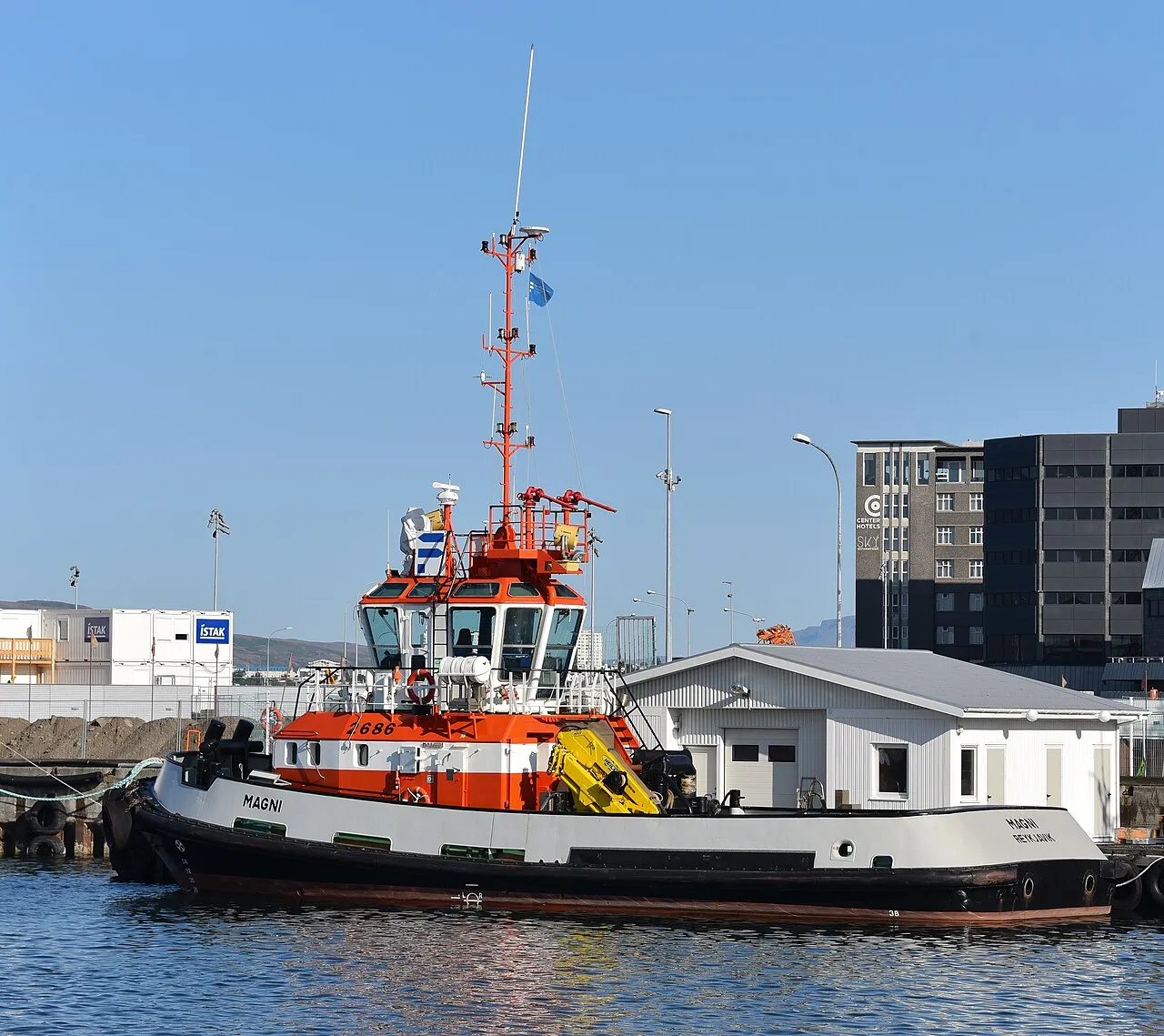
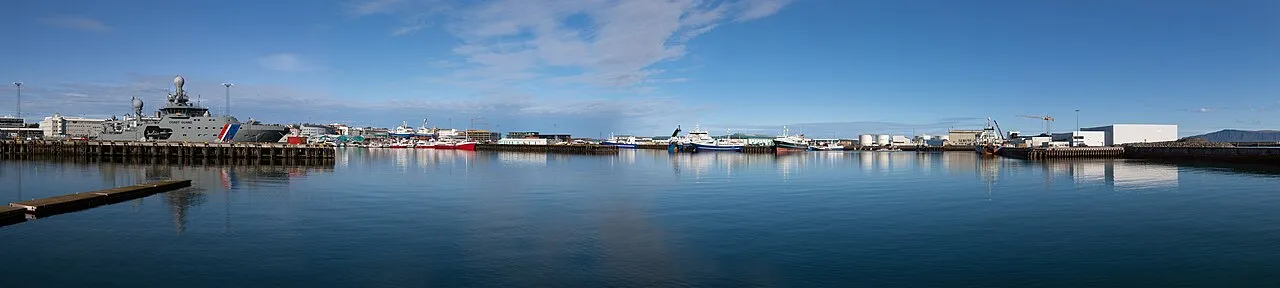
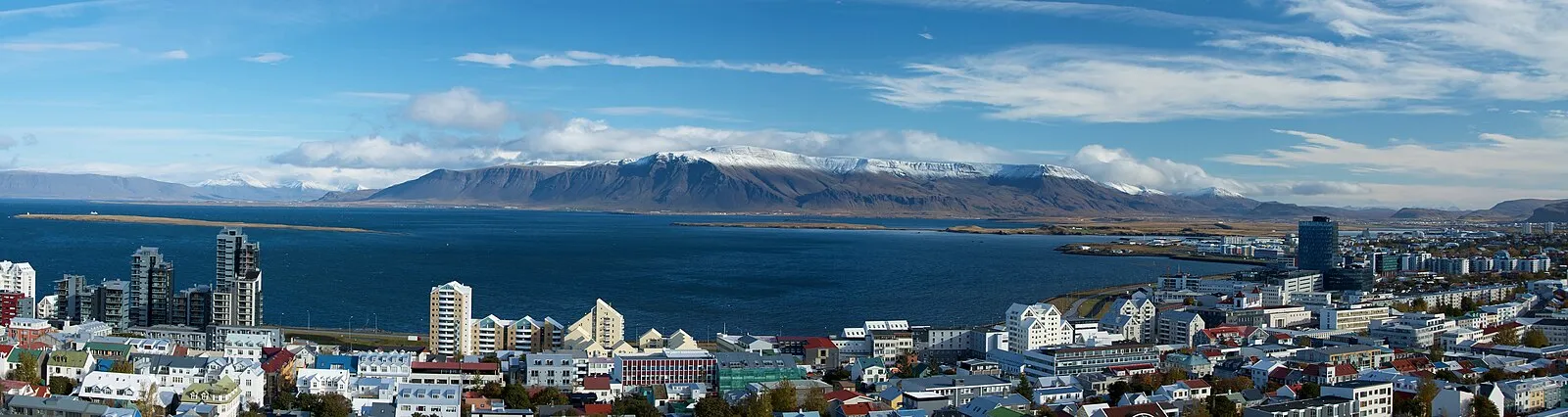
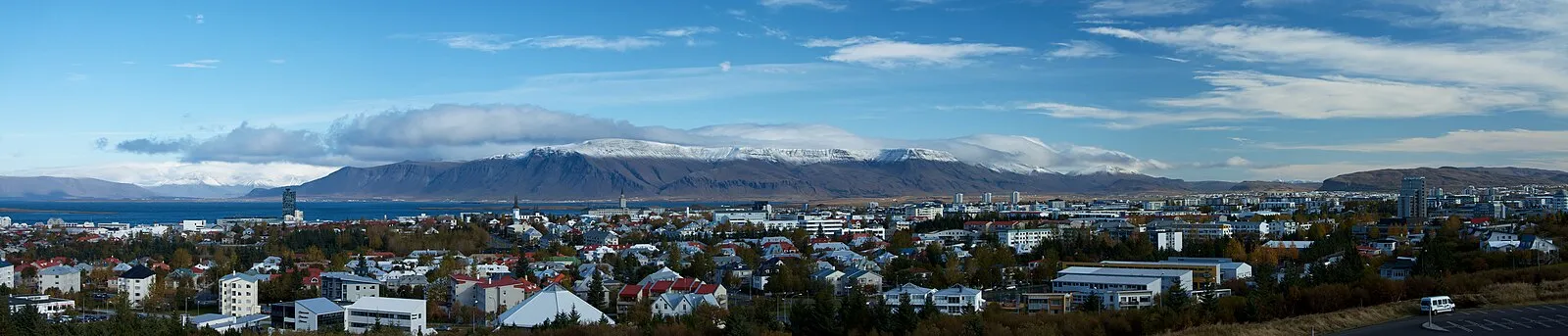

Image Credits
- reykjavik-hero.webp: Wikimedia Commons (CC BY-SA)
- reykjavik-hallgrimskirkja.webp: Wikimedia Commons (CC BY-SA)
- reykjavik-geyser.webp: Wikimedia Commons (CC BY-SA)
- reykjavik-golden-circle.webp: Wikimedia Commons (CC BY-SA)
- reykjavik-waterfall.webp: Wikimedia Commons (CC BY-SA)
- reykjavik-harpa.webp: Wikimedia Commons (CC BY-SA)
- reykjavik-harbor.webp: Wikimedia Commons (CC BY-SA)
- reykjavik-blue-lagoon.webp: Wikimedia Commons (CC BY-SA)
- reykjavik-whale.webp: Wikimedia Commons (CC BY-SA)
- reykjavik-aurora.webp: Wikimedia Commons (CC BY-SA)
- reykjavik-church.webp: Wikimedia Commons (CC BY-SA)
- reykjavik-hot-spring.webp: Wikimedia Commons (CC BY-SA)
All images sourced from Wikimedia Commons under Creative Commons licenses.
Frequently Asked Questions
Q: Where do cruise ships dock in Reykjavik?
A: Most cruise ships dock at Skarfabakki terminal, about 3 km east of downtown. A free shuttle runs every 10-15 minutes to the city center. Smaller expedition vessels sometimes use the old harbor, which is right in the heart of town.
Q: Is the Golden Circle worth it from the cruise port?
A: Absolutely. This 190-mile loop connects Thingvellir (tectonic plates), Strokkur geyser, and Gullfoss waterfall in a single day. Ship excursions typically cost $150-200 and include guaranteed return. Independent tours run about $80 per person.
Q: Can I visit the Blue Lagoon on a port day?
A: Yes, but you must book ahead. Comfort entry costs around $75 per person. The lagoon is 45 minutes from the city, so plan your timing carefully to ensure you return to the ship before departure.
Q: What currency does Iceland use?
A: Iceland uses the Icelandic krona (ISK). Credit and debit cards are accepted nearly everywhere, even for purchases as small as a cup of coffee. You rarely need cash.
Q: Is Reykjavik accessible for guests with mobility challenges?
A: Downtown Reykjavik is mostly flat and wheelchair accessible. The free shuttle from Skarfabakki accommodates mobility devices. Harpa Concert Hall and most restaurants have full accessibility. Golden Circle tours involve uneven natural terrain; confirm accessibility options with your tour operator before booking.
Q: What should I pack for Reykjavik weather?
A: Layers are essential. Even in summer, temperatures hover around 50-57 F with wind. Bring a windproof, waterproof outer layer, comfortable walking shoes, and a warm hat. Rain can appear with little warning, though it is usually light.
Last reviewed: February 2026
Key Facts
- Country
- Iceland
- Currency
- Icelandic krona (ISK)
- Language
- Icelandic / English