

Trieste, Italy
Region: Adriatic | Season: Year-round | Dock: Molo Bersaglieri, adjacent to Piazza Unità d'Italia


Photo: Wikimedia Commons (CC BY-SA)
Region: Adriatic | Season: Year-round | Dock: Molo Bersaglieri, adjacent to Piazza Unità d'Italia
I stepped off at Molo Bersaglieri at seven in the morning, my shoes hitting the damp concrete of the pier while the scent of salt and diesel hung in the cool Adriatic air. The sun had barely cleared the Karst plateau behind the city, and Piazza Unità d'Italia — the largest square opening directly onto the sea in all of Europe — lay before me like an invitation I had waited years to accept. My hands were cold in the early breeze, but my heart was already warm with the anticipation of what this Habsburg jewel had kept hidden from me for so long.
The morning light was turning the city hall facade gold as I crossed the piazza alone. Three sides are lined with grand Habsburg buildings, their coffee houses tucked beneath elegant colonnades. Emperor Charles VI declared Trieste a free port in the early 1700s, and trade bloomed — merchants from across Europe settled here, built these palaces, filled them with books and music and the scent of roasting coffee beans brought from distant lands. I could smell that same aroma drifting from a café doorway, rich and dark and ancient, and for a moment I understood why writers like James Joyce chose to live here rather than anywhere else in the world.
I found Caffè San Marco on Via Cesare Battisti, where Joyce and Italo Svevo once scratched their novels into being. The waiters still wear bow ties. My cappuccino cost €1.30, and it was perfect — velvety foam over dark espresso that tasted like it had been roasted with care and served with pride. The coffee house culture here is pure Habsburg soul — Austrian elegance mixed with a warmth that felt distinctly Slavic, goulash sitting beside Italian risotto on the menu, newspapers in four languages scattered across marble tables. I ordered a strudel for €3.50 and felt the quiet grace of a thousand past conversations swirling in the steam that rose from my cup.
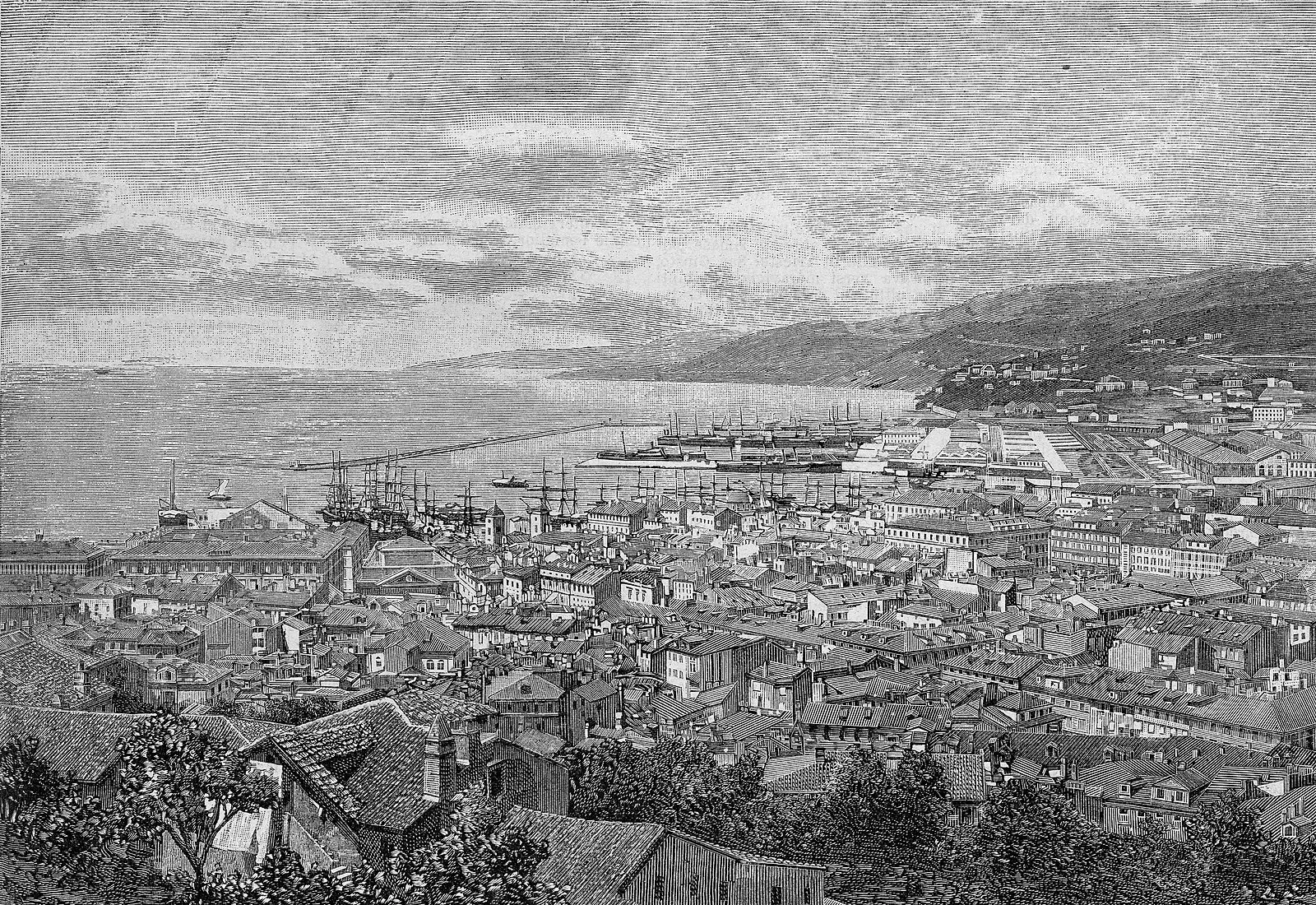
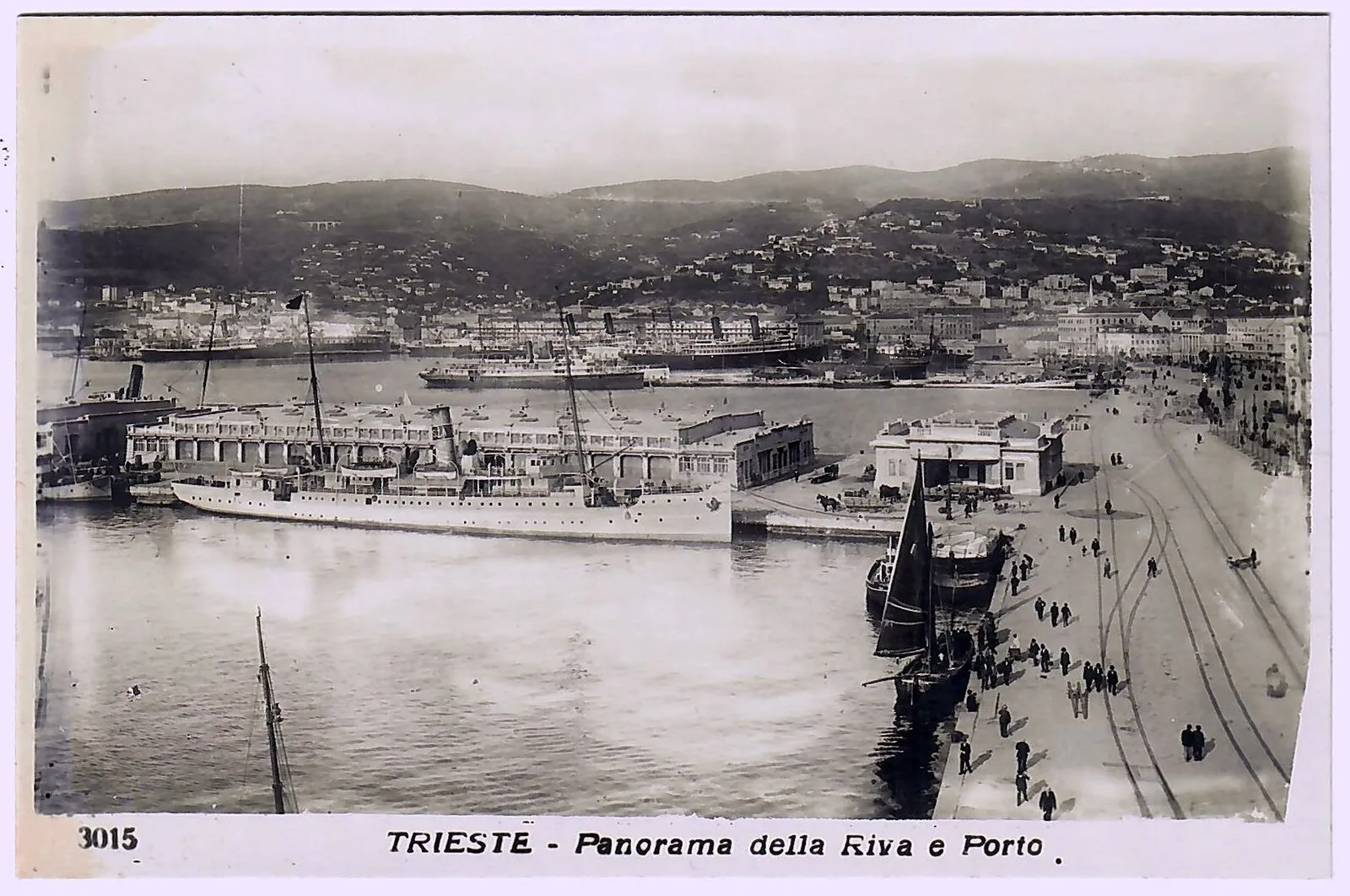
I walked from the café toward the Canal Grande, Trieste's small but lovely waterway that cuts into the city center. Boats bobbed gently at their moorings, and the dome of Sant'Antonio Nuovo church rose at the far end like a quiet prayer against the morning sky. The canal was built in the 1700s to let merchant vessels sail directly into the heart of the commercial district, and standing on the Ponte Rosso bridge I could almost hear the old voices — Greek, Serbian, Austrian, Jewish, Italian — all calling out their wares in a babel of trade that made this city rich and strange and unlike any other in Italy. A fisherman was sorting his morning catch on the canal wall, and he nodded at me with the easy familiarity of someone who has seen a thousand visitors pass and never felt the need to perform for any of them.
But Miramare Castle — twenty minutes north by bus at a cost of €1.35 each way — that is where the real heartbreak lives. Archduke Ferdinand Maximilian designed it with architect Carl Junker in 1856, a white jewel on a rocky promontory overlooking the Adriatic. It was finished in 1860, every room filled with his and Charlotte's dreams: botanical gardens with plants gathered from their travels, a throne room fit for the royalty they believed they would become, balconies where they watched the sunset and imagined a future as bright as the sea. They lived there only briefly before Napoleon III convinced Maximilian to accept the doomed crown of Mexico. The castle admission fee is €10, though the park is free and worth every minute of walking through its peaceful shade.
I stood in Maximilian's study, looking at his desk where maps of Mexico were once spread out alongside botanical sketches, and I felt something tighten in my chest. He sailed from this very shore in 1864, full of hope, and was executed by firing squad in Querétaro three years later. Charlotte went mad with grief and lived on for sixty more years, never returning to this castle that held every dream they had shared. The rooms smelled of old wood and sea air. I touched the cool marble of a windowsill and looked out at the same Adriatic waves that Maximilian must have watched on his last morning here, and for a long, quiet moment I could not move. Some places hold beauty and tragedy in equal measure, and Miramare is one of them. It changed something in me — a reminder that the grandest human plans are fragile, that love does not protect us from history, and that the only honest response to such a place is silence and gratitude for the time we have been given.
I climbed the hill to San Giusto Cathedral in the early afternoon, my calves burning on the steep cobblestoned path. The 14th-century cathedral sits on the remains of a Roman forum, and inside the mosaics glowed with Byzantine gold — the Virgin Mary gazing down from the apse with a tenderness that felt personal, as if she had been waiting for each visitor who climbed that hill through the centuries. The view from the terrace outside was worth every step: the whole city spread below, terracotta roofs tumbling down to the waterfront, the gulf shimmering silver and blue beyond. I sat on a stone bench, caught my breath, and wrote in my journal while the bells rang above me. There was nowhere else I wanted to be.
On my way back down to the port, I passed through the old Jewish quarter and paused at the Synagogue on Via San Francesco, one of the largest in Europe. Trieste's Jewish community flourished under Habsburg tolerance, and their contributions to the city's intellectual and commercial life are woven into every street. I thought about the Risiera di San Sabba, the only Nazi concentration camp on Italian soil, now a somber memorial on the outskirts of town. I did not have time to visit, but its existence lingered in my mind as I walked back through these beautiful streets — a reminder that even the most civilized places carry shadows, and that remembering is itself an act of respect.
I returned to the ship at five in the afternoon with aching feet and a full heart. The Bora wind had picked up, pushing cold air down from the Karst plateau, and I pulled my jacket tight as I walked the last few hundred meters along the Riva. Trieste had given me something I had not expected — not just beauty, but depth. This is a city that has been Italian, Austrian, and briefly Yugoslav, a city that has sheltered writers and refugees and dreamers, and it wears all those identities at once without pretending to be simple. I ordered one last espresso at a kiosk near the gangway — €1.10, served in a proper ceramic cup — and drank it standing, watching the sun begin its descent toward the Slovenian hills across the gulf. Some ports you visit. Trieste, you carry with you.


Trieste's cruise terminal (Terminal Passeggeri) sits at the heart of the city, barely 10 minutes' walk from Piazza Unità d'Italia — one of the best port-to-city-centre locations in the Mediterranean. Ships berth alongside the Molo IV quay with views across to the Slovenian coast. The terminal has tourist information, a café, and taxi ranks right outside.
The euro (EUR) is the local currency. ATMs are available within a few minutes' walk along the Rive waterfront. Credit cards are widely accepted in restaurants and shops. Trieste is significantly cheaper than Venice — an espresso at the bar costs €1-1.50, a full lunch with wine runs €12-18. The city is small enough that transport costs are minimal.
On foot: Trieste's flat city centre is ideal for walking — Piazza Unità, the Canal Grande, the Roman theatre, the cathedral, and the waterfront cafés are all within a 15-minute walk of the terminal. This is a city that was built for strolling at your own pace.
Bus: Trieste Trasporti runs frequent buses throughout the city (€1.35 single, buy from tabacchi shops or onboard). Bus 36 runs from the centre to Miramare Castle (30 minutes, €1.35) — the most useful route for cruise passengers.
Taxi: Taxis are metered and reliable. A ride to Miramare Castle costs €12-15 from the port. For day trips to Ljubljana (Slovenia, 1.5 hours away), negotiate a round-trip fare of approximately €100-120.
Train: Trieste Centrale station is a 15-minute walk from the port. Regional trains run to Venice (2 hours, €10-15) and Udine (1 hour, €8). Useful if you have a full day and want to explore the wider region beyond the city.
Mobility note: Trieste's city centre is flat and wheelchair-friendly — the waterfront promenade, Piazza Unità, and Canal Grande are all level. Miramare Castle has a lift to the main floor and accessible garden paths. The hilltop cathedral of San Giusto involves steep streets but can be reached by taxi.
Interactive map showing the cruise terminal at Molo Bersaglieri, Piazza Unità d'Italia, Miramare Castle, and key attractions. Click any marker for details and directions.
Trieste's city centre is ideal for independent exploration — everything is walkable from the port. Ship excursions make sense for Miramare Castle and day trips to Ljubljana. Book ahead for Ljubljana day trips and Miramare guided tours in peak summer.
Europe's largest seafront square is a 10-minute walk from the port — a vast open space flanked by Habsburg-era palaces and the Adriatic Sea. Free to visit at any time. The evening light turns the buildings gold. Grab a coffee at Caffè degli Specchi (€1.50 espresso, €4 cappuccino) and watch the piazza come to life. No booking needed.
This white fairy-tale castle perches on a cliff 7 kilometres north of the city centre, built in the 1860s for Archduke Maximilian of Austria. The interior is preserved exactly as the Archduke left it — right down to the nautical-themed bedroom. Admission is €10 for adults; the surrounding park is free. Bus 36 from the city centre takes 30 minutes (€1.35). Ship excursions to Miramare cost $40-60 USD and include guided commentary. Independent visitors should book ahead for timed entry during July and August.
Trieste's 18th-century canal district — built by Empress Maria Theresa — is lined with neoclassical buildings, Serbian Orthodox and Greek Orthodox churches, and waterfront cafés. Free to explore. The canal is a 5-minute walk from Piazza Unità. The area captures Trieste's unique identity as a crossroads of Italian, Austrian, and Slavic cultures.
This hilltop fortress and cathedral offer panoramic views across the city, the Karst plateau, and the Gulf of Trieste. Castle admission is €5; the cathedral is free. A 15-minute walk uphill from the port — steep but worthwhile. The castle courtyard hosts concerts in summer. The adjacent Roman ruins (free) date to the 1st century.
Trieste drinks more coffee per capita than any other city in Italy — and the coffee culture here is distinct. An espresso at the bar costs €1-1.50. Try a capo in b (Trieste's version of a macchiato, served in a glass) at Caffè San Marco or Caffè Tommaseo, both historic literary cafés. Independent visitors can simply walk between them — no booking needed. The cost of a full caffeine tour is under €10 and includes some of the finest cafés in Italy.
Slovenia's charming capital is just 90 minutes by car from Trieste — a popular ship excursion ($80-120 USD) that crosses the border into the green hills of the Julian Alps. Ljubljana's pedestrianised old town, riverside cafés, and hilltop castle make it a delightful half-day visit. Independent visitors can take the train (€10-15, 2 hours) but the tight timing makes a ship excursion the safer choice for guaranteed return to the vessel. Book ahead — these excursions fill quickly.
Money: ATMs are generally available near the port area, though fees vary. Credit cards are widely accepted at tourist-oriented establishments, but carry some local cash for markets, street food, and smaller vendors. Your ship's exchange rate is typically unfavorable — withdraw from a bank ATM instead. Budget $30–$80 per person for a comfortable day including lunch, transport, and a few entry fees.
Timing: Start early if your ship arrives at dawn — the first hours offer pleasant conditions and smaller crowds. Allow at least 30 minutes buffer before all-aboard time. Set a phone alarm as backup. Most port visits allow 8–10 hours on shore, which is enough to see the highlights without rushing if you prioritize well.
Safety: Standard port-town awareness applies — keep valuables close and stick to well-traveled areas during daylight. Your ship's ID card is your most important item — losing it creates a genuine headache at the gangway. Trieste is one of Italy's safest cities, but the bora wind can surprise you — gusts along the waterfront have been known to knock people sideways, so check the forecast before heading to exposed clifftop paths.
Communication: Wi-Fi is often available at cafés and restaurants near the port. Consider downloading offline maps before disembarking — cellular data roaming charges can be substantial and surprising. Google Maps offline mode or Maps.me work well for navigation without data.
Food & Water: Tap water safety varies by destination — ask locally or buy bottled water to be safe. The best food often comes from busy local restaurants rather than tourist-facing spots near the port. Lunch at a popular local place typically costs $8–$20 per person. Street food can be excellent value if you choose busy stalls with high turnover.

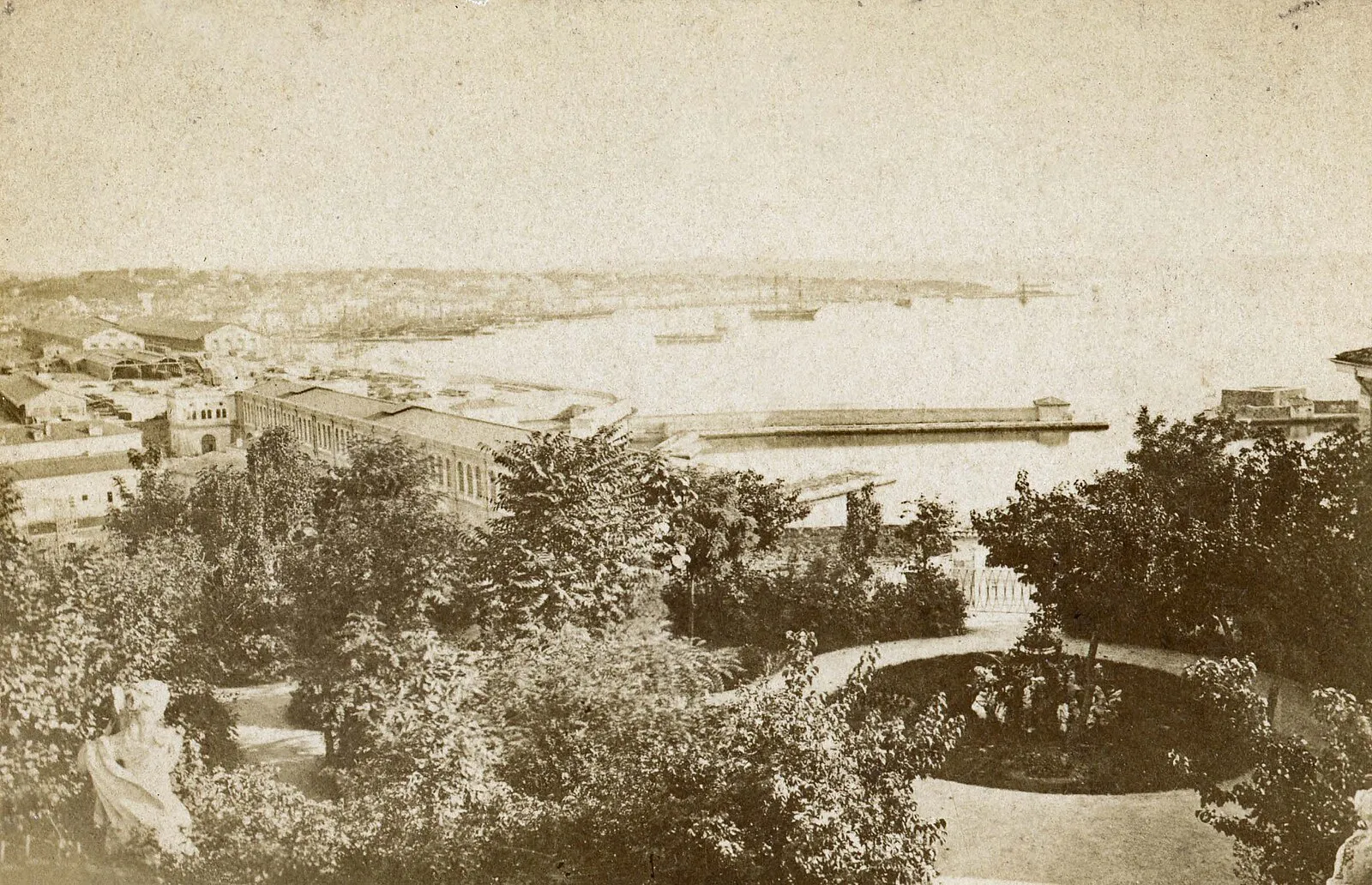


Images sourced from Wikimedia Commons, Flickr, Pixabay, and Unsplash under their respective free licenses.
Q: What is the best time to visit Trieste?
A: Spring and early autumn offer mild temperatures, manageable crowds, and pleasant light. Summer is warmest but busiest. Winter can be rewarding for quiet streets, though the Bora wind can be fierce.
Q: Is Trieste suitable for passengers with mobility challenges?
A: The waterfront and Piazza Unità are largely flat. However, San Giusto hill is steep and some older streets have uneven cobblestones. Miramare Castle grounds are partially accessible. Ask the shore excursion desk about accessible options.
Q: Do I need to exchange currency before arriving?
A: Trieste uses the Euro. Most businesses accept major credit cards. ATMs near the port offer competitive rates. Carry some cash for smaller cafes and vendors.
Q: Can I explore independently or should I book a ship excursion?
A: Both work well. The city center is walkable from the port, making independent exploration straightforward. Ship excursions are well suited to reaching Miramare Castle or the Karst region. Many passengers combine both approaches.
Q: What should I bring on a port day?
A: Comfortable walking shoes for cobblestones, sunscreen and a hat in summer, a windbreaker for the Bora, your ship card, some Euros, and a lightweight daypack.
Q: Does Trieste have a hurricane or storm season?
A: Trieste is not in a hurricane zone. The defining wind is the Bora (northeast), which can be extreme — 100+ mph — and can literally knock people off their feet. Extreme Bora wind events are possible year-round. January and February are the months to avoid.
Q: Will rain ruin my port day in Trieste?
A: Rain is year-round; slightly drier in summer. Cruise season concentrates in the June–August window when conditions are mildest.
Last reviewed: February 2026