Captain's Logbook
Villefranche-sur-Mer: Gateway to the French Riviera
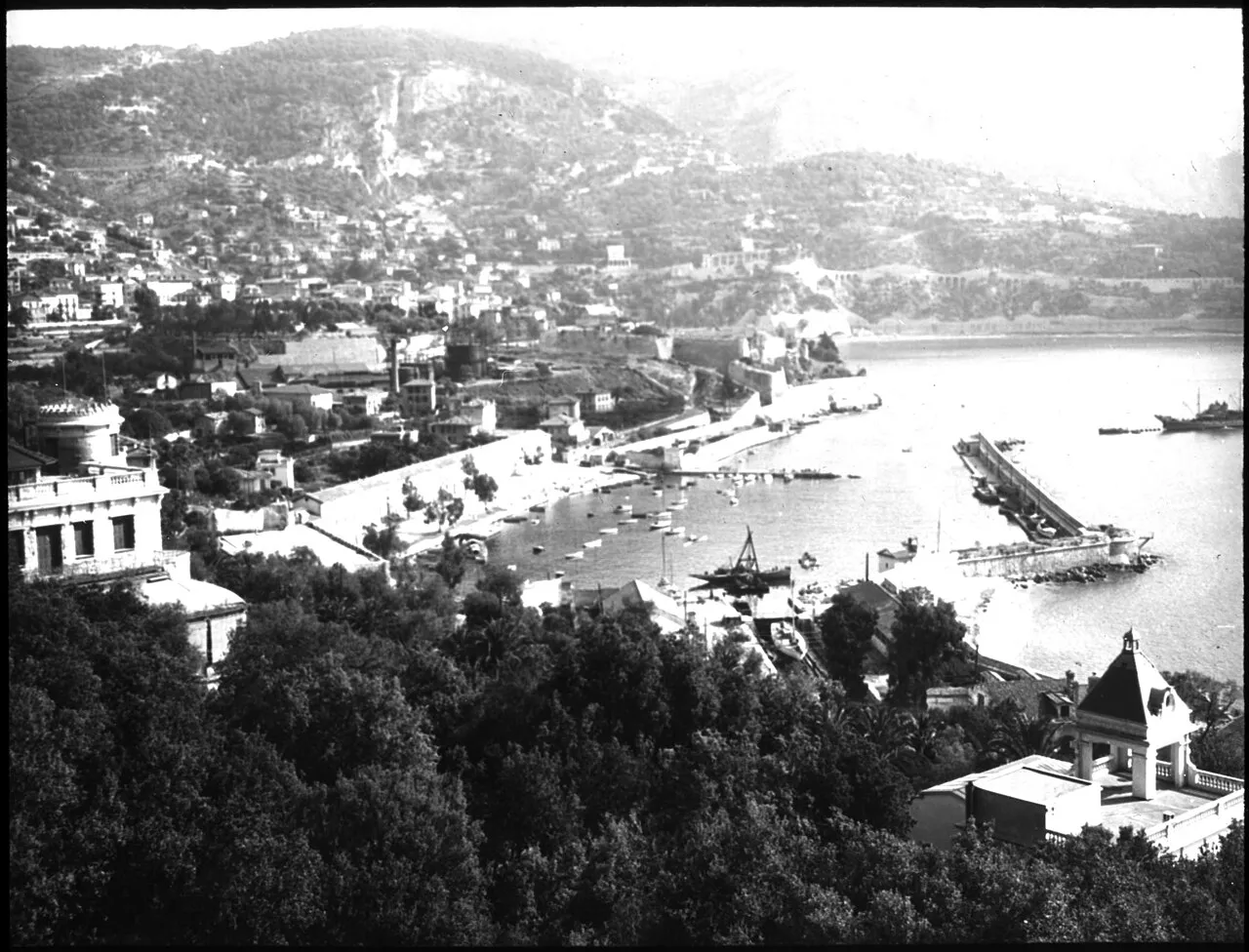
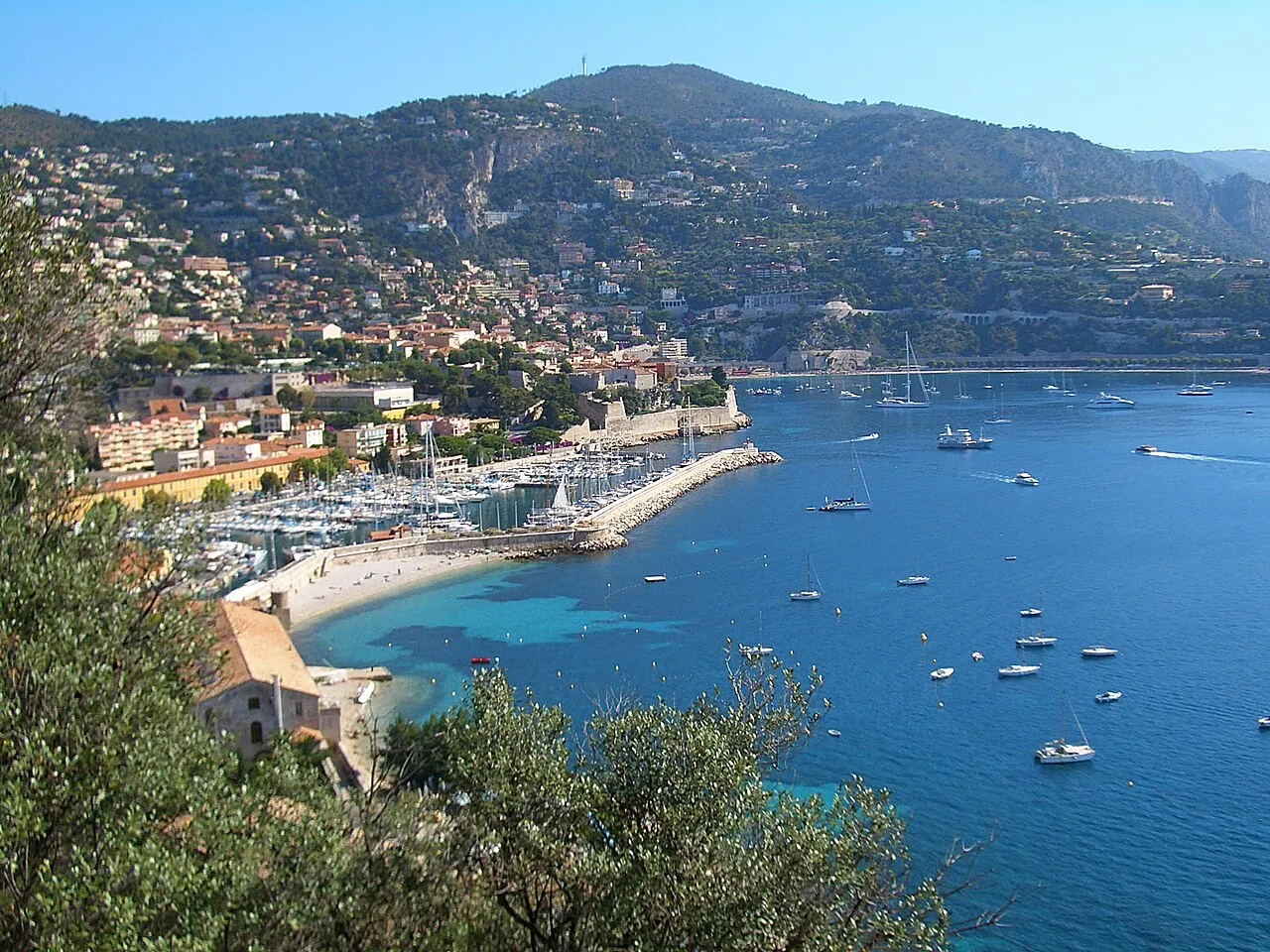
The first thing I noticed when our tender rounded the breakwater into Villefranche-sur-Mer was the color of the water — a shade of turquoise I'd only seen in tropical postcards, here cradled between steep hillsides dotted with terracotta roofs and umbrella pines. The old town's pastel facades tumbled down to the harbor like a painter's imagination, and I understood immediately why this little bay has been captivating visitors since 130 BC, when Greek traders first recognized what geographers would later confirm: this is one of the deepest natural harbors in the entire Mediterranean. That extraordinary depth — plunging to nearly a thousand feet — allows cruise ships to anchor safely in the bay while we passengers tender ashore, riding the same turquoise waters that once sheltered Greek triremes, Roman galleys, and later, the pirates who made this coast notorious.
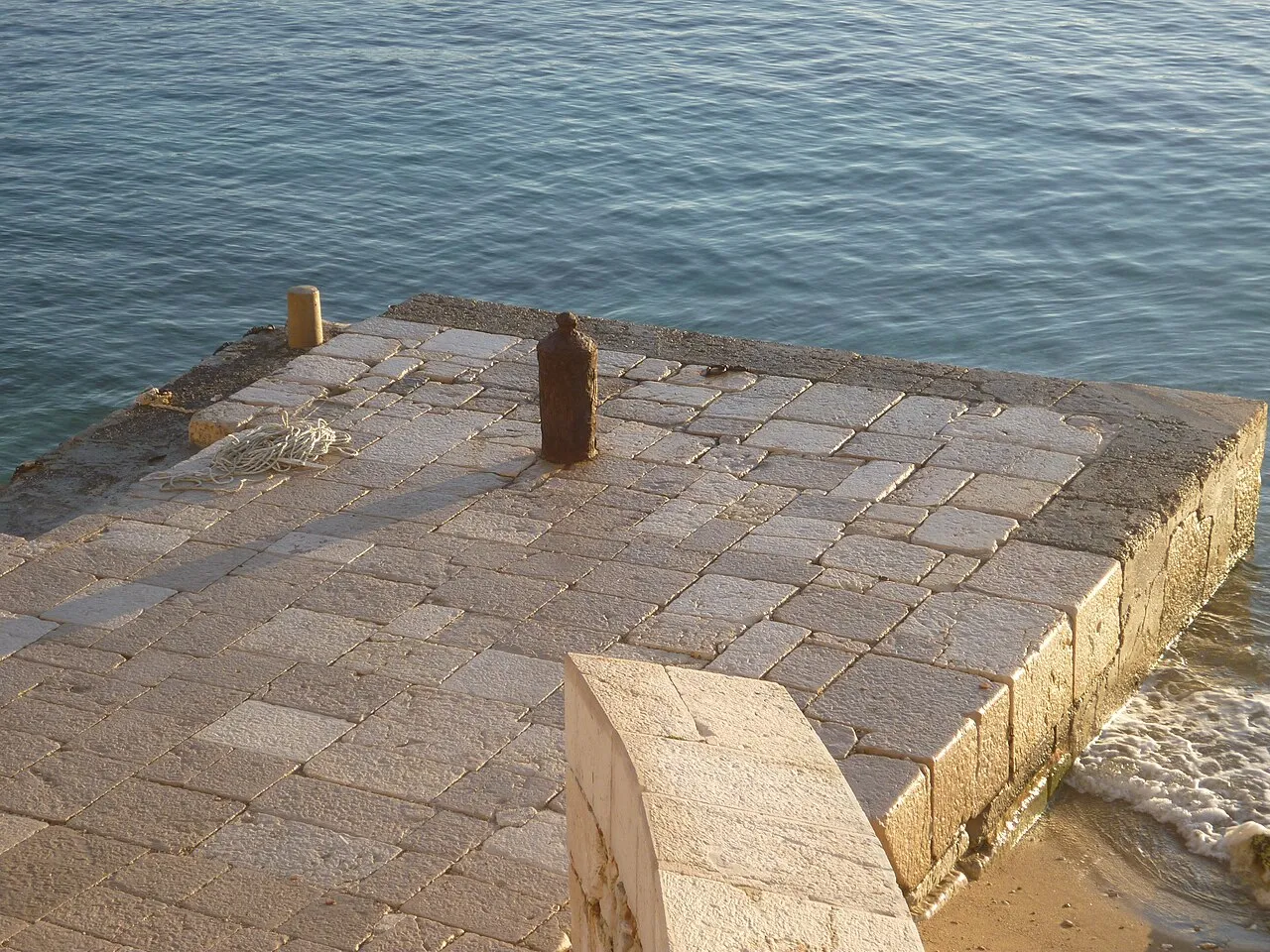
Villefranche sits precisely between two of the Riviera's most famous names — just four miles east of Nice, five miles west of Monaco — yet it remains something gentler, something truer to what this coast was before tourism transformed it. The tender deposits you at the end of a small pier, and within steps you're wandering through the Rue Obscure, that remarkable 13th-century covered street that feels like a secret passage through time. Dim and cool even on the hottest days, it was built to protect residents from Saracen pirate raids that once plagued this coast. The vaulted stone ceiling overhead, the worn steps beneath your feet — this isn't a museum reconstruction. This is the actual medieval street, still doing what it was designed to do eight centuries ago. Now it just protects you from the Mediterranean sun as you make your way through a labyrinth of steep paved streets toward the Citadelle or the waterfront cafés.
I've been fortunate to visit Villefranche on three different Mediterranean itineraries, and each time I've made different choices. My first visit, I jumped on a ship excursion to Monaco and Monte Carlo, needing to see the entertainment venue Square, the Prince's Palace, and the famous hairpin turns where Formula 1 cars race through city streets. Standing at the same railing where Grace Kelly once stood, looking down over the harbor filled with yachts worth more than I'd earn in multiple lifetimes — it was surreal. We stopped at the Exotic Garden for its cacti and cave, then descended to the old town for a quick walk before the drive back. It was lovely, but rushed.
My second visit, I took the local bus to Nice — a €1.50 revelation. The Promenade des Anglais stretched before me, that famous walkway along the sea where Victorian aristocrats once promenaded and where today joggers, cyclists, and strollers share the space. I wandered through the Old Town (Vieux Nice), lost myself in the Cours Saleya flower market bursting with sunflowers and lavender, and climbed Castle Hill for panoramic views over the Baie des Anges. I ate socca — that chickpea crêpe that's Nice's signature street food — standing at a counter because that's how the locals do it. It was hot, crispy, and perfect with a squeeze of lemon.
The third time, I stayed in Villefranche itself, and I think that was the wisest choice. I swam off the tiny beach, the water so clear I could count pebbles ten feet down. I ate lunch at a waterfront restaurant where the bouillabaisse came in a copper pot and the waiter explained each fish with Provençal pride. And I spent a full hour — no one rushing me, no tour group waiting — in the Chapelle Saint-Pierre, and that hour stays with me still.
The chapel is properly called Cocteau's Chapel now, though it began as a simple 14th-century fishermen's chapel dedicated to St. Peter, patron saint of those who make their living from the sea. By the mid-20th century it had fallen into disrepair, storing nets and tackle. Then Jean Cocteau — poet, playwright, filmmaker, artist — who had lived at Villefranche's Welcome Hotel for eleven years and filmed scenes of his final masterwork "The Testament of Orpheus" in these very streets, decided to restore it as a tribute to the fishermen he'd come to know and admire.
What he created in 1957 is something I've never seen anywhere else. The entire interior — walls, ceiling, altar — is covered with Cocteau's frescoes, but they're not painted. They're executed in chalk, raw pigment mixed with water and applied to wet plaster. Art historians will tell you chalk frescoes are notoriously fragile, that they should have faded or flaked away decades ago, yet Cocteau's work remains mysteriously, almost miraculously well-preserved. The colors are soft but vivid: scenes of St. Peter walking on water, Christ among the fishermen, the women of Villefranche waiting for boats to return. Cocteau's distinctive line — that elegant, modernist simplicity — somehow doesn't clash with the ancient stone. It feels like the 14th century and the 20th century are having a conversation, and both are speaking truth.
Looking back, I learned that the Côte d'Azur holds more than glamour and sunshine. Underneath the yachts and the designer shops, there are places like this chapel — quiet, fragile, deeply human — that remind you beauty does not need to be expensive or famous to be real. Villefranche taught me to look past the postcard and find what lasts.
Weather & Best Time to Visit
The Cruise Port
Villefranche-sur-Mer is a tender port — your ship anchors in the deep, sheltered bay and small boats shuttle you to the waterfront quay at the old port. Tender rides take about 10 minutes and run continuously throughout the day. The tender dock puts you right in the heart of the village, steps from the waterfront cafés and the Cocteau Chapel. There is no dedicated cruise terminal — just the quay and the town.
The euro (EUR) is the local currency. ATMs are available along the waterfront on Quai Courbet and up the hill in the village centre. Credit cards are widely accepted in restaurants and shops. Budget €40-80 per person for the day depending on whether you stay in Villefranche or take transport to Nice, Monaco, or Eze — the €1.50 bus fare to any Riviera destination keeps costs remarkably low.
Getting Around
On foot: Villefranche's old town is tiny and walkable — the entire waterfront promenade, the Cocteau Chapel, Rue Obscura (the medieval covered street), and the citadel are within a 10-minute stroll of the tender landing. The town is built on a steep hillside, so expect climbing once you leave the waterfront.
Bus: The Ligne d'Azur bus system connects Villefranche to the entire Côte d'Azur for €1.50 per ride. Bus 100 runs along the coastal road to Nice (20 minutes) and Monaco (35 minutes), with spectacular sea views the entire way. Bus 82 reaches Eze Village (15 minutes). Buses stop on the main road above the port — a steep 5-minute climb from the waterfront.
Train: Villefranche-sur-Mer station is a 10-minute uphill walk from the port. Regional trains reach Nice (6 minutes, €2.10), Monaco (15 minutes, €3.90), and Menton (30 minutes). Fast, reliable, and scenic, though the station climb is steep.
Taxi: Taxis wait near the tender landing. A ride to Nice costs €20-25, to Monaco €35-45, to Eze Village €20-30. Uber does not operate reliably on the Côte d'Azur outside Nice centre.
Mobility note: Villefranche is extremely steep and challenging for passengers with limited mobility. The tender dock area and waterfront promenade are flat, but reaching the bus stop, train station, or old town involves significant hills and steps. Ship excursions with accessible transport are the best option for those with mobility concerns.
Villefranche-sur-Mer Area Map
Interactive map showing cruise terminal and Villefranche-sur-Mer attractions. Click any marker for details.

Tender Port
Ships anchor offshore and passengers take small boats (tenders) to reach the pier.
Last reviewed: February 2026