


Captain's Logbook
Warnemünde: My Gateway to Berlin
We took the first train to Berlin at 7:30 a.m. and were at Brandenburg Gate by 10:15 – the city still quiet enough to feel intimate. Walked Unter den Linden to Museum Island, cried at the Pergamon Altar (even reconstructed), then Checkpoint Charlie and the East Side Gallery where the Wall still stands covered in murals. We had currywurst at Curry 36 that tasted exactly like freedom and mustard. The morning train carried us from this ancient fishing village – founded around 1200 at the mouth of the Warnow, purchased by Rostock in 1323 to guard their Hanseatic trade routes – into the heart of modern German history.

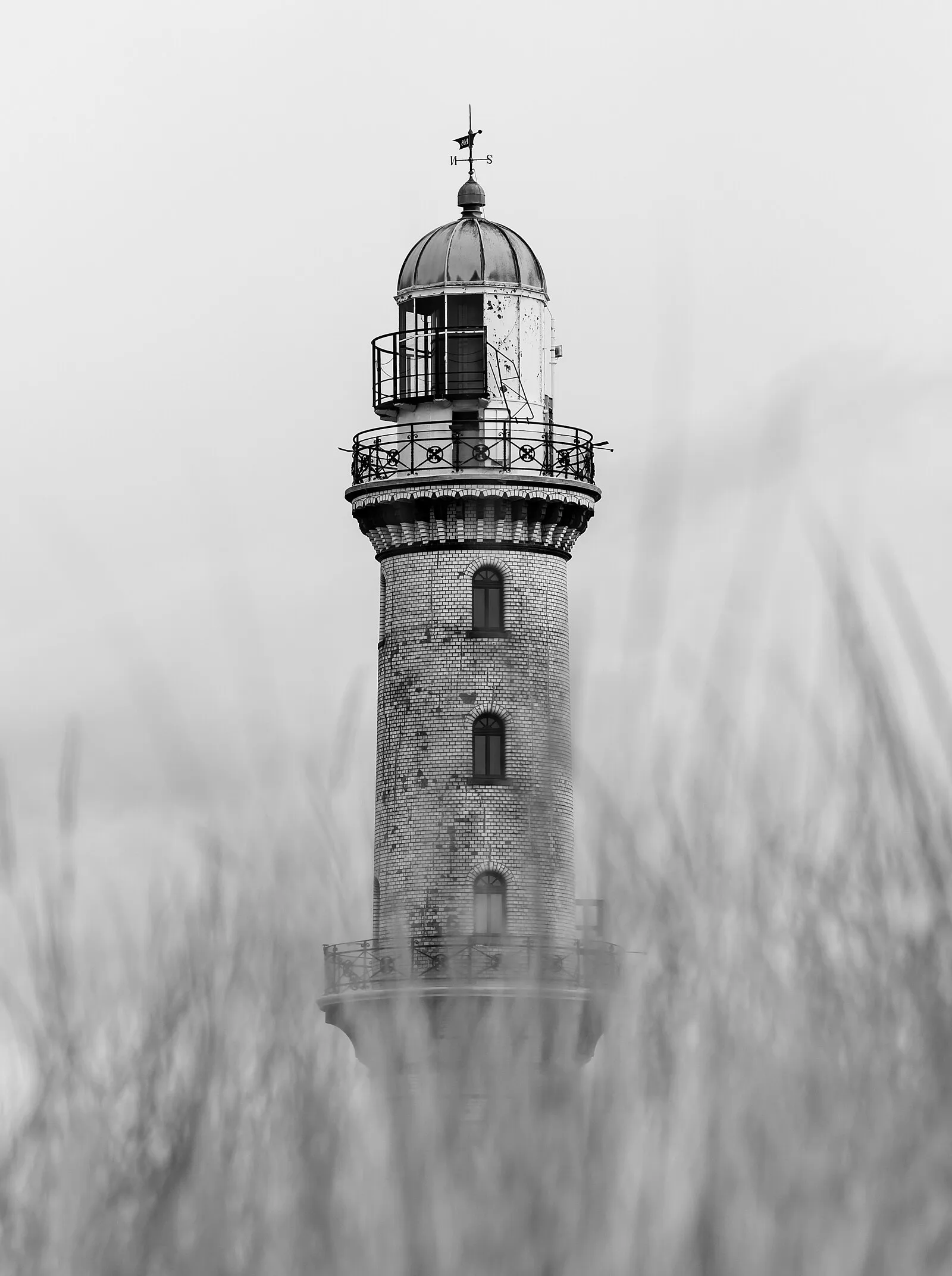
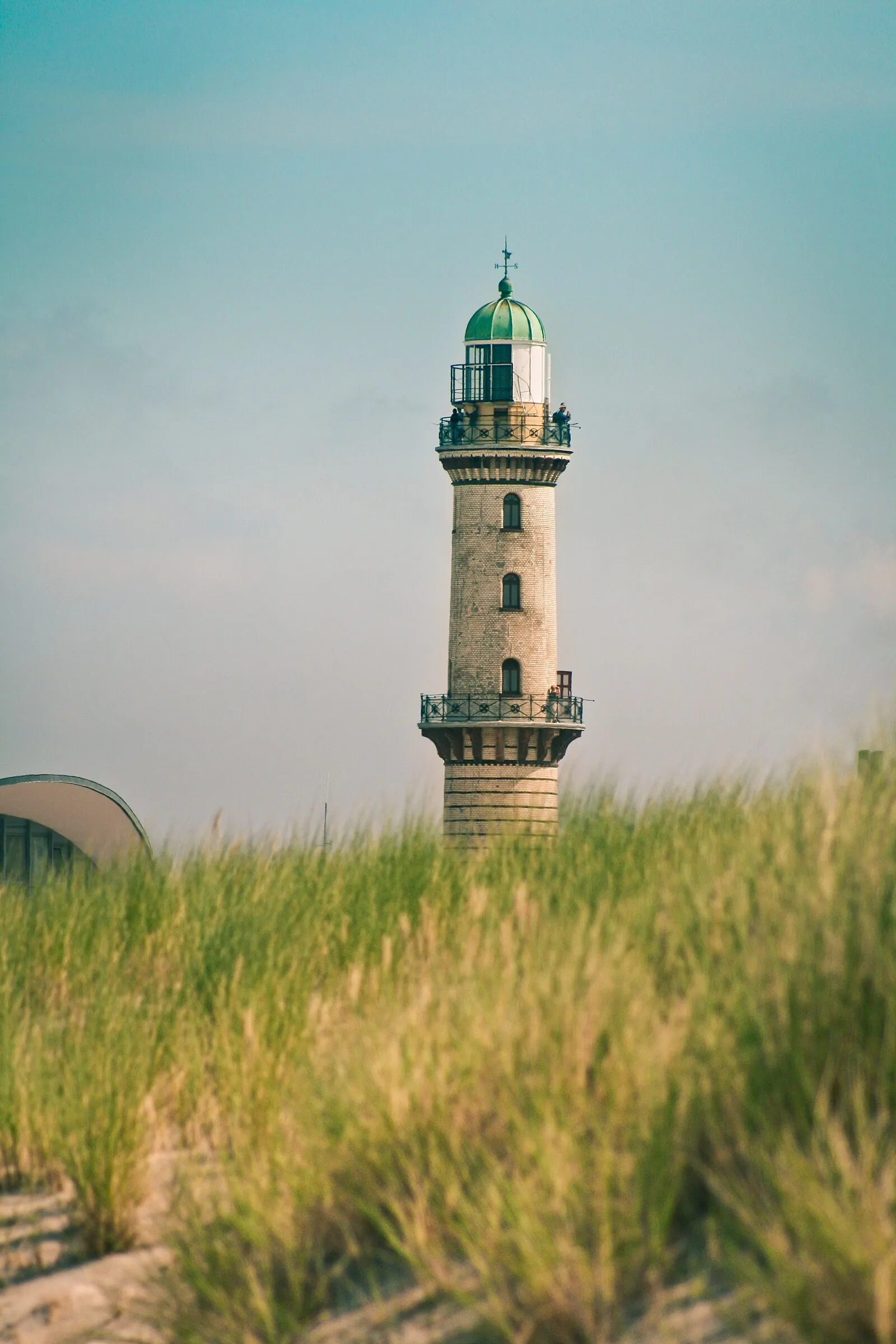
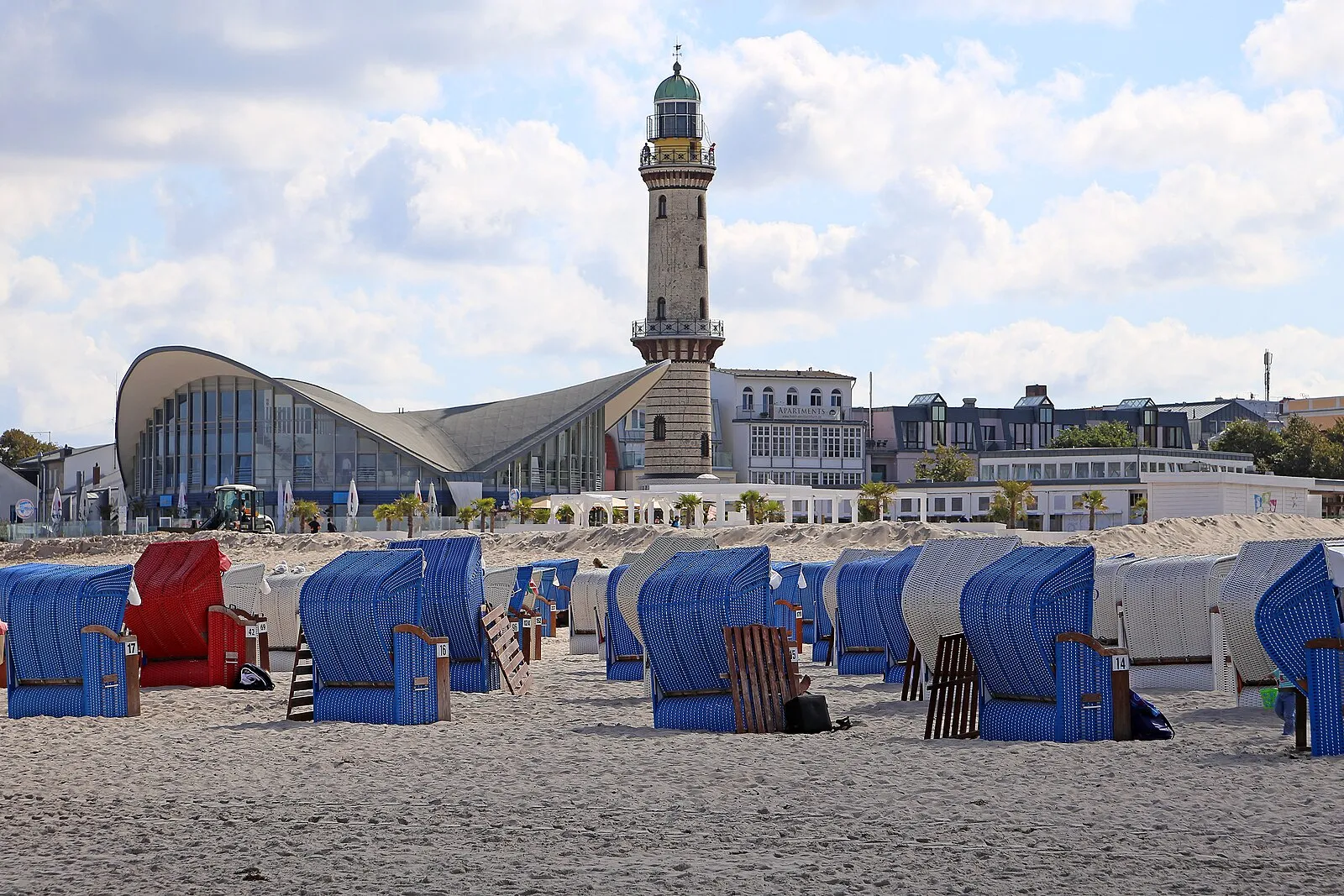
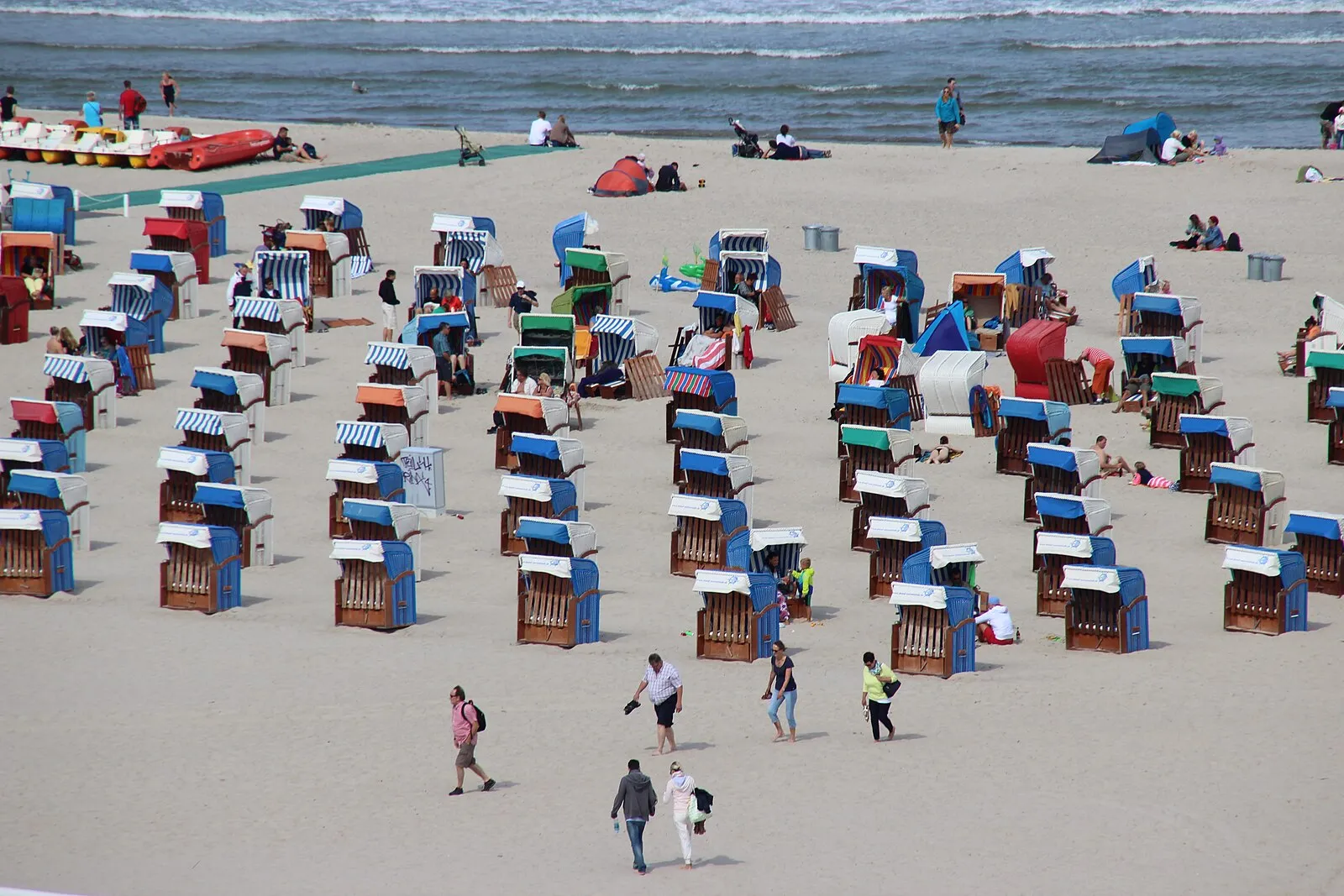
We arrived back in Warnemünde at golden hour – the beach was full of locals in strandkorb chairs drinking Astra beer while the sun set over the Baltic. The lighthouse, built in 1897 and first lit on October 1, 1898, stood its 31-meter watch over the scene like it has for every sunset since. The pros: you actually get Berlin in a day. The cons: six hours on trains, but the German rail system makes it painless.
The train logistics deserve a detailed word, because they make or break this port day. Warnemünde station sat about a five-minute walk from the ship, and the regional express to Berlin Hauptbahnhof took roughly two hours and forty-five minutes. We bought tickets at the Deutsche Bahn counter for about forty-four euros round trip per person — booking online a few days ahead saved us a few euros and guaranteed seats. The trains ran every thirty minutes throughout the morning, so even passengers who lingered over breakfast on the ship had options. I would advise catching no later than the eight o'clock departure to give yourself a full day in Berlin. We covered Brandenburg Gate, the Reichstag dome, Museum Island, and the East Side Gallery in about six hours of focused walking, with a currywurst break at Curry 36 near Mehringdamm that cost about four euros and tasted exactly as Berlin should — smoky, spicy, unpretentious.
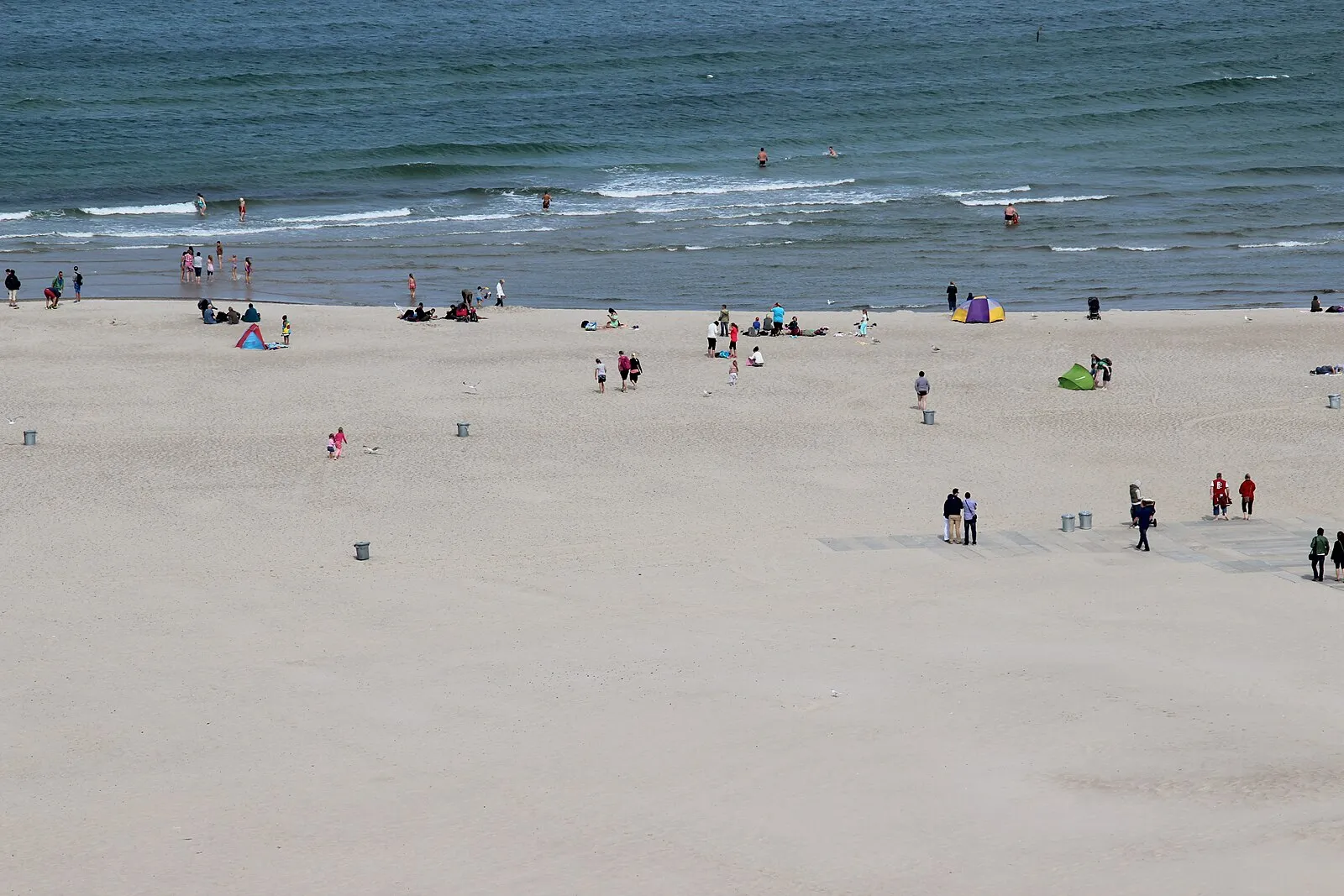
For those who prefer not to make the Berlin journey, Warnemünde itself is a genuine reward. The village's main street, Am Strom, runs along the old fishing canal lined with colorful houses and smokehouses where you can buy fresh smoked mackerel for a few euros. The beach stretches wide and white along the Baltic, and the iconic striped Strandkörbe — those hooded wicker beach chairs — can be rented for about eight euros for an afternoon. I climbed the lighthouse for three euros and the view from the top swept from Rostock's church spires in the south to the open Baltic in the north, with the cruise ships resting at the pier below like sleeping giants. The wind at the top smelled of sea salt and the faint sweetness of beach grass. Rostock's old town is also worth the twenty-minute S-Bahn ride — St. Mary's Church and the medieval university quarter have a quiet dignity that Berlin's intensity cannot match. Whether you choose the capital or the coast, Warnemünde gives you a genuine choice, and either one delivers.
I want to add one last thought about returning from Berlin in the evening. The train back felt different from the morning rush — quieter, more reflective, as passengers scrolled through their photos and the German countryside rolled by in long golden light. We arrived at Warnemünde station with ninety minutes to spare before all-aboard, which gave us time to walk down Am Strom and buy a Fischbrötchen — a simple roll with pickled herring, onion, and a smear of remoulade — for three euros from a stand near the canal. I ate it sitting on a bench facing the Baltic with the lighthouse glowing orange against the dusk sky, and I thought about how this quiet fishing village had given us an entire capital city and still had a perfect beach evening waiting when we came back. The seagulls were loud and persistent and the air tasted of salt and smoked fish, and for a few minutes the whole absurd miracle of cruise travel — waking up in one world and going to sleep in another — felt exactly right. The next morning, as we sailed away from the German coast, I found myself thinking not about the Brandenburg Gate or the Pergamon Altar, magnificent as they were, but about that simple herring roll eaten on a bench as the Baltic turned to copper. Sometimes the grand destinations give you stories, but the small moments between them give you something closer to peace. Warnemünde, for all its modesty, understood that balance perfectly.
Looking back, I learned that the best port days are not always the ones with the most famous sights. Berlin gave us history and grandeur, but Warnemünde gave us that Fischbrötchen on a bench at sunset, and I know which one I will remember longer. Some lessons arrive quietly, wrapped in salt air and pickled herring, and they are no less true for being simple.
Weather & Best Time to Visit
The Cruise Port
Cruise ships dock directly at the Warnemünde Cruise Center, a modern dedicated terminal on the Baltic coast about 15 kilometres north of Rostock. The terminal has tourist information, a small café, and taxi ranks. Warnemünde village is a 5-minute walk from the terminal — turn right along the waterfront and follow the promenade. The train station (Warnemünde Bahnhof) is about 10 minutes on foot, the essential link for Berlin day-trippers.
The euro (EUR) is the local currency. ATMs are available in Warnemünde village along Am Strom and near the station. Credit cards are accepted at most restaurants and shops, though some smaller Fischbrötchen stands and beach vendors prefer cash. Northern Germany is affordable by cruise port standards — budget €30-60 per person for a comfortable day in Warnemünde and Rostock, or €60-100 including Berlin train fare and lunch.
Getting Around
Train to Berlin: The regional express from Warnemünde Bahnhof to Berlin Hauptbahnhof takes approximately 2 hours 45 minutes. Round-trip tickets cost about €44 per person — booking online through Deutsche Bahn a few days ahead saves a few euros and guarantees seats. Trains run every 30 minutes throughout the morning. Catch no later than the 8:00 departure for a full day in the capital.
S-Bahn to Rostock: The S-Bahn connects Warnemünde to Rostock's old town in about 20 minutes (€2.40 single). Rostock offers medieval churches, a university quarter dating to 1419, and excellent shopping without the Berlin travel commitment. A good alternative for passengers who prefer a shorter journey.
On foot: Warnemünde village is compact and flat — the beach, lighthouse, Am Strom canal promenade, and fish market are all within a 15-minute walk of the terminal. The wide Baltic beach stretches for kilometres and is perfect for walking.
Taxi and bus: Taxis wait at the terminal. A ride to Warnemünde station costs €5-8, to Rostock centre about €20-25. Local buses run regular routes between the port, village, and Rostock.
Mobility note: Warnemünde is flat and wheelchair-friendly — the beach promenade, Am Strom, and village streets are all accessible. The train station has lifts and level boarding. Berlin's Hauptbahnhof and S-Bahn system are fully accessible with lifts at all major stations. The Warnemünde lighthouse (€3) involves narrow stairs and is not accessible.
Warnemünde Port Map
Interactive map showing cruise terminal and Warnemünde attractions. Click any marker for details.
Top Excursions & Attractions
The big decision at Warnemünde is Berlin versus the local coast. Both are excellent choices. Ship excursions to Berlin guarantee return to the vessel and handle logistics; independent train travel is straightforward and saves significantly. Book Berlin train tickets online a few days ahead for the best fare.
Berlin Day Trip
Germany's capital is 2 hours 45 minutes by regional express from Warnemünde (€44 round trip per person). An early departure gives you 6-7 hours in the city — enough for the Brandenburg Gate, Reichstag dome (free, book online), Museum Island's Pergamon Museum (€14), the East Side Gallery (free), and Checkpoint Charlie. Catch the S-Bahn between major sites (€3 single, €8.80 day pass). Ship excursions to Berlin typically cost $200-350 per person and include a guide — the independent option costs a quarter of that price but requires self-navigation. The guaranteed return of a ship excursion is worth considering given the 3-hour journey back — book ahead if you want the peace of mind. Allow 90 minutes before all-aboard for the return journey, and set a phone alarm as backup.
Warnemünde Beach & Lighthouse
Warnemünde's wide white Baltic beach stretches for kilometres — one of the finest in northern Germany. Rent a striped Strandkorb (hooded wicker beach chair) for about €8 per afternoon and settle in with a Fischbrötchen from a nearby stand. The lighthouse (€3 admission, 135 steps) offers panoramic views from Rostock to the open Baltic. Combined with a stroll along the Am Strom canal, where colourful houses and smokehouses sell fresh smoked mackerel for a few euros, this makes for a relaxing half-day without leaving the village.
Rostock Old Town
A 20-minute S-Bahn ride (€2.40) brings you to Rostock's medieval centre. St. Mary's Church houses a remarkable 15th-century astronomical clock that still operates daily. The university quarter, founded in 1419, has a quiet dignity and several excellent cafés. Kröpeliner Strasse is the main pedestrian shopping street. Allow 2-3 hours for a comfortable visit. Independent travel is easy — the S-Bahn runs frequently and the old town is compact and walkable.
Fischbrötchen & Harbour Walk
For those content to stay close to the ship, Warnemünde's harbour promenade is a destination in itself. The Am Strom canal is lined with fish stalls selling Fischbrötchen — fresh rolls with pickled herring, smoked eel, or Bismarck herring for €3-5 each. The old fishing harbour at the east end has working boats and a genuine salty atmosphere. A morning walk, a lighthouse climb, and a harbour lunch costs under €15 and delivers the authentic Baltic coastal experience that Berlin's grand sights cannot match.
Depth Soundings Ashore
Practical tips before you step off the ship.
The Berlin day is long but perfectly doable – an early start and comfortable train seat make it one of the best port days possible.
Money: The local currency is Euro (EUR). ATMs are generally available near the port area, though fees vary. Credit cards are widely accepted at tourist-oriented establishments, but carry some local cash for markets, street food, and smaller vendors. Your ship's exchange rate is typically unfavorable — withdraw from a bank ATM instead.
Timing: Start early if your ship arrives at dawn — the first hours offer pleasant conditions and smaller crowds. Allow at least 30 minutes buffer before all-aboard time. Set a phone alarm as backup.
Safety: Standard port-town awareness applies — keep valuables close and stick to well-traveled areas during daylight. Your ship's ID card is your most important item — losing it creates a genuine headache at the gangway.
Communication: Wi-Fi is often available at cafés and restaurants near the port. Consider downloading offline maps before disembarking — cellular data roaming charges can be substantial and surprising.
Photo Gallery
Frequently Asked Questions
Q: Is Warnemünde/Berlin worth it?
A: The only realistic way to see Berlin by cruise ship.
Q: Best thing?
A: Brandenburg Gate + Reichstag dome (pre-book).
Q: How long in Berlin?
A: 6–7 hours on ground is perfect.
Q: Walk from port?
A: To Warnemünde beach yes; Berlin needs train.
Q: What is the best time to visit Warnemünde?
A: Cruise season runs June through August — gateway to Berlin with mild Baltic summer (26-71°F). December, January, and February are the months to avoid (cold Baltic winters).
Q: Is Warnemünde suitable for passengers with mobility challenges?
A: Accessibility varies by area. The port vicinity and main commercial streets are generally manageable, but older historic districts may feature cobblestones, stairs, and uneven surfaces. Consider booking an accessible ship excursion if you have concerns. The ship's shore excursion desk can advise on specific accessibility options for this port.
Q: Do I need to exchange currency before arriving?
A: The local currency is Euro (EUR). Most tourist-facing businesses accept major credit cards. ATMs near the port offer competitive exchange rates. Carry some local cash for small purchases, markets, and tips. Avoid exchanging money on the ship — the rates are typically unfavorable compared to local bank ATMs.
Q: Can I explore independently or should I book a ship excursion?
A: Both options work well. Ship excursions guarantee return to the vessel and handle logistics, making them ideal for first-time visitors. Independent exploration costs less and allows more flexibility — just keep track of time and allow a 30-minute buffer before all-aboard. Many passengers combine approaches: an organized morning tour followed by free afternoon exploration.
Q: Does Warnemünde have a hurricane or storm season?
A: Warnemünde is not in a hurricane zone. The defining seasonal concern is cold Baltic winters; the coast can be breezy. December through February are the months to avoid.
Q: What should I pack for Warnemünde's weather?
A: Waterproof jacket. Layers for Baltic winds. Comfortable walking shoes. Train ticket to Berlin if excursion.
Q: Will rain ruin my port day in Warnemünde?
A: Rain is year-round; slightly drier in spring. Cruise season concentrates in the June–August window when conditions are mildest.
Last reviewed: February 2026
Key Facts
- Country
- Germany
- Region
- Baltic
- Currency
- Euro (EUR)
- Language
- German