Zadar, Croatia
Region: Mediterranean / Adriatic | Season: May – September | Dock: Gazenica Cruise Terminal, shuttle to Old Town
Weather & Best Time to Visit
The Cruise Port
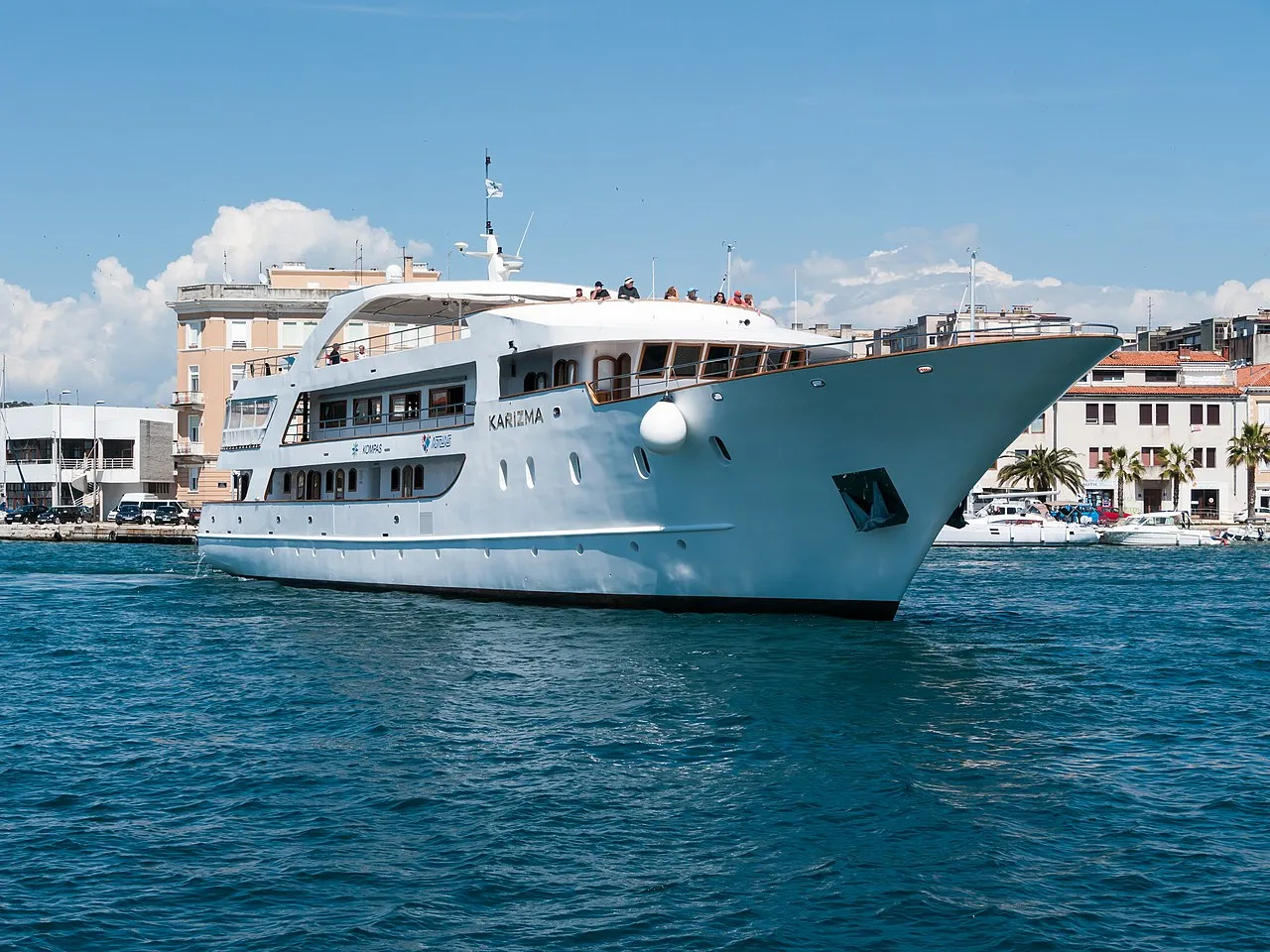
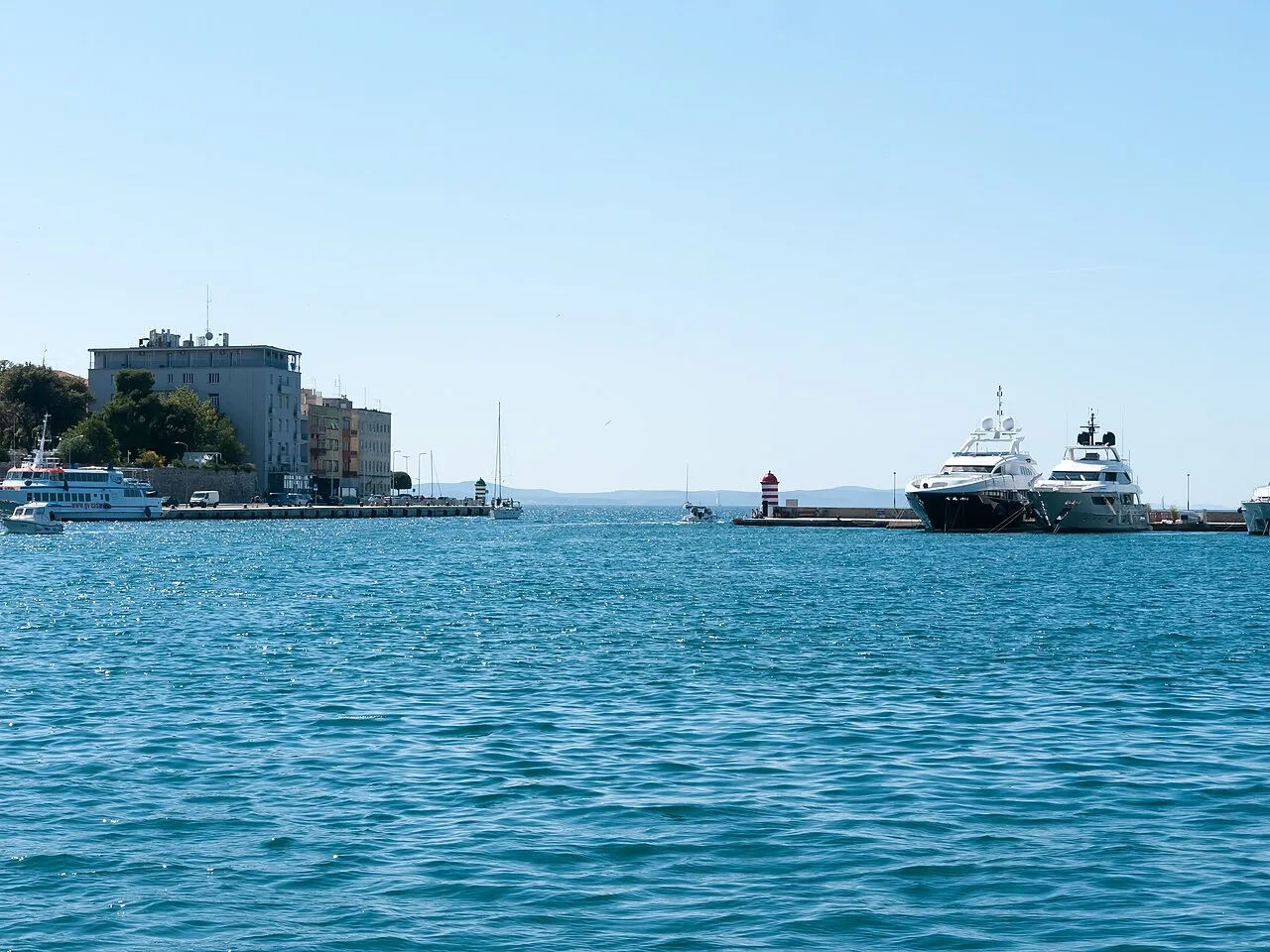
Ships dock at the Gazenica port facility (Port of Zadar), approximately 3 km southeast of the Old Town. The terminal has basic amenities — restrooms, a small café, and a tourist information desk. Shuttles operated by the port authority run to the Old Town for around €5 per person, or taxis charge €8–€12. Some smaller ships may anchor in the harbor and tender directly to the Old Town waterfront, placing you steps from the Sea Organ. The port handles both commercial ferries and cruise traffic, so expect some congestion during busy mornings. Wheelchair access is available at the terminal building with ramp access to ground-level transport.
Getting Around
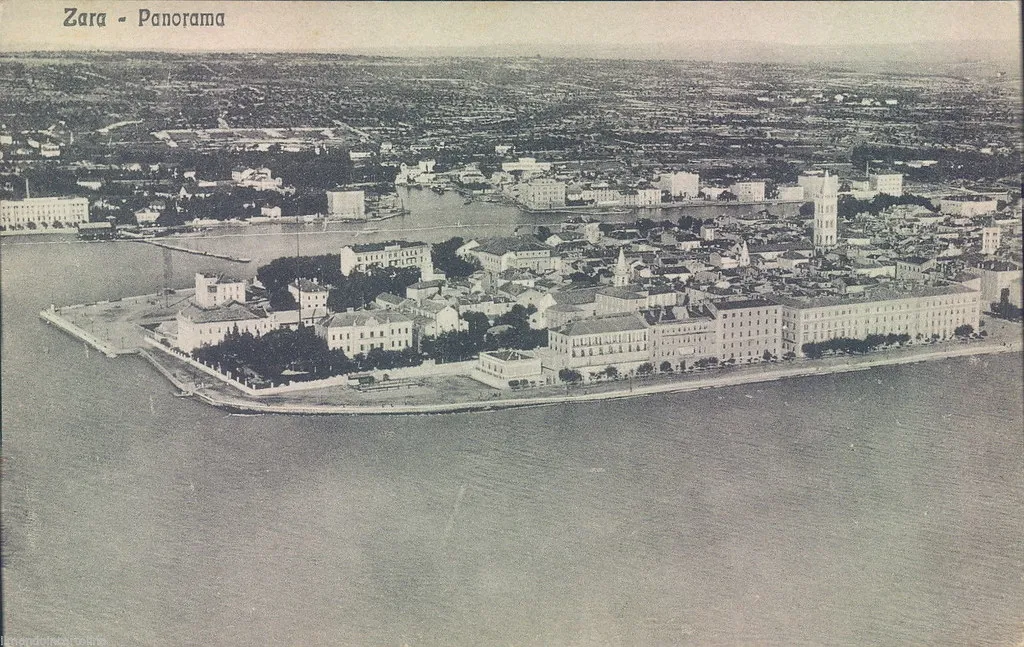
Zadar's Old Town peninsula is compact and almost entirely walkable — you can cross it end to end in 20 minutes. Once you reach the Old Town from the Gazenica port (via shuttle, taxi, or the local bus line 2), most attractions are within a 10-minute stroll. The Riva promenade runs along the waterfront from the Sea Organ to the Forum, connecting the major sights in a natural walking loop. For Krka National Park (a popular day excursion, 80 km away), you'll need a ship excursion or pre-booked independent tour — public buses run but timing is tight for ship departures. Local taxis use meters; agree on fare beforehand for longer trips. Rental bikes are available near the Old Town for exploring the coastline independently.
Excursions & Activities
Booking guidance: Ship excursions to Krka National Park offer guaranteed return to the vessel — essential given the 80 km distance. Independent exploration of the Old Town needs no booking. For Kornati Islands boat tours, book ahead through reputable local operators; availability is weather-dependent.
Sea Organ & Greeting to the Sun
Zadar's most unique attraction is free and unforgettable. The Sea Organ — marble steps along the waterfront with pipes tuned by the Adriatic tide — creates an ever-changing melody from wave energy. Adjacent, the Greeting to the Sun is a 22-meter solar-powered LED circle that lights up at dusk in patterns driven by the sea. Hitchcock called this stretch of coast "the most beautiful sunset in the world." Walk from the pier along the Riva. Free. Best at sunset.
Krka National Park
An 80 km drive brings you to terraced waterfalls cascading through a limestone canyon — Skradinski Buk's 17 travertine cascades are the highlight, with boardwalks threading through the spray. Swimming is allowed in designated areas during summer. Full-day excursion, ~€60–€90 per person with transport. Book through ship or independent operator — public bus timing is too tight for reliable ship return.
Old Town Walking Tour
The Roman Forum (1st century BC) anchors a peninsula packed with churches, medieval towers, and Venetian architecture. St. Donatus Church is a 9th-century circular masterpiece. The Cathedral of St. Anastasia rewards the bell tower climb with panoramic views over terracotta rooftops and the island-dotted Adriatic. Self-guided or with local guides (~€15–€25 per person). Allow 2–3 hours for a thorough exploration. The Five Wells Square and Land Gate mark the edge of the historic core.