
Photo: Wikimedia Commons
My Logbook: The City That Rose From Ruins
I've been researching Agadir with growing fascination, yet nothing I've read quite prepares me for a city defined by what it lost. On February 29, 1960, an earthquake lasting just fifteen seconds killed between ten and fifteen thousand people and reduced every ancient structure to rubble. What rose in its place is something both modern and haunted — six miles of pristine beach, wide boulevards engineered to seismic standards, palm-lined promenades where tangled medieval streets once stood. The Atlas Mountains still watch from the distance, unchanged witnesses to catastrophe and resurrection.
What draws me to Agadir is this layered narrative — a Moroccan city that looks nothing like the rest of Morocco, rebuilt from memory and necessity. There are no labyrinthine medinas here, no city walls worn smooth by centuries. Though travelers often come expecting old-world charm, they find instead something rarer: a city that chose life after devastating loss. The beach stretches ten kilometers of golden sand meeting Atlantic surf — Morocco's widest, they say with pride reserved for things rebuilt against impossible odds.
My planning has centered on two very different experiences. First, the cable car to Kasbah Agadir Oufella — the hilltop fortress ruins that remain the old city's only skeletal witness. Since May 2022, a modern cable car makes this ascent easy and scenic. However, what compels me is standing on those broken walls at dusk, looking down at the rebuilt city as its lights begin to glow. The Arabic inscription still reads "God, Country, King" on walls that refused to completely fall. I want to witness that moment when resilience becomes visible.
Second, Paradise Valley — an hour's drive into the Atlas foothills. My research has revealed palm groves and natural rock pools tucked between red rock gorges, the kind of oasis that makes me understand why ancient travelers spoke of mirages and believed in holy springs. Swimming in cool mountain water after Moroccan heat sounds transcendent. I've budgeted a half-day for this excursion, watching tour prices hover around €40-60 per person — worthwhile for what promises to be Morocco's hidden gem.
The Souk El Had has captured my imagination as much as any scenic attraction. One of North Africa's largest markets, it sprawls with over six thousand stalls accessed through roughly twenty-one entrances. I can already picture myself wandering for hours, discovering new corners with each turn. Saffron piled in rainbow pyramids, argan oil catching the light in glass bottles, leather goods hand-stitched in traditional patterns. My negotiating spirit needs warming up — bargaining here isn't just expected, it's enjoyed.
The argan trees have added an unexpected dimension to my planning. These gnarled trees grow only in southwestern Morocco — nowhere else on earth — and I'm fascinated by the women's cooperatives that process their nuts into liquid gold through traditional methods unchanged for generations. The region's famous climbing goats scramble up the branches for the fruit, a sight both charming and surreal. I've marked several cooperatives on my map, eager to support women's economic independence while learning about this endemic ecology.
My research into the Memoire d'Agadir museum has been sobering yet essential. Photographs of the city before and after, survivor testimonies, artifacts pulled from rubble — this museum explains why Agadir looks the way it does. Why there's no ancient medina. Why the streets are so wide. I believe visiting this space will transform what could be disappointment (where's the old Morocco?) into appreciation (this is what survival looks like).
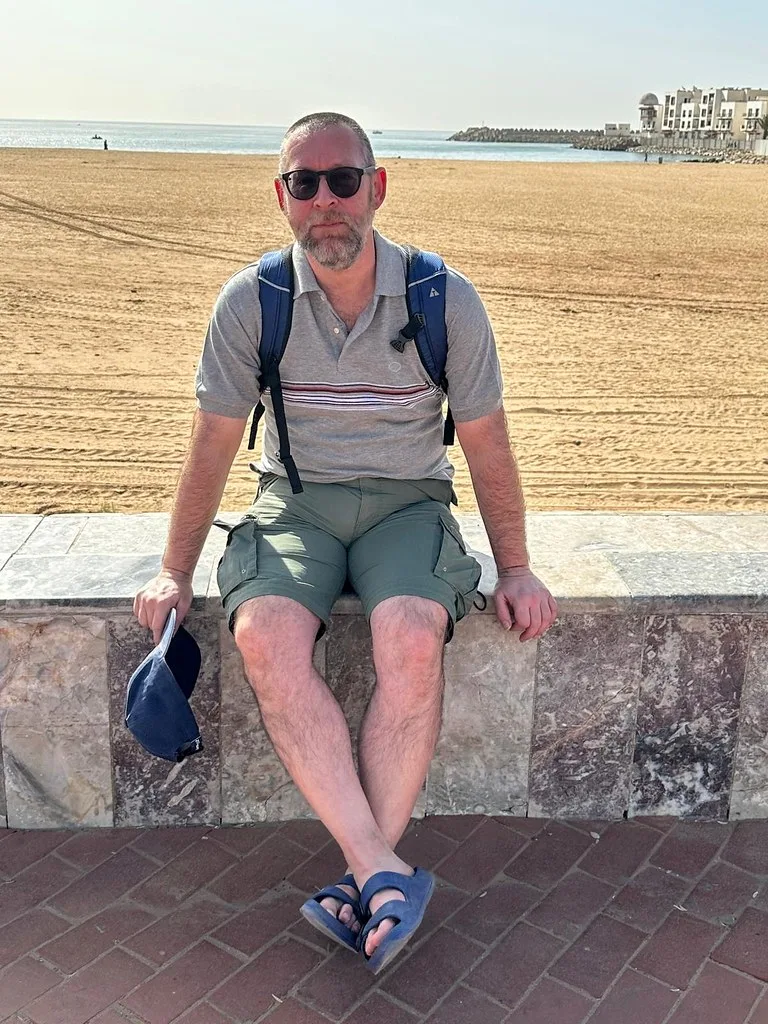
The beach itself calls to me for simpler reasons. Ten kilometers of golden sand, Atlantic surf, palm-lined promenade with cafes serving mint tea in ornate silver pots. Morocco's premier beach resort, sunny more than 300 days a year. I'm planning a morning at the water's edge, watching waves that crossed half an ocean before breaking on this shore. Sometimes the best travel experiences are the simplest — sand between toes, salt on skin, a city that chose to keep living spread out behind me.
My planning has convinced me that Agadir offers something unique — not the Morocco of postcards and movies, but something more profound. A city that demonstrates how communities rebuild after the unthinkable. I'm going with respect for what was lost, appreciation for what was built, and excitement for the beaches, mountains, and markets that make this port worth visiting. The earthquake took fifteen seconds. The rebuilding took generations. I want to witness what resilience creates.
What I've already learned from Agadir, even before arriving, is that destruction doesn't have to define a place. In fifteen seconds, 15,000 people lost their lives and a medieval city disappeared. Yet the survivors chose to rebuild — not replicate — creating something new from the ruins. I realized that resilience isn't about returning to what was but finding the courage to become something different. The wide boulevards, the earthquake-resistant architecture, the determined modernity — all speak to a community that refused to let tragedy have the final word. Sometimes the lesson is simply bearing witness to what humans can endure.
Weather & Best Time to Visit
The Cruise Port
Agadir's commercial port serves as the cruise gateway, located about 3 km from the beach and city center. The terminal offers basic facilities — this is primarily a commercial fishing and cargo port that welcomes cruise ships. Ships dock directly at the pier; no tendering required.
Taxis are plentiful at the terminal for reaching the beach and attractions. The port area itself is industrial and not pedestrian-friendly — plan to take transport into the city. About 50 cruise ships call annually. Currency is Moroccan Dirham (MAD), though euros are accepted in tourist areas. French, Arabic, and Berber are primary languages; English is spoken at major tourist sites. The terminal area is wheelchair accessible with flat pathways to the taxi area.
Getting Around
- Taxis: Most practical option for cruise visitors. Abundant at port; negotiate fare before departure. Port to beach approximately 30-50 MAD ($3-5). Use petit taxis (small, metered) in city; grand taxis for longer trips to Paradise Valley or Atlas foothills.
- Walking: The beach promenade is highly walkable once you reach it — 10 km of flat seaside path with benches, shade, and accessible ramps throughout. The port area itself is industrial and not pedestrian-friendly. Downtown Agadir has variable sidewalk quality but is generally walkable.
- Cable Car to Kasbah: Since May 2022, modern cable car provides easy, scenic ascent to the hilltop ruins. Alternatively, taxi up (around 40 MAD) and walk down through neighborhoods for a different perspective.
- Organized Tours: Ship excursions and local operators offer Paradise Valley, argan cooperatives, and Souk El Had packages. Convenient for time-limited port visits. Local tours typically €40-60 per person — often better value than ship excursions.
- Car Rental: Worthwhile for Paradise Valley or Atlas exploration. Major agencies in city for around €30-50/day. Roads are good with French/Arabic signage. International driving permit recommended.
- Local Buses: Cheap (7-10 MAD) but routes complex and signage limited for visitors. Taxis are more efficient and practical for limited port time.
Agadir Area Map
Interactive map showing cruise terminal, beach promenade, Kasbah ruins, Souk El Had market, and Paradise Valley direction. Click any marker for details.
Beaches & Shorelines
Agadir's Atlantic beach is Morocco's premier resort coastline, rebuilt after the 1960 earthquake to modern standards:
- Main Beach & Promenade: Ten kilometers of golden sand stretching along the Atlantic — Morocco's longest and widest beach. Gentle surf, clean sand, palm-lined promenade with cafes, restaurants, and beach clubs. Lifeguards on duty. Sunbed rentals available (20-30 MAD). Family-friendly with calm waters. 10-minute taxi from port (30-50 MAD).
- Taghazout: Surf village 20 km north of Agadir. Excellent waves attract surfers from around the world. More bohemian atmosphere than Agadir's resort beach. Good for adventurous visitors with a full day. Surfboard rentals and lessons available.
- Legzira Beach: About 150 km south — too far for a cruise day but famous for dramatic red rock arches over the water. Mentioned for context if you're extending your Morocco visit.
Tip: Atlantic waters can be cool even in summer. The beach atmosphere is relaxed but dress modestly when leaving the waterfront for markets or town.
Shore Excursions & Things to Do
Booking guidance: Paradise Valley requires transport — book ahead through ship excursion desk or independent local operators (€40-60). Souk El Had and beach require no advance booking. Cable car tickets available on-site. Local tour operators at the port often offer better value than ship excursions.
Paradise Valley
Stunning palm oasis in the Atlas Mountain foothills, about 60 km north of Agadir. Natural rock pools fed by mountain streams, waterfalls cascading through red rock gorges, traditional Berber villages clinging to hillsides. Half-day or full-day tours run €40-60 per person including transport and guide. Swimming in cool mountain water after Moroccan heat feels transcendent. Bring swimsuit, towel, and camera. Book through ship excursion desk or local operators at the terminal. One of Morocco's hidden gems — not to be missed if time allows. Allow 4-5 hours for the full experience.
Kasbah Agadir Oufella & Cable Car
Hilltop fortress ruins — the only surviving witness to the 1960 earthquake that destroyed the city below. Since May 2022, a modern cable car makes the ascent easy and scenic. Panoramic views of the rebuilt city, Atlantic coastline, and Atlas Mountains reward the journey. The Arabic inscription "God, Country, King" still marks walls that refused to completely fall. Sunset timing transforms the experience. Cable car tickets around 70 MAD round-trip. Alternatively, taxi up (40 MAD) and walk down through neighborhoods. Allow 1-2 hours for ruins and views. Deeply moving site.
Souk El Had
One of North Africa's largest markets with over 6,000 stalls sprawling across enormous grounds with roughly 21 entrances. A labyrinth of saffron, argan oil, leather goods, ceramics, carpets, fresh produce, and traditional Berber crafts. Open daily except Monday (busiest on Sunday — "El Had" means Sunday). Bargaining expected and enjoyed — start at 50% of asking price. Sensory overload in the best possible way. No admission fee. 15 minutes by taxi from port (30-40 MAD). Allow 2-3 hours minimum. Bring cash, modest clothing, and negotiating spirit.
Argan Oil Cooperatives
Women's cooperatives producing Morocco's famous argan oil from trees that grow nowhere else on earth. Watch traditional extraction — cracking nuts by hand, grinding with stone mills — methods unchanged for generations. See the famous climbing goats in argan trees. Culinary oil (nutty, for cooking) and cosmetic oil (lighter, for skin/hair) are different products. Several cooperatives near the city offer tours. Entry typically free; purchase supports women's economic independence. Educational and meaningful. Allow 1-1.5 hours. Book through tours or arrange taxi independently.
La Medina d'Agadir
Recreation of a traditional medina built in 1992 using authentic Berber architectural techniques — rammed earth walls, carved cedar doors, tiled fountains. Not ancient (the earthquake destroyed the real medina), but crafted by artisans who remembered traditional methods. Craftsmen's workshops selling pottery, metalwork, leather goods. Less crowded than Souk El Had. Entrance fee around 50 MAD ($5). Allow 1-2 hours. A meditation on memory and reconstruction.
Where to Eat & Drink
Agadir's cuisine blends Moroccan traditions with Atlantic seafood freshness:
- Tagine ($): Morocco's iconic slow-cooked stew — lamb, chicken, or vegetables with preserved lemons, olives, saffron. Served in the conical clay pot that gives it its name. Every restaurant has their version.
- Fresh Atlantic Seafood ($): Grilled sardines, sea bass, prawns with chermoula herb marinade. Beach restaurants specialize. Incredibly fresh from morning catch.
- Mint Tea ($): Morocco's national drink — green tea with fresh mint and sugar, poured from height into small glasses. Ritual hospitality. Accept if offered.
- Couscous ($): Friday tradition but available daily. Steamed semolina with vegetables, chickpeas, tender meat. Comfort food elevated to art.
- Beach Promenade Cafes ($): Waterfront dining with Atlantic views. Tagines, seafood, international options. Mint tea in ornate silver pots.
Budget tip: Fresh-squeezed orange juice from street vendors is legendary — Agadir's oranges are famously sweet. Around 10-15 MAD per glass.
Note: Alcohol available in tourist hotels and some restaurants. Morocco is Muslim but tolerant of tourists. Stick to bottled water; mint tea is always safe (boiled).
Local Notices & Current Conditions
- Dress Code: Beach attire fine on the waterfront. Cover shoulders and knees when visiting Souk El Had, medina, or residential areas. Morocco is conservative outside tourist zones.
- Bargaining: Expected and enjoyed at Souk El Had. Start at 50% of asking price, negotiate cheerfully. Fixed prices at modern shops and La Medina d'Agadir.
- Friday: Holy day (Jumu'ah) — many businesses close or reduce hours. Markets quieter; restaurants and tourist sites remain open.
- Currency: Moroccan Dirham (MAD) preferred. Euros accepted at tourist areas but poor exchange rates. ATMs available in city. Small bills essential for taxis and markets.
- Sun Protection: Atlantic breeze deceives, but UV is intense. Agadir averages 300+ sunny days annually. Sunscreen essential.
- Mosque Access: Non-Muslims are generally not permitted inside active mosques in Morocco. You may admire mosque architecture from outside. The major exception is Hassan II Mosque in Casablanca (guided tours available) — but that's 400 km north of Agadir.
- Ramadan: During the holy month (dates shift ~11 days earlier each year — check before sailing), daytime restaurant options outside hotels are significantly reduced. Shops and services shift to later hours. The overall daytime pace slows, but evenings become festive. Hotel restaurants and tourist establishments generally remain open.
- Moroccan Holidays: Eid al-Fitr (end of Ramadan) and Eid al-Adha (Feast of Sacrifice) are major holidays — many shops and government offices close for 1-3 days, and public transport can be fully booked. Throne Day (July 30) brings official ceremonies and some closures. These holidays can affect attraction hours and transport availability.
Depth Soundings Ashore
Practical tips before you step off the ship.
Agadir sits on Morocco's Atlantic coast, 400 km south of Casablanca. Unlike other Moroccan cities, it was completely rebuilt after the devastating 1960 earthquake — modern, safe, designed to seismic standards. Currency is the Moroccan Dirham (MAD), approximately 10 MAD to €1 or 11 MAD to $1. Euros accepted in tourist areas but dirhams get better value. ATMs available at the port area and throughout city.
Safety is excellent — Agadir is considered Morocco's safest major city. Modern wide streets, well-policed tourist areas, and a focus on beach tourism create a relaxed atmosphere. Standard travel precautions apply but the city is very welcoming to cruise visitors. Vendors can be persistent but are not aggressive.
The port and beach promenade are wheelchair accessible with flat pathways and ramps. The Kasbah cable car accommodates wheelchairs. Souk El Had has uneven surfaces and crowds that may challenge mobility-impaired visitors. Inform tour operators in advance of accessibility needs for Paradise Valley excursions.
Languages are Arabic, Berber (Tamazight), and French. English spoken at major tourist sites but not universally. Basic French phrases help. "Shukran" (thank you) and "La shukran" (no thank you) serve well in markets.
Practical Information
- Currency: Moroccan Dirham (MAD); €1 = ~10 MAD; $1 = ~11 MAD
- Language: Arabic, Berber (Tamazight), French; some English at tourist sites
- Time Zone: Western European Time (WET), UTC+0/+1
- Weather: Sunny year-round. Warmest Jun-Aug (25-30°C). Mildest Dec-Feb (15-22°C). 300+ sunny days annually.
- Port Type: Commercial port 3 km from beach; ships dock directly
- Tender: Not required — pier docking
- Accessibility: Port and beach promenade accessible. Kasbah cable car accommodates wheelchairs. Souk El Had challenging due to crowds and uneven surfaces.
Photo Gallery
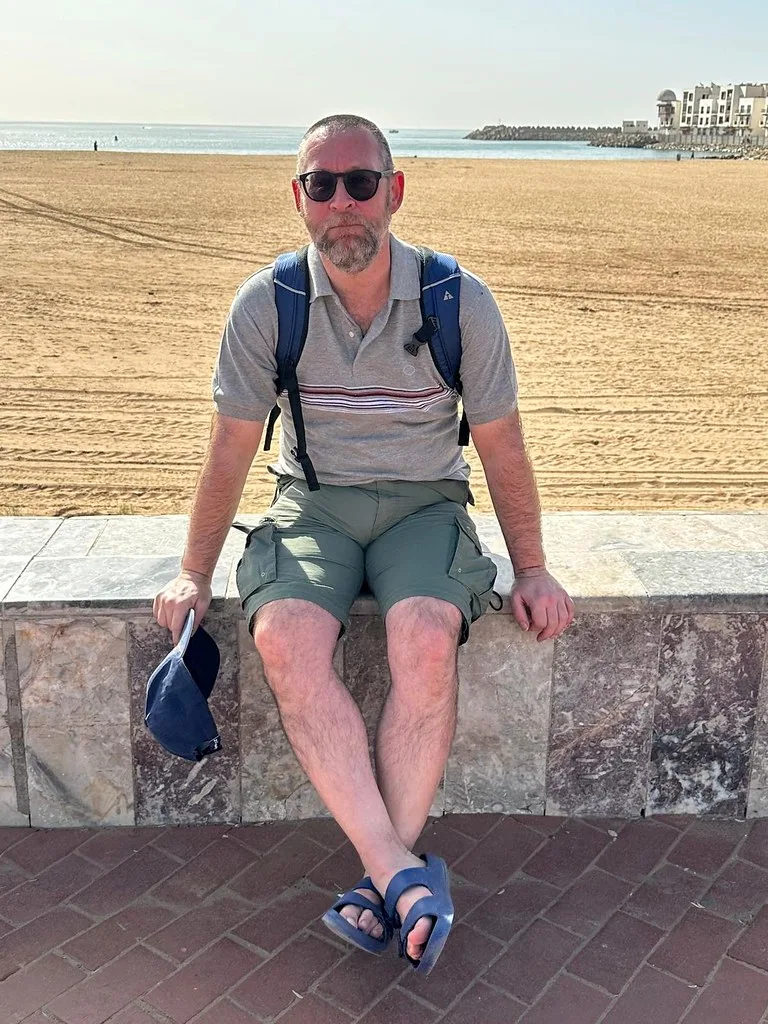
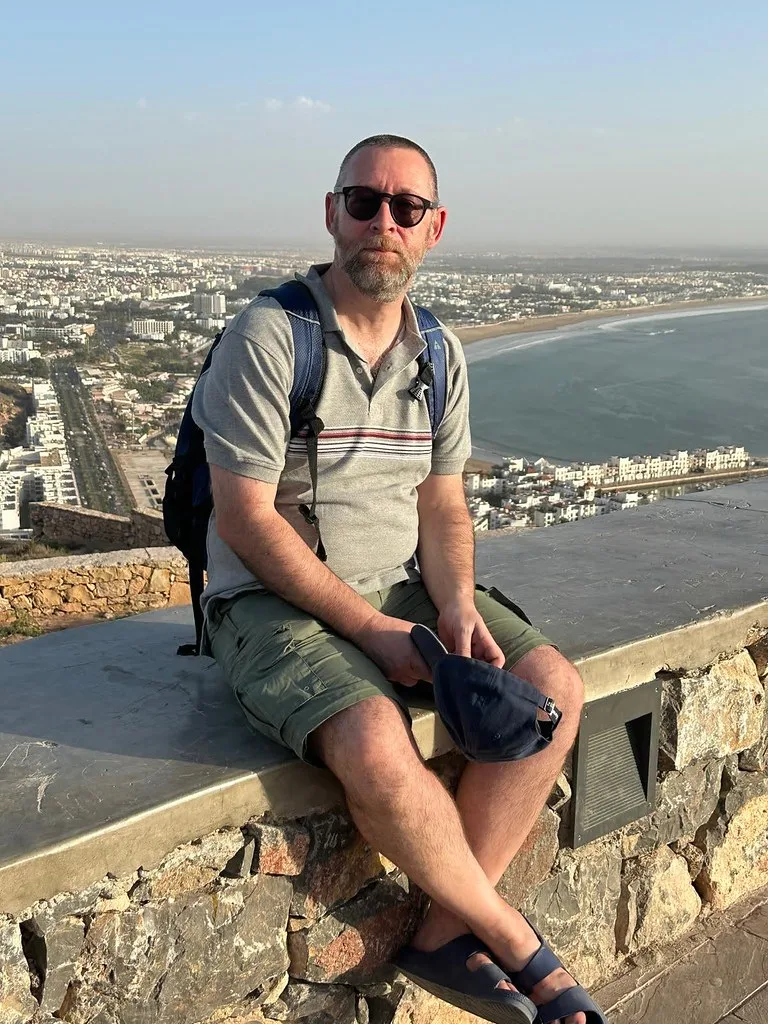
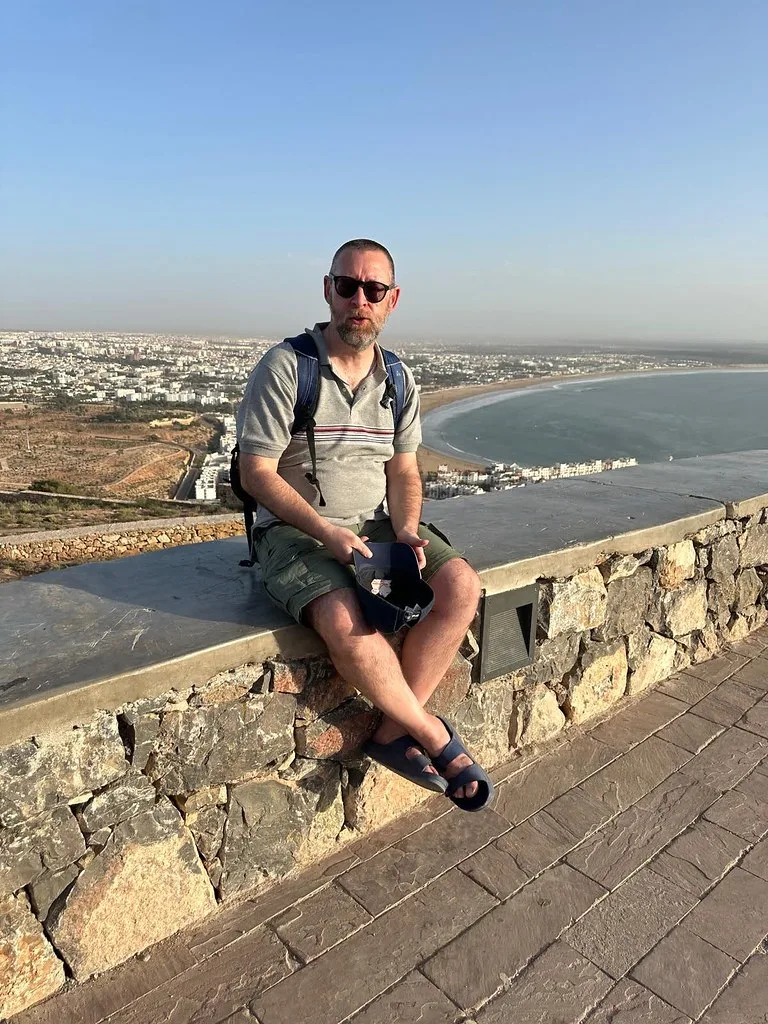
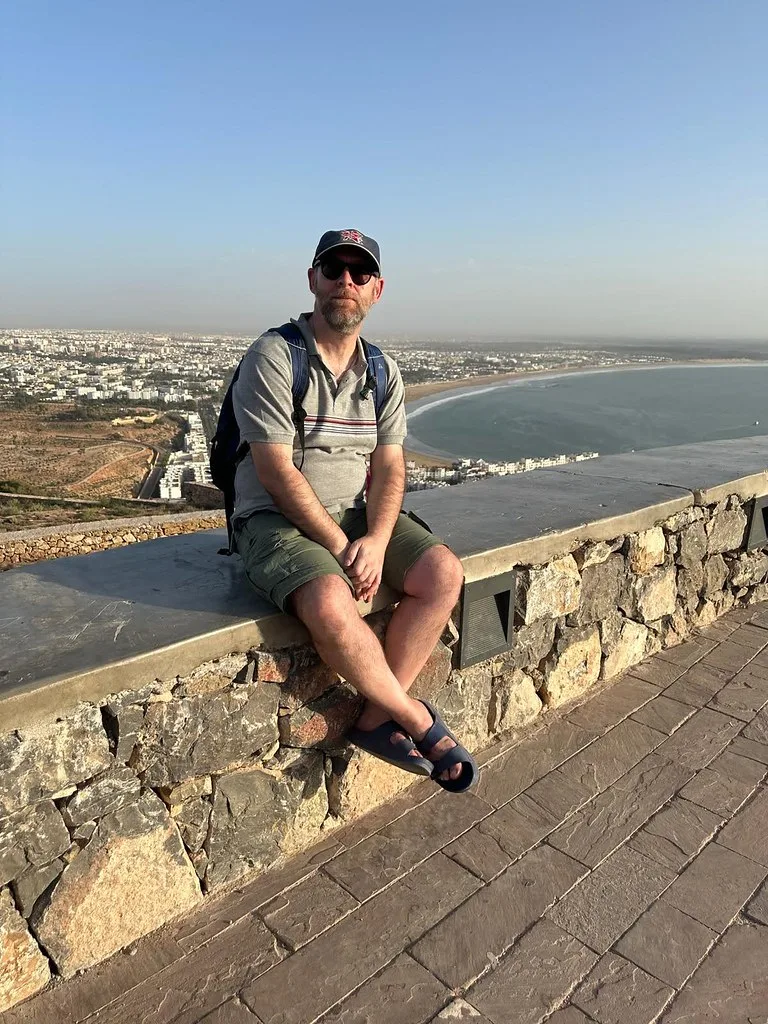
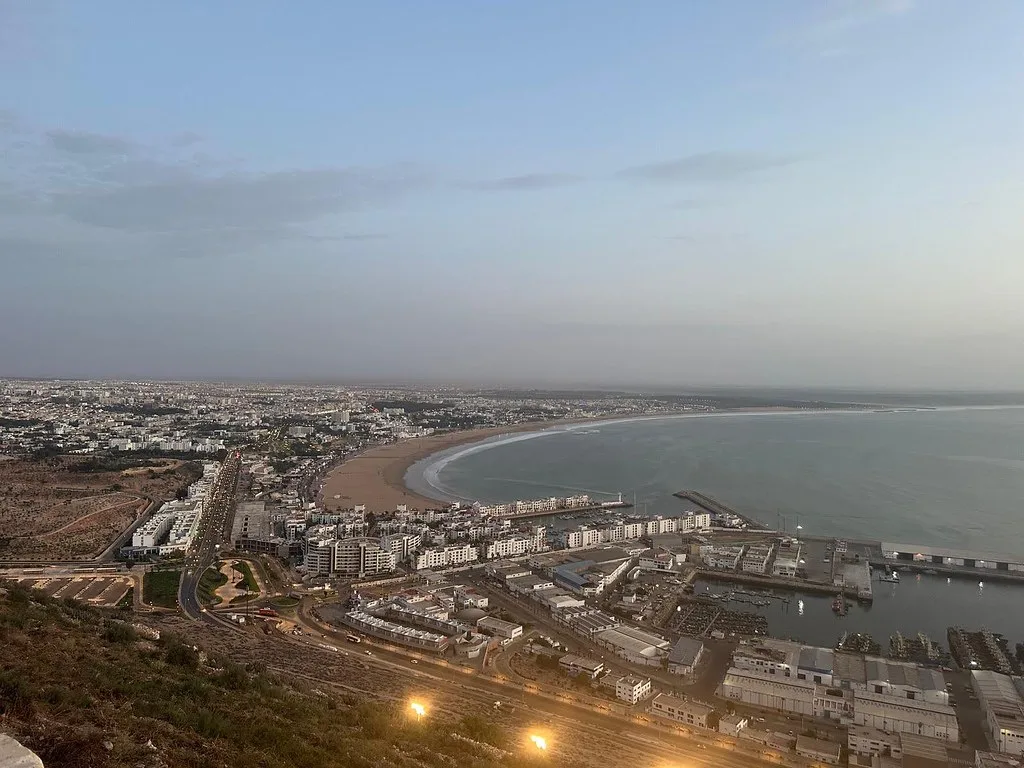
Image Credits
- beach-promenade.webp: Flickers of Majesty
- kasbah-ruins.webp: Flickers of Majesty
- paradise-valley.webp: Flickers of Majesty
- cruise-port.webp: Flickers of Majesty
- souk-el-had.webp: Flickers of Majesty
All images used with permission. Photo credits link to original sources.
Frequently Asked Questions
Q: Where do cruise ships dock in Agadir?
A: Ships dock at Agadir's commercial port, about 3 km from the beach and city center. Taxis are readily available at the terminal for around 30-50 MAD ($3-5) to reach the beach promenade. The port has basic facilities.
Q: Is Agadir safe for cruise visitors?
A: Yes — Agadir is considered Morocco's safest major city. The 1960 earthquake led to complete rebuilding with modern wide streets and well-policed tourist areas. Vendors can be persistent but the atmosphere is welcoming and relaxed.
Q: Why doesn't Agadir have an old medina?
A: The February 29, 1960 earthquake killed 10,000-15,000 people and destroyed all ancient structures. The city was completely rebuilt with modern seismic standards. La Medina d'Agadir is a 1992 recreation built with traditional Berber techniques. The Memoire d'Agadir museum tells the earthquake's story.
Q: Is Paradise Valley worth the trip?
A: Absolutely — one of Morocco's hidden gems. Natural rock pools in Atlas foothills, palm oases, waterfalls. Half-day tours run €40-60 per person. Swimming in cool mountain water after Moroccan heat is unforgettable. Book through ship excursions or local operators.
Q: What should I buy in Agadir?
A: Argan oil from women's cooperatives (culinary for cooking, cosmetic for skin — different products), leather goods, ceramics, spices (saffron, ras el hanout), Berber carpets. Bargain at Souk El Had's 6,000+ stalls.
Last reviewed: February 2026