


Photo: Wikimedia Commons (CC BY-SA)
Captain's Logbook: Ajaccio
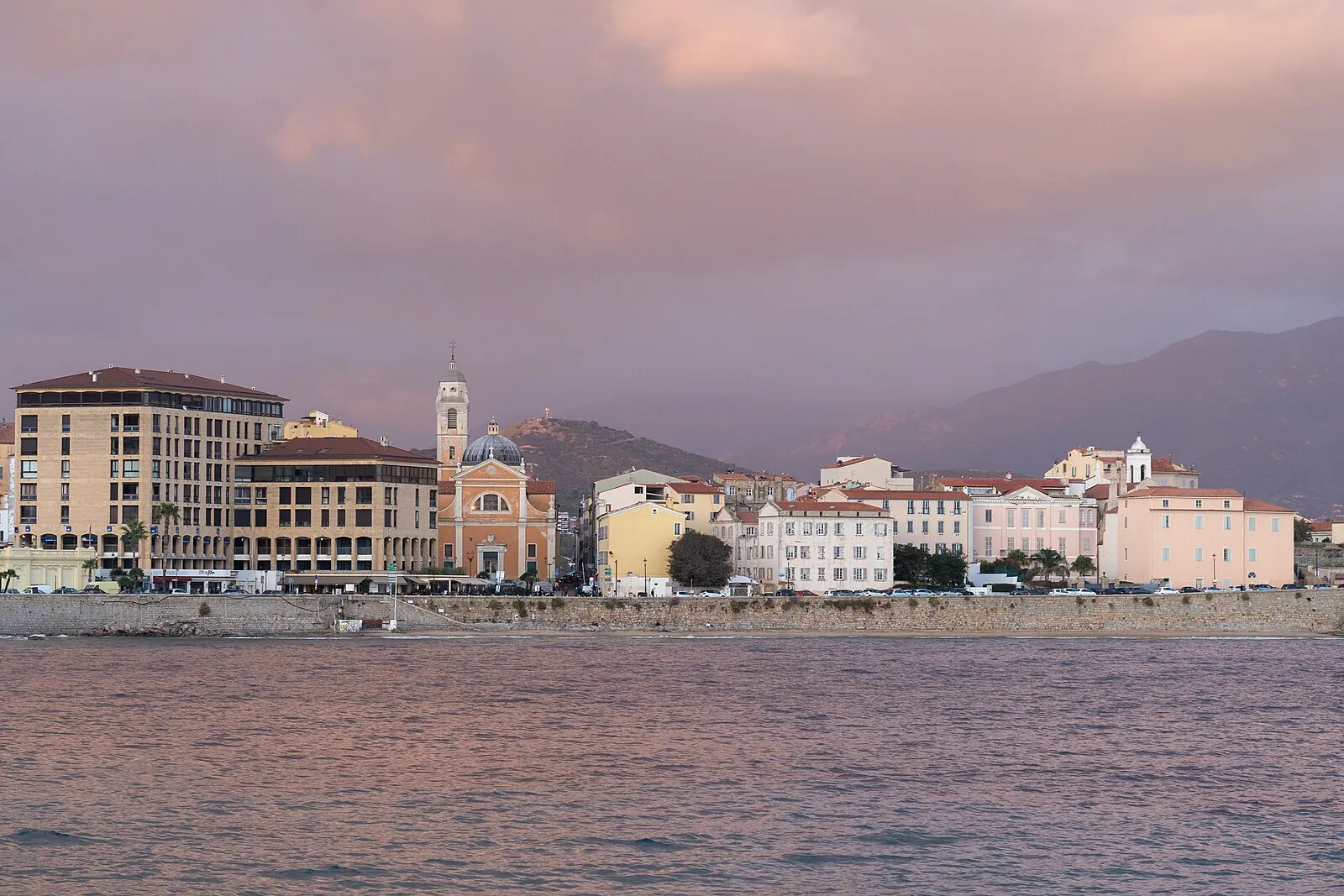
Our ship dropped anchor in the sapphire bay at sunrise, and I stood on deck watching the 16th-century Genoese citadel catch the first golden light. Ajaccio is a tender port — we descended into small boats and motored toward a harbor ringed by pastel buildings climbing into maquis-covered hills. The scent hit me before we touched the dock: wild rosemary, thyme, and juniper drifting down from the mountains, mingling with fresh espresso from the waterfront cafés. This is the smell of Corsica, the maquis scrubland that Napoleon said he could recognize blindfolded from a hundred miles at sea.
I walked straight into Napoleon's world. The man was born here on August 15, 1769 — just one year after Corsica passed from Genoa to France — and you cannot take three steps in Ajaccio without encountering his legend. At Place Foch, his bronze statue stands dressed as a Roman consul, flanked by his four brothers, gazing out over the harbor where his story began. I stood there for a long moment, listening to the sound of church bells echoing off stone walls, imagining the child who would become emperor running through these same streets.
Maison Bonaparte, the family home where Napoleon was born, is now a museum ($8 EUR admission). The rooms are surprisingly intimate — small chambers where I could almost hear the voices of the seventeen children who lived within these walls. The guide explained that Napoleon's mother Letizia gave birth to him in an upstairs room, and I stood there touching the worn wooden banister, struck by how ordinary this extraordinary man's beginnings were. The taste of the chestnut candy I'd bought at the market lingered as I contemplated how this modest house produced someone who reshaped Europe.
The afternoon brought revelation at the Palais Fesch Museum ($10 EUR). Cardinal Joseph Fesch, Napoleon's uncle, assembled a collection of Italian paintings that rivals the Louvre — room after room of Botticelli, Titian, Veronese, and Bellini. I lost two hours wandering through galleries where golden light fell on Renaissance masterpieces, the silence broken only by my own footsteps on marble floors. A Veronese altarpiece stopped me cold — the colors as vivid as the day they were painted, the figures seeming to breathe.
We took a taxi up the Route des Sanguinaires to Plage de Capo di Feno ($25 EUR round trip), and the drive alone was worth the fare — dramatic coastline, red granite cliffs, the Mediterranean impossibly blue against the brown-green maquis. The beach itself was wild and windswept, nothing like the manicured Riviera strands. I swam in water so clear I could see the sandy bottom twenty feet below, then ate grilled fish at a simple paillote beach shack ($35 EUR for lunch with wine) while waves crashed ten feet away. The local rosé was cold and perfect.
Back in Ajaccio for our last hour, I wandered the morning market near the port. Vendors offered brocciu cheese — fresh, creamy, utterly unlike anything on the mainland — alongside slices of coppa and prisuttu, the island's dry-cured ham fragrant with mountain herbs. An elderly woman insisted I sample her fig jam, pressing a spoonful into my hand with a smile and a torrent of Corsican French I couldn't follow but completely understood. I bought more than I could carry and didn't regret it. The market stalls overflowed with chestnut honey, local wines in unlabeled bottles, and cured meats hanging like leather curtains. This is how Corsicans have traded for centuries, and standing among them felt like a privilege.
What I Learned: Ajaccio taught me that greatness often emerges from modest beginnings. Walking through Napoleon's childhood home, I was struck by how ordinary the rooms were — no grand palace, just a comfortable bourgeois house where a large family crowded together. But the lesson was also about place. This island made Napoleon as much as his ambition did. The wild maquis, the fierce independence, the Mediterranean beauty — these shaped the man who would remake the world. Sometimes visiting a birthplace tells you more about a person than any biography ever could.
Weather & Best Time to Visit
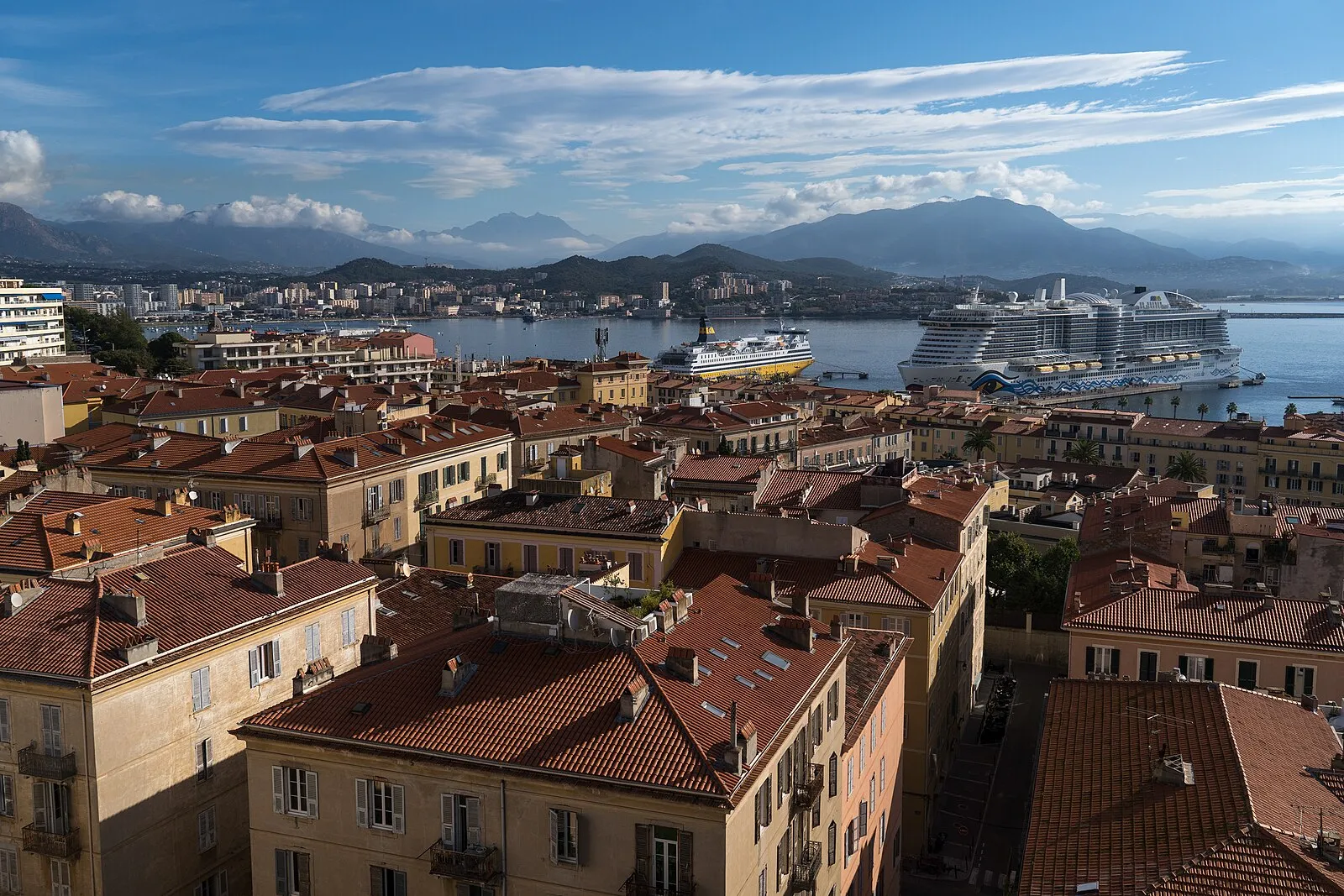
The Cruise Port
Ajaccio is a tender port — cruise ships anchor in the bay rather than docking at the pier. Tender boats shuttle passengers to shore in approximately 10-15 minutes, offering beautiful views of the citadel, mountains, and colorful waterfront as you approach. Tender wait times vary; early morning and late afternoon tend to be less crowded.
Once ashore, tenders land at a pier near the heart of downtown Ajaccio. The old town, Maison Bonaparte, Notre Dame Cathedral, and the morning market are all within a 10-minute walk. The waterfront promenade stretches in both directions with cafés, shops, and views of the anchored ships.
The tender pier area is accessible for wheelchairs, though the tender boats themselves may present challenges for passengers with mobility limitations — discuss options with the ship's accessibility coordinator. The old town has some cobblestone streets that can be uneven. The closest beach, Plage Saint-François, is a flat 10-minute walk from the port.
Getting Around Ajaccio
Ajaccio's historic center is compact and walkable. Most Napoleon-related sites, the cathedral, the market, and waterfront attractions are within easy strolling distance of the tender pier. For beaches and coastal scenery beyond the immediate town, transportation is needed.
- Walking: The old town, Maison Bonaparte, Palais Fesch, Notre Dame Cathedral, and Place Foch are all walkable within 15 minutes of the tender pier. Flat terrain in the center; hills further out.
- Taxis: Available at the port and around town. Metered fares; expect $15-25 EUR for trips within town, $40-60 EUR for Route des Sanguinaires beaches round-trip. Agree on price beforehand for longer trips.
- Petit Train: A tourist train offers 45-minute circuits of the old town and waterfront (~€12 adults, €5 children). Narrated in multiple languages; leaves from near the port. Low-energy way to see the city.
- Car rental: Available in town for those wanting to explore the dramatic Corsican coast roads. Winding mountain routes require confident driving. Not necessary for a typical port day.
- Public buses: Municipal buses serve beaches and suburbs but schedules may not align with cruise calls.
Accessibility note: The tender pier is accessible, and the main waterfront promenade is flat and smooth. Some old town streets have cobblestones that can be challenging for wheelchairs. The Petit Train is accessible. Beaches have sand that may be difficult for mobility devices.
Port Map
Tap markers to explore Ajaccio and surroundings
Beaches
Plage Saint-François is the closest beach to the tender pier — a 10-minute walk along the waterfront. Small but pleasant, with calm water suitable for swimming and a few beach bars. Free access. Gets crowded when ships are in port. Low-energy option for those wanting a quick swim without venturing far.
Plage de Trottel is slightly further (15-20 minute walk or short taxi) with more space and local atmosphere. Popular with Ajacciens on weekends. Free access; beach chair rentals available ($10-15 EUR).
Route des Sanguinaires beaches — The coastal road west of Ajaccio leads to increasingly wild and beautiful beaches. Plage de Capo di Feno (30 minutes by taxi, $40-60 EUR round-trip) is particularly stunning — a windswept strand backed by dramatic red cliffs and maquis-covered hills. Beach shack restaurants serve fresh fish and local wine. Moderate-high energy if you want to swim in waves.
Water temperatures range from cool in spring (18°C/64°F) to warm in summer (24-26°C/75-79°F). Corsican beaches are generally less developed than the French Riviera — embrace the wild beauty.
Excursions & Activities
Napoleon's Ajaccio (Essential)
Maison Bonaparte is Napoleon's birthplace, now a national museum ($8 EUR, closed Mondays). Walk through the rooms where the future emperor grew up, see family portraits and period furnishings. The audio guide ($4 EUR extra) adds valuable context about the Bonaparte family history. Allow 45-60 minutes. Book through the ship for a guided experience or visit independently — it's a 10-minute walk from the tender pier. Low-energy activity suitable for all mobility levels; the museum has multiple floors but an elevator is available.
Place Foch features the famous Napoleon statue (free) where he stands dressed as a Roman consul, surrounded by his brothers, gazing imperially over the harbor. The adjacent Town Hall has Napoleon-related exhibits including his death mask. Place d'Austerlitz offers another impressive monument where Napoleon is crowned by eagles, with panoramic city views from the hillside location. Moderate-energy to climb the hill; combine both plazas in a single walking tour.
Art & Culture
Palais Fesch Museum houses Cardinal Fesch's extraordinary collection of Italian paintings ($10 EUR, closed Tuesdays). Second only to the Louvre for Italian Renaissance art — works by Botticelli, Titian, Veronese, Bellini, and many lesser-known masters fill room after room. Allow 1.5-2 hours for a thorough visit. The building itself is impressive, a former seminary with elegant galleries. A café on the premises offers refreshments. Wheelchair accessible with elevators.
Notre Dame Cathedral is where Napoleon was baptized in 1771. The Baroque interior glows with marble and gilt, featuring works by Tintoretto and Delacroix. Free entry; dress modestly (covered shoulders and knees). A 5-minute walk from Maison Bonaparte. Low-energy activity.
Markets & Food
Ajaccio Market operates mornings near the port (Tuesday-Sunday 7am-1pm; Mondays open in summer only). Corsican charcuterie (coppa, prisuttu, lonzu, figatellu), brocciu cheese, chestnut products, local honey, and wines fill the stalls. Vendors encourage sampling — take them up on it. Budget $20-40 EUR for a serious haul of local specialties to take back to the ship. Early morning offers the best selection; by noon the best items are gone. Low-energy activity, fully accessible.
Scenic Drives
Route des Sanguinaires follows the coast west of Ajaccio to dramatic beaches, red granite cliffs, and stunning viewpoints overlooking turquoise coves. The round-trip takes 2-3 hours including beach time at Capo di Feno. Rent a car ($50-80 EUR/day, book in advance in summer) or take a taxi ($60-80 EUR round-trip with waiting time). The scenery is among the most spectacular in Corsica — bring a camera and plan stops at the numerous pullouts. Moderate-high energy if combining with beach swimming.
Booking advice: Napoleon sites and the Palais Fesch can be visited independent of any organized tour — no need for a ship excursion. Beach excursions require transportation; ship options are convenient but pricey ($120-180 USD). Book ahead for car rentals in summer. Independent taxi hire saves significantly and offers flexibility. This is one of the Mediterranean's most walkable ports for self-guided exploration.
Food & Dining
Corsican cuisine blends French sophistication with Italian influence and wild island character. Don't leave without trying the local specialties — they're unlike anything on the mainland.
Charcuterie: Coppa, prisuttu, lonzu, and figatellu (liver sausage) are cured with mountain herbs and have a distinctive Corsican character. Sample at the morning market or in any traditional restaurant ($15-25 EUR for a charcuterie board).
Brocciu cheese: Fresh, creamy, and used in everything from omelettes to desserts. Ask for it at the market or order dishes featuring it at restaurants.
Seafood: Grilled fresh fish, bouillabaisse, and mussels are excellent. Beach paillotes (casual restaurants) along Route des Sanguinaires serve simple, superb seafood ($25-40 EUR for lunch).
Local drinks: Pietra beer (brewed with Corsican chestnut flour) has a distinctive nutty flavor. Corsican wines, especially rosé, are excellent and affordable ($4-8 EUR per glass).
For dining, Le 20123 near Place Foch serves upscale Corsican cuisine. U Pampasgiolu offers traditional dishes in a local atmosphere. Budget $30-50 EUR for a sit-down lunch with wine.
Local Notices
- August 15 celebrations: Napoleon's birthday brings parades, military re-enactments, and festivities throughout the city. Wonderful to witness, but expect altered hours and crowds.
- Language: French is official, but Corsican is spoken among locals. A few words of French are appreciated; English is understood in tourist areas.
- Siesta hours: Some shops close 12:30-3 p.m., especially in summer. Plan museum visits for morning or late afternoon.
- Currency: Euro (EUR). Cards widely accepted; bring cash for markets and small purchases.
- Bastille Day (July 14): Major French national holiday. Fireworks, parades, and celebrations throughout the city. Most tourist attractions remain open, but some small shops may close. Festive atmosphere — worth experiencing if your cruise coincides.
- August closures: August is peak French vacation month. Some smaller shops and restaurants may close for annual holidays (especially 2nd-3rd week of August). Major tourist sites remain open. The market and waterfront restaurants are reliably operating.
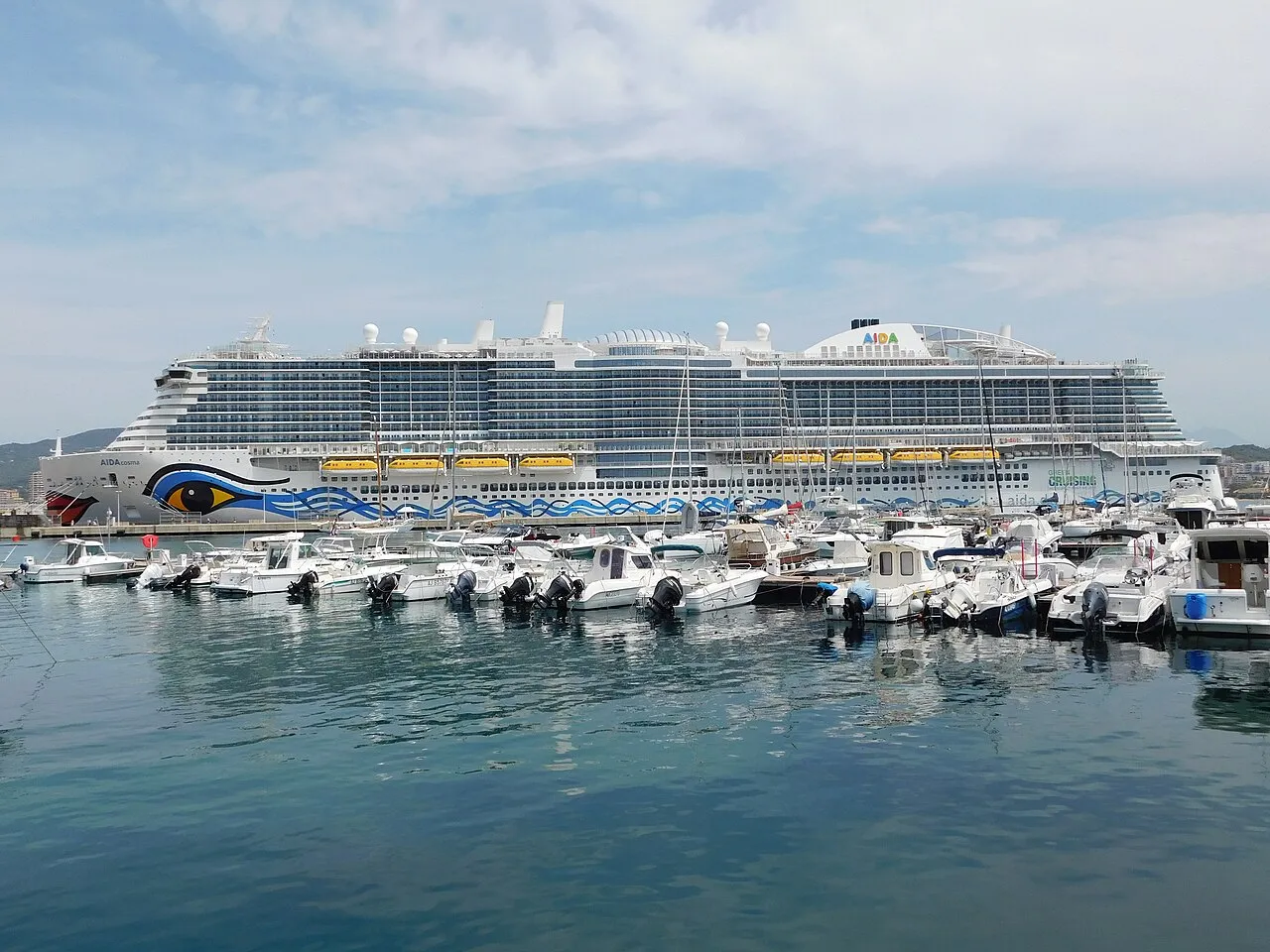
- Docking note: Most cruise ships dock directly at Ajaccio's port. Some smaller or overflow ships may tender — check your cruise line's port information. The port area is walkable to the old town.
- Driving: Corsican roads are narrow and winding with confident local drivers. If renting, don't be rushed — use turnouts to let faster traffic pass.
Depth Soundings Ashore
Practical tips before you step off the ship.
- Tender timing: Ajaccio is a tender port. First tenders usually run by 8 a.m.; last return varies by ship. Early and late tenders tend to have shorter waits. The ride takes 10-15 minutes with lovely citadel views.
- Walkable port: Unlike many Mediterranean ports, Ajaccio's highlights are genuinely walkable from the tender pier. Napoleon sites, the cathedral, Palais Fesch, and the market are all within 15 minutes on foot.
- Market timing: The morning market (Tuesday-Sunday, 7am-1pm; Mondays open in summer only) closes by 1 p.m. Arrive early for the best selection of charcuterie and cheese.
- Beach decision: Close beaches (Saint-François, Trottel) are walkable but crowded. Wild beaches (Capo di Feno) require a taxi or rental car. Budget $50-80 EUR for a half-day beach excursion.
- Museum closures: Maison Bonaparte closed Mondays; Palais Fesch closed Tuesdays. Verify hours before planning your day.
- Sun and heat: Summer temperatures can exceed 30°C (86°F). Bring sunscreen, a hat, and water. The maquis provides no shade.
- Chestnut everything: Corsica's chestnut culture produces unique flavors — beer, honey, flour, candy. Try at least one chestnut product before you leave.
Practical Information
- Currency
- Euro (EUR)
- Language
- French (official); Corsican widely spoken
- Time Zone
- Central European Time (UTC+1, +2 in summer)
- Tipping
- Service included in French restaurants; round up for good service
- Power
- European Type C/E outlets (230V)
- Mobile/Cell
- EU roaming applies; good coverage in town, patchy in mountains
- Emergency
- 112 (EU emergency number)
Photo Gallery


Frequently Asked Questions
Q: Do cruise ships dock or tender in Ajaccio?
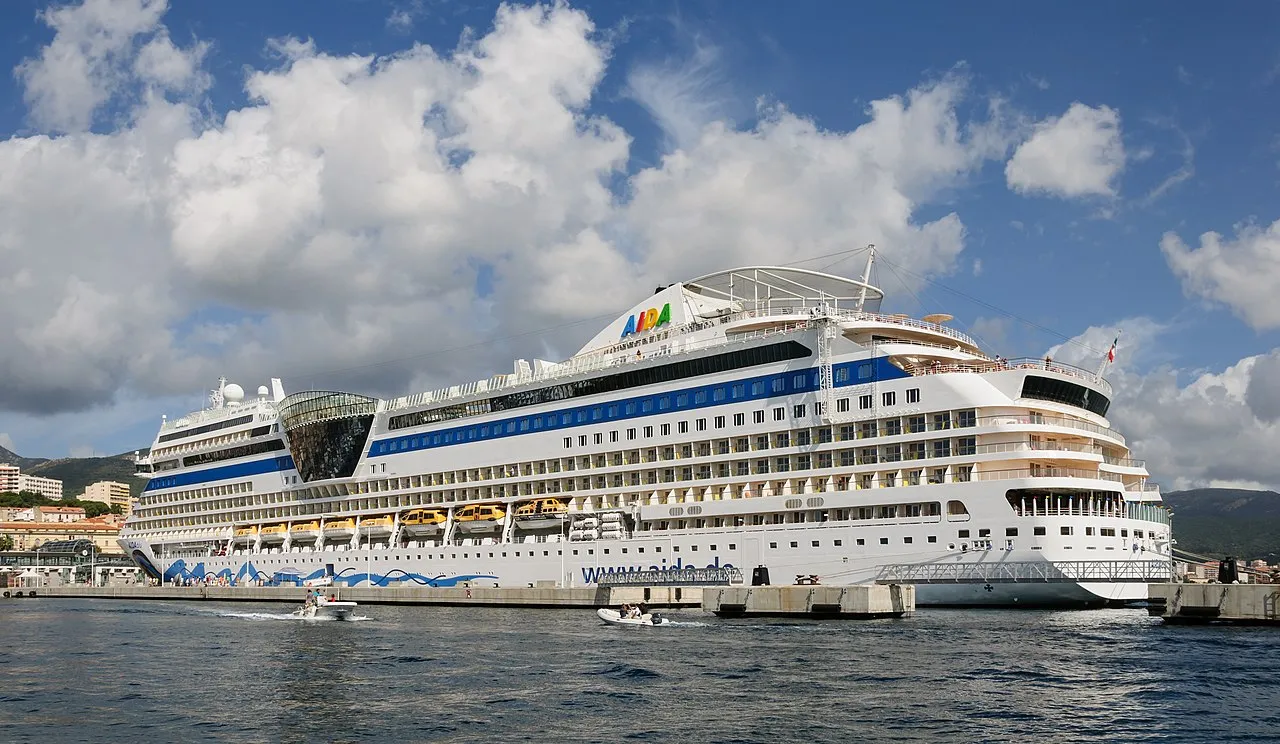
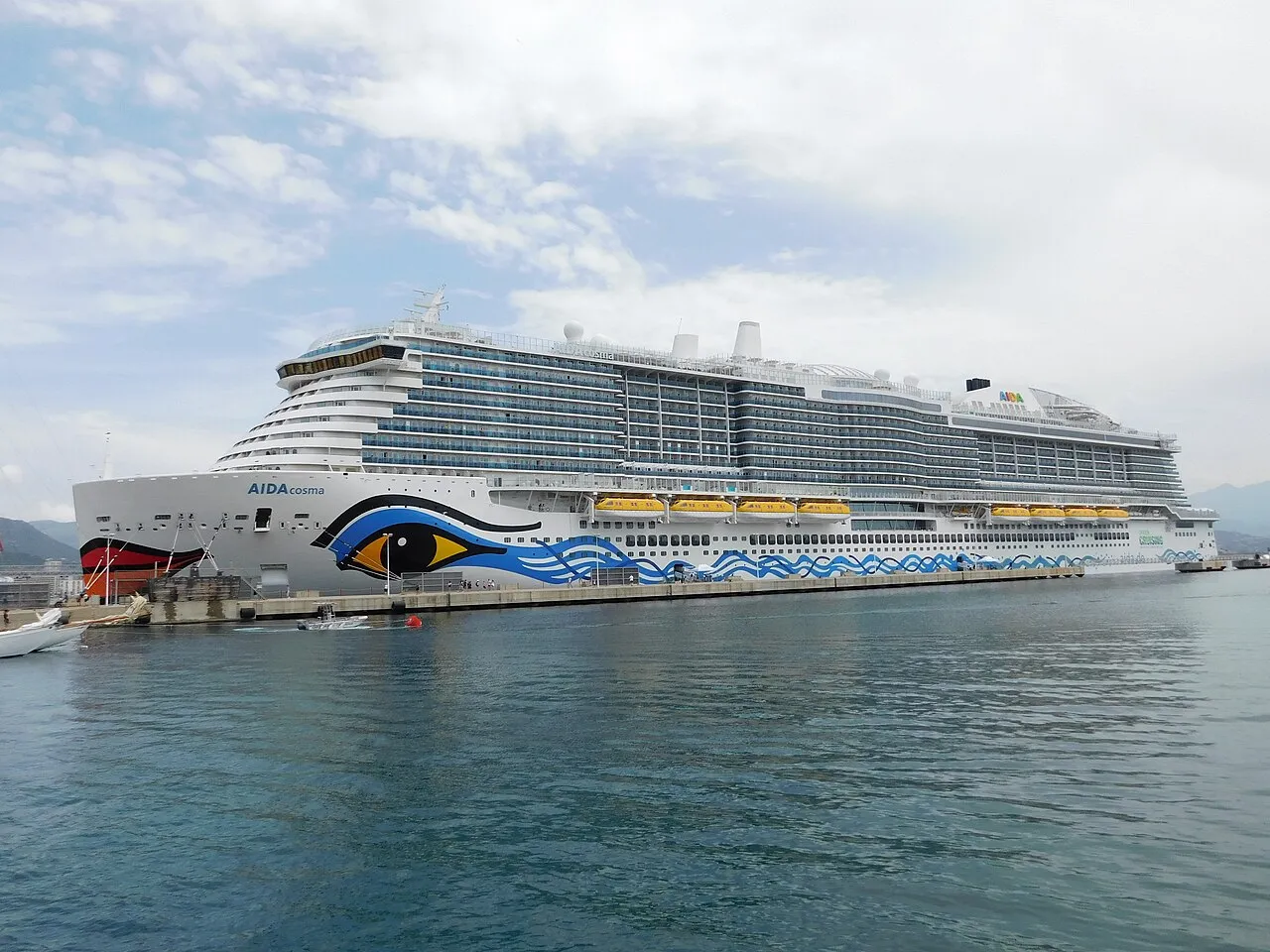
A: Most cruise ships dock directly at Ajaccio's port, within walking distance of the old town. Some ships (depending on size or port congestion) may anchor and tender — check your cruise line's specific port information. When tendering does occur, the 10-15 minute ride offers beautiful views of the citadel and mountains.
Q: What's the Napoleon connection in Ajaccio?
A: Napoleon Bonaparte was born here on August 15, 1769. Visit Maison Bonaparte (his childhood home, now a museum), see statues at Place Foch and Place d'Austerlitz, and explore the cathedral where he was baptized.
Q: Is Ajaccio worth a cruise stop?
A: Absolutely. It offers world-class art (Palais Fesch), fascinating Napoleon history, excellent Corsican food, beautiful beaches, and the unique character of an island that feels distinct from mainland France. One of the Mediterranean's more authentic ports.
Q: What should I eat in Corsica?
A: Corsican charcuterie (coppa, prisuttu, lonzu), brocciu cheese, chestnut-based products, wild boar stew, and fresh seafood. Pietra beer is brewed with local chestnuts. Visit the morning market for the full experience.
Q: How far are the beaches?
A: Plage Saint-François is a 10-minute walk from the tender pier. Wild beaches like Capo di Feno are 30-40 minutes by taxi ($50-80 EUR round-trip) but the dramatic scenery is worth the trip.
Q: Is Ajaccio accessible for mobility-impaired visitors?
A: The tender pier and waterfront promenade are accessible. Some old town streets have cobblestones. Museums vary — Palais Fesch has elevators. Beaches have sand challenging for wheelchairs. The Petit Train offers an accessible way to tour the city.
Q: What's the best time of year to visit Ajaccio?
A: May through October is ideal — warm, dry Mediterranean weather with summer average highs of 28-29°C (occasional heatwave days above 30°C), long daylight hours, and all attractions on full summer schedules. Peak cruise season aligns perfectly. April and November are pleasant but cooler. Winter (Dec-Feb) is mild but rainy with reduced hours at some attractions.
Q: Does Ajaccio have a hurricane or storm season?
A: Ajaccio is not in a hurricane zone. Summers are dry; autumn and winter are wetter, with rain concentrated October through March. Inland, mountain weather can change quickly.
Q: What should I pack for Ajaccio's weather?
A: Sunscreen and a hat — Mediterranean UV is strong even when the sea breeze makes it feel comfortable. Comfortable walking shoes for cobblestones and the uphill walk to viewpoints. A light cover-up for church visits (Notre Dame Cathedral). Swimsuit if visiting May-October — beaches are walkable from the port. Light layers for cooler mornings.
Q: Will afternoon rain ruin my port day in Ajaccio?
A: Very unlikely during cruise season (May-October), which falls in Corsica's dry Mediterranean summer. Rain is concentrated October through March. If you do catch a rare summer shower, it's brief. Maison Bonaparte, Palais Fesch museum, and the covered morning market are excellent indoor options.
Last reviewed: February 2026
I have sailed this port myself. These notes come from my own wake through Napoleon's Corsica.