


Photo: Wikimedia Commons (CC BY-SA)
Captain's Logbook: Amsterdam
The author visited Amsterdam in 2017 aboard Northern European cruise itinerary. Observations reflect personal experience; verify current conditions before travel.
I woke before dawn to watch us glide into the Passenger Terminal Amsterdam, the ship passing under bridges and through locks as the city slowly materialized on either side. What began as a humble 12th-century fishing village on the Amstel River became one of the world's most powerful trading hubs during the Dutch Golden Age. I could see that legacy everywhere — in the narrow canal houses leaning slightly forward (built that way so furniture could be hoisted up without hitting the facade), in the warehouse districts now converted to galleries and lofts, in the merchant spirit that still pulses through these streets. By the time we docked behind Centraal Station, I was ready to step off into eight centuries of living history.
My first stop was the Anne Frank House ($14 EUR, book 2-3 months ahead at annefrank.org). I climbed the steep stairs to the secret annex behind the bookcase, walked through the small rooms where Anne and seven others hid for two years during World War II, and stood in the space where she wrote her diary. The windows were covered — they could never see sunlight without risking discovery. I read her words on the walls: "I still believe, in spite of everything, that people are really good at heart." Standing in that cramped attic, knowing she would be betrayed and die at Bergen-Belsen just weeks before liberation, I felt something break inside me. The museum provides no easy comfort. It offers only witness.

I walked to the Van Gogh Museum ($20 EUR, book ahead online) needing beauty after that morning of sorrow. The world's largest collection of his work — over 200 paintings and 500 drawings — traces his short, tormented, luminous life. I stood before The Bedroom at Arles and watched the brushstrokes swirl with energy. I saw The Potato Eaters, painted in the dark years before he found color. I touched nothing, but I felt everything. The gift shop sold sunflower prints and Starry Night umbrellas, and somehow that commercial coda didn't diminish what I'd experienced. Van Gogh died believing himself a failure. These rooms prove otherwise.
Lunch was herring from a street stand near the Bloemenmarkt ($4 EUR). You hold the fish by the tail, tip your head back, and bite. The flesh is silky, briny, surprisingly delicate. Chopped onions and pickles cut the richness. I felt grateful for the encouragement of the Dutch couple next to me who nodded approval — the universal acknowledgment of one herring convert to another. I followed the herring with stroopwafels from Albert Cuyp Market ($3 EUR for two), still warm, the caramel center melting between thin waffle layers. These simple pleasures balanced the morning's weight.

The afternoon belonged to the Rijksmuseum ($22.50 EUR, book ahead online). I went straight to Rembrandt's Night Watch, restored and rehung after years of conservation. The painting is enormous — 12 feet tall — and crowds gather before it like pilgrims at a shrine. I watched light play across the faces of the militia company, each figure individualized, each expression alive with personality four centuries after Rembrandt set down his brush. The rest of the museum could occupy days: Vermeer's milkmaid pouring forever, Delft pottery glowing blue and white, dollhouses built to actual furniture scale for 17th-century merchant wives.
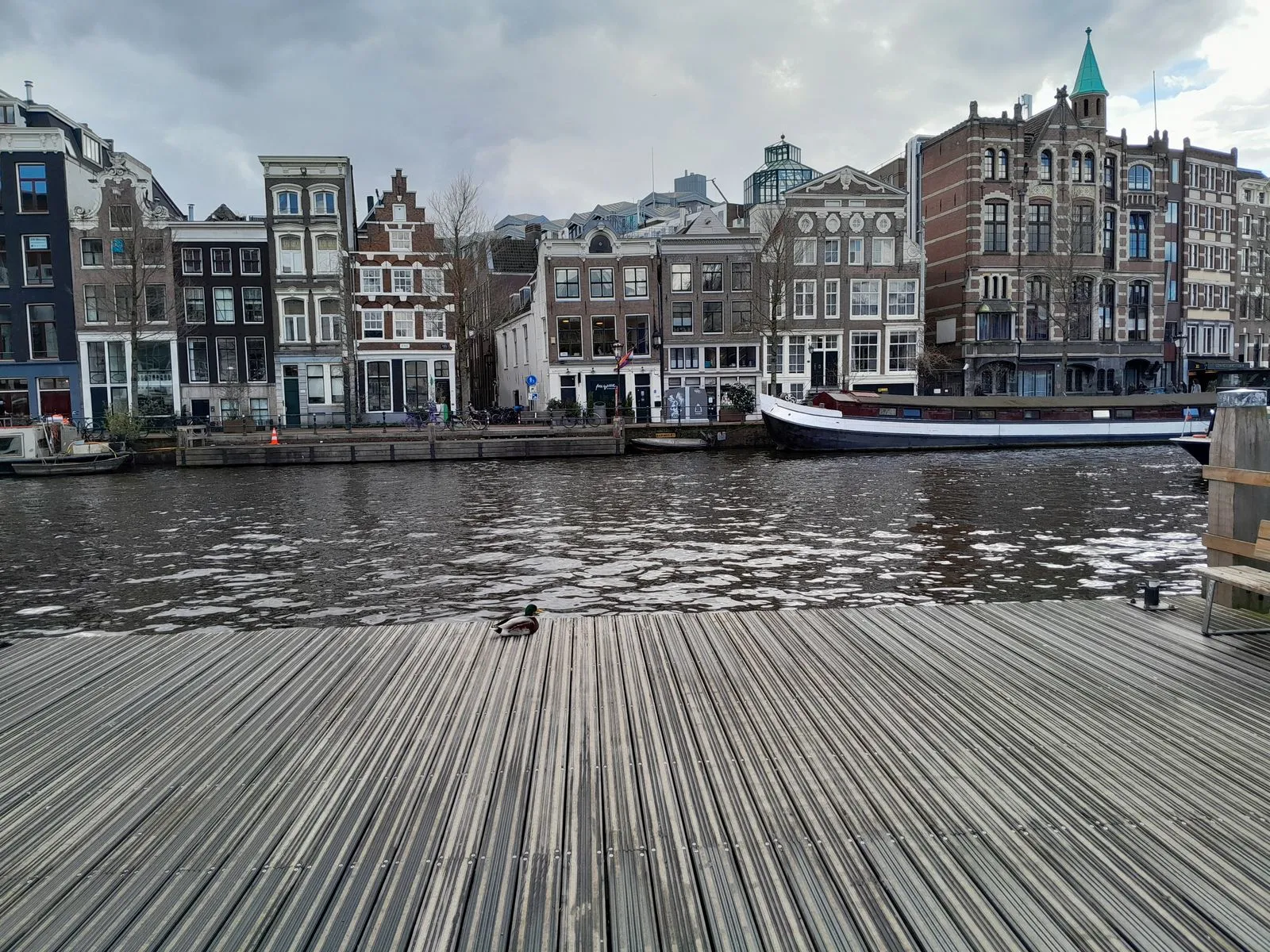
I took a canal cruise at sunset ($18 EUR, departing near Centraal Station). The boat slipped under bridges and past houseboats, through the concentric rings of canals — Herengracht, Keizersgracht, Prinsengracht — that earned UNESCO World Heritage status. Evening light turned the water gold. The guide pointed out architectural details I'd missed from street level: the hoisting beams at rooflines, the gable shapes indicating construction dates, the way buildings lean toward the canal for aesthetic reasons as much as practical ones. The smell of the water was surprisingly clean — Amsterdam takes canal maintenance seriously. Worth every euro for those perspectives.
The cons: Amsterdam is expensive, bike traffic is genuinely dangerous for oblivious pedestrians, and the most famous attractions require advance booking or you simply won't get in. Accessibility varies — the historic center has cobblestones, narrow sidewalks, and endless stairs. Wheelchair users should know that canal boats and historic buildings present significant challenges, though major museums have adapted well.
What I Learned: Amsterdam taught me that beauty and tragedy live side by side, sometimes in the same building, sometimes in the same afternoon. Van Gogh's sunflowers glow with joy painted by a man who would soon take his own life. Anne Frank's diary sparkles with wit and intelligence from a girl who would die in a concentration camp. The Dutch Golden Age built these magnificent canals with wealth extracted from colonial exploitation. Nothing here is simple. Nothing here is resolved. I arrived expecting picturesque canals and came away grappling with complexity — with how human beings can create transcendent art and commit unspeakable cruelty, sometimes simultaneously. That's the real gift Amsterdam gives: not comfort, but honesty.
Weather & Best Time to Visit
The Cruise Port
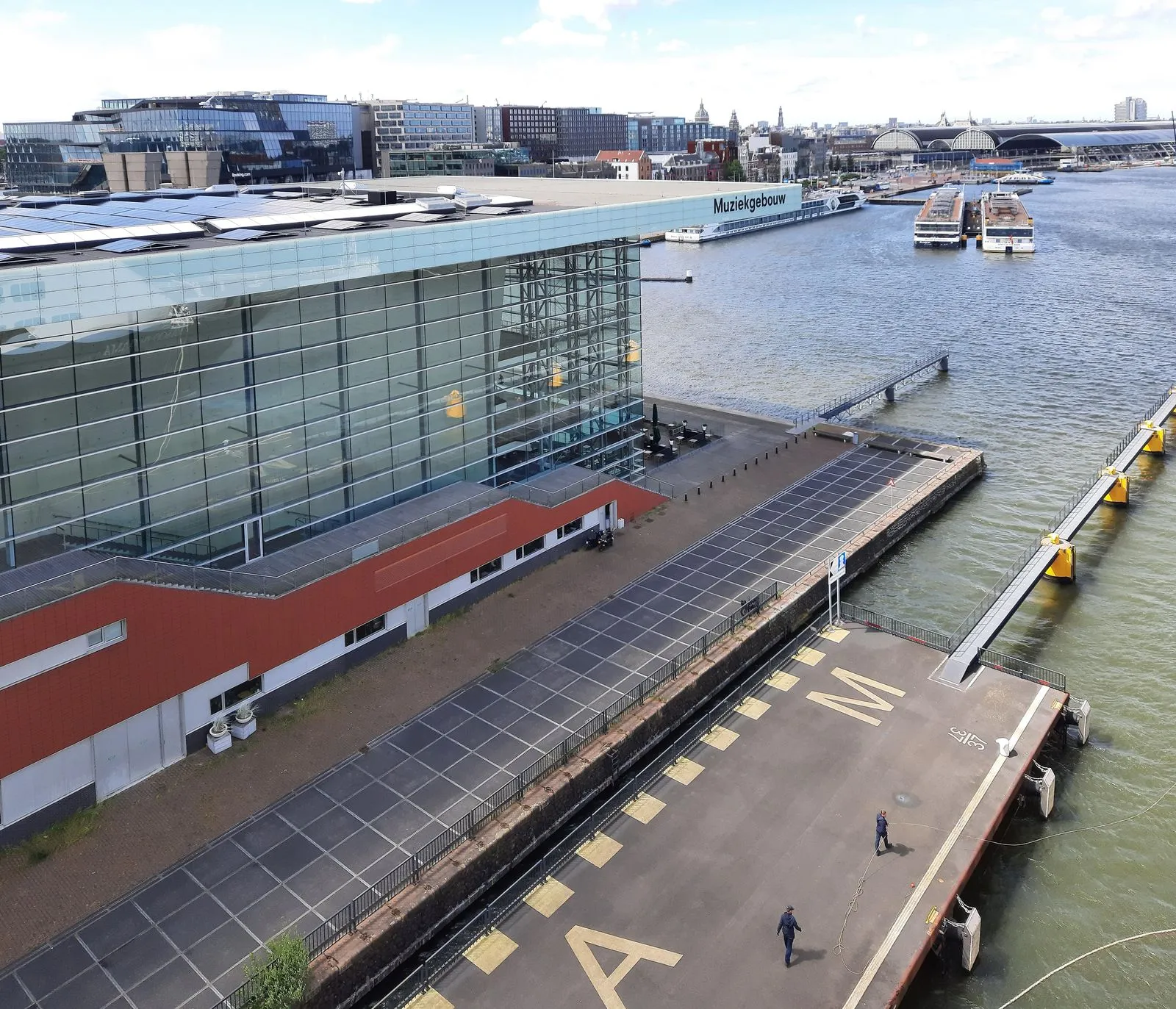
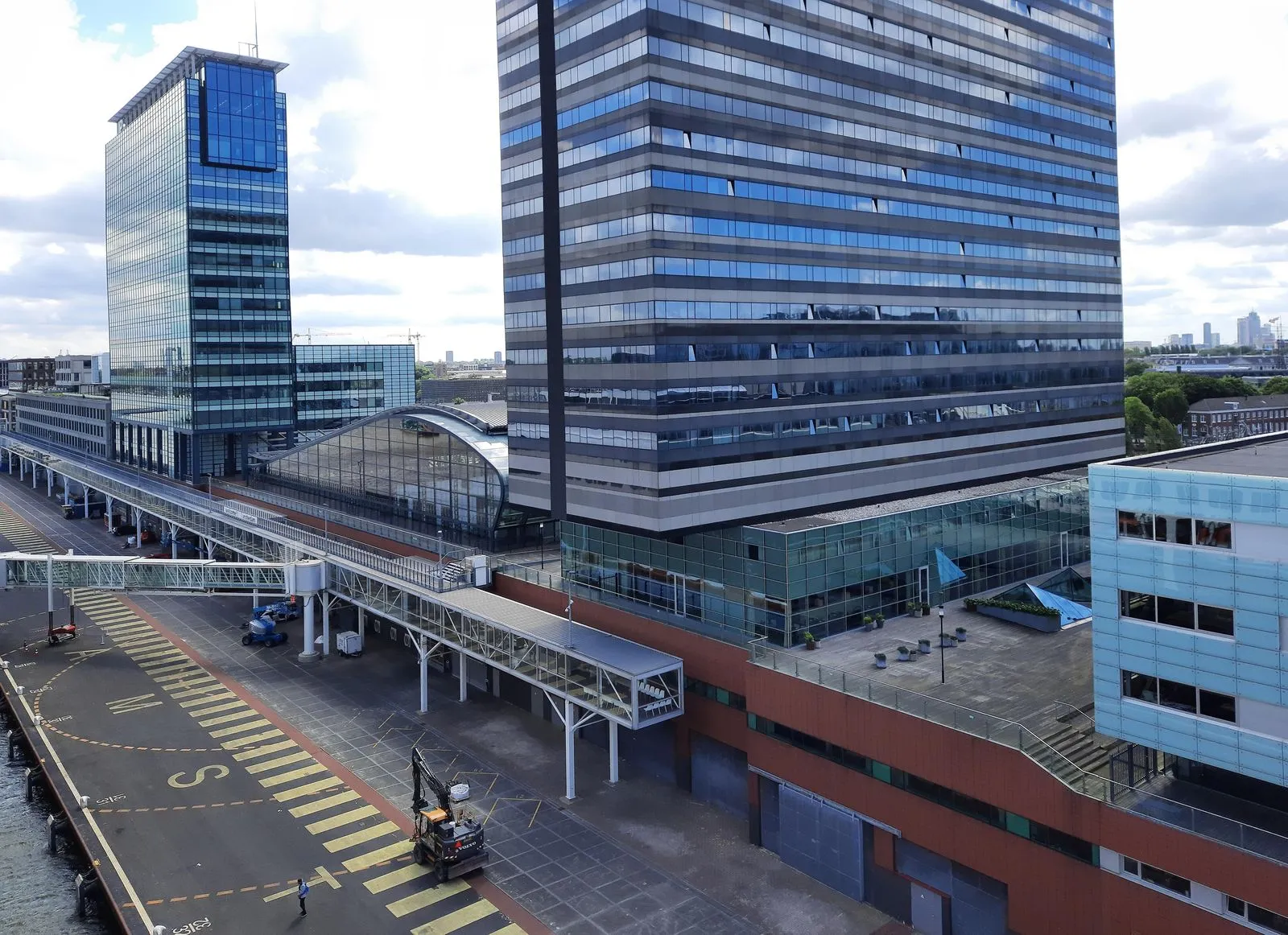
The Passenger Terminal Amsterdam on Piet Heinkade sits directly behind Centraal Station — one of cruising's most convenient port locations. You literally step off the ship and find yourself in the heart of the city. Centraal Station, with its tram connections and metro lines, is a 5-minute walk. Dam Square and the Royal Palace are 15 minutes on foot.
The terminal has basic facilities including restrooms and a small café. Free WiFi is available for last-minute planning. When the main terminal reaches capacity, overflow ships use VCK Waterland Terminal with shuttle buses to Sloterdijk Station. Some itineraries dock at IJmuiden (2-3 hours from central Amsterdam by bus/train).
Accessibility: The terminal itself is accessible. The city center presents challenges — cobblestones, narrow sidewalks, stairs at canal houses. Major museums (Van Gogh, Rijksmuseum, Anne Frank House) have wheelchair accessibility though some areas may be restricted. Trams are wheelchair accessible. Canal boats vary — inquire when booking.
Getting Around Amsterdam
Amsterdam is wonderfully compact and walkable. The city center's major attractions cluster within a 30-minute walk of Centraal Station. Trams provide excellent coverage when legs tire — a single ride costs $2.60 EUR, or grab a day pass ($7 EUR) if museum-hopping. Critical: you MUST tap in AND tap out with your card or face fines from ticket inspectors who patrol regularly.
Canal cruises ($15-20 EUR) depart constantly from multiple locations near Centraal Station. This is the essential Amsterdam experience — perspectives on canal houses and bridges you simply cannot get from street level. Book ahead through operators like Lovers or Blue Boat for guaranteed departure times, or go independent by purchasing tickets at dock kiosks. Evening departures offer golden light reflections on the water.
Bikes define Amsterdam's character, but rental ($12-15 EUR per day) requires confidence with intense city cycling. Locals are fast, decisive, and unforgiving of hesitation. First-time visitors do better walking and using trams. If you do rent, never walk in the red-painted bike lanes — cyclists will not slow down for pedestrians.
From Schiphol Airport: Direct trains run every 10-15 minutes to Centraal Station ($5 EUR, 18 minutes). Far easier than fighting taxi queues ($60 EUR fixed fare). Luggage storage available at both stations.
Port Map
Parks & Recreation
Amsterdam isn't a beach destination, but green spaces abound for pleasant respite from museum-hopping.
Vondelpark: The city's beloved public park sprawls near the museums — great for picnics, people-watching, and decompression between cultural intensity. Free entry, open dawn to dusk.
Jordaan Neighborhood: Quiet canals, bobbing houseboats, cozy cafés. This is where locals actually live rather than perform for tourists. Wander without agenda.
Zandvoort: If beach time matters, this North Sea resort is 25 minutes by train ($8 EUR round trip). Water is cold but beaches are broad and sandy.
Excursions & Activities
Anne Frank House ($14 EUR, 1.5-2 Hours)
The secret annex where Anne Frank and seven others hid during World War II. Timed entry is essential — book ahead 2-3 months at annefrank.org when tickets release online. Walk-in queues rarely succeed. The experience is somber, powerful, and necessary. Audio guide included with admission. The museum has evolved over decades to preserve Anne's story while honoring those who perished. Limited wheelchair access due to historic stairs; virtual tour available online for those who cannot manage physical access.
Van Gogh Museum ($20 EUR, 2-3 Hours)
The world's largest Van Gogh collection traces his artistic development through over 200 paintings and 500 drawings. The Potato Eaters, Sunflowers, Bedroom at Arles, and self-portraits await. Book ahead online for guaranteed entry — tickets often release for specific time windows. Fully wheelchair accessible. Audio guide excellent and included with every ticket. Gift shop is dangerous for your wallet but offers quality reproductions.
Rijksmuseum ($22.50 EUR, 2-4 Hours)
The Netherlands' national museum showcases Dutch Golden Age masterpieces including Rembrandt's Night Watch and Vermeer's Milkmaid. The building itself is magnificent — give yourself time to wander through galleries spanning eight centuries of Dutch art, artifacts, and design. Book ahead online especially for weekend visits. Fully wheelchair accessible with elevators to all floors. Allow minimum 2 hours; art lovers need half a day.
Canal Cruise ($15-20 EUR, 1-1.5 Hours)
Essential Amsterdam experience. Glass-topped boats glide through the UNESCO canal ring while guides explain architectural details and Golden Age trade networks. Multiple operators depart near Centraal Station. Book ahead through your ship excursion desk for guaranteed return timing, or go independent at dock kiosks. Evening cruises offer golden light and fewer crowds. Some boats offer wine and cheese options for slightly higher prices.
Zaanse Schans Windmills ($15-20 EUR transport + entries, Half Day)
Traditional windmills, wooden houses, and craft workshops 20 minutes from the city. Touristy but genuinely charming, especially early morning before bus tours arrive. Watch millers demonstrate traditional grain grinding, visit a clog-making workshop, and sample cheese at the dairy. Buses depart from behind Centraal Station. Book ahead through tour operators or go independent via public bus ($8 EUR round trip). Partially wheelchair accessible — some windmill interiors have steep stairs.
Jordaan Walking Tour (Free-$15 EUR, 2 Hours)
The Jordaan neighborhood offers quieter canals, local cafés, and hidden courtyards away from museum crowds. Several companies offer guided walks exploring this former working-class district now beloved by artists and young professionals. Book ahead with operators like Free Walking Tours Amsterdam (tip-based) or Sandeman's New Amsterdam Tours. The neighborhood rewards slow wandering — duck into hofjes (hidden almshouse courtyards) and browse vintage shops along Haarlemmerdijk.
Food & Dining
Amsterdam's colonial past means Indonesian cuisine (rijsttafel, satay, nasi goreng) is woven into Dutch food culture. Highlights include rijsttafel — a "rice table" of 12-20 small dishes.
Herring ($4-5 EUR) from street stands near Bloemenmarkt — hold by the tail, tip your head back, bite. Silky, briny, surprisingly delicious with chopped onions. The quintessential Dutch street food experience.
Stroopwafels ($2-3 EUR) from Albert Cuyp Market — thin waffles with caramel center, still warm. Addictive. Buy extra for the ship.
Bitterballen ($6-8 EUR for serving) — deep-fried beef ragout balls served with mustard at brown cafés. Perfect with Dutch beer.
Kroket ($3-4 EUR) — similar filling to bitterballen but in cylinder form. Grab from automaat vending machines for authentic local experience.
Indonesian Rijsttafel ($25-40 EUR) — "rice table" featuring 12-20 small dishes. Kantjil in the Jordaan or Blauw near Vondelpark offer excellent versions.
Local Notices
Bike Safety: Bikes have right of way and will not slow down. Never walk in red-painted bike lanes. Look both ways twice before crossing anything.
Museum Booking: Anne Frank House, Van Gogh Museum, and Rijksmuseum all require advance online booking. Walk-up entry is increasingly difficult, especially on weekends.
Cash: Many smaller establishments still prefer cash despite the Netherlands being generally card-friendly. Keep €20-50 in euros for cafés and market vendors.
Weather: Rain is possible any month. Pack layers and a compact umbrella. Even summer evenings can turn cool.
King's Day (April 27): If visiting around this date, expect massive street parties, orange everywhere, and difficulty moving through crowds. Book accommodations months ahead.
Depth Soundings Ashore
The museum booking reality cannot be overstated. Anne Frank House requires tickets 2-3 months in advance. Van Gogh and Rijksmuseum need advance booking for weekend visits and busy seasons. Showing up without reservations increasingly means missing major attractions. Plan before you sail.
The ideal Amsterdam port day balances cultural weight with sensory pleasure. Start at Anne Frank House (morning entry), decompress with canal cruise and herring, then art at Van Gogh or Rijksmuseum. End in a brown café with bitterballen and beer. This rhythm honors both the city's serious legacy and its current vitality.
For ship excursions versus independent travel: Amsterdam's walkable core makes independent exploration easy. Ship excursions provide guaranteed museum entry and organized logistics at premium prices. Going independent saves money but requires advance booking on your own. Book ahead through ship excursion desk if museum entry certainty matters most.
The honest assessment: Amsterdam is expensive, crowded at main attractions, and challenging for spontaneous visitors. But the canal belt is genuinely beautiful, the museums genuinely outstanding, and the food genuinely excellent. Come prepared and leave satisfied.
Practical Information
- Country
- Netherlands
- Currency
- Euro (EUR)
- Language
- Dutch; English universal
- Port Type
- Dock (steps from Centraal Station)
- Walk to Center
- 5-15 minutes
- Anne Frank House
- $14 EUR (book months ahead)
- Van Gogh Museum
- $20 EUR (book ahead)
- Accessibility
- Cobblestones and stairs; museums well-adapted
- Tram Day Pass
- $7 EUR
Photo Gallery


Frequently Asked Questions
Q: Can I get Anne Frank House tickets on the day?
A: Almost never. Timed entry tickets release 2-3 months ahead at annefrank.org and sell out within hours. Walk-up queues rarely succeed. Book ahead or accept you may not get in. The exterior and neighborhood remain moving to visit.
Q: Which museum if I only have time for one?
A: Van Gogh if you love his work specifically — the collection is unmatched anywhere. Rijksmuseum for broader Dutch Golden Age art including Rembrandt's Night Watch. Anne Frank House for testimony that transcends art. All three are excellent but offer very different experiences.
Q: Should I rent a bike?
A: Only if comfortable with intense city cycling. Amsterdam cyclists are fast, decisive, and unforgiving. First-time visitors do better walking and using trams. If you do rent, stay in your lane and never hesitate.
Q: Is Amsterdam walkable from the cruise terminal?
A: Yes — this is one of cruising's best locations. The terminal sits directly behind Centraal Station. Dam Square is 15 minutes on foot. The canal ring museums are 20-30 minutes or a quick tram ride.
Q: What about accessibility?
A: The historic center presents challenges — cobblestones, narrow sidewalks, canal house stairs. Major museums have adapted well with wheelchair access and lifts. Trams are accessible. Canal boats vary — inquire when booking. The terminal itself is fully accessible.
Q: Do I need to book canal cruises?
A: Not essential but helpful for guaranteed departure times. Boats run constantly from multiple locations near Centraal Station. Walk-up tickets available at dock kiosks. Book ahead through operators if you want specific timing.
Q: When is the best time to visit Amsterdam on a cruise?
A: Cruise season runs May through September. Daytime highs run 62-71°F in those months; January and February are the avoid window, with highs near 40°F. Daylight ranges 8-16.5 hours seasonally. Peak Jun-Aug, transitional Apr-May and Sep-Oct, low Nov-Mar.
Q: Is there a hurricane or storm season that affects Amsterdam?
A: Amsterdam is not in a hurricane zone. The recorded hazard is "North Sea winds; grey winters." Wind data describes frequent wind year-round with North Sea influence. Rain falls year-round and humidity stays 71-87%.
Q: What should I pack for Amsterdam weather?
A: A rain jacket is essential year-round. Layers for changeable weather. Comfortable walking shoes. Pre-book museum tickets. Cruise-season highs run 62-71°F; lows drop into the 40s-50s°F.
Q: Will rain ruin my Amsterdam port day?
A: Rain falls 7-8 days per month in cruise season. The rain summary reads "year-round, slightly less Apr-Jun." Amsterdam expects rain — the packing essential is a year-round rain jacket. Frequent wind off the North Sea is the other major variable.
Most cruise ships dock at the Passenger Terminal Amsterdam, a 15-minute walk or one tram stop from Centraal Station — very convenient. But some ships dock at IJmuiden port, 30 minutes by shuttle from the city center. Check your itinerary carefully. The Anne Frank House sells out weeks in advance — online-only timed tickets are essential, and walking in without a reservation is not possible. The Rijksmuseum and Van Gogh Museum also benefit from advance booking, especially on multi-ship days.
Last reviewed: February 2026