


Photo: Wikimedia Commons (CC BY-SA)
Captain's Logbook
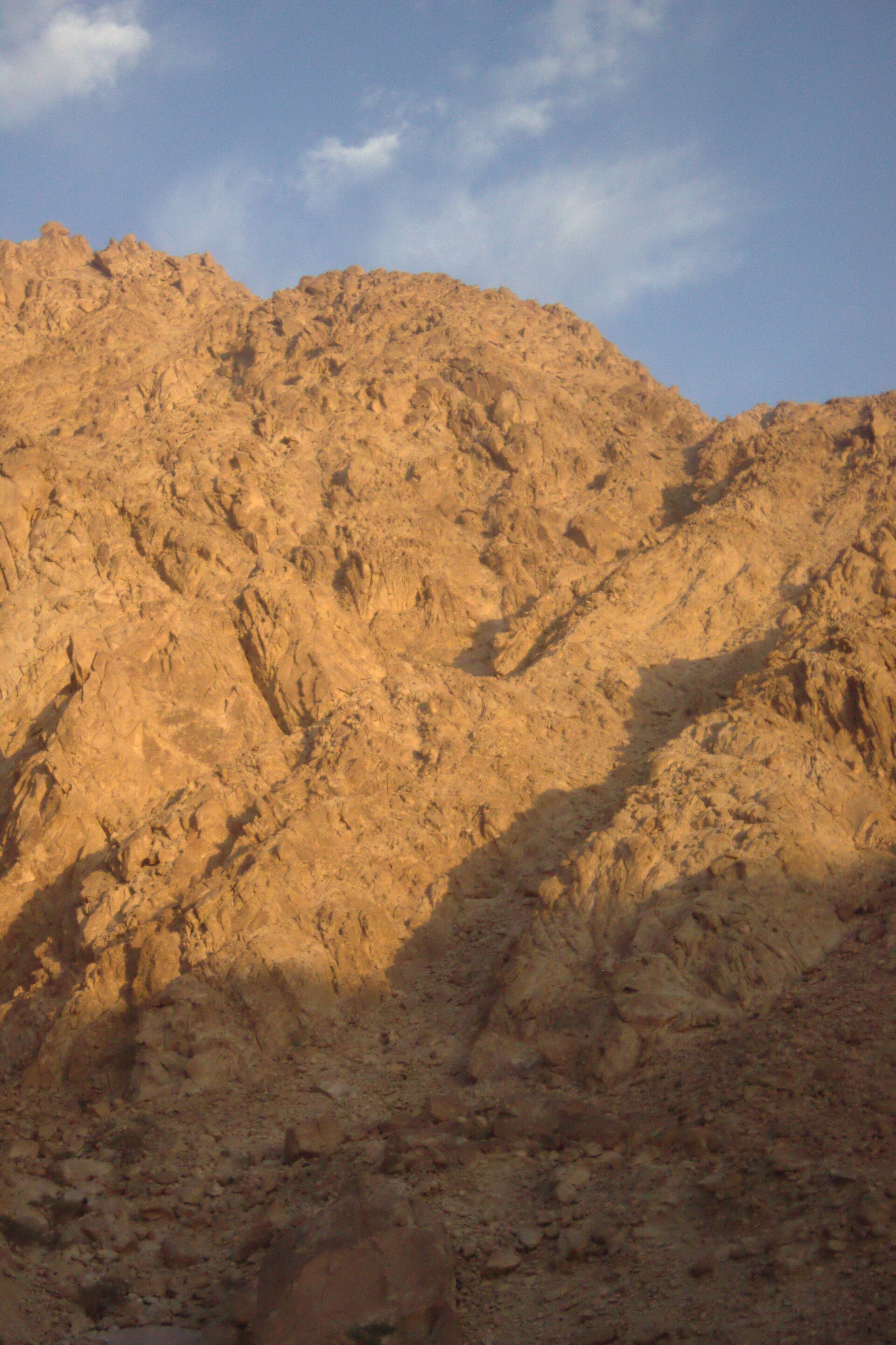
Jordan's only coastal city sits at the apex of the Red Sea, where the borders of four nations nearly touch. For six thousand years, ships have called at this harbor — Egyptians, Nabataeans, Romans, Crusaders, Ottomans, and now cruise ships transiting between the Mediterranean and the Indian Ocean. I find myself drawn to places with this kind of depth, where every layer of stone carries a different century's story. Aqaba is Jordan's window to the sea, and more importantly, it's the gateway to one of the world's most extraordinary archaeological sites.
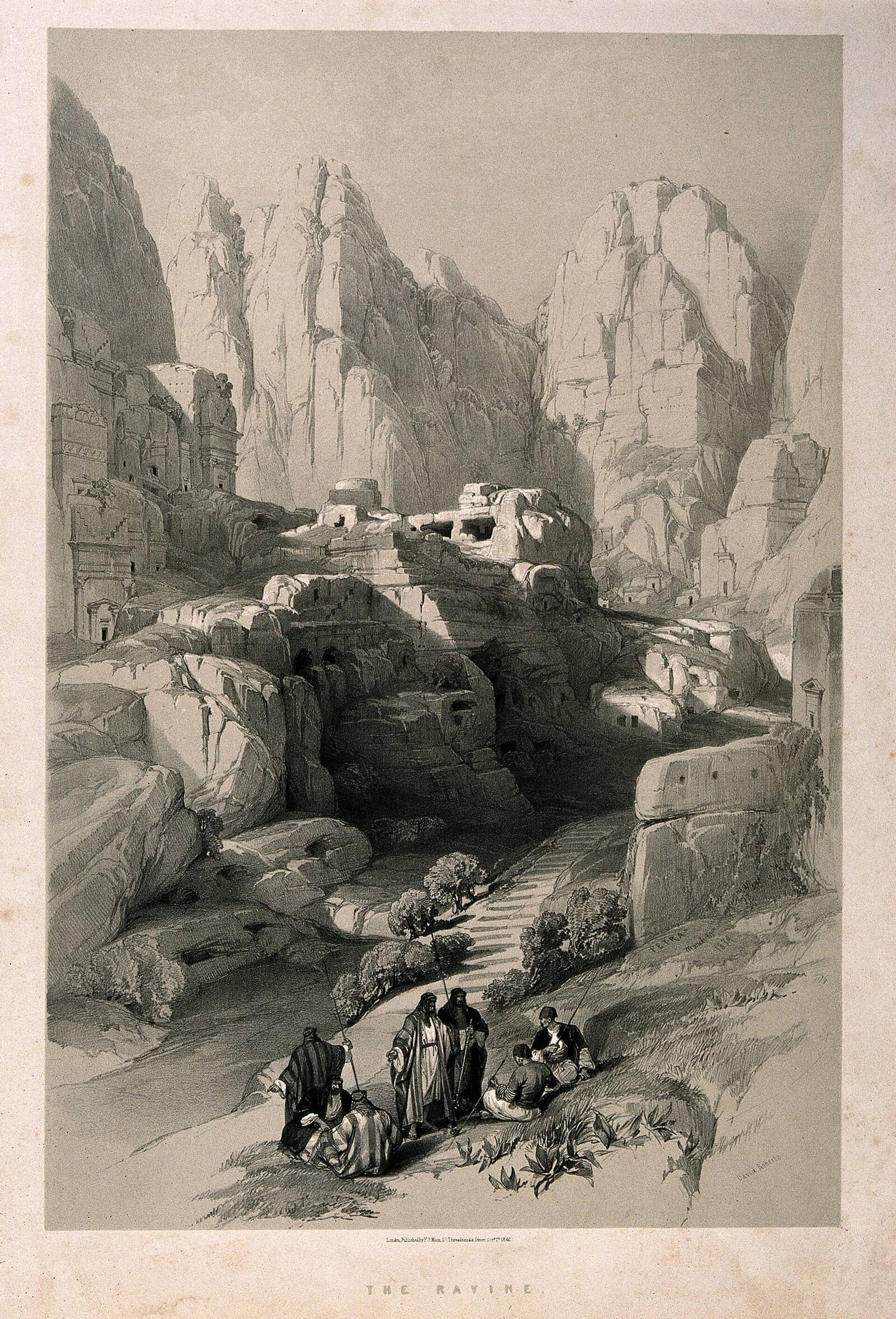
Let me address Petra directly: yes, I can visit from Aqaba, and yes, it's worth the journey despite the logistics. The rose-red city lies about two hours each way by car, through desert landscapes that inspired Lawrence of Arabia. The Nabataeans carved their capital from sandstone cliffs beginning around the 4th century BC, creating a trading empire that controlled the incense routes between Arabia and the Mediterranean. When I finally walk through the narrow Siq canyon and the Treasury emerges before me, carved impossibly into the rock face, I suspect the journey will justify itself completely.
My research into Petra has only deepened my anticipation. The entrance fee runs about 50 JOD ($70 USD) for a single day, though the Jordan Pass at 70-80 JOD ($99-113 USD) includes the visa fee and makes better economic sense for most visitors. Ship excursions typically cost $200-350 depending on the cruise line and inclusions. However, independent travelers can hire private drivers for 80-120 JOD ($115-170 USD) round-trip, which offers flexibility to linger at sites that resonate.
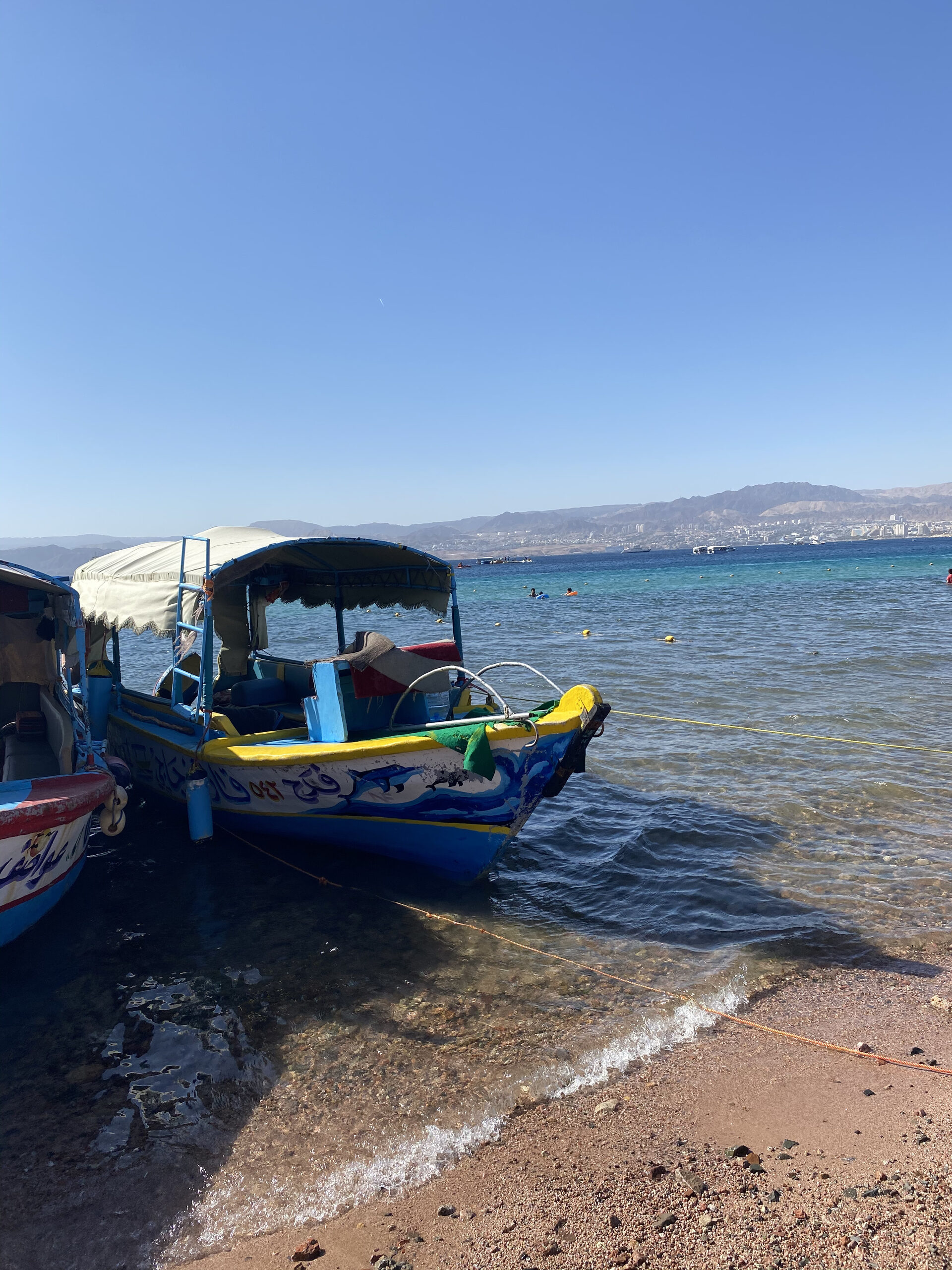
Yet Aqaba itself deserves more than a transit stop. The Red Sea here offers world-class diving and snorkeling — thirty-plus dive sites including coral reefs and a deliberately sunken cargo ship. Dive operators charge around 35-60 JOD ($50-85 USD) for two-tank dives, while snorkeling excursions run 15-25 JOD ($21-35 USD). I've read accounts of exceptional visibility and vibrant marine life within Aqaba Marine Park, a protected area that maintains some of the Red Sea's healthiest coral ecosystems.
The massive flagpole I'll see from the ship commemorates the Great Arab Revolt of 1916 — at 131 meters, it's one of the tallest in the world, marking where Arab forces captured Aqaba from the Ottomans with help from T.E. Lawrence. The Aqaba Castle nearby dates from Mamluk times and houses a small museum with artifacts spanning the region's millennia of occupation. Entry costs about 3 JOD ($4 USD), and I understand the waterfront views alone justify a brief visit.
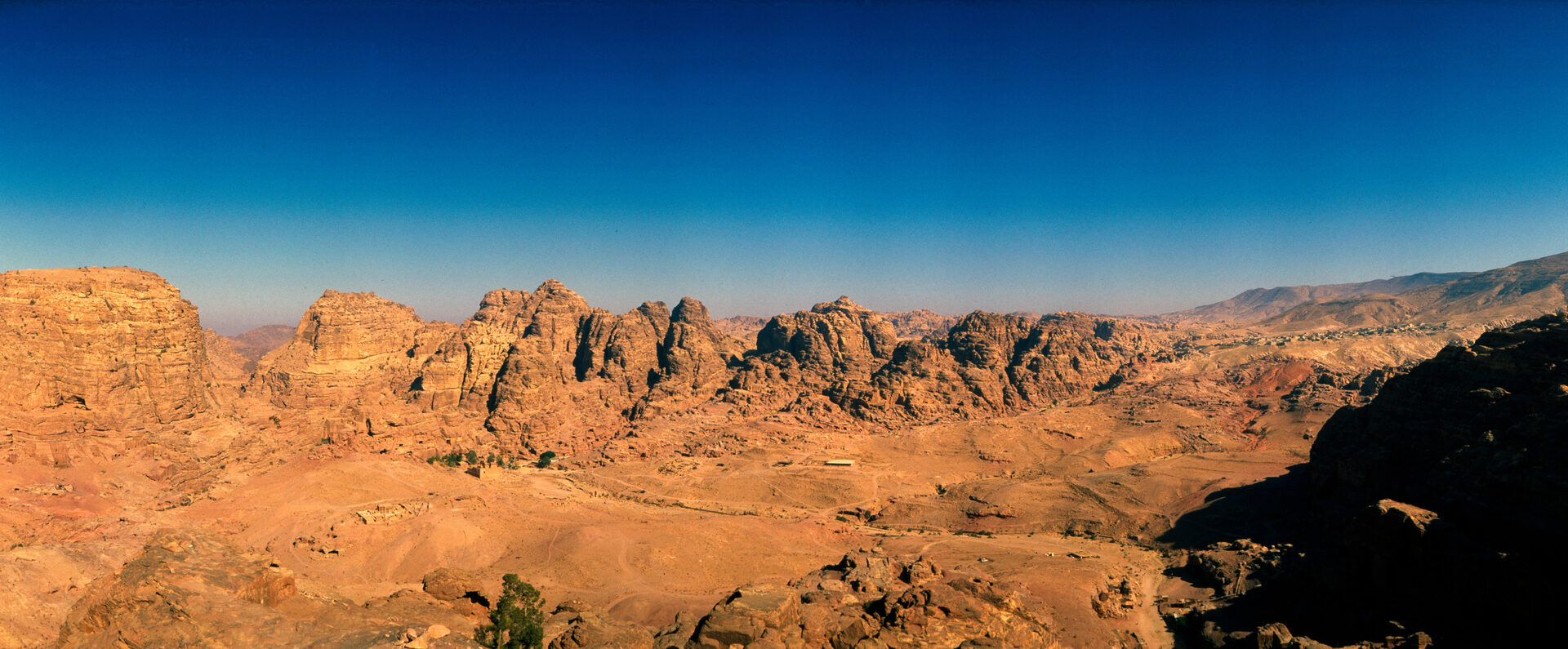
Wadi Rum offers an alternative for visitors who've already seen Petra or prefer dramatic natural landscapes to archaeological sites. The Mars-like desert of sandstone mountains and red sand lies about an hour from Aqaba, and half-day jeep tours run 35-60 JOD ($50-85 USD). I'm particularly intrigued by the Bedouin camps where overnight guests sleep under star-filled skies — though that requires a longer stay than most cruise calls allow. For a single port day, the desert's otherworldly beauty can still be experienced in a focused half-day excursion.
The practical considerations for visiting Jordan from a cruise ship reward advance planning. Many nationalities receive visa on arrival for 40 JOD ($56 USD), though the Jordan Pass eliminates this fee while including Petra admission. Cash in Jordanian Dinars is essential for smaller vendors and tips, though US dollars are widely accepted in tourist areas. Modest dress is appreciated throughout Jordan — not legally required in tourist zones, but respectful of local culture. Comfortable walking shoes are essential for Petra, where even a basic visit covers several kilometers on uneven terrain.
I find myself contemplating the choice between ship excursions and independent exploration. The guaranteed return timing of ship-organized tours provides peace of mind that matters when my vessel operates on a fixed schedule — yet I suspect the premium price reflects that convenience rather than superior experience. Independent travelers who hire private drivers gain flexibility to linger at the Treasury when the morning light is perfect, to explore the Monastery when crowds thin in late afternoon, to stop at viewpoints that organized tours rush past. However, that flexibility requires careful buffer planning and acceptance of uncertainty. My instinct is that first-time Petra visitors should prioritize the ship excursion's reliability, while return visitors can embrace independent exploration with confidence born of familiarity.
Looking back, Aqaba has taught me that some places are worth every mile traveled to reach them. The Nabateans carved Petra because they believed beauty mattered even in the desert. Two thousand years later, we're still coming to see what they made. That kind of permanence teaches something about what humans can achieve when they build for eternity rather than convenience.
Weather & Best Time to Visit
The Cruise Port
Aqaba's modern cruise terminal opened in 2023, providing purpose-built facilities for cruise passengers. Ships dock directly at the pier without tendering, and the terminal offers air-conditioned waiting areas, restrooms, currency exchange, and tourist information. The facility sits in the port area rather than downtown, so walking into the city isn't practical — most passengers proceed directly to arranged transportation for excursions. Taxis congregate at the terminal, and ship-organized tours depart from designated areas with clear signage.
Wheelchair users should note that while the terminal itself is accessible, many of Jordan's attractions present significant challenges. Petra involves extensive walking on sand, gravel, and uneven stone surfaces — wheelchair access is extremely limited despite some improvements in recent years. Wadi Rum's desert terrain is similarly challenging. The terminal and organized tour buses can accommodate mobility devices, but confirm specific accessibility needs with excursion operators before booking.
Getting Around
For most cruise visitors, organized excursions represent the most practical way to experience Jordan's highlights. The distances involved — two hours each way to Petra, one hour to Wadi Rum — and the limited port time make independent exploration challenging without pre-arranged transportation. Ship excursions provide guaranteed return timing, which offers peace of mind when your vessel has a departure schedule to keep.
Private drivers offer an excellent alternative for those seeking flexibility. Hiring a driver for a full-day Petra excursion typically costs 80-120 JOD ($115-170 USD) round-trip, negotiable depending on season and whether you want a guide. Many drivers speak English well and provide informal commentary during the journey. Arrange drivers through your ship's concierge, Aqaba hotels, or reputable tour operators in advance. However, confirm the driver understands your ship's departure time and factor in buffer for unexpected delays.
Taxis within Aqaba are metered and affordable, running about 5-15 JOD ($7-21 USD) for trips around the city. Yet few cruise visitors explore Aqaba itself when Petra and Wadi Rum beckon. Those staying near the port for beach time or diving can arrange transportation through their tour operator or hail taxis at the terminal. Car rental is available but generally impractical for the distances and time constraints of a typical cruise call.
Aqaba Area Map
Interactive map showing cruise terminal, beaches, and routes to Petra and Wadi Rum. Click any marker for details and directions.
Beaches Worth Your Time
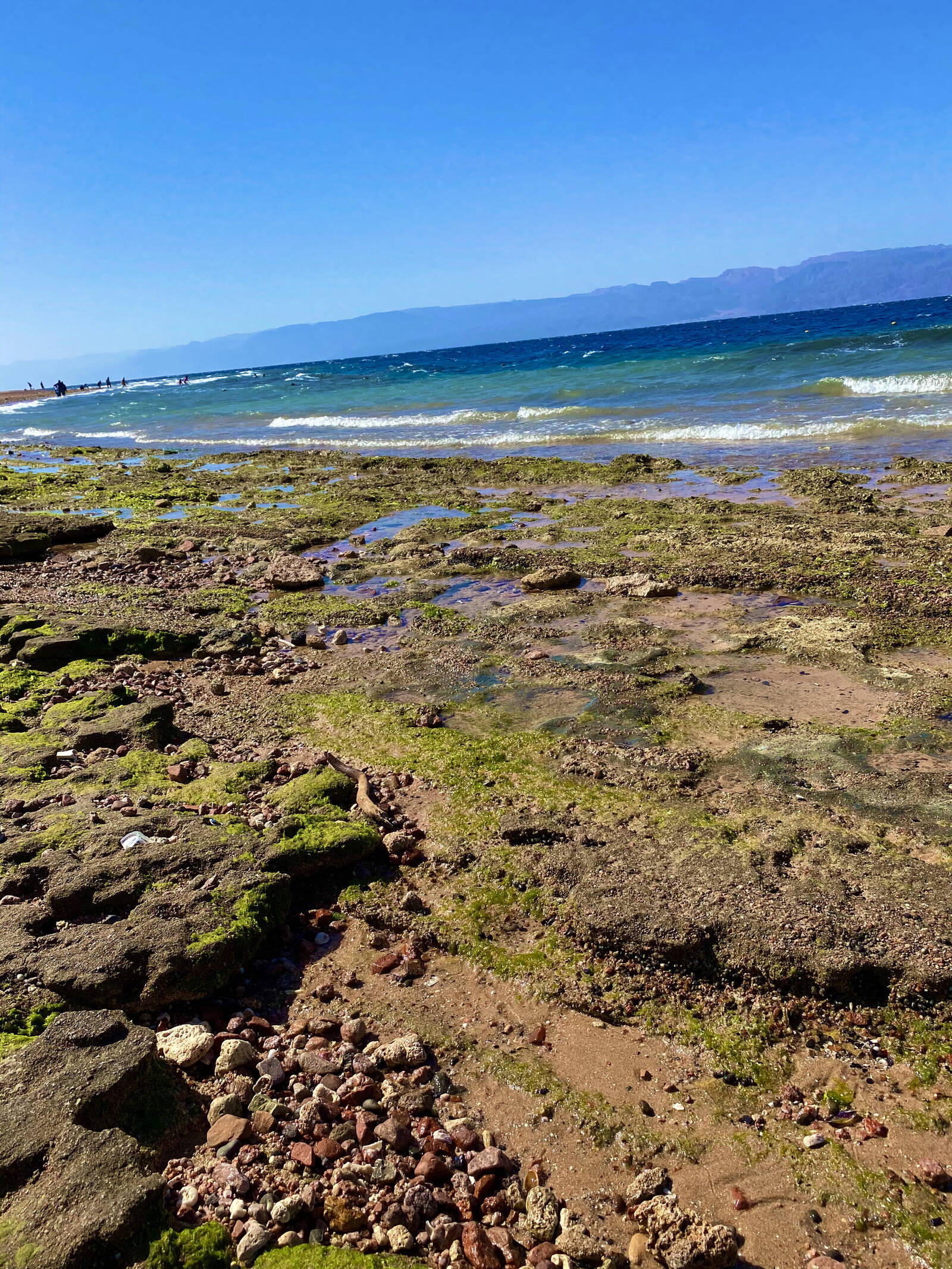
Aqaba's South Beach strip offers the best facilities for cruise visitors seeking Red Sea swimming. Public beaches and beach clubs line the waterfront, with day passes at resorts running 15-40 JOD ($21-56 USD) including chair, umbrella, and pool access. The water is warm year-round and visibility is excellent for snorkeling directly from shore. However, most cruise passengers opt for Petra or Wadi Rum rather than beach time.
Berenice Beach Club and Tala Bay resorts offer more upscale beach experiences with full facilities, restaurants, and water sports. Day pass prices vary seasonally but typically run 25-50 JOD ($35-70 USD). The Red Sea's coral begins in relatively shallow water, making snorkeling accessible for beginners. Yet the beaches are pleasant rather than spectacular — Jordan's real treasures lie in the desert, not the sea.
Shore Excursions
Aqaba serves primarily as a gateway to Jordan's inland wonders. The decision between Petra and Wadi Rum often comes down to personal interest and physical capability — though for first-time visitors, Petra should take priority. I'd recommend booking ahead for all major excursions, especially ship-organized tours during peak season.
Petra Day Trip
UNESCO World Site and one of the New Seven Wonders of the World. The two-hour journey each way through desert landscapes is long but the destination justifies every minute. Ship excursions typically cost $200-350 including transportation, guide, and admission. Independent visitors pay the 50 JOD ($70 USD) entrance fee plus transportation (80-120 JOD for private driver). Allow 4-5 hours minimum on-site to see the Treasury, Street of Facades, and Roman theater — serious explorers need longer to reach the Monastery. The guaranteed return timing of ship excursions provides peace of mind, though independent arrangements offer flexibility to linger. Walking distances within Petra can exceed 8 kilometers on uneven terrain; comfortable shoes are essential.
Wadi Rum Desert Safari
Mars-like desert of sandstone mountains and red sand, featured in Lawrence of Arabia and The Martian. One hour from Aqaba makes this achievable as a half-day excursion, leaving time for brief exploration of Aqaba itself. Jeep tours run 35-60 JOD ($50-85 USD) for 2-4 hours among the rock formations, canyons, and Bedouin camps. Ship excursions typically cost $120-180. However, for those who've already seen Petra on a previous visit, Wadi Rum offers an excellent alternative experience. Camel rides available for 15-25 JOD ($21-35 USD).
Red Sea Diving
Thirty-plus dive sites in Aqaba Marine Park, including coral reefs and a deliberately sunken cargo ship (the Cedar Pride). Two-tank dives run 35-60 JOD ($50-85 USD) through certified operators. Book ahead to confirm availability and ensure the dive shop can coordinate with your ship's schedule. Certification required; discover scuba experiences available for beginners at higher prices. The Red Sea's exceptional visibility and vibrant marine life make Aqaba worth considering for certified divers who've already experienced Petra.
Red Sea Snorkeling
Accessible alternative to diving, with coral visible in relatively shallow water. Snorkeling excursions run 15-25 JOD ($21-35 USD) including equipment and boat transportation to reef sites. Beach snorkeling is possible but boat trips reach healthier reef areas. Independent option for visitors who find Petra's walking demands too challenging or who simply prefer marine exploration to archaeological sites.
Aqaba Castle & City Walking
Mamluk-era fortification near the waterfront with small museum displaying artifacts from the region's millennia of occupation. Entry costs about 3 JOD ($4 USD). Quick option for visitors with limited mobility or those arriving too late for major excursions. Combine with waterfront cafés and the Archaeological Museum for a low-key port day. The 131-meter Arab Revolt flagpole provides a distinctive landmark.
Local Food & Drink
- Mansaf: Jordan's national dish — lamb cooked in fermented yogurt, served over rice with pine nuts. Typically 8-15 JOD ($11-21 USD) at local restaurants
- Falafel: Deep-fried chickpea balls, served in pita with tahini and vegetables. Budget option at 1-3 JOD ($1.50-4 USD)
- Mezze: Array of small dishes — hummus, baba ganoush, tabbouleh, fattoush. ideal for sharing at 10-20 JOD ($14-28 USD) for a spread
- Fresh Fish: Red Sea catch, grilled simply with lemon and herbs. Available at waterfront restaurants for 12-25 JOD ($17-35 USD)
- Arabic Coffee: Cardamom-spiced, served in small cups as a welcome gesture throughout Jordan
- Mint Tea: Sweet, hot tea with fresh mint — the social lubricant of Jordan, typically offered free with meals
Know Before You Go
- Currency: Jordanian Dinar (JOD); USD widely accepted in tourist areas but JOD needed for smaller vendors
- Language: Arabic; English widely spoken in tourist areas and by guides
- Visa: Many nationalities can obtain visa on arrival (40 JOD); Jordan Pass includes visa and attractions
- Dress Code: Modest dress appreciated; cover shoulders and knees when possible
- Best Season: March-May and September-November (pleasant temperatures); summer extremely hot
- Safety: Jordan is considered one of the safest countries in the Middle East for tourists
Depth Soundings
My assessment of Aqaba as a cruise port is straightforward: this is a gateway, not a destination. The city itself has its charms — waterfront cafés, the Mamluk castle, good diving — but I wouldn't choose an Aqaba call primarily for Aqaba. I would choose it for Petra, one of the world's most extraordinary places, accessible as a long but rewarding day trip.
For first-time visitors to Jordan, Petra should be the overwhelming priority. The two-hour journey each way is demanding, yet the Treasury alone justifies the effort — and the Street of Facades, the Theater, the Royal Tombs, and the climb to the Monastery reward those with time and energy. Ship excursions provide timing guarantees that matter when your vessel departs on schedule; independent arrangements offer flexibility but require careful buffer planning.
However, for return visitors who've already experienced Petra, Wadi Rum presents an excellent alternative. The Mars-like desert landscape provides something entirely different — natural wonder rather than archaeological achievement. Half-day excursions fit more comfortably into cruise schedules, leaving time for Red Sea activities or waterfront exploration. And for certified divers, Aqaba's reef sites offer world-class underwater experiences that most Mediterranean ports cannot match.
Practical Information
- Terminal: Aqaba Cruise Terminal (opened 2023) — modern facility in the port area
- Tender Required: No — ships dock directly at the pier
- Distance to Petra: 2 hours each way (full-day excursion essential)
- Distance to Wadi Rum: 1 hour each way (half-day possible)
- WiFi: Available at terminal and tourist facilities; cellular coverage good in Aqaba
- ATMs: Available in Aqaba; bring cash for Petra vendors and tips
- Accessibility: Terminal accessible; Petra and Wadi Rum present significant mobility challenges
Last reviewed: February 2026
Photo Gallery



Frequently Asked Questions
Q: Is Petra worth the long day trip?
A: If you've never been, absolutely yes. Petra is one of humanity's greatest archaeological achievements and one of the New Seven Wonders of the World. The two-hour journey each way is demanding but the experience is unforgettable. Budget at least 4-5 hours on-site.
Q: Can I do Petra and Wadi Rum in one day?
A: Technically possible but exhausting and unsatisfying. Better to choose one and experience it properly. Most first-time visitors should choose Petra; return visitors or those seeking natural rather than archaeological wonders should consider Wadi Rum.
Q: Is Jordan safe for tourists?
A: Yes, Jordan is considered one of the safest countries in the Middle East. Tourism is a significant industry and visitors are welcome. Aqaba and Petra are well-established tourist destinations with good security and infrastructure.
Q: What should I wear?
A: Modest dress is appreciated throughout Jordan — cover shoulders and knees when possible. For Petra specifically, wear comfortable walking shoes with good grip. You'll cover several kilometers on sand, gravel, and uneven stone surfaces.
Q: Do I need a visa?
A: Many nationalities can get a visa on arrival for 40 JOD ($56 USD). The Jordan Pass (70-80 JOD) waives the visa fee and includes Petra admission, making it the better economic choice for most visitors.
Q: Should I book a ship excursion or go independent?
A: Ship excursions provide timing guarantees — critical when your vessel has a departure schedule. Independent arrangements (private driver) offer flexibility but require careful buffer planning. For first-time Petra visitors, ship excursions offer peace of mind worth the premium.