


Photo: Wikimedia Commons
Captain's Logbook
Three visits to Aruba, and I keep finding reasons to return. The first time, I came for Eagle Beach — that iconic stretch of powder-white sand with windswept fofoti trees bent permanently toward the southwest. The second time, I explored the desert interior of Arikok National Park, discovering an island nothing like the Caribbean postcards had led me to expect. The third time, I simply wandered Oranjestad's Dutch colonial streets, ate fresh seafood at a waterfront café, and watched the sun set over the harbor. Each visit revealed a different island, yet all three shared the same fundamental truth: Aruba earns its "One Happy Island" slogan not through marketing but through genuine warmth.
What sets Aruba apart from other Caribbean destinations is its position outside the hurricane belt. While other islands board up windows from June through November, Aruba enjoys year-round sunshine with less than 20 inches of annual rainfall. I've cruised here in February and August, and both visits delivered the same reliable trade winds and cloudless skies. This meteorological blessing shapes everything about the island — the sparse desert landscape, the constant cooling breeze, the relaxed certainty that weather won't disrupt your plans.
Eagle Beach holds the distinction of being consistently ranked among the world's best beaches, and my experience confirms the accolades. The sand is genuinely different here — finer, whiter, softer than typical Caribbean beaches. I arrived early on my second visit, around 8:30 AM, and had the famous fofoti trees nearly to myself for photography. By 10 AM, cruise passengers had transformed the scene. Yet even crowded, Eagle Beach maintains its magic. Chair and umbrella rentals run about $15-20 for the day, and the Amsterdam Manor across the street offers excellent restrooms and a beach bar where local Balashi beer costs around $5.
The public bus system represents one of Aruba's best-kept secrets for cruise visitors. The L10A route runs every 20 minutes from downtown Oranjestad to Palm Beach and Eagle Beach, with the entire round-trip costing just $5. I took the bus on my third visit, sitting next to locals heading to work and tourists heading to sand. The journey takes about 25 minutes to Eagle Beach and reveals the island's residential neighborhoods — not glamorous, but real. However, the bus schedule doesn't always align with cruise ship departures, so I built in extra buffer time for the return trip.
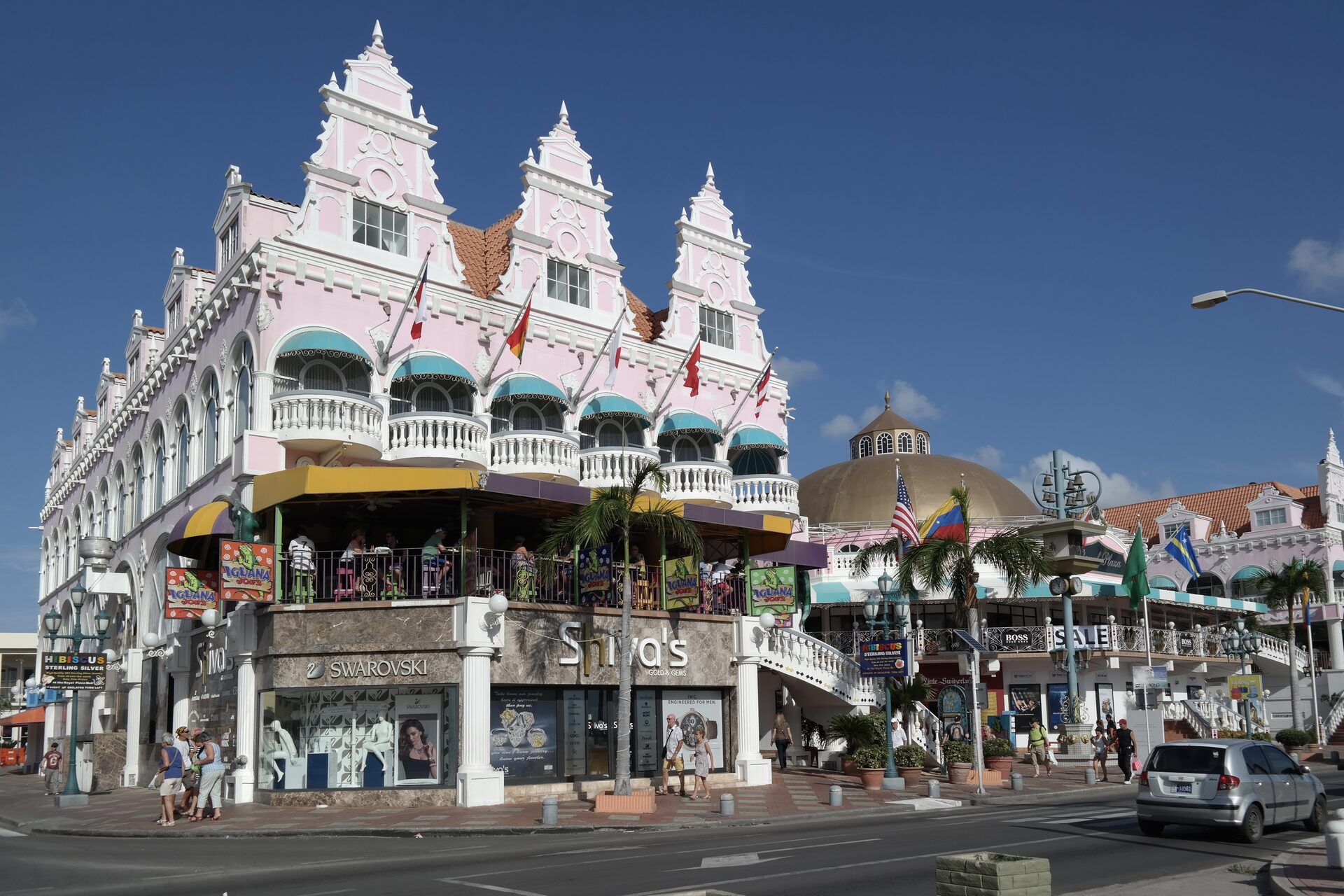
Oranjestad itself rewards exploration beyond the duty-free shopping zones. I discovered the Renaissance Marketplace by accident, wandering past jewelry stores and finding an open-air complex of restaurants, bars, and local vendors. The Royal Plaza Mall offers welcome air-conditioned relief during the intense midday heat, though prices are predictably tourist-oriented. My best meal came at a small restaurant near the fish market — grilled wahoo with funchi (Aruban polenta) for about $18, washed down with fresh passion fruit juice.
Arikok National Park covers nearly 20% of the island, and I spent four hours exploring its desert landscapes, natural bridges, and hidden caves on my second visit. The terrain felt more like Arizona than the Caribbean — giant cacti, divi-divi trees, rolling hills of red and brown. I rented a UTV for about $150 for a half-day, which allowed access to remote beaches and the famous Natural Pool (Conchi). Though the dusty road to the Natural Pool is rough, requiring a 4x4 or UTV, the reward is worth every bump: a natural swimming hole protected by volcanic rock, with waves crashing just beyond. I swam there for an hour, watching waves explode against the volcanic rocks while floating in water calmer than any swimming pool I've known.
Baby Beach on the southern tip offers the best snorkeling I've found in Aruba — a shallow, protected lagoon with calm water and abundant marine life. The drive takes about 45 minutes from the cruise port through the island's rugged interior, and most visitors arrive by rental car or organized tour. I went independently, stopping at San Nicolas (the island's second city) for a local lunch. Chair rentals at Baby Beach run about $10, and the snorkeling gear rental shack charges around $15 for mask, snorkel, and fins. Wheelchair users will find the beach accessible via a paved path, though the sand itself requires mobility consideration.
Weather & Best Time to Visit
The Cruise Port
Aruba's cruise terminal sits at the edge of downtown Oranjestad, making it one of the most convenient cruise ports in the Caribbean. Ships dock directly at the pier without tendering, and the short walk into town takes less than five minutes. The terminal building offers air-conditioned waiting areas, restrooms, tourist information, and the inevitable gauntlet of taxi drivers and tour operators. Free WiFi is available throughout the terminal area.
Wheelchair users will find the terminal fully accessible, with ramps and elevators connecting all levels. The paved promenade into Oranjestad is smooth and well-maintained, making downtown exploration accessible for mobility devices. Taxis can accommodate wheelchairs with advance notice — speak with the taxi dispatcher at the terminal. Most beaches have accessible pathways to viewing areas, though the sand itself presents challenges for wheels.
Getting Around
The public Arubus system offers the best value transportation on the island. Route L10A runs every 20 minutes from downtown Oranjestad to the hotel zones at Palm Beach and Eagle Beach, with round-trip fares of just $5 (exact change or small bills). The main bus station sits about a 10-minute walk from the cruise terminal. However, buses don't serve all destinations — Baby Beach, Arikok National Park, and the Natural Pool require alternative transportation.
Taxis charge fixed rates posted at the cruise terminal: about $10 to Eagle Beach, $25 to Palm Beach resorts, $40 to Baby Beach. Drivers accept US dollars, and tipping is appreciated but not required. For families or groups, taxis often prove more economical than multiple bus fares. Yet I found the bus more interesting — riding with locals offers a perspective that taxis don't provide.
Car and UTV rentals give maximum flexibility for island exploration. Compact cars start around $50-70 per day from agencies near the cruise port, with UTVs running $150-200 for half-day rentals. Aruba drives on the right side (American convention), and roads are well-maintained. Gas stations accept credit cards and US dollars. I recommend UTVs specifically for Arikok National Park and the Natural Pool, where rough roads require high clearance. Standard rental cars work fine for beaches and general exploration.
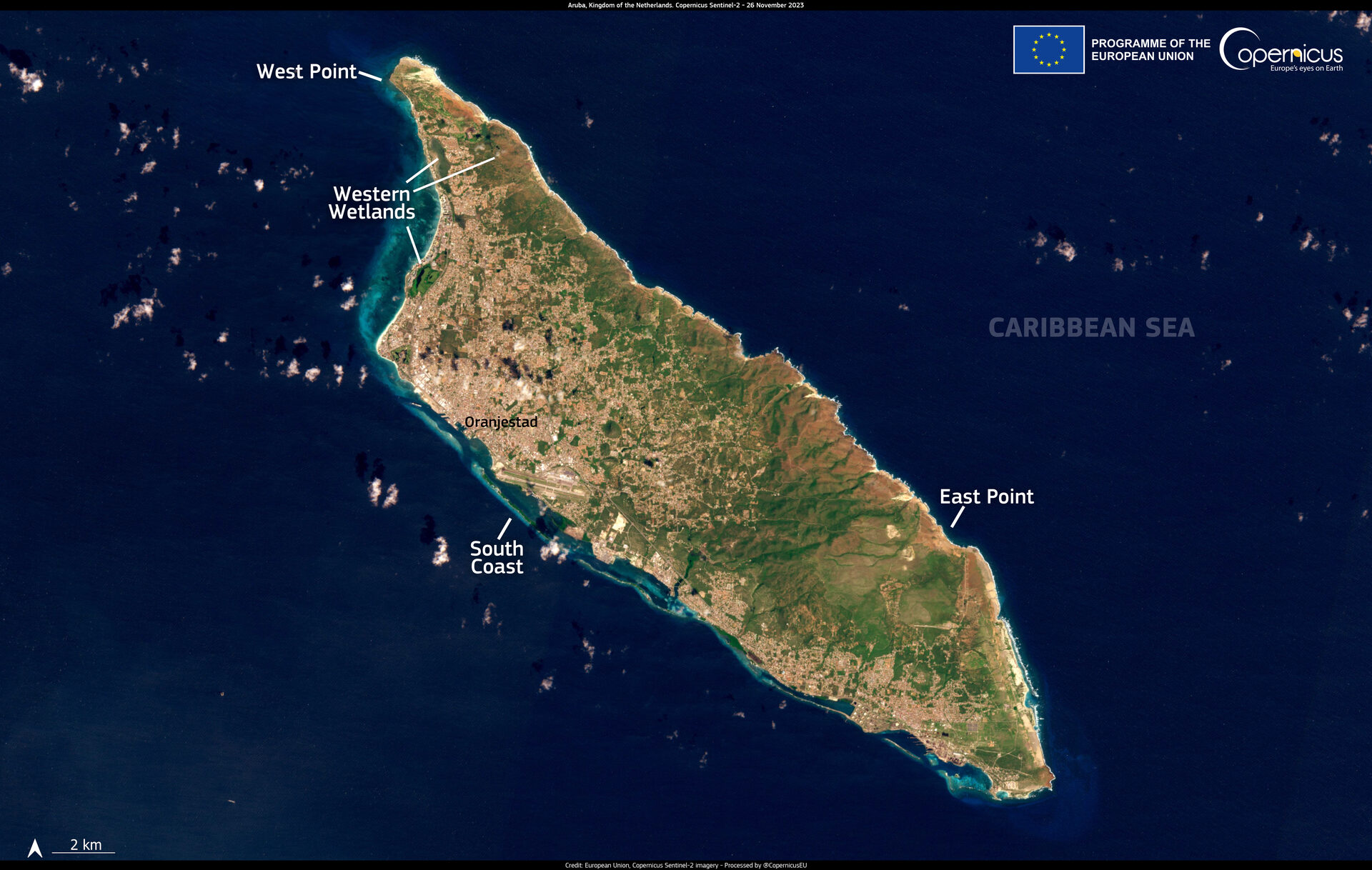
Aruba Area Map
Interactive map showing cruise terminal, beaches, Oranjestad, and Arikok National Park. Click any marker for details and directions.
Beaches Worth Your Time
Eagle Beach consistently ranks among the world's top beaches, and my multiple visits confirm the reputation. The powder-white sand, iconic fofoti trees, and turquoise water are genuinely stunning. Arrive early (before 10 AM) to photograph the famous trees without crowds. Chair and umbrella rentals run $15-20 for the day. About 15 minutes by bus from downtown, or $10 by taxi.
Palm Beach offers a more developed experience, lined with high-rise resorts and water sports operators. The beach itself is beautiful but crowded, with jet skis, parasails, and music from beach bars. However, the facilities are excellent — restrooms, restaurants, and shade readily available. Good choice for families wanting amenities and activities.
Baby Beach on the southern tip provides the island's best snorkeling in a protected lagoon with calm, crystal-clear water. The 45-minute drive from the cruise port is worth it for snorkelers and families with young children. Facilities are basic — a snack bar and rental shack — but the swimming conditions are exceptional. Accessible via paved pathway.
Surfside Beach sits just 15 minutes' walk from the cruise terminal, making it the most convenient beach option. The sand is good, the water calm, and the sunset views spectacular. No rental facilities, so bring your own towel. Great for passengers with limited time who want beach experience without transportation hassles.
Shore Excursions
Aruba offers diverse excursion options for every interest. Ship excursions provide convenience and guaranteed return timing, while independent exploration offers flexibility and often better value. I'd recommend booking ahead for popular options like the Natural Pool and catamaran sails.
DIY vs. Ship Excursion: Arikok Natural Pool
DIY UTV Rental ($150-200)
- Rent from downtown for half-day
- Go at your own pace, stop anywhere
- Split cost with friends (seats 2-4)
- Must navigate unpaved roads yourself
Ship UTV Tour ($130-180/person)
- Guide knows the best routes and stops
- Safety briefing and equipment included
- Guaranteed return to ship
- Higher per-person cost, less freedom
Arikok National Park UTV Tour
Explore the desert interior in an open-air UTV, visiting cacti forests, natural bridges, caves, and the famous Natural Pool (Conchi). Half-day tours run $150-200 per vehicle through rental agencies, or $80-120 per person through organized ship excursions. The Natural Pool requires high-clearance vehicles — rough roads are part of the adventure. I found the independent UTV rental more flexible, allowing stops at beaches and viewpoints that organized tours skip. Book ahead through the cruise line or independent operators near the port.
Eagle Beach Day
The classic Aruba beach experience that draws visitors worldwide. Ship excursions include transportation, chair, umbrella, and sometimes lunch for $45-65. However, going independent saves significant money — the $5 bus round-trip plus $20 for chair rental totals under $30. Beach bars serve food and drinks, so bringing supplies isn't necessary. I recommend arriving early for the best spots near the fofoti trees, then having lunch at Amsterdam Manor's beach restaurant.
Baby Beach Snorkeling
Protected lagoon with calm water and abundant marine life — Aruba's best shore snorkeling for all skill levels. Ship excursions run $65-85 including transportation and gear. Independent visitors can rent cars ($50-70 for the day) and gear at the beach ($15). The 45-minute drive passes through San Nicolas, where local restaurants offer authentic Aruban lunch. Guaranteed return timing makes ship excursions especially appealing for this distant destination.
Oranjestad Walking Tour
Dutch colonial architecture, waterfront promenades, and local markets. Free to explore independently — walk from the cruise terminal through the main shopping district to Fort Zoutman and the archaeological museum. Guided walking tours run $25-40 and provide cultural context. I spent two hours wandering without a guide, discovering the fish market and local restaurants beyond the tourist zone. Fully accessible for wheelchairs and mobility devices.
Catamaran Sail & Snorkel
Sail the coast, snorkel at reef sites, and enjoy open bar on the return. Ship excursions run $75-110. Popular option that combines relaxing sailing, swimming, and socializing. Morning departures typically offer clearer snorkeling conditions. Most tours visit the Antilla shipwreck, one of the Caribbean's largest accessible wrecks. Book ahead as catamaran tours fill very quickly during peak cruise season months.
Local Food & Drink
- Keshi Yena: Stuffed cheese — traditionally chicken or beef baked inside Gouda cheese. Aruba's signature dish, typically $15-22 at local restaurants
- Fresh Seafood: Wahoo, mahi-mahi, and snapper grilled simply with local seasonings. Waterfront restaurants charge $18-35 for entrees
- Funchi: Aruban cornmeal polenta, similar to Italian polenta. Served as a side dish throughout the island
- Pastechi: Fried pastry stuffed with cheese, meat, or fish. Perfect breakfast or snack for about $2-4
- Balashi Beer: Local lager brewed on the island, $4-6 at restaurants and beach bars
- Coecoei Liqueur: Aruban liqueur made from agave, used in cocktails and available duty-free
Know Before You Go
- Currency: Aruban Florin (AWG), though US dollars are accepted everywhere at a fixed 1.75:1 rate
- Language: Dutch (official), Papiamento (local), English and Spanish widely spoken
- Weather: Outside the hurricane belt — year-round sunshine with constant trade winds
- Driving: Right side (American convention); roads well-maintained
- Safety: One of the safest islands in the Caribbean; standard travel precautions apply
- Tipping: 15-18% customary in restaurants; taxis don't require tips but appreciate small amounts
Depth Soundings
I have visited Aruba in 2019, 2022, and 2024 — these recommendations reflect firsthand experience across multiple cruise visits.
My recommendation for Aruba depends entirely on what you're seeking. For beach lovers making their first visit, Eagle Beach should be the priority — arrive early, claim a spot near the fofoti trees, and spend the day swimming in some of the Caribbean's most beautiful water. The bus gets you there cheaply; the experience justifies any transportation choice.
For return visitors or those who've seen enough Caribbean beaches, Arikok National Park offers something genuinely different. The desert landscape, natural bridges, and caves reveal an Aruba that most cruise passengers never see. Rent a UTV, bring water and sunscreen, and explore the interior. The Natural Pool rewards the rough drive with spectacular swimming in a volcanic formation.
However, if your time is limited or you simply want a relaxed port day, Surfside Beach sits fifteen minutes' walk from the cruise terminal. No transportation required, no admission fee, just sand and sunset. I've done elaborate excursions in Aruba, yet some of my best memories come from that simple walk to Surfside, watching the sun drop into the Caribbean while local families enjoyed the same view.
Practical Information
- Terminal: Oranjestad cruise terminal — walking distance to downtown
- Tender Required: No — ships dock directly at the pier
- Distance to Eagle Beach: 15 minutes by bus ($5 round-trip) or $10 by taxi
- Distance to Baby Beach: 45 minutes by car or organized tour
- WiFi: Available at terminal, restaurants, and beach resorts
- ATMs: Located at terminal and throughout Oranjestad; US dollars dispensed
- Accessibility: Terminal fully accessible; downtown promenade wheelchair-friendly; beaches have accessible pathways to viewing areas
Last reviewed: February 2026
Photo Gallery

Frequently Asked Questions
Q: What is the best time to visit Aruba?
A: Spring and early autumn tend to offer the most comfortable conditions for sightseeing — mild temperatures, manageable crowds, and pleasant light for photography. Summer brings the warmest weather but also peak cruise traffic and higher prices. Winter visits can be rewarding for those who prefer quiet streets and authentic atmosphere, though some attractions may have reduced hours.
Q: Is Aruba suitable for passengers with mobility challenges?
A: Accessibility varies by area. The port vicinity and main commercial streets are generally manageable, but older historic districts may feature cobblestones, stairs, and uneven surfaces. Consider booking an accessible ship excursion if you have concerns. The ship's shore excursion desk can advise on specific accessibility options for this port.
Q: Do I need to exchange currency before arriving?
A: The local currency is AWG / USD. Most tourist-facing businesses accept major credit cards. ATMs near the port offer competitive exchange rates. Carry some local cash for small purchases, markets, and tips. Avoid exchanging money on the ship — the rates are typically unfavorable compared to local bank ATMs.
Q: Can I explore independently or should I book a ship excursion?
A: Both options work well. Ship excursions guarantee return to the vessel and handle logistics, making them ideal for first-time visitors. Independent exploration costs less and allows more flexibility — just keep track of time and allow a 30-minute buffer before all-aboard. Many passengers combine approaches: an organized morning tour followed by free afternoon exploration.
Q: What should I bring on a port day?
A: Comfortable walking shoes are essential — you will walk more than you expect. Sunscreen, a hat, and a refillable water bottle help in warm weather. Carry your ship card (or a photo of it), a small amount of local cash, and one credit card. Leave jewelry and unnecessary valuables on the ship. A lightweight daypack beats a purse or tote for all-day comfort.
Aruba: One Happy Island Outside the Hurricane Belt
Eagle Beach is gorgeous and absolutely worth visiting, but the $5 bus is just as fast as a $10 taxi. Don't let anyone at the port talk you into an overpriced shuttle — the public Arubus runs every 15 minutes and drops you right at the beach.