


Photo: Wikimedia Commons
Captain's Logbook
There are remote ports, and then there's Ascension Island. I would find myself tendering ashore onto seven square miles of volcanic rock rising from the mid-Atlantic depths, surrounded by nothing but ocean in every direction. One thousand miles from Africa. Fourteen hundred miles from South America. No commercial flights. No cruise terminal. No hotels for tourists. When Charles Darwin stepped ashore from HMS Beagle in 1836, he called it "a cinder floating in the ocean." That description still fits today. Yet standing on black lava fields under the shadow of Green Mountain's impossible cloud forest, I would experience something I rarely encounter anymore: genuine awe at how strange and wondrous Earth can be.
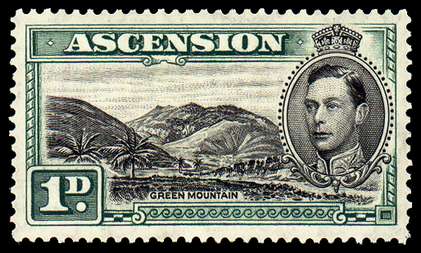
Ascension shouldn't exist as a green island. Volcanically young at just a million years old, it erupted from the seafloor as barren rock with no soil and no fresh water. However, in the 1840s, botanist Joseph Hooker and Royal Navy officers decided to conduct an audacious experiment: could a desert island be terraformed into paradise? They imported plants from Kew Gardens — Norfolk pines, eucalyptus, bamboo, ginger, guava — and planted them on Green Mountain's summit where clouds condense. Against all scientific expectations, it worked. Today, Green Mountain hosts a self-sustaining cloud forest ecosystem that didn't exist two centuries ago. It's a living monument to Victorian ambition and ecological experimentation, beautiful and unsettling in equal measure. Nowhere else would I find a man-made rainforest growing on an active volcanic island in the middle of the Atlantic Ocean.
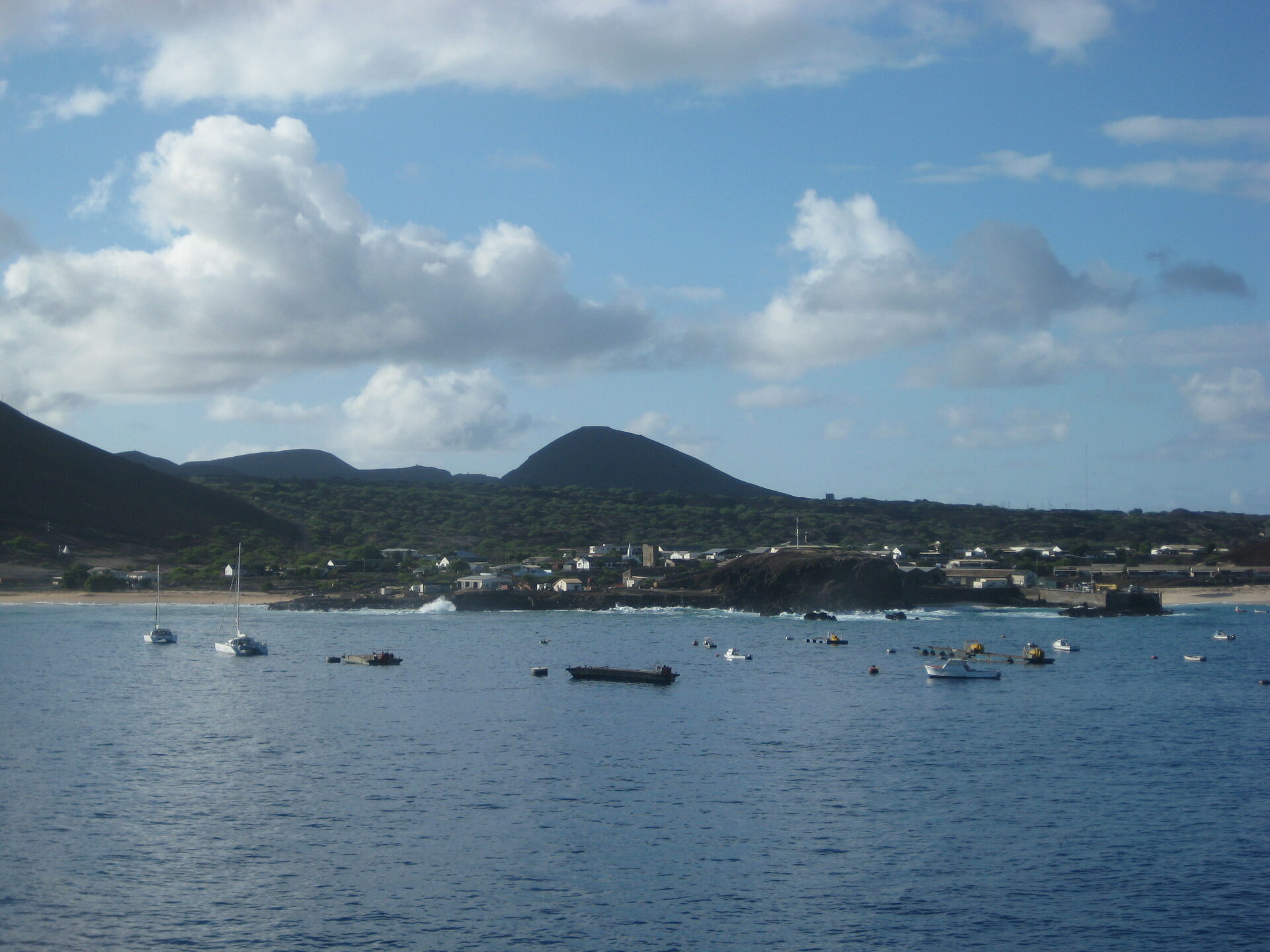
Georgetown, Ascension's only settlement, clusters near the shore beneath volcanic peaks with a population of about 800 residents. The town exists to support military and communications installations — RAF base, US Space Force tracking station, BBC relay station — that give this isolated speck strategic importance. For cruise visitors, Georgetown offers the Ascension Island Museum (about £5 admission), a post office where my postcard would impress geography enthusiasts, and the surreal experience of walking streets where everyone knows each other. Though the town itself is modest, I wouldn't come here for urban exploration. The real treasures lie beyond: volcanic craters that look like Mars, lava tubes visitors can walk through, nesting seabirds by the thousands, and beaches where green sea turtles haul themselves ashore to lay eggs after a 1,400-mile migration from Brazil.
The sea turtle experience would move me deeply. Long Beach hosts one of the Atlantic's largest green turtle nesting populations, with thousands of females returning each year between November and May. I would watch a 300-pound turtle dig her nest at dusk, methodically scooping sand with her flippers before depositing over a hundred eggs. The conservation team monitors every nest, and guided turtle walks cost about £15-20 per person. What strikes me most is the navigation mystery: these turtles hatched on this exact beach decades ago, swam to Brazil, and somehow found their way back across 1,400 miles of featureless ocean. Scientists still can't fully explain how they do it. Yet here they are, generation after generation, returning to the same volcanic shores.
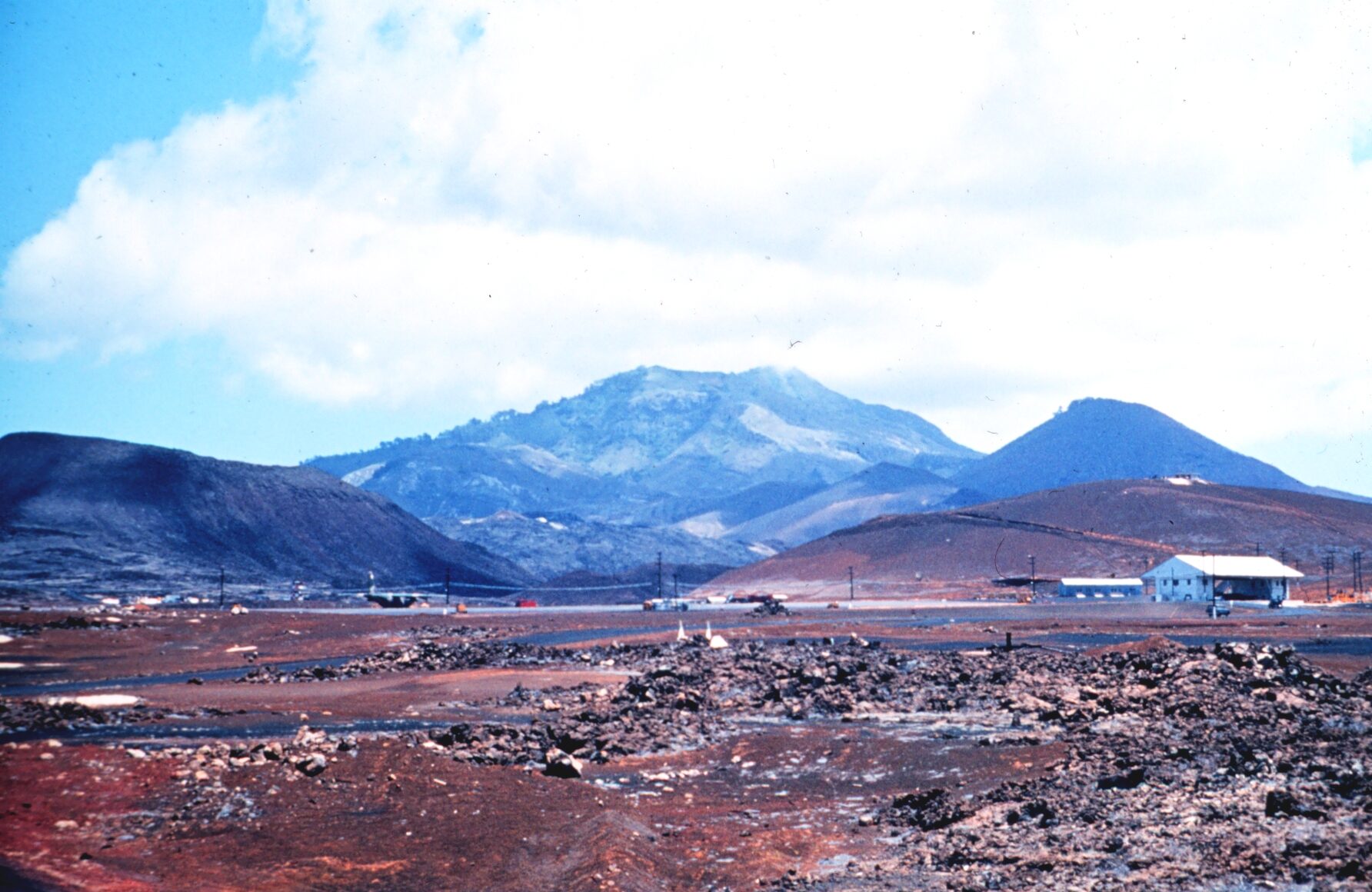
The volcanic landscapes deliver an experience unlike any Caribbean cruise port. Letterbox Peninsula showcases raw geology with cinder cones, lava fields, and collapsed calderas painted in rust, yellow, and black mineral deposits. I could walk through lava tubes where molten rock once flowed, examining formations Darwin himself studied in 1836. Sisters' Peak rises to 2,460 feet and offers challenging hikes across loose volcanic scoria with no shade whatsoever. The sense of isolation at any summit would be profound — surrounded by ocean in every direction, standing on rock that barely qualifies as land. Half-day volcano tours through expedition operators run about £40-60 per person including 4x4 transport.
Boatswain Bird Island, a small offshore islet, hosts the endemic Ascension frigatebird with a global population under 15,000 birds. I would view them from shore or small boat, watching their iridescent green plumage catch the light and seven-foot wingspans soar effortlessly on thermals. Brown boobies, red-billed tropicbirds, and sooty terns also nest on the cliffs in enormous colonies. The birdwatching opportunities rival the Galapagos for serious ornithologists. Boat trips to circumnavigate Boatswain Bird Island cost approximately £30-50 per person depending on group size and duration.
Tender operations present the primary uncertainty for any Ascension visit. Ships anchor offshore at Georgetown, and Atlantic swells can prevent landing even when skies are clear. I would mentally prepare for a possible "cruise-by" without going ashore — that's the nature of expedition cruising to truly remote destinations. When conditions permit, however, the rewards justify every mile of ocean crossing. This island exists at the edge of possibility, a place where humans created a rainforest on volcanic rock and where sea turtles navigate mysteries we still can't solve. Ascension isn't polished or convenient, but for travelers seeking authentic adventure beyond the typical cruise port, it delivers something increasingly rare: genuine discovery.
Looking back, Ascension has reminded me that humans can create beauty in the most unlikely places. A forest on bare volcanic rock. A military base that becomes a nature reserve. Turtles navigating mysteries we may never solve. Sometimes the most remote destinations teach the most enduring lessons about persistence and wonder.
Weather & Best Time to Visit
The Cruise Port
Ascension Island has no cruise pier — ships anchor offshore at Georgetown and tender passengers to a small landing area. This is expedition cruising at its most authentic, requiring flexibility and acceptance of weather-dependent operations. The tender ride takes approximately 15-20 minutes depending on sea conditions, and Atlantic swells can cancel operations entirely even on clear days. When landing is possible, passengers step onto a concrete pier near the settlement center.
Georgetown itself is compact and walkable, though most significant sites require 4x4 transport arranged through expedition cruise operators. The island museum sits near the landing area, and the post office provides unique Ascension stamps for collectors. There are no wheelchair-accessible facilities at the tender landing, and the volcanic terrain throughout the island presents significant mobility challenges. Visitors with limited mobility should discuss options with cruise staff before booking Ascension itineraries.
Getting Around
Independent transportation on Ascension Island is essentially unavailable to cruise visitors. The island operates as a restricted territory with military installations, and vehicle rentals don't exist for tourists. All meaningful exploration requires organized tours with 4x4 vehicles and local guides arranged through expedition cruise operators. Tour prices typically range from £40-80 per person depending on duration and destinations covered.
Georgetown itself is small enough to walk in under an hour, though the volcanic terrain makes comfortable footwear essential. Beyond the settlement, rough tracks lead to Green Mountain, Long Beach, and volcanic sites — but these require high-clearance vehicles and local knowledge. Hiking is possible to some volcanic summits and coastal areas, though trails are unmarked and challenging with loose scoria and no shade. Always hike with a guide and carry at least two liters of water per person.
Tender boats shuttle between anchored ships and Georgetown throughout the port call. However, tender operations are entirely weather-dependent. Atlantic swells exceeding safety thresholds will cancel landing operations regardless of how clear the sky appears. Expedition cruise staff monitor conditions continuously and make final decisions on landing safety. This uncertainty is inherent to Ascension visits — embrace it as part of the authentic expedition experience rather than fighting against it.
Ascension Island Area Map
Interactive map showing Georgetown tender landing, Green Mountain National Park, Long Beach turtle nesting site, and volcanic peaks. Click any marker for details.
Beaches Worth Your Time
Long Beach stretches along the southern coast and serves as the primary green sea turtle nesting site. The dark volcanic sand absorbs heat, making it too hot for comfortable sunbathing during midday. However, this beach isn't about swimming or relaxation — it's about witnessing one of nature's great migrations. Guided turtle walks during nesting season (November-May) cost £15-20 per person and operate at dawn or dusk when turtles are most active.
English Bay near Georgetown offers the most accessible swimming, though the rocky volcanic coastline requires careful entry. The water is clear and warm, with occasional sea turtle sightings. No facilities exist — bring everything you need including drinking water. The bay provides a pleasant alternative when turtle beaches are closed for conservation.
Comfortless Cove takes its name from the island's isolation and lack of resources. The beach is small and rocky but notable as the original landing point for early settlers. Swimming is possible in calm conditions, though the volcanic rocks make beach shoes advisable. About 20 minutes by 4x4 from Georgetown.
Shore Excursions
Ascension Island excursions are exclusively arranged through expedition cruise operators — there's no independent tour infrastructure. Ship excursions provide the only practical way to explore beyond Georgetown, with guaranteed return timing essential given tender operation uncertainties. I'd recommend booking ahead through your cruise line for all activities, as capacity is limited and weather cancellations can compress available touring time.
Green Mountain Cloud Forest Expedition
The signature Ascension experience explores the Victorian-era artificial ecosystem at 2,817 feet. Ship excursions include 4x4 transport up winding mountain roads, ranger-led interpretation of the botanical experiment, and summit panoramas across volcanic landscapes. Half-day tours run £50-70 per person through cruise operators. The temperature drops 10-15°F from coast to summit, so bring layers. Walking trails through bamboo groves and tree fern forests reveal how humans accidentally created a self-sustaining rainforest. Book ahead as this tour fills quickly and weather can limit summit access.
Sea Turtle Conservation Experience
Guided visits to Long Beach during nesting season (November-May) offer close encounters with nesting green sea turtles. Conservation staff lead small groups at dawn or dusk when turtles are active. Ship excursions cost £40-60 per person including transport and guide fees. Strict protocols protect nesting sites — no flash photography, maintain distance, follow guide instructions precisely. Watching a 300-pound turtle dig her nest and deposit eggs is genuinely unforgettable. Independent visits to turtle beaches are prohibited during nesting season.
Volcanic Geology Tour
Explore cinder cones, lava tubes, and mineral-painted landscapes that Darwin studied in 1836. Half-day 4x4 tours visit Letterbox Peninsula, collapsed calderas, and viewpoints showcasing the island's raw volcanic character. Ship excursions run £40-55 per person. Sturdy boots essential — lava rock is sharp and unforgiving. The geology reveals Ascension's youth and continuing volcanic activity. Photographers find extraordinary landscapes in the rust, yellow, and black striations created by mineral deposits.
Seabird Colony Boat Tour
Circumnavigate Boatswain Bird Island to observe endemic Ascension frigatebirds, brown boobies, and tropicbirds nesting on sea cliffs. Small boat excursions operate weather permitting, costing £30-50 per person for 2-3 hour trips. Binoculars essential for viewing nesting colonies. The frigatebird's iridescent plumage and seven-foot wingspan make spectacular photography subjects. Book ahead through expedition staff — capacity limited and conditions must be favorable.
Georgetown Walking Tour
Self-guided or ranger-led walks through the only settlement, visiting the island museum (£5 admission), the post office, and Anglican church. Free to explore independently, or guided walks available for £10-15 per person. The museum covers military communications, volcanic geology, Darwin's visit, and island culture. Allow 2-3 hours. Good backup activity if weather prevents mountain or beach excursions.
Local Food & Drink
- Limited Options: Ascension has no restaurants open to cruise visitors. Georgetown has small shops with limited supplies and the Exiles Club bar for residents. Expedition cruises provide packed lunches for shore excursions — essential since no food service exists
- Fresh Fish: Waters surrounding Ascension teem with yellowfin tuna, wahoo, and barracuda. If invited to local gatherings (rare), fresh-caught fish is the specialty. The fishing is world-class for anglers
- Exiles Club: The island's only bar serves residents and may be accessible to cruise visitors if prearranged through expedition staff. British pub atmosphere with basic food when available. Not guaranteed — this is a working community
- Drinking Water: Bring bottled water on all excursions. The island has limited freshwater from desalination and Green Mountain springs. Tap water is safe but mineral-tasting
- Provisions: Two Boats Village shop stocks British basics at inflated prices reflecting shipping costs. Don't rely on island supplies — bring what you need from the ship
Know Before You Go
- Currency: British Pound Sterling (£); Saint Helena Pound also accepted; credit cards rarely work; bring cash in small denominations; no ATMs exist
- Language: English throughout the island
- Weather: Tropical with constant trade winds; December-May offers calmer seas for tendering; June-November can have rough Atlantic conditions
- Tender Operations: Weather-dependent — Atlantic swells can prevent landing even on clear days. Be mentally prepared for possible cancellation
- Sun Protection: Essential — volcanic landscapes offer zero shade. High-SPF sunscreen, hat, and long sleeves recommended
- Photography: Restrictions apply near military installations. Guides will indicate prohibited areas. No flash photography near nesting turtles
- Medical: Basic clinic only — bring necessary medications. Ship's medical services are your only advanced care option
Depth Soundings
My recommendation for Ascension Island would center entirely on expectations. This is not a Caribbean beach destination with reliable access and polished infrastructure. The tender operation uncertainty alone makes Ascension unsuitable for travelers who need predictable itineraries. However, for those seeking genuine expedition experiences — authentic remoteness, extraordinary geology, wildlife encounters beyond typical cruise ports — Ascension delivers something increasingly rare in our connected world.
If weather permits landing, I would prioritize Green Mountain above all else. The cloud forest represents a unique ecological experiment found nowhere else on Earth, and the summit views across volcanic landscapes to endless Atlantic horizon create lasting memories. Sea turtle encounters during nesting season rank equally high, though they require November-May timing. The volcanic geology appeals to specific interests but offers genuinely alien landscapes for photography enthusiasts.
Yet the true value of Ascension lies in its authenticity. This island hasn't been packaged for tourism. The 800 residents work here supporting communications and military infrastructure, not serving cruise passengers. Every interaction, every landscape, every wildlife encounter carries the weight of genuine discovery rather than staged experience. For travelers willing to embrace uncertainty and physical challenge, Ascension Island offers adventure that justifies crossing a thousand miles of open Atlantic.
Practical Information
- Terminal: No pier — ships anchor offshore; tender to Georgetown landing
- Tender Required: Yes — all passengers tender; weather-dependent operations
- Distance to Green Mountain: 45 minutes by 4x4 from Georgetown
- Distance to Long Beach: 30 minutes by 4x4 from Georgetown
- WiFi: Limited; no public WiFi; ship connectivity only
- ATMs: None on the island; bring British pounds cash
- Accessibility: Very limited; no wheelchair facilities at tender landing; volcanic terrain extremely challenging for mobility devices
Last reviewed: February 2026
Photo Gallery

Frequently Asked Questions
Q: What is the best time to visit Ascension Island?
A: Cruise season runs October through March — year-round tropical oceanic climate (67-86°F). There are no months to avoid for weather.
Q: Is Ascension Island suitable for passengers with mobility challenges?
A: Accessibility varies by area. The port vicinity and main commercial streets are generally manageable, but older historic districts may feature cobblestones, stairs, and uneven surfaces. Consider booking an accessible ship excursion if you have concerns. The ship's shore excursion desk can advise on specific accessibility options for this port.
Q: Do I need to exchange currency before arriving?
A: The local currency is GBP / SHP. Most tourist-facing businesses accept major credit cards. ATMs near the port offer competitive exchange rates. Carry some local cash for small purchases, markets, and tips. Avoid exchanging money on the ship — the rates are typically unfavorable compared to local bank ATMs.
Q: Can I explore independently or should I book a ship excursion?
A: Both options work well. Ship excursions guarantee return to the vessel and handle logistics, making them ideal for first-time visitors. Independent exploration costs less and allows more flexibility — just keep track of time and allow a 30-minute buffer before all-aboard. Many passengers combine approaches: an organized morning tour followed by free afternoon exploration.
Q: What should I bring on a port day?
A: Comfortable walking shoes are essential — you will walk more than you expect. Sunscreen, a hat, and a refillable water bottle help in warm weather. Carry your ship card (or a photo of it), a small amount of local cash, and one credit card. Leave jewelry and unnecessary valuables on the ship. A lightweight daypack beats a purse or tote for all-day comfort.
Q: Does Ascension Island have a hurricane season?
A: Ascension Island is not in a hurricane zone. Southeast trade winds are constant year-round. Cruise season runs October through March.
Q: Will rain ruin my port day in Ascension Island?
A: Very unlikely — Ascension is a volcanic island that gets very little rain. Southeast trade winds are constant year-round, and there are no months to avoid for weather.