


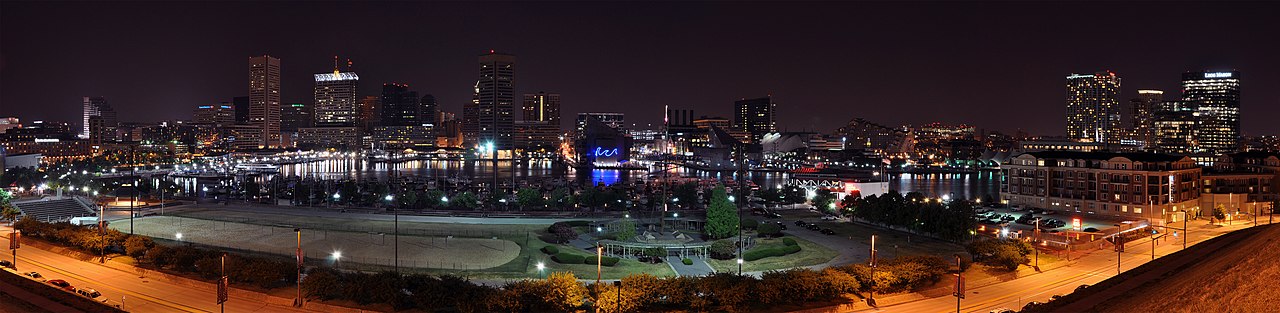
Photo: Wikimedia Commons (CC BY-SA)
Captain's Logbook: Baltimore
The author visited Baltimore in 2022 for embarkation aboard a Bahamas cruise. Observations reflect personal experience; verify current conditions before travel.
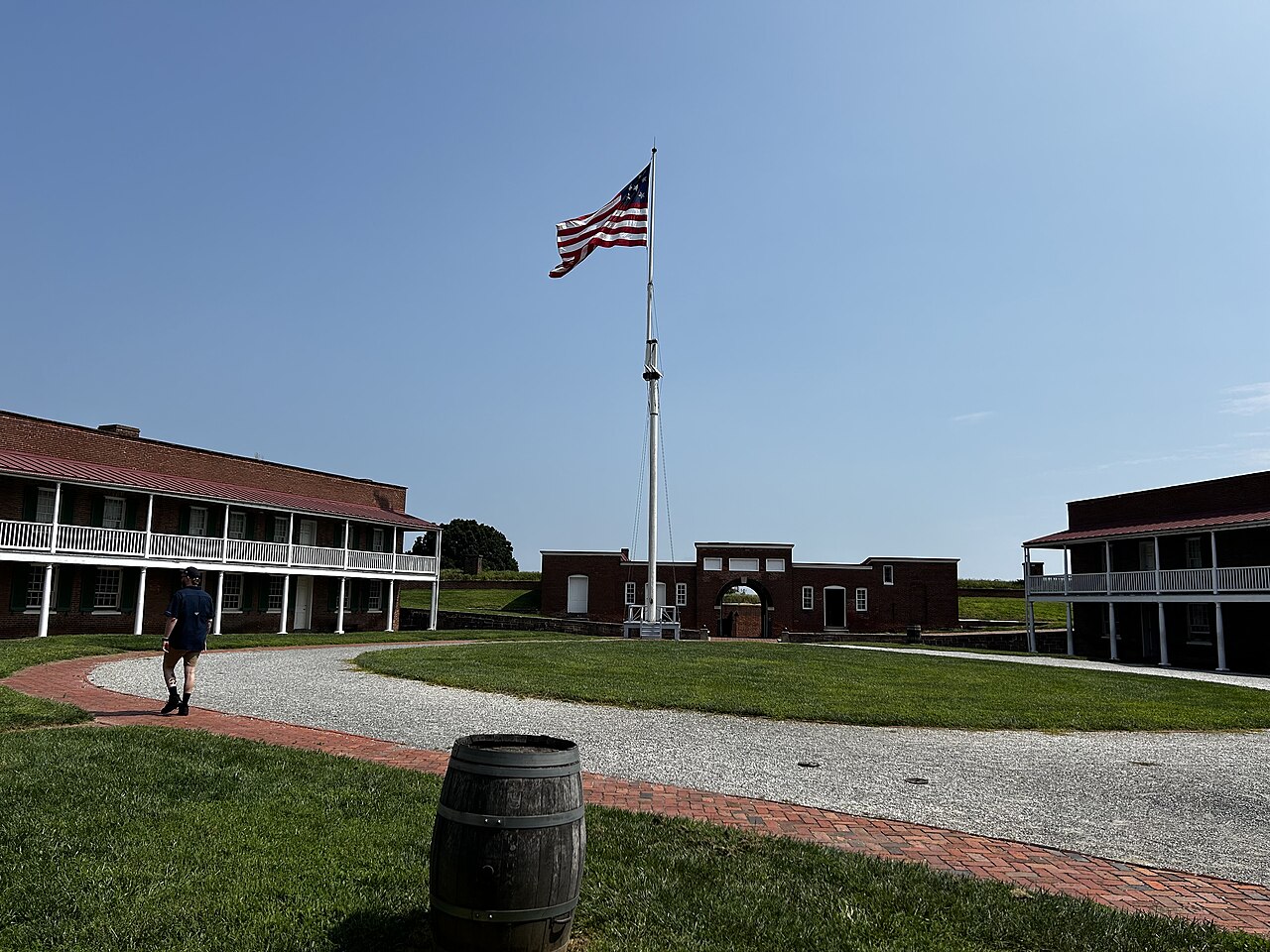
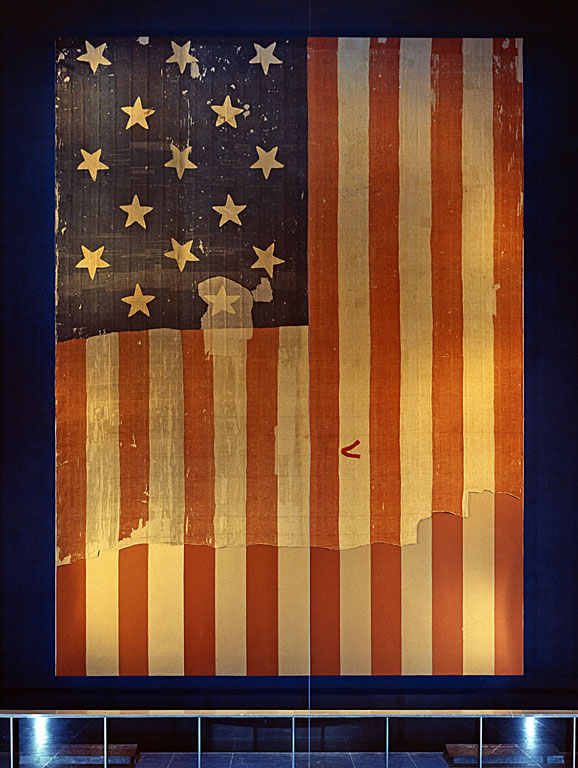
I arrived in Baltimore a day early, which turned out to be one of the best decisions of the trip. My flight landed at BWI midday, and rather than heading straight to my hotel, I took a rideshare to Fort McHenry. The fort sits on a peninsula where the Patapsco River meets the Chesapeake Bay, and approaching it felt like stepping into a chapter of American memory. This star-shaped fortification — designed by French engineer Jean Foncin and built between 1798 and 1800 — endured a 25-hour British bombardment on September 13-14, 1814. Francis Scott Key watched the assault from a truce ship in the harbor, and when dawn revealed the garrison flag still flying, he wrote the words that became our National Anthem. I walked the ramparts where cannons once thundered, imagining that night of rockets and bombs. The flag flying today is enormous — deliberately so. Mary Pickersgill sewed the original 30×42-foot banner for $405.90, intentionally designing it so large that "the British would not miss it."
The park ranger's tour brought that night alive in ways textbooks never could. Standing where the defenders stood, watching ships pass on the same waters Key surveyed, I felt the weight of what this place represents. When the 49th and 50th stars were added to our flag in 1959 and 1960, they were first flown here. Fort McHenry remains the only site in the National Park System designated both a National Monument and Historic Shrine. The admission ($15) felt like a small price for the experience. I was grateful to have the time to absorb it properly rather than rushing through before embarkation.
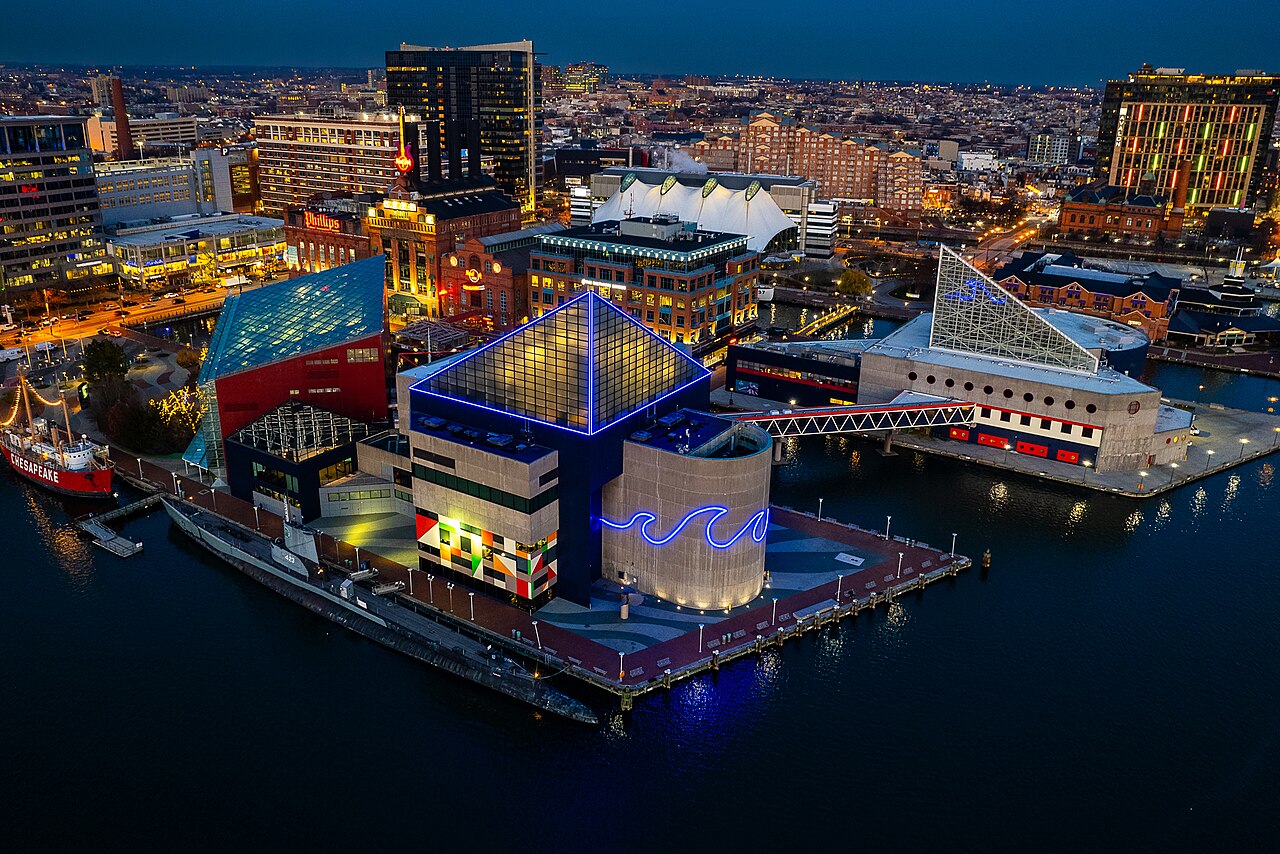
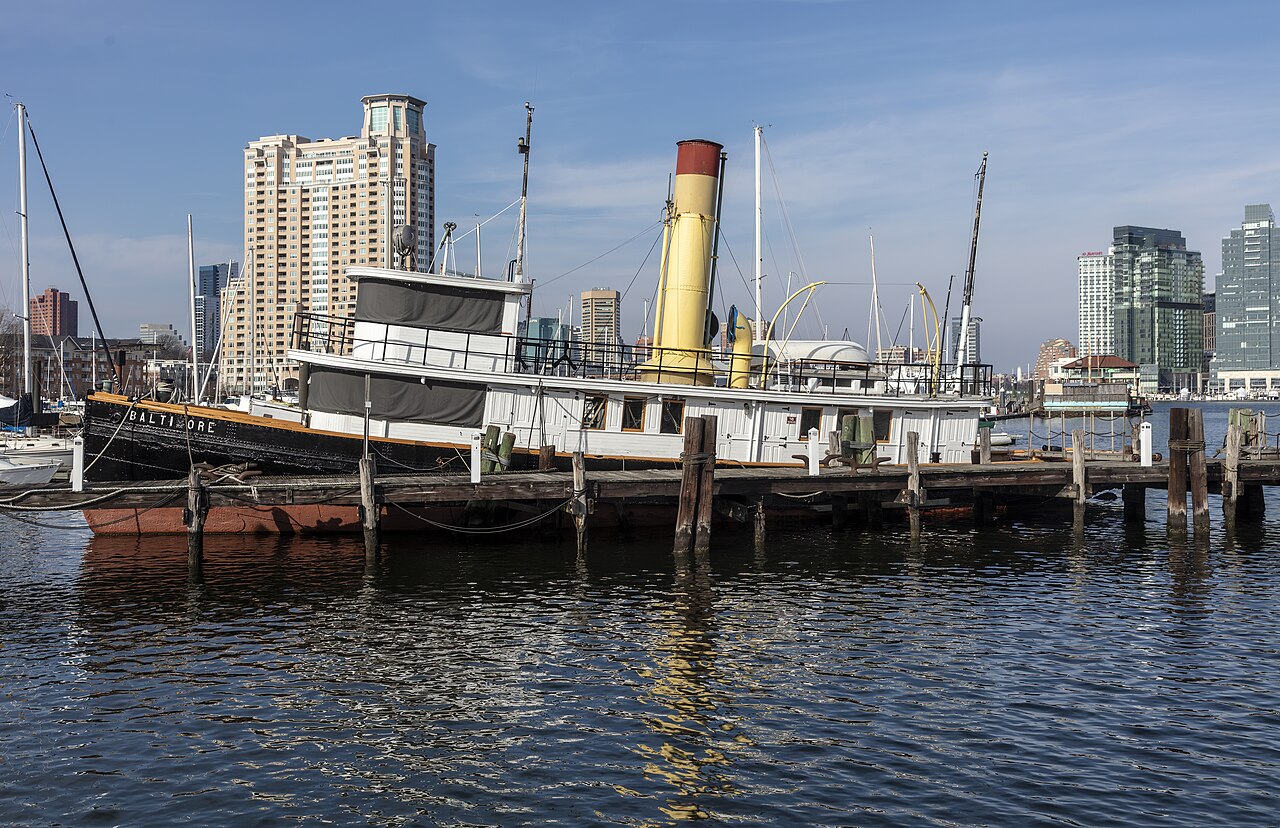
That evening I explored Inner Harbor, where historic ships cluster along the waterfront like a floating museum. The USS Constellation (1854) is the last all-sail warship built by the U.S. Navy — her masts tower over the surrounding restaurants and attractions. The USCGC Taney served at Pearl Harbor on December 7, 1941, and is the last surviving warship from that day. The submarine USS Torsk fired the last torpedoes of World War II. Walking these decks, touching railings worn smooth by generations of sailors, connected me to maritime traditions that stretch back centuries. Baltimore was clipper ship country — those swift privateers known as "Baltimore clippers" were the fastest vessels afloat during the War of 1812, capturing British merchant ships and cementing the city's reputation. Every cruise departing this harbor carries echoes of that legacy.
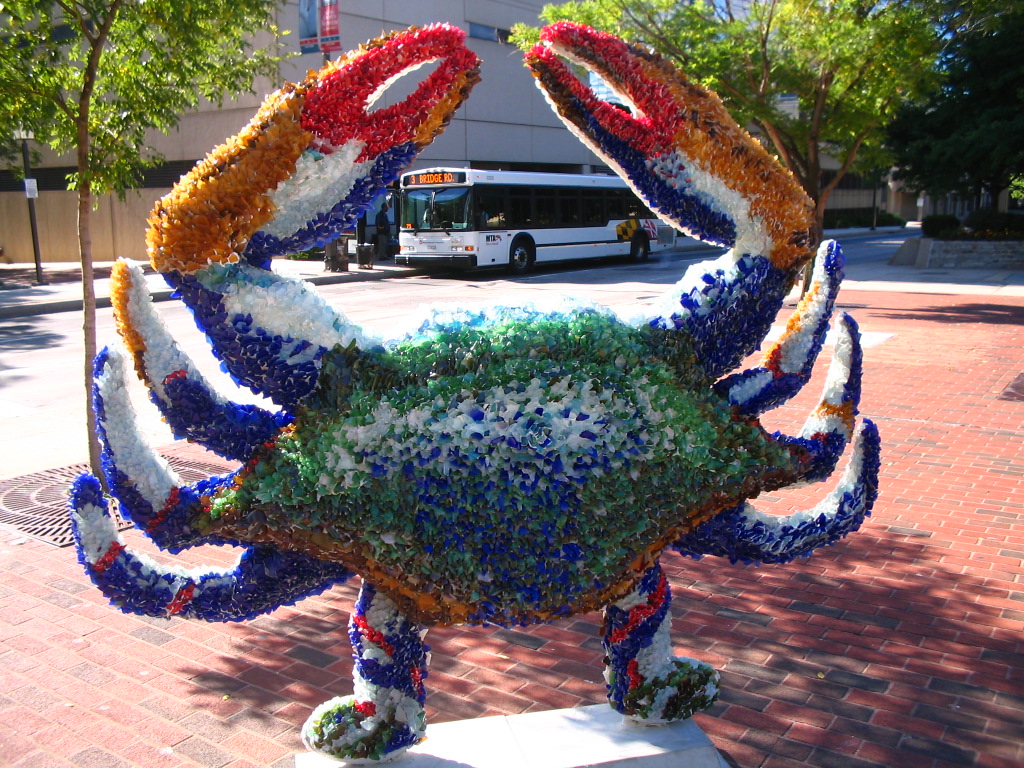
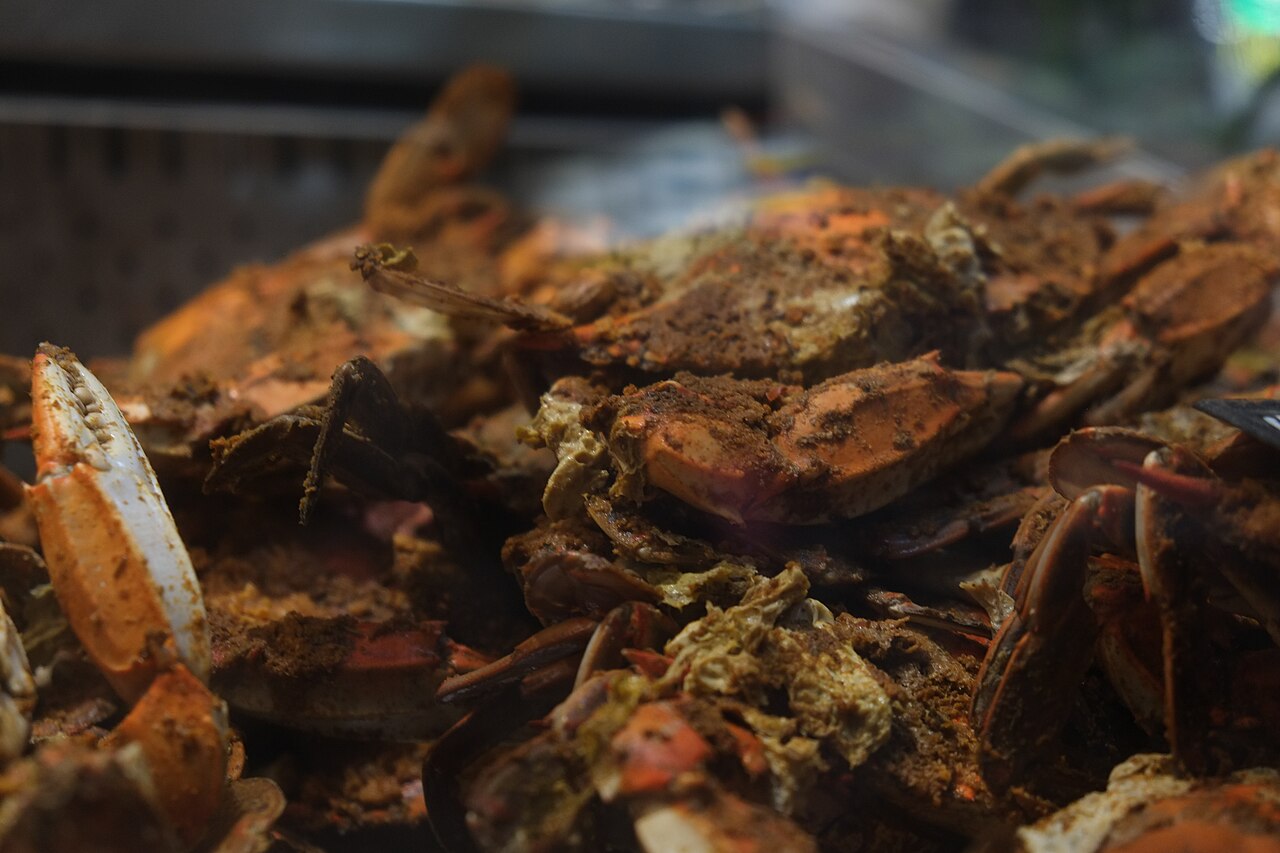
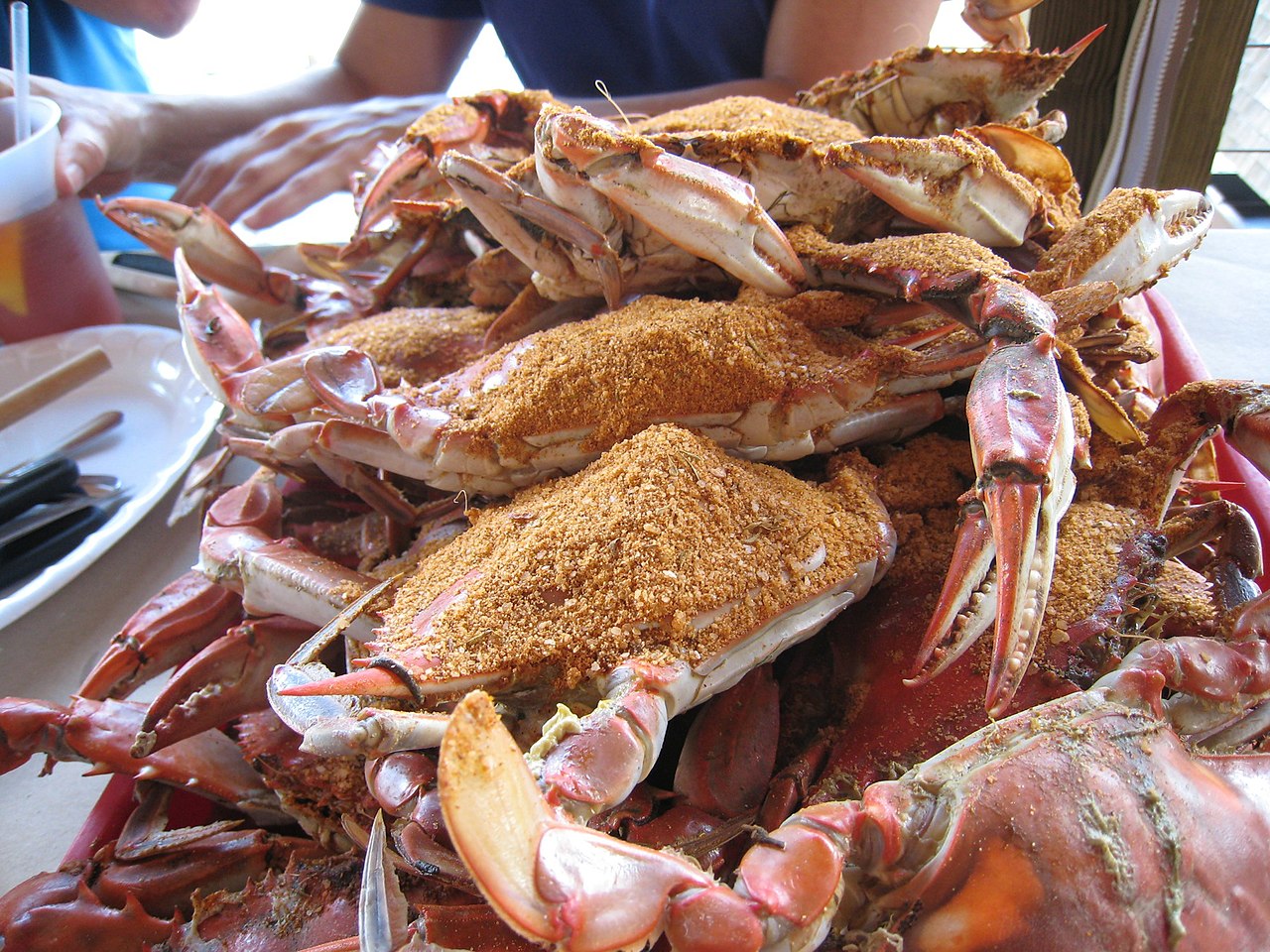
Dinner demanded blue crabs. I found LP Steamers in Locust Point near the cruise terminal — a no-frills place where locals outnumbered tourists. The crabs arrived hot, piled on brown paper, dusted with Old Bay seasoning that's been a Chesapeake institution since 1939. You eat them the Maryland way: wooden mallet in hand, cracking and picking and making a glorious mess. The meat was sweet and briny, worth every bit of the effort required to extract it. Cold beer and good conversation with fellow cruisers at the next table made the meal complete. This is what arriving early provides: time to taste the place you're leaving, rather than rushing from airport to ship without experiencing the city at all.
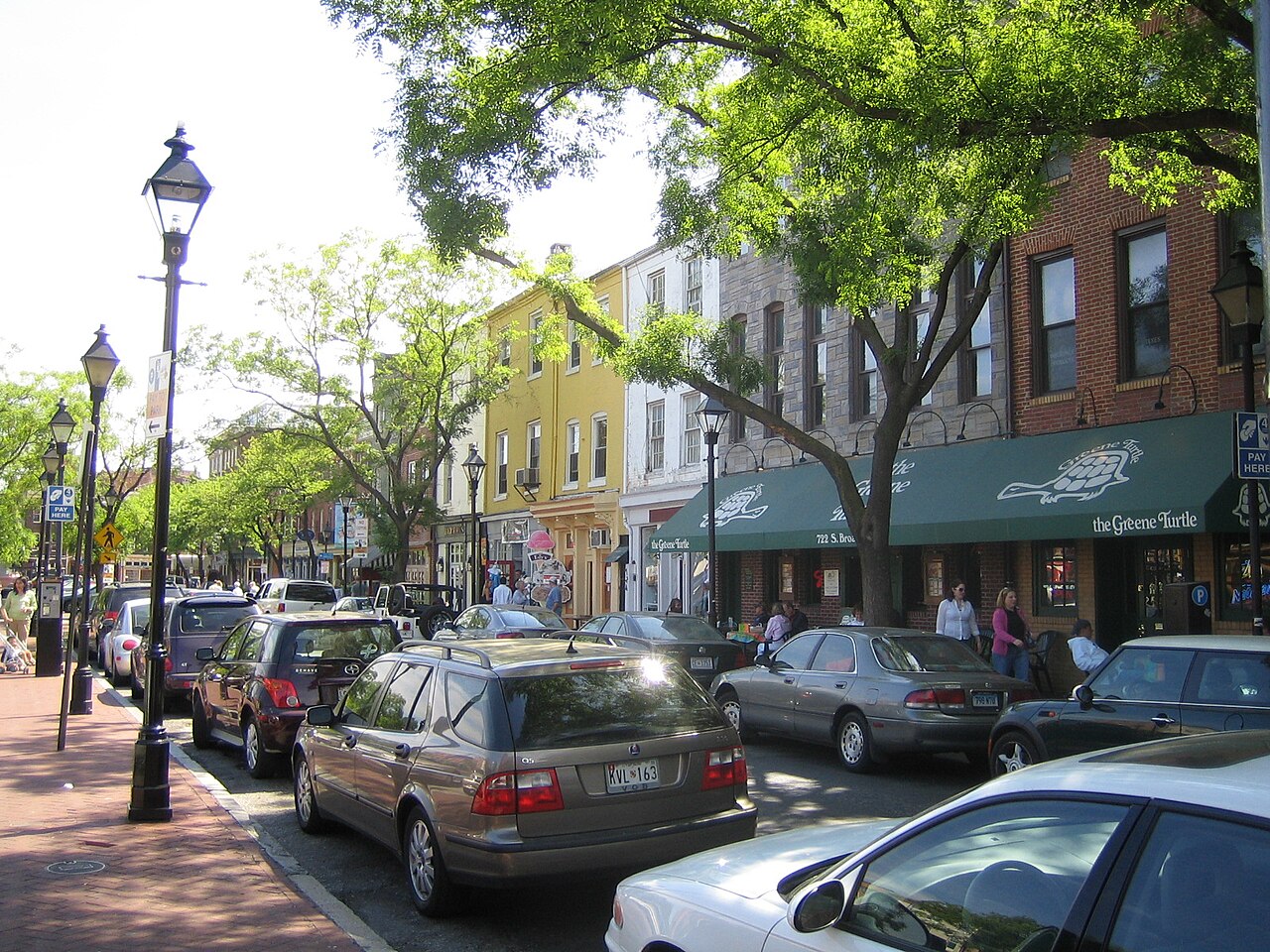
The next morning I walked Fells Point, an 18th-century waterfront neighborhood that retains its cobblestone streets and maritime character. This is where shipbuilders and sailors lived when Baltimore's harbor shaped American commerce. The neighborhood has over 120 bars and restaurants now, but the bones remain authentic — brick row houses, narrow alleys, the smell of the harbor on the breeze. I had breakfast at a corner cafe, watching the city wake up around me, grateful again for the extra day. By noon I was at the cruise terminal with time to spare, relaxed rather than stressed, already carrying memories of Baltimore that would color the entire voyage.
The cons: Baltimore's cruise terminal at South Locust Point sits about 3 miles from Inner Harbor — you'll need a taxi or rideshare to reach most attractions. Public transit connections to the port are limited. Summer weather is hot and humid. And while the city has undergone significant revitalization, some areas remain rough around the edges. Stay in tourist zones and exercise normal urban awareness. But for Mid-Atlantic cruisers seeking Caribbean warmth without flying south first, Baltimore offers something special: a homeport with genuine maritime soul.
What I Learned: Baltimore taught me that homeports deserve the same attention we give destinations. Rushing from airport to ship cheats both the city and the traveler. Fort McHenry isn't just a tourist stop but a pilgrimage site where national identity took shape. The Inner Harbor ships aren't museum pieces but vessels where real sailors lived and fought. Maryland crabs aren't merely food but a regional ritual worth learning. I came expecting a convenient embarkation point and found a city with depth, character, and stories worth hearing. That's what arriving early provides: context for the voyage ahead, connection to the waters you'll sail.
Weather & Best Time to Visit
The Cruise Port
The Cruise Maryland Terminal at South Locust Point (2001 East McComas Street) serves as Baltimore's gateway to the Caribbean and Bahamas. Royal Caribbean and Carnival offer seasonal sailings, typically spring through fall. The terminal is modern and efficient with straightforward check-in procedures. On-site parking is available within walking distance of the terminal building.
Baltimore ranks among the busiest cruise ports on the East Coast, making arrival timing important on peak sailing days. The terminal sits about 3 miles from Inner Harbor — close enough to see the city skyline but far enough to require transportation for sightseeing. Book ahead through hotel shuttles or plan for rideshare costs when exploring pre-cruise.
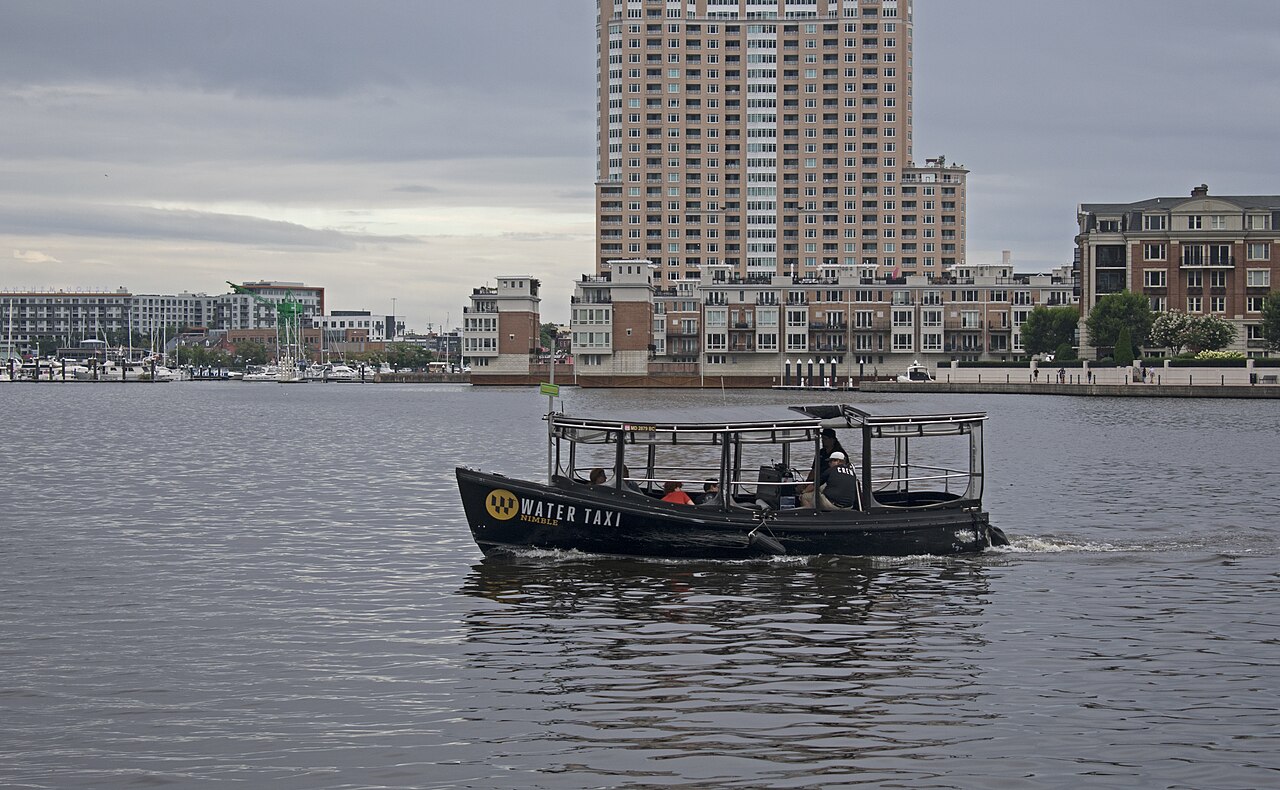
Accessibility: The terminal is fully accessible with ramps, elevators, and wheelchair assistance available. Inner Harbor attractions are generally accessible, though Fells Point's cobblestone streets present challenges. Historic ships have steep stairs and narrow passages — call ahead to discuss specific accessibility needs. The Baltimore Water Taxi is wheelchair accessible and provides a scenic connection between harbor attractions.
Getting Around Baltimore
From BWI Airport, the cruise terminal is approximately 10 miles (15-20 minutes by car). Uber and Lyft are widely available ($25-40). Taxis charge a fixed fare of approximately $35-40. Some hotels offer airport shuttles — confirm when booking. Light Rail connects BWI to downtown Camden Yards station ($1.90) but doesn't reach the cruise terminal directly. Go independent with rideshare from the station or book ahead through hotel shuttle services.
Within Baltimore, the Charm City Circulator provides free bus service with four routes connecting major attractions. The Purple Route serves Inner Harbor and Fells Point — worth knowing for pre-cruise exploration. The Baltimore Water Taxi is my preferred way to reach Fort McHenry — this hop-on/hop-off service connects Inner Harbor, Fells Point, Canton, and the fort itself. Day pass costs $14 and provides both transportation and scenic harbor views. There's something fitting about approaching McHenry's ramparts from the water.
Driving in Baltimore is manageable with typical urban challenges. I-95 and the Baltimore-Washington Parkway provide major highway access. Parking at Inner Harbor garages runs $20-30 per day. If arriving by car for embarkation, proceed directly to the cruise terminal rather than stopping at attractions — terminal parking is more affordable than downtown lots, and you can explore via taxi or Water Taxi from there.
From Washington D.C.: About 1 hour via Baltimore-Washington Parkway. From Philadelphia: About 1.5 hours via I-95 South. Baltimore's central location makes it ideal for Mid-Atlantic cruisers.
Port Map
Parks & Recreation
Baltimore is a harbor city, not a beach destination. Pre-cruise recreation focuses on waterfront attractions and urban exploration.
Inner Harbor Promenade: Walkable waterfront connecting museums, restaurants, and historic ships. Street performers and public art enliven the space. Perfect for evening strolls before embarkation.
Fort McHenry National Monument: Beyond the fortifications, the park includes waterfront trails with views across the Patapsco River. Bring binoculars for ship-watching as vessels transit the harbor.
Patterson Park: Baltimore's best urban park features the Pagoda observatory, boat lake, and extensive green space. About 2 miles east of Inner Harbor — worth a visit if you have extended pre-cruise time.
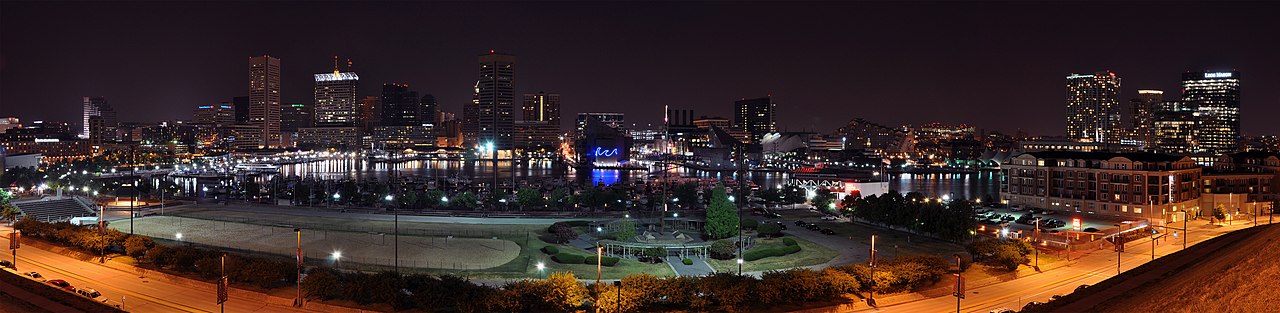
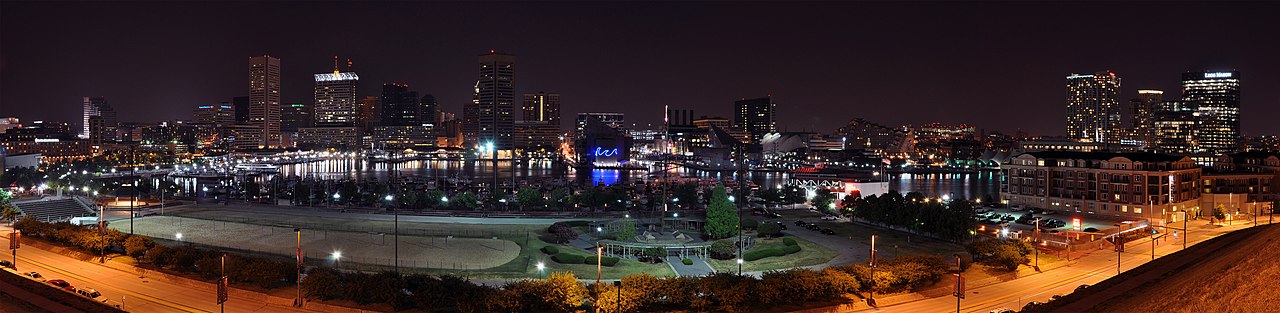
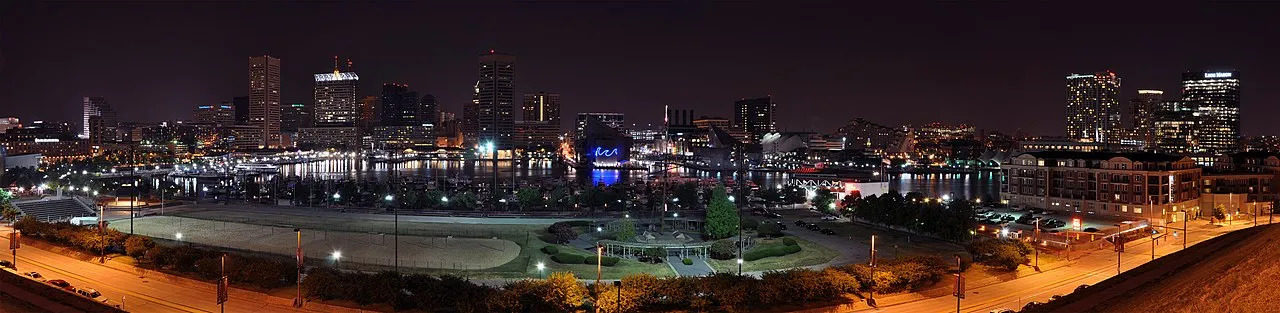
Federal Hill Park: Hilltop views over Inner Harbor and the downtown skyline. The climb is short but steep. Sunset views are particularly striking.
Pre-Cruise Activities
Fort McHenry National Monument ($15, 2-3 Hours)
Where the Star-Spangled Banner was written — the definitive Baltimore experience. Walk the ramparts where defenders withstood British bombardment in 1814. The visitor center film provides essential context. Ranger-led tours bring that September night alive. Book ahead through the National Park Service website during peak season or arrive early and go independent. The Baltimore Water Taxi provides scenic approach from Inner Harbor. Worth every minute for anyone interested in American maritime legacy.
Inner Harbor Historic Ships ($18 combo ticket, 2-3 Hours)
Four historic vessels spanning a century of naval evolution: USS Constellation (1854 sloop-of-war), USCGC Taney (Pearl Harbor survivor), submarine USS Torsk (fired last WWII torpedoes), and Lightship Chesapeake. Walking these decks connects you to sailors who served in Civil War, World War II, and beyond. Combo tickets available at dock kiosks. Stamina level moderate — ships involve steep stairs and narrow passages. Worth the cost for maritime enthusiasts.
National Aquarium ($40-50, 2-4 Hours)
World-class facility featuring sharks, dolphins, jellyfish, and the Australian Wild exhibit. Plan 2-3 hours minimum for thorough exploration. Book ahead online for guaranteed entry and timed admission during peak periods. Ship excursion alternative: some cruise lines offer pre-cruise aquarium packages with transportation from hotels. Fully accessible with elevators throughout. A substantial time investment but excellent quality.
Fells Point Walking Tour (Free-$25, 1-2 Hours)
Explore the 18th-century waterfront neighborhood where shipbuilders and sailors lived. Cobblestone streets, brick row houses, and over 120 bars and restaurants. Self-guided walks are free — just wander the waterfront and duck into whatever catches your interest. Guided tours available through local walking tour companies. The neighborhood rewards slow exploration: browse vintage shops, sample local oysters, absorb the maritime atmosphere that shaped Baltimore's character.
Camden Yards Orioles Game ($20-100+, 3-4 Hours)
The ballpark that revolutionized stadium design — opened 1992 and inspired every retro ballpark that followed. If the O's are home during your pre-cruise visit, catching a game is worth the schedule adjustment. Book ahead through official Orioles channels for best seat selection. Warning: Camden Yards traffic affects port access on game days. Plan extra time for embarkation if sailing on game day.
Maryland Blue Crab Experience ($30-60, 1-2 Hours)
The essential Chesapeake ritual: whole steamed crabs with Old Bay, wooden mallet, and brown paper. LP Steamers near the cruise terminal is local favorite. Captain James Landing and Thames Street Oyster House offer waterfront alternatives. April through November is peak crab season — winter crabs are available but not the same. This isn't a quick meal; budget 1-2 hours for the full picking experience. Worth every messy minute.
Food & Dining
Baltimore's food identity centers on the Chesapeake Bay. Blue crabs are the signature, but the culinary scene extends far beyond.
Maryland Blue Crabs ($30-60 per dozen) — Steamed with Old Bay seasoning, served on brown paper with wooden mallets. Crack, pick, repeat. LP Steamers near the cruise terminal serves them authentically. Peak season April-November.
Crab Cakes ($15-25) — The other crab preparation, bound with minimal filler and broiled golden. Faidley's in Lexington Market is legendary. Captain James Landing offers waterfront views with solid crab cakes.
Pit Beef ($10-15) — Baltimore's answer to barbecue. Thinly sliced charcoal-grilled beef on a roll with tiger sauce and raw onion. Chaps Pit Beef is the classic, though Inner Harbor options exist.
Berger Cookies ($3-5) — Vanilla wafer cookies topped with thick chocolate fudge icing. A Baltimore original since 1835. Available at grocery stores and bakeries throughout the city.
Oysters ($15-25 per dozen) — Chesapeake Bay oysters are briny and distinctive. Thames Street Oyster House in Fells Point does them justice raw, fried, or Rockefeller.
Local Notices
Terminal Parking: On-site parking costs $15-20/day for cars and SUVs. Credit card only — no cash accepted. No advance reservations required but lots can fill on peak sailing days. Arrive early for best spots. Off-site lots near BWI offer lower rates with shuttle service.
Port Distance: The cruise terminal is 3 miles from Inner Harbor. No direct public transit connection — plan for taxi or rideshare costs when sightseeing. Budget $15-20 each way.
Game Day Traffic: When the Orioles play at Camden Yards, traffic throughout the harbor area intensifies. If sailing on game day, add extra time for terminal arrival.
Weather: Baltimore summers are hot and humid. Spring and fall offer the best pre-cruise sightseeing weather. Winter cruises are rare but available — dress accordingly for outdoor attractions.
Safety: Inner Harbor, Fells Point, and Fort McHenry are safe and well-patrolled. As with any city, stay aware of surroundings and avoid wandering into unfamiliar neighborhoods after dark.
Depth Soundings Ashore
Baltimore as a homeport offers something increasingly rare: a departure city with genuine character worth experiencing. Too many cruisers treat homeports as logistics — airport to hotel to ship — missing the context these cities provide. Fort McHenry alone justifies arriving early; the Inner Harbor ships add depth; the crabs add flavor. This is a port where you can taste where your voyage begins.
The honest assessment: Baltimore's cruise terminal location requires transportation for sightseeing, and the city has rough edges beyond tourist zones. Summer weather is oppressive. But for Mid-Atlantic cruisers avoiding flights to Florida, Baltimore's central location, manageable driving distances, and reasonable parking costs make it genuinely convenient. The maritime legacy — from clipper ships to World War II vessels — adds meaning that Florida homeports lack.
Worth arriving early? Absolutely. Book a hotel near Inner Harbor, spend an afternoon at Fort McHenry, eat crabs until you're covered in Old Bay, and walk Fells Point at sunset. These experiences become part of your voyage narrative rather than lost time in transit. Go independent for sightseeing with rideshare and Water Taxi; book ahead for Fort McHenry tours and Aquarium entry during peak season. The city rewards those who give it time.
Practical Information
- Country
- United States
- State
- Maryland
- Currency
- US Dollar (USD)
- Port Type
- Homeport (embarkation)
- Terminal Location
- South Locust Point
- Nearest Airport
- BWI (10 miles)
- Terminal Parking
- $15-20/day
- Cruise Lines
- Royal Caribbean, Carnival
Photo Gallery

Frequently Asked Questions
Q: What cruise lines sail from Baltimore?
A: Royal Caribbean and Carnival offer seasonal sailings from Baltimore, typically spring through fall. Destinations include the Bahamas, Bermuda, and Eastern Caribbean. Winter sailings are less common. Check cruise line websites for current schedules.
Q: How far is BWI Airport from the cruise terminal?
A: Approximately 10 miles, or 15-20 minutes by car. Uber and Lyft cost $25-40. Taxis charge approximately $35-40 fixed fare. Some hotels offer airport shuttles — confirm availability when booking.
Q: Should I arrive a day early?
A: Yes — arriving a day early is highly recommended. This avoids missing your cruise due to flight delays and provides time to experience Fort McHenry, Inner Harbor, and Maryland crab culture. Baltimore offers enough pre-cruise activities to fill multiple days.
Q: How much does parking cost?
A: On-site terminal parking costs $15-20 per day for cars and SUVs. Credit card only. No reservations required but lots fill on busy sailing days. Third-party lots near BWI Airport offer lower rates with shuttle service for longer cruises.
Q: Can I walk from the port to Inner Harbor?
A: The cruise terminal is about 3 miles from Inner Harbor — technically walkable but not practical, especially with luggage. Plan for taxi, rideshare, or the Baltimore Water Taxi for sightseeing connections.
Q: What's the best time to visit Baltimore?
A: Spring (April-May) and fall (September-October) offer the best weather for sightseeing. Summer is hot and humid. Crab season peaks April through November. Winter cruises are rare and require warm clothing for outdoor attractions.
Q: When is hurricane and storm season in Baltimore?
A: The hazard-note on this page reads: "Travel insurance with weather-event coverage is recommended." The glance Rain entry reads "Distributed year-round; slightly drier fall." Specific hurricane history is not detailed on this page; for current tropical-system status on a specific sailing date, use the live weather widget in the seasonal panel above.
Q: What should I pack for Baltimore's weather?
A: The glance Temperature reads "28-88°F — four distinct seasons" — pack for the full range. The Rain entry reads "Distributed year-round; slightly drier fall." The Daylight entry reads "9.5-15 hours seasonal." The Packing Tips section lists "Sunscreen and sunglasses — essential year-round"; "Light layers for variable temperatures"; "Comfortable walking shoes for exploring"; "Rain jacket or compact umbrella."
Q: Will rain ruin my pre-cruise day in Baltimore?
A: The glance Rain entry reads "Distributed year-round; slightly drier fall" — an occasional shower is normal across any season. For short-term forecasts on a specific pre-cruise day, the live weather widget in the seasonal panel above is the primary source.
Last reviewed: February 2026