
Captain's Logbook
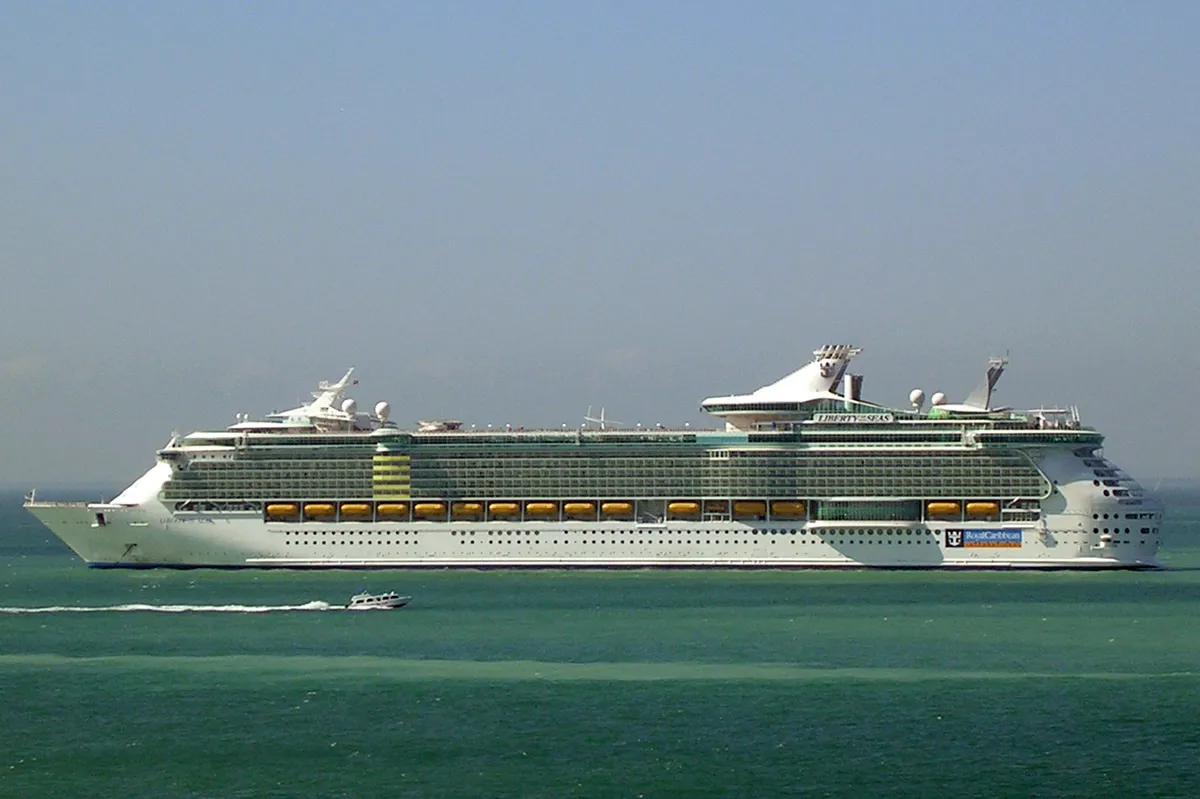
The tender weaved through turquoise shallows toward Belize City, and I spotted manatees surfacing alongside our boat — gray shadows rising through glass-clear water before slipping back into the depths. My hands gripped the railing in disbelief. We hadn't even reached shore, and already this port was delivering magic. The city itself rose low and weathered ahead, but I wasn't here for the city. I was here for the jungle.
I stepped off the tender at Fort Street Tourism Village and walked straight to my excursion meeting point. Cave tubing awaited — my first adventure, and one I'd anticipated since booking this cruise. The bus wound through Belizean countryside for forty-five minutes, past wooden houses on stilts, through villages where children waved, until the jungle closed in around us. At Caves Branch River, our guide handed me a headlamp and an inner tube. "Follow the river," he said with a grin. "Let it take you through."
The water was cool but not cold. I pushed off and floated into darkness. My headlamp illuminated stalactites dripping from cave ceilings, ancient formations shaped over millennia. Bats fluttered overhead — not scary, just present, going about their business while I drifted through their home. However, the darkness wasn't absolute. Light appeared ahead, a brilliant opening, and I emerged into sunshine with waterfalls cascading on both sides. Then another cave swallowed me, and another, each one different, each one astonishing.
After the caves, our guide served stew chicken with rice, beans, and Marie Sharp's hot sauce — the famous Belizean condiment made just miles from where we floated. The sauce had heat, but also flavor, and I understood why every Belizean table has a bottle. Nevertheless, I couldn't rest long. The afternoon held Altun Ha, the Mayan ruins an hour from the port. I climbed the Temple of the Masonry Altars, each ancient stone step bringing me closer to the jungle canopy. At the top, I looked across green wilderness that stretched to the horizon. The Maya built this. They looked at this same view.
The jade head discovered here in 1965 — the "Crown Jewel of Belize" — now appears on Belizean currency. I thought about the archaeologists who found it, the priests who carved it, the centuries it waited beneath jungle soil. Yet standing on those stones, feeling the heat and the humidity, hearing howler monkeys call from somewhere in the green — I understood why the Maya chose this place. Some locations demand worship.
The descent from the pyramid was harder than the climb — ancient steps with worn edges, no handrails, the tropical sun pressing down. But the view from the plaza below was worth every careful step. Trees older than most nations surrounded us. Butterflies the size of my palm drifted between ruins. Our guide pointed out where jade offerings were buried, where priests conducted ceremonies, where the observatory tracked stars that helped farmers plant their crops. The Maya understood time in ways we're still trying to comprehend.
Back at Fort Street Tourism Village, I sat at the Wet Lizard with a cold Belikin beer, watching tenders shuttle passengers to ships glowing in the evening light. My clothes were still damp from the caves. Mud caked my water shoes. I had sunburn despite the sunscreen. I was happier than I'd been in months.
Around me, fellow cruisers returned from their own adventures — some from snorkeling the reef, others from different ruins, all wearing the same exhausted grin I felt on my own face. A woman at the next table showed me photos of sea turtles she'd swum beside. A couple described their scenic flight over the Great Blue Hole. Everyone had stories. Everyone had that same look — the look of people who'd done something worth doing.
That's the lesson Belize taught me: the best adventures leave you disheveled and grinning, wondering how you'll explain to people back home what it felt like to float through darkness into light. You can't explain it. You just know it changed you. What I learned goes beyond the caves and temples — it's that Belize rewards those who commit fully, who get in the water, who climb the pyramids, who trust the river to carry them through.
The Cruise Port
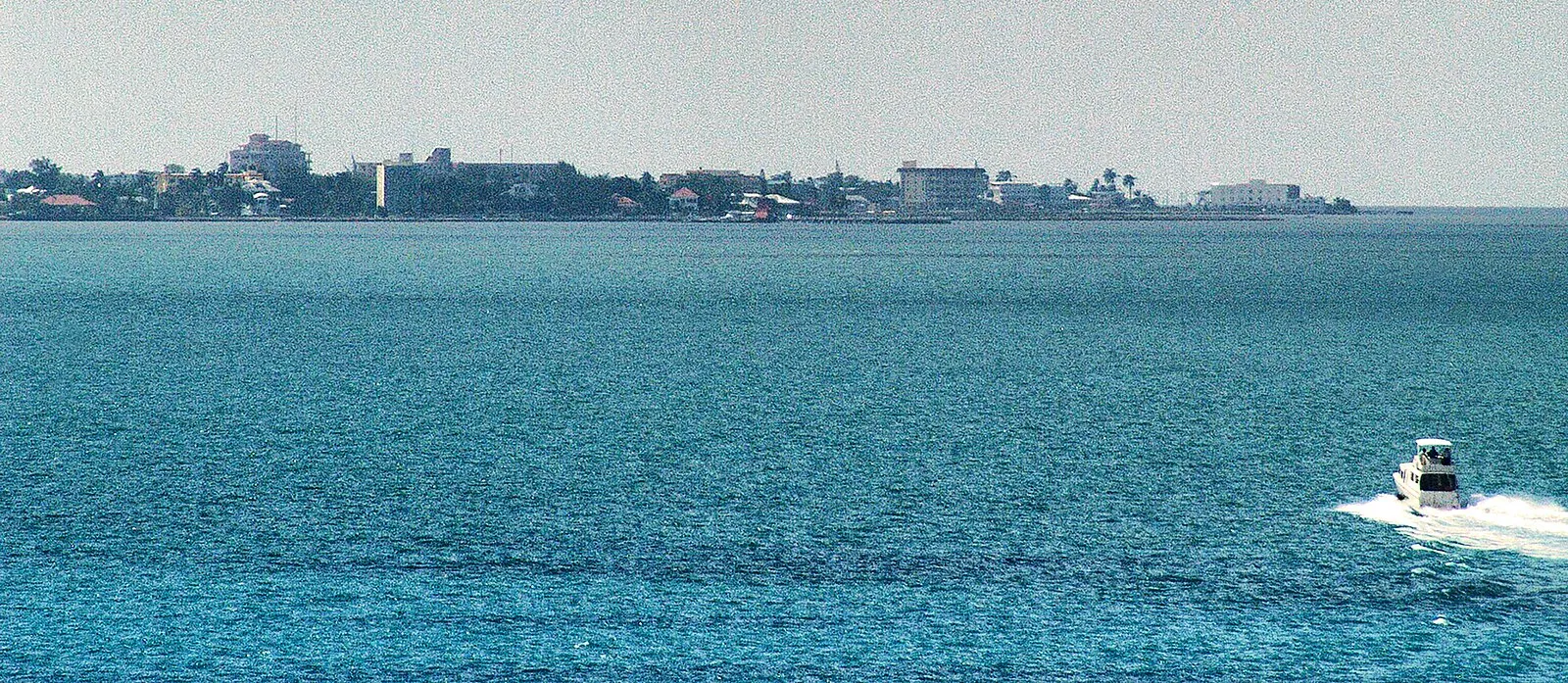
Tender Port: Belize City is a tender port — ships anchor offshore and passengers take small boats to Fort Street Tourism Village. The tender ride takes 15-20 minutes through shallow turquoise waters. Conditions vary from glassy calm to choppy depending on wind.
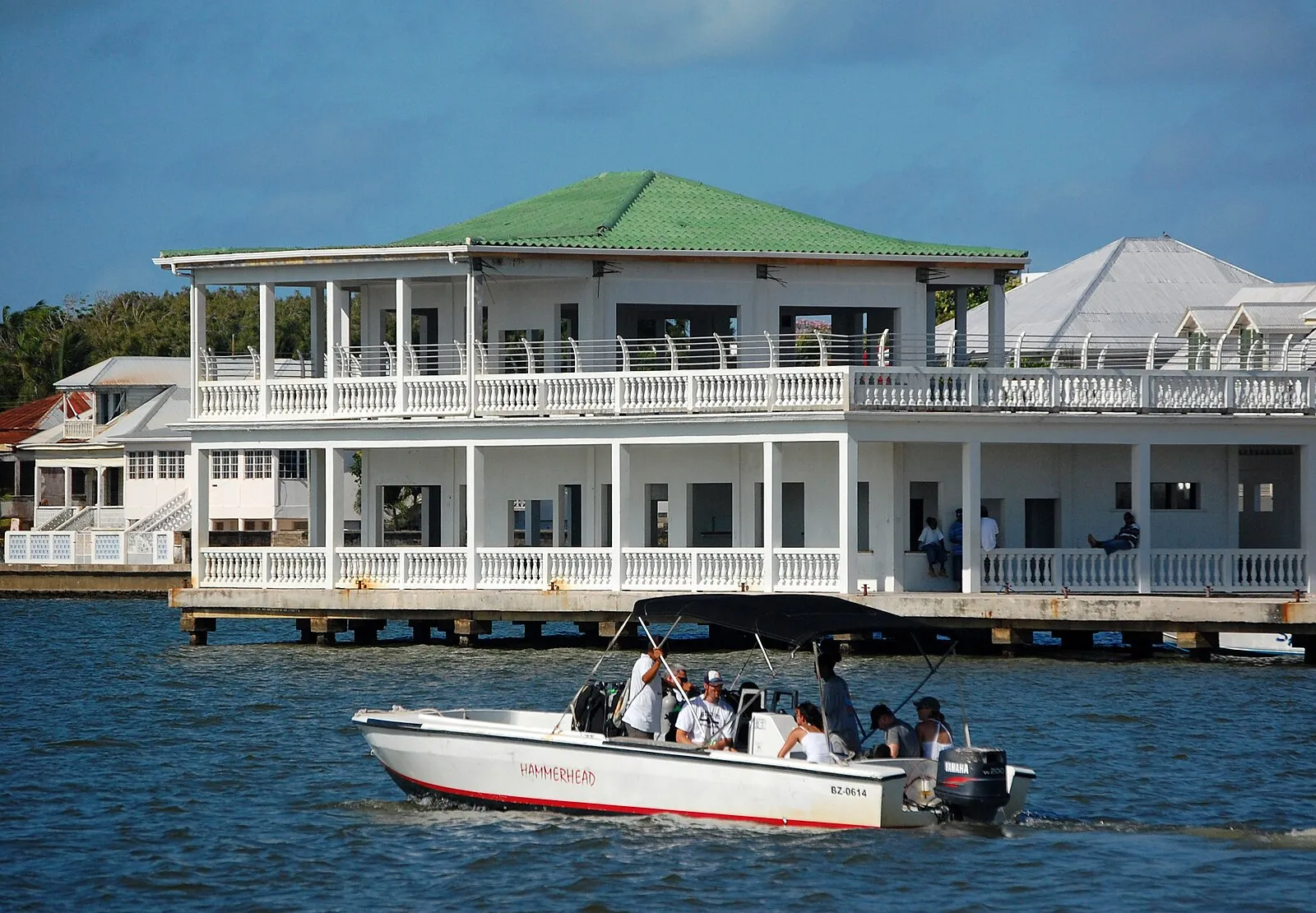
Fort Street Tourism Village: This purpose-built cruise terminal has souvenir shops, craft vendors, food stands, restrooms, and tour operator meeting points. Most visitors either browse here or head straight to excursions. Low stamina level for the terminal area itself.
Belize City Reality: The city itself offers little for cruise visitors, and some neighborhoods have safety concerns. Stay within the tourism village or take organized tours. Don't wander into the city independently. The adventures are in the jungle and on the water, not in town.
Accessibility: Tender boarding can be challenging for wheelchair users due to boat steps. The tourism village is flat and accessible. Cave tubing and ruins require physical activity; check specific excursion requirements.
Getting Around
Excursion Tours: Most visitors take organized tours from the cruise terminal. Ship excursions and independent operators both meet at Fort Street Tourism Village. Cave tubing is about 45 minutes by bus; Altun Ha ruins about 1 hour; Lamanai requires 2+ hours by road plus a river boat ride.
Ship Excursions vs. Independent: Ship excursions cost $80-150 and guarantee the ship waits. Independent operators offer similar experiences for $50-100 but you're responsible for timing. Book ahead for either option. Ship excursions provide peace of mind; independent tours save money for confident travelers.
Currency: US dollars work everywhere in Belize. The exchange rate is fixed at 2 Belizean dollars to 1 US dollar. Most prices are quoted in USD. ATMs available at the terminal if needed.
Taxis: Available at the terminal but not recommended for independent exploration of the city. Taxis can take you to specific attractions if you've arranged your own tour. Negotiate price before departing.
Walking: Limited to the tourism village area. Low stamina level for terminal browsing; moderate to high for excursion activities like cave tubing or ruins climbing. Bring comfortable water shoes for any water activity.
Excursion Timing: Most tours meet at Fort Street Tourism Village right after you tender ashore. Look for guides holding signs with your tour company name. Arrive early to find your group. Tours typically depart 15-30 minutes after the first tenders arrive.
Belize City is NOT a walk-around-and-explore port. Stay with the Tourism Village or book an excursion. The city has real safety concerns for wandering tourists. Cave tubing and reef snorkeling are incredible — the city itself is not the attraction.
Belize City Area Map
Interactive map showing Fort Street Tourism Village tender landing, Caves Branch River, Altun Ha ruins, and key attractions.
Excursions & Activities
DIY vs. Ship Excursion: Cave Tubing
Independent Tour ($50-70/person)
- Book reputable local operator in advance
- Smaller groups, more cave time
- Lunch often included
- Risk: you manage your own return timing
Ship Excursion ($80-120/person)
- Guaranteed return to tender
- Transport from Tourism Village included
- Larger groups, fixed schedule
- Full refund if weather cancels
Cave Tubing at Caves Branch ($60-100, 4-5 Hours)
Float on inner tubes through underground river caves illuminated by your headlamp. Stalactites hang overhead, bats flutter in the darkness, then you emerge into tropical sunlight between caves. The experience includes a short jungle hike to the launch point and typically a local lunch. This is Belize's signature adventure — nothing else like it anywhere. Book ahead through ship or independent operators. Moderate stamina level; you must be able to walk 30 minutes and swim. Bring water shoes. Worth every penny spent.
Altun Ha Mayan Ruins ($50-80, 3-4 Hours)
The closest major Mayan ruins to the port (1 hour drive). The Temple of the Masonry Altars is climbable — ancient stone steps lead to panoramic jungle views. This is where the "Crown Jewel of Belize" jade head was discovered in 1965. Guided tours explain the significance. Book ahead for ship excursion or go independent. Moderate stamina level for climbing pyramids in tropical heat. Bring sunscreen, water, and comfortable walking shoes. Essential Belize experience.
Lamanai Jungle River Trip ($100-150, Full Day)
Two hours by road, then a 26-mile riverboat journey through jungle waterways where howler monkeys call and crocodiles sun themselves on banks. The ruins at journey's end are stunning — temples rising from dense forest. This is the full Indiana Jones experience. However, it requires dedicating your entire port day. Ship excursions guarantee return; book ahead. High stamina level for the long day and ruins climbing. Worth it if you have the time and energy.
Great Blue Hole Scenic Flight ($250-350, 2-3 Hours)
Aerial tour over the famous underwater sinkhole — nearly 1,000 feet across and over 400 feet deep. The view from above is unforgettable: a perfect dark blue circle surrounded by turquoise reef. Book directly through Lamanai Air or Tropic Air. Go independent — the ship doesn't offer this. Flights fill up fast during cruise season. Low stamina level but high price. The aerial perspective is stunning.
Barrier Reef Snorkeling ($80-120, 4-5 Hours)
The Belize Barrier Reef is the second-largest reef system in the world. Boat trips take you to pristine snorkeling spots with tropical fish, sea turtles, and stunning coral formations. Bring reef-safe sunscreen. Book ahead through ship or independent operators. Low to moderate stamina level; you must be comfortable swimming. Some tours combine with beach time on Caye islands. Equipment usually included; life jackets available for non-confident swimmers.
Local Food & Drink
Stew Chicken with Rice & Beans: Belize's national dish. Chicken slow-cooked in red recado sauce, served with rice cooked in coconut milk and red beans. Rich, satisfying, essential. $8-15.
Marie Sharp's Hot Sauce: The famous Belizean condiment made from habanero peppers. Every table has a bottle. Ranges from mild to extremely hot. Buy a bottle to bring home. $3-8.
Fry Jacks: Fried dough pockets served at breakfast. Simple but delicious. Often filled with beans, cheese, or eggs. $3-6.
Belikin Beer: The national beer of Belize. Light, refreshing, perfect after a day of adventure. $3-5 at local spots, more at tourist restaurants.
Fresh Seafood: Lobster, conch, and fresh fish are abundant and affordable by Caribbean standards. $15-30 for a seafood meal.
Current Notices
Tender Operations: Weather can affect tender service. If conditions are rough, wait times increase. Catch an early tender if you have an excursion booked.
Water Safety: Don't drink tap water in Belize City. Stick to bottled water, which all tours provide.
Hurricane Season: June through November. September and October carry highest risk. Ships may reroute during active storms.
Depth Soundings
The Cons: Tender ports add uncertainty. The 15-20 minute ride to shore can feel longer when seas are choppy. If you've booked a tour (especially independent), catch an early tender — missing your departure means missing your adventure.
Belize City itself offers nothing for tourists. Some neighborhoods have real safety concerns. Stay within Fort Street Tourism Village or take organized tours. Don't wander into the city on your own. However, the adventures outside the city are extraordinary — the limitation is the city, not the country.
The heat and humidity are intense. Cave tubing provides relief since you're in water, but ruins tours mean climbing ancient pyramids under tropical sun. Bring sunscreen, water, and a hat. Nevertheless, the discomfort is temporary; the memories last forever.
Independent tours save money but carry timing risk. Ship excursions guarantee the vessel waits for you. Yet if you're confident with logistics and book through reputable operators, independent tours offer smaller groups and often better value. Know your comfort level with travel uncertainty.
Practical Information
Currency: US dollars accepted everywhere. Belizean dollar is fixed at 2:1 to USD. No need to exchange money.
Language: English (official). Belize is the only Central American country with English as its primary language.
Tipping: 10-15% in restaurants. Tour guides appreciate $5-10 per person.
Weather: Tropical. Dry season November-April; rainy season May-October. Hurricane risk June-November.
Best Time: December through April for dry weather and comfortable conditions.
Power: US-style plugs, 110V. No adapter needed for American devices.
Photo Gallery
Frequently Asked Questions
Q: Is Belize a tender port?
A: Yes. Ships anchor offshore and passengers take small boats to Fort Street Tourism Village. The tender ride takes 15-20 minutes.
Q: Is cave tubing safe?
A: Yes, with reputable operators. You need basic swimming ability and must be comfortable in dark spaces. Life jackets and headlamps are provided. Guides accompany groups throughout.
Q: Can I see the Great Blue Hole in one port day?
A: Via scenic flight, yes. The Blue Hole is 60 miles offshore — too far for boat trips. Book flights through Lamanai Air or Tropic Air in advance.
Q: Which Mayan ruins should I choose?
A: Altun Ha for half-day trips (1 hour drive, climbable pyramids, jade head discovery site). Lamanai for full-day jungle adventure (riverboat approach, bigger ruins, wildlife spotting).
Q: Should I book through the ship or independent operators?
A: Ship excursions guarantee the vessel waits if there's a delay. Independent operators are cheaper and offer smaller groups but require you to manage timing. Both work well with proper planning.
Q: Is it safe to explore Belize City?
A: Stay within Fort Street Tourism Village or take organized tours. The city has neighborhoods with safety concerns — the attractions are outside the city, not in it.
Q: When is the best time to visit Belize?
A: The glance Temperature reads "70-89°F year-round" and Rain reads "Dry Feb-May; very wet Jun-Nov." The Wind entry adds "Sea breezes; calm in fall." The hazard-note flags: "Belizean coast hit by hurricanes."
Q: When is hurricane season in Belize?
A: The hazard-note on this page reads: "Belizean coast hit by hurricanes." The glance Rain entry identifies "very wet Jun-Nov" as the wet-season window. Specific Atlantic-basin dates and storm history are not detailed on this page; for current tropical-system status, use the live weather widget in the seasonal panel above.
Q: What should I pack for Belize's weather?
A: The glance Temperature reads "70-89°F year-round" and Humidity "High (77-84%)." The Rain entry reads "Dry Feb-May; very wet Jun-Nov." The Packing Tips section lists "Sunscreen and sunglasses — essential year-round"; "Light layers for variable temperatures"; "Comfortable walking shoes for exploring"; "Rain jacket or compact umbrella."
Q: Will rain ruin my visit to Belize?
A: The glance Rain entry reads "Dry Feb-May; very wet Jun-Nov." For short-term forecasts on a specific sailing date, the live weather widget in the seasonal panel above is the primary source.
Last reviewed: February 2026
This guide draws on firsthand experience from a 2024 visit, supplemented by fellow cruisers and careful research.