


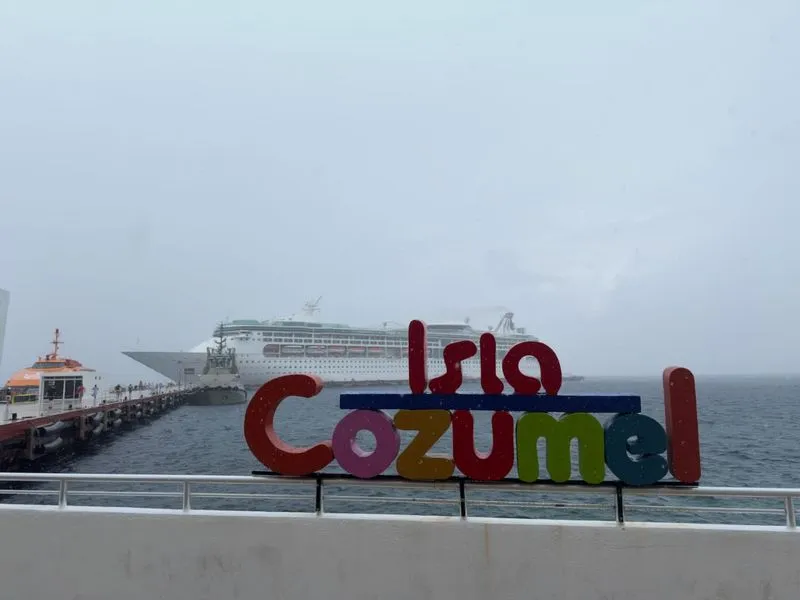
Photo: Wikimedia Commons
My Logbook: Pink Sand Paradise
I first saw beautiful Bermuda emerging from morning mist like something out of a dream—pastel buildings climbing green hillsides, limestone rooftops gleaming white against the Atlantic blue. Our ship glided gracefully past the Great Sound, and I stood on deck watching sailboats dance across waters so clear I could see their distinct shadows on the sandy bottom. However, nothing quite prepared me for what I discovered once we docked at the Royal Naval Dockyard: an island where British propriety meets Caribbean warmth, where every turn reveals another stunning view, and where the sand really is that impossible shade of pink.
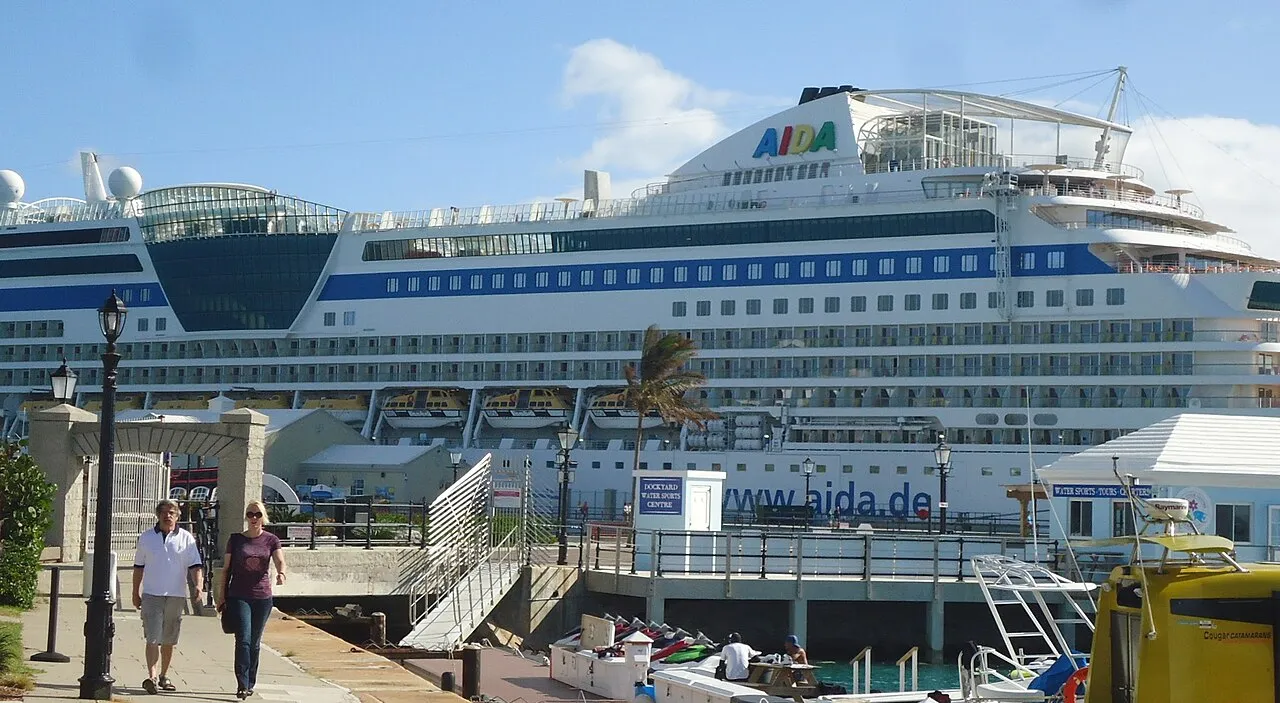
The Dockyard itself fascinated me more than I expected. I stepped off the gangway directly into a 19th-century naval fortress—actual stone ramparts and cannons surrounding shops and restaurants. Walking those limestone walls, I felt the weight of centuries beneath my feet. Britain built this place after losing the American colonies in 1783, needing a strategic naval base between Halifax and the West Indies. For over 150 years, the Royal Navy called this the "Gibraltar of the West." Though the navy finally departed in 1951, the impressive fortress remains remarkably intact today. Yet what struck me most was learning about the human cost: enslaved laborers and convicts carved this entire complex from solid coral rock. The Bermudian sun was warm on my shoulders, but that knowledge cast a longer shadow.

I caught the morning ferry to Hamilton, the island's capital, and spent an hour wandering Front Street with its pastel colonial buildings and upscale boutiques. The atmosphere felt distinctly British—proper, polished, civilized—but softened by tropical warmth and island hospitality. I ducked into a local café for a fish sandwich (Bermuda's unofficial national dish) and listened to businessmen in Bermuda shorts discussing finance over their lunch. The shorts, I learned, are not merely casual wear here—they're actually proper business attire when paired with knee socks, blazers, and ties. Only in Bermuda could that combination look genuinely distinguished rather than absurd. I spent more time than expected simply wandering the city streets, admiring how the colorful storefronts harmonize with the harbor views, and how friendly everyone seemed despite the obvious prosperity and polish of their surroundings.
But nothing—absolutely nothing—prepared me for Horseshoe Bay. I took Bus #7 from Hamilton, watching Bermuda's famous pastel cottages and flowering hedges roll past the windows for thirty minutes until we arrived at the south shore. The walk down to the sand took my breath away. The color really is pink—not uniformly, but in swirls and patches where the crushed shells of tiny sea creatures called foraminifera mix with white coral sand. I scooped up a handful and studied it closely; you can see individual pink grains scattered throughout. The water was that impossible turquoise you see in postcards, so clear I could count individual grains of sand on the bottom. Despite the popularity of this spot, I found a quiet cove between limestone rocks where I floated for hours in bath-warm water, watching tiny sergeant major fish nibble at the algae on underwater stones.
My afternoon detour took me to the legendary Swizzle Inn—"Swizzle Inn, swagger out," as the sign promises—for my first authentic Dark 'n' Stormy. Bermuda takes its rum seriously, and Gosling's Black Seal rum combined with spicy ginger beer over ice proved dangerously refreshing after a morning in the sun. I paired it with shark hash, a classic Bermudian dish of minced shark meat served on toast. It sounds peculiar but tastes remarkable—like a spiced, savory fish spread. The rum swizzle that followed (Gosling's again, with fruit juices and Falernum) went down entirely too smoothly. By the time I caught the ferry back across the Great Sound at golden hour, sailboats racing across water that had turned to liquid gold, I understood why so many visitors fall in love with this island.
Weather & Best Time to Visit
Cruise Port Information
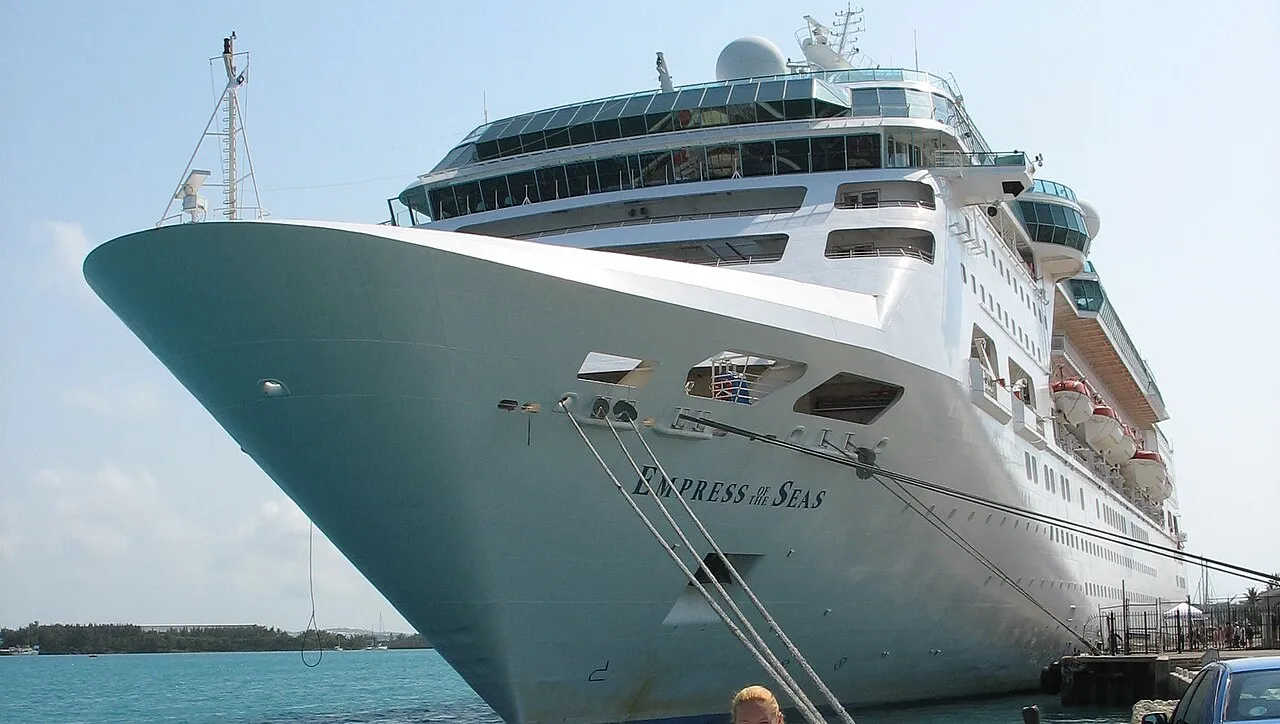
Cruise ships dock at King's Wharf within the Royal Naval Dockyard at Bermuda's western tip. This historic naval facility has been transformed into a vibrant tourist hub while retaining its 19th-century fortifications and military architecture. Two adjacent berths—King's Wharf and Heritage Wharf (renovated in 2023)—accommodate large vessels directly against the old fortress walls. The cruise season runs from April through mid-November.
The Dockyard offers immediate access to shops, restaurants, the National Museum of Bermuda, and the ferry terminal without requiring transportation. Step off your ship and you're already inside one of Bermuda's premier attractions. The Clocktower Mall and various artisan shops provide excellent shopping within walking distance of your gangway. Snorkel Park, a man-made lagoon with a watersports facility, sits just minutes from the terminal for those wanting to maximize time in the water without traveling across the island.
Getting Around Bermuda
Ferries
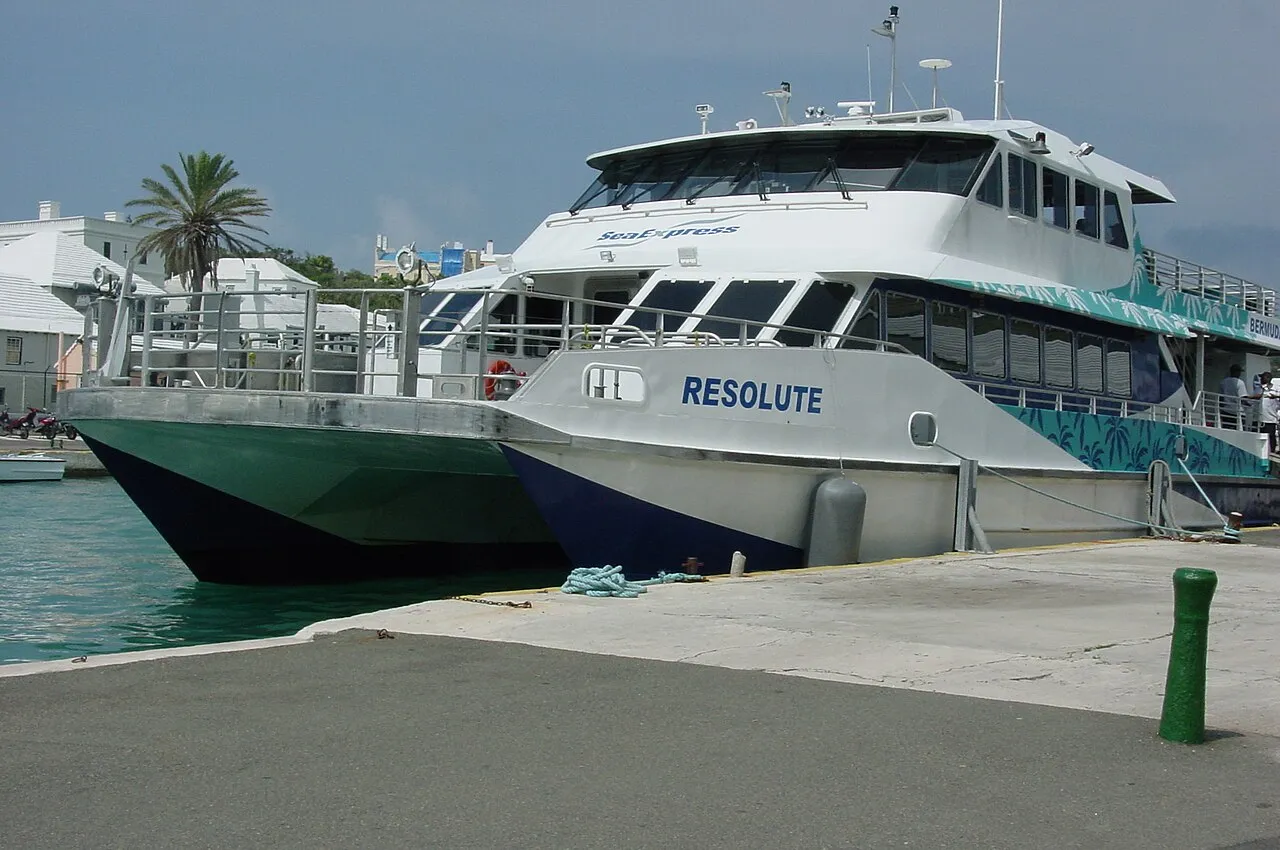
Bermuda's ferry service offers the most scenic transportation option. The Blue Route reaches Hamilton in approximately 20 minutes, while the Orange Route travels to St. George's in about 40 minutes. Both provide spectacular views across the Great Sound. Single fares cost approximately $5, or purchase a day pass for around $19 covering unlimited ferry and bus travel—excellent value for cruise visitors planning multiple stops.
Public Buses
Route #7 specifically serves the south shore areas including Horseshoe Bay, departing regularly from the Dockyard. The journey takes about 35 minutes through scenic Bermuda countryside. Buses are clean, reliable, and air-conditioned. Exact change required—the same day pass works for both buses and ferries.
Taxis and Ride Options
Taxis are readily available at the Dockyard but expensive—expect approximately $50-80 for a one-way trip to Horseshoe Bay. For groups, taxis become more economical when splitting the fare. Bermuda prohibits rental cars for tourists, making taxis, buses, ferries, and scooters the primary options.
Scooter Rentals
Scooters remain popular with visitors at around $50-80 per day. However, remember that Bermuda drives on the left side of the road, and narrow winding roads require careful navigation. Electric Twizys (small two-seater vehicles) offer a safer alternative at similar prices. Neither option is recommended for first-time left-side drivers.
Bermuda Port Map
Interactive map showing the cruise terminal, Horseshoe Bay, Hamilton, and key attractions. Click any marker for details and directions.
Shore Excursions & What to See
Booking guidance: Horseshoe Bay is easily reached independently via public bus. Ship excursions work well for snorkeling trips (guaranteed return to port) and island tours. Book ahead for popular activities through your ship excursion desk or local operators.
Horseshoe Bay
Bermuda's most celebrated stretch of pink sand consistently appears on international "best shores" rankings. Located in Southampton Parish, this south shore gem offers soft pink sand, brilliant turquoise waters, and dramatic limestone formations creating natural sheltered coves. Full amenities include chair and umbrella rentals (approximately $30-40 for two loungers), snorkel equipment (around $15-20), and food service. The main area can get crowded when multiple ships are in port—walk west toward Warwick Long Bay for quieter spots. Sunbed rentals and beach bars are cash-friendly but also accept cards.
National Museum of Bermuda
Located right at the Dockyard within The Keep fortress complex, this premier land-based attraction (approximately $15 admission) chronicles Bermuda's maritime heritage and social development through extensive exhibits. Commissioner's House—the oldest cast iron frame residential building in the Western Hemisphere—offers museum galleries with sweeping views across the harbor. Allow 2-3 hours for a thorough visit.
Hamilton
The island's capital offers upscale shopping along Front Street, diverse dining, pastel colonial architecture, and a distinctly British atmosphere blended with island warmth. The 20-minute ferry ride provides beautiful Great Sound views. Budget approximately $15-25 for lunch at a casual restaurant, significantly more at upscale venues.
St. George's
This UNESCO-listed settlement preserves Bermuda's original town, featuring narrow lanes, colonial buildings, and authentic 17th-century charm. The 40-minute ferry or hour-long bus ride makes a half-day excursion worthwhile. Highlights include King's Square and St. Peter's Church, the oldest Anglican church in continuous use in the Western Hemisphere.
Snorkel and Dive Excursions
With over 300 documented wrecks in surrounding waters, Bermuda offers exceptional underwater exploration. The Constellation and Montana wrecks are particularly accessible for snorkelers, lying in shallow crystal-clear waters with abundant marine life. Ship-sponsored excursions (approximately $60-100) provide equipment and guaranteed return; independent operators offer similar experiences at competitive rates. For those staying near the Dockyard, Snorkel Park offers a convenient alternative right at the port with calm protected waters great for beginners.
Gibb's Hill Lighthouse
One of the oldest cast-iron lighthouses in the world (1846), standing 117 feet above the hilltop. The climb up 185 steps rewards you with 360-degree panoramic views of the island and surrounding Atlantic. On clear days, visibility extends for miles. Located in Southampton Parish, about 15 minutes by taxi from the Dockyard. Admission approximately $5. Worth combining with a Horseshoe Bay visit.
Depth Soundings Ashore
Practical tips before you step off the ship.
Budget accordingly: Bermuda prices run significantly higher than Caribbean destinations. Expect $15-25 for casual lunch, $5-8 for local beers, $30-50+ for dinner. However, public transportation offers excellent value—the $19 day pass covers unlimited ferry and bus travel.
Currency considerations: U.S. dollars are widely accepted at one-to-one exchange with Bermuda dollars. Credit cards work almost everywhere, though small vendors may prefer cash.
Dress expectations: Bermuda maintains somewhat formal standards, particularly in Hamilton. Proper attire is expected—shorewear stays at the shore. Upscale restaurants require appropriate dress, though the famous Bermuda shorts with knee socks are considered perfectly acceptable business attire.
Climate awareness: Despite its mid-Atlantic location, Bermuda can be notably cooler than Caribbean islands, especially in Transitional Seasons. Bring a light jacket for evening activities and air-conditioned spaces.
Mobility and accessibility: The Dockyard area is relatively wheelchair accessible with paved paths. However, Horseshoe Bay requires navigating stairs and sandy terrain that may challenge visitors with mobility limitations. Hamilton and St. George's feature cobblestone streets and hills. Ferries accommodate wheelchairs, though bus accessibility varies. Contact your cruise line in advance to arrange wheelchair-accessible transport if needed.
Extended port calls: Many cruise itineraries feature two or three-day Bermuda visits, giving ample opportunity to explore beyond the immediate port area. Take advantage of the extra time—this island rewards those who venture beyond the obvious attractions.
Photo Gallery
Frequently Asked Questions
How do I get from the cruise ship to Horseshoe Bay?
Take public bus Route #7 from the Dockyard, which runs approximately every 15 minutes and costs around $5 per ride or $19 for a day pass. The journey takes about 35 minutes through scenic Bermuda countryside. Alternatively, shuttle services from the port cost around $16-20 per person roundtrip. I recommend the public bus for the authentic experience and cost savings.
What makes Bermuda's sand pink?
The distinctive pink hue comes from crushed shells of tiny red sea creatures called foraminifera—single-celled organisms with bright pink or red shells that live beneath coral reefs. When these microscopic shells break down and mix with white quartz sand and coral fragments, they create shades ranging from pale blush to deep salmon depending on the light and location.
Is Bermuda expensive for cruise visitors?
Yes, Bermuda is notably expensive compared to Caribbean destinations. Expect to pay $15-25 for lunch, $5-8 for local beers, and $30-50+ for dinner at sit-down restaurants. However, ferries and buses offer affordable transportation with day passes around $19. The quality, safety, and beauty of the island justify the premium for many visitors.
Can I rent a car in Bermuda?
No, Bermuda prohibits rental cars for tourists to reduce traffic on its narrow roads. Transportation options include public buses, ferries, taxis, scooter rentals (approximately $50-80 per day), and electric Twizys. Note that Bermuda drives on the left side of the road—something to consider before renting a scooter if you're not experienced with left-side driving.
Author's Note: Until I have sailed this port myself, these notes are soundings in another's wake—deep research, careful triangulation, and honest interpretation of what awaits, offered in the spirit of every good navigator who shares their charts so others might sail more wisely.
Last reviewed: February 2026
Most ships dock at the Royal Naval Dockyard, a 75-minute bus ride from Hamilton and 90 minutes from Horseshoe Bay Beach. That $2.75 bus fare sounds great until you realize the bus comes every 15-30 minutes and the last one back fills up fast on 3-ship days. The Dockyard itself is pleasant but limited — if beaches and Hamilton shopping are your priority, calculate the transit time honestly before deciding whether a taxi ($50+) or organized excursion makes more financial sense.