


Buenos Aires
The Paris of South America
Last reviewed: February 2026
Captain's Logbook
Buenos Aires calls itself the Paris of South America, and while that comparison flatters Paris, there's truth in it. Grand European architecture lines boulevards wider than seems necessary. Cafés spill onto sidewalks where porteños – the people of the port, as Buenos Aires residents call themselves – nurse cortados for hours, arguing about football and politics with equal fervor. Thirteen million souls call this sprawling metropolis home. But underneath the European veneer beats a distinctly Argentine heart – passionate, melancholic, proud, resilient. This is the city that invented tango, turned grilling meat into high art, and survived economic collapse with grace and dark humor. I arrived expecting elegance and found something far more interesting: a city of contradictions that makes no apologies for its intensity.
The Spanish founded Buenos Aires twice, which tells you something about Argentine stubbornness. Pedro de Mendoza arrived in 1536, planted a flag, promptly ran out of food, and abandoned the settlement after indigenous resistance made life untenable. Juan de Garay tried again in 1580 with better supplies and more determination – that one stuck. The city grew from a backwater port into South America's most sophisticated capital, built on beef exports and European immigration. Those immigrants, arriving by the hundreds of thousands from Italy, Spain, Germany, and Eastern Europe in the late nineteenth century, brought their longing and their music. In the working-class conventillos – tenement houses where families crowded into single rooms – they created tango, that most melancholic of dances. What started as music for brothels and dockworkers became Argentina's soul made audible. I came to understand that tango is not a performance; it's a confession.
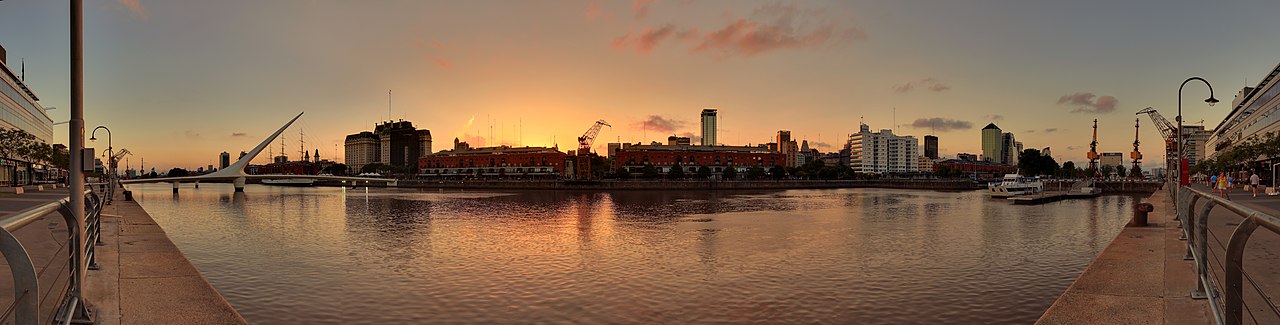
The cruise port sits in Puerto Madero, the revitalized waterfront district that was once rotting docks and is now sleek restaurants and modern architecture. I walked from my ship into the heart of Buenos Aires – that's rare among South American ports and I appreciated it immensely. The city unfolds in neighborhoods, each with its own character: upscale Recoleta with its lavish marble mausoleums where Eva Perón sleeps under perpetual flowers, bohemian San Telmo with its antique markets and cobblestone streets, working-class La Boca with houses painted in primary colors like a child's dream – those colors came from leftover ship paint, back when La Boca was a proper shipyard and dock workers made do with what they had. However different these neighborhoods appear, they share that unmistakable Argentine energy: the sense that life should be lived intensely, that passion isn't embarrassing, that melancholy can be beautiful.
The moment that reshaped my understanding of Buenos Aires came in a milonga – a neighborhood tango dance hall in San Telmo on a Tuesday night. This wasn't a tourist show with sequined costumes and spotlights. It was a social gathering where porteños in their seventies and eighties danced with a precision and passion that made me understand why they say tango is "a sad thought danced." An elderly couple – he in a worn suit, she in a simple dress – moved across the floor like they were telling a story only they knew. They'd probably been dancing together for fifty years. When the song ended, he kissed her hand. She smiled, and my eyes welled with unexpected tears. They sat down for water and waited for the next tanda. This is the real Buenos Aires, I realized – the one tourists rarely see but that defines this city's soul more than any monument or museum.
I ate my way through Buenos Aires with the devotion of a pilgrim. Argentine beef is not just good – it's revelatory. At a neighborhood parrilla, I ordered bife de chorizo cooked "jugoso" and received a steak that made me question every steak I'd eaten before. The secret isn't just the grass-fed cattle; it's the asado tradition – meat grilled slowly over wood fire by a parrillero who considers his work sacred. The cost? About $25 USD for a meal that would cost three times that in New York. I discovered empanadas from street vendors at $1 each, alfajores stuffed with dulce de leche, and Malbec wine so smooth and affordable I wondered why anyone drinks anything else. Budget about $50-80 USD for a day of exploring, eating, and transport – more if you want a tango dinner show ($100-150 with wine and steak). The currency situation is complex – bring crisp US dollars and exchange at official houses for better rates than ATMs provide.
Recoleta Cemetery deserves special mention. I've visited cemeteries around the world, but none prepared me for this labyrinth of elaborate marble mausoleums where Argentina's elite families built miniature palaces for their dead. Weeping angels guard entryways. Jacaranda trees shade paths between ornate tombs. And somewhere in this maze – everyone asks directions – lies Eva Perón, whose tomb is always covered in fresh flowers left by admirers who still revere her decades after her death. Although she died in 1952, Evita remains Argentina's most polarizing figure: saint to some, manipulator to others, but undeniably powerful in death as she was in life. Standing at her tomb, watching visitors weep, I understood something about Argentine passion that no guidebook could explain.
Cruise Port
Ships dock at the Benito Quinquela Martín Terminal in Puerto Madero, Buenos Aires' revitalized waterfront district. This is one of South America's most convenient cruise ports – downtown Buenos Aires is genuinely walkable from the pier. The modern terminal building offers shops, currency exchange, taxi services, and tourist information. Walking from the ship to Plaza de Mayo and Casa Rosada takes about 15-20 minutes through the pleasant Puerto Madero promenade lined with restaurants and parks. The famous Puente de la Mujer (Women's Bridge) lies directly in your path. Port facilities include restrooms, ATMs, and luggage storage for those with late flights. Taxis queue at the terminal; Uber also operates here. Immigration processing is typically smooth for cruise passengers. The terminal's location in Puerto Madero means you can easily walk to dinner after returning from day excursions – the waterfront dining scene rivals the best in the city. No tender required; ships dock directly at modern piers with gangway access at all mobility levels.
Getting Around
Buenos Aires is remarkably walkable for a city of 13 million. From the cruise terminal, you can walk to Plaza de Mayo, San Telmo, and downtown attractions. The city spreads across distinct neighborhoods, each compact enough to explore on foot once you arrive. For longer distances, options abound. The Subte (subway) is efficient, cheap (about $0.30 USD per ride), and covers most tourist areas – buy a SUBE card at any kiosk. Taxis are metered, plentiful, and inexpensive by international standards; black-and-yellow Radio Taxis are safest. Uber works well and is often cheaper than taxis. Agree on approximate fares before taking unmarked vehicles.
La Boca requires taxi or Uber access – it's about 20 minutes from the port – and you should take a taxi directly to Caminito rather than walking through surrounding streets. Recoleta Cemetery is about 25 minutes by taxi or accessible via Subte Line D to Callao station. San Telmo's Sunday market is walkable from Puerto Madero in about 20 minutes through pleasant streets.
Accessibility note: Buenos Aires presents challenges for wheelchair users. Sidewalks are often uneven with unexpected level changes. The Subte has limited wheelchair access – not all stations have elevators. However, taxis and Uber can accommodate most mobility needs, and major attractions like Teatro Colón, Recoleta Cemetery (partially), and Puerto Madero's waterfront promenade are reasonably accessible. Travelers with mobility concerns should plan routes carefully and consider private tours with accessible vehicles. Ship excursion desks can often arrange accessible transportation for those who contact them in advance.
Port Map
Tap markers to explore Buenos Aires neighborhoods and attractions
Shore Excursions
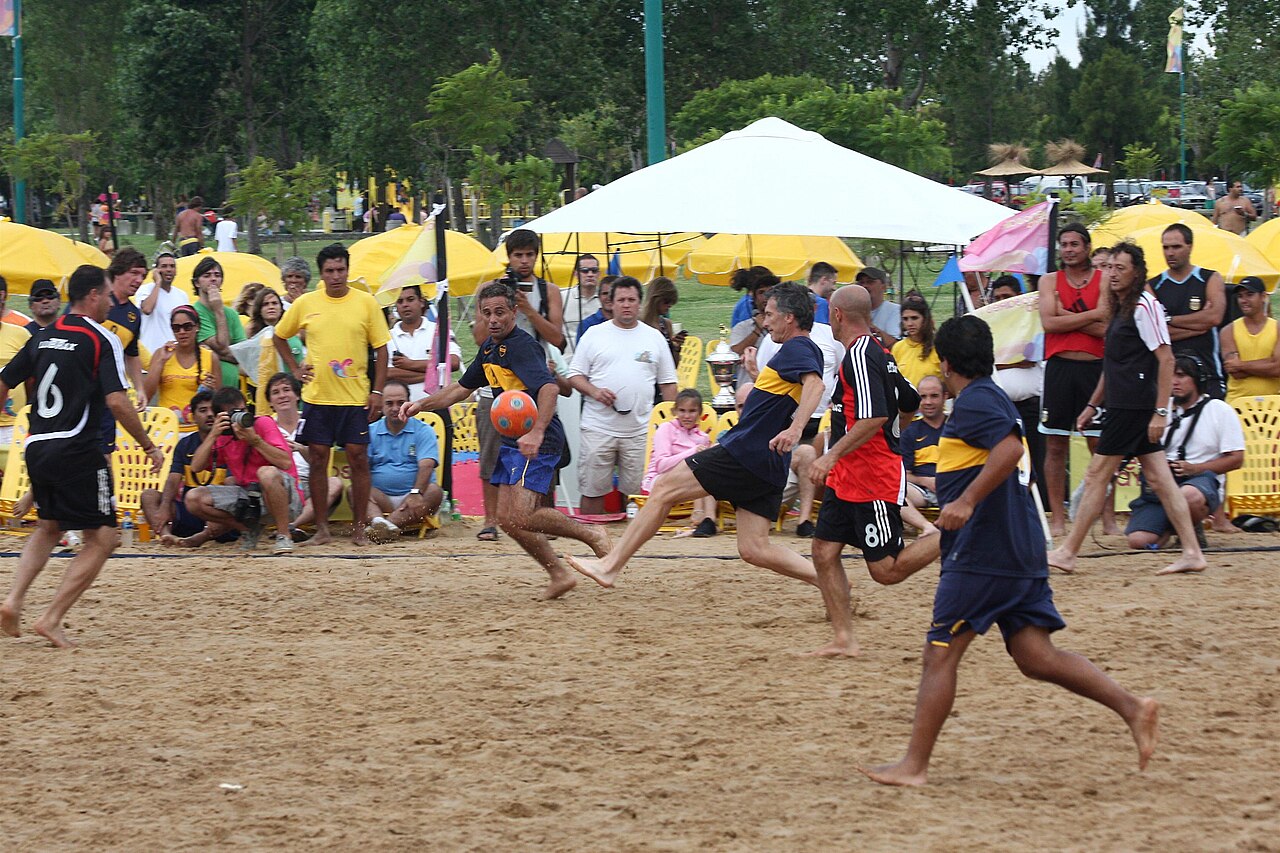
La Boca & Caminito: The colorful shipyard neighborhood where tango was born among late-nineteenth-century immigrants. Famous houses – conventillos built from corrugated iron – wear patchwork colors because dock workers painted them with whatever ship paint they could scrounge. Caminito, the pedestrian street museum, features street tango dancers, artists, and cafés on cobblestones. Ship excursions provide safe transportation and guided context ($60-80 for half-day). Independent visitors should take official taxis directly to Caminito and avoid wandering beyond the tourist zone – surrounding streets aren't safe. Book ahead during peak season as popular tours fill. Allow 2-3 hours. Don't miss La Bombonera, Boca Juniors' legendary football stadium.
Tango Dinner Show: Buenos Aires invented tango – seeing it performed is essential. Tourist dinner shows at venues like El Viejo Almacén, La Ventana, or Café Tortoni ($100-150 with steak dinner and wine) offer polished performances and guaranteed return to your ship. Book ahead through ship excursion desk or directly with venues – popular shows sell out days in advance. For authenticity beyond shows, ask about milongas – neighborhood dance halls where porteños dance for themselves. Some welcome spectators; others expect you to dance. Ship excursions typically include transportation, dinner, and show; independent booking requires taxi coordination.
Recoleta Cemetery: The world's most elaborate cemetery – ornate marble mausoleums like miniature palaces, weeping angels, tree-lined paths. Eva Perón's tomb draws pilgrims who leave fresh flowers daily. Finding her grave requires asking – the cemetery is a labyrinth. Ship excursions combine this with city highlights ($70-100 for half-day). Independent visitors can reach Recoleta by taxi ($15-20 from port) or Subte. Free admission. Allow 90 minutes. Combine with café culture in the upscale Recoleta neighborhood afterward.
Teatro Colón: One of the world's great opera houses with acoustics rivaling La Scala. Guided tours ($20) show gilded auditoriums, backstage areas, and hand-painted ceilings. Book tours online days ahead or through ship excursion desk. Downtown location makes this easy to combine with Plaza de Mayo and San Telmo. Performance tickets ($30-200+) require advance planning but offer unforgettable experiences in an architectural masterpiece.
San Telmo Sunday Market: Antiques, crafts, and street performers fill Plaza Dorrego every Sunday. Cobblestone streets, colonial buildings, tango dancers on corners. Arrive by 11am for best experience. Walkable from the port in about 20 minutes. Free to wander; budget for purchases and lunch. Watch belongings in crowds. Allow 2-3 hours. Independent exploration works perfectly here.
Independent vs. Ship Excursions: Buenos Aires is one of the easiest South American ports for independent exploration given its walkable port location and safe tourist areas. However, ship excursions offer value for La Boca (safe transportation through sketchy areas), tango shows (guaranteed return and coordinated timing), and comprehensive city tours (expert commentary on complex Argentine culture). Book ahead for popular tango shows during peak season. Independent travelers should use official taxis, keep valuables secure, and allow extra time returning to the ship – Buenos Aires traffic can be unpredictable.
Local Cuisine
Asado (Argentine BBQ): More ritual than meal. Beef ribs, sausages, sweetbreads grilled slowly over wood fire at parrillas (steakhouses) throughout the city. Order bife de chorizo (sirloin) or ojo de bife (ribeye) cooked "jugoso" (medium-rare). Expect $20-40 for a memorable steak dinner with wine. Chimichurri sauce is essential.
Empanadas: Stuffed pastries – beef, chicken, ham and cheese, or corn. Perfect snack at $1-2 each from local bakeries and street vendors. Every region of Argentina has its style; Buenos Aires does them all.
Dulce de Leche: Caramelized milk spread – Argentina's national obsession. On everything from toast to ice cream to alfajores (sandwich cookies). Buy Havanna brand alfajores as perfect souvenirs.
Malbec Wine: Argentina's signature red grape. Smooth, fruity, pairs perfectly with steak. Mendoza region produces world-class bottles at bargain prices ($10-20 for excellent wine).
Mate: Herbal tea sipped through metal straw from gourd – social ritual rather than just beverage. Locals carry thermoses everywhere. Being offered mate is a sign of friendship and trust.
Dining Note: Argentines eat dinner late – 10pm or later. Restaurants open for tourists at 8pm but won't be lively until 10. If you need early dinner, Puerto Madero restaurants accommodate cruise schedules.
Travel Notices
Currency Complexity: Argentina's economy is volatile. Bring crisp US dollars (no tears, marks, or old designs) – many restaurants accept USD and exchange houses offer better rates than ATMs. The "blue dollar" parallel rate exists but using unofficial money changers is illegal and risky. Stick to official cambios.
Safety Awareness: Tourist areas are generally safe during daytime. Watch for pickpockets on crowded subways. La Boca outside Caminito is not safe – don't wander. Use official taxis or Uber after dark. Puerto Madero, Recoleta, and San Telmo are well-policed.
Tipping: 10% in restaurants is standard. Round up for taxis. Tip street tango performers who pose for photos.
Language: Spanish with distinctive Argentine accent (vos instead of tú, ll/y pronounced "sh"). English is less common than you'd expect – learn basic phrases.
Depth Soundings
The Tango Soul: Tango isn't a dance you watch – it's an emotion you feel. Born in the immigrant tenements of late-nineteenth-century Buenos Aires, it expresses longing, loss, and the ache of displacement. The melodies are minor key; the lyrics speak of betrayal and nostalgia. When Argentines say tango is "a sad thought danced," they mean it literally. Understanding this helps you appreciate what you're seeing – not performance but expression, not entertainment but catharsis. The tourist shows are beautiful, but the real tango lives in neighborhood milongas where seventy-year-olds dance with the passion of teenagers.
Eva Perón's Shadow: You cannot visit Buenos Aires without encountering Evita – her image, her legend, her contested legacy. To some Argentines, she was a saint who championed the poor against oligarchy. To others, she was a manipulator who enriched herself while playing populist savior. Both views contain truth. Her tomb in Recoleta draws pilgrims daily; her name evokes strong reactions still. Don't assume you understand her from the musical – the real story is more complex, more human, more Argentine.
The European Mirage: Buenos Aires looks European – the grand boulevards, the Belle Époque architecture, the café culture – but this is a distinctly Latin American city. The passion runs hotter here. The economic crises have left scars. The political arguments never end. Beneath the Parisian veneer lies something wilder, more unpredictable, more alive. That tension – between aspiration and reality, between elegance and chaos – defines Buenos Aires. Embrace the contradictions rather than resolving them.
Practical Information
Currency: Argentine Peso (ARS), but USD widely accepted and often preferred. Bring crisp US bills. ATMs work but have low daily limits and poor exchange rates. Official exchange houses (casas de cambio) offer best rates.
Language: Spanish. English is spoken in tourist areas but less common than in European cities. Basic Spanish phrases are appreciated.
Time Zone: ART (Argentina Time), UTC-3. No daylight saving time.
Climate: Temperate. Summer (Dec-Feb) hot and humid, 25-35°C (77-95°F). Winter (Jun-Aug) mild, 8-15°C (46-59°F). Spring and fall offer ideal weather for sightseeing.
Best Season: September-November (spring) or March-May (fall) for pleasant weather and fewer crowds.
WiFi: Widely available in cafés and restaurants. Quality varies.
Photo Gallery


Credits & Sources
Hero Image: Wikimedia Commons (CC BY-SA)
Gallery Images: All images sourced from Wikimedia Commons Buenos Aires collection under Creative Commons licenses.
Cultural Information: Buenos Aires Tourism Board and local guides.
Frequently Asked Questions
Where do cruise ships dock in Buenos Aires?
Ships dock at the Benito Quinquela Martín Terminal in Puerto Madero, within walking distance of downtown Buenos Aires. The revitalized waterfront district has restaurants, parks, and pedestrian bridges. Most major attractions are 10-20 minutes away by taxi or subway.
Should I see a tango show?
Absolutely – Buenos Aires is the birthplace of tango. Dinner shows in San Telmo or La Boca offer the full experience ($100-150 with dinner and wine). Book ahead through ship excursion desk or directly with venues. For authenticity, visit a milonga where locals dance.
Is Buenos Aires safe for cruise passengers?
Tourist areas are generally safe during daytime. Watch for pickpockets on crowded subways. Avoid La Boca outside the main tourist zone (Caminito). Use official taxis or Uber after dark. Puerto Madero, Recoleta, and San Telmo are well-policed and walkable.
What currency should I bring?
Bring US dollars in pristine condition (no tears or marks). Exchange at official casas de cambio for better rates than ATMs. Many restaurants and shops accept USD due to Argentina's currency instability.
Can I walk from the cruise port?
Yes – Buenos Aires has one of South America's most walkable cruise ports. Downtown Plaza de Mayo is about 15-20 minutes on foot through pleasant Puerto Madero. San Telmo is about 20 minutes. Only La Boca and Recoleta require transportation.
What's the best steak restaurant?
Parrillas (steakhouses) throughout the city serve excellent beef. Local favorites include Don Julio, La Cabrera, and El Desnivel in San Telmo. Expect $25-50 for an excellent steak dinner with wine. Reservations recommended for popular spots.
When is the best time to visit Buenos Aires?
The glance Temperature reads "41-86°F — four seasons (Southern Hemisphere)" and Daylight reads "9.5-14.5 hours (Southern Hemisphere)." Rain reads "Distributed year-round; slightly drier winter."
When is Buenos Aires's storm season?
The glance Wind entry reads "Pampero winds can bring sudden cold fronts," and Rain reads "Distributed year-round; slightly drier winter." For current weather outlook on a specific sailing date, use the live weather widget in the seasonal panel above.
Will rain ruin my Buenos Aires port day?
The glance Rain entry reads "Distributed year-round; slightly drier winter" — rain is occasional but distributed across the year. For short-term forecasts on a specific sailing date, the live weather widget in the seasonal panel above is the primary source.