


Photo: Wikimedia Commons
My Logbook: Where Desert Cliffs Plunge into Two Seas
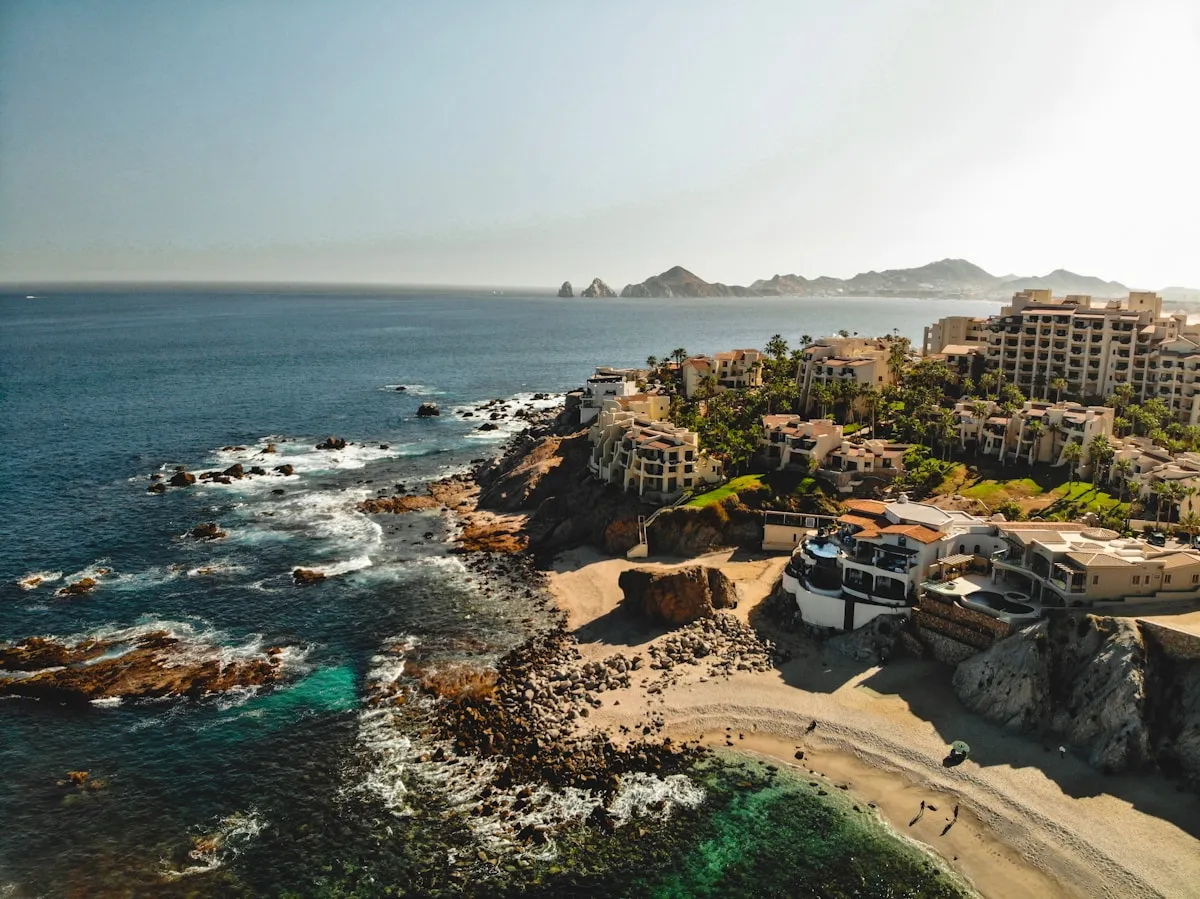
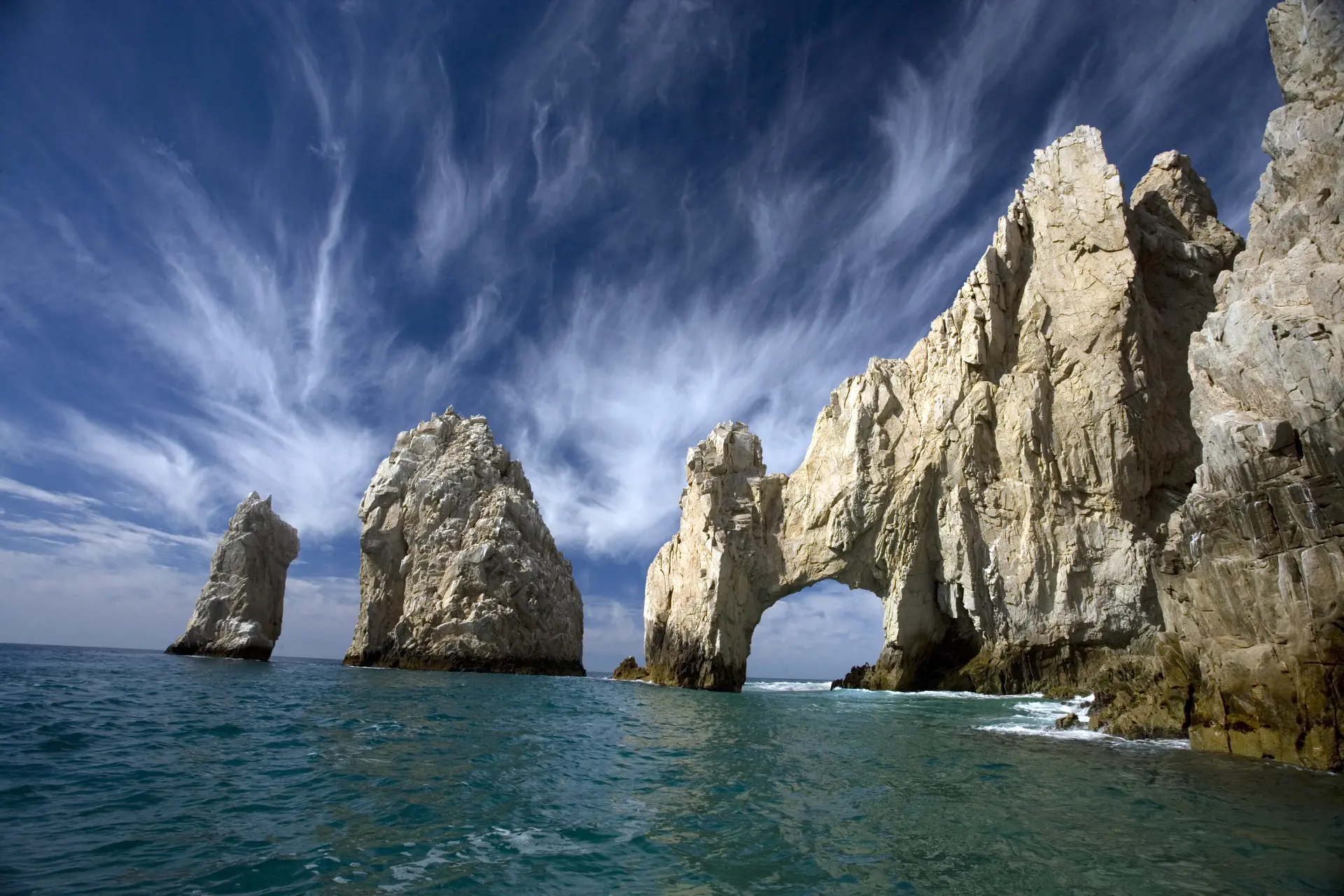
Arriving in Cabo means preparing for a different kind of port call, and I find myself getting excited every time my ship rounds the peninsula and that iconic arch comes into view. My vessel won't pull alongside a dock here—instead, we drop anchor in the turquoise waters of Cabo San Lucas Bay, with Land's End rising from the ocean in the near distance like a geological dream. The tender process becomes part of my adventure here, as smaller boats shuttle passengers across water that shimmers with every shade of blue imaginable. From my tender seat, I've spotted sea lions basking on rocky outcroppings and frigatebirds wheeling overhead against impossibly blue skies.
The marina where tenders deposit me sits at the edge of a town split between two identities. Near the waterfront, I encounter the resort version of Cabo—beach clubs pumping music, vendors hawking jewelry and blankets, tour operators competing enthusiastically for my attention. Venture inland even a few blocks, however, and the energy shifts completely. I've discovered neighborhood taquerias serving locals their breakfast, mercados displaying chilies and fresh tortillas, and side streets where daily Mexican life unfolds far from the tourist bustle. That contrast fascinates me—how two worlds coexist within walking distance.
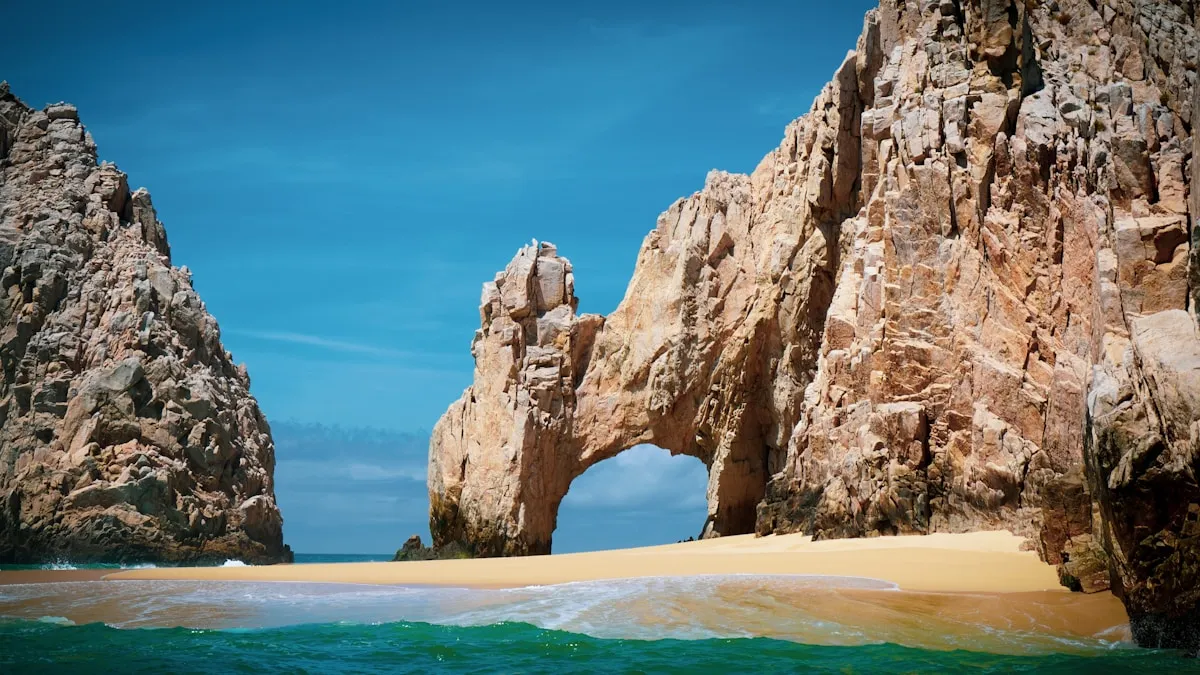
The geography here is what sets Cabo apart from every other Mexican Riviera port. This is where the Baja California peninsula comes to its dramatic conclusion, where the Pacific Ocean's powerful swells crash against the typically calmer waters of the Sea of Cortez. Standing on Lover's Beach with one foot in each body of water remains one of my most surreal travel experiences—the Cortez side rolling gently against my ankles while Pacific waves crashed violently on the opposite shore mere yards away. A humpback whale breached in the distance during one of my visits, and I remember thinking: this is why we travel.
I found myself thinking about the pirates who once hid behind El Arco's massive formations during my first visit. In the 1500s, English privateer Thomas Cavendish discovered that these rocks provided perfect concealment for ambushing Spanish galleons laden with Asian silks, spices, and silver making their way up from the Philippines. The treasure ships would round Land's End, completely exposed, while raiders waited in the shadows of these ancient stones. Standing there centuries later on a peaceful morning, watching tourists take selfies where pirates once plotted attacks, gave me one of those strange temporal vertigo moments that make travel worthwhile.
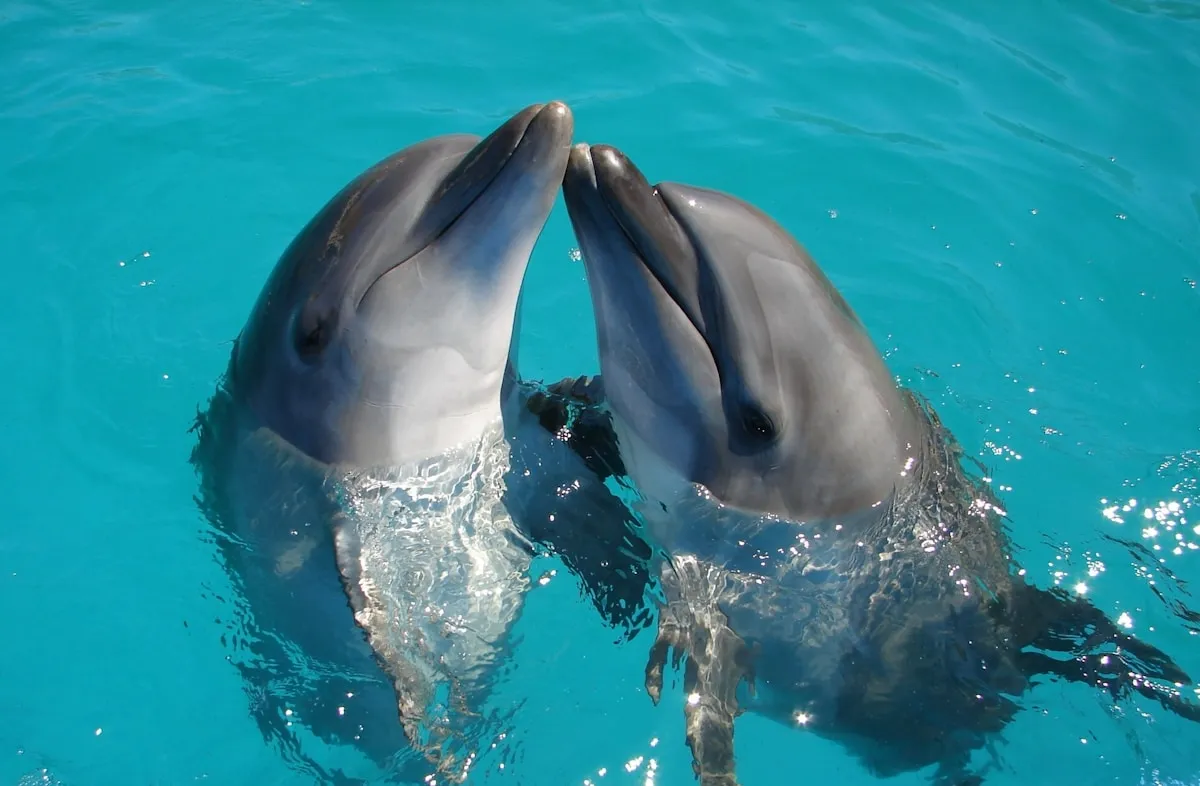
If you visit between December and April as I've done several times, you're witnessing one of the world's premier whale-watching seasons. Humpback whales journey to these warm waters to breed and calve, putting on displays that include breaching, tail slapping, and spy-hopping. I watched a humpback breach just beyond Land's End one morning, the sun catching spray as tons of whale hung suspended in midair for an impossible moment before crashing back into the Sea of Cortez. Gray whales migrate through as well, often bringing their curious calves remarkably close to tour boats. These encounters feel like privileges, though, not guaranteed attractions.
Medano Beach anchors my Cabo days when I'm not chasing whales or exploring arches. This sweeping arc of sand stretches along the bay's protected side, offering calm waters and enough entertainment to fill entire port visits. The beach supports a thriving water sports industry—parasailing, jet skis, paddleboards—yet I prefer finding a palapa, ordering fish tacos from one of the circulating vendors, and watching the scene unfold. Beach clubs establish their territories along the sand, each with distinct personalities ranging from party atmosphere to family-friendly relaxation. I've tried most of them over my visits and keep returning to the ones that balance good food with reasonable energy levels.
San José del Cabo sits approximately thirty minutes away and offers a completely different atmosphere from its livelier sibling. This colonial town revolves around a charming historic district filled with art galleries, boutique shops, and authentic restaurants where menus cater to local tastes rather than tourist expectations. Thursday evenings bring an art walk when galleries stay open late and the streets fill with both residents and visitors. When the cruise scene feels overwhelming, I've found San José provides a peaceful escape into a more traditional Mexican town experience—one I recommend for travelers seeking substance over spectacle.
Looking back at my Cabo visits, I realize this place teaches a lesson about expectations. Come for the party beach town and you'll find exactly that. But watch for the quiet moments—a whale surfacing, sunlight through sea spray, conversations with fishermen at dawn—and Cabo reveals something deeper. The lesson isn't about choosing one over the other. It's about staying open to what each day offers.
Weather & Best Time to Visit
The Cruise Port
Cabo San Lucas operates exclusively as a tender port—no cruise ships dock here directly. Ships anchor in the protected waters of the bay, positioned for dramatic views of Land's End and the surrounding granite cliffs. Depending on the day's traffic, anywhere from one to four ships might share anchorage space, which significantly influences tender wait times. The tender journey itself takes roughly ten minutes, depositing passengers at Dock 5 within the bustling marina complex.
From there, it's a pleasant fifteen-minute waterfront stroll to reach downtown Cabo, though the marina area itself offers plenty to explore—tour operators line the walkway, a Señor Frogs outpost awaits the nostalgic, and even a Starbucks satisfies caffeine dependencies. Plan your day with tender logistics in mind. Most ships remain anchored for somewhere between four and six hours, and return tender lines build considerably as all-aboard time approaches. Get your tender tickets early if your ship uses a numbering system, and consider heading ashore on the first or second batch to maximize your time on land.
Getting Around
- Water Taxi ($5-8): The fastest way from the tender pier to Medano Beach. Small boats depart continuously from the marina, delivering you directly to the beach in minutes. Worth every peso versus the 25-minute walk around the marina in the heat.
- Land Taxis ($10-30): Available throughout the marina and downtown. Negotiate fares before climbing in—meters aren't used. Expect $10-15 to Medano area, $30-40 to San José del Cabo, $20-25 for a Land's End boat tour pickup. Having small bills helps with negotiations.
- Walking (free): The marina to downtown covers about fifteen minutes on foot along a scenic waterfront path. Downtown San Miguel itself is compact and walkable. The 25-minute walk around the marina to Medano Beach is doable but hot—water taxi is more practical.
- Tour Boats ($35-50): Land's End tours depart continuously from the marina. Glass-bottom options let you glimpse tropical fish during the journey. Prices are negotiable, especially later in the day or during slow periods. Most tours circle the arch and include a stop at Lover's Beach.
- Shuttle to San José ($15-20): Scheduled vans run between Cabo San Lucas and San José del Cabo throughout the day. Ask at the marina information booth for current schedules. Taxi remains more flexible but costs more ($30-40 each way).
Cabo San Lucas Area Map
Interactive map showing tender pier, Medano, Land's End, and attractions. Click markers for details.
Beaches
Medano Beach is Cabo's premier swimming destination—calm, protected waters along the bay's eastern shore. The beach supports an ecosystem of beach clubs (Mango Deck, Billygan's, The Office) offering chairs, umbrellas, food, drinks, and water sports. Water taxi from the marina runs $5-8 and delivers you directly to the sand. Parasailing, jet skis, and paddleboards available for rent throughout. Vendors circulate constantly with food and drinks—the beach tacos are often surprisingly good.
Lover's Beach (Playa del Amor) sits at Land's End, accessible only by water taxi or boat tour. The Sea of Cortez side offers calm water for wading and limited snorkeling; the Pacific side (called Divorce Beach) has dangerous currents and powerful undertow—admire from a distance but never swim there. Most Land's End boat tours include a Lover's Beach stop.
Santa Maria and Chileno Bay offer calmer snorkeling alternatives about 20-30 minutes from Cabo by taxi. Both are protected marine areas with clearer water and more fish than Medano. Ship excursions often visit these beaches, or arrange independent taxi for greater flexibility.
Top Excursions & Things to Do
Booking guidance: Ship excursions guarantee return to vessel but cost 30-50% more than independent options. For Land's End tours and beach days, booking independently works well since you control timing. For San José del Cabo trips or whale watching, consider ship excursions if you want guaranteed return peace of mind. Book whale watching and fishing trips in advance during peak season (December-April).
Land's End Boat Tour ($35-50)
ESSENTIAL. The iconic arch—El Arco—carved over thirty million years by wind and wave at the absolute southern tip of the Baja Peninsula. Tours circle Pelican Rock with its sea lion colony, navigate close to the arch itself, and typically include a Lover's Beach stop where you can wade between two oceans. Glass-bottom versions ($40-55) reveal tropical fish beneath the surface. Independent boat operators in the marina are cheaper than ship excursions; negotiate prices, especially in the afternoon.
Whale Watching (December-April, $50-80)
Extraordinary encounters with humpback and gray whales during breeding season. Responsible tours maintain respectful distances while naturalists provide commentary on behavior and conservation. Book ahead through ship or independent operators like Cabo Adventures or Whale Watch Cabo. Morning departures offer calmer seas. Success rates during peak season run remarkably high—but these are wild animals, not guaranteed attractions.
Day at Medano ($30-80 beach club, or free independent)
Cabo's premier swimming beach with calm, protected waters. Beach clubs like Mango Deck ($30-50 minimum), Billygan's ($40-60), or The Office ($35-50) offer chairs, umbrellas, food, and drinks. Or stake out your own spot—the beach is public, and vendors circulate with food and beverages. Water taxi from marina runs $5-8. Parasailing, jet skis, and paddleboards available for rental throughout the beach.
San José del Cabo ($30-40 taxi)
Colonial sister town thirty minutes away offering art galleries, authentic restaurants, and peaceful atmosphere. Thursday art walks fill the streets with gallery openings and local artists. The central plaza features traditional Mexican ambiance far from tourist bustle. Ship excursions combine San José with other stops ($70-100); independent taxi allows flexible timing at lower cost. Worth the trip for travelers seeking cultural depth.
Sport Fishing (half-day $350-500, full-day $600-900)
Cabo's original claim to fame. Marlin, dorado, tuna, and wahoo run consistently in these waters. Early morning charters work best with cruise schedules, but coordinate carefully with ship timing—fishing runs unpredictably. Book through marina operators like Pisces Sportfishing or independent pangas for budget options ($200-300). Catch-and-release encouraged for billfish; many charter companies now practice sustainable fishing.
Depth Soundings
These are the specific details and honest assessments that help you plan a realistic Cabo day.
- Tender wait reality: First tenders typically depart 30-45 minutes after anchoring. Lines build quickly—get tickets early. Return lines spike dramatically in the final hour before all-aboard. Plan accordingly.
- Cash vs. cards: U.S. dollars accepted everywhere in tourist areas, but you'll get better value with pesos. ATMs dispense both currencies. Small bills ($1, $5, $10) help with negotiations and tips. Credit cards work at established businesses; beach vendors and water taxis prefer cash.
- Lover's Beach caution: The Pacific-facing side (Divorce Beach) has dangerous undertow and powerful currents. Every year tourists underestimate these conditions. Swim only on the Sea of Cortez side. Heed your boat captain's warnings.
- Vendor expectations: Initial prices are negotiating starting points. Polite bargaining is expected at beach vendors and market stalls. The difference on a $10 bracelet rarely justifies aggressive haggling—but asking "best price?" is perfectly appropriate.
- Heat management: Cabo is desert climate. Temperatures regularly exceed 90°F/32°C. Bring water, sunscreen, and hat. The walk from marina to downtown feels longer in midday heat. Water taxi to Medano beats walking in the sun.
Photo Gallery


Frequently Asked Questions
Is Cabo San Lucas a tender port?
Yes—all cruise ships anchor in the bay and passengers reach shore via tender boats (approximately 10-minute ride). Tender tickets may be required on busy days; check with guest services. The tender ride itself offers excellent views of Land's End and anchored ships.
What's the best beach in Cabo?
Medano Beach for swimming, beach clubs, and activity. The water is calm and swimmable, unlike Pacific-facing beaches. Lover's Beach (accessible only by boat) offers the novelty of standing between two oceans but has limited facilities. Avoid swimming on Pacific-facing beaches—dangerous currents cause drownings annually.
When is whale watching season?
December through April, peaking in January-February. Humpback whales breed and calve in these warm waters, while gray whales migrate through. Tours run multiple times daily during season with high success rates, though sightings are never guaranteed with wild animals.
Is Cabo safe for cruise passengers?
The tourist areas of Cabo San Lucas are safe. Exercise normal precautions—don't flash valuables, stick to populated areas, use official taxis or Uber. The cartel violence reported elsewhere in Mexico does not typically affect the Los Cabos tourist corridor.
How do I get to San José del Cabo?
Taxi ($30-40 each way) or shuttle van ($15-20) from the marina. Journey takes about 30 minutes. San José offers art galleries, authentic restaurants, and a quieter colonial atmosphere.
What's the best time of year to visit Cabo?
October through May offers warm, dry weather. Whale watching peaks December–April. Hurricane season runs June–November, with September being highest risk.
Does Cabo have hurricane risk?
Hurricane season runs June–November, peaking in September. Cruise lines reroute when needed. Winter sailings avoid storm season. Travel insurance recommended for summer cruises.
What should I pack for Cabo?
Sunscreen (reef-safe preferred), hat, sunglasses, swimsuit, and water shoes. Light clothing for desert heat. Small bills in USD or pesos for vendors and water taxis.
Will rain affect my Cabo port day?
Cabo is desert. The Depth Soundings note on this page describes it as "desert climate" where "temperatures regularly exceed 90°F/32°C," and the existing best-time answer above says October through May is "warm, dry." When rain shows up on the Baja peninsula it's usually inside the June–November hurricane window that the storm-season FAQ above flags as peaking in September — and that risk is more about cyclone reroutes than ordinary rain. The other thing to think about: Cabo "operates exclusively as a tender port — no cruise ships dock here directly." Tendering and the marina's water taxis to Medano and the Land's End boat tours all get weather-sensitive in heavy chop, so for a specific sailing date the question to ask is less "will it rain" and more "are the seas calm enough to tender and to run small craft from the marina."
Last reviewed: February 2026
Cabo is a tender port, which means small boats ferry you from ship to marina — and on rough-weather days, tendering can be delayed or canceled entirely. The wait can be 30-60 minutes during peak disembarkation. Medano Beach is the main swim beach but gets packed with cruise visitors and timeshare sales pitches by midmorning. Lover's Beach (accessible only by water taxi, $15-20 round trip) is dramatically more beautiful and less crowded, but has no facilities — bring your own water and snacks.