

Last reviewed: February 2026
Captain's Logbook
Booking guidance: Ship excursion options provide guaranteed return to port and are worth considering for first-time visitors. For those who prefer to explore independently, local operators often offer competitive rates — book ahead during peak season to secure your preferred times. Whether you choose a ship excursion or go independent, confirm departure times and meeting points before heading out.
✓ No ads. Works offline. Independent of cruise lines. Affiliate Disclosure
Callao
The port of Callao doesn't announce itself with beauty. Industrial cranes, container stacks, and the utilitarian architecture of South America's busiest port greeted my ship at dawn. However, the garúa — Lima's characteristic coastal mist — hung low over the harbor, softening everything into watercolor, and I knew immediately that whatever lay beyond would be worth the journey. The taxi driver who met me at the gate spoke of Lima with the pride Peruvians reserve for their capital, and within an hour I understood why. This sprawling metropolis is a city of contrasts so profound you feel them in your bones: colonial grandeur built on Incan foundations, renowned cuisine born from poverty, Pacific fog shrouding a desert metropolis.
Plaza Mayor stopped me cold. Francisco Pizarro founded this square in 1535, and it remains the symbolic center of Peru — the heart that beats for an entire nation. The Cathedral of Lima dominates the eastern edge, its Baroque facade weathered by centuries of earthquakes yet still imposing. Pizarro himself lies entombed inside, his bones displayed in a glass casket, a conquistador's remains on permanent exhibit. I stood before his tomb thinking about legacy, about how history judges those who build empires and those who suffer beneath them. The Government Palace occupied the northern edge, guards in ceremonial dress changing shifts with precise choreography, while ordinary Peruvians crossed the plaza on their way to ordinary days. The juxtaposition felt appropriate — grand architecture and everyday life coexisting, neither diminishing the other.
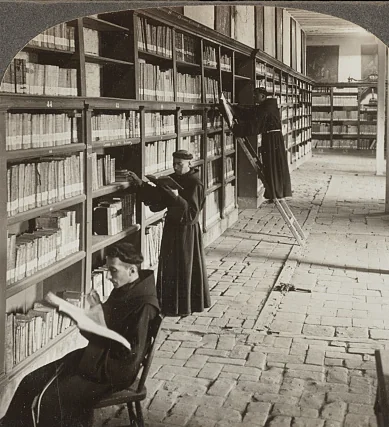
From the plaza, I walked narrow streets to the Monastery of San Francisco, past colonial balconies overhanging modern storefronts. The church itself is beautiful — yellow and white, with Moorish-influenced tilework that speaks to Spain's Islamic past — but I came for what lies beneath. The catacombs hold the bones of an estimated 25,000 people, arranged in deep pits organized by type: femurs here, skulls there, a macabre architecture of mortality. My guide explained that these were burial vaults from colonial times, before Lima had proper cemeteries, when the dead simply accumulated beneath the living. I stood looking down at centuries of anonymous dead and my eyes grew unexpectedly wet — hot tears surprising me with their urgency. So many lives reduced to bone, so much forgotten beneath what we see. I thought of my own mortality, of how all ambitions and anxieties will one day dissolve into silence. The moment left me humbled in ways that beauty alone cannot achieve.
Nevertheless, the Larco Museum in Pueblo Libre became my soul's destination. Rafael Larco Hoyle founded it in 1926 to house his private collection of pre-Columbian art, and it's extraordinary — room after room of ceramics from the Moche, Nazca, and Chimú cultures, all predating the Inca by centuries. The gold and silver gallery holds treasures that gleam under soft lighting: nose ornaments, ear spools, ceremonial knives, proof of artistic sophistication that European conquerors refused to acknowledge. Standing before a golden mask, I understood something about preservation as defiance, about memory as resistance. These objects survived conquest and plunder to end up in a vice-royal mansion turned museum. The irony isn't lost on anyone who visits.
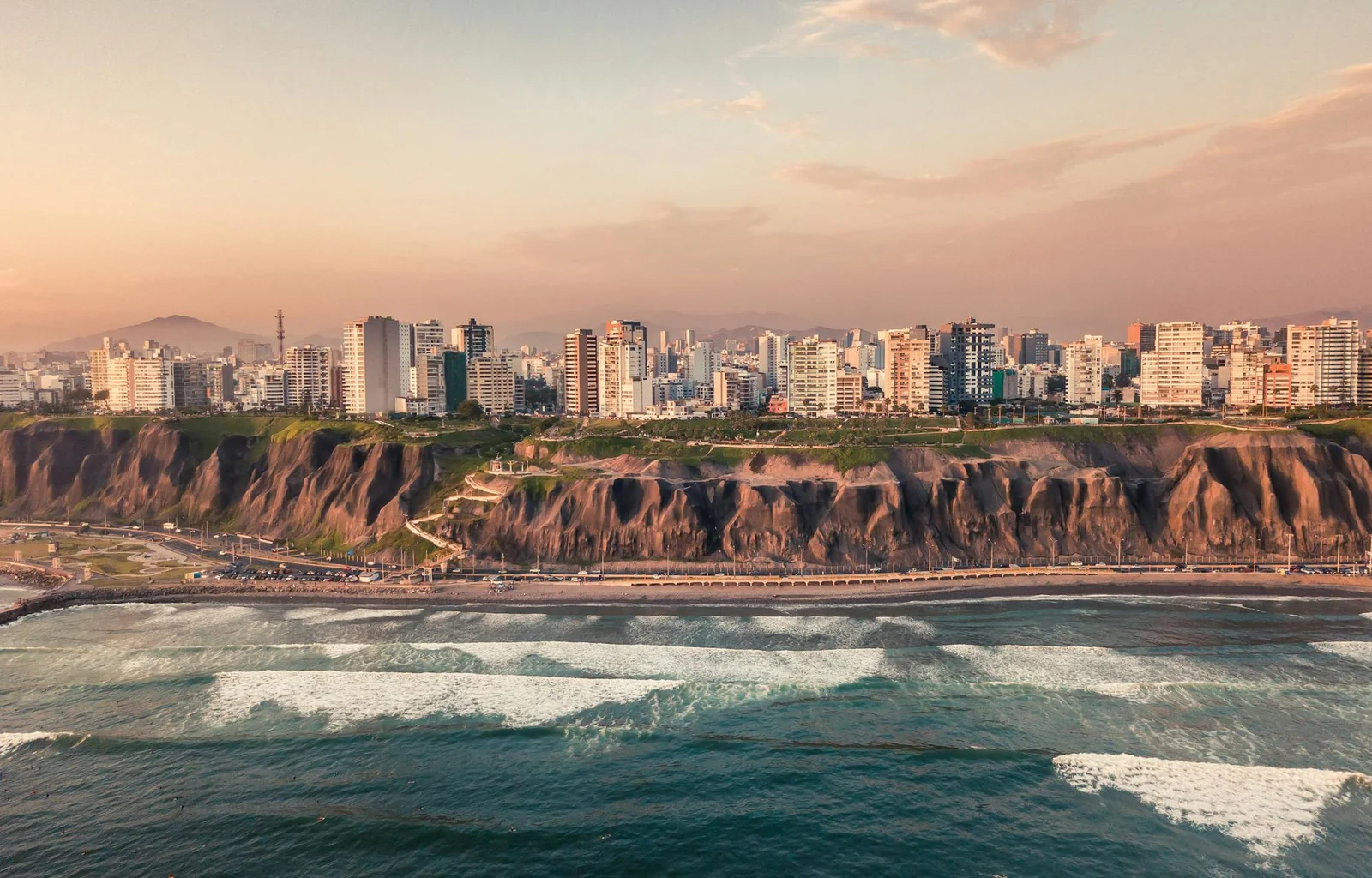
My afternoon took me to Miraflores, Lima's upscale coastal district. The contrast with the historic center jarred me initially — manicured parks, high-rise condos, boutique hotels, the Larcomar center built into the cliffs overlooking the Pacific. Surfers rode the waves at Playa Makaha below, and paragliders launched from the Parque del Amor, their colorful canopies drifting over the ocean like tropical birds. Yet even here, history intrudes. The Huaca Pucllana rises incongruously among luxury apartments — a massive adobe pyramid built around 500 CE, ancient ceremonial architecture surrounded by modernity. I walked its illuminated perimeter at sunset, the pyramid glowing amber against darkening sky, and marveled at how Lima layers its epochs so visibly.
For dinner, I ventured to Barranco, the bohemian neighborhood south of Miraflores. Barranco was Lima's beach resort in the nineteenth century, and its colonial mansions now house art galleries, live music venues, and some of Peru's finest restaurants. The Bridge of Sighs — a small wooden bridge that legend says you must cross while holding your breath and making a wish — charmed me with its simplicity. I crossed properly, breath held, and then sat down at a cevichería nearby. The ceviche arrived in a shallow bowl, the fish opaque and firm, the leche de tigre — that bright citrus marinade — sharp with lime and slow heat from the chili. Choclo, sweet potato, cancha scattered around the edges. I ate slowly, savoring every bite, tasting geography itself: the Pacific's cold Humboldt Current providing fish, the Andes providing potatoes and corn, the Amazon contributing chilies. Lima synthesizes three regions on a single plate.
Returning to Callao at sunset, I stopped at the Real Felipe Fortress. Built between 1747 and 1774 to defend against pirates and foreign navies, it's one of the largest Spanish fortifications in the Americas. Walking its ramparts, I watched the harbor transform from industrial gray to molten gold, ships silhouetted against the dying light, and thought about all the vessels that have passed through here: Spanish galleons carrying Andean silver, independence fighters breaking colonial chains, and now cruise ships bringing travelers like me. I am profoundly grateful for this glimpse into a civilization too vast to comprehend in a single day, yet generous enough to offer fragments that stay with you forever. Lima doesn't reveal herself easily, but what she offers to those willing to look is history made tangible, beauty wrought from struggle, and cuisine that proves greatness can emerge from scarcity. I learned that a place built on layers of conquest and loss can still teach generosity — that the best things in Lima are shared freely: a plate of ceviche, a sunset from the ramparts, a story told in bone and gold.
Featured Images
The Cruise Port
What you need to know before you dock.
- Terminal: Callao's cruise terminal sits within a secure commercial port zone. Ships dock at a dedicated cruise berth with a covered passenger walkway leading to the terminal building, where you will find basic amenities including restrooms, a small duty-free shop, and tourist information. Port agents and guides typically meet passengers inside the terminal gates.
- Port Security: Callao is an active commercial port, so security is strict. You will pass through checkpoints entering and exiting the terminal area. Keep your ship card and photo ID accessible at all times. The port perimeter is fenced and patrolled, and only authorized vehicles and ticketed passengers are permitted inside. Do not wander into the commercial container areas.
- Distance to Lima: The historic center of Lima lies approximately 15 km from the cruise terminal. Depending on traffic, the drive takes 30 to 60 minutes — plan for 45 minutes as a realistic average. Morning arrivals often encounter lighter traffic, while afternoon returns can stretch to 75 minutes or more during rush hour. Lima's traffic congestion is legendary, so always budget generous buffer time before your all-aboard deadline.
- Taxis & Transport: Licensed taxis queue just outside the port gate. Negotiate a fixed price before departing — expect $15-$25 USD one-way to central Lima, or $60-$100 USD for a full-day hire. Uber and other ride-hailing apps function in Lima but drivers cannot enter the port zone, so you would need to walk outside the gate to meet them. Ship-organized shuttle buses are sometimes available for a flat fee to Miraflores or the historic center.
- Currency: Peruvian Sol (PEN). US dollars widely accepted in tourist areas — bring small bills. ATMs throughout Lima dispense soles.
- Language: Spanish. English spoken at major hotels, museums, and by many tour guides. Basic Spanish phrases appreciated and helpful for taxis and markets.
- Best Season: December through April for warm, sunny weather. May through November brings the garua (coastal mist) and cooler temperatures, though Lima rarely rains. Cruise season peaks January through March.
Getting Around
Ship Excursions: Recommended for first-timers. Ship excursions typically cover the historic center, Larco Museum, and Miraflores in a full-day tour ($100-$180 USD). They guarantee your return to the ship — valuable given Lima's unpredictable traffic. Book ahead through your cruise line.
Taxi Hire: Private taxis wait at the port gate. Negotiate a full-day rate ($60-$100 USD) or per-trip pricing. Establish the price before departing. Some drivers speak English; most do not. Go independent with a reputable driver for flexibility. Low-moderate stamina level for vehicle-based sightseeing.
Uber/Apps: Uber and local apps work in Lima and are safer than street taxis. However, getting an Uber to Callao port can be difficult — use them primarily within Lima. Drivers cannot enter the port area.
Walking: Within Lima's districts, walking is pleasant. The historic center, Miraflores, and Barranco are all walkable once you arrive. Cobblestones and uneven surfaces in older areas require sturdy shoes. Moderate stamina level for full exploration. Wheelchair access varies — Miraflores is most accessible; the historic center has challenges.
Safety: Tourist areas are generally safe during daylight. Stay aware of surroundings, keep valuables secure, and avoid displaying expensive items. Don't wander from main tourist zones into unknown neighborhoods.
Accessibility Notes: Wheelchair users and those with limited mobility should ask the shore excursion desk about accessible transport options. Many ports have adapted vehicles available with advance booking. The terrain near the port is generally manageable, though conditions can vary significantly once you move into the older parts of town.
Port Map
Interactive map showing Callao port, Lima's historic center, Miraflores, and Barranco.
Excursions & Activities
How I'd spend my time ashore — whether you book a ship excursion or go independent.
Lima rewards both organized and independent exploration, but the distance from Callao and the city's notorious traffic make planning essential. A ship excursion offers a guaranteed return to port and typically covers the historic center, Larco Museum, and a Miraflores photo stop in a full-day tour ($100-$180 USD). For those who prefer to go independent, hiring a private taxi for the day ($60-$100 USD) gives you flexibility to linger where you choose. Either way, book ahead during peak season (January through March) to secure your preferred option, and always confirm your ship's all-aboard time before heading out.
Lima Historic Center & Plaza Mayor
Lima's colonial heart is a UNESCO World Heritage Site centered on the grand Plaza Mayor (also called Plaza de Armas). Founded by Francisco Pizarro in 1535, the square is flanked by the Cathedral of Lima, the Archbishop's Palace with its ornate wooden balconies, and the Government Palace where you can catch the changing of the guard at noon. The Cathedral houses Pizarro's tomb and a museum of religious art. A few blocks away, the Monastery of San Francisco draws visitors to its bone-lined catacombs — an eerie subterranean maze holding the remains of an estimated 25,000 colonial-era burials. The historic center is walkable once you arrive, with cobblestone streets connecting colonial churches, convents, and lively plazas. Allow 2-3 hours for a thorough visit. Cathedral entry $3 USD, San Francisco catacombs $4 USD.
Larco Museum
Set in an eighteenth-century vice-royal mansion surrounded by bougainvillea gardens, the Larco Museum in Pueblo Libre holds one of the finest collections of pre-Columbian art in the Americas. Galleries display thousands of ceramics from the Moche, Nazca, Chimu, and Inca cultures spanning 5,000 years. The gold and silver vault showcases ceremonial masks, ear spools, and intricate nose ornaments that rival anything in European museums. The famous erotic pottery gallery offers an unexpectedly frank look at Moche culture. A pleasant on-site cafe serves Peruvian cuisine in the garden courtyard. Located about 20 minutes from the historic center by taxi. Admission $10 USD. Allow 2 hours.
Miraflores
Lima's most polished coastal district sits on dramatic bluffs above the Pacific. The Malecon boardwalk stretches for miles along the clifftop, connecting manicured parks with ocean views. Parque del Amor features a mosaic sculpture inspired by Gaudi and is a favorite sunset spot. Larcomar, a shopping center built into the cliff face, offers boutiques, restaurants, and cinemas overlooking the surf. Adventurous visitors can tandem paraglide from the cliffs ($80 USD) for a breathtaking aerial view of Lima's coastline. The ancient Huaca Pucllana — a massive adobe pyramid dating to 500 CE — rises incongruously among modern apartment buildings and can be toured for $5 USD. Miraflores is the most wheelchair-accessible district in Lima, with smooth sidewalks and ramps along the Malecon. Allow 2-3 hours for a leisurely visit.
Barranco
Adjacent to Miraflores, bohemian Barranco is Lima's arts district. Former beach mansions now house galleries, street art murals, and live music venues. The iconic Bridge of Sighs (Puente de los Suspiros) — a small wooden footbridge over a ravine — is a beloved local landmark. Legend says you must cross it while holding your breath and making a wish. Barranco comes alive in the evening, but its cafes, craft shops, and colorful streets reward daytime exploration as well. Combined with Miraflores, this makes an excellent half-day itinerary.
Pachacamac Ruins
For travelers drawn to ancient history, the Pachacamac archaeological complex lies 40 km south of Lima. This sprawling site was a major pilgrimage center for over 1,500 years — long before the Inca Empire absorbed it. Adobe pyramids, painted temple walls, and a modern site museum with pre-Columbian artifacts make this a compelling alternative to the city sights. The drive takes about an hour from Callao. Ship excursions sometimes include Pachacamac; independent visitors can hire a taxi ($40-$60 round trip). Admission $5 USD. Allow 2-3 hours on site.
Food Tours & Ceviche
Lima consistently ranks among the world's greatest food cities, and a guided food tour is one of the finest ways to experience it. Walking tours through Miraflores and Barranco markets introduce you to ceviche (Peru's iconic raw fish cured in lime juice), causa (layered potato and seafood), anticuchos (grilled beef heart skewers), and lomo saltado (stir-fried beef with rice). Finish with a pisco sour at a traditional bar. Organized food tours run $40-$80 per person and typically last 3-4 hours. Independent travelers can simply walk into any well-regarded cevicheria — look for crowded lunchtime spots, which signal freshness. Budget $15-$30 USD for a generous ceviche lunch. A cooking class ($60-$100 half day) lets you learn to prepare these dishes yourself.
Depth Soundings
Callao existed before Lima. The natural harbor was used by indigenous fishermen long before Spanish conquest, and Pizarro's soldiers landed here in 1535 on their way to found Lima. The port became the terminus of Spain's silver trade — Andean wealth flowing through Callao to galleons bound for Seville. Pirates knew this. Francis Drake raided Callao in 1579, and fear of such attacks led eventually to the Real Felipe Fortress, built to defend Spanish interests against all comers.
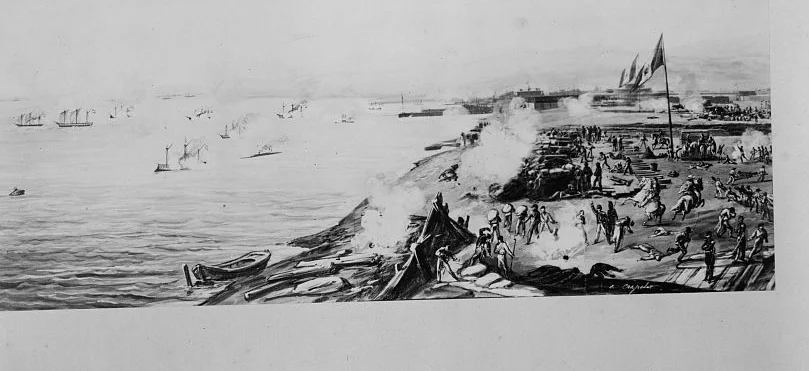
Independence came bloodily. Callao's fortress was the last Spanish stronghold in South America, holding out until 1826 — five years after Peru declared independence. The War of the Pacific (1879-1884) against Chile devastated the region, and Callao was occupied and looted. What you see today has been rebuilt multiple times, a port that keeps working despite earthquakes, wars, and economic upheavals.
Lima itself has grown enormously — from 600,000 in 1940 to over 10 million today. The city sprawls across a desert irrigated by rivers from the Andes, perpetually short of water, perpetually growing. Inequality is visible everywhere: penthouse condos overlooking hillside slums, gleaming commercial centers adjacent to informal settlements. Yet Lima's cultural wealth is undeniable — pre-Columbian, colonial, Republican, and modern layers coexisting in ways that reward patient exploration.
Money: The local currency is Peruvian Sol (PEN). US dollars widely accepted in tourist areas — bring small bills. ATMs throughout Lima dispense soles. Credit cards accepted at most tourist establishments. Budget $30–$80 per person for a comfortable day including lunch, transport, and a few entry fees.
Timing: Start early if your ship arrives at dawn — the first hours offer pleasant conditions and smaller crowds. Allow at least 30 minutes buffer before all-aboard time. Set a phone alarm as backup. Most port visits allow 8–10 hours on shore, which is enough to see the highlights without rushing if you prioritize well.
Photo Gallery




Frequently Asked Questions
Q: Is Callao worth visiting on a cruise stop?
A: Callao itself is an industrial port, but Lima is absolutely worth visiting. Colonial architecture, exceptional museums, and legendary cuisine make this one of South America's great city experiences. However, everything requires transportation from the port.
Q: Can I visit Machu Picchu from Callao?
A: No. Machu Picchu requires flying to Cusco, acclimatizing to high altitude, and taking a train. It's a multi-day journey that cannot be done during a single port call. Lima offers different but equally significant experiences.
Q: Is Lima safe for tourists?
A: Tourist areas like Miraflores, Barranco, and the historic center are generally safe during daylight with normal travel precautions. Stay aware of surroundings, use reputable transportation, and keep valuables secure. Nevertheless, Lima is a major city — exercise the same caution you would anywhere.
Q: What should I eat in Lima?
A: Ceviche is essential — fresh fish in lime juice, best at lunch. Also try lomo saltado, causa, and anticuchos. Finish with a pisco sour. Lima consistently ranks among the finest food destinations on the planet.
Q: How much time do I need?
A: A full port day (8-10 hours) allows either the historic center plus Larco Museum, or Miraflores plus Barranco and a leisurely lunch. Trying to see everything leads to a rushed, traffic-stressed experience.
Q: Should I book a ship excursion or go independent?
A: Ship excursions guarantee your return — important given Lima's traffic. Independent travel offers flexibility and often better value. If comfortable navigating foreign cities and monitoring time carefully, go independent. First-timers or cautious travelers should consider ship excursions.
Q: When is the best time to visit Lima from Callao?
A: The "Best Season" line on this page reads: "December through April for warm, sunny weather. May through November brings the garua (coastal mist) and cooler temperatures, though Lima rarely rains. Cruise season peaks January through March." The glance Temperature reads "57-81°F — desert coast with persistent overcast."
Q: When is Callao's storm season?
A: The glance Rain entry reads "Almost none — one of driest capitals" and Humidity reads "High year-round — garúa fog." The logbook describes "the garúa — Lima's characteristic coastal mist — hung low over the harbor, softening everything into watercolor." For current weather outlook on a specific sailing date, the live weather widget in the seasonal panel above is the primary source.
Q: What should I pack for Lima's weather?
A: The glance Temperature reads "57-81°F — desert coast with persistent overcast." Humidity reads "High year-round — garúa fog." The Packing Tips section lists "Sunscreen and sunglasses — essential year-round"; "Light layers for variable temperatures"; "Comfortable walking shoes for exploring"; "Rain jacket or compact umbrella."
Q: Will rain ruin my Lima port day?
A: The glance Rain entry reads "Almost none — one of driest capitals." The "Best Season" line adds: "Lima rarely rains." The garúa coastal mist (Humidity "High year-round — garúa fog") produces damp gray conditions without a downpour. For short-term forecasts on a specific sailing date, the live weather widget in the seasonal panel above is the primary source.