

Tender Port
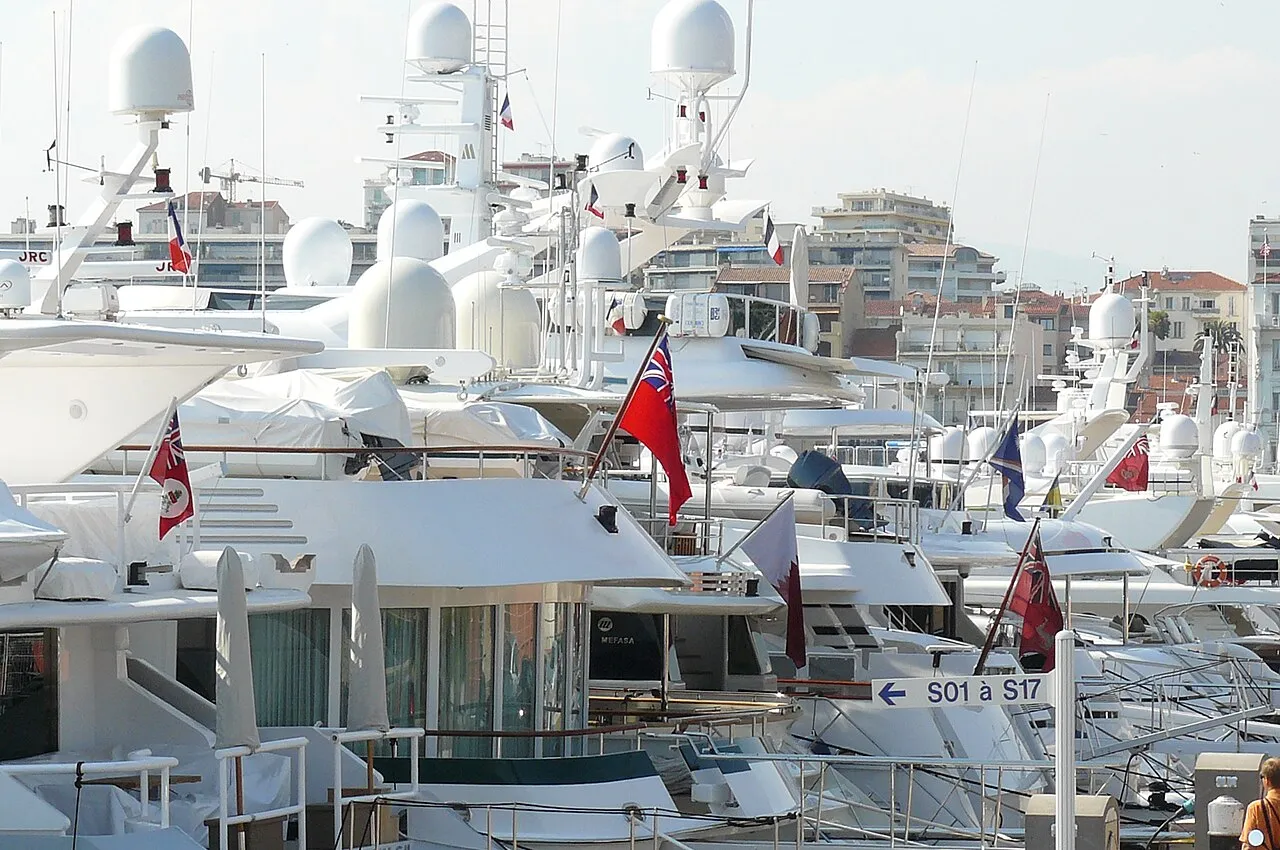
Ships anchor offshore and passengers take small boats (tenders) to Vieux Port, putting you about five minutes' walk from La Croisette and the Palais des Festivals. High winds or rough seas can delay or cancel service.
Weather & Best Time to Visit
Cruise Port
Tender Port Reality: Cannes is a tender port — your ship anchors in the bay and you take a small tender boat to reach shore. Tenders land at the Vieux Port (Old Port), putting you directly in the heart of the action. The tender ride takes 10-15 minutes and runs continuously throughout the day. In rough weather, tender operations may be delayed or cancelled — a rare occurrence in summer but worth noting.
Terminal Facilities: There's no traditional cruise terminal — you step off the tender onto the Vieux Port quay. Tourist information kiosk nearby. Restrooms available at the port. WiFi at cafés. The Palais des Festivals is a 5-minute walk east, La Croisette begins immediately, and Le Suquet rises to the west.
Tender Timing: Allow 30 minutes for the tender process each way, more during peak disembarkation. Last tender times are announced daily — note them carefully. Ship excursion participants typically board first; independent travelers should arrive early for best timing.
Getting Around
Walking: Cannes is wonderfully walkable from the tender landing. La Croisette stretches about 2 km along the waterfront — easy and flat. Le Suquet involves a short but steep climb on cobblestones; wear sturdy shoes. Most attractions are within 20 minutes' walk of Vieux Port. Low stamina level for waterfront; moderate for Le Suquet. Wheelchair users will find La Croisette accessible but Le Suquet challenging.
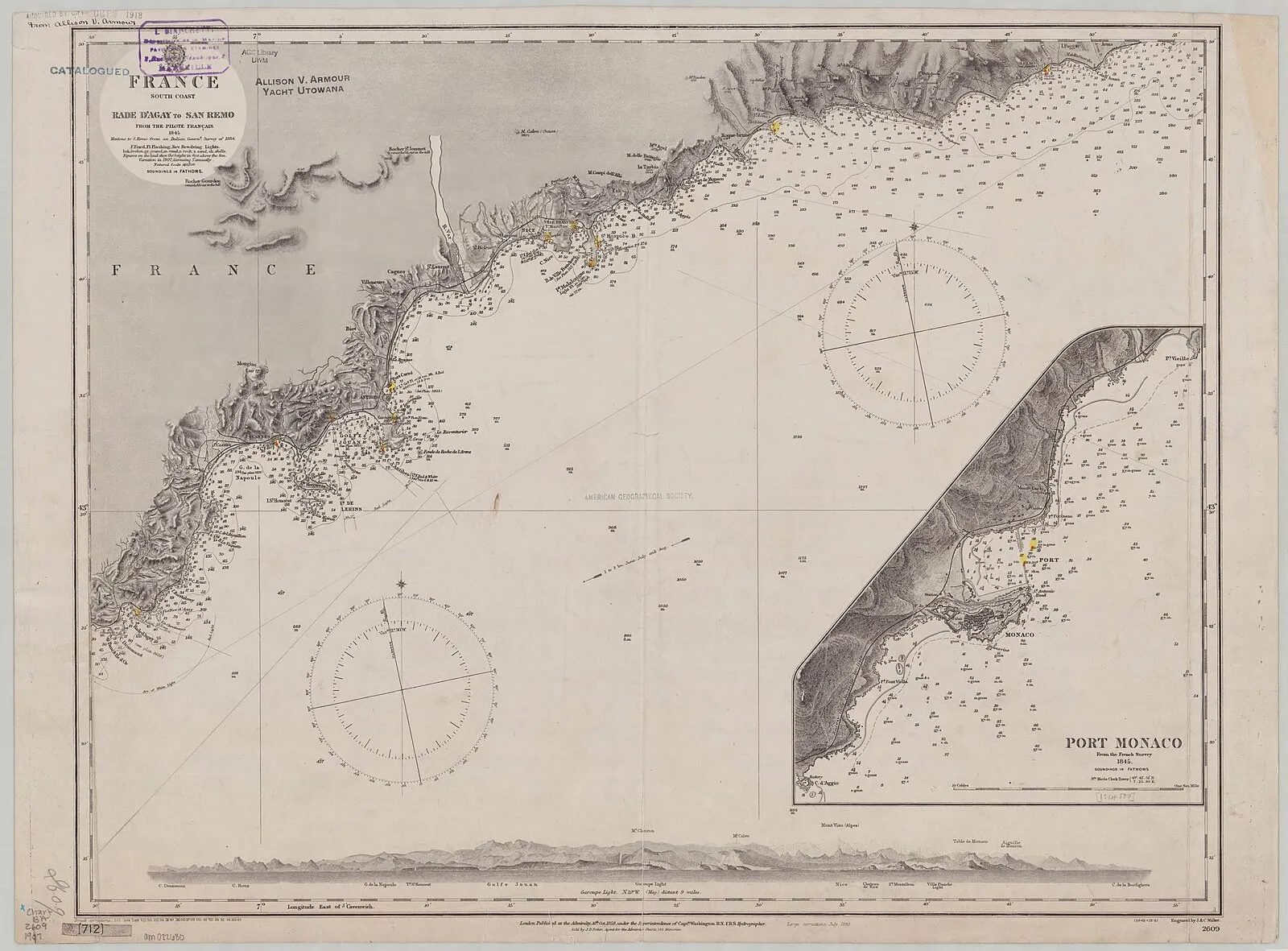
Island Ferry: Ferries to Île Sainte-Marguerite depart from Vieux Port every 30 minutes. Tickets €15-€20 round trip, purchased at the harbor kiosk. No advance booking required except during peak season. The 20-minute crossing is scenic and calm. Go independent for this — ship excursions to the island are overpriced for what's essentially a ferry ride. Budget 3-4 hours for a satisfying island visit.
Public Transport: Palm Bus serves Cannes and nearby towns. Useful for reaching Antibes or other Riviera destinations if time permits. €1.50 per ride. Not necessary for exploring central Cannes.
Taxis: Available at Vieux Port. Useful for reaching destinations outside walking range or if Le Suquet's climb is prohibitive. Expect €15-€20 to Antibes. Drivers speak limited English; have your destination written down or use translation apps for smooth communication.
Port Map
Interactive map showing tender landing at Vieux Port, La Croisette, Le Suquet, and key attractions.
Shore Excursions
La Croisette and Palais des Festivals
Walk the legendary promenade lined with palm trees and art deco hotels. The Palais des Festivals hosts the annual Cannes Film Festival each May — outside, celebrity handprints are set into the pavement. During festival season, red carpets and photographers transform the area. Free to explore independently; ship excursions unnecessary unless you want guided commentary. No booking required. Low stamina level on flat, paved surfaces. Allow 1-2 hours for a leisurely stroll including photo stops.
Le Suquet Medieval Quarter
The original Cannes, perched on the hill above Vieux Port. Narrow medieval streets, 14th-century architecture, and the 12th-century castle housing Musée de la Castre (€6 entry). Notre-Dame d'Espérance church offers quiet contemplation. The climb is steep but short — rewarded with spectacular bay views. Go independent for flexibility. Moderate stamina level due to incline and cobblestones. Allow 2-3 hours including museum time.
Île Sainte-Marguerite
Pine-forested island 20 minutes offshore by ferry. Walk forest trails, swim in hidden coves, visit the fortress where the legendary Man in the Iron Mask was imprisoned. Fort Royal Museum included with island landing. Ferry €15-€20 round trip from Vieux Port; departures every 30 minutes. Ship excursions charge $80-$100 USD for essentially the same experience — go independent to save significantly. Book ahead not required except peak summer. Low-moderate stamina level on island trails. Allow 3-4 hours for satisfying exploration.
Private Waterfront Experience
Cannes' exclusive establishments (plages privées) offer loungers, umbrellas, and service on the waterfront. Expect €20-€40 per person for the day. Food and drink at extra cost but high quality. Reservations helpful during peak season but often available same-day. Go independent — much cheaper than ship-organized experiences. Low stamina level. A quintessential French Riviera experience worth the splurge.
Day Trip to Nice or Monaco
Train connections from Cannes station (15 minutes from Vieux Port) reach Nice in 30 minutes (€8), Monaco in 60 minutes (€12). Ship excursions charge $150-$200 USD for similar itineraries. Go independent with train travel for significant savings, but monitor time carefully — missing the last tender is not an option. Moderate stamina level with considerable walking. Book ahead not required for trains but verify schedules. Full-day commitment.
Provençal Wine and Village Tours
Half-day tours into the hills behind Cannes visit medieval villages like Mougins and Grasse (perfume capital). Ship excursions $100-$150 USD; private operators offer similar at €60-€80 per person. Includes village walking and often tastings at local producers. Book ahead recommended for specific operators. Low-moderate stamina level with some walking on uneven village streets. An excellent alternative to waterfront activities.
Local Flavors
Salade Niçoise: The Riviera's signature dish — fresh tuna (seared or quality canned), tomatoes, olives, green beans, eggs, and anchovies on dressed greens. €18-€28 at waterfront restaurants. Absolutely essential to try.
Rosé: Provence produces France's finest pink wine. Order by the glass (€8-€12) or share a bottle. Pale, dry, and perfect with seafood. Most restaurants offer local options.
Socca: Chickpea flour pancake, crispy at the edges, soft in the middle. Street food from Nice that's found throughout the Riviera. €3-€6 for a satisfying portion.
Seafood: Fresh Mediterranean fish, shellfish, and bouillabaisse (fish stew) at waterfront restaurants. Quality varies with price — expect €35-€60 for substantial seafood meals. Le Suquet has more affordable options than La Croisette.
Pastries: French bakeries throughout town offer croissants, pain au chocolat, and tarts. €2-€5 for breakfast treats. Maison Ladurée on La Croisette for legendary macarons.
Important Notices
Tender Operations: Weather can affect tender service. Rough seas may delay or cancel operations — rare in summer but possible in spring and autumn. Stay flexible with plans.
Film Festival Season: During the Cannes Film Festival (usually mid-May), the town transforms completely. Hotels fully booked, restaurants require reservations, and crowds intensify. Exciting to witness but more challenging to navigate.
Private Area Etiquette: Most waterfront areas along La Croisette are private establishments requiring payment. Public sections exist but are limited and crowded. Budget for private access if waterfront relaxation is your priority.
Sun Protection: Mediterranean sun is intense, especially summer. Bring sunscreen, hat, and sunglasses. The waterfront offers little shade outside private establishments.
Depth Soundings
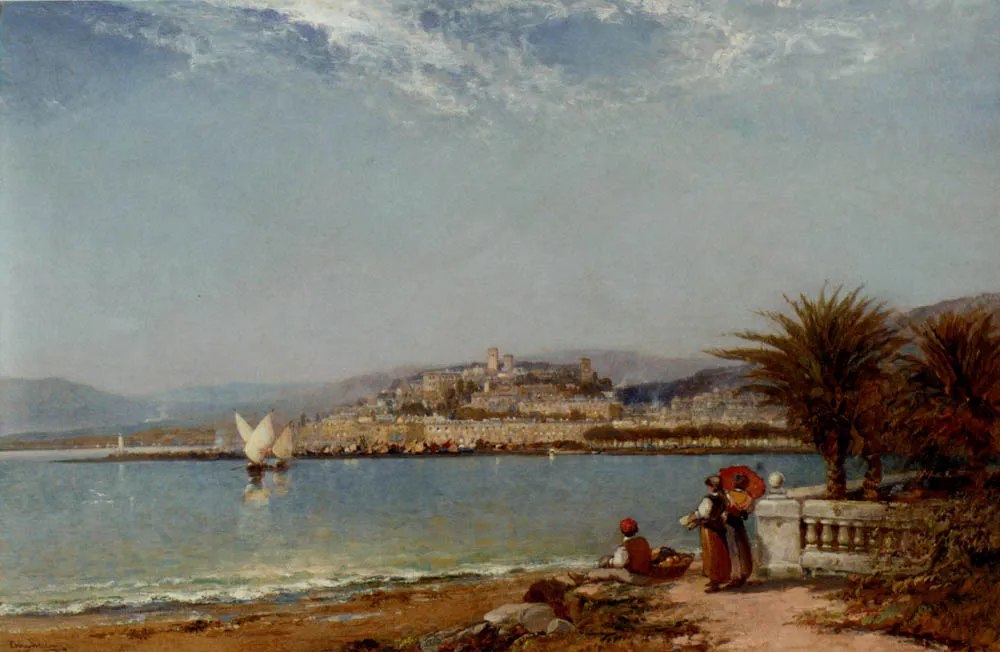
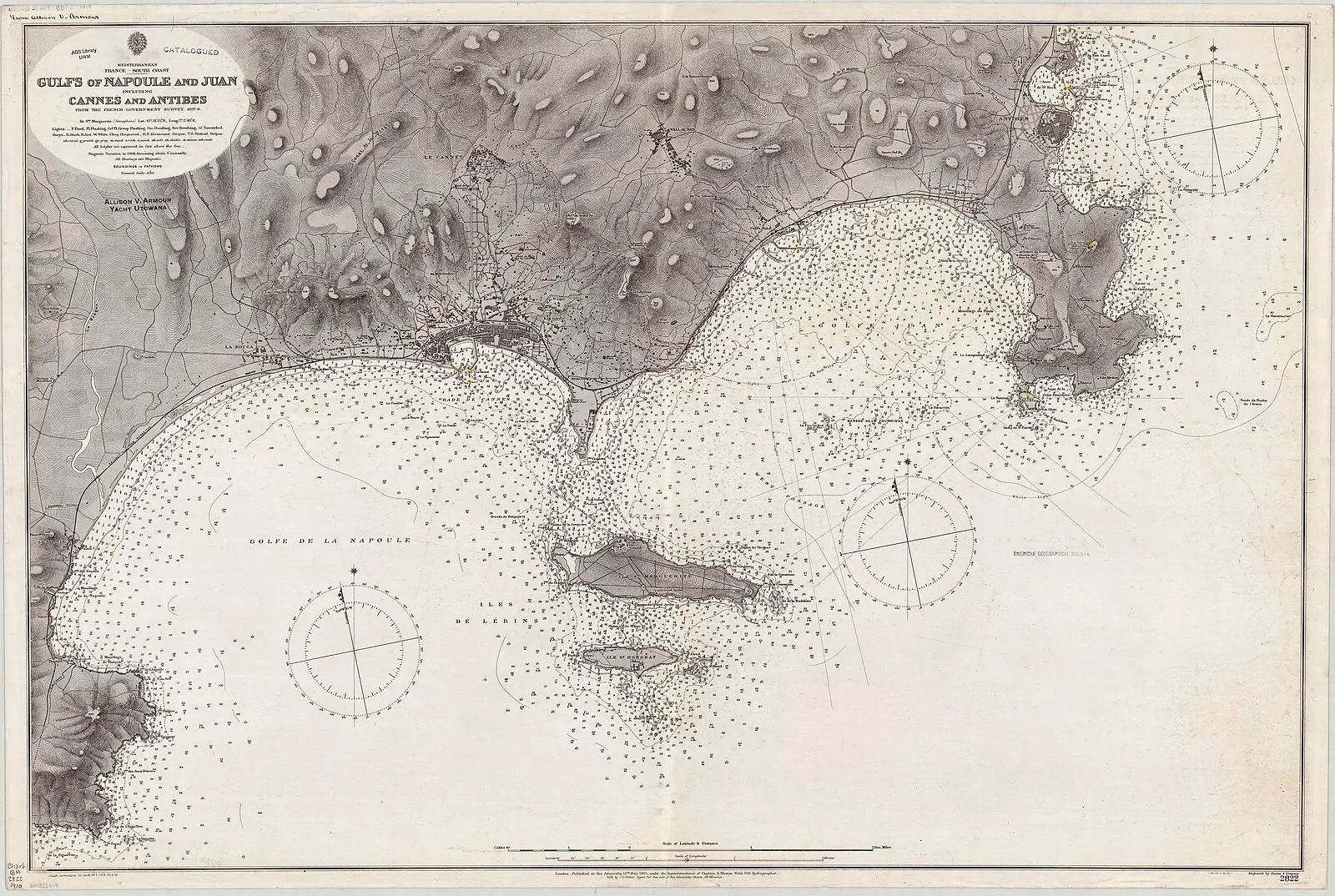
Cannes existed long before film festivals and red carpets. The Romans knew this bay, and medieval towers still watch from Le Suquet's heights — remnants of an era when the primary concern was Saracen pirates, not paparazzi. The Lérins Islands offshore held monasteries since the 5th century; monks still live on Île Saint-Honorat, producing wine and honey. The fortress on Sainte-Marguerite imprisoned the mysterious Man in the Iron Mask — or so legend claims — adding another layer to this coast's accumulated stories.
Lord Brougham's accidental discovery in 1834 transformed everything. The British aristocracy followed, then European royalty, then artists and writers drawn by the light that painters still seek. The railway arrived in 1863, making Cannes accessible to anyone wealthy enough to dream of Mediterranean winters. By the turn of the 20th century, the grand hotels along La Croisette were rising, their belle époque facades promising elegance to anyone who could afford it.
The Film Festival began in 1946, intended as an alternative to Venice's increasingly politicized event. What started as cultural competition became global spectacle — each May, the world's cinema converges here, and for two weeks Cannes becomes the center of movie industry gravity. Yet the town itself persists beneath the celebrity veneer: fishermen still work the Vieux Port, the medieval quarter still whispers its old stories, and the Mediterranean still holds this place in its ancient embrace, indifferent to fame and glamour alike.
Practical Information
Currency: Euro (€). Cards widely accepted; cash useful for smaller purchases and ferry tickets. ATMs throughout town.
Language: French. English widely spoken in tourist areas along La Croisette and at the Palais. Basic French phrases appreciated everywhere.
Weather: Mediterranean climate. Summers hot and dry (25-30°C), winters mild (10-15°C). Swimming season May through October. Rain rare but possible especially in autumn.
Accessibility: La Croisette is flat and wheelchair accessible. Le Suquet's medieval streets are challenging for wheelchairs and strollers. Tenders may pose difficulties for those with mobility limitations — inform cruise staff in advance.
Communications: WiFi at cafés and restaurants. European mobile coverage excellent. French SIM cards available at tobacco shops.
Photo Gallery
Frequently Asked Questions
Q: Is Cannes worth visiting on a cruise?
A: Yes. Cannes offers the French Riviera experience in concentrated form — glamorous promenade, excellent dining, beautiful waterfront, historic quarter, and island escapes. The tender-port arrangement adds charm rather than inconvenience.
Q: What is Cannes famous for?
A: The Cannes Film Festival each May, when global cinema descends and red carpets unfurl. However, the town offers year-round appeal: La Croisette's elegance, Le Suquet's medieval character, and Mediterranean waterfront culture.
Q: Can I swim in Cannes?
A: Absolutely. The waterfront along La Croisette offers both private establishments (€20-€40 per person) and limited public sections. Water is clean and typically warm from May through October. The island has quieter swimming in secluded coves.
Q: How much time do I need?
A: A full port day (6-8 hours) allows comfortable exploration of La Croisette, Le Suquet, and lunch — or La Croisette plus the island. Trying to do everything leads to rushing. Choose your priorities.
Q: Is Cannes expensive?
A: It can be. Waterfront restaurants and private establishments charge premium prices. Nevertheless, you can explore for free, find affordable meals in Le Suquet, and enjoy the atmosphere without spending heavily. Budget €50-€100 per person for a comfortable day with lunch and water access.
Q: Should I book a ship excursion or go independent?
A: Go independent. Cannes is easily navigated on foot, and ship excursions are overpriced for what's essentially walking. The only exception might be organized day trips to Nice or Monaco if you're uncertain about train navigation.
Q: When is the best time to visit Cannes?
A: The Mediterranean cruise season runs roughly Apr-Oct with summer (Jun-Aug) bringing the warmest, driest conditions and the heaviest crowds. May (Film Festival) is busy and pricey. April-May and September-October split the difference — pleasant weather, thinner crowds, fewer mistral days. The live weather widget in the seasonal panel above is the primary source for short-term conditions on a specific sailing date.
Q: When is Cannes's storm season?
A: Cannes sits at ~43°N on the French Riviera — outside the tropical-cyclone tracks. The relevant heavy-weather patterns are the mistral (a cold, dry northerly wind that channels down the Rhône valley most often in winter and spring, gusty enough to suspend tender operations) and Mediterranean autumn storms (Sep-Nov) which bring heavy rain to the Côte d'Azur. Cannes is also a tender port, so swell and high winds matter more here than at a piered port. The live weather widget in the seasonal panel above is the primary source for current conditions on a specific sailing date.
Q: What should I pack for a Cannes port day?
A: Light layers and comfortable walking shoes for La Croisette and the Le Suquet old-town climbs. Sunscreen year-round. Swimsuit for the beaches if visiting May-Oct. A light wrap for evening if your call is overnight. The mistral can chill spring or autumn afternoons unexpectedly, so a packable windbreaker matters in the shoulder months.
Q: Will rain ruin my Cannes port day?
A: Mediterranean Cannes is reliably dry through summer; rain risk picks up Sep-Nov when Mediterranean autumn storms can drop heavy bursts within hours. The compact downtown keeps shelter close — La Croisette's covered arcades, the Marché Forville under its roof, Le Suquet's narrow alleys, and the Palais des Festivals plaza. Tender service is the bigger weather variable than rain itself; high winds can delay or cancel boats from the offshore anchorage. The live weather widget in the seasonal panel above is the primary source for short-term forecasts on a specific sailing date.
Last reviewed: February 2026
Captain's Logbook
✓ No ads. Works offline. Independent of cruise lines. No affiliate links
Captain's Logbook
Cannes
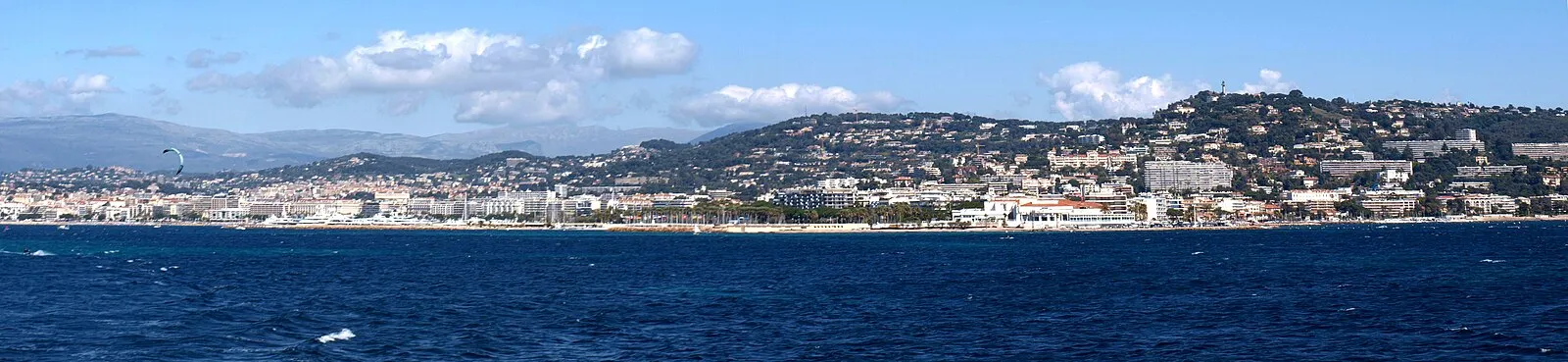
Cannes doesn't announce itself with a pier — it invites you in gently, by tender, the ship anchored offshore like a patient guest waiting to be welcomed. The moment our small boat rounded the breakwater and I saw the sweep of La Croisette unfurling along the bay — that famous palm-shaded promenade with its art deco hotel palaces gleaming white and cream against the Mediterranean blue — I understood why this town of some 74,000 souls has captured the world's imagination since long before the first Film Festival unfurled its red carpet in 1946.
However, there's a story they tell here, about Lord Brougham, an English traveler quarantined in Cannes in 1834 during a cholera outbreak. He couldn't proceed to Italy as planned, so he stayed. And stayed. And fell so deeply in love with this fishing village that he built a villa and spent every winter here until his death, bringing the British aristocracy in his wake. Cannes owes its transformation from quiet harbor to glittering resort to a man who was forced to stop — and chose to remain. I think about that every time I step off a tender here: sometimes the detours become the destinations.
La Croisette stretches before you like a promise kept. This wasn't always so polished — the promenade took its current form in 1960, when they created the beaches and formalized what had been a casual shoreline into this grand sweep of elegance. I walked it in the early morning, when the palm shadows were still long and cool, past the private clubs with their neat rows of loungers waiting for the day's parade of sunbathers. The hotels — Carlton, Martinez, Majestic — rise like monuments to a more glamorous age, their belle époque facades watching over everything with benevolent grandeur. The Palais des Festivals et des Congrès sits at the heart of the Croisette, a modern building that opened in 1982. This is the beating heart of the Cannes Film Festival, that impossibly glamorous gathering each May that has made this city synonymous with cinema. The handprints of stars are set into the pavement outside — I put my hand in Marion Cotillard's print and felt the strange thrill of touching a place where art and celebrity intersect.
Nevertheless, I wanted to see the Cannes that existed before the cameras arrived, so I climbed west up into Le Suquet, the oldest quarter perched above the Vieux Port. The streets narrow and twist as you ascend, the buildings pressing close in that medieval way, their shutters painted in faded ochres and soft greens. This is 14th-century Cannes, built when the town was more concerned with watching for pirates than premieres. At the summit stands the 12th-century castle — fortified stone walls that now house the Musée de la Castre, with collections ranging from ethnography to antiquities. The views from up here are extraordinary: the bay sweeping east toward Antibes, the Lérins Islands floating offshore, and below, the geometric perfection of modern Cannes laid out like a promise of what prosperity and beauty can build together.
Just beside the castle, I found Notre-Dame d'Espérance, a Gothic church whose name means "Our Lady of Hope." It's a quiet, cool refuge from the glamour below — stone and stained glass, candles flickering in the dimness, the smell of old incense. I sat in a pew and listened to the silence, thinking about how every glittering resort needs its still, sacred places. My eyes welled with unexpected tears in that dim interior — not from sadness, but from the sudden recognition that beauty comes in many forms, some loud and some whispered, and both deserve our attention.
Lunch was salade niçoise and cold rosé at one of the private establishments along La Croisette, with its white umbrellas and attentive service. The water was impossibly clear, that particular Mediterranean blue-green that seems lit from within. I swam out past the roped area and floated on my back, watching the palms sway and the hotel facades gleam, thinking about Lord Brougham and that first reluctant winter he spent here. The salade arrived with perfectly seared tuna, olives from the hills behind Nice, and tomatoes that tasted like summer concentrated. The rosé was pale and dry, tasting of Provence itself. The meal cost €45 but worth every centime for the setting, the service, and the sense of being cared for in this most elegant of places.
In the afternoon, I took the ferry to Île Sainte-Marguerite — just twenty minutes offshore, but a world away from the polished elegance of the mainland. Pine forests, secret coves, the fortress where the Man in the Iron Mask was supposedly imprisoned. I found a hidden inlet and swam in water so still it felt like floating in liquid light. When I looked back toward Cannes, the city shimmered across the water like a mirage, all those art deco dreams and film festival fantasies glowing in the slanting afternoon sun. The contrast is what makes Cannes unforgettable: the glamour and the wildness, the red carpets and the rough stone, the place where cinema met the sea and decided to stay.
I returned to Le Suquet at sunset and stood at the castle ramparts watching the light turn the bay to molten gold. Yachts swayed at anchor, the Croisette glowed amber, and somewhere below me a jazz quartet began playing in a terrace restaurant. I am profoundly grateful for this town's particular magic — not just the famous people who visit each May, but the light, the way the Mediterranean holds Cannes in its ancient blue embrace, and the way a place can be both a stage and a sanctuary, depending on where you choose to look. Sometimes the detours become the destinations, and sometimes the detours become the whole point of the journey.
Depth Soundings
Money: ATMs are generally available near the port area, though fees vary. Credit cards are widely accepted at tourist-oriented establishments, but carry some local cash for markets, street food, and smaller vendors. Your ship's exchange rate is typically unfavorable — withdraw from a bank ATM instead. Budget $30–$80 per person for a comfortable day including lunch, transport, and a few entry fees.
Timing: Start early if your ship arrives at dawn — the first hours offer pleasant conditions and smaller crowds. Allow at least 30 minutes buffer before all-aboard time. Set a phone alarm as backup. Most port visits allow 8–10 hours on shore, which is enough to see the highlights without rushing if you prioritize well.
Safety: Standard port-town awareness applies — keep valuables close and stick to well-traveled areas during daylight. Your ship's ID card is your most important item — losing it creates a genuine headache at the gangway. Pickpockets occasionally target crowded areas along La Croisette and near the Old Port — keep bags zipped and phones secure in busy spots.
Communication: Wi-Fi is often available at cafés and restaurants near the port. Consider downloading offline maps before disembarking — cellular data roaming charges can be substantial and surprising. Google Maps offline mode or Maps.me work well for navigation without data.
Food & Water: Tap water safety varies by destination — ask locally or buy bottled water to be safe. The best food often comes from busy local restaurants rather than tourist-facing spots near the port. Lunch at a popular local place typically costs $8–$20 per person. Street food can be excellent value if you choose busy stalls with high turnover.