
Weather & Best Time to Visit
Cruise Port
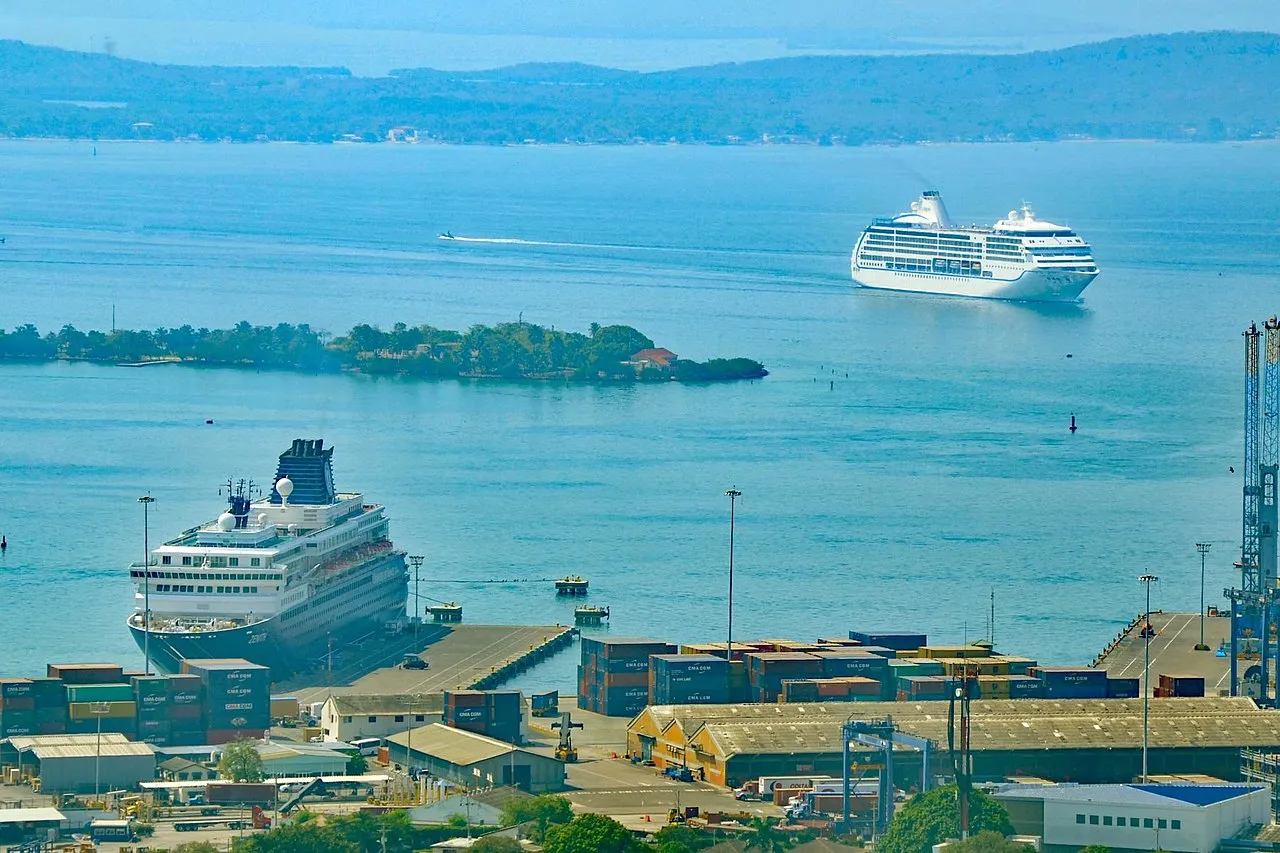
Terminal Location: The Cartagena cruise terminal sits in the modern port area, separate from the walled city. You cannot walk to attractions — the terminal is approximately 10-15 minutes by taxi from the historic center. Official yellow taxis and cruise shuttle services wait at the terminal.
Terminal Facilities: The terminal has basic amenities including restrooms, tourist information, and money exchange (rates better in town). WiFi available but unreliable. Arrange transportation before leaving the terminal — it is easier than finding transport later.
Getting to the Walled City: Taxis cost approximately $10,000-$15,000 COP ($2.50-$4 USD) one way. Negotiate before departing. Ship-organized shuttles are more expensive but may be more convenient for first-timers. Uber works but drivers sometimes cannot access the terminal.
Getting Around
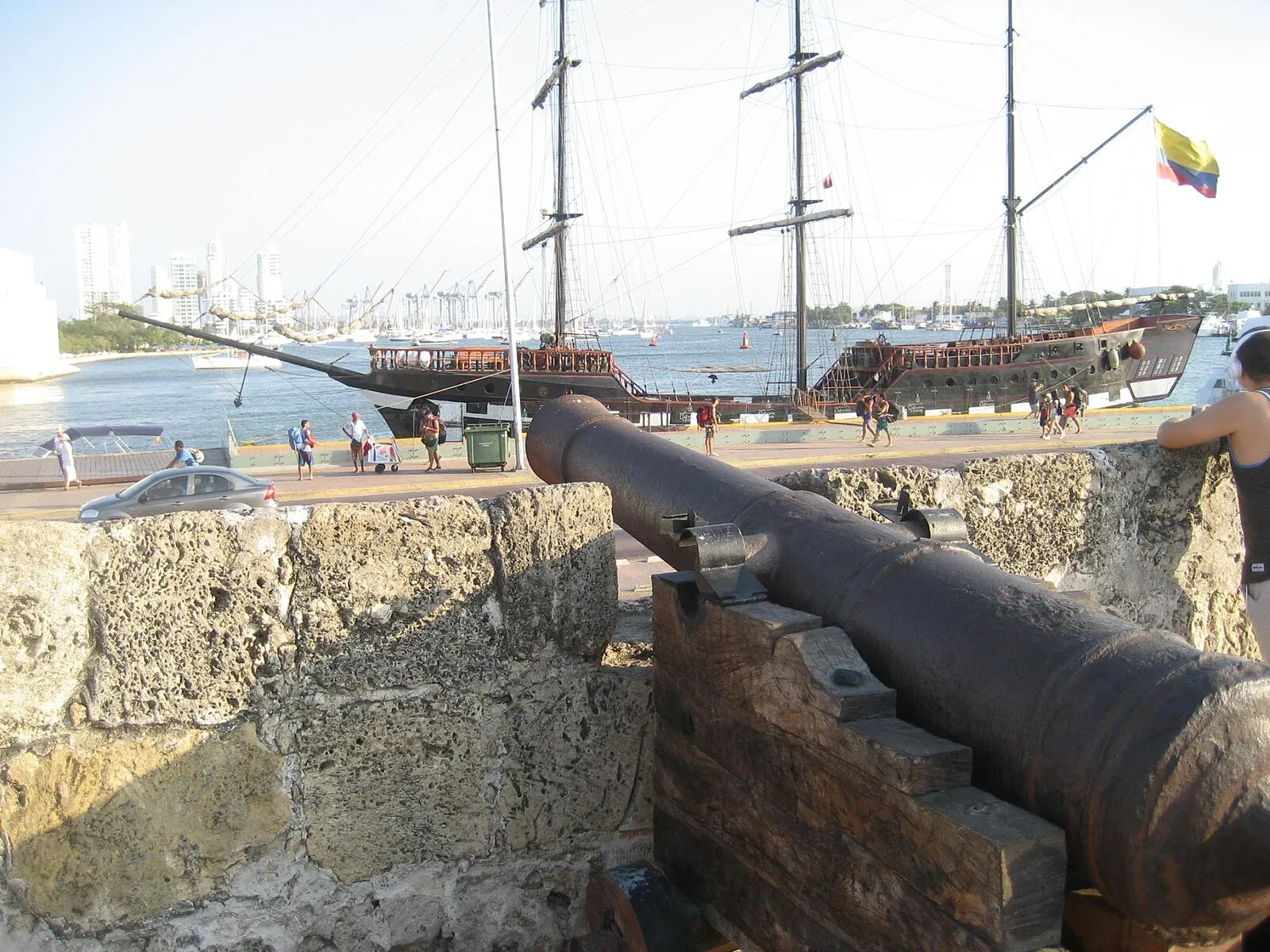
Walking: Once inside the walled city, everything is walkable. The old town is compact — you can cross it in 20 minutes — but plan to wander slowly and get deliberately lost in the beautiful maze. Cobblestones are uneven; wear sturdy, comfortable shoes. The walls themselves offer a walking path with spectacular views. Moderate stamina level due to heat and humidity; go slow and stay hydrated. Wheelchair access limited in the historic center due to cobblestones and curbs.
Castillo San Felipe: Located outside the walls, about a 15-minute walk or short taxi ($5,000-$8,000 COP, $1.50-$2 USD) from the clock tower. The climb to the top is steep and hot — high stamina level. Worth every step for the views and tunnel exploration.
Getsemani: Adjacent to the walled city, just outside the walls through Plaza de la Trinidad. Easy walking distance from the historic center. Lower stamina level — flat streets, more shade. Safe during the day; exercise caution after dark in less-trafficked areas.
Taxis: Official yellow taxis are safe and inexpensive. Always negotiate the fare before departing — most rides within the tourist areas cost $8,000-$15,000 COP ($2-$4 USD). Drivers speak limited English; have your destination written down.
Heat Strategy: Cartagena is hot and humid year-round. Explore in the morning, find shade and air conditioning during midday, and return to walking in late afternoon. Carry water constantly. The best light for photography is golden hour before sunset.
Port Map
Interactive map showing cruise terminal, walled city, Castillo San Felipe, Getsemani, and key attractions.
Shore Excursions
Walled City Walking Tour
Essential Cartagena experience. Walk through the clock tower gate, explore colonial plazas, visit the cathedral, and discover hidden courtyards. Guides explain 500 years of stories — conquistadors, pirates, independence struggles. Ship excursions $50-$80 USD; independent guides at the clock tower charge $20-$40 USD for 2-3 hour tours. Go independent for flexibility and personal attention. Book ahead not required — guides available at the clock tower. Moderate stamina level due to heat and cobblestones. Allow 2-3 hours minimum.
Castillo San Felipe de Barajas
The largest Spanish colonial fortress in the Americas. Explore tunnels designed for acoustic surveillance, climb to panoramic viewpoints, and understand the engineering that made this fortress unconquerable. Entry $25,000 COP (about $6 USD). Guided tours available at the entrance add significant context ($20,000-$30,000 COP additional). Ship excursions combine with city tour for $80-$120 USD. Go independent for better value. Book ahead not required. High stamina level — steep ramps, hot sun, limited shade. Allow 1.5-2 hours. Bring water.
Getsemani Street Art Tour
Cartagena's bohemian neighborhood outside the walls. Discover murals celebrating Afro-Colombian heritage, visit artisan workshops, and experience the creative soul of modern Cartagena. Some ship excursions include this; independent walking is free and rewarding. Best combined with afternoon Plaza de la Trinidad atmosphere. Go independent for authentic experience. Low-moderate stamina level. Allow 1-2 hours.
Museums and Culture
The Gold Museum (Museo del Oro Zenu) displays pre-Columbian artifacts — free admission. The Palace of the Inquisition offers dark history with original instruments and local context — $10,000 COP entry (about $2.50 USD). Both located within the walled city. Go independent — easy to visit between wandering. Low stamina level in air-conditioned museums. Allow 30-45 minutes each.
Rosario Islands Day Trip
Caribbean island escape for swimming and snorkeling. Boats depart from the tourist pier inside the walled city. Full-day trips $80,000-$150,000 COP ($20-$40 USD) including lunch and snorkel equipment. Ship excursions charge $120-$180 USD for similar experiences. Go independent with boat operators at the pier. Book ahead recommended during peak season. Low-moderate stamina level — mostly relaxing on the water. Requires full port day commitment — 8-10 hours. Only choose this option if your ship has a full port day — the walled city deserves your attention on shorter stops.
Horse-Drawn Carriage Tour
Classic way to see the walled city if walking is challenging. Carriages depart from Plaza de los Coches. Negotiate price before boarding — expect $80,000-$120,000 COP ($20-$30 USD) for a 45-minute circuit. Romantic at night. Low stamina level. No advance booking required.
Local Flavors
Ceviche: Fresh Caribbean seafood in citrus marinade. La Cevicheria (made famous by Anthony Bourdain) serves excellent octopus and shrimp preparations — $50,000-$80,000 COP ($12-$20 USD) per plate. Multiple quality options throughout the walled city.
Arepas: Grilled corn cakes served with cheese, meat, or egg. Street vendors offer them for $3,000-$8,000 COP ($0.75-$2 USD). Essential Colombian street food.
Coconut Lemonade: Limonada de coco — fresh lime juice with coconut milk, served ice cold. The perfect antidote to Caribbean heat. $5,000-$10,000 COP ($1.25-$2.50 USD).
Fried Fish: Fresh-caught whole fish, fried crispy and served with coconut rice and patacones (fried plantains). $30,000-$50,000 COP ($8-$12 USD) at local restaurants.
Cafe del Mar: Legendary bar on the city walls. Mojitos, sunset views, and Caribbean atmosphere. Drinks $25,000-$40,000 COP ($6-$10 USD). Worth the premium for the location and experience.
Important Notices
Safety: The walled city and Getsemani are safe for tourists during the day with normal precautions. Use official yellow taxis, keep valuables secure, and stay aware of surroundings. Avoid deserted streets after dark outside the main tourist areas.
Heat and Hydration: Cartagena is hot and humid year-round (28-32C / 82-90F). Carry water constantly, wear sunscreen and a hat, and take breaks in shade or air conditioning. Heat exhaustion is a real risk.
Street Vendors: Palenqueras and other vendors may be persistent. A polite "no gracias" works; engaging may lead to extended interactions and requests for tips. Photography tips expected if you take pictures of palenqueras.
Return Timing: Traffic between the walled city and cruise terminal can be unpredictable. Allow 30-45 minutes to return to the ship — do not cut it close.
Depth Soundings
Cartagena was founded in 1533 by Pedro de Heredia on the site of an indigenous Calamari settlement. Within decades, it became the Spanish Empire's most critical New World port — the departure point for galleons laden with Andean gold and silver bound for Seville. This wealth attracted every pirate in the Caribbean. Sir Francis Drake sacked the city in 1586, demanding and receiving an enormous ransom. The Spanish responded by building the most extensive fortifications in South America — walls that took two centuries to complete.
The fortress of San Felipe de Barajas, completed in its current form by 1657, represented the pinnacle of military engineering. Its tunnels were designed so that defenders could hear approaching footsteps; its walls angled to deflect cannonballs. British Admiral Edward Vernon arrived in 1741 with a massive amphibious assault force — 186 ships and 27,000 men — and was repulsed by Spanish commander Blas de Lezo with only 6 ships and 3,000 defenders. The siege failed so completely that Vernon retreated in disgrace. Cartagena's walls had proven themselves.
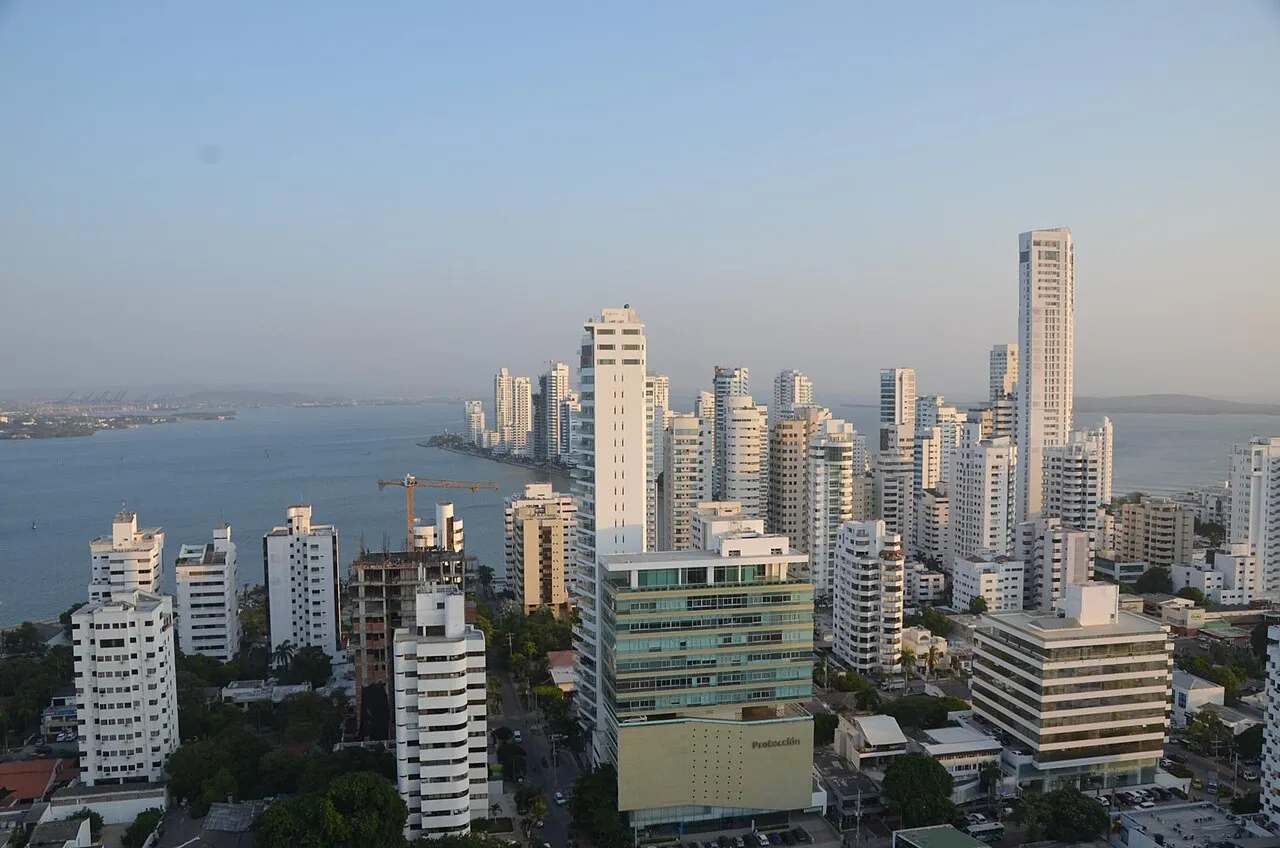
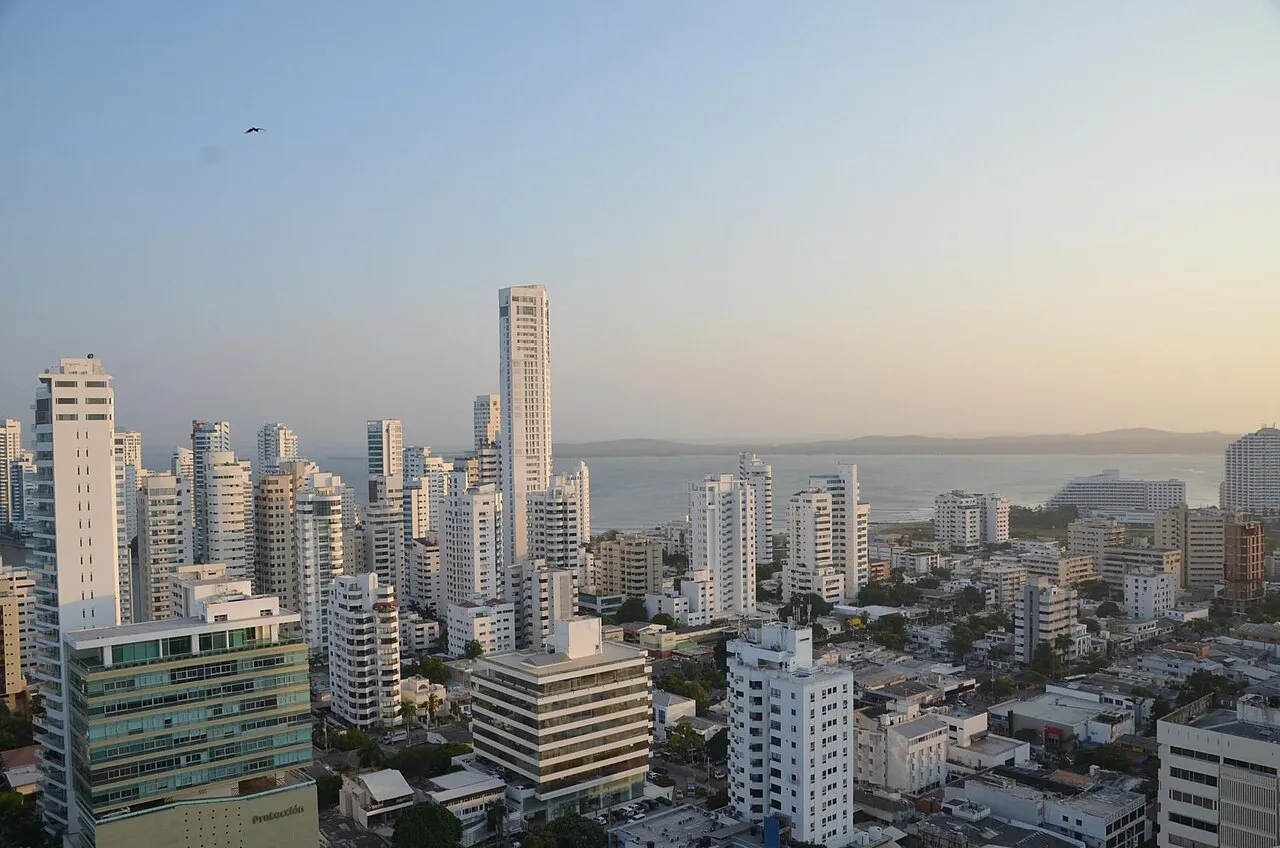
Independence came in 1811, but not easily. The city endured a brutal siege by Spanish royalists in 1815 that left thousands dead from starvation. Yet Cartagena persisted. Gabriel Garcia Marquez drew on this history for his magical realism, setting parts of "Love in the Time of Cholera" within these walls. Today the city balances preservation with progress, its UNESCO status protecting the colonial core while modern Bocagrande rises along the peninsula. The layers remain visible: pre-Columbian roots beneath Spanish colonial grandeur beneath Caribbean creativity. Five centuries of stories, all walking these same cobblestones.
Practical Information
Currency: Colombian Peso (COP). USD accepted at some tourist establishments but at poor rates. ATMs throughout the walled city dispense pesos. Credit cards widely accepted at restaurants and shops.
Language: Spanish. English spoken at tourist sites, hotels, and restaurants in the walled city. Basic Spanish phrases appreciated and helpful for taxis and vendors.
Weather: Tropical climate, hot and humid year-round. Dry season December-April offers slightly less humidity. Rainy season May-November brings afternoon showers that typically clear quickly.
Accessibility: The walled city cobblestone streets challenge wheelchairs and strollers. Some restaurants and museums have stepped entrances. Castillo San Felipe has steep ramps. Getsemani offers somewhat easier terrain. Communicate needs when booking tours.
Communications: WiFi available at restaurants and cafes. Colombian SIM cards sold at shops throughout the city. Cell coverage excellent in tourist areas.
Photo Gallery
Frequently Asked Questions
Q: Is Cartagena worth visiting on a cruise?
A: Emphatically yes. Cartagena ranks among the Western Hemisphere's most striking cruise ports. The UNESCO walled city, Castillo San Felipe, and Getsemani offer extraordinary experiences that consistently surprise visitors.
Q: How much time do you need?
A: A full port day (6-8 hours) allows thorough exploration of the walled city and Castillo San Felipe. Many visitors wish they had overnight to experience the city at night when the plazas come alive with music and dancing.
Q: Is Cartagena safe?
A: The walled city and Getsemani are safe for tourists during daylight with normal precautions. Use official taxis, stay aware of your surroundings, and keep valuables secure. Like any major city, exercise caution in unfamiliar areas after dark.
Q: Can you walk from the cruise port?
A: No. The terminal is too far from attractions, and the route passes through non-tourist areas. Take a taxi ($2-$4 USD) or ship shuttle.
Q: What should I wear?
A: Light, breathable clothing for the heat. Comfortable walking shoes essential for cobblestones. Sun hat and sunscreen critical. Modest dress appropriate for churches if you plan to enter.
Q: Should I book a ship excursion or go independent?
A: Go independent. Cartagena is easily navigated, guides are available at the clock tower, and taxis are inexpensive. Ship excursions are significantly more expensive for essentially the same experience.
Last reviewed: February 2026
Captain's Logbook
✓ No ads. Works offline. Independent of cruise lines. Affiliate Disclosure
Captain's Logbook
Cartagena
We sailed in past the modern Bocagrande skyline and suddenly the old fortifications appeared like something from a Caribbean dream — stone walls rising from the sea, cannons still pointing at the horizon, a city that has watched for pirates and invaders for half a millennium. The taxi from the cruise terminal took us through busy streets until we passed under the Torre del Reloj, the yellow clock tower that has served as the main gate since colonial times, and I stepped into a place so achingly beautiful that my breath caught in my chest.
The walled city of Cartagena stopped me cold. Every street was a painting — mustard yellow churches, emerald green shutters, bougainvillea cascading from iron balconies, cobblestones worn smooth by centuries of footsteps. However, what made it transcendent was the life pulsing through these ancient streets: palenqueras in fruit-bowl headdresses calling out their wares, salsa music drifting from open doorways, couples dancing in plazas, the smell of fresh arepas mixing with frangipani blossoms. UNESCO designated this entire old city a World Heritage Site in 1984, recognizing what any visitor knows immediately — this is South America's most perfectly preserved colonial treasure.
Pedro de Heredia founded Cartagena on June 1, 1533, building atop an indigenous settlement that had thrived here since 4000 BC. Within decades, so much gold and silver flowed through this port that it drew every pirate in the Caribbean. Sir Francis Drake sacked the city in 1586, and the Spanish learned their lesson: they began building walls that very year. It took nearly two hundred years to complete those fortifications — 11 kilometers of stone, over 20 feet tall, finished in 1796. I walked those ramparts at golden hour, watching the Caribbean turn molten orange beneath the setting sun, and felt the weight of centuries pressing against my skin. My eyes welled with unexpected tears as I stood there — not from sadness, but from the overwhelming recognition that some places hold so much time, so much love, so much life that they become sacred without any church declaring them so.
The next morning, I climbed to Castillo San Felipe de Barajas, and I finally understood why they call it a masterpiece of military engineering. Built in 1536 and massively expanded in 1657, it is the largest Spanish colonial fortress in the Americas — a maze of tunnels designed so defenders could hear enemy footsteps approaching from below. I walked those underground passages with a guide who told stories of sieges that never succeeded, of cannons that never had to fire because the fortress itself was deterrent enough. The views from the summit swept across the entire city: old walls meeting modern towers, Caribbean blue meeting colonial gold, past meeting present in quiet conversation. Nevertheless, the climb was steep and hot — I emerged drenched in sweat but deeply satisfied.
Back in the walled city, I explored the three distinct neighborhoods. San Pedro was the aristocratic quarter — you can still see the cathedral and those gorgeous Andalusian palaces with their wooden balconies and hidden courtyards. San Diego housed the merchants and middle class, their homes slightly smaller but just as charming. And then I walked into Getsemani, the popular quarter outside the walls that has become the heart of Cartagena's creative soul. Street art exploded from every surface: murals celebrating Afro-Colombian heritage, political statements in vivid colors, portraits of Gabriel Garcia Marquez who made this city immortal in literature. Plaza de la Trinidad at dusk was pure joy: food carts serving ceviche, dancers practicing salsa, a ten-year-old boy who schooled everyone at breakdancing while his grandmother sold empanadas nearby.
For lunch I found La Cevicheria, the restaurant Anthony Bourdain made famous on his show. The octopus ceviche arrived in a shallow bowl — tender tentacles in leche de tigre that tasted like the Caribbean itself, sharp with lime and whispered with chili. I washed it down with coconut lemonade so cold and perfect that I ordered a second glass immediately. The meal cost about $25 USD and was worth triple that for the quality and the atmosphere. Later I visited the Gold Museum (free admission) and the Palace of the Inquisition ($10,000 COP entry, about $2.50 USD) — creepy instruments of torture but fascinating local context that helped me understand the complex layers of colonial power that shaped this place.
I ended my day at Cafe del Mar, perched on the city walls overlooking the Caribbean. The passionfruit mojito arrived as the sky began its nightly transformation — orange to pink to purple to star-scattered black. Boats bobbed in the harbor below, couples walked the ramparts arm in arm, and somewhere behind me a jazz quartet began to play. I am profoundly grateful for this city's beauty, for its persistence through centuries of pirates and sieges and rebuilding, for its joyous embrace of color and music and life. Cartagena taught me that some places achieve perfection not despite their history but because of it — every stone remembers, every balcony tells stories, every sunset honors those who came before. I left reluctantly, already planning my return, already missing what I knew I had only begun to understand. What I learned here stays with me: that beauty can be built from struggle, that walls meant for war can become promenades for lovers, that the places which have endured the most often offer the deepest joy. This city changed something in me — a reminder that history is not something dead in books but something alive in cobblestones, in music drifting through evening air, in the warm smiles of people who have inherited five centuries of resilience.
Depth Soundings
Money: The local currency is Colombian Peso (COP). ATMs are generally available near the port area, though fees vary. Credit cards are widely accepted at tourist-oriented establishments, but carry some local cash for markets, street food, and smaller vendors. Your ship's exchange rate is typically unfavorable — withdraw from a bank ATM instead. Budget $30–$80 per person for a comfortable day including lunch, transport, and a few entry fees.
Timing: Start early if your ship arrives at dawn — the first hours offer pleasant conditions and smaller crowds. Allow at least 30 minutes buffer before all-aboard time. Set a phone alarm as backup. Most port visits allow 8–10 hours on shore, which is enough to see the highlights without rushing if you prioritize well.
Safety: Standard port-town awareness applies — keep valuables close and stick to well-traveled areas during daylight. Your ship's ID card is your most important item — losing it creates a genuine headache at the gangway. Stay in the Walled City, Getsemaní, and Bocagrande — these well-patrolled tourist areas are generally safe and walkable.
Communication: Wi-Fi is often available at cafés and restaurants near the port. Consider downloading offline maps before disembarking — cellular data roaming charges can be substantial and surprising. Google Maps offline mode or Maps.me work well for navigation without data.
Food & Water: Tap water safety varies by destination — ask locally or buy bottled water to be safe. The best food often comes from busy local restaurants rather than tourist-facing spots near the port. Lunch at a popular local place typically costs $8–$20 per person. Street food can be excellent value if you choose busy stalls with high turnover.