
Weather & Best Time to Visit
Cruise Port
Terminal Location: Casablanca's cruise terminal sits in the commercial port area, about 4 km from the city center and Hassan II Mosque. You'll need transportation to reach attractions — walking isn't practical from the port.
Terminal Facilities: Basic amenities including restrooms and tourist information. Money exchange available but rates better in town. ATMs in the terminal area. WiFi unreliable. Taxis and tour buses wait outside the terminal gates.
Getting to Town: Official "petit taxis" (red and white) cost 30-50 MAD ($3-5 USD) to the city center or mosque. Negotiate the fare before departing. Ship excursions offer organized transport but at premium prices. Uber works in Casablanca and is often cheaper than taxis.
Getting Around
Taxis: Red petit taxis are the standard way to get around. Meters exist but drivers rarely use them — negotiate the fare before entering. Expect 20-50 MAD ($2-5 USD) for most trips within tourist areas. Taxis are plentiful except during prayer times and rush hour. Drivers speak limited English; have destinations written in French or Arabic.
Walking: Once you reach a destination, walking is pleasant. The Hassan II Mosque area is walkable. Downtown's Art Deco district around Place Mohammed V covers a compact area. The old medina is small enough to explore on foot in 1-2 hours. The Corniche requires a taxi to reach but is walkable once there. Low-moderate stamina level for individual areas; the city overall is spread out and requires transportation between districts. Sidewalks can be uneven; wheelchair access limited outside major tourist sites.
Tramway: Casablanca has a modern tram system connecting major districts. Useful for reaching the train station if continuing to Marrakech. Tickets 7 MAD ($0.70 USD). Clean, efficient, and air-conditioned — a good option for those comfortable with public transit.
Day Trips: Trains to Rabat (1 hour, 40 MAD) and Marrakech (2.5-3 hours, 100-150 MAD) depart from Casa Voyageurs station. Ship excursions to Marrakech cost $150-250 USD and are rushed but organized. Go independent only if your ship is in port overnight — Marrakech deserves more than a few hours.
Port Map
Interactive map showing cruise port, Hassan II Mosque, downtown, old medina, and the Corniche.
Shore Excursions
Hassan II Mosque Tour
Essential Casablanca experience and one of only two mosques in Morocco open to non-Muslims. Guided tours run multiple times daily (book ahead at the mosque or online). Entry 130 MAD ($13 USD) including guide. Tours last approximately 1 hour and cover the prayer hall, ablution rooms, and hammam facilities. Photography allowed in most areas. Ship excursions charge $60-80 USD for essentially the same tour with transportation. Go independent and taxi there — significant savings. Low stamina level inside; moderate to reach from port. Remove shoes (bags provided); women should cover shoulders and knees.
Downtown Art Deco Walk
Casablanca has one of the world's finest collections of Art Deco architecture, built during the French Protectorate (1912-1956). Walk along Boulevard Mohammed V, visit Place Mohammed V, and admire facades blending European modernism with Moroccan motifs. Free to explore independently; some ship excursions include this with other stops ($80-120 USD). Go independent with a walking map from the tourist office. Book ahead not required. Low-moderate stamina level for walking tour. Allow 1-2 hours.
Old Medina Exploration
Casablanca's medina is smaller and less touristy than Marrakech or Fes — a more authentic glimpse of daily Moroccan life. Wander narrow streets, visit spice vendors, haggle for crafts, and stop for mint tea. No entry fee. Ship excursions combine with other sights ($80-100 USD). Go independent for authentic experience — get lost on purpose. Book ahead not required. Low-moderate stamina level on uneven streets. Allow 1-2 hours. Exercise normal awareness of your belongings.
Rick's Café Experience
The movie-inspired restaurant in a restored 1930s mansion. Good Moroccan-French food in nostalgic Hollywood atmosphere. Lunch mains $15-30 USD. Reservations recommended for dinner, usually available for lunch. Ship excursions sometimes include this as a lunch stop ($100-150 USD with transport). Go independent — taxi there easily. Worth visiting for film fans; skippable if "Casablanca" means nothing to you. Low stamina level — it's a restaurant. Allow 1.5-2 hours for a leisurely lunch.
Corniche and Atlantic Coast
Casablanca's oceanfront promenade with beach clubs, restaurants, and Atlantic views. Swimming possible at beach clubs (entry 100-200 MAD / $10-20 USD with lounge chair). Free to walk the promenade and eat at beachfront cafés. Ship excursions rarely focus on this area. Go independent by taxi. Book ahead for beach club reservations on weekends. Low stamina level — flat walking along the sea. Allow 2-3 hours including a meal.
Marrakech Day Trip
Morocco's most famous city, 2.5-3 hours each way by train or bus. Visit Jemaa el-Fnaa square, souks, and Koutoubia Mosque in a rushed but rewarding day. Ship excursions $200-300 USD with transportation and guide. Go independent only if your ship has an overnight stay — otherwise too rushed. Book ahead essential for ship excursions. High stamina level given the travel and walking. Full day commitment (12+ hours).
Local Flavors
Tagine: Morocco's signature slow-cooked stew served in the conical pot of the same name. Lamb with preserved lemons and olives is classic; chicken with apricots and almonds is equally beloved. $8-25 USD depending on venue.
Couscous: Steamed semolina with vegetables and meat, traditionally served on Fridays. Light and satisfying. $6-15 USD.
Mint Tea: Morocco's national drink — strong green tea with fresh mint and plenty of sugar, poured from height to create foam. Served everywhere, often complimentary with purchases. $1-3 USD if ordered separately.
Harira: Tomato-based soup with lentils, chickpeas, and meat. Traditional Ramadan break-fast soup, but available year-round. Hearty and flavorful. $2-5 USD.
Fresh Fish: The Atlantic provides excellent seafood. Grilled sardines, sea bass, and calamari at Corniche restaurants. $8-20 USD for generous portions.
Important Notices
Safety: Morocco is one of Africa's safest tourist destinations. Casablanca's tourist areas are well-patrolled. Exercise normal precautions — stay aware of surroundings, avoid isolated areas at night, keep valuables secure. Petty theft exists but violent crime against tourists is rare.
Dress Code: Morocco is a Muslim country with conservative dress expectations in religious areas. Women should cover shoulders and knees when visiting the mosque. Downtown and the Corniche are more relaxed, but modest dress shows respect.
Haggling: Expected in the medina and with unofficial vendors. Start at 30-40% of the asking price and work up. Fixed-price shops exist in modern areas.
Friday Timing: Friday is the Muslim holy day. The mosque tour schedule may be limited; some businesses close for midday prayers. Plan accordingly.
Depth Soundings
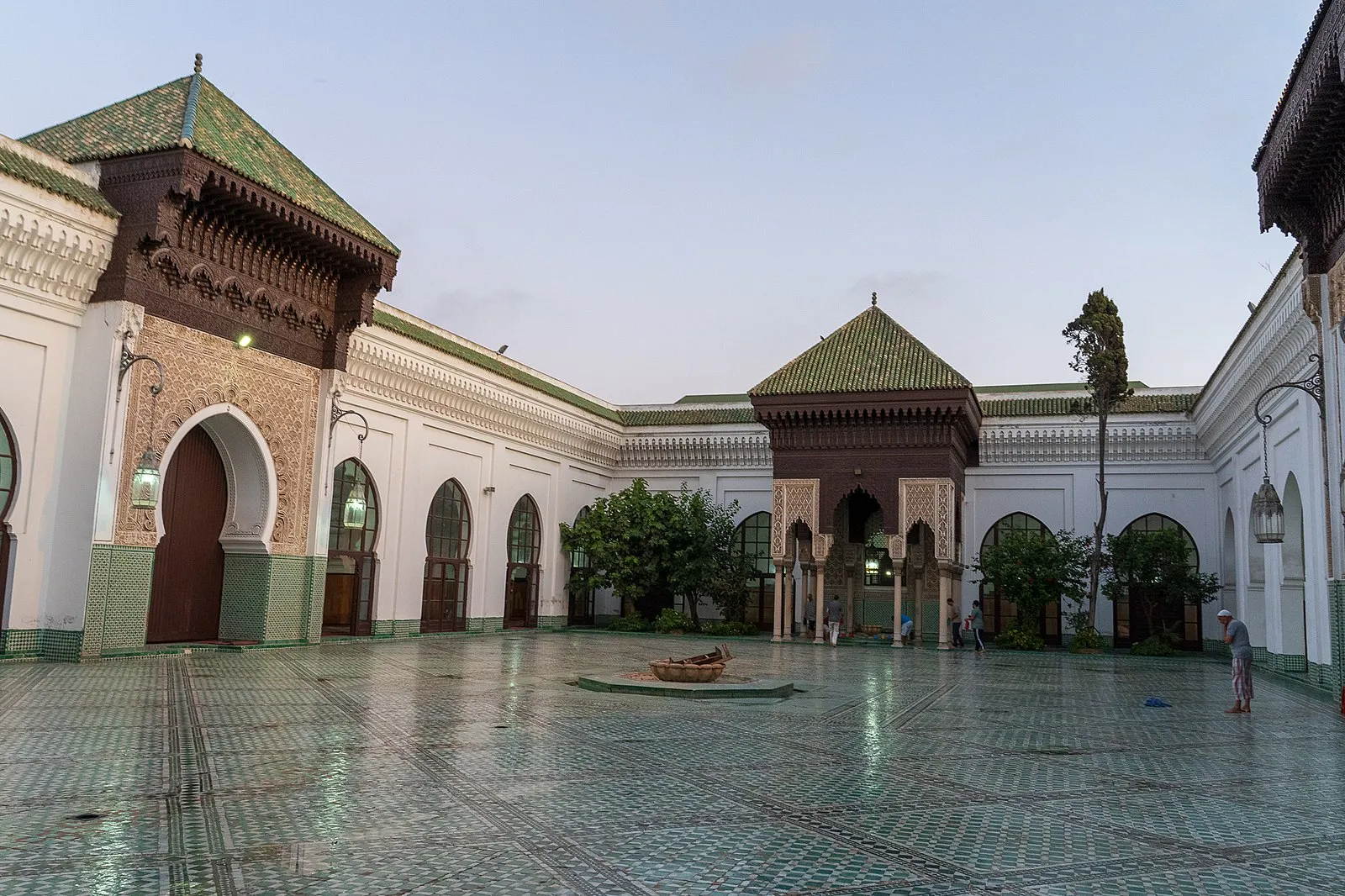
Casablanca's history is shorter than Morocco's other imperial cities. The site was a Berber settlement called Anfa, destroyed by Portuguese raiders in 1468. The Portuguese built a fort in 1575 which they called Casa Branca — the white house — which became Casablanca under Spanish influence. The city remained small until the French Protectorate transformed it into Morocco's economic engine. General Lyautey, the French Resident-General, envisioned Casablanca as a showpiece of colonial modernity. He hired architects to build the Art Deco downtown that still stands today — European modernism filtered through Moroccan craftsmanship.
The Hassan II Mosque, completed in 1993, represents a different kind of ambition. King Hassan II commissioned the largest mosque in Africa and one of the largest in the world, funded by public donations and built by 6,000 artisans working around the clock for seven years. The minaret's laser pointing toward Mecca is visible 30 kilometers away. The building can hold over 100,000 worshippers. It's a statement of faith and national pride that anchors modern Casablanca's identity as firmly as the French Protectorate buildings anchor its past.
Today Casablanca is Morocco's economic capital — home to stock exchange, major industries, and the country's largest port. The city has grown to five million people, many drawn from rural Morocco seeking opportunity. This creates a dynamic but sometimes chaotic urban environment: gleaming skyscrapers alongside informal settlements, French cafés beside traditional souks. Casablanca doesn't offer the timeless charm of Fes or Marrakech, but it offers something equally valuable — a living portrait of Morocco navigating between tradition and modernity, faith and commerce, past and future.
Practical Information
Currency: Moroccan Dirham (MAD). ATMs widely available. USD and Euros accepted at some tourist venues but at poor rates. Credit cards accepted at hotels, restaurants, and larger shops.
Language: Arabic and French official; Berber widely spoken. English understood in tourist areas but less common than in European destinations. French is useful for taxis and signage.
Weather: Mediterranean climate moderated by the Atlantic. Summers warm (25-30°C), winters mild (10-18°C). Rain possible November-March. Sea breezes keep the city comfortable most of the year.
Accessibility: Casablanca's modern areas are reasonably accessible. The mosque has some accessibility accommodations. The medina's narrow streets and uneven surfaces challenge wheelchairs. The tram is fully accessible. Communicate needs when booking tours.
Communications: WiFi at cafés and hotels. Moroccan SIM cards available at airport and shops. Cell coverage excellent throughout the city.
Photo Gallery
Frequently Asked Questions
Q: Is Casablanca worth visiting on a cruise?
A: Yes. The Hassan II Mosque alone justifies the visit — it's one of the world's most impressive religious buildings. Add Art Deco architecture, authentic medina life, and oceanfront dining, and you have a rewarding port day. However, manage expectations — this isn't the romantic movie setting.
Q: Should I visit Marrakech instead?
A: Only if your ship is in port overnight. Marrakech is 2.5-3 hours each way, leaving just a few rushed hours in the city. Ship excursions do this, but it's exhausting. Casablanca itself has enough to fill a port day; save Marrakech for a dedicated trip.
Q: Is it like the movie?
A: No. "Casablanca" was filmed entirely in Hollywood. Rick's Café exists today but was built in 2004 as a tribute, not a filming location. Nevertheless, it's a charming restaurant if you enjoy the nostalgia.
Q: What should I wear?
A: Modest dress for the mosque (shoulders and knees covered for everyone; headscarves not required but respectful for women). Downtown and the Corniche are more relaxed, but avoid very revealing clothing out of respect for local culture.
Q: Is Morocco safe?
A: Yes. Morocco is one of Africa's safest tourist destinations. Standard precautions apply — stay aware, keep valuables secure, use official taxis. The tourist areas are well-patrolled and welcoming.
Q: Should I book a ship excursion or go independent?
A: Go independent for the mosque and city exploration — taxis are cheap and the mosque tour is easy to book directly. Consider ship excursions only for Marrakech day trips if timing is guaranteed.
Q: When is the best time to visit Casablanca?
A: The seasonal panel above lists the cooler shoulder months as the most comfortable. Casablanca's Atlantic coast is mild year-round (rarely hot, rarely cold), but the chergui — a hot dry desert wind from the Sahara — can spike summer temperatures sharply and reduce air quality, while winter (Nov-Mar) brings Atlantic storms and rain. Spring and autumn split the difference. The live weather widget in the seasonal panel above is the primary source for short-term conditions on a specific sailing date.
Q: When is hurricane and storm season in Casablanca?
A: The Weather Hazards panel above labels Casablanca's heavy-weather window "Atlantic Winter Storms & Chergui Wind" with "Season: Nov – Mar (winter storms); chergui Apr – Oct" and "Peak risk: Dec, Jan, Feb." The hazard-note explains: "Casablanca sits at ~33°N on Morocco's Atlantic coast — outside the tropical-cyclone tracks. Winter Atlantic storms (Nov-Mar) bring rain and rougher seas to the port. The chergui — a hot, dry desert wind from the Sahara — can spike temperatures sharply during summer months and reduce air quality. Ships rarely reroute, but tender operations and outdoor excursions can shift on storm days." For current conditions on a specific sailing date, the live weather widget in the seasonal panel above is the primary source.
Q: Will rain ruin my Casablanca port day?
A: Moroccan winter rain (Nov-Mar) can come in heavy bursts; outside that window the coast is generally dry. The Hassan II Mosque is a partly indoor, partly outdoor visit — the prayer hall is fully enclosed and remains comfortable in any weather, but the courtyard is exposed. The medina alleys and Corniche cafés are partially covered. Ship excursions to Marrakech are more weather-sensitive than the city itself. The live weather widget in the seasonal panel above is the primary source for short-term forecasts on a specific sailing date.
Last reviewed: February 2026
Captain's Logbook
✓ No ads. Works offline. Independent of cruise lines. No affiliate links
Captain's Logbook
Casablanca
The morning mist hung low over the Atlantic as we approached Casablanca, and the first thing I saw was the minaret — 210 meters of carved stone and green tile rising from the shoreline like a beacon calling ships home. The Hassan II Mosque announced itself long before we docked, and I understood immediately why this massive structure, completed in 1993, draws visitors from around the world. However, nothing prepared me for the scale of what waited ashore: a city of five million souls where modern Morocco meets French colonial legacy meets ancient Berber heritage in a symphony of contradictions that somehow harmonizes into something unforgettable.
I took a taxi from the cruise terminal directly to the Hassan II Mosque, and the driver apologized that traffic would delay us. Nevertheless, I didn't mind — the streets themselves were fascinating. Casablanca means "white house" in Spanish, a name given by Portuguese sailors in the 15th century, but the city I saw through the taxi window was anything but monochromatic. French Art Deco buildings in cream and terracotta lined Boulevard Mohammed V, their geometric facades showing the influence of the Protectorate era (1912-1956). Moroccans in traditional djellabas walked beside others in European fashion. Motorbikes weaved between cars, vendors sold oranges from carts, and the call to prayer echoed from mosques throughout the city. The sensory overload was immediate and wonderful.
The Hassan II Mosque exceeded every expectation. Rising directly from a platform over the Atlantic — Hassan II chose this location citing a Quranic verse that God's throne rests on water — the structure can hold 25,000 worshippers inside and 80,000 more in the surrounding courtyard. The minaret stands as the world's tallest at 210 meters, with a laser at its summit pointing toward Mecca. I joined a guided tour (required for non-Muslims to enter) and walked through a forest of columns carved from pink granite and green marble, beneath hand-painted cedar ceilings that took 6,000 artisans twelve years to complete. The floor beneath my feet could open to reveal the ocean below. The complexity of the tilework — zellige mosaics in geometric patterns that mathematics has proven cannot repeat — made me dizzy with their precision. My eyes welled unexpectedly with tears at the sheer ambition of human devotion, the way faith can inspire such painstaking beauty. Whatever one believes, this place humbles.
From the mosque, I walked to the old medina — smaller and less tourist-oriented than Marrakech or Fes, but authentic in its own way. The narrow streets twisted between whitewashed walls, opening occasionally into small squares where men played backgammon and women haggled over spices. I bought a handful of dates for 10 dirhams (about $1 USD) and ate them while watching the life of the quarter unfold. The smell of tagine — that slow-cooked Moroccan stew — drifted from doorways, mixing with cumin and mint and something sweetly floral I couldn't identify. A shopkeeper invited me for mint tea, and I accepted despite suspecting (correctly) that a sales pitch would follow. The tea was perfect — sweet, strong, poured from a great height into small glasses — and even the sales pitch was charming. I left with a brass teapot I didn't need but don't regret.
Lunch at Rick's Café felt necessary, even knowing its origin. The 1942 film "Casablanca" was shot entirely on a Hollywood soundstage — Humphrey Bogart never set foot in Morocco. Yet an American woman named Kathy Kriger opened this restaurant in 2004, painstakingly recreating the movie set's atmosphere in a restored 1930s mansion. The result is pure fantasy, but delightful fantasy: waiters in white dinner jackets, a pianist playing "As Time Goes By," Moroccan-French cuisine served on white tablecloths. I had lamb tagine with preserved lemons and olives ($25 USD) and a glass of Moroccan wine, and the experience was exactly what nostalgia should be — silly and sincere simultaneously. The restaurant donates profits to local charities, which helped me feel less guilty about indulging in colonial-era fantasy.
The afternoon took me along the Corniche — Casablanca's oceanfront promenade stretching several kilometers along the Atlantic. This is where wealthy Casablancans come to see and be seen: beach clubs, restaurants, the Hotel Tahiti that once hosted Allied generals during World War II. The waves crashed against the rocks below, salt spray mixing with the smell of grilling fish from the beachfront cafés. I found a spot at one such café, ordered fresh-grilled sardines and harira soup ($8 USD total), and watched the sun begin its descent toward the Atlantic. Surfers caught waves in the middle distance. Children built sandcastles while their parents drank mint tea. The scene could have been California if not for the minarets punctuating the skyline and the call to prayer that echoed as the sun touched the horizon.
Returning to the ship, I asked the taxi driver what he loved about his city. He thought for a moment, then said: "Casablanca is Morocco becoming. Not what it was, not what it will be, but becoming." I understood what he meant. This city feels like a place in transition — preserving its French architecture and Islamic heritage while building skyscrapers and dreams. It lacks the timeless quality of Fes or the fairy-tale charm of Marrakech, but it has something those cities don't: the energy of a place actively creating its future. What I learned here stays with me — that authenticity isn't only found in ancient medinas, that cities made of contradictions can feel more alive than places frozen in perfection. Casablanca taught me that becoming is its own kind of beauty, and I am profoundly grateful for the lesson.
Depth Soundings
Money: The local currency is Moroccan Dirham (MAD). ATMs are generally available near the port area, though fees vary. Credit cards are widely accepted at tourist-oriented establishments, but carry some local cash for markets, street food, and smaller vendors. Your ship's exchange rate is typically unfavorable — withdraw from a bank ATM instead. Budget $30–$80 per person for a comfortable day including lunch, transport, and a few entry fees.
Timing: Start early if your ship arrives at dawn — the first hours offer pleasant conditions and smaller crowds. Allow at least 30 minutes buffer before all-aboard time. Set a phone alarm as backup. Most port visits allow 8–10 hours on shore, which is enough to see the highlights without rushing if you prioritize well.
Safety: Standard port-town awareness applies — keep valuables close and stick to well-traveled areas during daylight. Your ship's ID card is your most important item — losing it creates a genuine headache at the gangway. In the medina, politely decline unsolicited guide offers and agree on taxi fares before getting in — metered rides are not universal in Casablanca.
Communication: Wi-Fi is often available at cafés and restaurants near the port. Consider downloading offline maps before disembarking — cellular data roaming charges can be substantial and surprising. Google Maps offline mode or Maps.me work well for navigation without data.
Food & Water: Tap water safety varies by destination — ask locally or buy bottled water to be safe. The best food often comes from busy local restaurants rather than tourist-facing spots near the port. Lunch at a popular local place typically costs $8–$20 per person. Street food can be excellent value if you choose busy stalls with high turnover.
Quick Facts
Key Facts
- Country
- Morocco
- Region
- Atlantic
- Currency
- Moroccan Dirham (MAD). ATMs widely available. USD and Euros accepted at some tourist venues but at poor rates. Credit cards accepted at hotels, restaurants, and larger shops
- Language
- Arabic and French official; Berber widely spoken. English understood in tourist areas but less common than in European destinations. French is useful for taxis and signage