Weather & Best Time to Visit
The Cruise Port
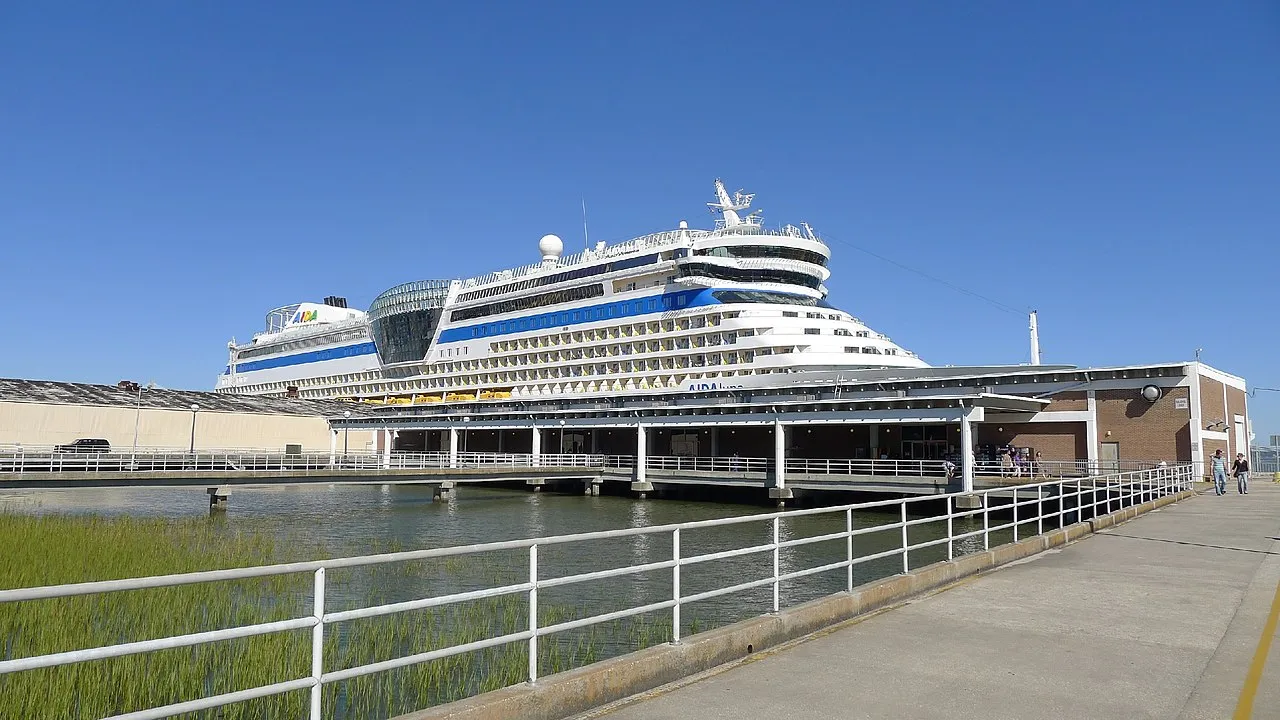
Charleston's Union Pier Terminal sits on the Cooper River about 2 miles from the heart of the historic district. The modern terminal handles ships up to 3,500 passengers with air-conditioned waiting areas and easy access to the waterfront. Larger ships occasionally use Columbus Street Terminal slightly further north. Both terminals offer taxi stands and tour pickup areas immediately outside.
Getting to downtown requires a short journey — about 25-30 minutes walking the waterfront, 10 minutes by taxi ($10-15), or a quick rideshare. Many cruise lines offer shuttle service to the Visitor Center on Meeting Street for $10-15 roundtrip. The walk is pleasant if weather cooperates, passing the South Carolina Aquarium and following the shoreline toward the Battery. Currency is the US Dollar throughout.
Getting Around
Charleston's historic district is wonderfully walkable once you reach it from the cruise terminal. The terrain is flat, sidewalks are generally good, and most major attractions cluster within a compact area. Rainbow Row, the Battery, the French Quarter, and City Market are all accessible on foot. Comfortable walking shoes are essential — you'll cover several miles exploring properly.
Taxis wait at both cruise terminals. Expect $10-15 to reach the historic district, $40-50 for half-day tours of plantations or beaches. Rideshare (Uber/Lyft) works well in Charleston with typical fares under $10 to downtown. The DASH trolley offers free service through the historic district — hop on and off at marked stops. Horse-drawn carriage tours ($30-40 per person) depart from the City Market area and offer narrated introductions to the architecture.
For wheelchair users, the historic district presents some challenges — cobblestone streets and uneven brick sidewalks in the French Quarter area — but main routes along Meeting Street and Broad Street are generally accessible with smooth pavement. The DASH trolley is fully wheelchair accessible with ramps and designated spaces. Fort Sumter ferry boats accommodate wheelchairs with advance notice. Contact your cruise line for adapted shore excursion options or arrange accessible transportation through the terminal.
Charleston Port Map
Shore Excursions
Charleston offers compelling choices: Civil War history, plantation tours, Gullah culture, and one of America's most walkable historic districts. Both ship excursions with guaranteed return and independent exploration work well here.
Fort Sumter National Monument
Where the Civil War began. Ferries depart from Liberty Square in downtown Charleston for the 30-minute crossing to the island fort. Ship excursions $60-80 USD include transportation from pier, ferry tickets, and guided tour. Go independent by taking a taxi to Liberty Square ($12-15) and booking ferry tickets directly ($25 adults). Ferries run several times daily; book ahead through nps.gov during cruise season. The island visit lasts about an hour with ranger programs and museum exhibits. Moderate stamina level with walking on uneven surfaces.
Plantation House Tours
Several antebellum plantations operate as historic sites outside Charleston. Middleton Place ($30) features America's oldest landscaped gardens and tells the full story including enslaved worker lives. Magnolia Plantation ($20-30) offers gardens, house tours, and nature boat rides. Boone Hall ($26) shows preserved slave cabins alongside the main house. Ship excursions $80-120 USD typically combine one plantation with city highlights. Go independent via taxi ($40-50 each way) or rental car for flexibility. Plan 2-3 hours per plantation. Low-moderate stamina level with walking on grounds.
Historic District Walking Tour
The best introduction to Charleston's architecture and history. Ship excursions $50-70 USD offer guided 2-hour walks through the French Quarter, Rainbow Row, and the Battery. Go independent by downloading a self-guided tour app or joining a group tour from the Visitor Center ($25-35). Bulldog Tours offers excellent history walks including cemetery and ghost tours. Wear comfortable shoes for cobblestones. Low stamina level on flat terrain.
Gullah Cultural Experience
Learn about the unique African American culture of the Lowcountry. Tours visit historic churches, craft demonstrations, and communities where Gullah traditions continue. Ship excursions $70-90 USD. Go independent through local operators like Gullah Tours ($30-40) departing from downtown. Tours typically last 2-3 hours and include sweetgrass basket weaving demonstrations. Book ahead as these smaller-group experiences fill quickly. Low stamina level.
Carriage Tour of the Historic District
Horse-drawn carriages offer narrated tours through the residential streets south of Broad. One-hour tours ($30-40 per person) depart from the City Market area throughout the day. No advance booking needed except during peak seasons. The city rotates routes randomly to distribute traffic, so you might see different streets than other passengers. Low stamina level — good option for those who prefer not to walk extensively.
Local Flavors
Shrimp and Grits: Charleston's signature dish. Creek shrimp over stone-ground grits with bacon, gravy, and whatever else the chef prefers. Ranges from simple to elaborate. $16-28 at restaurants.
She-Crab Soup: Creamy crab soup enriched with crab roe (in season) and sherry. A Charleston original dating to the early 1900s. $10-14 per bowl.
Lowcountry Boil: Also called Frogmore Stew — shrimp, sausage, corn, and potatoes boiled together and dumped on newspaper. Casual, communal, delicious. $20-30 per person.
Pralines: Pecan candies in the New Orleans style but with Charleston character. River Street Sweets and several market vendors make them fresh. $2-4 each.
Where to Eat: Hyman's Seafood for no-frills local classics. High Cotton for upscale Lowcountry. Poogan's Porch for she-crab soup. Callie's Hot Little Biscuit for breakfast. Budget $15-30 for casual lunch; $40-60 for dinner with drinks.
Important Notices
Summer Heat: June through September brings intense heat and humidity (85-95°F with 80%+ humidity). Plan outdoor activities for morning hours. Carry water and seek air-conditioned breaks.
Hurricane Season: June through November. Cruise ships monitor storms carefully and will adjust itineraries if needed. Travel insurance recommended during these months.
Historic Site Sensitivity: Plantation tours and the Old Slave Mart Museum address difficult history. These are educational opportunities, not entertainment. Approach with respect.
Church Services: Many historic churches hold services Sunday mornings. Tourists are generally welcome but should dress appropriately and remain quiet.
Depth Soundings
Practical tips before you step off the ship.
Start early if visiting Fort Sumter — morning ferries beat the heat and crowds. The City Market opens at 9:30 a.m. but sweetgrass basket weavers often arrive later, closer to 10:30 or 11:00. For the best light on Rainbow Row photographs, visit in the morning when the sun illuminates the colorful facades. The Battery and White Point Garden are lovely at any hour but especially peaceful at dawn before tour groups arrive.
Wear comfortable walking shoes and expect to cover 3-5 miles exploring the historic district properly. The French Quarter's cobblestones can be uneven. ATMs and credit card acceptance are widespread — cash is only essential for carriage tours, street performers, and some market vendors. The Visitor Center on Meeting Street provides free maps and brochures. For plantation visits, book your first tour early morning to allow time for the grounds. Middleton Place gardens alone warrant 2+ hours of wandering.
Photo Gallery
Frequently Asked Questions
Q: How far is the Charleston cruise terminal from downtown?
A: The Union Pier Terminal is about 2 miles from the heart of the historic district. You can walk the waterfront in 25-30 minutes or take a short taxi or rideshare ($10-15). Many cruise lines offer shuttle service for similar prices.
Q: What is Charleston best known for?
A: Charleston is famous for its antebellum architecture, Rainbow Row's colorful Georgian houses, Fort Sumter where the Civil War began, Gullah-Geechee culture, Lowcountry cuisine including shrimp and grits, and as one of America's oldest cities dating to 1670.
Q: Is Charleston walkable for cruise passengers?
A: Very much so — the historic district is flat and compact. Rainbow Row, the Battery, French Quarter, and City Market are all within walking distance once you reach downtown from the cruise terminal. Comfortable shoes are recommended for cobblestone streets.
Q: What is Gullah-Geechee culture?
A: Gullah-Geechee refers to the distinct African American culture of the Lowcountry, descended from enslaved Africans who preserved unique language, crafts, cuisine, and spiritual traditions. Sweetgrass baskets and Gullah cuisine are signature expressions of this living heritage that continues today.
Q: Should I visit Fort Sumter or the plantations?
A: Both offer valuable but different experiences. Fort Sumter takes half a day including ferry time and provides Civil War context. Plantations require more time but show daily life and enslaved worker history. If you have 8+ hours, you might fit both with careful planning.
Q: When is the best time to visit Charleston?
A: The glance Temperature reads "38-90°F — subtropical four seasons" and Humidity reads "Moderate to high; very humid summers." Rain reads "Summer afternoon thunderstorms; drier fall" and Daylight reads "10-14 hours seasonal." The Wind entry adds "Light; sea breezes."
Q: When is hurricane season in Charleston?
A: The page's "Hurricane Season" line reads: "June through November. Cruise ships monitor storms carefully and will adjust itineraries if needed. Travel insurance recommended during these months." The hazard-note adds: "Travel insurance with weather-event coverage is recommended." Specific Atlantic-basin storm history is not detailed on this page; for current tropical-system status, use the live weather widget in the seasonal panel above.
Q: What should I pack for Charleston's weather?
A: The glance Temperature reads "38-90°F — subtropical four seasons" — pack for the full range. Humidity reads "Moderate to high; very humid summers." Rain reads "Summer afternoon thunderstorms; drier fall." The Packing Tips section lists "Sunscreen and sunglasses — essential year-round"; "Light layers for variable temperatures"; "Comfortable walking shoes for exploring"; "Rain jacket or compact umbrella."
Q: Will rain ruin my Charleston port day?
A: The glance Rain entry reads "Summer afternoon thunderstorms; drier fall." For short-term forecasts on a specific sailing date, the live weather widget in the seasonal panel above is the primary source.
Last reviewed: February 2026
Captain's Logbook
✓ No ads. Works offline. Independent of cruise lines. No affiliate links
Captain's Logbook
Charleston
I stood on the Battery at dawn, watching light spread across Charleston Harbor while a great blue heron waded through the marsh grass below. The air smelled of salt and pluff mud — that distinctive Lowcountry scent of life and decay intermingled. Behind me, antebellum mansions faced the water with their piazzas turned sideways to catch the breeze, just as they've done since rice planters built them two centuries ago. Charleston doesn't rush. The city has been practicing elegant languor since 1670, and it isn't about to hurry on my account.
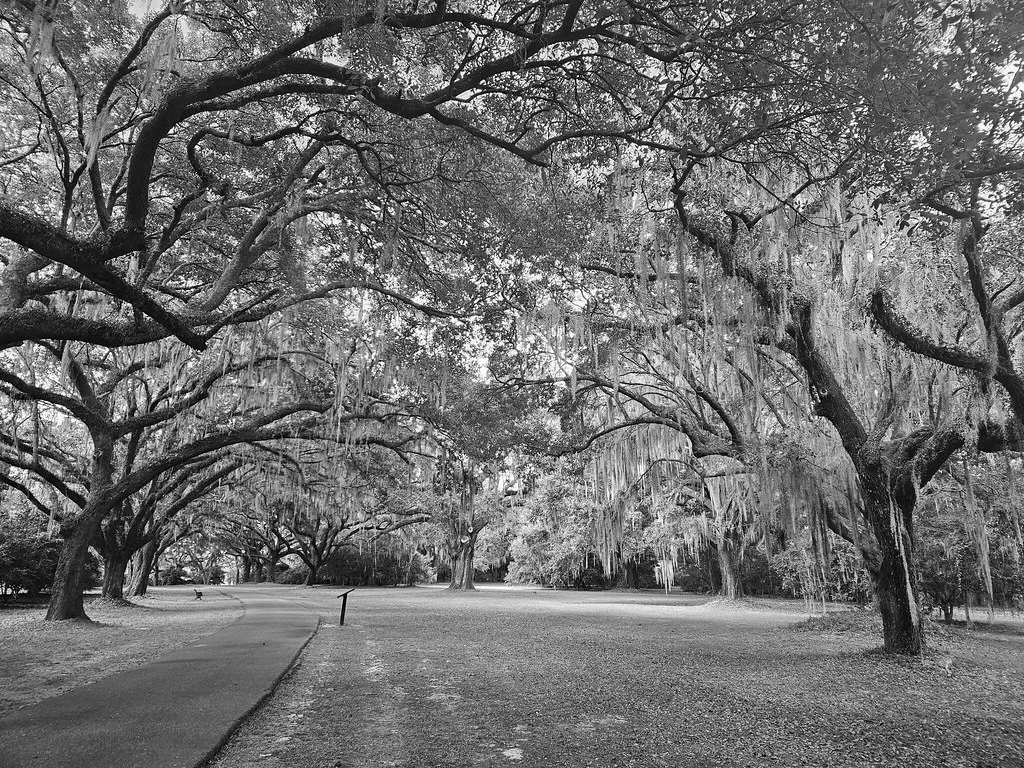
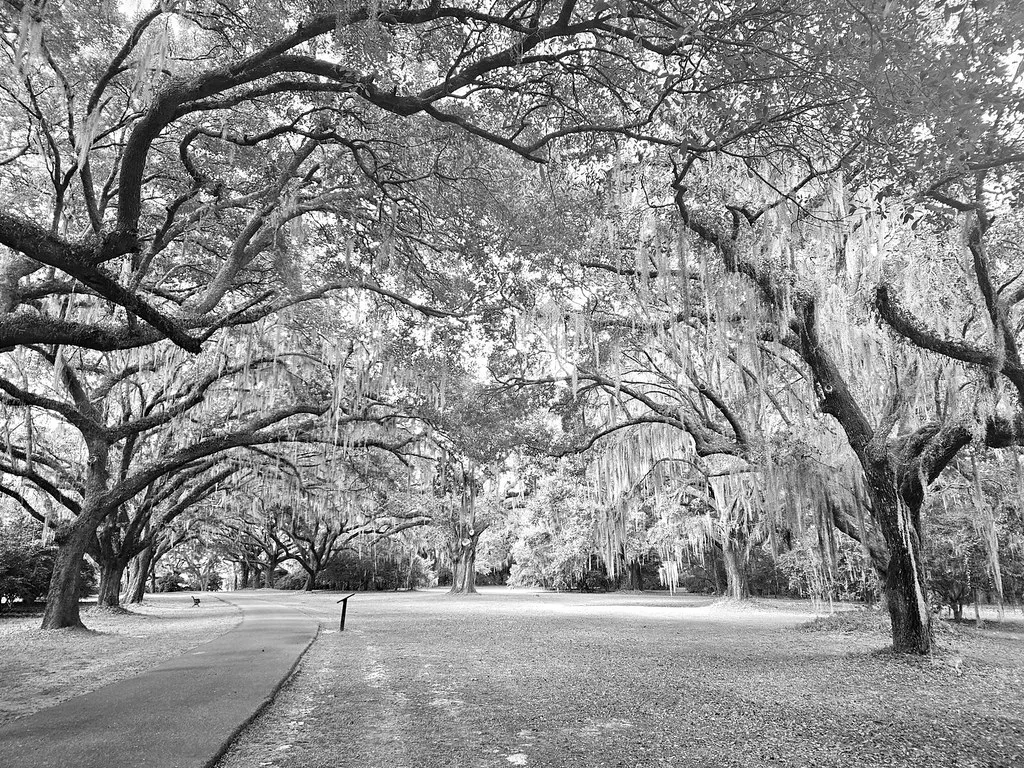
Our ship docked at Union Pier early, giving me the full day to explore. The cruise terminal sits a comfortable walk from the historic district — close enough to reach on foot but far enough that you feel you've earned your arrival. I chose to walk, following the waterfront past the South Carolina Aquarium and toward the old city. Palmetto trees lined the streets, their fronds rustling in that perpetual coastal breeze. Spanish moss hung from live oaks like grey curtains, softening everything, making the light itself seem gentler. I've sailed many ports, but Charleston possesses a particular grace that others only imitate.
Rainbow Row announced itself in a parade of pastels — thirteen Georgian rowhouses painted in Caribbean-bright colors that date to the 1740s. These are among the oldest buildings in the city, merchants' homes that survived the Revolution, Civil War, earthquake, and hurricanes. The colors weren't original; they were added in the 1930s during restoration, but they've become Charleston's signature. I watched tourists photograph every angle while locals breezed past on bicycles, proving what's postcard-pretty for visitors is simply home for them. That's what separates real places from theme parks — people actually live here, conducting ordinary business amid the historic grandeur.
From Rainbow Row, I walked toward the French Quarter, Charleston's oldest neighborhood. The streets here are narrow and cobblestoned, the buildings showing their age in the way handmade bricks settle and shift over generations. St. Philip's Church rose against the sky, its white steeple a landmark that sailors used to navigate by. I stepped inside during a quiet moment between services, letting my eyes adjust to the cool interior. Plaques commemorated families whose names appear throughout South Carolina history — Pinckneys, Rutledges, Middletons. This is where Charleston's early elite worshipped, where they baptized their children and buried their dead. The weight of accumulated generations pressed down gently, not oppressive but present.
My breath caught when I reached the Old Slave Mart Museum on Chalmers Street. This unassuming building once served as one of the nation's busiest slave auction houses. The city closed the outdoor slave trade in 1856 after citizens complained about the public spectacle, so the commerce moved indoors, into buildings like this one. I stood in the small exhibition space reading accounts of families separated, of human beings catalogued like merchandise. The exhibits don't flinch from this history. They present it clearly, letting visitors reckon with what happened here. Charleston's beauty exists alongside its brutality, and to love the city honestly means seeing both.
For the first time in a long while, something shifted in how I understood this place. The elegant houses, the gracious hospitality, the refined culture — all of it was built on enslaved labor. The rice that made planters wealthy was cultivated by African expertise. The ironwork that adorns balconies was forged by enslaved blacksmiths. I walked the same streets where enslaved people were marched to auction, where families were torn apart for profit. To stand in Charleston is to stand on contested ground, beautiful and terrible, and the city is stronger for acknowledging that truth rather than hiding it.
I needed lighter spirits after the museum, so I headed to the City Market — four blocks of covered sheds where vendors have sold goods since 1807. The market bustles with energy: souvenirs and sweetgrass baskets, pralines and hot sauce, local art and imported trinkets. But the real treasure sits near the market's edges, where Gullah women weave sweetgrass baskets using techniques their ancestors brought from West Africa. These baskets take hours to complete, each coil sewn with palmetto strips, and they represent a continuous cultural thread stretching across the Atlantic and through four centuries. I watched one woman work, her fingers moving with practiced certainty, and when I finally purchased a small basket, she smiled and said, "This one will last longer than you will." I believed her.
Lunch called me to a Lowcountry institution: Hyman's Seafood downtown, where I ordered shrimp and grits. Not fancy shrimp and grits from some celebrity chef's interpretation — just good, honest creek shrimp over stone-ground grits with a gravy that tasted like butter and bay and the creek itself. This is the dish that Charleston gave America, born in Gullah kitchens where cooks transformed humble ingredients into something transcendent. I ate slowly, grateful for food that carries history in every bite.
The afternoon found me on a ferry to Fort Sumter, that artificial island in Charleston Harbor where the Civil War began. On April 12, 1861, Confederate batteries opened fire on the federal garrison here, and the country tore itself apart for the next four years. The fort's brick walls still bear scars from those early bombardments. I walked the ramparts where Major Anderson's men watched shells arc across the water, trying to imagine what it felt like to be surrounded, outgunned, the whole world about to change. A park ranger gave context with obvious care, neither celebrating nor condemning, simply helping visitors understand what happened and why it mattered. History here isn't distant — it's immediate, tangible, still being processed.
Back in the historic district, I wandered through the residential streets south of Broad — the area locals call "SOB" with a knowing smile. These are Charleston's grandest antebellum homes, surrounded by gardens that bloom year-round in the subtropical climate. Wrought iron gates offered glimpses of private courtyards. Centuries-old live oaks shaded the sidewalks. A man walking his dog nodded and said good afternoon with that particular Charleston courtesy that feels neither forced nor performative. The city has genuinely good manners, bred over generations into something approaching art.
What I learned from Charleston taught me something I didn't expect: hospitality and history are not separate things. They're intertwined, each shaping the other. The graciousness is real — the porch culture, the slow conversation, the genuine welcome. But so is the history — the suffering and injustice that built much of what we admire. Charleston doesn't let you forget either one. The city holds beauty and brutality together, insisting that honest memory is the only path to honest redemption. That refusal to choose comfort over truth makes Charleston not just beautiful but brave. I left with a sweetgrass basket, a full stomach, and questions that will take longer than one port day to answer. That's exactly right. Some places give you everything at once. Charleston makes you work for understanding, and the work is worth it.
Quick Facts
Depth Soundings
Money: The local currency is US Dollar ($)USD. ATMs are generally available near the port area, though fees vary. Credit cards are widely accepted at tourist-oriented establishments, but carry some local cash for markets, street food, and smaller vendors. Your ship's exchange rate is typically unfavorable — withdraw from a bank ATM instead. Budget $30–$80 per person for a comfortable day including lunch, transport, and a few entry fees.
Timing: Start early if your ship arrives at dawn — the first hours offer pleasant conditions and smaller crowds. Allow at least 30 minutes buffer before all-aboard time. Set a phone alarm as backup. Most port visits allow 8–10 hours on shore, which is enough to see the highlights without rushing if you prioritize well.
Safety: Standard port-town awareness applies — keep valuables close and stick to well-traveled areas during daylight. Your ship's ID card is your most important item — losing it creates a genuine headache at the gangway. Charleston is one of the safest port cities in the US — summer heat and humidity are the main hazards, so stay hydrated and seek shade during afternoon hours.
Communication: Wi-Fi is often available at cafés and restaurants near the port. Consider downloading offline maps before disembarking — cellular data roaming charges can be substantial and surprising. Google Maps offline mode or Maps.me work well for navigation without data.
Food & Water: Tap water safety varies by destination — ask locally or buy bottled water to be safe. The best food often comes from busy local restaurants rather than tourist-facing spots near the port. Lunch at a popular local place typically costs $8–$20 per person. Street food can be excellent value if you choose busy stalls with high turnover.
Photo Gallery