
Weather & Best Time to Visit
The Cruise Port
Charlottetown's cruise port sits on the waterfront within easy walking distance of the historic downtown — about 10-15 minutes on foot to Victoria Row and the main attractions. Most ships dock directly at the pier; only the largest vessels anchor and tender passengers ashore. The port area is well-organized with tourist information, taxi stands, and tour operators waiting to assist cruise passengers.
Currency is the Canadian Dollar (CAD), though many shops accept US dollars at varying exchange rates — you'll get better value using Canadian currency or credit cards. English is the primary language, with some French spoken. The port area is flat and accessible, though older downtown streets may have uneven brick sidewalks in places.
Getting Around
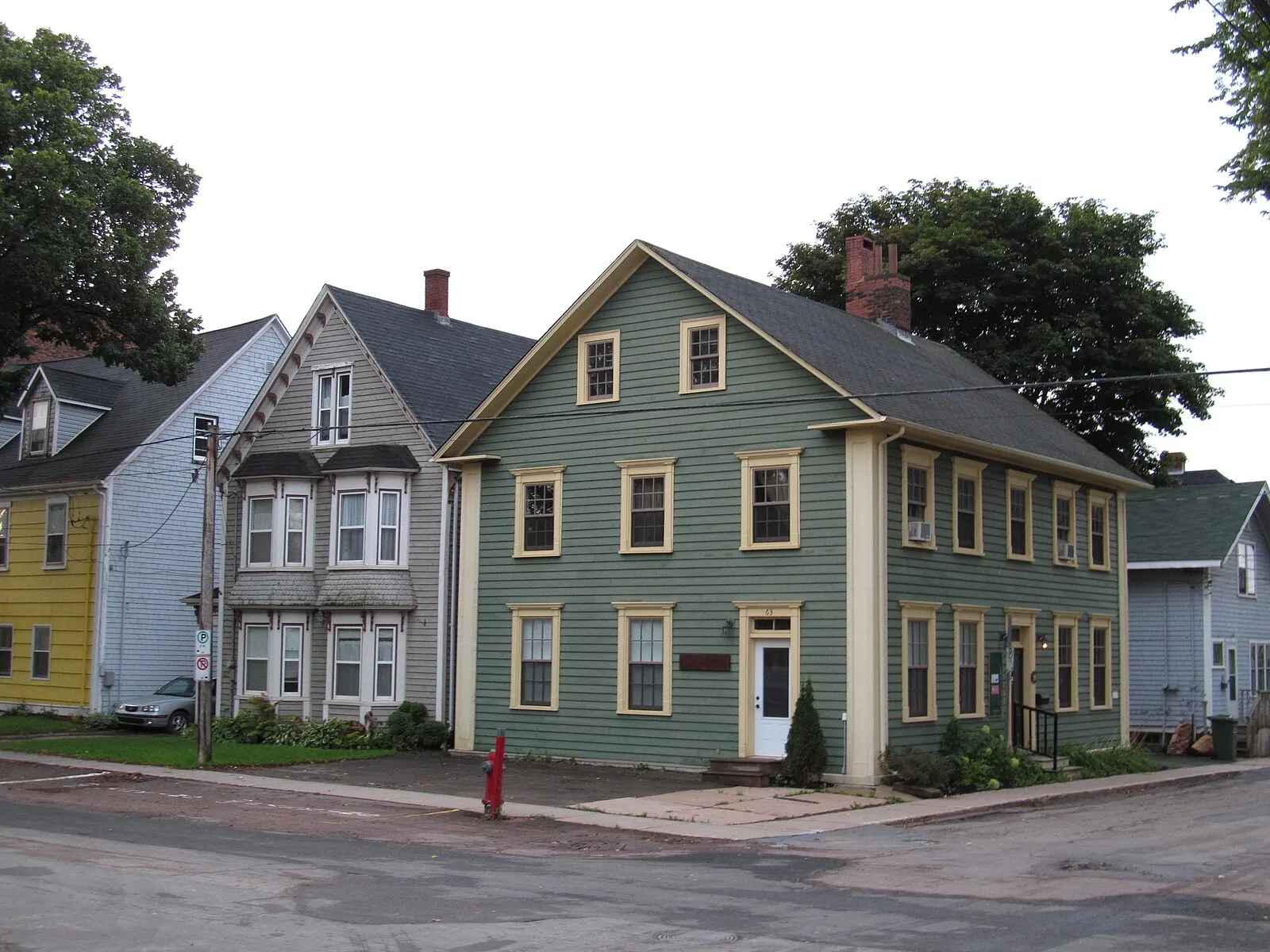
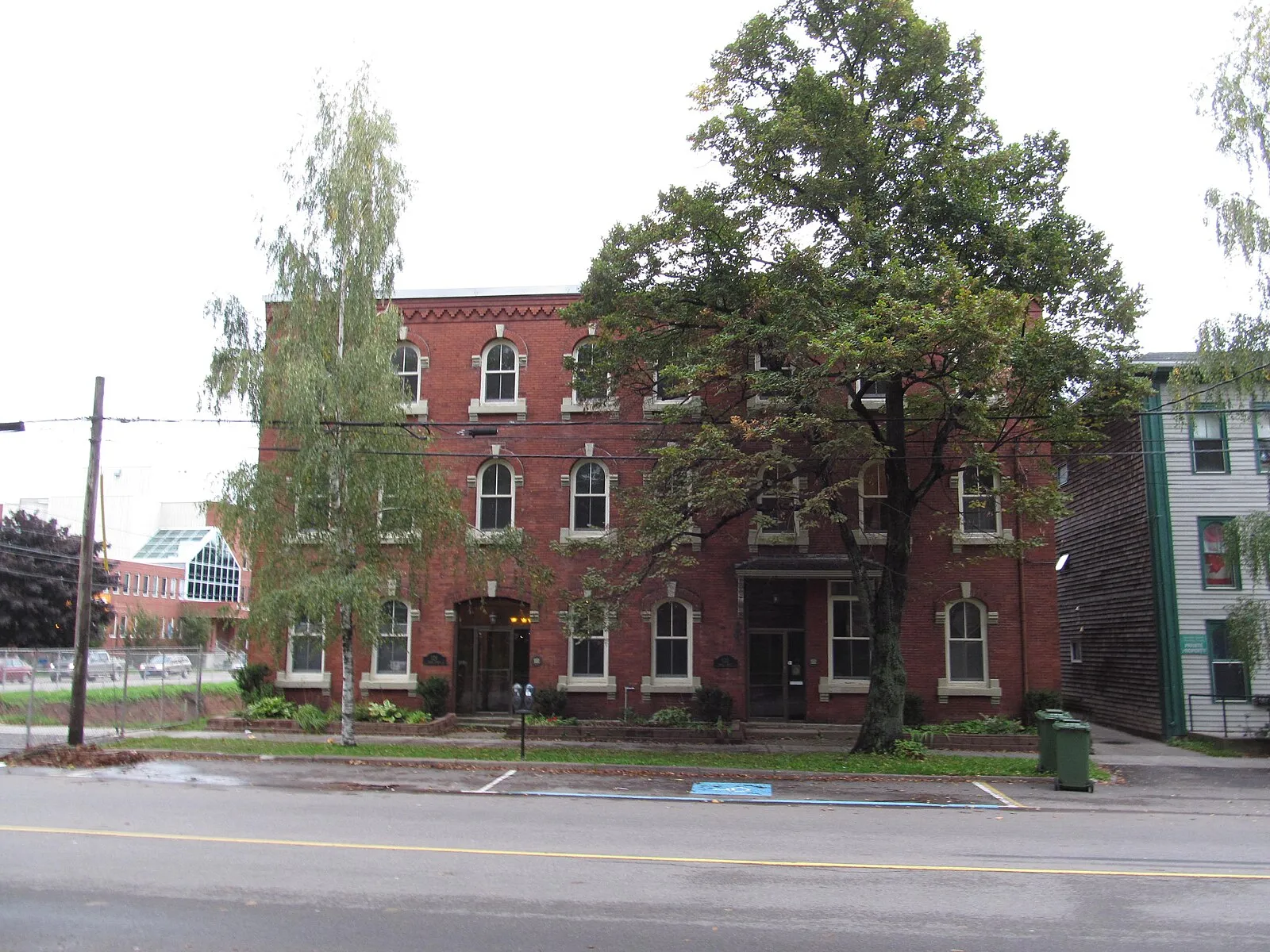
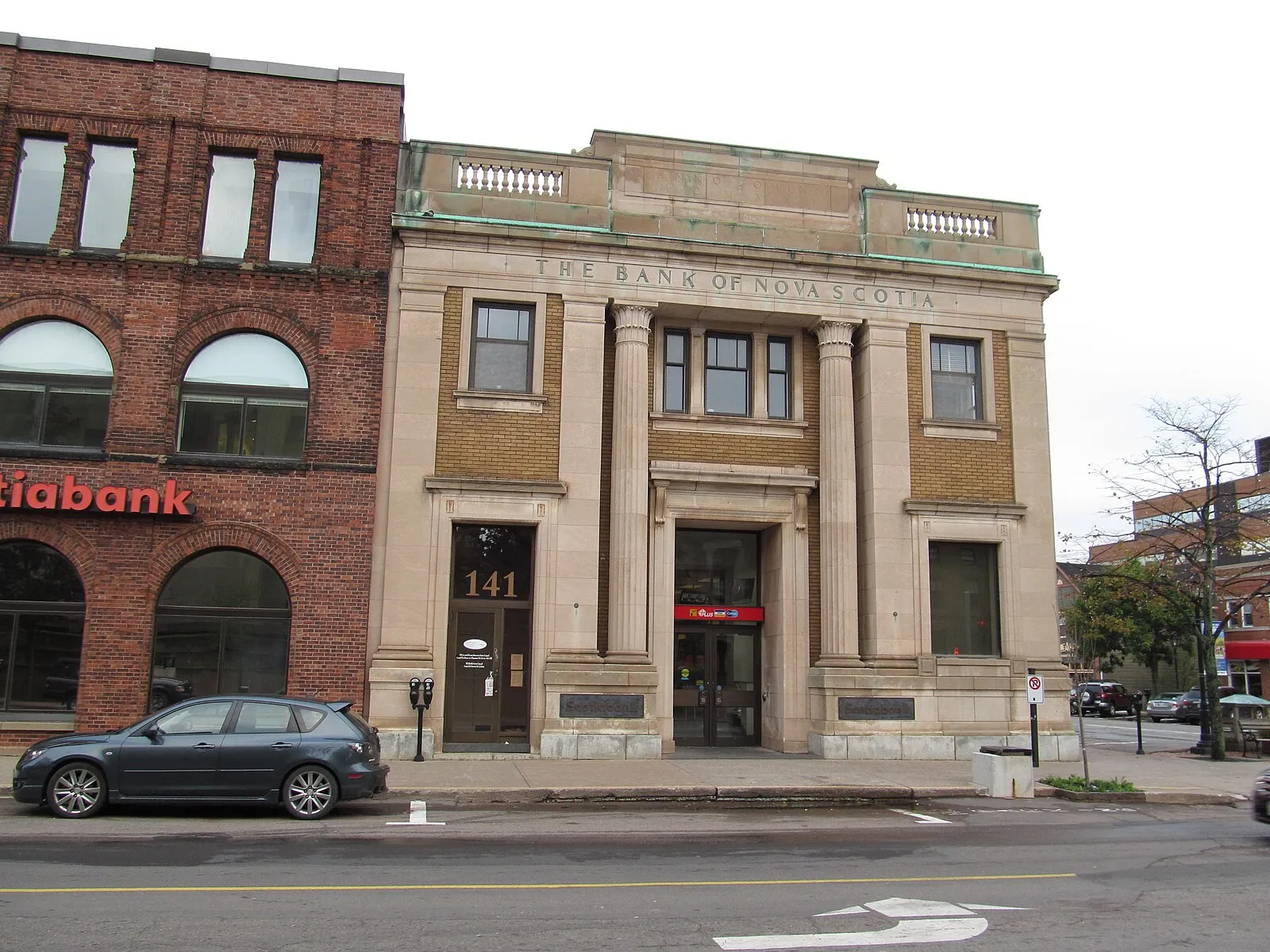
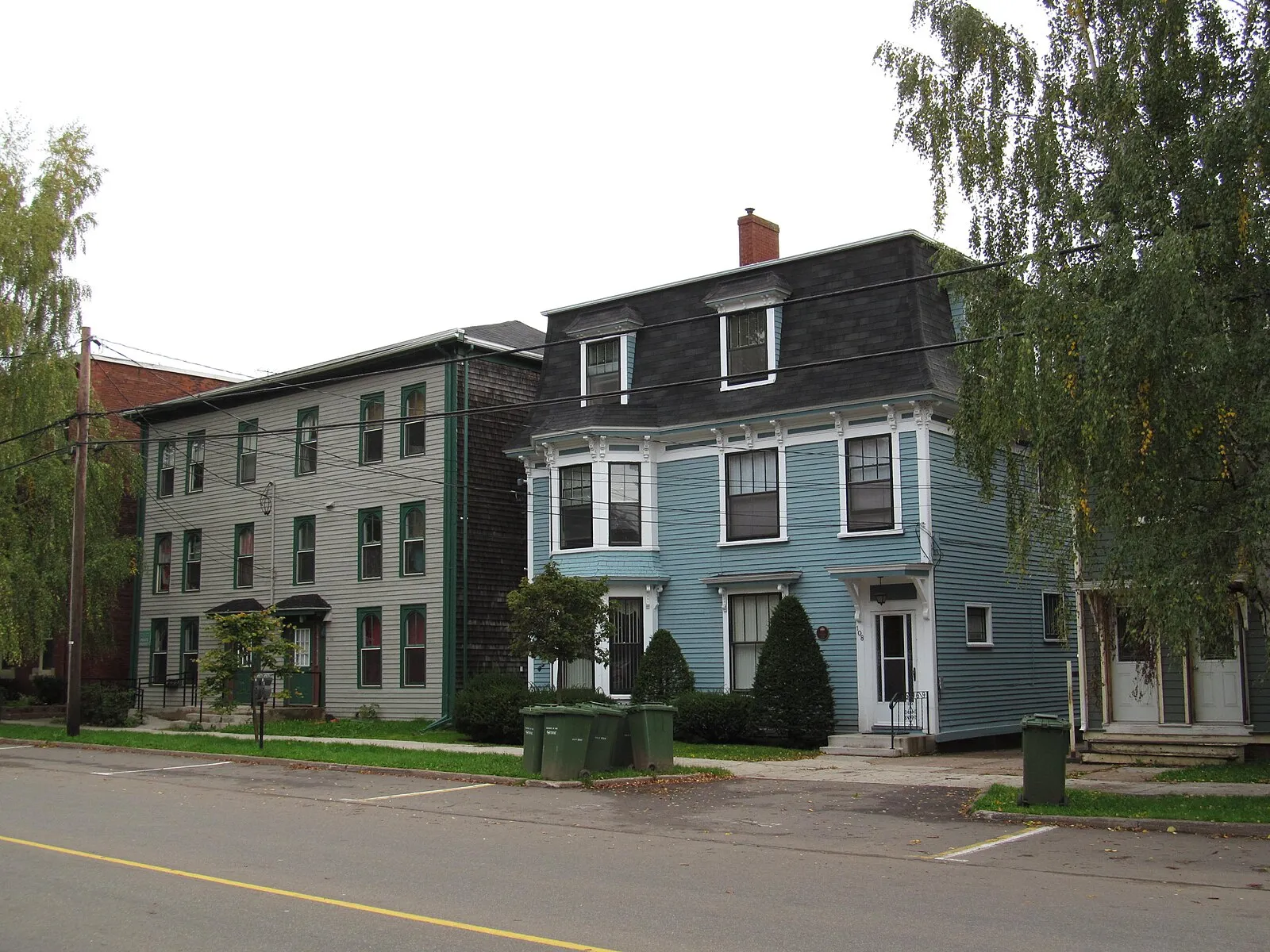
Downtown Charlottetown is wonderfully walkable — compact, flat, and filled with Victorian architecture worth admiring at a slow pace. From the cruise port, you can reach Victoria Row, Province House, and major downtown attractions in 10-15 minutes on foot. The historic district clusters within several blocks, making a walking exploration the best approach for town sights.
Reaching attractions outside town — particularly Green Gables in Cavendish (45 km) — requires transportation. Ship excursions ($80-120 CAD) handle logistics and timing for cruise visitors. Go independent by taxi ($100-140 CAD round-trip to Cavendish) or rental car for maximum flexibility. Local tour operators offer small-group van tours that combine Green Gables with beach stops. Public transit is limited and impractical for time-constrained cruise visits.
For wheelchair users, downtown Charlottetown is generally accessible with curb cuts and smooth sidewalks on main routes, though some historic areas have brick or cobblestone surfaces. The waterfront path from the cruise terminal is fully paved and accessible. Green Gables house has accessible pathways and accessible restrooms, though nature trails like Haunted Wood are packed earth and may be challenging. Contact your cruise line for adapted shore excursion options. Taxi services can accommodate wheelchairs with advance notice.
Charlottetown Port Map
Shore Excursions
Charlottetown offers two main attractions: the historic downtown and Anne of Green Gables country in Cavendish. A typical cruise port day allows time for both if you start early, or a relaxed exploration of one with depth.
Green Gables Heritage Place
The farmhouse that inspired Lucy Maud Montgomery's beloved novels. Ship excursions ($80-120 CAD) include transportation to Cavendish (45 min each way), entry to Green Gables house, and guided tour of the property and Haunted Wood trail. Go independent by taxi ($100-140 CAD round-trip) or rental car for flexibility. Book ahead during peak season as the site can get crowded. Plan 2-3 hours on site plus travel time. Low-moderate stamina level with walking on packed earth trails.
Red Sand Shoreline
PEI's famous iron-rich shores glow rusty red against blue water. Cavendish Shore (included in most Green Gables tours) offers the classic experience. Ship excursions typically combine shore time with Green Gables. Go independent for more flexibility — taxi drivers know the best spots. Water is cool even in summer; swimming is more wading than swimming for most visitors. Bring shoes that can get wet. Moderate stamina level for extended walking on sand and exploring tidal pools.
Province House National Historic Site
Where Canada was born in 1864. The Confederation Chamber remains preserved with original furniture where the Fathers of Confederation debated their nation's future. Free admission. Located downtown, easily walkable from the cruise port. Plan 45-60 minutes for exhibits and chamber tour. Low stamina level. Excellent option for history enthusiasts or if weather discourages longer excursions.
Charlottetown Walking Tour
The historic downtown rewards a slow stroll — Victorian architecture, Victoria Row shops and restaurants, St. Dunstan's Basilica, and the Confederation Centre of the Arts. Ship excursions ($40-60 CAD) provide guided context. Go independent with a self-guided tour from the visitor center (free maps available). Allow 2-3 hours for thorough exploration with stops. Low stamina level on flat terrain.
PEI Culinary Experience
The island is famous for mussels, lobster, and Cows Ice Cream. Several operators offer culinary tours combining tastings with farm visits. Ship excursions ($90-150 CAD) include multiple stops and generous sample portions of island specialties. Go independent by simply eating your way through Victoria Row — Cows for ice cream with the legendary Wowie Cowie flavor, any waterfront restaurant for steamed mussels with white wine and garlic, seafood shacks for fresh lobster rolls. Budget $30-60 CAD for a memorable lunch featuring the island's finest offerings. Low stamina level with minimal walking between tasting stops.
Local Flavors
PEI Mussels: The island produces 80% of North American mussels. Steamed with white wine, garlic, and herbs, they're sweet, tender, and impossibly fresh. $14-20 CAD per bowl.
Lobster: Atlantic lobster is everywhere — rolls, platters, bisque. Peak season is summer. Expect $25-50 CAD for a proper lobster dinner.
Cows Ice Cream: Beloved Canadian institution with creative flavors and cow-themed merchandise. Wowie Cowie (chocolate chunks, caramel) is the signature. $6-9 CAD per cone.
PEI Potatoes: The island's red soil produces legendary potatoes. Try them baked, fried, or in seafood chowder. Included with most meals.
Where to Eat: Claddagh Oyster House for upscale seafood, Peake's Quay for waterfront casual, Sim's Corner for local steakhouse tradition. Budget $20-40 CAD for lunch; $40-80 CAD for dinner.
Important Notices
Weather Variability: Maritime weather changes quickly. Bring layers even in summer — mornings can be cool and fog rolls in unexpectedly. Pack a light rain jacket.
Cruise Season: June through October. July-September offers warmest weather and full cultural programming. Fall foliage peaks late September through early October.
Anne of Green Gables Crowds: Green Gables is extremely popular during cruise ship days. Book ahead or arrive early. Consider the site's walking trails for quieter experiences.
Sunday Hours: Some shops and attractions have limited Sunday hours, especially outside peak season. Plan accordingly.
Depth Soundings
Practical tips before you step off the ship.
Start early for Green Gables if visiting independently — the site gets crowded when multiple cruise ships are in port. The Haunted Wood trail behind the house offers the best atmosphere and photographs. Victoria Row restaurants fill quickly at lunch; arrive before noon or after 2:00 p.m. for easier seating. Cows Ice Cream always has a line, but it moves quickly and is absolutely worth the wait.
Province House tours run throughout the day and rarely have long waits — an excellent option if weather turns or you return early from Cavendish. The Confederation Centre of the Arts offers backstage tours when the Anne musical isn't in performance, giving insight into the longest-running musical in Canada. Canadian dollars are preferred everywhere; credit cards accepted at most establishments. ATMs are easy to find downtown. Cell service and WiFi are reliable throughout the area.
Photo Gallery
Frequently Asked Questions
Q: Is Charlottetown worth visiting on a cruise?
A: Yes — even non-Anne fans love it. Charlottetown offers the birthplace of Canadian Confederation (Province House), charming Victorian architecture, world-famous Cows ice cream, and easy access to Green Gables heritage site and PEI's stunning red sand beaches.
Q: How long does it take to reach Cavendish from Charlottetown?
A: About 45 minutes each way by car or tour bus. Plan 4 hours round-trip minimum to visit Green Gables house and walk the red sand beaches at Cavendish. Six hours allows for a more relaxed experience with lunch.
Q: Can you walk from the cruise port to downtown?
A: Yes — the port is walkable to downtown, typically 10-15 minutes on foot to Victoria Row and the historic center. The route is flat, well-marked, and pleasant.
Q: When is the best time to visit Charlottetown?
A: July through September offers warmest weather and full cultural programming including the Anne musical. Late June to early October is cruise season. Fall foliage is spectacular in late September and early October.
Q: Is PEI only for Anne of Green Gables fans?
A: Not at all. The island offers compelling history at Province House, beautiful beaches, excellent seafood, charming small-town atmosphere, and stunning pastoral scenery — plenty to enjoy without any Anne knowledge.
Q: When is hurricane and storm season in Charlottetown?
A: The Weather Hazards panel above labels Charlottetown's heavy-weather window "Atlantic Storms & Winter Weather" with "Season: Oct – Mar" and "Peak risk: Nov, Dec, Jan." Prince Edward Island (~46°N in the Gulf of St. Lawrence) is north of the main Atlantic-hurricane tracks; late-season storms occasionally recurve toward the Canadian Maritimes (notably Hurricane Fiona in 2022). The cruise season largely overlaps Jun-Oct with the calmer summer weather. The live weather widget in the seasonal panel above is the primary source for current conditions on a specific sailing date.
Q: What should I pack for Charlottetown's weather?
A: The Packing Tips section in the seasonal panel above gives the basics. Even in peak summer (Jul-Aug), evenings cool down quickly — a light fleece or windbreaker matters for Victoria Row walks after dinner. Sturdy walking shoes for Victorian-era cobblestones, sunscreen for the red beaches at Cavendish, and a rain jacket for the maritime weather. Late September visitors should pack warmer layers for the foliage shoulder.
Q: Will rain ruin my Charlottetown port day?
A: Maritime Canada gets rain year-round, but cruise-season summers (Jun-Sep) are generally drier than spring or autumn. Charlottetown's compact downtown keeps the indoor refuges close: Province House, the Confederation Centre of the Arts, Founder's Food Hall, and the brick-arched shops along Victoria Row. Cavendish excursions are more weather-sensitive — the beach walks and Green Gables grounds are exposed. The live weather widget in the seasonal panel above is the primary source for short-term forecasts on a specific sailing date.
Last reviewed: February 2026
Captain's Logbook
✓ No ads. Works offline. Independent of cruise lines. No affiliate links
Captain's Logbook
Charlottetown
I woke early to see Prince Edward Island emerge from morning mist — a gentle curve of red earth and green fields rising from steel-grey water. Our ship slid past the Confederation Bridge in the predawn light, that engineering marvel stretching 12.9 kilometers across the Northumberland Strait. By the time we docked at Charlottetown's waterfront, the sun had burned through the haze, and the capital of Canada's smallest province sparkled under a September sky so blue it seemed borrowed from a child's crayon box.
I'd come for Anne of Green Gables — who comes to PEI without her? But Charlottetown itself surprised me. The town is modest by cruise port standards, barely 36,000 souls, yet it carries a weight of history that larger cities would envy. It was here, in September 1864, that twenty-three men from the British North American colonies gathered in Province House and began the discussions that would create Canada. They arrived expecting to debate Maritime union; they left with the blueprint for a nation. That conference room still stands, preserved as it was when the Fathers of Confederation sat around its table and argued about railways and representation.
I walked from the cruise terminal along the waterfront in ten minutes flat — Charlottetown is that kind of manageable port. Victoria Row opened before me, a pedestrian street lined with red-brick buildings that house restaurants, galleries, and shops selling the inevitable Anne merchandise. But mixed among the tourist offerings were genuine Island businesses: Cows Ice Cream with its legendary flavors (I'd been told to try Wowie Cowie, and I did), local craft breweries, Maritime art galleries showing seascapes that actually look like the sea outside. The street was busy but not overwhelming, families and couples strolling at that unhurried pace that Island time seems to demand.
My breath caught when I stepped into Province House National Historic Site. This is where Canada was born, in this modest Georgian building that sits unassuming on Great George Street. I stood in the Confederation Chamber where those colonial delegates debated their uncertain future, where Sir John A. Macdonald and George-Étienne Cartier and Samuel Leonard Tilley argued and compromised and ultimately agreed to try something new. The original furniture remains. The portraits watch from their frames. A guide explained the three days of meetings, the evening balls, the champagne toasts aboard visiting ships. History happened in this small room, and somehow it still feels present rather than past.
From Province House, I walked to St. Dunstan's Basilica, its twin spires visible from most of downtown. The cathedral's Gothic Revival interior glowed with light filtering through stained glass, and I sat in a back pew for a quiet moment of reflection. PEI is predominantly Catholic, settled by Scottish and Irish immigrants who brought their faith across the Atlantic along with their farming skills. The Island's churches dot every crossroads, white clapboard chapels and stone parish buildings that anchor communities against the Atlantic wind. I lit a candle and thanked God for safe passage and small blessings — the kind of prayer that comes naturally in ports where the sea shapes everything.
After lunch at a waterfront restaurant serving the freshest mussels I've had anywhere (PEI mussels are famous for good reason), I joined a tour to Cavendish and Green Gables. The drive took about 45 minutes through rolling farmland — fields of potatoes, lupins blooming purple along the roadside, red soil that seemed to glow in the afternoon light. This is the landscape that shaped Lucy Maud Montgomery's imagination, that she transformed into Avonlea and immortalized in her 1908 novel about a red-haired orphan who talked too much and loved too deeply.
The moment that stays with me: walking the Haunted Wood trail behind Green Gables house, where sunlight filtered through birch leaves and every turn revealed another corner that Montgomery had described over a century ago. I'm not typically moved by literary tourism, but something about the quiet path, the quality of light, the smell of pine and damp earth — it brought the books alive in a way I hadn't expected. For the first time in years, I felt like a child again, half-expecting to see Anne herself come running down the path, braids flying, imagination spinning some elaborate fantasy about fairies or tragically beautiful princesses. That's what good literature does: it makes places sacred. Walking where Montgomery walked, seeing what she saw, I understood why her books have endured for over a hundred years.
The red sand beaches near Cavendish completed the afternoon. PEI's soil is rich in iron oxide, which gives everything — beaches, cliffs, dirt roads — that distinctive rusty-red color. I kicked off my shoes and walked the shore, cool sand between my toes, waves lapping gently at the island's edge. The cliffs rose behind me, striated in reds and oranges like geological layer cake. Children built sandcastles that would wash away with the tide. A man threw a ball for his golden retriever, who splashed joyfully through the shallows. It was all so perfectly, uncomplicatedly happy that I had to laugh. Sometimes a beach is just a beach, and that's enough.
Back in Charlottetown, I wandered the streets as evening approached. The Confederation Centre of the Arts was preparing for that night's performance of Anne of Green Gables — The Musical, which has run here every summer since 1965. I didn't have time to see it, but I watched families heading in, kids dressed in Anne costumes with red-yarn braids, and I thought about how stories create communities. Anne is everywhere on this island — on restaurant menus, shop signs, tour bus logos — yet she never feels exploited, only celebrated. The Islanders have made her their own, woven her into their identity alongside Confederation and lobster and fall harvest festivals.
What I learned from Charlottetown taught me something I didn't expect: small places can hold enormous significance. This tiny island, this modest capital, gave birth to one of the world's great democracies and one of literature's most beloved characters. The scale is intimate but the impact is vast. PEI reminded me that history doesn't require grand stages or imposing monuments — sometimes it happens in a two-story Georgian building on an island in the Gulf of St. Lawrence, debated by men in waistcoats who couldn't have imagined the nation they were creating. And sometimes it happens in a green farmhouse where a lonely woman wrote stories about a lonely girl, and both of them found healing through imagination. That's the gift of this gentle place: the reassurance that ordinary settings can produce extraordinary things.
Quick Facts
Depth Soundings
Money: The local currency is Canadian Dollar (CAD)CAD. ATMs are generally available near the port area, though fees vary. Credit cards are widely accepted at tourist-oriented establishments, but carry some local cash for markets, street food, and smaller vendors. Your ship's exchange rate is typically unfavorable — withdraw from a bank ATM instead. Budget $30–$80 per person for a comfortable day including lunch, transport, and a few entry fees.
Timing: Start early if your ship arrives at dawn — the first hours offer pleasant conditions and smaller crowds. Allow at least 30 minutes buffer before all-aboard time. Set a phone alarm as backup. Most port visits allow 8–10 hours on shore, which is enough to see the highlights without rushing if you prioritize well.
Safety: Standard port-town awareness applies — keep valuables close and stick to well-traveled areas during daylight. Your ship's ID card is your most important item — losing it creates a genuine headache at the gangway.
Communication: Wi-Fi is often available at cafés and restaurants near the port. Consider downloading offline maps before disembarking — cellular data roaming charges can be substantial and surprising. Google Maps offline mode or Maps.me work well for navigation without data.
Food & Water: Tap water safety varies by destination — ask locally or buy bottled water to be safe. The best food often comes from busy local restaurants rather than tourist-facing spots near the port. Lunch at a popular local place typically costs $8–$20 per person. Street food can be excellent value if you choose busy stalls with high turnover.
Photo Gallery