
From the Logbook
I had seen photographs of the Chilean Fjords for years—those impossibly narrow channels flanked by vertical granite walls, the waterfalls disappearing into mist, glaciers tumbling directly into steel-gray water. But nothing prepared me for what it felt like to wake at 5 AM, pull back the cabin curtain, and find my ship threading through a passage so narrow I could have thrown a stone to either cliffside. The silence was absolute. No engines from other vessels, no sounds of civilization—just the soft hiss of water against the hull and the distant thunder of ice calving somewhere beyond the next bend.
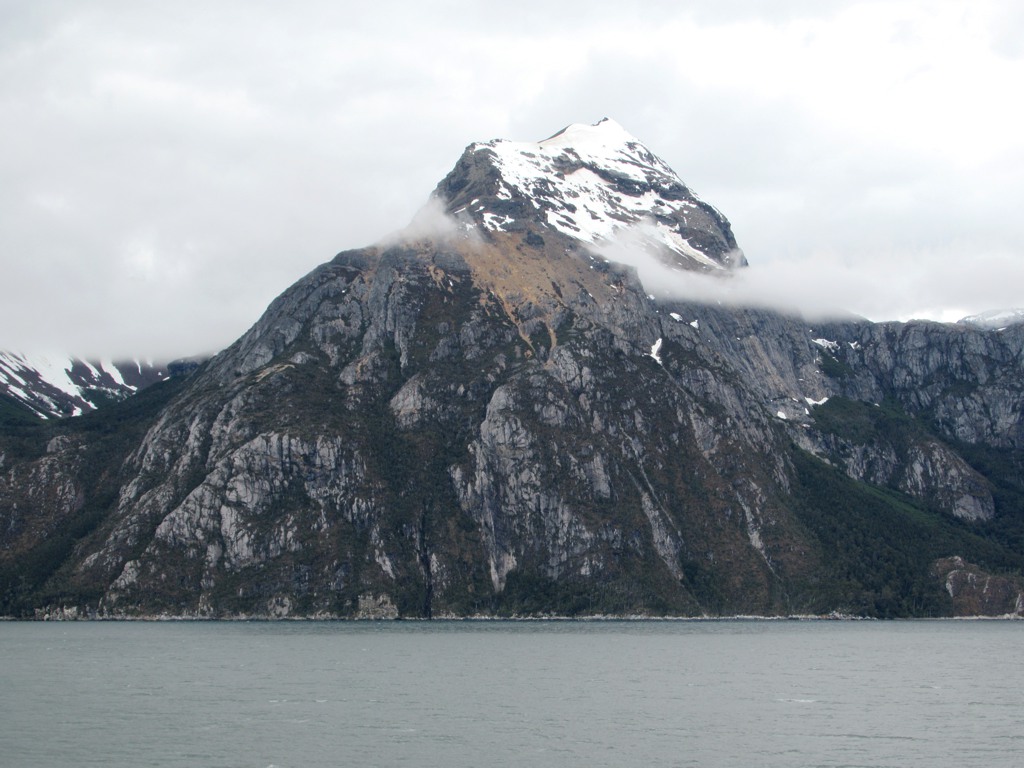
I dressed quickly, grabbed my camera, and climbed to the top deck. The cold hit immediately—raw Patagonian air that cut through my jacket and made my eyes water. But I stayed. I stayed for three hours that first morning, watching the landscape unfold like something from the beginning of the world. Waterfalls cascaded from heights that defied measurement, some plunging hundreds of feet only to dissolve into spray before reaching the channel. The temperate rainforest clung to every surface—bright green moss carpeting rocks, ancient trees somehow rooted in vertical cliff faces, vegetation so dense it looked painted.
The captain's voice came over the speaker occasionally, pointing out glaciers appearing through gaps in the mountains, or noting the particular channel we were navigating. I learned to recognize the Messier Channel, the Wellington Channel, the Gulf of Penas crossing. But honestly, the names didn't matter. What mattered was the overwhelming scale of it all—mountains rising directly from the water to disappear into clouds, channels that wound between islands like some giant maze, the constant presence of ice and rock and water in configurations I had never imagined.
By mid-morning I found myself standing at the rail next to an elderly woman wrapped in a heavy wool blanket. We didn't speak at first—just watched the landscape pass together. Eventually she told me she'd been waiting forty years to make this voyage. Her late husband had always wanted to see Patagonia, and she was finally here without him. We stood together in comfortable silence, two strangers bearing witness to something that felt larger than either of us could hold alone.
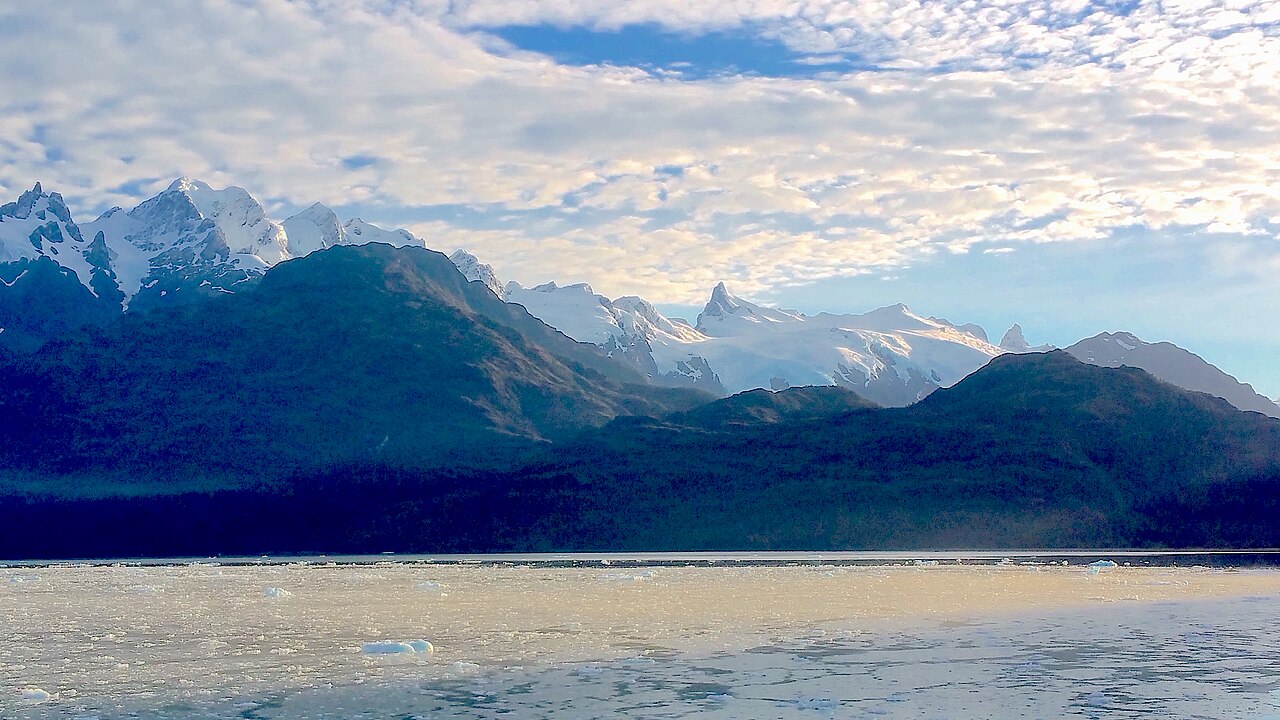
On the second day, we approached a tidewater glacier. The ship's engines fell nearly silent as we drifted closer, and I could hear the ice—creaking, groaning, sighing as it slowly calved into the sea. My breath caught when a massive section of the glacier face suddenly broke away, dropping into the channel with a sound like cannon fire. The resulting wave rocked our ship gently, and chunks of ice floated past—some the size of cars, impossibly blue in the gray light. I stood at the rail with tears streaming down my face, though I couldn't have explained exactly why. Something about the immensity of time represented by that ice, the millennia compressed into those frozen layers, the absolute indifference of nature to my presence there.
For the first time in years, I felt the proper scale of my own life. Standing on that deck, watching ice that had formed when my great-grandparents were children finally returning to the sea, I understood something about impermanence that I had read about but never felt. The Patagonian wind whipped through my hair and I didn't move, didn't want the moment to end, wanted to hold onto that feeling of being simultaneously insignificant and completely present.
The wildlife appeared like gifts throughout those days—a pod of dolphins racing our bow wave just after dawn, sea lions lounging on rocky outcrops, an Andean condor circling so close I could see its red eye. But it was the landscape itself that held me captive. Mile after mile of pristine wilderness, channels that had known indigenous people for thousands of years but remained essentially unchanged, forests that would never be logged because no road would ever reach them. The smell of clean rain on ancient rock, the taste of salt spray mixing with glacier-cold air, the sound of nothing but water and wind and the occasional bird call echoing off granite walls.
I found myself thinking about the Kawésqar people who navigated these waters in canoes, keeping fires burning constantly on board, reading the channels and currents in ways I couldn't fathom. They understood something about living alongside this landscape rather than trying to conquer it—a wisdom that felt increasingly relevant as I watched glaciers retreat year over year, the ice fields visibly smaller than they appeared in snapshots taken decades ago.
The moment that stays with me: standing alone on the aft deck at sunset, watching the fjord walls turn gold and then purple as the light failed. A glacier ahead caught the last rays of sun, glowing impossibly pink against the darkening water. My heart swelled with gratitude—gratitude for being present in that exact moment, for having eyes to see it, for the privilege of witnessing something so ancient and so fragile. I had come to the Chilean Fjords expecting beautiful scenery. I left with something closer to reverence—and a quiet resolve to live more lightly, to tread more gently, to honor the wild places that remain.
Weather & Best Time to Visit
The Cruise Port
The Chilean Fjords are not a single port but rather 2-3 days of continuous scenic cruising as your ship navigates the intricate waterways between Puerto Montt and Punta Arenas, or on Antarctica-bound voyages. Unlike traditional port calls, there are no tenders, no immigration procedures, and no shore excursions—the experience happens entirely from the ship as you traverse some of Earth's most spectacular coastal scenery.
Ships typically enter the fjord system either heading south from Puerto Montt or north from Punta Arenas. The route varies by vessel and conditions, but most transit the Messier Channel, cross the Gulf of Penas (the only open-water stretch), and navigate Wellington Channel. Local pilots board at key points to guide ships through the most challenging passages. Expect the captain to adjust speed and route based on visibility, weather, and optimal viewing conditions.
Quick Facts
Getting Around
Since Chilean Fjords scenic cruising involves no port calls or landings, "getting around" means positioning yourself optimally on your ship to experience the ever-changing landscape. This requires planning, early mornings, and appropriate gear—but the rewards are extraordinary.
Deck positioning: The best viewing locations rotate throughout the day as the ship navigates channels running north-south and east-west. Check the ship's daily program for predicted scenic highlights and recommended viewing decks. Many passengers stake out forward-facing positions early, but the landscape surrounds you—rear decks often offer equally compelling views of channels you've just passed through. The ship's bridge may be open for visits during scenic cruising; ask at the guest services desk.
Mobility considerations: External decks can be slippery from spray and rain—non-slip shoes are essential. Most ships offer comfortable indoor viewing lounges with floor-to-ceiling windows, suitable for passengers using wheelchairs or mobility devices who prefer shelter from the elements. Hot drinks are typically available to warm up between deck excursions. Wind chill can drop perceived temperatures significantly below actual readings, so brief outdoor viewing followed by warming up indoors is a reasonable strategy for those sensitive to cold. Some cruise lines offer heated blankets or warm beverages on deck during scenic cruising days.
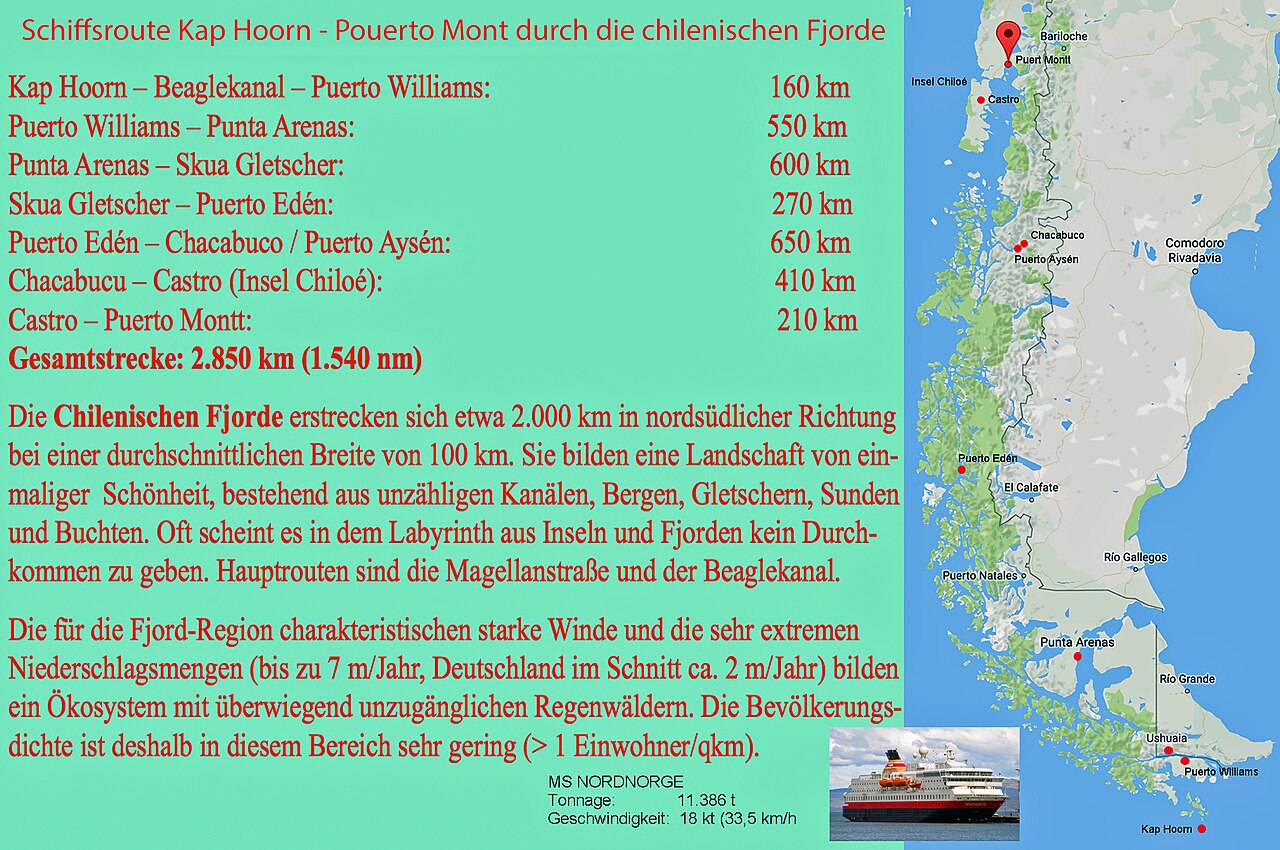
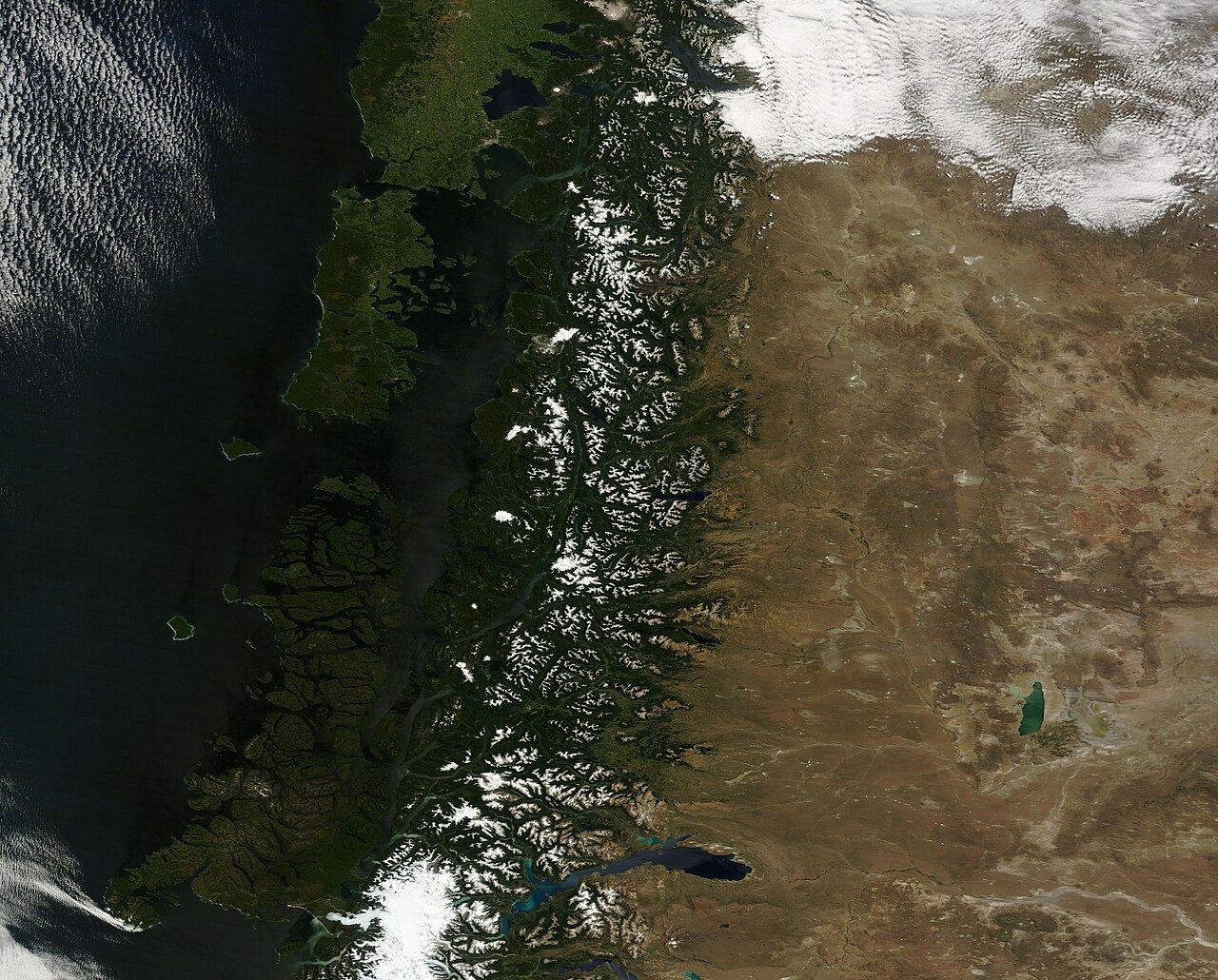
Chilean Fjords Map
The Chilean Fjords stretch over 1,000 miles along the fragmented Patagonian coastline.
Onboard Activities
While traditional shore excursions don't exist during Chilean Fjords scenic cruising, ships typically offer enrichment programs designed to enhance your understanding and appreciation of this unique wilderness. These range from structured talks to outdoor experiences on the ship's open decks.
Naturalist Lectures
Most ships running Chilean Fjords itineraries bring naturalists, geologists, or regional experts aboard for the scenic cruising days. Lectures typically cover glaciology, the formation of the Patagonian fjords, wildlife identification, indigenous Kawésqar and Yaghan cultures, and early exploration history. These presentations, usually priced at $0 as part of your cruise fare, run in the main theater and are well worth attending before heading to the decks. Independent preparation through documentary films or reading enhances the experience—consider bringing a book on Patagonian geography or Darwin's Beagle voyage accounts.
Wildlife Spotting Sessions
Ships often station crew members with binoculars on open decks to help passengers spot wildlife. You may see Magellanic penguins on rocky outcrops, South American sea lions hauled out on low-lying rocks, pods of Peale's dolphins riding the bow wave, and Andean condors soaring above the peaks. The ship's naturalist will typically announce significant sightings over the PA system. Book ahead for binocular rental if your ship offers it—personally owned binoculars are even better. A guaranteed return to your viewing spot isn't possible when everyone on the ship is competing for rail space, so arrive early for prime positioning.
Glacier Viewing
When approaching tidewater glaciers, ships typically slow or stop completely to allow extended viewing. The captain may make PA announcements about which deck offers the best vantage point. This is scenic cruising at its most spectacular—but also its coldest. Dress in waterproof layers, bring your telephoto lens, and be patient. Glacier calving happens unpredictably; you might wait an hour and see nothing, or witness house-sized chunks dropping into the sea within minutes of arrival. Ship excursion teams may offer hot chocolate service on deck during glacier stops.
Camera Workshops
Some ships offer camera workshops specifically timed for scenic cruising days. These range from basic smartphone tips ($0-$25) to advanced DSLR sessions with professional instructors ($50-$100). Even without formal instruction, the extended daylight hours during Southern Hemisphere summer (18+ hours in December) provide exceptional opportunities. Morning golden hour starts around 5 AM, evening golden hour extends past 10 PM. Bring more memory cards than you think you'll need. Many passengers find that booking a camera session at the start of the voyage pays dividends throughout the scenic cruising days.
Depth Soundings
The Chilean Fjords exist because this is where the Andes meet the sea—not gradually, but abruptly, dramatically, mountains rising directly from water so deep that even the largest cruise ships navigate with room to spare. The fjords formed during the ice ages when glaciers carved U-shaped valleys far below sea level, and the ocean flooded in when the ice retreated.
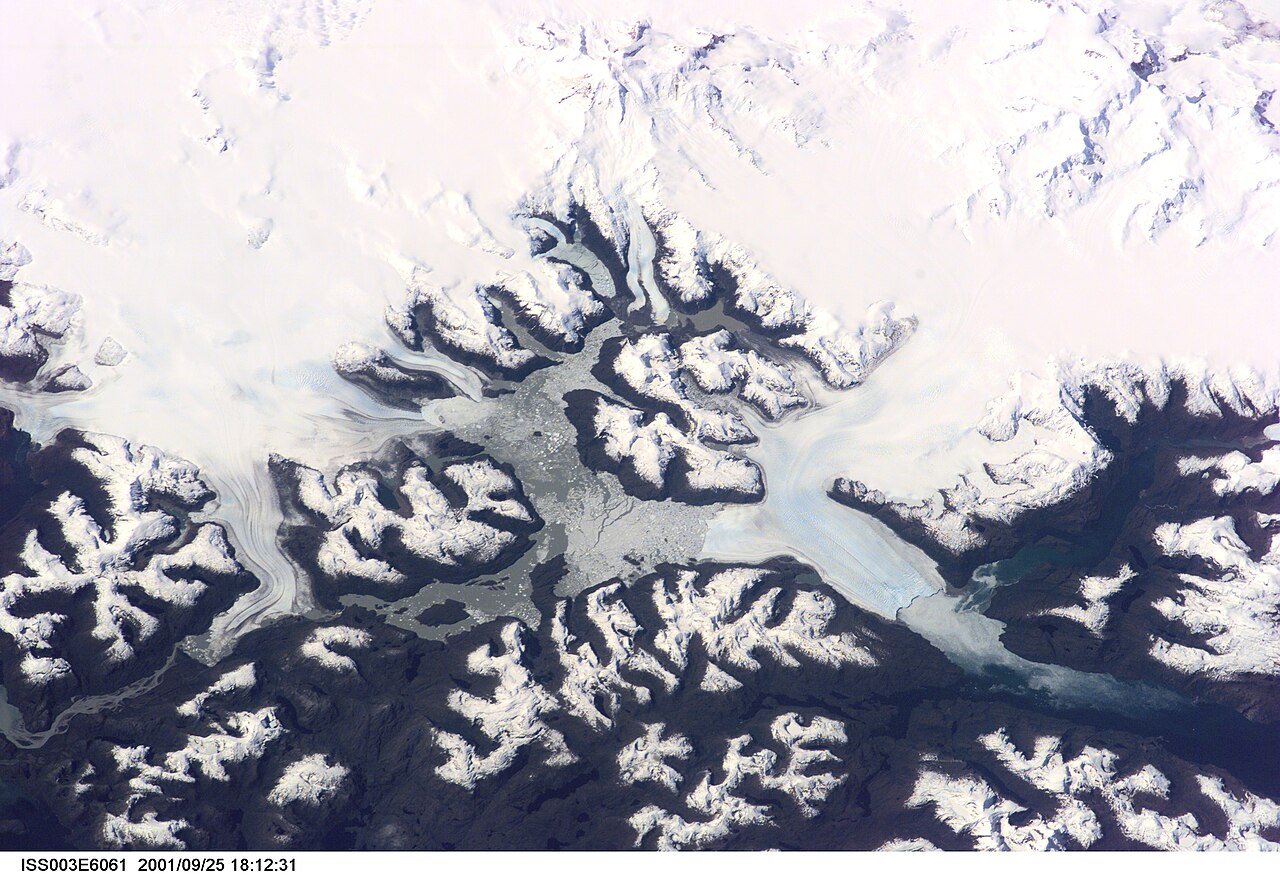
What strikes most visitors isn't captured in any lens: the absolute silence of these channels, the sense of traveling through a landscape untouched by development, the scale of time represented by ice that began accumulating millennia ago. The Patagonian Ice Fields visible from the ship are the Southern Hemisphere's largest ice masses outside Antarctica—and they're retreating. Comparing modern glacier positions to older records reveals significant change even within decades.
Indigenous peoples navigated these channels in canoes for thousands of years. The Kawésqar and Yaghan lived nomadically along this coast, moving seasonally with available resources. Their descendants remain, though in drastically reduced numbers. The fires they kept burning on their canoes gave Tierra del Fuego its name.
Photo Display
Frequently Asked Questions
How do Chilean Fjords compare to Norway and Alaska?
The Chilean Fjords rival Norway and Alaska in dramatic scenery—steep mountains plunging directly into narrow channels, tidewater glaciers calving into the sea, dense temperate rainforest clinging to every surface. The key difference is wilderness: Norway has villages and road infrastructure along many fjords; Alaska has small towns and substantial tourism development. The Chilean Fjords remain almost entirely undeveloped—no roads, no settlements, no signs of human presence for hundreds of miles. This remoteness creates both the appeal and the challenge: you can't stop and explore, but you're witnessing truly pristine wilderness.
When is the best time to cruise the Chilean Fjords?
December through March offers Southern Hemisphere summer conditions: longer daylight (18+ hours in December), milder temperatures, calmer seas, and better wildlife viewing as animals are active during warmer months. However, the fjords receive significant rainfall year-round—expect rain regardless of when you visit. The tradeoff for visiting during transitional months (October-November or April) is fewer passengers competing for deck space and potentially lower fares, but shorter days and colder conditions.
Are there any landings or shore excursions?
Most mainstream cruise ships offer no landings during Chilean Fjords scenic cruising—the experience is entirely ship-based. Some expedition-style vessels (Hurtigruten, Silversea Expeditions, Ponant) may offer Zodiac excursions to glacier faces or brief landings at accessible points, but these are weather-dependent and not guaranteed. Port calls at Puerto Montt, Puerto Chacabuco, or Punta Arenas typically bookend the scenic cruising days and offer traditional shore excursion options.
Which cabin location is best for scenic cruising?
Any cabin with a window or balcony allows you to check conditions before dressing for deck time. Mid-ship cabins reduce motion during the Gulf of Penas crossing. However, don't expect to view the entire fjord transit from your cabin—the scenery surrounds the ship, and channel navigation means the best views constantly shift from port to starboard. Plan to spend significant time on public decks regardless of cabin type.
When is the Chilean Fjords' storm season?
The glance Wind entry reads "Strong; funneled through fjord channels," and Rain reads "Extremely wet year-round (200+ inches in places)." Humidity reads "Very high — one of wettest places on Earth."
What should I pack for the Chilean Fjords' weather?
The glance Temperature reads "31-57°F — temperate rainforest fjords" and Rain reads "Extremely wet year-round (200+ inches in places)." Pack expedition layers and a fully waterproof outer shell.
Will rain ruin my Chilean Fjords cruise?
The hazard-note on this page reads: "Waterfalls are everywhere, especially after rain (which is always)." The glance Rain entry reads "Extremely wet year-round (200+ inches in places)" and Humidity reads "Very high — one of wettest places on Earth." Rain is the default condition.
Scenic Cruising
Practical Notes
- Temperature: 40-55°F (4-13°C) typical, but wind chill drops perceived temperature significantly
- Rainfall: 4,000+ mm annually in some sections—rain gear is essential, not optional
- Daylight: 18+ hours during December; 8-9 hours in winter months
- Connectivity: Minimal to no cellular or satellite internet through most fjord sections
- Motion: Protected channels are calm; Gulf of Penas crossing can be rough (6-12 hours open water)
- Equipment: Waterproof camera protection, telephoto lens for wildlife, binoculars highly recommended
- Clothing: Waterproof outer layer, warm fleece, hat and gloves—conditions change rapidly
Last reviewed: February 2026
Depth Soundings
Money: The local currency is Chilean Peso (CLP). ATMs are generally available near the port area, though fees vary. Credit cards are widely accepted at tourist-oriented establishments, but carry some local cash for markets, street food, and smaller vendors. Your ship's exchange rate is typically unfavorable — withdraw from a bank ATM instead. Budget $30–$80 per person for a comfortable day including lunch, transport, and a few entry fees.
Timing: Start early if your ship arrives at dawn — the first hours offer pleasant conditions and smaller crowds. Allow at least 30 minutes buffer before all-aboard time. Set a phone alarm as backup. Most port visits allow 8–10 hours on shore, which is enough to see the highlights without rushing if you prioritize well.
Safety: Standard port-town awareness applies — keep valuables close and stick to well-traveled areas during daylight. Your ship's ID card is your most important item — losing it creates a genuine headache at the gangway.
Communication: Wi-Fi is often available at cafés and restaurants near the port. Consider downloading offline maps before disembarking — cellular data roaming charges can be substantial and surprising. Google Maps offline mode or Maps.me work well for navigation without data.
Food & Water: Tap water safety varies by destination — ask locally or buy bottled water to be safe. The best food often comes from busy local restaurants rather than tourist-facing spots near the port. Lunch at a popular local place typically costs $8–$20 per person. Street food can be excellent value if you choose busy stalls with high turnover.
Photo Gallery