
Scenic Cruising

Glacier Alley
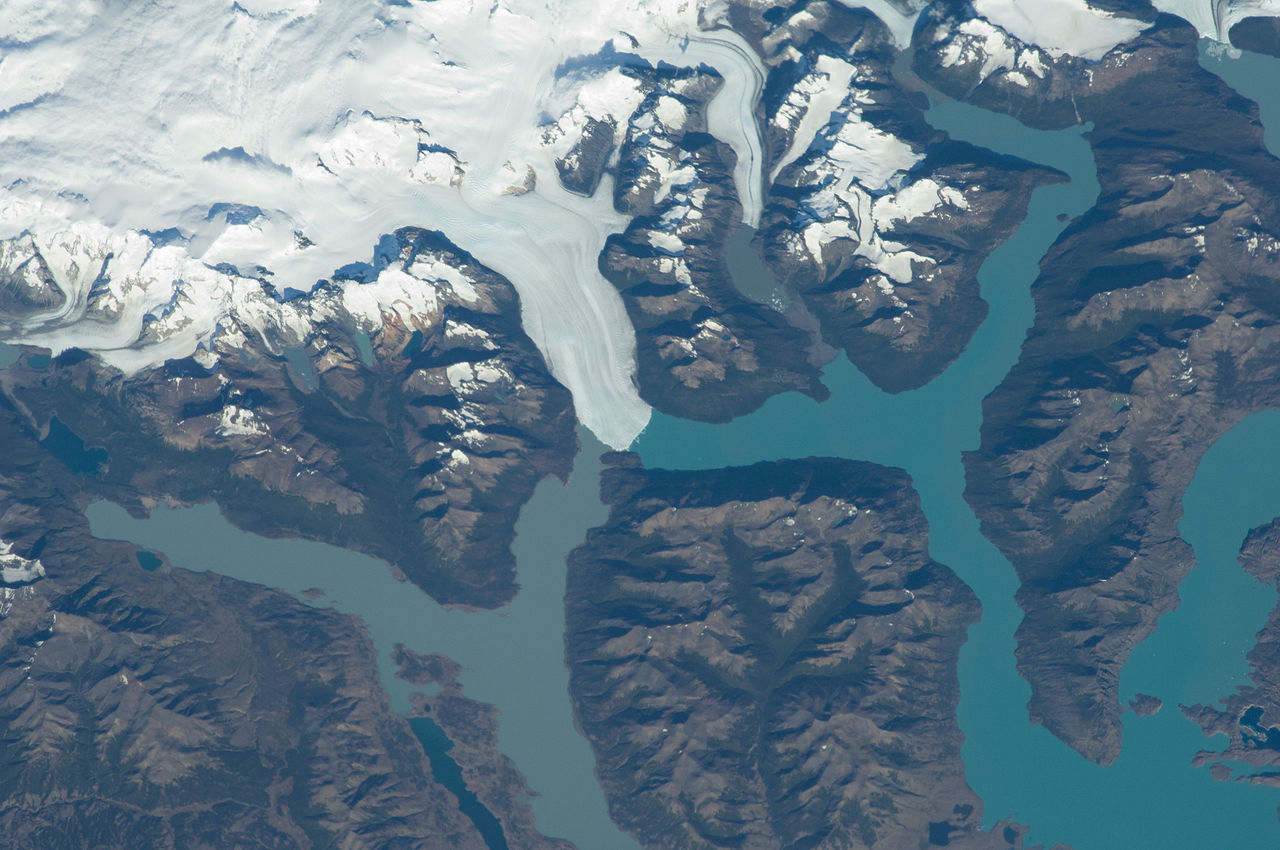
Photo: Wikimedia Commons (CC BY-SA)
Glacier Alley Cruise Guide
Glacier Alley — also called the Avenue of the Glaciers — is a scenic passage through the Beagle Channel in southern Chile where ships cruise past five tidewater glaciers cascading from the Darwin Cordillera. Named after countries that funded early expeditions to the region, the glaciers Romanche, Alemania, Italia, Francia, and Holanda descend from the mountains into the channel in a parade of blue-white ice. This is not a port stop but a transit, a slow passage through one of the most striking glacial landscapes accessible by cruise ship. The transit typically occurs on voyages between Ushuaia, Argentina, and Punta Arenas, Chile.
Captain's Logbook: Glacier Alley
I've sailed this port myself. Observations reflect personal experience; verify current conditions before travel.
I woke before dawn to the sound of the captain's voice over the intercom, calm and measured: "We are approaching Glacier Alley. I recommend all passengers dress warmly and proceed to the upper decks." I pulled on my thermal layers and waterproof jacket, grabbed my camera bag, and headed topside. The corridor was already filled with passengers in various states of bundling, some clutching coffee cups, others adjusting binocular straps. When I stepped through the heavy door onto the open deck, the cold hit me like a wall. My breath caught in my chest. The air tasted of ice and salt, sharp enough to sting my nostrils. Ahead of us, the Beagle Channel stretched into a grey morning, its dark waters smooth and still beneath low clouds that scraped the mountaintops on either side.
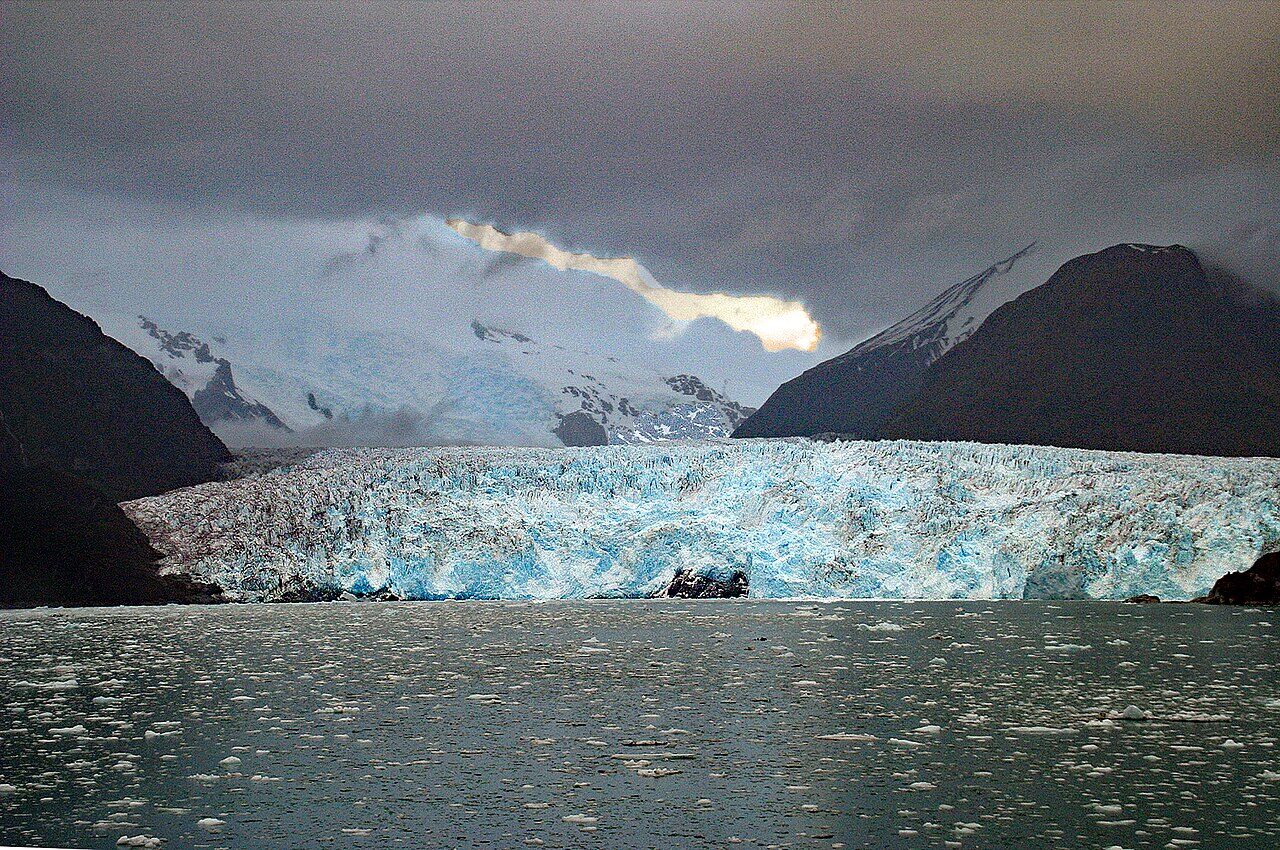
Romanche appeared first. I saw the glacier before I understood what I was looking at — my eyes needed a moment to process the scale. What seemed like a white smear on the mountainside resolved into an enormous river of ice, tumbling between dark ridges, its face a fractured wall of blue and white that dropped straight into the channel. The ship slowed to a crawl. I watched through my telephoto lens as chunks of ice calved from the face, splashing into water that was already thick with brash ice and small bergs. The sound reached us a few seconds after each visible break — a deep, resonant crack followed by a rumble that echoed off the mountains on both sides of the channel. I felt the vibration in my chest. Around me, passengers whispered to each other, pointed, held phones and cameras up. However, what struck me most was the silence between the calving events. The Beagle Channel absorbed sound in a way I had never experienced. No traffic, no machinery, no human noise beyond the ship's own quiet hum. Just wind, water, and the occasional groan of ancient ice.
As we moved westward, Alemania came into view — a heavily crevassed glacier spilling down a steeper valley, its surface broken into seracs and towers that caught the light differently from Romanche. I noticed how each glacier had its own character, its own personality almost. Alemania was wild and chaotic where Romanche had been broad and imposing. I moved from the starboard rail to the upper observation lounge to warm my hands around a cup of hot chocolate, and even through the glass the view was staggering. The mountains rose on both sides, dark rock streaked with snow, and the glaciers poured down between them like frozen rivers caught mid-flow. My fingers ached from the cold despite my gloves, but I kept going back outside because the glass softened the colors and muted the sounds that made the experience feel real.
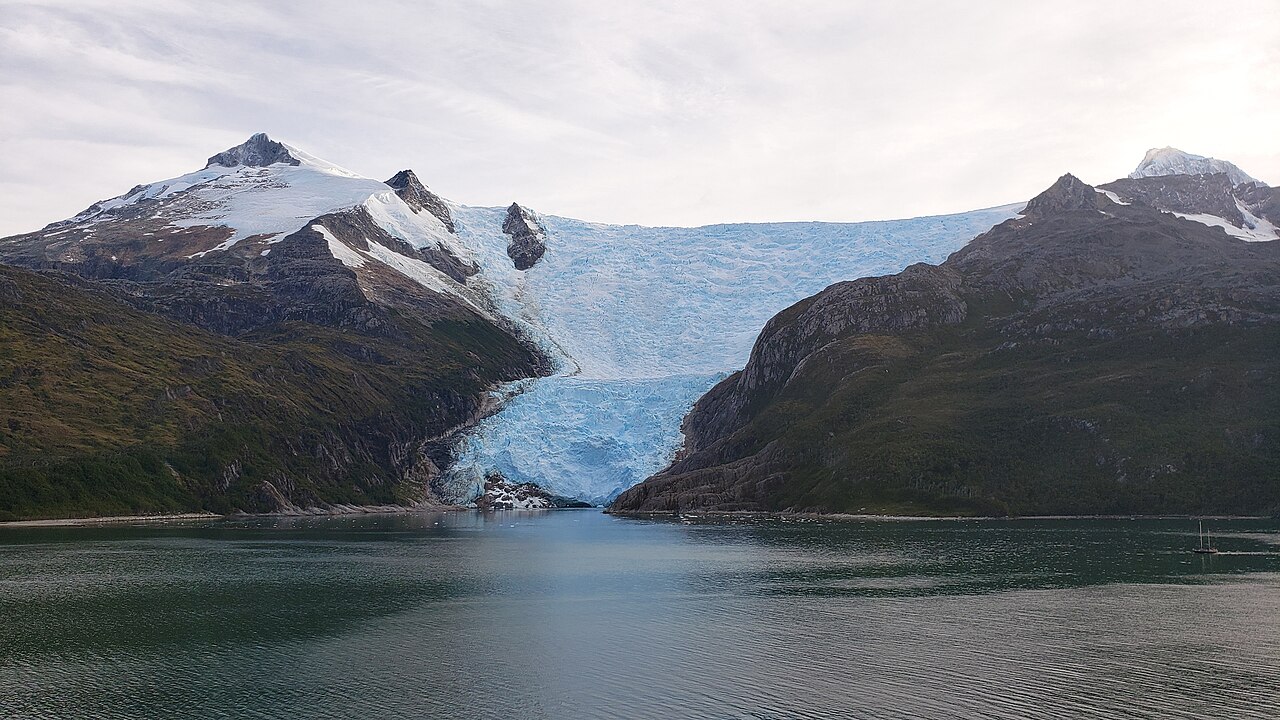
Italia Glacier offered the broadest face — a wide, imposing wall of ice that seemed to stretch the full width of its valley. I watched a pair of black-browed albatross glide past the glacier face, their wingspans enormous against the ice. The contrast between the living birds and the frozen landscape behind them stopped me still. I smelled kelp and brine on the wind, mixed with something cleaner, something mineral — the scent of ice itself, if ice has a scent. A fellow passenger beside me, an elderly woman from Buenos Aires, touched my arm and pointed. A condor circled high above the ridgeline, riding thermals that rose where cold glacial air met warmer currents from the channel. We watched it together in silence, two strangers sharing something that needed no translation.
Francia was the most active. Even from the ship I could hear its face groaning and popping, the sounds carrying across the water with startling clarity. I saw three calving events in perhaps twenty minutes — sheets of ice peeling away from the face and crashing into the channel, sending up plumes of spray and waves that rocked the smaller ice fragments floating nearby. Although the ship maintained a safe distance, the scale of each collapse was humbling. I tried to photograph the calving but the timing was impossible to predict. Instead I put my camera down and just watched, letting my eyes do what my lens could not. The turquoise blue of the freshly exposed ice was more vivid than anything I had ever seen in a photograph. No screen, no print could hold that color. It existed only in the moment, in the light, in the cold air between my eyes and the glacier face.
By the time we reached Holanda — the last glacier in the alley — I had been on deck for nearly four hours. My feet were numb despite two pairs of socks. My camera battery had died twice from the cold. Yet I could not bring myself to go inside. Holanda was known for its distinctive blue ice, and it delivered. The face glowed with an inner light, as though someone had placed lanterns behind a curtain of frozen water. I stood at the rail with my hands stuffed in my pockets, watching the glacier recede behind us as the ship continued west. My eyes filled with tears — from the wind, yes, but also from something harder to name. I had spent the morning watching ice that had taken centuries to form, flowing slowly down mountains toward a warming sea. These glaciers are retreating. Satellite images show them shrinking year by year. What I saw that morning may not exist in the same form for my grandchildren. That thought settled into me like the cold itself, quiet and persistent.
What I Learned: Glacier Alley taught me to slow down. In a world of rushing from port to port, this passage demanded stillness. I realized that some experiences cannot be captured or collected — they can only be received. The glaciers did not perform for us. They simply existed, as they have for thousands of years, indifferent to our cameras and our schedules. That indifference was the lesson. Sometimes the most valuable thing a traveler can do is stand quietly, feel the cold on their face, and accept that the world is far older and far more beautiful than our plans for it.
Weather & Best Time to Visit
The Beagle Channel sits at roughly 55 degrees south latitude, and conditions can shift within minutes. Summer temperatures (November through March) range from 35 to 50 degrees Fahrenheit on deck, but wind chill from glacial katabatic winds can make it feel significantly colder. Rain, drizzle, and low cloud are common year-round. Clear days are rare and spectacular. Wind speeds average 15 to 25 knots, gusting higher near glacier faces where cold air drops off the ice. The best viewing months are December through February when daylight lasts 17 or more hours and seas in the channel are generally calmer. However, even in midsummer, expect grey skies roughly half the time. Pack as though winter could arrive at any moment, because in this part of the world it often does.
The Cruise Port
Glacier Alley is not a port of call — it is a scenic transit through the Beagle Channel, the narrow strait separating the main island of Tierra del Fuego from the smaller islands to the south. There is no terminal, no pier, no tender operation. Ships do not stop. Instead, they slow to a crawl as they pass each glacier face, giving passengers time to observe and photograph before moving on to the next.
The transit typically occurs on itineraries sailing between Ushuaia, Argentina, and Punta Arenas, Chile. Some Antarctic-bound expedition vessels include the Beagle Channel passage as part of their routing. The five named glaciers — Romanche, Alemania, Italia, Francia, and Holanda — descend from the Darwin Cordillera into the channel along a stretch of roughly 30 nautical miles. The full scenic transit takes four to six hours depending on how long the captain lingers at each glacier and weather conditions on the day.
Cruise lines that frequently include Glacier Alley on their itineraries include Princess, Holland America, Celebrity, and several expedition operators such as Silversea and Seabourn. Larger ships transit the channel but may pass faster. Smaller expedition vessels sometimes offer closer approaches. Check your specific itinerary for timing and which direction the ship will be traveling, as this determines which side offers prime viewing.
Getting Around
Since Glacier Alley is a scenic cruising transit, getting around means finding the right position on your ship. The key question is which side the glaciers will be on — and that depends on your direction of travel. Sailing westward from Ushuaia toward Punta Arenas, the glaciers are on the starboard (right) side of the ship. Sailing eastward from Punta Arenas toward Ushuaia, the glaciers appear on the port (left) side. Most captains will announce which side to favor and may reposition the ship to give passengers on both sides better views at certain glaciers.
The best viewing locations on most ships include the forward observation lounge for warmth and wide-angle views through floor-to-ceiling windows, the upper open decks for unobstructed photography, and private balcony staterooms on the glacier side for a personal viewing experience. If your stateroom is on the wrong side, arrive early at the upper decks to claim a spot at the rail. Popular areas fill quickly once the first glacier appears. Passengers with wheelchair accessibility needs or limited mobility can enjoy excellent views from enclosed observation lounges on most modern cruise ships, which offer comfortable seating with panoramic windows. The viewing experience is entirely ship-based, so there are no terrain challenges or physical demands beyond navigating to your chosen viewing spot on the ship.
Dress in warm layers even if you plan to watch from inside. The temptation to step outside will be strong — the sound of calving ice, the smell of the glacial air, and the raw scale of the landscape are all diminished through glass. Bring binoculars for detail and a camera with a telephoto lens for ice close-ups. Keep spare camera batteries warm in an inside pocket; the cold drains them rapidly.
Glacier Alley Map
Excursions & Activities
Since Glacier Alley is a scenic transit rather than a port stop, traditional shore excursions do not exist here. Instead, the ship itself becomes the excursion platform. Most cruise lines offer onboard activities timed to complement the glacier viewing, and some expedition vessels go further with specialized programming. Independent exploration is not an option since no one goes ashore. All activities are ship excursion offerings coordinated through your onboard enrichment or expedition team. Book ahead where noted, as some activities have limited capacity.
Onboard Naturalist Lecture (Included, 45-60 Minutes)
Most ships that transit Glacier Alley schedule a lecture by a naturalist or expedition leader before or during the passage. Topics cover glaciology, the Darwin Cordillera, wildlife of the Beagle Channel, and the history of European exploration that gave these glaciers their names. These talks add depth to the viewing experience and help passengers understand what they are seeing. Included with your cruise fare on virtually all ships. Accessible to all passengers — lectures typically take place in the main theater or observation lounge. Low stamina level. Book ahead by checking your daily program for the schedule, as popular lectures fill up.
Bridge or Officer Commentary ($0-15 USD, Duration of Transit)
Some ships offer live bridge commentary piped to the outdoor speakers, with the captain or navigation officer describing each glacier as it comes into view. This running narration adds context to the visual experience — details about glacier dimensions, retreat rates, and naming history that you would otherwise miss. The commentary is typically free of charge on Princess and Holland America voyages. On other lines the commentary may be informal announcements. Check with your cruise director for availability. Accessible from any location on the ship where speakers are audible.
Guided Camera Workshop ($25-50 USD, 2-3 Hours)
Some expedition vessels and premium cruise lines offer a guided session during the transit led by a professional who helps passengers with camera settings for ice and low-light conditions, suggests compositions, and provides tips for capturing calving events. Prices range from $25 to $50 depending on the operator, with some expedition lines including it in the fare. Book through your ship's excursion desk or enrichment coordinator before the transit day. Moderate stamina level — participants typically move between indoor and outdoor viewing stations. Wheelchair accessible on most vessels.
Hot Chocolate or Mulled Wine Service on Deck ($5-12 USD)
Several cruise lines set up outdoor beverage stations during the transit, serving hot chocolate, mulled wine, or warm cider on the upper decks. Princess Cruises often provides complimentary hot chocolate during scenic cruising events. On other lines, expect to pay $5 to $12 per drink from the outdoor bar. The warmth in your hands is worth every cent when the glacial wind cuts through your layers. No booking required — simply visit the station when it opens. Accessible to anyone who can reach the outdoor deck areas.
Zodiac Cruising Near Glaciers ($150-300 USD, 1-2 Hours)
A small number of expedition vessels — primarily Silversea, Seabourn, and Ponant — may offer Zodiac excursions near select glacier faces during the transit, weather and ice conditions permitting. This brings passengers within hundreds of meters of the ice. Zodiac operations require boarding inflatable boats from a moving platform, so moderate mobility and balance are necessary. Prices range from $150 to $300 USD where available. Book ahead through your expedition coordinator at the time of cruise reservation, as spots are extremely limited and availability depends on conditions. Not guaranteed on any voyage.
Depth Soundings
The honest assessment of Glacier Alley: it is a transit, not a destination, and your experience depends heavily on weather. I have spoken with passengers who saw nothing but fog and grey cloud, and others who witnessed calving events in brilliant sunshine. You cannot control the conditions. You can only control your preparation — warm clothing, charged batteries, and realistic expectations. On a clear day, Glacier Alley ranks among the most striking scenic passages in cruising. On an overcast day, it is still impressive, though the colors and contrast are muted.
Budget planning is straightforward since most of the experience is included in your cruise fare. However, the value of your cabin location matters here more than at typical ports. A balcony stateroom on the correct side (starboard heading west, port heading east) offers private glacier viewing worth the upgrade cost — typically $200-500 more than an inside cabin for this segment. Binoculars are worth bringing or purchasing aboard ($30-80 from the ship's gift shop). And if your ship offers the photography workshop, the $25-50 investment pays for itself in better photographs that will outlast the voyage.
The glaciers of the Beagle Channel are retreating. Satellite data shows measurable loss year over year, and what visitors see today is different from what passengers saw a decade ago. This is not a reason to avoid the transit but a reason to appreciate it with gratitude — a reminder that the natural world operates on its own timeline, and our role as travelers is to witness and protect rather than merely consume. Plan for cold, plan for weather, and leave room in your schedule to simply stand and watch. The glaciers have been here for millennia. They deserve an audience willing to be still.
Photo Gallery



Frequently Asked Questions
Q: How many glaciers are in Glacier Alley?
A: Five named glaciers line the route: Romanche, Alemania, Italia, Francia, and Holanda. Each is named after countries that funded early expeditions to the region.
Q: Which side of the ship offers the best views?
A: Sailing westward from Ushuaia, the glaciers are on the starboard side. Sailing eastward toward Ushuaia, they appear on the port side. Most ships reposition for viewing.
Q: How long does the transit take?
A: The full passage past all five glaciers takes four to six hours, depending on ship speed, weather, and how long the captain pauses at each glacier face.
Q: Can you go ashore at any of the glaciers?
A: No. Glacier Alley is scenic cruising only. Ships pass the glacier faces without stopping. Some expedition vessels may offer Zodiac cruising nearby.
Q: What should I wear on deck?
A: Warm layers with a windproof outer shell, gloves, and a hat. Cold glacial air and wind chill make the deck significantly colder than indoor areas.
Q: Is the transit accessible for passengers with limited mobility?
A: Yes. Since all viewing is from the ship, wheelchair users and those with mobility challenges can watch from enclosed lounges or accessible deck areas.
Photo Credits
Images on this page are sourced from Wikimedia Commons (CC BY-SA), Unsplash, Pexels, Pixabay, and Flickr (CC BY). All images are used under their respective Creative Commons or free-use licenses. If you are the photographer and would like attribution updated or an image removed, please contact us.
Last reviewed: February 2026