


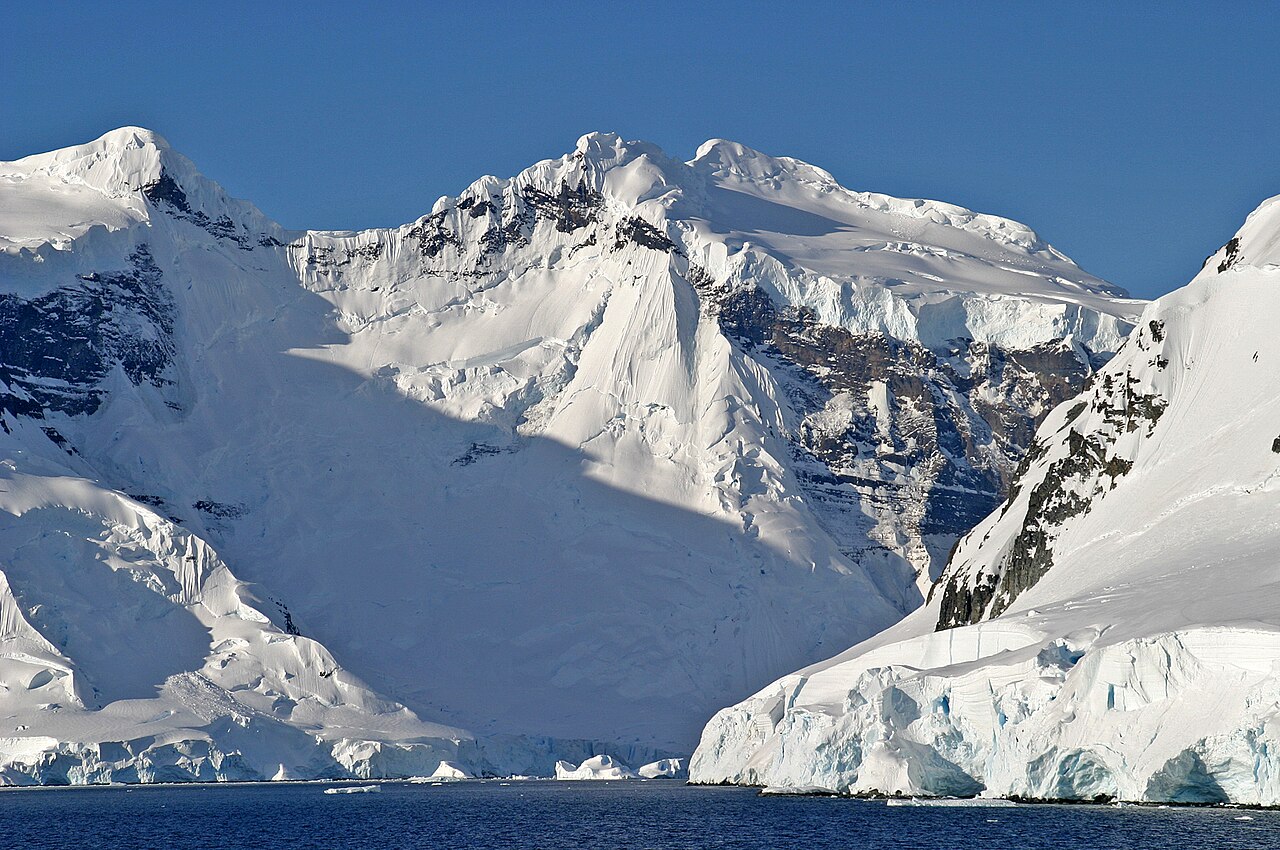
Photo: Wikimedia Commons (CC BY-SA)
Captain's Logbook: Antarctica
The author visited Antarctica in 2019 aboard an expedition cruise from Ushuaia. Observations reflect personal experience; verify current conditions before travel.
I had never experienced fear like the Drake Passage. Twenty-four hours into the crossing, our expedition ship rolled through swells that sent everything not bolted down sliding across surfaces. My cabin felt like a carnival ride operated by someone malicious. I wedged myself into my bunk with pillows, listened to the hull groan against the waves, and wondered if this journey was a mistake. The medication helped with nausea but not with the constant motion, the sense that the ocean was testing our resolve. I slept in fragments between alarms — not emergencies, just the ship's systems responding to the battering. By the second morning, the seas began to calm. And then, through fog clearing like a curtain, I saw my first iceberg. The fear dissolved into something closer to reverence.
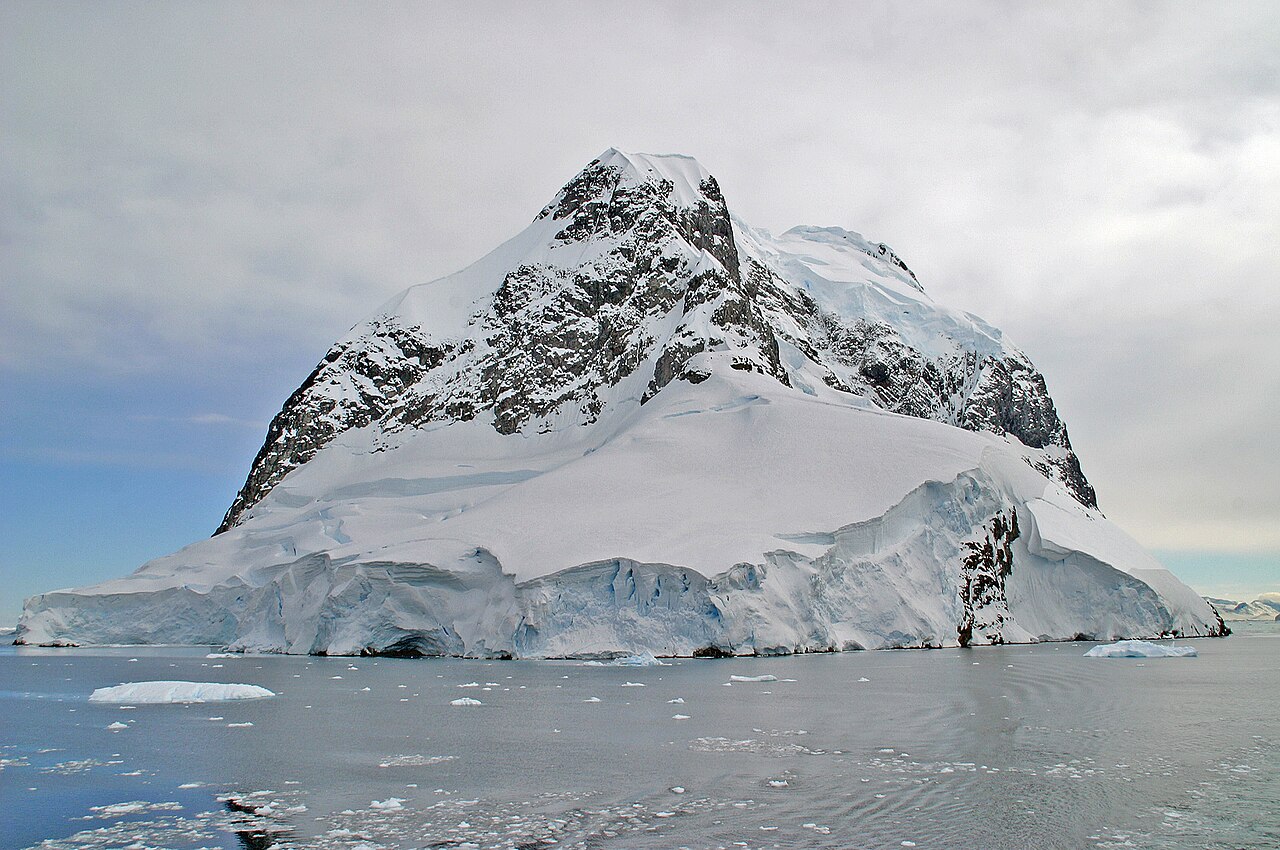
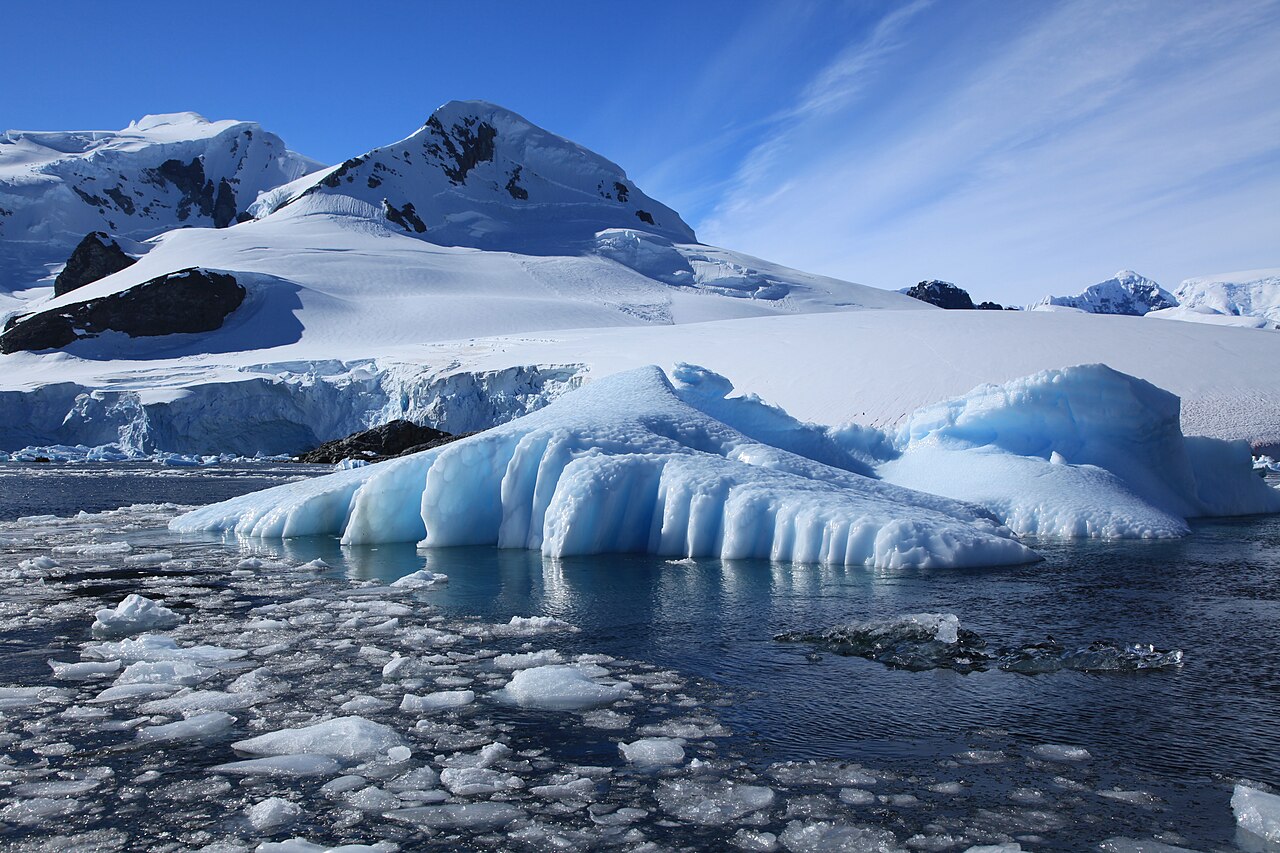
That first iceberg was the size of a small apartment building, floating impossibly in water that had turned from gray-green to cobalt blue. I stood on deck in the cold, watching it pass, trying to comprehend that I was seeing ancient ice — snow that fell ten thousand years ago, compressed until all air escaped and only crystalline blue remained. The expedition leader announced we had crossed the Antarctic Convergence, where Southern Ocean currents meet warmer waters. The temperature had dropped noticeably. The air tasted different: sharper, cleaner, carrying the mineral scent of ice. I breathed deeply and felt something crack inside my chest — some protective numbness I hadn't known I was carrying. Antarctica was already working on me.
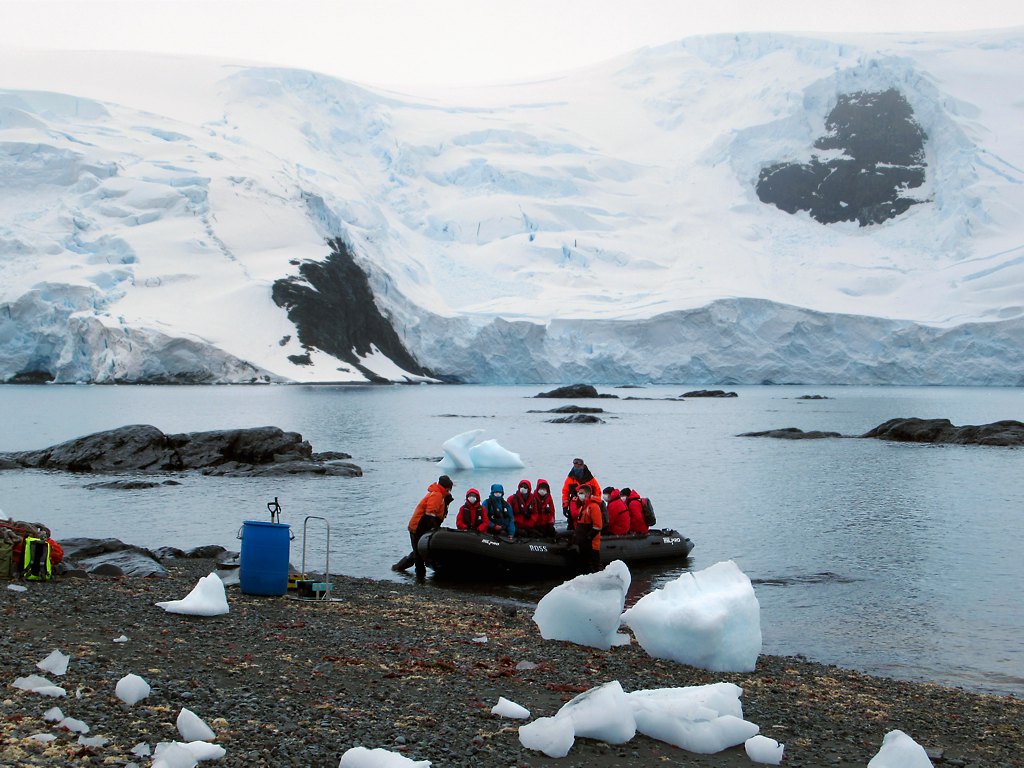
Our first Zodiac landing came at Neko Harbour — one of the few places where you can set foot on the Antarctic continent itself, not just an offshore island. The expedition team inflated the boats, briefed us on biosecurity protocols (scrub every seam of your boots in the disinfectant trays, no sitting on the ground, stay five meters from all wildlife), and we climbed in eight at a time. The Zodiac punched through chunks of brash ice toward the shore, and when I stepped off onto the rocky beach, the reality of it settled over me: I was standing on the seventh continent. The air was so clean it almost burned my lungs. Behind us, a glacier face rose forty meters high, blue and groaning with the weight of millennia, and every few minutes a piece would crack off and crash into the water with a sound like distant cannon fire.
The gentoo penguins at Neko Harbour didn't care that we were there. They waddled past us on their penguin highways — worn paths in the snow connecting their nests to the sea — so close I could smell them before I saw them. The smell was astonishing, a thick ammonia fog that coated everything downwind and clung to our parkas for hours afterward. But standing among thousands of nesting pairs, watching chicks chase their parents for regurgitated krill, hearing the cacophony of trumpeting calls echo off the glacier wall behind us, I forgot about the cold entirely. There is nothing in the civilized world that prepares you for a penguin colony this size — the sheer raucous absurdity of it, the tenderness of chick and parent, the relentless cycle of waddle-swim-eat-feed happening on a scale that makes you feel both enormous and insignificant at once.
On our last afternoon, the ship found calm water in a sheltered bay near Port Lockroy. The captain cut the engines, and the silence that followed was the most complete I have ever heard. No traffic, no aircraft, no human machinery of any kind — just water lapping against ice and the occasional exhale of a humpback surfacing fifty meters off the bow. I stood on the foredeck in that silence, alone for a moment while the other passengers gathered inside for the recap lecture, and my eyes filled with tears. I whispered a quiet prayer of gratitude for being allowed to witness a place this unbroken, this indifferent to everything we've built. The world we inhabit is so noisy, so relentless in its demands, that standing in absolute stillness felt like being handed back some piece of myself I had misplaced years ago.
That night, back in my cabin, I wrote in my journal by the porthole window while icebergs drifted past in the midnight twilight: "Antarctica doesn't care about us. It doesn't perform. It doesn't welcome or reject. It simply exists in the way it has for millions of years, and the privilege is entirely ours." I realized then that every other destination I'd visited had been shaped by human ambition — built, fortified, curated for visitors. Antarctica is the only place that taught me what the world looks like when we haven't yet touched it, and why preserving that matters more than anything we've constructed. I carry that silence with me still.
Weather & Best Time to Visit
The Cruise Port
There is no port in Antarctica — no dock, no terminal, no gangway to walk down. Your expedition ship anchors offshore in sheltered bays and coves, and Zodiac inflatable boats ferry passengers to shore in groups of eight to twelve. Landings are either "wet" (you step into shallow water and wade to the beach) or "dry" (the Zodiac noses onto rock and you step directly onto land). Waterproof boots are essential and usually provided by the expedition company.
IAATO (the International Association of Antarctica Tour Operators) governs all tourist landings: no more than 100 people ashore at any time, a mandatory five-meter buffer from all wildlife, and strict biosecurity measures including boot washing before and after every landing. Ships carrying more than 500 passengers are not permitted to make landings at all — they can only cruise through the scenery. For the full experience, choose an expedition vessel carrying fewer than 200 passengers.
Getting Around Antarctica
Your expedition ship is your base, your transport, and your lifeline. All movement between ship and shore happens by Zodiac, operated by trained expedition guides who navigate through brash ice, past resting seals, and along glacier faces. Zodiac rides themselves are a highlight — you'll see wildlife, icebergs, and coastline from water level that the ship can't reach.
On shore, movement is limited to designated landing areas marked by the expedition team. Paths through penguin colonies are roped off, and guides ensure no one wanders into sensitive nesting zones. Walking terrain ranges from rocky beaches to snow slopes requiring moderate fitness and sure footing. Trekking poles help on steeper terrain, and the expedition team usually has spares to lend. There are no roads, no vehicles, no shops, and no infrastructure of any kind — just ice, rock, wind, and wildlife.
Passengers with mobility limitations should discuss accessibility with the expedition operator before booking. Zodiac boarding requires stepping down from a gangway platform, which can be challenging in rough conditions. Some operators offer adapted Zodiac access for wheelchair users, but landings on uneven Antarctic terrain are inherently difficult. Ship-based cruising (without landings) remains an option for those who cannot manage the Zodiac transfers.
Shore Excursions & Landing Sites
Everything in Antarctica is a ship excursion — there's no independent exploration. Your expedition team selects landing sites based on weather, ice conditions, and wildlife activity. Common stops on Antarctic Peninsula voyages include:
Neko Harbour — One of the few mainland landing sites, offering a chance to set foot on the actual Antarctic continent. Gentoo penguin colonies, a massive glacier face, and snow-covered peaks. The glacier calves frequently — stand well back and listen for the crack.
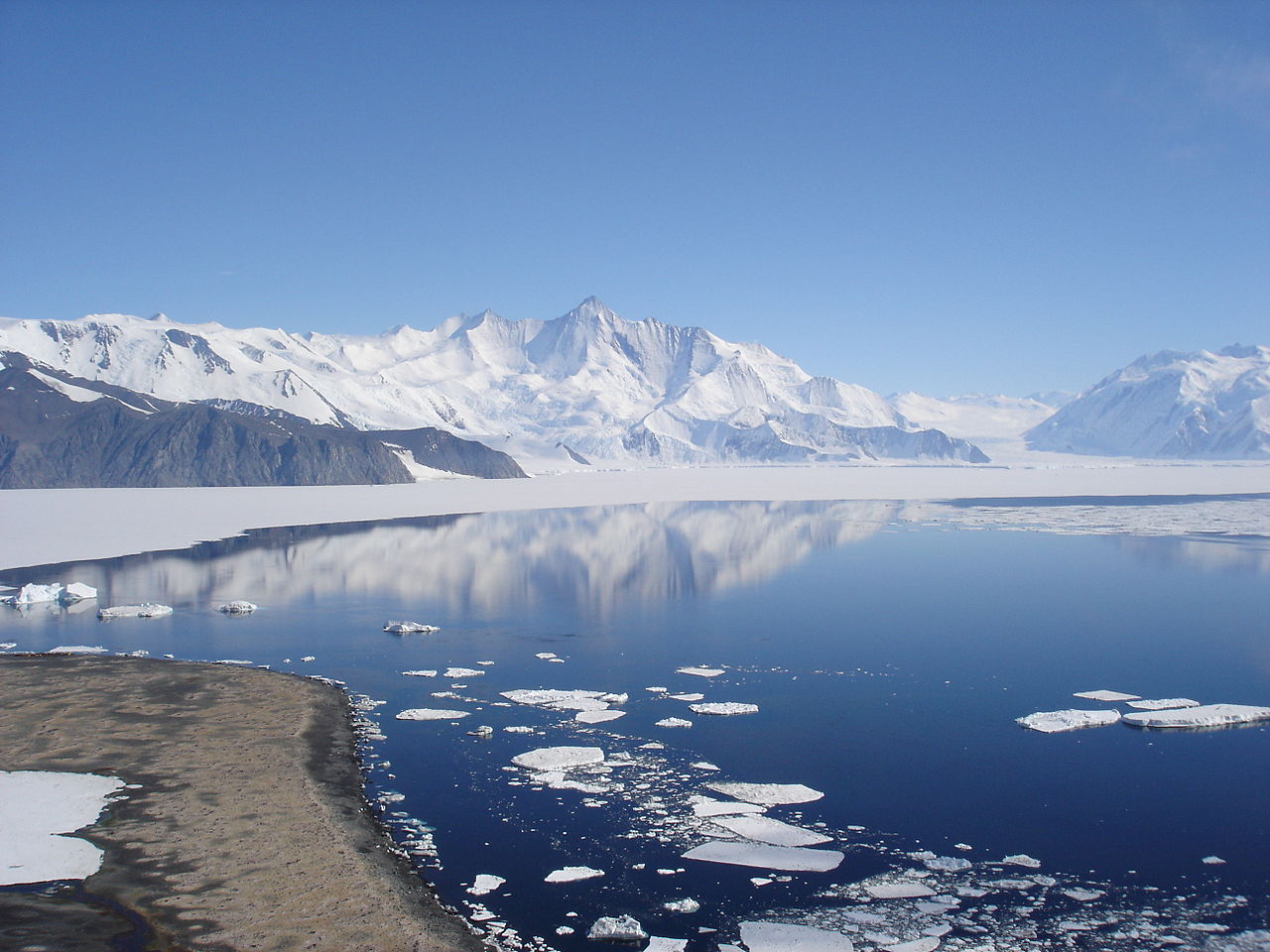
Paradise Bay — Arguably the most beautiful anchorage on the Peninsula. Zodiac cruises weave between cathedral-sized icebergs. On a calm day, the water is so still it mirrors the mountains perfectly. Some itineraries include an Argentine research station visit.
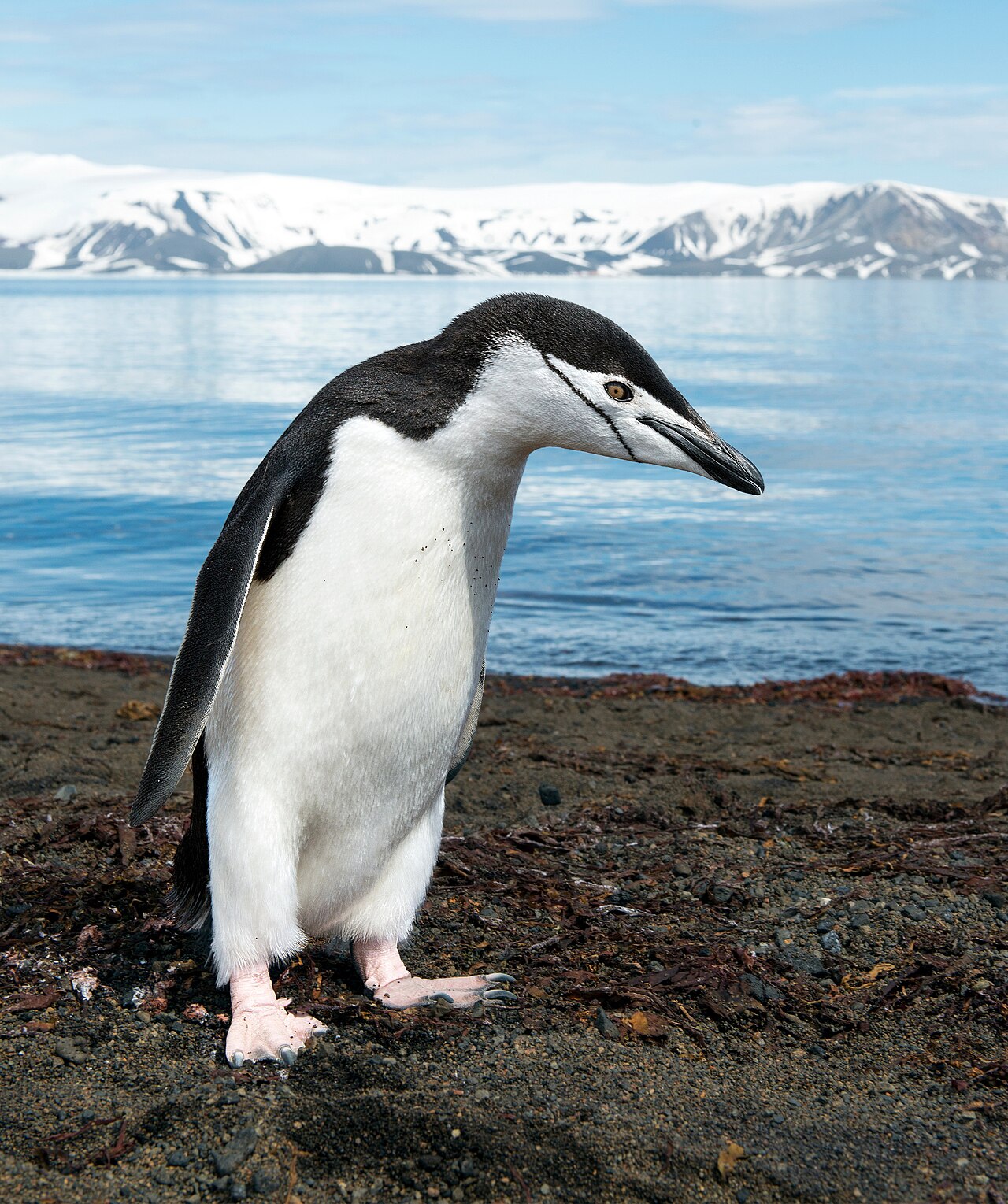
Deception Island — An active volcanic caldera you sail inside through a narrow gap called Neptune's Bellows. The black sand beach at Pendulum Cove is geothermally heated — warm enough for the legendary Antarctic polar plunge (32°F water, but the beach sand is warm underfoot). Chinstrap penguin colonies nest on the crater rim.
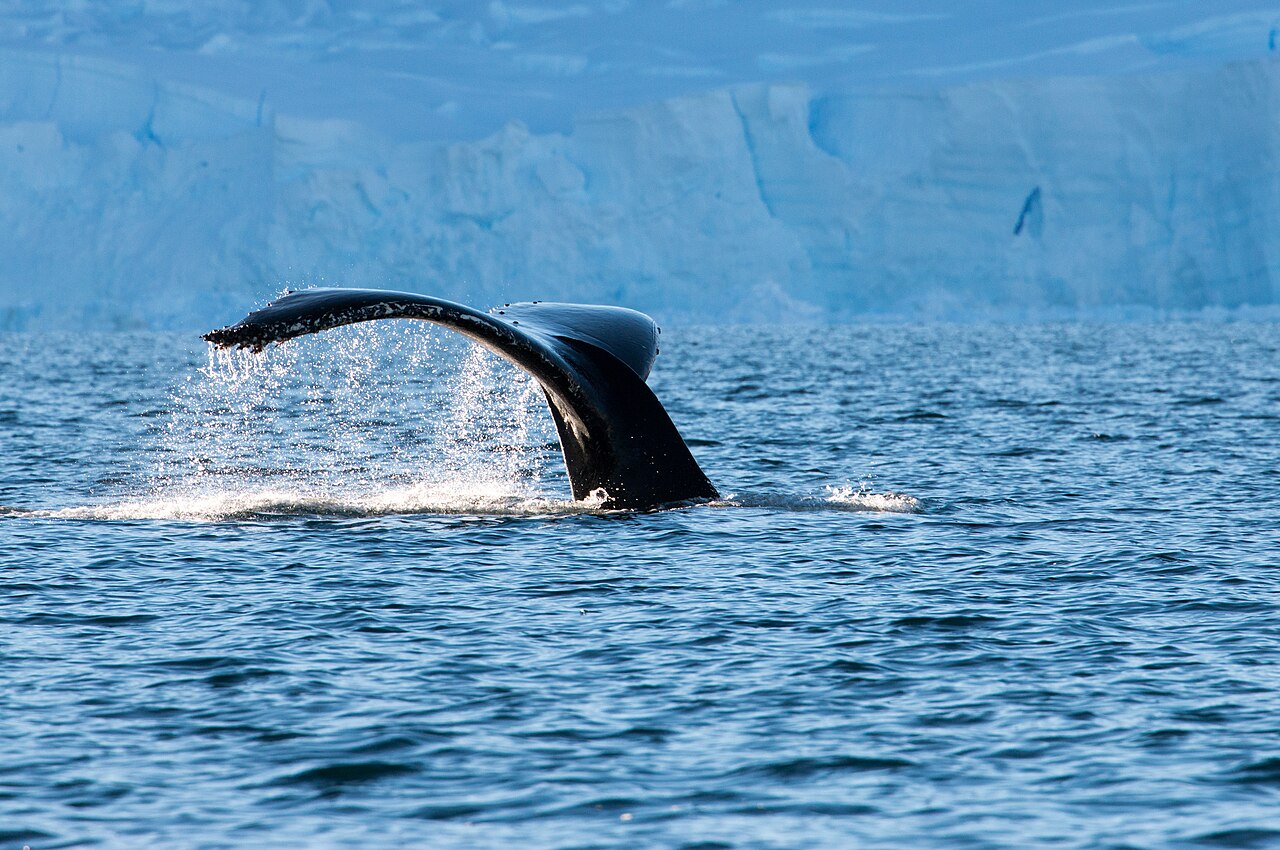
Cuverville Island — The largest known gentoo penguin colony on the Peninsula, with roughly 6,500 breeding pairs. Easy landing on a rocky beach — one of the more accessible sites on the Peninsula. Humpback and minke whales often feed in the surrounding channels, surfacing close enough to hear them breathe.
Port Lockroy — A restored British base now operating as a museum and the world's southernmost post office. Buy postcards and stamps (about $2–3 USD each); mail takes 4–8 weeks to arrive. The gentoo colony here is so accustomed to visitors they nest within arm's reach of the building.
Polar Plunge — Most expeditions offer a supervised swim in Antarctic waters (28–32°F). You jump in, scream, and scramble out. The ship's doctor stands by. It takes about fifteen seconds but you'll talk about it for years. No additional cost on most voyages.
Kayaking & Camping — Premium add-ons ($300–600 per activity) offered by many operators. Kayaking through ice fields at water level is extraordinary. Overnight ice camping puts you in a bivy sack on the actual Antarctic ice sheet — no tent, no heat source, just silence and stars above you (weather permitting). Book ahead when reserving your voyage, as both kayaking and camping fill months in advance. The guaranteed return to ship is never in question since the expedition team controls every aspect of the logistics, monitoring weather windows and ice conditions around the clock.
Depth Soundings Ashore
Currency: None. Antarctica has no economy. Port Lockroy accepts USD, GBP, and credit cards for postcards and souvenirs. Everything else is included in your expedition fare — there is literally nothing to buy on the continent.
Language: Your expedition team. Staff typically speak English, Spanish, and several European languages. Lectures, safety briefings, and landing instructions are given in English on most vessels.
Seasickness: The Drake Passage is among the roughest ocean crossings on Earth. Pack medication (scopolamine patches, meclizine) and start taking it before you board. Fly-cruise options from Punta Arenas skip the Drake entirely (~$1,000–2,000 supplement) — worth serious consideration if you're prone to seasickness.
Layering: Temperatures range from 20–40°F (−7 to 5°C) in summer. Wind chill drops it further. Wear thermal base layers, fleece mid-layers, and a waterproof outer shell. Most expedition companies provide a complimentary parka and loan waterproof boots. Bring warm gloves (two pairs — one thin for camera work, one heavy for wind).
Safety: Your expedition team manages all risk. Follow Zodiac boarding instructions precisely, stay within marked landing boundaries, and maintain the five-meter wildlife buffer at all times. Hypothermia is the primary medical concern — dress in layers and report any numbness immediately.
Accessibility: Antarctica is inherently challenging for mobility-impaired travelers. Zodiac transfers require stepping onto an unstable platform, and landing terrain is uneven rock and snow. Some operators offer adapted boarding assistance. Ship-based observation (without landings) provides Antarctic scenery and wildlife viewing from the vessel's decks and is fully accessible aboard most expedition ships.
Photo Gallery
Frequently Asked Questions
Q: How much does an Antarctica cruise cost?
A: Expedition voyages start around $8,000 USD for basic cabins on 10-day itineraries. Premium ships and longer routes (including South Georgia) run $15,000–30,000+. Last-minute deals from Ushuaia can drop prices significantly.
Q: When is the best time to visit Antarctica?
A: The season runs November through March. Early season (Nov–Dec) offers pristine snow and penguin courtship. Mid-season (Jan) has the warmest weather and longest days. Late season (Feb–Mar) brings whale concentrations and fledgling chicks.
Q: How rough is the Drake Passage?
A: It ranges from terrifying to glassy calm ("Drake Shake" vs. "Drake Lake"). Crossings take 36–48 hours each way. Seasickness medication is strongly recommended. Fly-cruise options skip the Drake entirely.
Q: Do I need to be physically fit?
A: Moderate fitness helps for Zodiac boarding and walking on uneven terrain. High-energy landings involve snow slopes; low-energy options include flat beach walks. Ship-based viewing requires no special fitness.
Q: Can I visit Antarctica with mobility limitations?
A: Ship-based cruising is accessible on most expedition vessels. Zodiac landings are challenging for wheelchair users. Contact operators directly — some offer adapted boarding and selected accessible landing sites.
Q: What should I pack for Antarctica?
A: Thermal base layers, fleece, waterproof outer shell, warm gloves (two pairs), sunscreen (UV is intense), and binoculars. Most operators provide a parka and waterproof boots. Bring seasickness medication and a good camera with extra batteries (cold drains them fast).
Q: Does Antarctica have a hurricane or storm season?
A: Antarctica is not in a hurricane zone. It is the coldest, driest, windiest continent — extreme katabatic winds are possible. Cruise season is November through March only; expeditions depart from Ushuaia.
Q: Will rain ruin my Antarctica port day?
A: Antarctica gets snow rather than rain. Snow year-round; precipitation light overall. The weather risks for expedition landings are extreme cold and katabatic winds.
Last reviewed: February 2026