


My Logbook: Colorful Dutch Caribbean Love
Quick Answer: Curaçao has the prettiest port entrance in the Caribbean with Handelskade's rainbow buildings reflecting in the water. Exceptional diving, a warm bat cave at Hato, the oldest museum in Curaçao, and you can taste the famous Blue Curaçao liqueur at Landhuis Chobolobo.
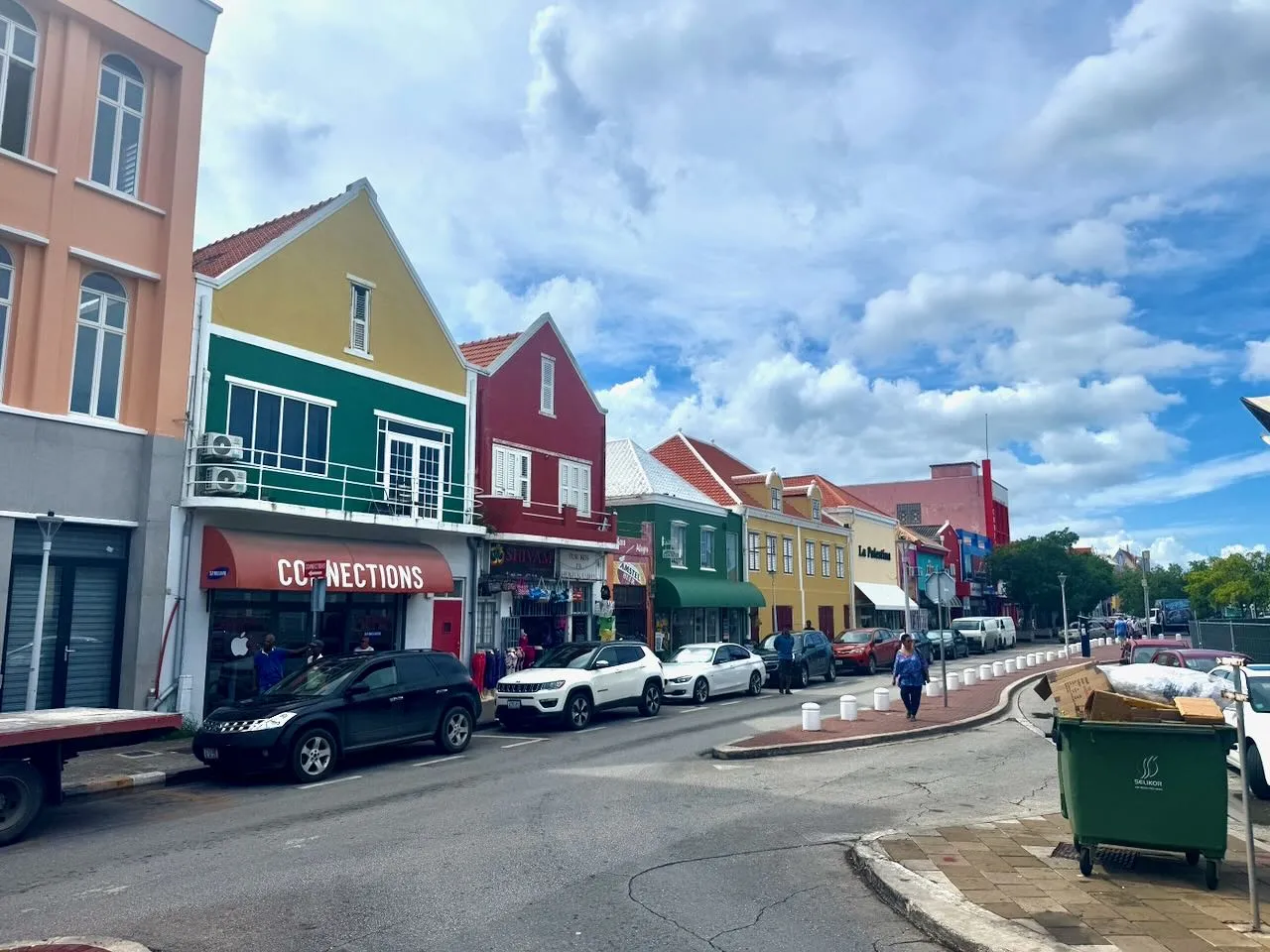
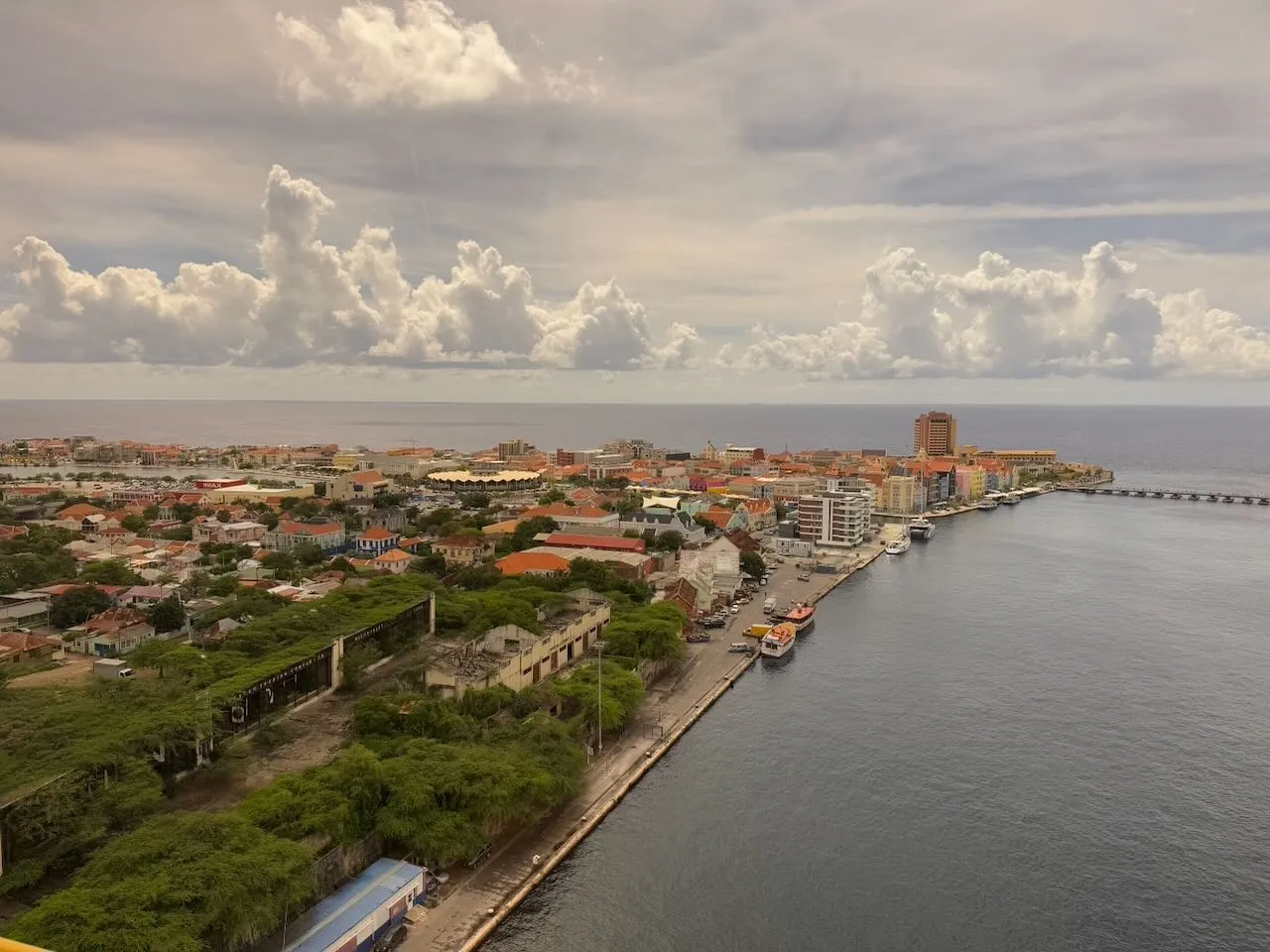
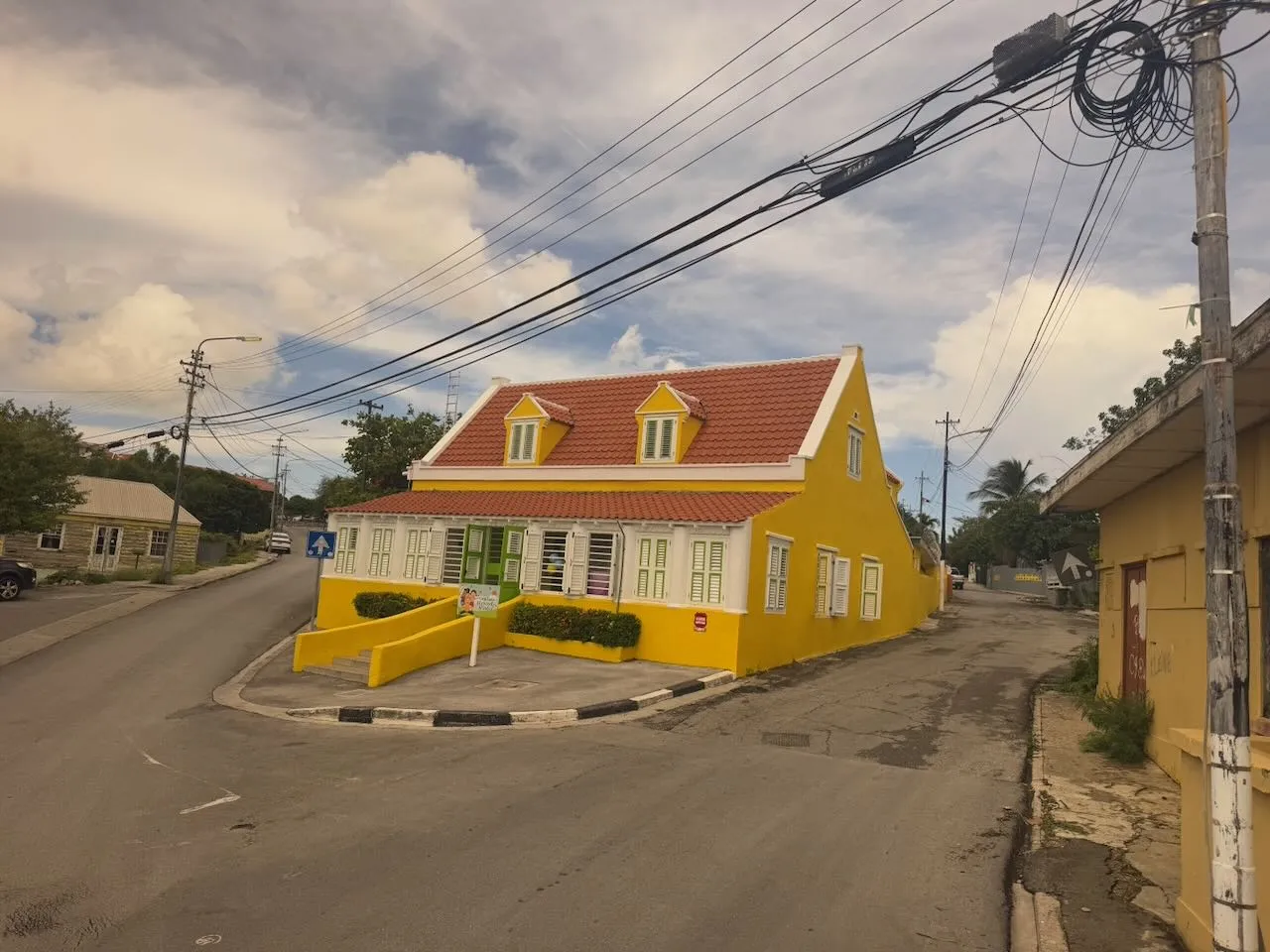
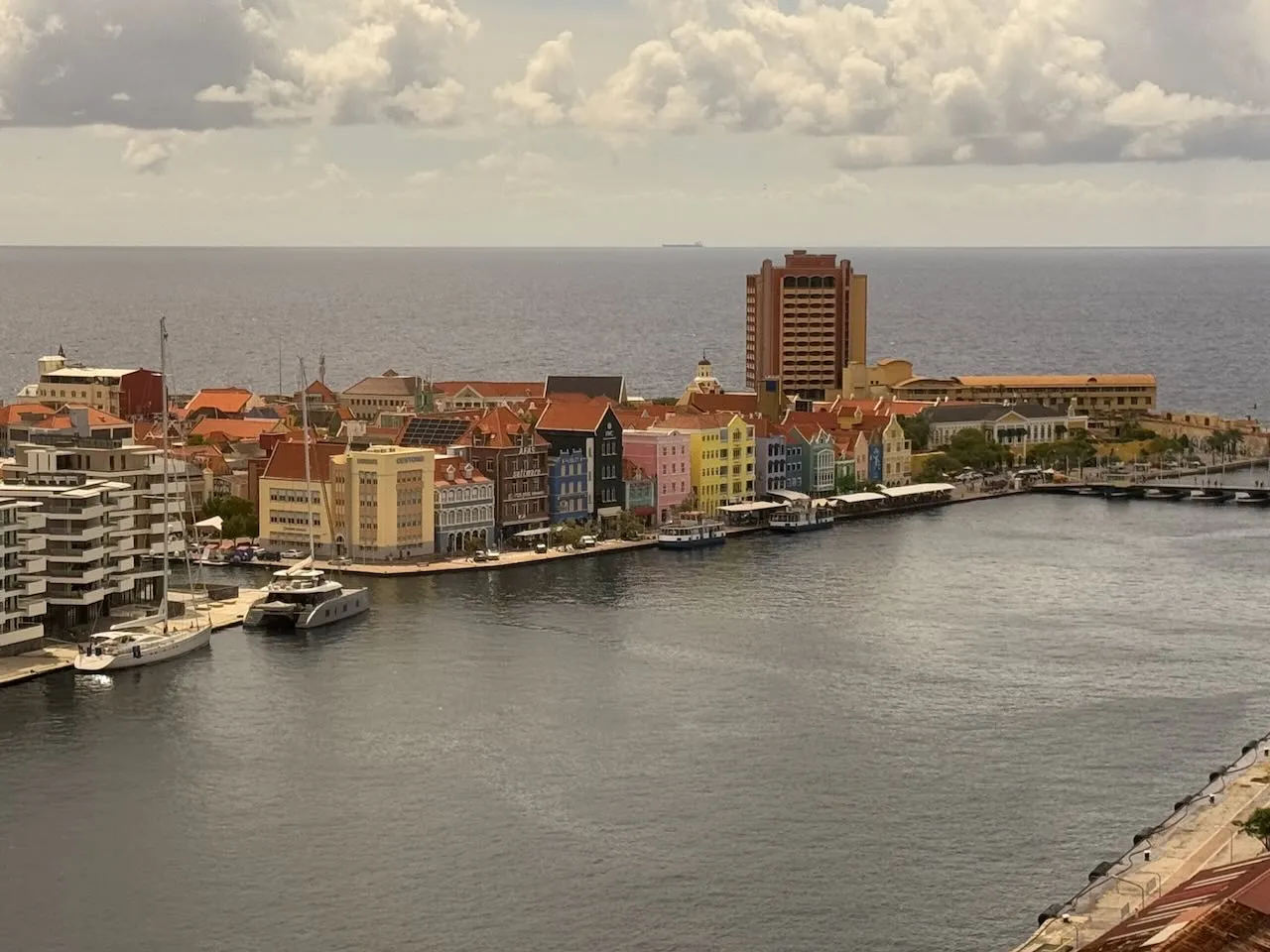
I'll never forget the moment our ship glided through the narrow St. Anna Bay channel into Willemstad — it's like sailing straight into a watercolor painting. The Handelskade waterfront unfolds before you in an impossible rainbow: coral pink beside sunshine yellow beside aquamarine beside rose beside turquoise. These aren't just colorful buildings — they're 18th-century Dutch merchant houses with those distinctive stepped gables you'd see in Amsterdam, adapted to the Caribbean heat with wider windows and deeper eaves. Each one reflects perfectly in the calm harbor water, doubling the spectacle. It's hands-down the prettiest port entrance in the entire Caribbean, and I've sailed into dozens.
What makes it even more enchanting is the story behind those colors. When the Dutch West India Company established Curaçao as a major trading hub in 1634, these warehouses and counting houses along St. Anna Bay were practical white structures — functional, not beautiful. Legend tells that in the 1800s, Governor Albert Kikkert complained that the blazing white facades gave him terrible headaches in the tropical sun. His solution? An official decree mandating that all buildings be painted in colors. That he conveniently owned shares in a paint company adds delicious irony to the tale. Whether entirely true or enhanced by centuries of retelling, that decree transformed Willemstad. In 1997, UNESCO recognized this historic inner city as a World Heritage Site — not despite those vibrant pastels, but because of them. It's now the outstanding example of a Dutch colonial trading settlement adapted to Caribbean realities.
I'm endlessly fascinated by the different districts, each with its own character and charm. Punda is the oldest quarter — founded in the 17th century around Fort Amsterdam — where that famous Handelskade waterfront stretches along the eastern shore. The ornate Penha Building from 1708 is my favorite example of what they call Curaçao Baroque: those distinctive gabled roofs meeting large windows designed to catch every cooling breeze. European townhouse elegance painted in vibrant pastels — it shouldn't work, but it's perfection.
Then there's the Queen Emma Bridge — the Swinging Old Lady herself, built in 1888 and still gracefully pivoting open for passing ships. She's a pontoon bridge, floating on sixteen pontoons, and watching her swing aside to let a tanker pass is endlessly entertaining. You can feel her gentle sway beneath your feet as you cross from Punda to Otrobanda (literally "the other side"). Cross that bridge and you step into a different world: the Kura Hulanda Museum tells powerful, beautifully curated stories of the African diaspora and the slave trade that shaped this island. Further out you'll find Pietermaai, the revitalized creative district where old merchant homes have become boutique hotels and art galleries, and Scharloo with its grand Dutch mansions in various states of restoration. Each neighborhood reveals another layer of this island's rich 400-year Dutch Caribbean history — European roots, African heritage, Caribbean soul.
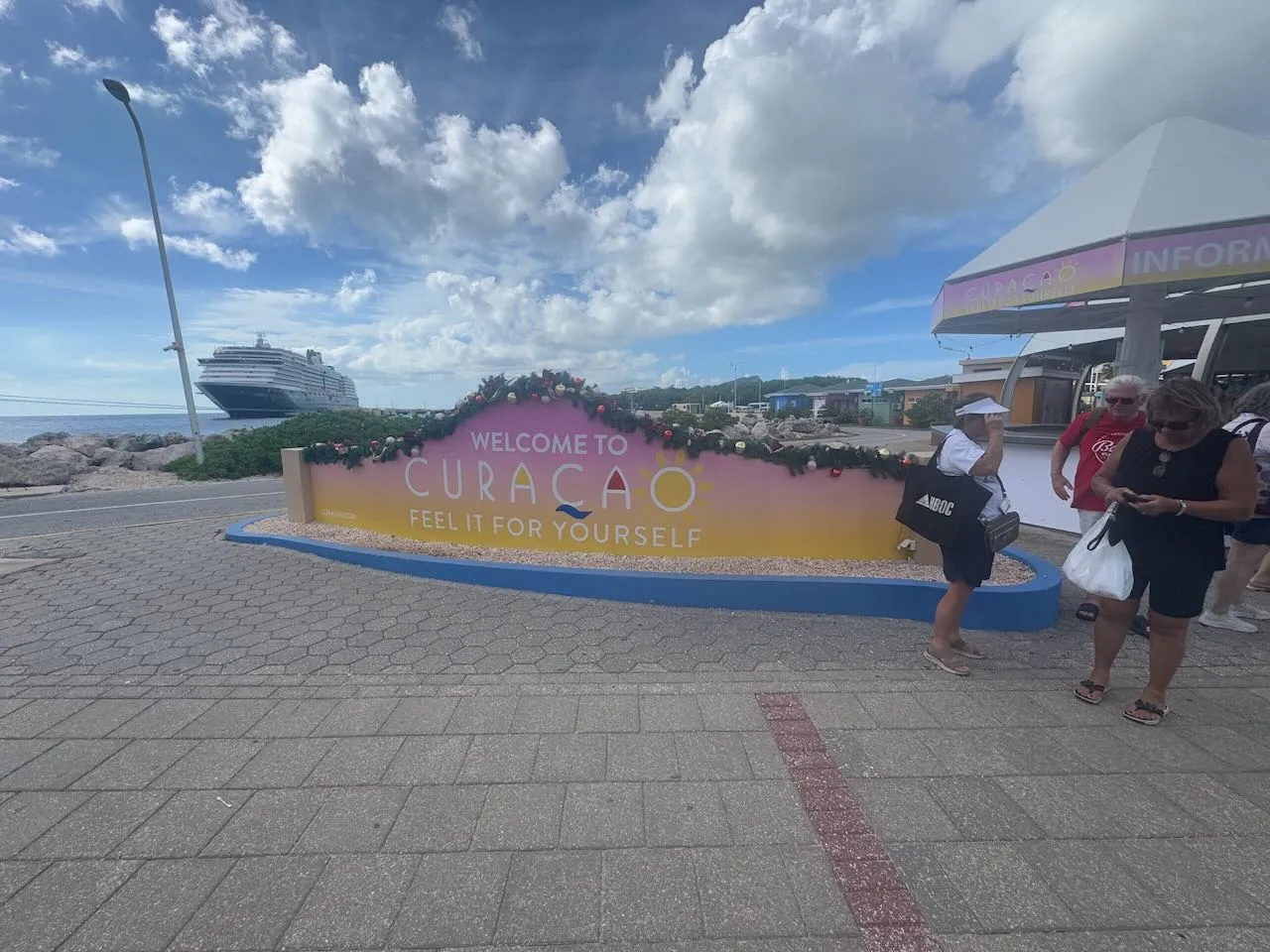
When you dock at Mathey Wharf (or the larger Mega Pier that can handle the biggest cruise ships), you walk straight through the restored Rif Fort — once a military fortification guarding the harbor entrance, now filled with shops and cafes — and suddenly you're steps from that iconic Queen Emma Bridge with the rainbow row of Handelskade buildings as your backdrop. It's one of the Caribbean's most walkable ports, and that's remarkable given how much history and culture you can explore on foot. Since 2010, when the Netherlands Antilles dissolved, Curaçao has been a constituent country within the Kingdom of the Netherlands — still Dutch, but self-governing — which explains the fascinating blend of European order and Caribbean warmth you feel everywhere on this extraordinary island.
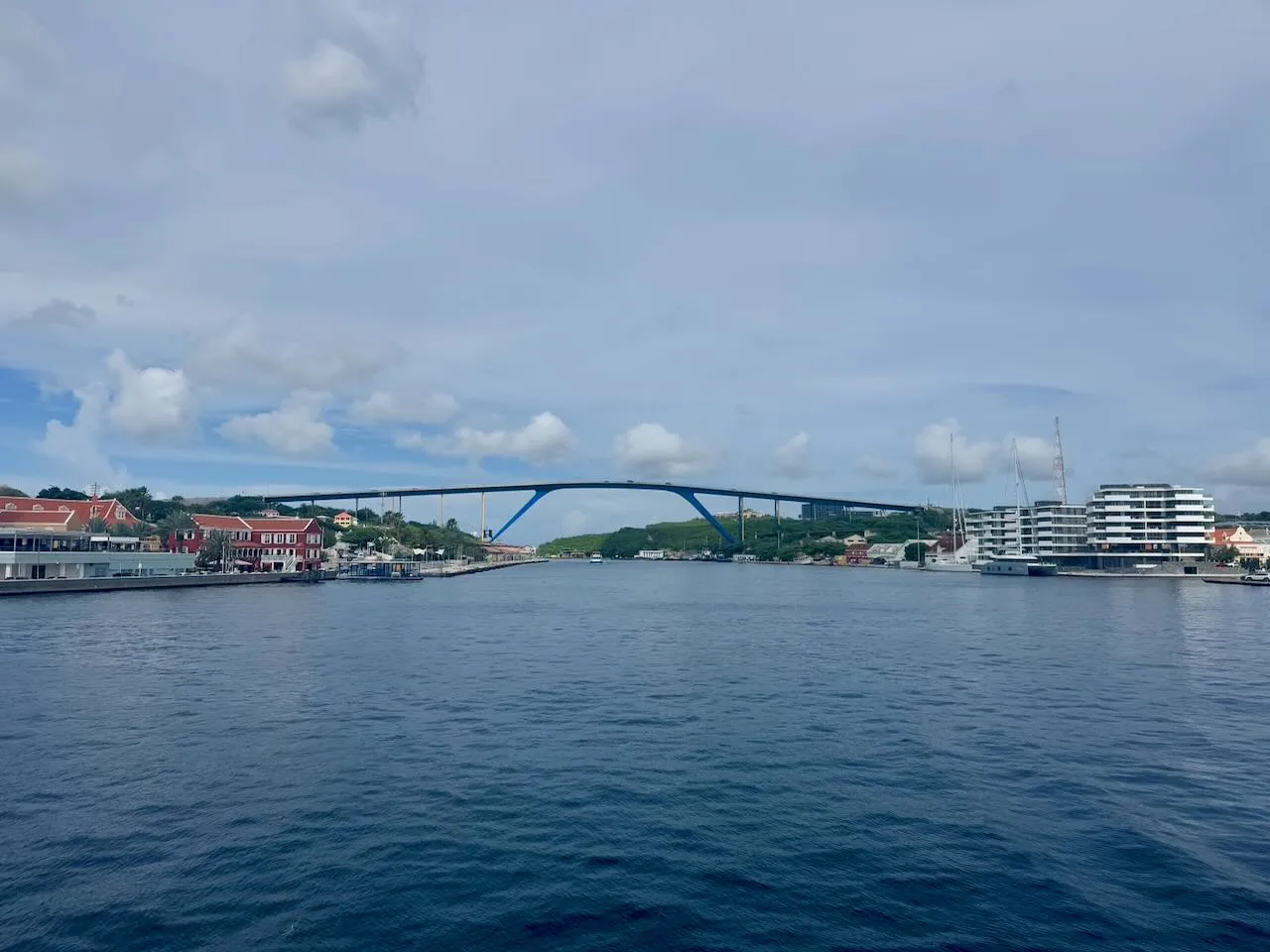
My perfect day in Curaçao starts right off the ship and straight across the Queen Emma pontoon bridge — that marvelous Swinging Old Lady who's been gracefully pivoting aside for passing ships since 1888. She floats on sixteen pontoons, and when a vessel needs to pass through St. Anna Bay, the entire bridge swings open like a giant gate. You can feel the gentle sway beneath your feet as you walk across, with those rainbow Handelskade buildings reflecting in the water on one side. Cross into Punda for the iconic photos in front of those pastel gabled merchant houses, then take the free ferry back to Otrobanda for the Kura Hulanda Museum — a powerful and beautifully curated exploration of the African diaspora and the slave trade that shaped the Caribbean.
Lunch is keshi yena (stuffed cheese) and funchi at Plasa Bieu market with the local ladies — incredibly affordable, delicious, and authentic. This is where the locals eat, and the homestyle cooking is food that will make you rethink every restaurant meal on the ship. Try the stobá (stew) or the fresh fruit juices.
Afternoon calls for a taxi ride to Playa Porto Marie where your entry fee includes a beach chair and shade for the day. The snorkeling here is exceptional — step right off the sandy beach into crystal-clear water where healthy coral reefs teem with tropical fish. The visibility is so clear you can see thirty feet down without even trying. Curaçao is consistently ranked as a top-tier dive destination: the water clarity is phenomenal year-round, the dramatic wall dives plunge into the deep blue, and the coral reefs are among the healthiest in the Caribbean. For serious divers, this island delivers. For a quieter beach experience with equally stunning snorkeling, Cas Abao offers the same clear waters and vibrant reefs with fewer crowds.
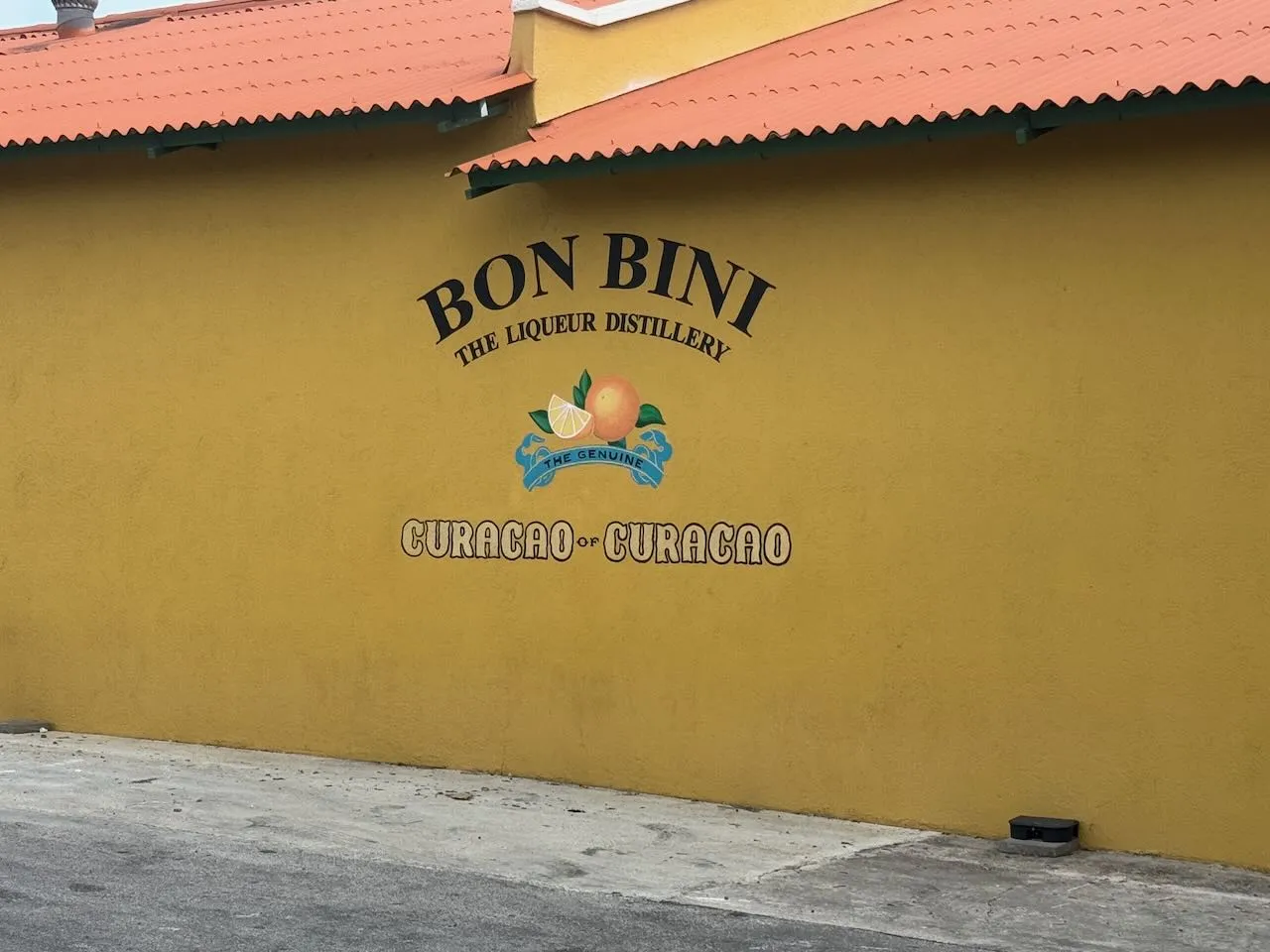
No visit to Curaçao is complete without stopping at Landhuis Chobolobo for a free tour and tasting of the world-famous Blue Curaçao liqueur. The historic colonial estate is beautiful in itself, but the real magic is learning how the dried peels of the laraha citrus — a bitter orange that grows only on Curaçao — create that distinctive bitter-sweet flavor and brilliant blue color that's become synonymous with the island. It's been made here since the 1800s using the same traditional method, and tasting it at the source feels like sipping a piece of island history.
For something completely different, head to Hato Caves — a warm limestone cave system home to a colony of long-nosed fruit bats. The guided tour takes you past stunning stalactites and stalagmites while bats swoop overhead. It's one of those experiences you won't find anywhere else. Then there's the Curaçao Museum, the oldest museum on the island (founded 1948), housed in a beautiful 1853 military hospital. The collection includes everything from Amerindian artifacts to the cockpit of the Snip — the first plane to cross the Atlantic from Holland to Curaçao in 1932. It's a fascinating window into the island's history.
Sunset is best enjoyed at Mambo Beach with happy-hour mocktails watching the lights come on across the city. I found my favorite spot on the beach, watching the sky turn from gold to rose to purple, feeling that particular calm that only comes at the end of a perfect port day.
Looking back on my time in Curaçao, I realize this island taught me something about beauty born from practicality. Those rainbow buildings? They started as a headache cure. The Queen Emma Bridge? Built for commerce, now beloved for charm. Even the famous liqueur — distilled from a citrus too bitter to eat. Curaçao takes the practical and transforms it into the extraordinary. It's a lesson I carry with me: sometimes the most beautiful things in life start as problems to be solved, and the solution becomes the magic.
The Cruise Port
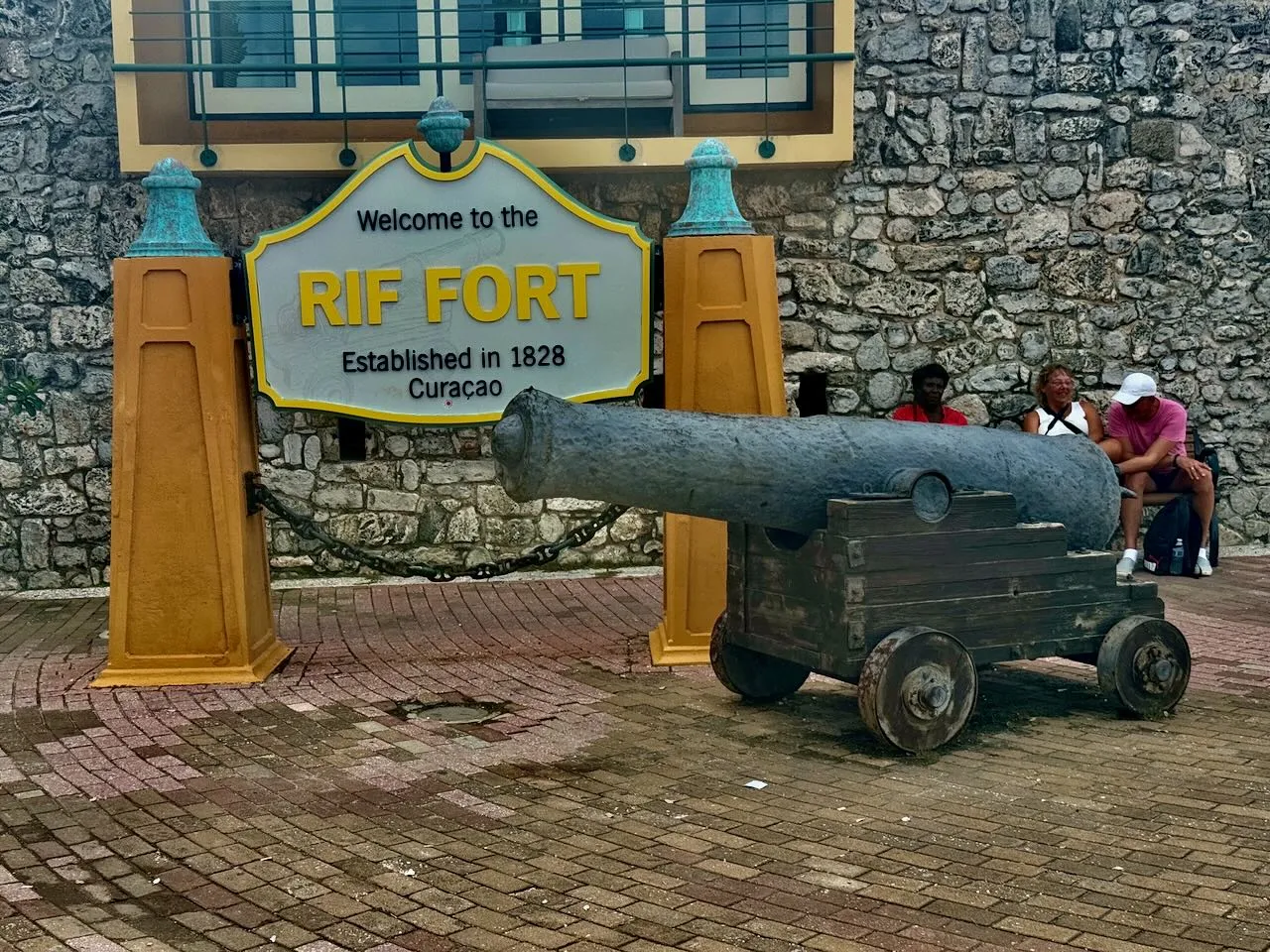
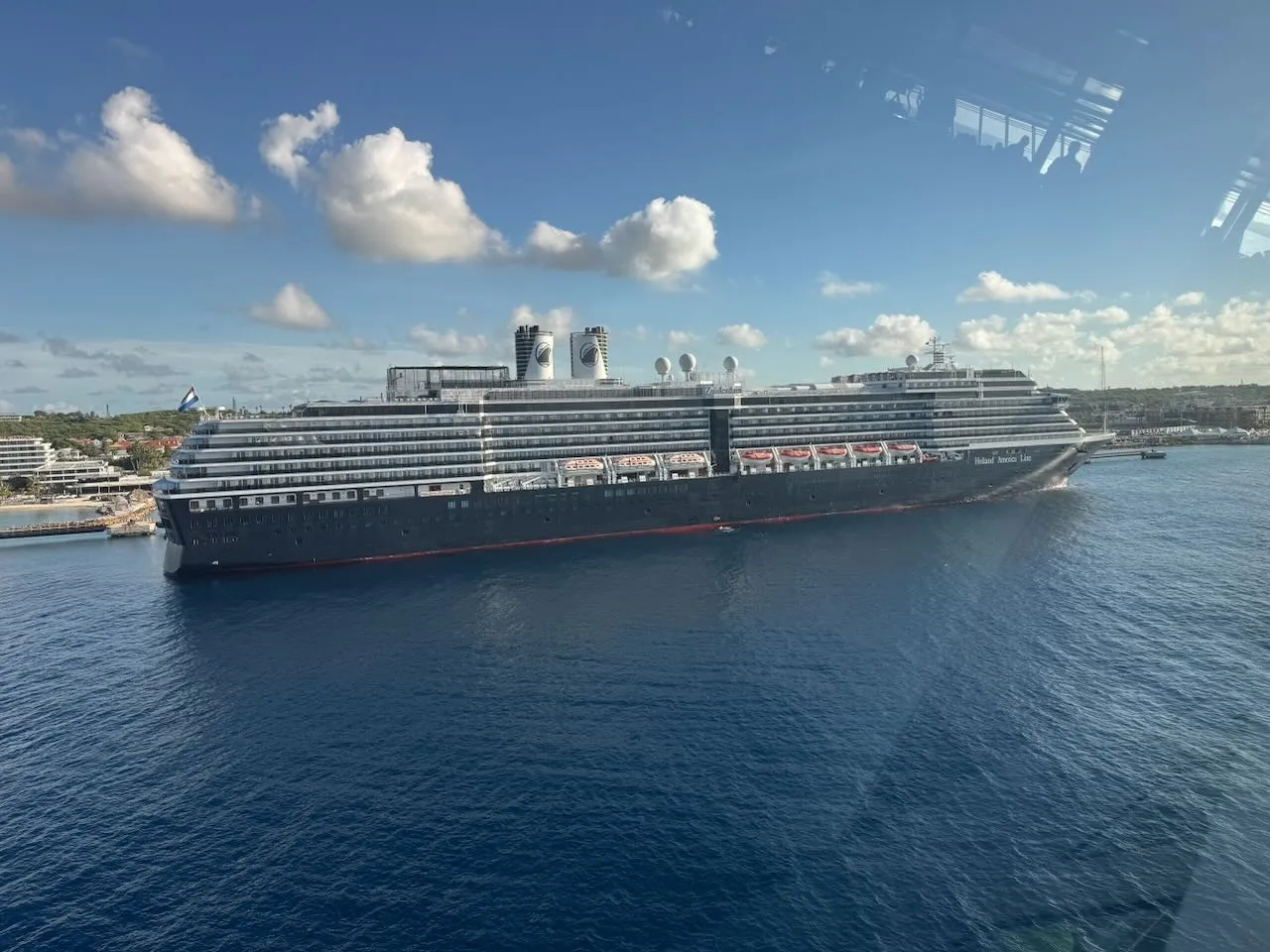
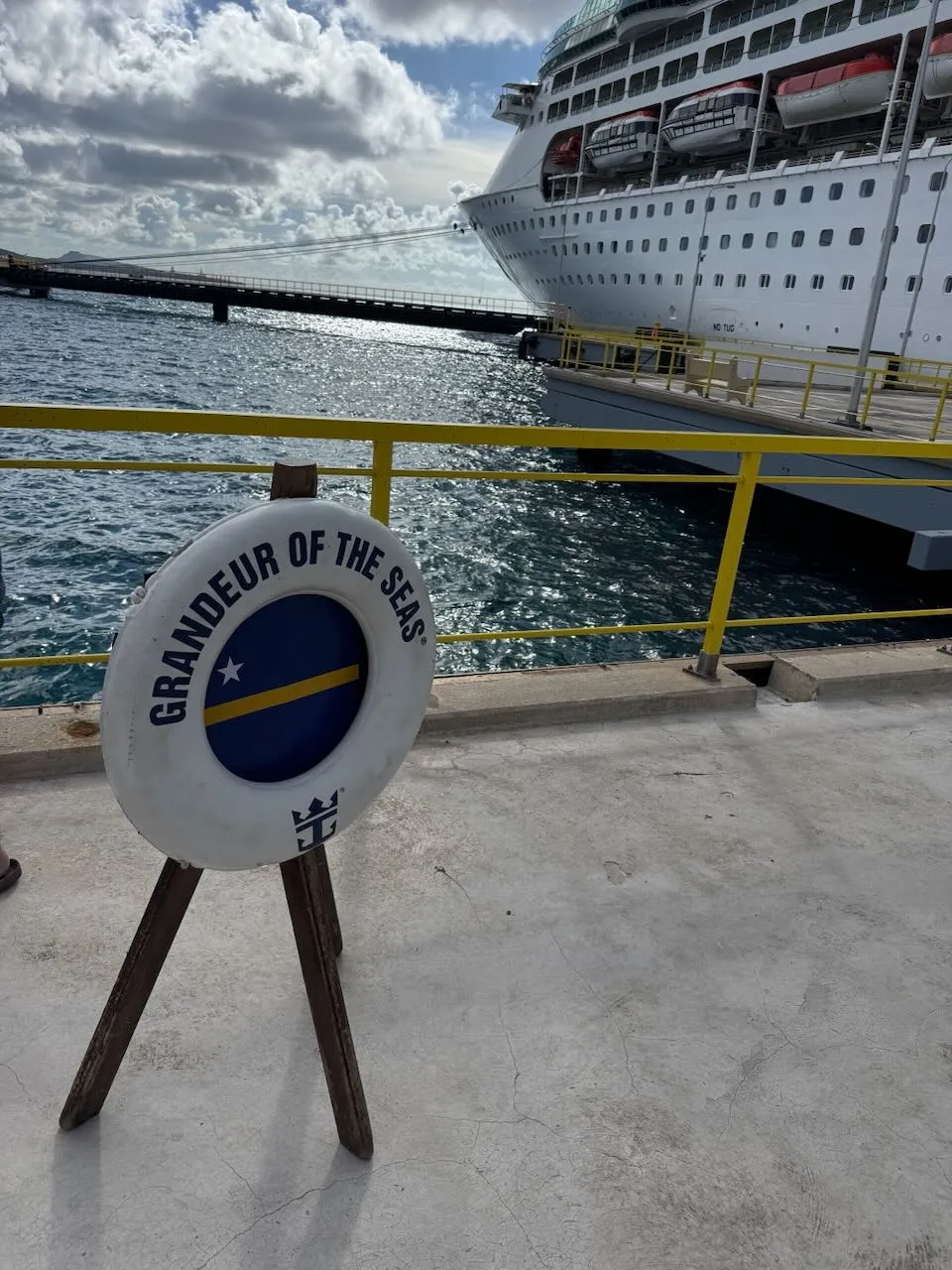
Ships dock at one of two terminals in West Willemstad. The larger Mega Pier handles the biggest vessels (a second Mega Pier was added in 2017), while smaller ships use Mathey Wharf. Both terminals are wheelchair accessible with ramps and accessible restrooms. Both terminals offer convenient access to the historic downtown district and are just a 10–15 minute walk to Rif Fort and the Queen Emma Bridge. Free WiFi service is available at the Mega Pier terminal. The restored Rif Fort at the harbor entrance serves as your gateway to Willemstad, with cafes and shops inside its historic walls. From here, the famous Handelskade rainbow buildings are just steps across the Queen Emma floating bridge.
Getting Around
Downtown Willemstad is wonderfully walkable for cruise visitors — it's one of the most pedestrian-friendly ports in the Caribbean. Transportation options include:
- Walking: The best way to explore Willemstad. Punda/Handelskade is a 10–15 min walk across Queen Emma Bridge roughly 9 football fields, 32 blue whales in a row, or 693 emperor penguins forming an improbable tower — completely walkable from the port.
- Taxis: Readily available for island tours. Typical rates are around $50 per hour for sightseeing (prices are negotiable). Great option for reaching beaches and attractions.
- Car Rentals: Available but tend to be expensive compared to other Caribbean ports.
- Trolley Train Tours: Hop aboard for a guided introduction to the historic downtown area.
- Free Ferry: Crosses St. Anna Bay to Otrobanda.
Key Destinations:
- Hato Caves: 15–20 minute taxi ride north of Willemstad. Guided tours depart every hour; admission $9 for adults.
- Curaçao Museum: Located in Otrobanda, about a 10-minute walk from the port approximately 7 football fields, 27 blue whales end-to-end, or 586 emperor penguins stacked skyward or a short taxi.
- Porto Marie Beach: About 30-minute taxi ride. Entry fee includes chair and shade.
- Mambo Beach: Short affordable taxi ride, around $8–10.
- Landhuis Chobolobo: 15-minute taxi from port for Blue Curaçao tour.
- Christoffelpark: The island's premier national park with diverse wildlife. Taxi required.
- Curaçao Sea Aquarium: Unique exhibits featuring marine life in natural habitat settings. Short taxi ride.
The floating Queen Emma Bridge closes to pedestrians every time a ship passes through — and on busy cruise days, that can mean 20-30 minute waits to cross between Punda and Otrobanda. Plan your walking route around this. If you're heading to beaches, Playa Kenepa (Knip Beach) is stunning but 45 minutes by car with no shade and no food vendors, so bring everything you need. Mambo Beach is closer and has full amenities but charges $5-15 for chair rentals.
Curaçao Area Map
Interactive map showing Willemstad, Punda, Queen Emma Bridge, beaches, and attractions mentioned in this guide. Click any marker for details and directions.
Excursions & Things to Do
Booking tip: Book popular tours like Hato Caves and Blue Curaçao tastings in advance during peak season. Ship excursions are convenient but independent tours often offer better value.
Willemstad Historic Walking Tour
Explore the UNESCO World Heritage Site on foot — the colorful Handelskade buildings, Fort Amsterdam, and the famous Queen Emma floating bridge. Low-energy option suited to all fitness levels. Allow 2-3 hours to photograph and explore at your own pace. Free with ship port map or join a guided walking tour ($25-40 per person) for deeper historical context.
Hato Caves
A warm limestone cave system home to a colony of long-nosed fruit bats. Guided tours (departing hourly, $9 adults) take you past stunning stalactites and stalagmites while bats swoop overhead. Moderate energy — some steps and uneven surfaces. An otherworldly experience you won't find anywhere else. Book in advance during peak cruise season. 15-20 minute taxi from port.
Blue Curaçao Tasting at Landhuis Chobolobo
Free tours and tastings at the historic colonial estate where the famous Blue Curaçao liqueur is still produced using traditional methods. Learn how dried laraha citrus peels create that distinctive flavor and brilliant blue color. Low-energy, fully accessible. 15-minute taxi from port. Book ahead for peak season.
Beach Day at Porto Marie or Cas Abao
Porto Marie ($6 entry, includes chair and shade) and Cas Abao ($6-10 entry) offer the best shore snorkeling in Curaçao with healthy coral reefs right off the beach. Crystal-clear water with visibility up to 30 feet. Rental gear available. 30-minute taxi ride. Moderate energy with optional swimming and snorkeling.
Diving
Curaçao is consistently ranked among the Caribbean's top dive destinations. Dramatic wall dives, phenomenal year-round visibility, and some of the healthiest coral reefs in the Caribbean. Multiple dive operators offer half-day and full-day packages for certified divers. High-energy option — advanced booking required.
Kura Hulanda Museum
A powerful, beautifully curated exploration of the African diaspora and slave trade that shaped the Caribbean. Located in Otrobanda, a 10-minute walk from port. Low-energy, fully accessible with elevators. $10 adults. Allow 1-2 hours.
Curaçao Sea Aquarium
Unique marine exhibits featuring animals in natural habitat settings. Dolphin encounters and sea lion shows available with advance booking. Great for families. Short taxi ride from port. Moderate energy with walking between exhibits.
Plasa Bieu Market
The local ladies at this covered market serve the best homestyle cooking in Curaçao. Try keshi yena (stuffed cheese) or stobá (stew) for an authentic taste of island cuisine. Incredibly affordable — lunch under $10. Low-energy, located near Punda. Cash preferred.
Depth Soundings Ashore
Practical tips before you step off the ship.
- Currency: The official currency is the Netherlands Antilles florin (NAF), though U.S. dollars and major credit cards are widely accepted throughout the island.
- Languages: The population speaks Dutch, English, Papiamento, and Spanish, making communication easy for most visitors. While Papiamentu is the local language and Dutch is official, everyone speaks excellent English.
- WiFi: Free WiFi service is available at the Mega Pier cruise terminal.
- Walking: Willemstad is extremely walkable — a top-tier port for exploring on foot. Wheelchair accessible paths connect the main attractions.
- Queen Emma Bridge: The floating bridge swings open for boats — watch for announcements and enjoy the show! A free ferry operates when the bridge is open.
- Sunscreen: The sun is intense year-round. Reapply constantly, especially at the beaches.
- Safety: Willemstad is safe for tourists. Use normal precautions in less-traveled areas.
- Tipping: 15% at restaurants is customary. Taxi drivers appreciate a small tip for good service.
Photo Gallery
Frequently Asked Questions
Q: What is the best beach for snorkeling?
A: Porto Marie and Cas Abao both offer excellent shore snorkeling with healthy reefs. Curaçao is also one of the Caribbean's top dive destinations with phenomenal visibility and dramatic wall dives.
Q: What are Hato Caves like?
A: A warm limestone cave with impressive formations and a colony of long-nosed bats. The guided tour is fascinating, and it's a 15–20 minute taxi from the port.
Q: Is the Curaçao Museum worth visiting?
A: Absolutely — it's the oldest museum on the island, housed in an 1853 military hospital. Highlights include Amerindian artifacts and the cockpit of the Snip, the first plane to fly from Holland to Curaçao.
Q: Where can I taste Blue Curaçao?
A: Landhuis Chobolobo offers free tours and tastings. It's a 15-minute taxi from the port and worth the trip.
Q: Does everyone speak English?
A: Yes! While Papiamentu is the local language, everyone speaks excellent English. You'll have no communication issues.
Q: What is keshi yena?
A: It's Curaçao's national dish — a hollowed-out cheese ball stuffed with spiced meat. Try it at Plasa Bieu market for the authentic experience.
Q: Where is the best place to shop in Curaçao?
A: The Punda district has over 200 shops concentrated in a compact five-block area. The main shopping streets are Heerenstraat and Breedestraat. Most shops are open 8am–6pm on weekdays.
Q: What is Christoffelpark?
A: Christoffelpark is the island's premier national park featuring diverse wildlife and hiking trails. It's the largest park on the island and requires a taxi to reach from the cruise port.
Q: How much do Hato Caves tours cost?
A: Admission to Hato Caves is $9 for adults. Guided tours depart every hour, and the experience includes walking through limestone formations while long-nosed fruit bats fly overhead.