
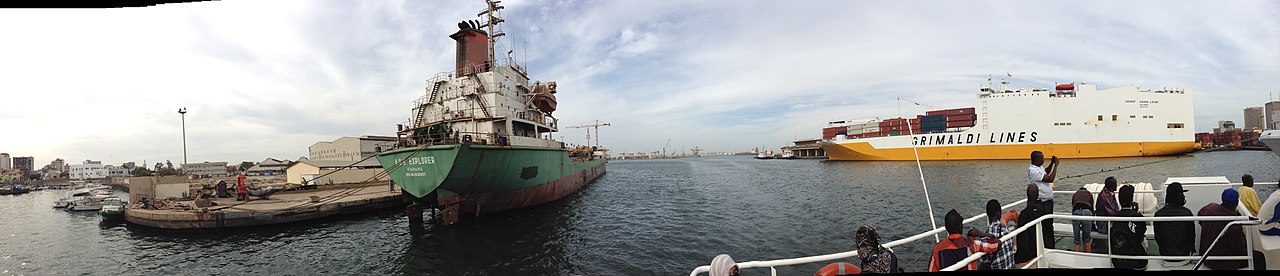
Dakar
Africa's Western Edge & Gateway to Senegal
Last reviewed: February 2026
Captain's Logbook
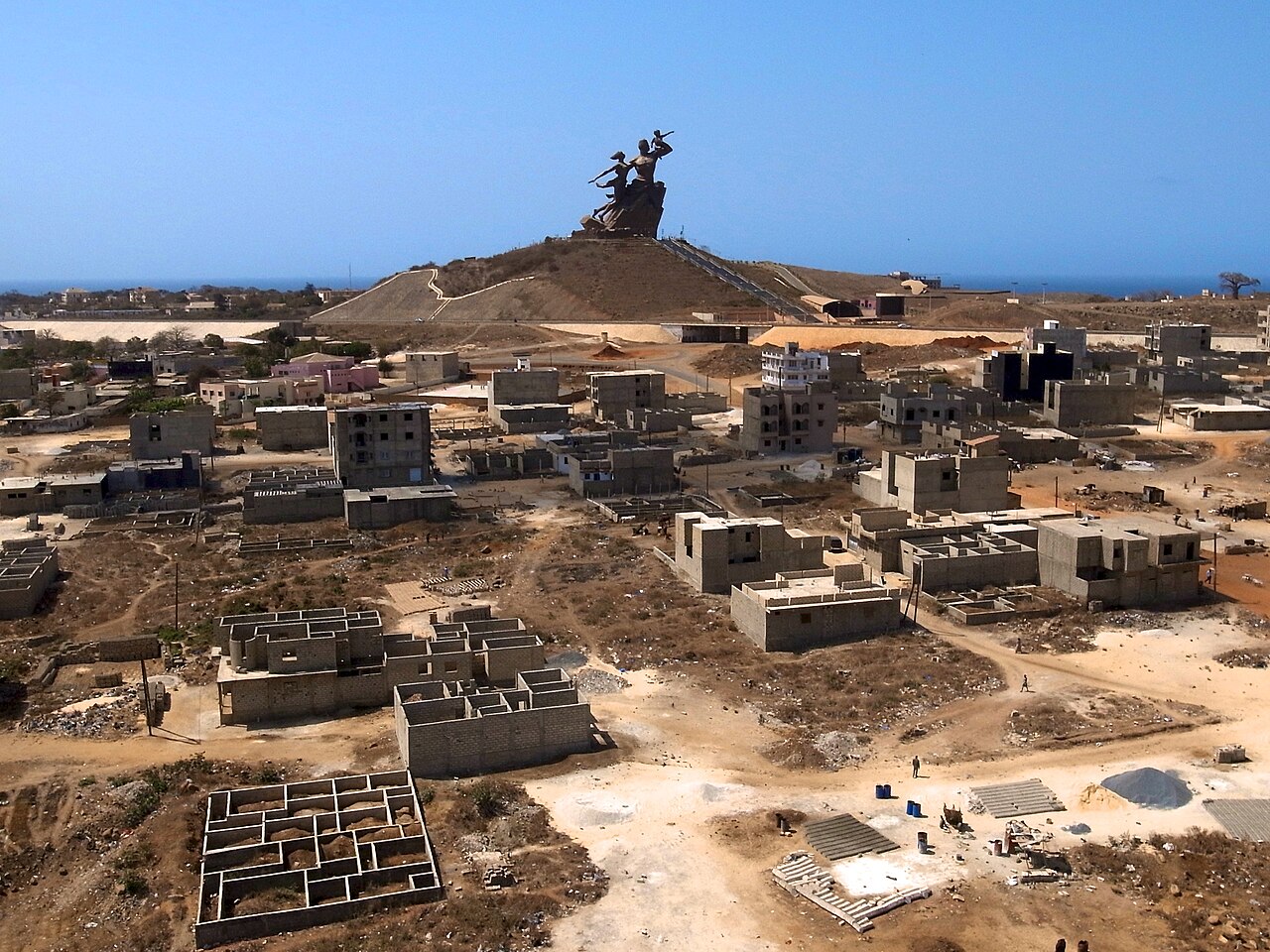
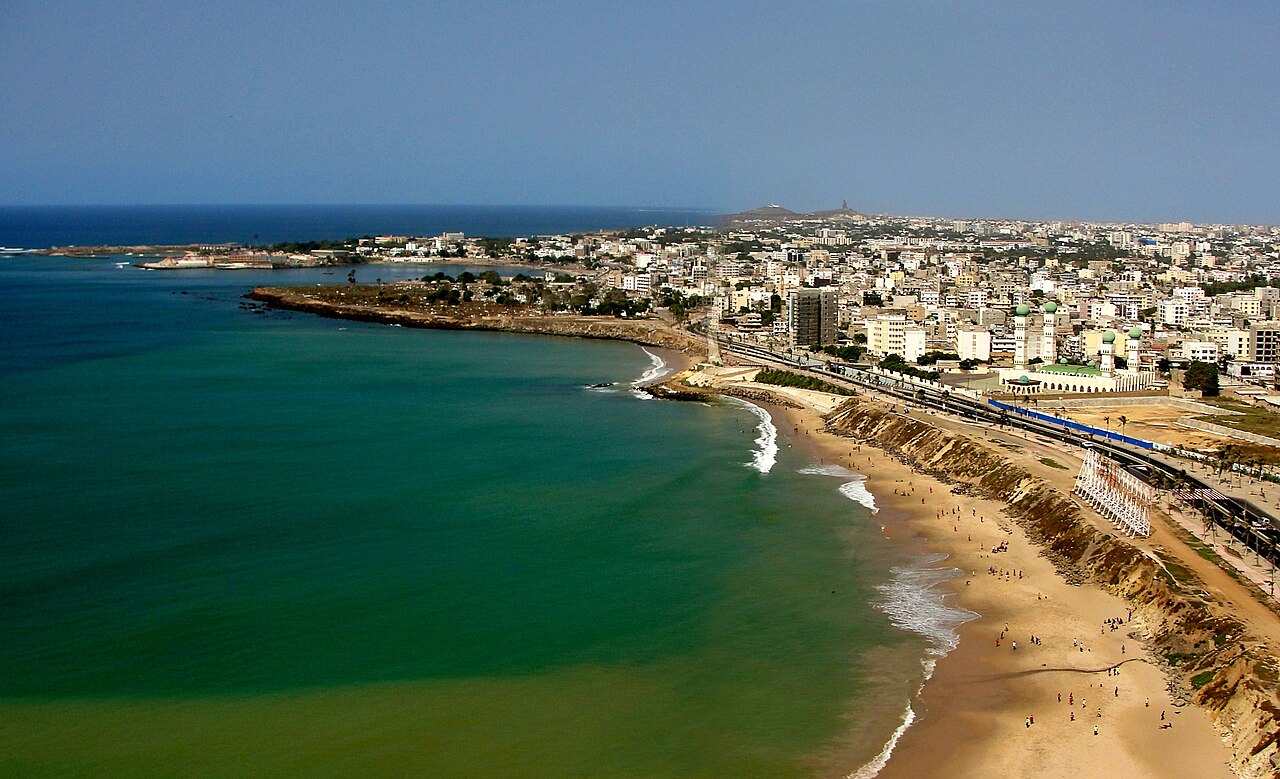
Our ship approached Dakar under a sky that seemed impossibly vast, the African continent materializing on the horizon as a low brown smudge that gradually resolved into the Cape Verde Peninsula – the westernmost point of mainland Africa. I had been anticipating this port for months, drawn by its complex legacy and the promise of experiencing Teranga, the Senegalese concept of hospitality that travelers describe as deeply moving. The African Renaissance Monument rose into view first, a 160-foot bronze colossus standing on twin hills above the harbor, larger than the Statue of Liberty and announcing with unmistakable confidence that this city has something to say about its future. Dakar sprawled beneath it in shades of ochre and white, minaret towers punctuating the skyline, the Atlantic churning against the peninsula where land finally surrenders to sea.
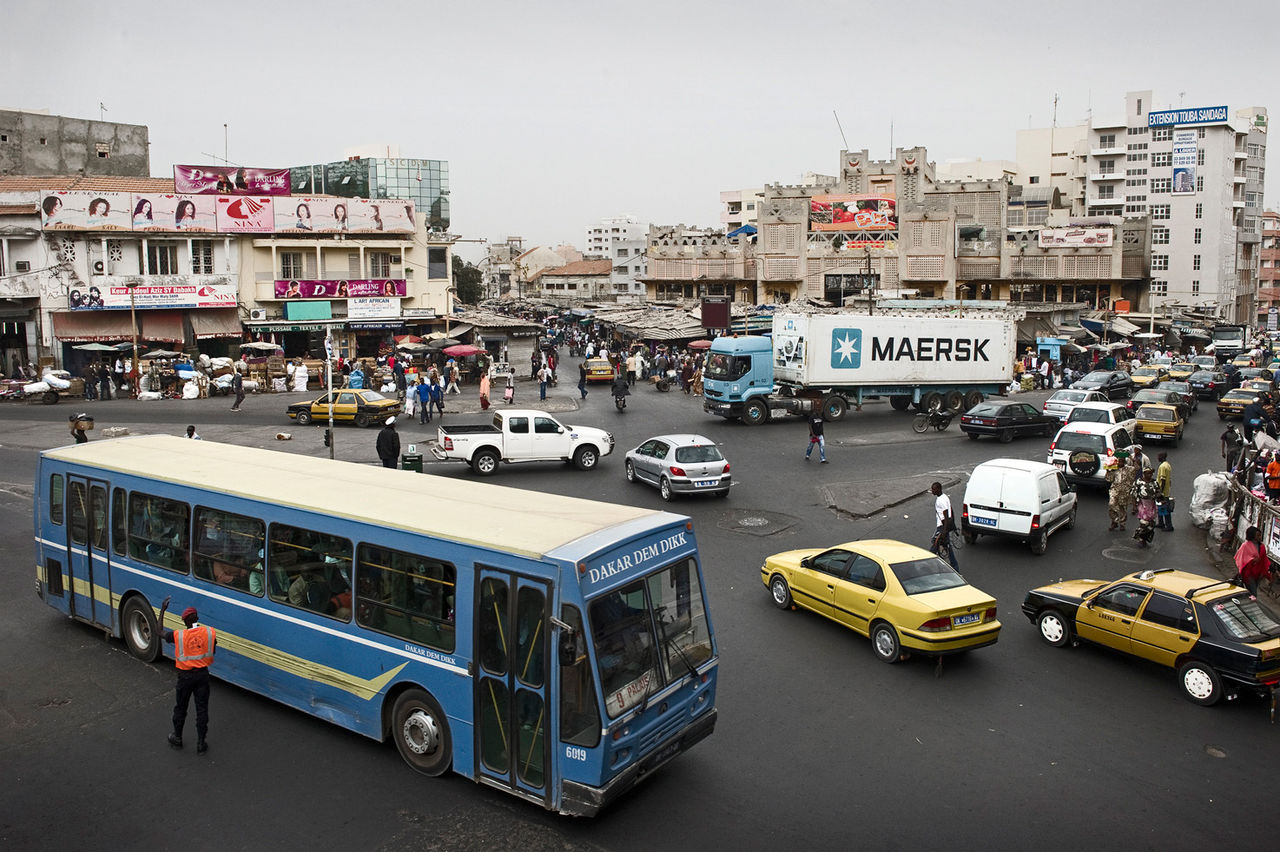
I walked off the ship into the Port of Dakar, one of West Africa's largest commercial harbors, and was immediately engulfed by the energy that defines this capital city. Taxis painted in yellow and black lined up at the port gate, drivers calling out destinations in French and Wolof. The air carried scents of diesel, grilled fish, and frangipani. Within minutes I was negotiating my first fare – 5,000 CFA francs to the Gorée Island ferry terminal – and discovering that bargaining here is not adversarial but rather a form of social connection, complete with smiles, handshakes, and the exchange of "Nanga def?" (How are you?). My driver, Moussa, insisted on practicing his English while teaching me Wolof greetings. By the time we reached the ferry dock, I had been invited to his home for dinner and had memorized three phrases that would open doors throughout my day ashore.
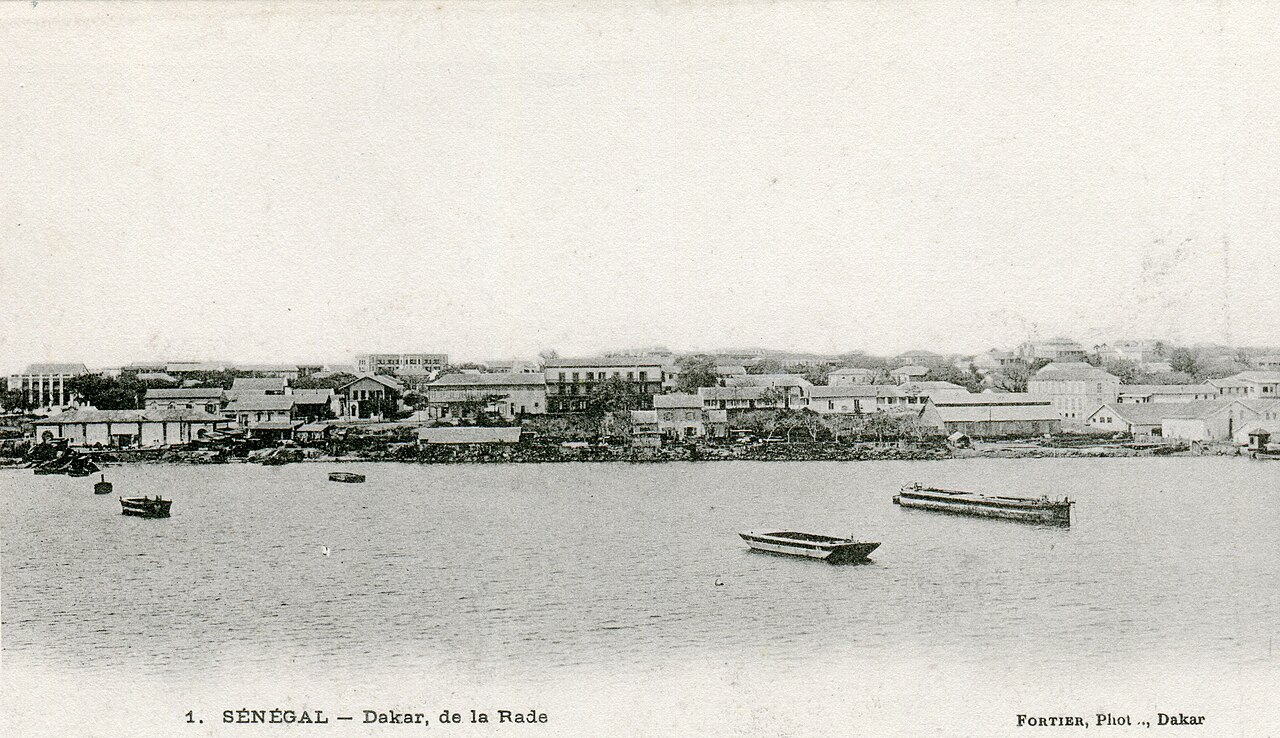
The ferry to Gorée Island takes twenty minutes across sheltered waters, and I spent the journey watching Dakar's skyline recede while contemplating what awaited me. Gorée is a UNESCO World Heritage site, a small island where the transatlantic slave trade left wounds that refuse to heal. I had read about the House of Slaves and its Door of No Return, but nothing prepared me for standing in that narrow doorway myself, gazing at the same Atlantic view that millions of enslaved Africans saw as their last glimpse of home. The building's pink walls seemed incongruously cheerful against the weight of memory they contained. I joined a French-language tour and listened to the guide describe how families were separated in these very rooms, children torn from mothers, human beings reduced to cargo. When we reached the Door of No Return, the group fell silent. Some wept. I thought about how tourism can feel exploitative in places like this, but also how bearing witness matters – how remembering is an act of honoring those who suffered. I stayed on Gorée for three hours, wandering the car-free streets, visiting the IFAN museum of African art, eating grilled fish at a waterfront restaurant, and letting the island's complicated beauty settle into my understanding of what this region endured.
Back on the mainland, I had arranged through my ship's excursion desk to visit Lac Rose, the famous Pink Lake about an hour northeast of Dakar. The journey took us through neighborhoods that shifted from colonial elegance to bustling commerce to rural simplicity, giving me my first sustained look at Senegalese daily life outside the port area. Lac Rose itself was exactly as photographs had promised – a lake turned pink by Dunaliella salina algae, with salt content exceeding forty percent, saltier even than the Dead Sea. Women waded waist-deep in the rose-colored water, harvesting salt by hand using calabash scoops and loading it onto pirogues for transport to shore. I floated effortlessly in the hyper-saline water, the salt so concentrated that sinking was impossible. The former finish line of the Paris-Dakar Rally stood nearby, a monument to a different kind of adventure entirely. Book ahead through your ship's excursion desk if this interests you – the Pink Lake tour runs about four hours round-trip and offers one of Senegal's most unique natural experiences.
Evening found me at the African Renaissance Monument, that controversial bronze giant that dominates Dakar's skyline. Built in 2010 by North Korean sculptors (yes, really), it depicts a family – man, woman, and child – gazing toward the Atlantic, representing Africa's emergence from centuries of exploitation. Opinions on the monument's artistic merit vary wildly, but standing at its base as the sun dropped toward the ocean, I found it genuinely moving. The elevator ride to the observation platform offered panoramic views across the entire peninsula, from the Grand Mosque's green-tiled dome to the ferry terminal where my Gorée journey had begun. Dakar spread beneath me in golden light, a city of three million people navigating the complicated space between tradition and modernity, between a painful past and an uncertain future. I descended as the call to prayer echoed from minarets across the city, a sound that would follow me through the evening as I explored the Plateau district and finally returned to my ship, my head full of images and my heart genuinely grateful for this window into West African life. Dakar challenged me, moved me, and left me wanting to return with more time to understand its layers. This was not a comfortable port call in the Caribbean sense – it was something richer and more demanding. I realized that the most meaningful travel experiences aren't always the easiest ones – sometimes growth requires discomfort, and gratitude deepens when we witness both beauty and pain in the same day.
Cruise Port
Cruise ships dock at the Port of Dakar on the Cape Verde Peninsula, one of West Africa's largest commercial harbors. The terminal has basic facilities – restrooms and a small waiting area – but this is primarily a working port rather than a purpose-built cruise facility. Security is present and taxis line up at the port gate to meet arriving passengers. You will need to show your ship ID to exit and re-enter the port area.
Dakar is the capital of Senegal, a former French colony that gained independence in 1960. The city sits at Africa's westernmost point, where the continent meets the Atlantic Ocean. The Plateau district (downtown) lies about ten to fifteen minutes by taxi from the port. The Gorée Island ferry terminal is approximately fifteen minutes away. Lac Rose (Pink Lake) requires about an hour's drive northeast. Ships typically allow 8-12 hours in port. Climate is tropical with distinct dry season (November-May) and rainy season (June-October). Dry season offers the most comfortable conditions for touring.
Getting Around
Dakar requires transportation planning. The port is not within walking distance of major attractions, and the city's spread-out geography means you will rely on taxis, organized tours, or a combination of both. The Plateau district is somewhat walkable once you arrive, though sidewalks can be uneven and traffic chaotic. Heat is a constant factor – carry water and pace yourself regardless of how you choose to explore.
Taxis: Yellow taxis are abundant at the port gate and throughout the city. Negotiate your fare before getting in – Dakar taxis do not use meters. Expect 5,000-10,000 CFA francs for most city rides ($8-16 USD). Agree on whether the price is per person or total. Drivers typically speak French; some English is available. Uber and Yango (ride-sharing apps) operate in Dakar and can simplify the negotiation process if you have mobile data.
Ferry to Gorée Island: Ferries depart from the terminal near Place de l'Indépendance (fifteen minutes by taxi from cruise port). Service runs hourly from 6am to midnight. Round-trip fare is 5,200 CFA francs (~$8.50) for foreigners. The crossing takes twenty minutes. Ferries can be crowded; morning departures are typically less busy. The island is entirely walkable once you arrive.
Ship Excursions: Highly recommended for Lac Rose (Pink Lake) due to the distance and logistics involved. Ship excursions handle transportation, timing, and often include lunch. Book ahead through your ship's excursion desk for guaranteed return to vessel. Independent visits to Lac Rose are possible but require careful time management given the hour-each-way drive.
Car Rapides: Dakar's colorful shared minibuses are authentic but challenging for visitors. Routes are unmarked and stops informal. Best suited for adventurous travelers comfortable with uncertainty and basic French or Wolof.
Accessibility note: Dakar presents significant challenges for visitors with mobility limitations. Sidewalks are often uneven or nonexistent. Curb cuts are rare. The Gorée Island ferry has steps with no elevator. Gorée Island itself involves cobblestone streets and stairs. The House of Slaves is not wheelchair accessible. Lac Rose involves walking on sand and potentially entering the lake. Contact your ship's excursion desk to discuss accessible alternatives – some operators offer modified itineraries focusing on accessible sites like the African Renaissance Monument (which has an elevator) and the Grand Mosque area.
Port Map
Tap markers to explore Dakar attractions and the cruise terminal
Shore Excursions
Gorée Island & House of Slaves: UNESCO World Heritage site three kilometers offshore. The House of Slaves (Maison des Esclaves) contains the Door of No Return – a profoundly moving memorial to the transatlantic slave trade. Island also features colonial architecture, IFAN museum, beaches, and restaurants. Ferry 5,200 CFA round-trip, twenty minutes each way. House of Slaves entry 500 CFA. Allow 3-4 hours minimum for a meaningful visit. Go early morning to avoid crowds and midday heat. Emotionally intense – prepare accordingly. This is essential Dakar.
Lac Rose (Pink Lake): Retba Lake turns pink from Dunaliella salina algae and forty percent salt concentration – saltier than the Dead Sea. Women harvest salt by hand in waist-deep rose-colored water. Float effortlessly in the hyper-saline lake. Former Paris-Dakar Rally finish line nearby. One hour northeast of Dakar. Half-day tours $40-60 through local operators; ship excursions $70-90 with lunch included. Book ahead through your ship's excursion desk for guaranteed return timing. Best color during dry season (November-May) when algae concentration peaks.
African Renaissance Monument: Controversial 160-foot bronze statue – taller than the Statue of Liberty – depicting African family gazing toward the Atlantic. Built 2010 by North Korean sculptors. Elevator to observation platform offers panoramic Dakar views. Entry 3,000 CFA (~$5). Twenty minutes from port by taxi. Allow 1-1.5 hours. Impressive regardless of artistic opinions; sunset timing spectacular.
City Tour & Grand Mosque: Explore the Plateau district with its French colonial architecture, Independence Square, Presidential Palace views, and the Grand Mosque with its distinctive green-tiled roof and soaring minaret. Non-Muslims welcome outside prayer times with modest dress. Combine with African Renaissance Monument for half-day orientation to Dakar. Ship excursions $50-70; independent taxi touring ~$30-40 for 3-4 hours.
IFAN Museum of African Arts: Fundamental Institute of Black Africa houses West Africa's finest ethnographic collection – masks, textiles, instruments, religious objects from across the region. Main branch near Place de l'Indépendance; smaller collection on Gorée Island. Entry 3,000 CFA. Allow 1-2 hours. Excellent introduction to regional cultures and artistic traditions.
Independent vs. Ship Excursions: Gorée Island is manageable independently – taxi to ferry terminal, ferry to island, explore on foot. The African Renaissance Monument and city touring work well by taxi with negotiated fares. For Lac Rose, ship excursions provide genuine value given the hour-each-way distance and logistics. Book ahead through your ship's excursion desk for Pink Lake to ensure return timing. For Gorée, independent visits offer more flexibility but ship excursions include guided tours of the House of Slaves that add important context. Overall, Dakar rewards some independence but benefits from organized transportation for distant sites.
Local Cuisine
Thieboudienne: Senegal's national dish – red rice cooked with fish, tomato paste, and vegetables (cassava, carrot, cabbage, eggplant). Soul food of West Africa. Pronounced "cheb-oo-jen." Every restaurant serves it; quality varies. Order it at least once. Budget 3,000-5,000 CFA ($5-8).
Yassa Poulet: Chicken marinated in lemon juice and onions, grilled then simmered in the marinade. Tangy, rich, served over rice. Comfort food that consistently delivers. Also available with fish (yassa poisson).
Mafé: Peanut butter stew with lamb, chicken, or beef, plus sweet potatoes and vegetables. Thick, hearty, distinctly West African. Served with rice or couscous. Rich and satisfying.
Dibi: Grilled lamb seasoned with mustard, onions, and spices. Street food favorite served with bread and raw onions. Look for outdoor dibi stands in the evening.
Bissap: Hibiscus flower drink – deep red, tart, refreshing. Served cold. Called "Senegalese champagne" by locals. Non-alcoholic. Perfect for hot days.
Café Touba: Senegalese spiced coffee with cloves and guinea pepper. Strong, sweet, distinctive. Morning ritual across the country. An acquired taste but worth trying.
Local Notices
Currency: West African CFA Franc (XOF). ATMs available in Dakar but not always reliable. Bring cash as backup. Euros sometimes accepted at poor exchange rates. US dollars less useful. Credit cards rarely accepted outside hotels.
Language: French is official; Wolof widely spoken. English limited outside tourist areas. Basic French phrases essential: "Bonjour," "Merci," "Combien?" (How much?). Wolof greeting "Nanga def?" delights locals.
Dress Code: Senegal is approximately 95% Muslim. Dress modestly – shoulders and knees covered. Required for mosque visits. Women need head covering for mosques. Respectful attire appreciated throughout the city.
Bargaining: Expected for taxis and vendor purchases. Start at 40-50% of asking price. Smile, be patient, walk away if needed. It's social interaction, not combat. Agree on taxi fares before departure.
Heat & Hydration: Dakar is hot year-round. Carry water constantly. Sunscreen and hat essential. Pace yourself. Dehydration sneaks up quickly. Seek shade during midday heat.
Depth Soundings Ashore
Dakar offers one of the most culturally immersive cruise experiences available on any itinerary. This is not a polished Caribbean port with manicured tourist infrastructure – it is a working African capital that invites visitors to engage with its complexity rather than observe from a comfortable distance. The rewards are proportional to the effort invested. Teranga, the Wolof concept of hospitality, genuinely permeates interactions with locals. Strangers become friends over shared meals and broken-language conversations. Return the warmth with respect and openness.
The Gorée Island visit deserves special consideration. The House of Slaves and Door of No Return are emotionally intense experiences. Some visitors find themselves unexpectedly moved; others struggle with how to process what they see. There is no wrong reaction. The island's purpose is remembrance, and bearing witness matters. Go with an open heart and appropriate gravity. The rest of Gorée – its colorful streets, excellent restaurants, and peaceful atmosphere – provides space for reflection afterward.
Safety in Dakar requires standard urban awareness. Pickpocketing occurs in crowded areas. Keep valuables secured; don't flash expensive cameras or jewelry. Stick to main areas during daylight. The city is generally safe for tourists, and locals often go out of their way to help visitors. Medical facilities exist but vary in quality; travel insurance strongly recommended. Cell service is good throughout Dakar. Drink bottled water only. For wheelchair users and those with mobility limitations, Dakar presents significant challenges – uneven sidewalks, stairs, and sandy terrain at major sites. Discuss specific needs with your ship's excursion desk before booking tours. Some accessible alternatives exist but require advance arrangement.
Practical Information
- Currency: West African CFA Franc (XOF)
- Language: French (official), Wolof widely spoken
- Time Zone: GMT (UTC+0)
- Weather: Tropical; 24-32°C year-round; dry Nov-May, rainy Jun-Oct
- Port Type: Dock; ships berth at commercial port
- Tender: Not required
- Walking: Limited; taxis needed for most attractions
- Accessibility: Challenging; limited infrastructure
Photo Gallery


Credits
- Hero image: Wikimedia Commons
- Gallery images: Wikimedia Commons contributors under CC BY-SA licenses
- Geographic data: OpenStreetMap contributors
Frequently Asked Questions
Q: Where do cruise ships dock in Dakar?
A: Ships dock at the Port of Dakar on Cape Verde Peninsula. Taxis are available at the port gate. The terminal has basic facilities. Plan fifteen minutes to downtown Plateau district or Gorée Island ferry terminal.
Q: Should I visit Gorée Island?
A: Yes, absolutely. Gorée Island is a UNESCO World Heritage site and essential for understanding the transatlantic slave trade. The House of Slaves and Door of No Return are profoundly moving. Ferry takes twenty minutes; allow 3-4 hours minimum on the island. Go early to avoid crowds.
Q: What is Lac Rose and is it worth visiting?
A: Lac Rose (Pink Lake) is a natural phenomenon where the water turns pink due to algae and forty percent salt concentration – saltier than the Dead Sea. You can float effortlessly and watch women harvest salt by hand. Located one hour northeast of Dakar. Book ahead through your ship's excursion desk; the experience is unique and memorable.
Q: What currency should I bring?
A: West African CFA Franc (XOF). ATMs exist but aren't always reliable. Bring cash as backup. Euros sometimes accepted at poor rates. Credit cards rarely work. Small bills (1,000 and 5,000 CFA) are most useful.
Q: Is Dakar safe for tourists?
A: Generally safe with normal urban precautions. Pickpocketing occurs in crowded areas. Keep valuables secured. Stick to main areas during daylight. Senegalese hospitality (Teranga) means locals often help visitors. Return warmth with respect.
Q: Do I need French to visit Dakar?
A: French helps enormously but isn't essential. Basic phrases ("Bonjour," "Merci," "Combien?") open doors. Tour guides often speak English. Learning "Nanga def?" (How are you? in Wolof) delights locals and creates connections.
Q: When is the best time to visit Dakar?
A: The glance Temperature reads "64-88°F tropical coastal" and the Rain entry reads "Wet season Jul-Oct; dry Nov-Jun." The Wind entry adds "Harmattan (dry desert wind) Dec-Feb." The hazard-note notes: "The Harmattan wind brings hazy, dusty conditions Dec-Feb. Wet season rains can flood streets rapidly."
Q: When is Dakar's storm season?
A: The hazard-note on this page reads: "The Harmattan wind brings hazy, dusty conditions Dec-Feb. Wet season rains can flood streets rapidly." The glance Wind entry identifies "Harmattan (dry desert wind) Dec-Feb" and Rain "Wet season Jul-Oct; dry Nov-Jun." The page also lists in catches: "Dust mask for Harmattan days." For current conditions on a specific sailing date, use the live weather widget in the seasonal panel above.
Q: Will rain ruin my Dakar port day?
A: The glance Rain entry reads "Wet season Jul-Oct; dry Nov-Jun." The hazard-note adds: "Wet season rains can flood streets rapidly." For short-term forecasts on a specific sailing date, the live weather widget in the seasonal panel above is the primary source.