


Last reviewed: February 2026
Captain's Logbook: Where the Earth Still Breathes
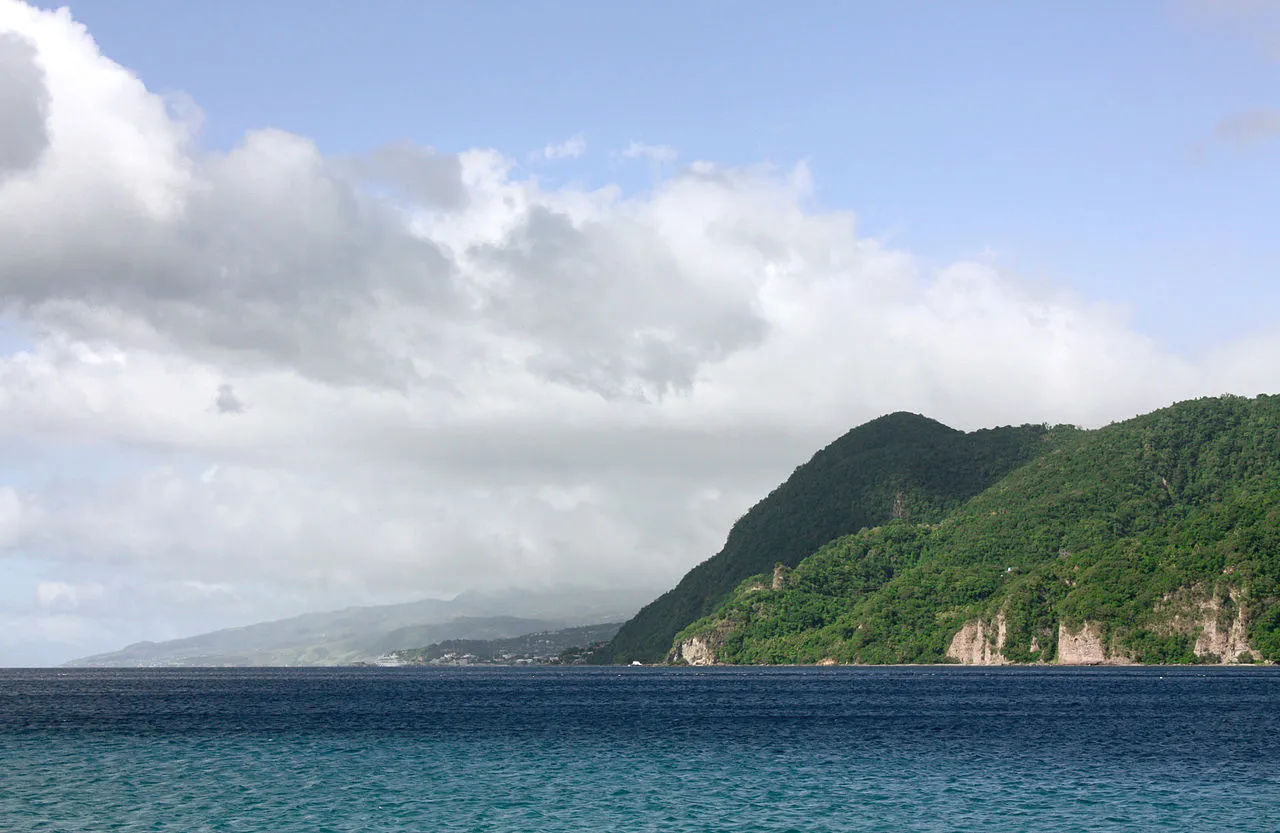
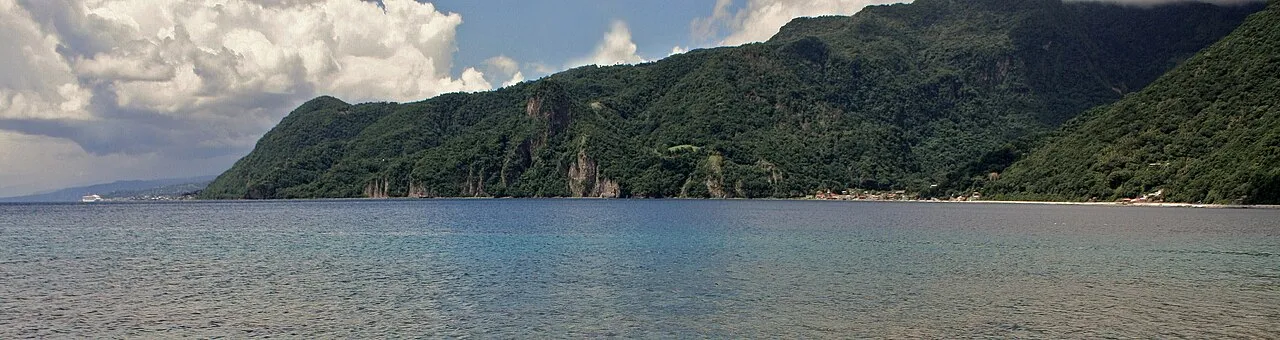
I have visited Dominica twice — in 2019 and again in 2023 — and each time, sailing into Roseau felt like entering a world that time forgot. The mountains don't just rise from the sea here; they explode from it, covered in rainforest so dense and green it looks painted. The Kalinago people knew this truth long before Columbus arrived here on November 3, 1493 (a Sunday — hence "Dominica," the Lord's Day). They called their homeland "Waitukubuli" — "tall is her body" — and standing beneath these volcanic peaks, feeling the mist on my face and smelling the rich earthiness of the jungle, I understood completely why they chose that name.
My ship approached through predawn darkness, and I was on deck with coffee in hand, watching the island materialize from the mist. The scent hit me first — that distinctive smell of tropical vegetation, wet earth, and something almost sulfurous underneath. As the sky lightened from purple to gold, the mountains took shape: jagged green spires rising impossibly steep, wreathed in clouds that seemed to cling to the peaks like cotton caught on thorns. This is not a beach-and-shopping island. This is the youngest island in the Lesser Antilles, still forming, still breathing, still very much alive with nine active volcanoes simmering beneath her rainforested slopes.
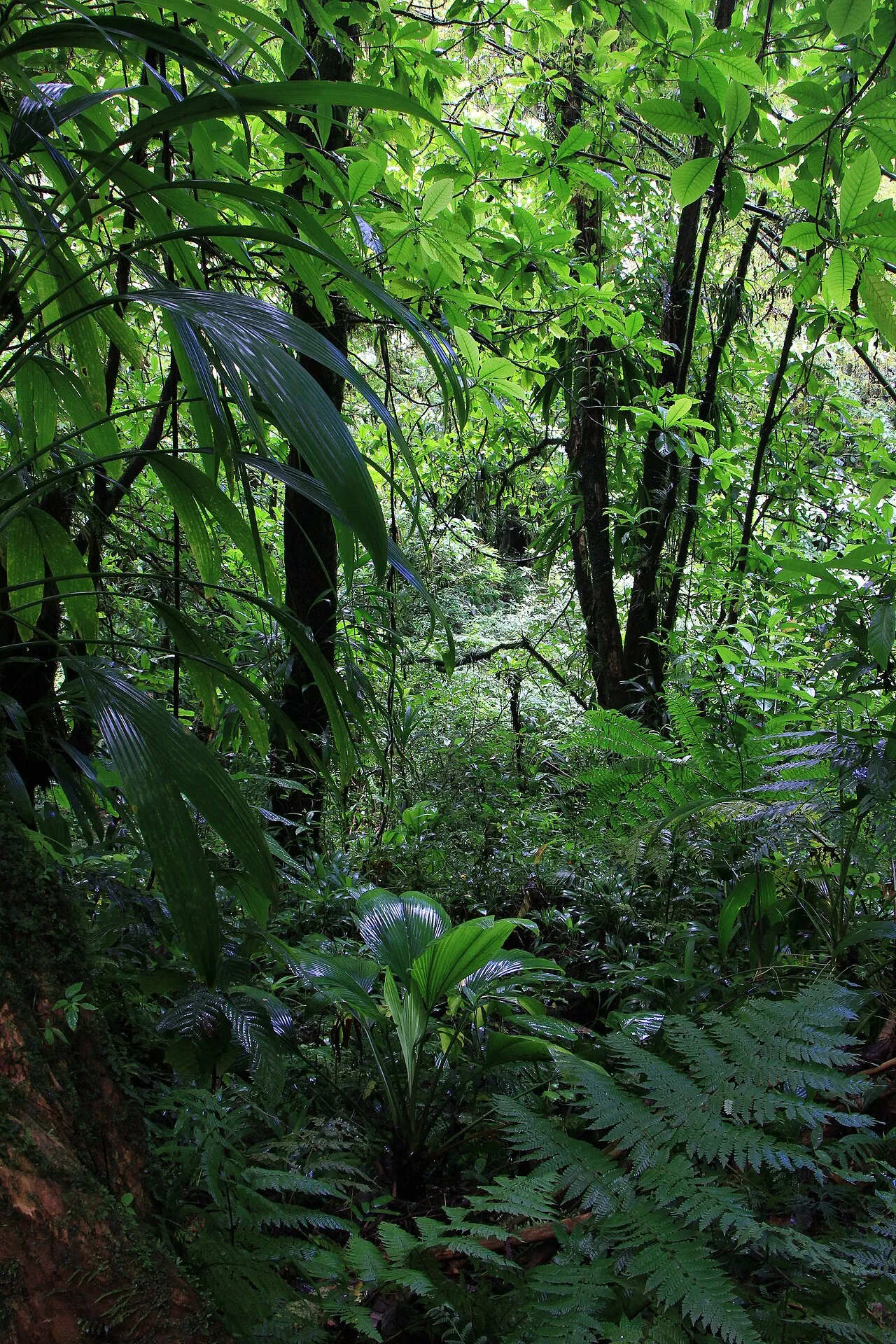
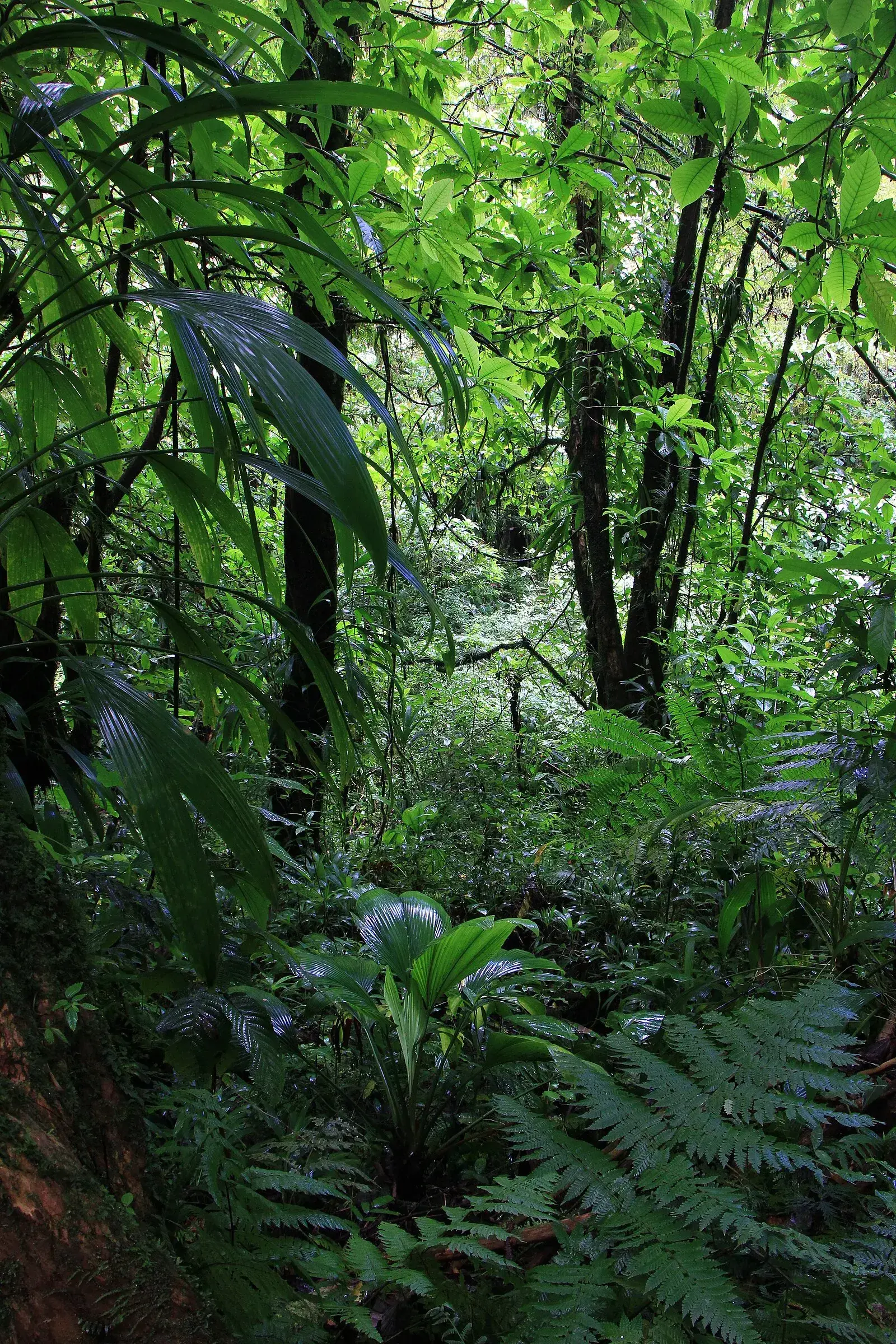
Dominica truly earns her title as the "Nature Island of the Caribbean." Rainforests blanket two-thirds of this compact island, fed by 365 rivers — legend says one for each day of the year, and most are clean enough to drink straight from the source. The diversity here staggers me every time: 172 bird species fill the canopy, over 1,200 plant types crowd the forest floor including 74 orchid species and more than 200 kinds of ferns. I've walked through forests in Costa Rica, hiked in the Pacific Northwest, explored Hawaii's valleys — but nothing quite prepares you for Dominica's intensity. Every step reveals something new: a flash of iridescent feathers, a waterfall hidden around a bend, the prehistoric silhouette of a massive fern unfurling overhead.
Morne Trois Pitons National Park — a UNESCO World Heritage Site since 1997 — protects much of this treasure. But what moves me most is the Kalinago Territory on the northeast coast, home to the Caribbean's largest remaining Indigenous community. These are the descendants of the people who named this island Waitukubuli, keepers of traditions stretching back centuries before European contact. The Kalinago resisted colonization longer than any other Caribbean people, and their territory today represents a living connection to the Caribbean that existed before sugarcane and slavery transformed these islands.
My first visit started with Trafalgar Falls — twin waterfalls tucked into the mountains just twenty minutes by taxi from Roseau's modest port. The trail wound through jungle thick with heliconia and ginger lilies, their fragrance mixing with the cool mist drifting down from the falls. "Father" and "Mother," the guides call the twin cascades, and watching them thunder into their pools while hummingbirds darted through the spray, I felt myself breathing deeper than I had in months.
Lunch on my second visit was fresh callaloo soup and fried plantains at a roadside stand in the mountains — the taste was earthy and satisfying, seasoned with local herbs I couldn't name. The vendor, a woman named Martha, laughed when I asked about "mountain chicken" on an old menu above her stall. "That's the crapaud frog," she explained. "Protected now. Hurricane Maria was hard on them." She spoke of Maria — the 2017 storm that devastated Dominica — with the matter-of-fact resilience I encountered everywhere on the island. The rebuilding continues, but so does the spirit.
Afternoon brought me to Champagne Reef on the south coast — a snorkeling experience unlike any other. Volcanic vents on the seafloor release a constant stream of bubbles, rising through crystal-clear water to tickle your skin as you float above the coral. The sensation is exactly like swimming in champagne, warm bubbles fizzing against your mask, fish darting through the effervescence. I floated face-down for what felt like hours, mesmerized by the reminder that the volcanic energy beneath Dominica isn't just geological history — it's happening right now, right beneath me.
Looking back on my time in Dominica, I realize this island taught me something about wildness. Not the manicured wildness of a resort nature walk, but the real thing — the kind of wildness that doesn't care whether you're comfortable, that will rain on your parade and reward you with rainbows, that asks you to work for your beauty and gives back tenfold. Dominica isn't trying to be anything other than what she is: young, fierce, impossibly alive. That's what I carry with me — the memory of feeling truly wild, truly small, truly grateful in Waitukubuli's tall green embrace.
Weather & Best Time to Visit
The Cruise Port
Ships dock at Roseau's cruise pier, a simple but functional facility in the heart of the island's modest capital (population approximately 15,000). The pier puts you within a five-minute walk of downtown Roseau, though there's not much reason to linger — the real Dominica lies in the mountains. Both ship excursions and independent taxi operators wait at the pier ready to take you exploring. The terminal area is wheelchair accessible with basic facilities, though the island's adventures are best suited for those comfortable with uneven terrain, river rocks, and jungle trails. Tender operations occur during busy cruise days or when larger ships call.
Getting Around
- Taxis: Licensed taxis wait at the cruise pier. Fares are negotiable — agree on price before departure. Full-day island tours run $60-120 USD for up to 4 passengers depending on destinations. Taxis are the most practical option for cruise visitors as public transport doesn't serve tourist attractions on cruise-friendly schedules. Most drivers speak English and know the island's highlights intimately.
- Shared Tours: Both ship excursions ($80-150 per person) and independent operators offer organized tours. Independent tours often offer better value and smaller groups. Book in advance through reputable operators like Bumpiing Tours or Ken's Hinterland Adventure Tours.
- Rental Cars: Available but not recommended for first-time visitors. Roads are narrow, winding, and mountainous with occasional unpaved sections. Driving is on the left (British style). Local temporary permits required (~$12 USD).
- Walking: Downtown Roseau is walkable from the pier, but attractions require transportation. Water shoes are essential for river activities.
For most cruise visitors, a taxi or organized tour is essential and well worth the investment. The Trafalgar Falls and Ti Tou Gorge combo can be done in half a day. Add Champagne Reef for a full-day adventure. The Kalinago Territory and Boiling Lake require dedicated trips — challenging on a single port day.
Dominica Area Map
Interactive map showing cruise terminal and Dominica attractions. Click any marker for details.
Excursions & Things to Do
Booking guidance: Ship excursion packages offer guaranteed return to port and run $120–180. Independent operators charge less ($60–100) with more flexibility and smaller groups. Book ahead for Trafalgar Falls and Ti Tou Gorge tours during peak season — these fill up when multiple ships are in port. Water shoes are essential for river activities.
Trafalgar Falls
Twin waterfalls ("Father" and "Mother") tucked into the mountains just 20 minutes by taxi from the pier. The trail winds through jungle thick with tropical flowers. Low to moderate energy depending on how close you want to get to the falls. $5 USD entrance fee. Allow 1-2 hours. Wheelchair accessible viewing platform available; reaching the base requires navigating river rocks.
Ti Tou Gorge
Swim through a narrow canyon to a hidden waterfall — one of the Caribbean's most unique experiences. Walls rise 40 feet on either side with only a sliver of sky visible above. The water is genuinely cold. Moderate energy — requires swimming and comfort in confined spaces. Located near Trafalgar, making them an easy combo. $5 USD entry. Water shoes and quick-dry clothing essential. Life jackets available.
Champagne Reef
Snorkel above volcanic vents releasing bubbles from the seafloor — like swimming in champagne. South coast location, 30-minute drive from Roseau. The warm bubbles fizz against your skin as fish dart through the effervescence. Low to moderate energy. Snorkel gear rental available ($10-15). Best experienced with a guide who knows the vent locations.
Boiling Lake
The world's second-largest hot spring, steaming in a volcanic crater deep in the interior. Challenging 6-hour round-trip hike (strenuous, high-energy) through the Valley of Desolation. Not practical for cruise day visits unless your ship offers an extended stay. Requires a certified guide ($70-100). For serious hikers only — bring proper footwear, water, and snacks.
Kalinago Territory
The Caribbean's largest remaining Indigenous community lives on the northeast coast. Cultural tours showcase traditional boat-building, basket weaving, and cassava bread preparation. A meaningful way to connect with Caribbean history before European contact. 1-2 hour drive from Roseau. Half-day tour $40-60 per person. Low to moderate energy.
Morne Trois Pitons National Park
UNESCO World Heritage Site protecting Dominica's volcanic heart — waterfalls, hot springs, fumaroles, and the island's highest peaks. Trafalgar Falls and Ti Tou Gorge are within the park boundaries. The Boiling Lake trail passes through the otherworldly Valley of Desolation with its steaming vents. Various trails offer options from easy walks to strenuous hikes. Bring plenty of water, sturdy footwear, and a sense of wonder — you're walking through one of Earth's most geologically active landscapes.
Depth Soundings Ashore
Practical tips before you step off the ship.
Rain Happens: With 365 rivers and rainforests covering two-thirds of the island, expect brief showers — they're what makes Waitukubuli so lush and alive. Pack a lightweight rain jacket and embrace the tropical mist that sweeps through the valleys.
Water Shoes Essential: River rocks are slippery at Trafalgar and Ti Tou Gorge. Good grip saves the day and prevents injuries on the wet volcanic stones.
Bring Cash: EC dollars preferred at roadside stands and smaller vendors. USD accepted but change comes in EC. ATMs available in Roseau near the cruise pier.
Volcanic Terrain: Nine active volcanoes mean serious hikes like Boiling Lake require good fitness. Know your limits and communicate honestly with guides about your experience level.
Biodiversity Paradise: Keep eyes open for Sisserou and Jaco parrots (Dominica's national birds found nowhere else on Earth), orchids, and hummingbirds — nature photographers will be in heaven.
Photo Gallery
Frequently Asked Questions
Q: Why is Dominica called the "Nature Island"?
A: Dominica has 9 active volcanoes, 365 rivers, rainforests covering two-thirds of the island, UNESCO World Heritage sites, and the Caribbean's longest hiking trail (Waitukubuli National Trail, 115 miles spanning 14 segments). It's the real deal for nature lovers seeking unspoiled wilderness.
Q: What's the best one-day adventure in Dominica?
A: The Trafalgar Falls plus Ti Tou Gorge plus Champagne Reef combination gives you twin waterfalls, canyon swimming through a narrow gorge, and snorkeling above volcanic vents with bubbles rising from the seafloor. All three are accessible within a cruise day from Roseau.
Q: What does "Waitukubuli" mean?
A: The Kalinago (Indigenous) name for Dominica — "tall is her body" — perfectly describing these dramatic volcanic peaks that explode from the sea.
Q: Can I see Boiling Lake on a cruise day?
A: Challenging — it's a strenuous 6-hour round-trip hike through the Valley of Desolation. Better suited for overnight stays. Stick to Trafalgar Falls and Ti Tou Gorge for cruise day visits.
Q: Should I bring water shoes?
A: Absolutely essential — river rocks at waterfalls and gorges are extremely slippery. Good grip prevents injuries on wet volcanic stones and makes the experience much more enjoyable.
Q: When is the best time to visit Dominica on a cruise?
A: The seasonal panel above lists Peak Season as "Dec, Jan, Feb, Mar, Apr," Transitional Season as "May, Jun, Nov," and Low Season as "Jul, Aug, Sep, Oct," with the avoidance note flagging "Sep, Oct" for "hurricane risk." Specific temperature ranges are not detailed on this page — the glance Temperature entry reads "Varies by season — check forecast." Use the live weather widget in the seasonal panel for current short-term conditions.
Q: Is there a hurricane or storm season that affects Dominica?
A: Yes. The avoidance note in the Best Time block flags "Sep, Oct" for "hurricane risk," and the hazard-note reads: "Ships may reroute during active storms; travel insurance recommended." The page's logbook recounts a vendor named Martha describing "Hurricane Maria... the 2017 storm that devastated Dominica," with rebuilding ongoing. For current tropical-system status, use the live weather widget in the seasonal panel above.
Q: What should I pack for Dominica weather?
A: Waterproof hiking boots — essential. Rain jacket year-round. Bug repellent for rainforest. Quick-dry clothing. The page describes Dominica as a rainforest island; the glance Temperature reads "Varies by season — check forecast."
Q: Will rain ruin my Dominica port day?
A: The seasonal panel does not give Dominica-specific rainfall data — the Rain entry reads "Seasonal variation — check forecast." The Best Time block lists "Dec, Jan, Feb, Mar, Apr" as Peak Season, with "Sep, Oct" the only window flagged in the avoidance note (for "hurricane risk"). The page emphasizes rainforest gear and rain-jacket year-round packing. The live weather widget in the seasonal panel above is the source for short-term forecasts.