

Dubai
Where Tomorrow's Skyline Meets Ancient Arabian Soul
Last reviewed: February 2026
Captain's Logbook
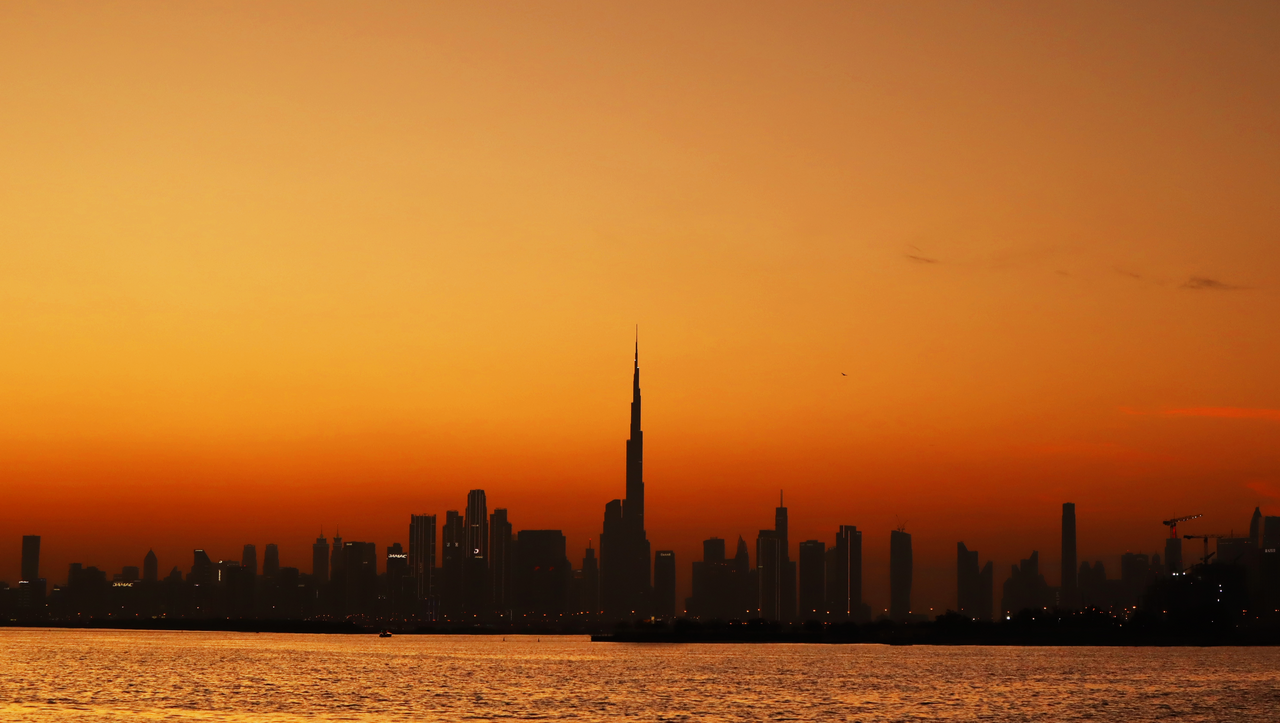
The first time I saw the Burj Khalifa from our ship's deck, I understood why Dubai has become the jewel of Middle Eastern cruising. Our vessel looked almost humble against the world's tallest building piercing the morning sky – 828 meters of glass and steel rising 164 floors into the desert air, its needle-point crown visible from forty miles out. As we approached Mina Rashid, one of the world's largest cruise terminals with its six gleaming docks, classic wooden dhows bobbed alongside our modern cruise ship. It struck me then: Dubai tells two stories at once – a heritage trading port and a modern global hub – and somehow both are equally true. I had been anticipating this port for weeks, drawn by the promise of architectural impossibilities and the whisper of ancient souks.
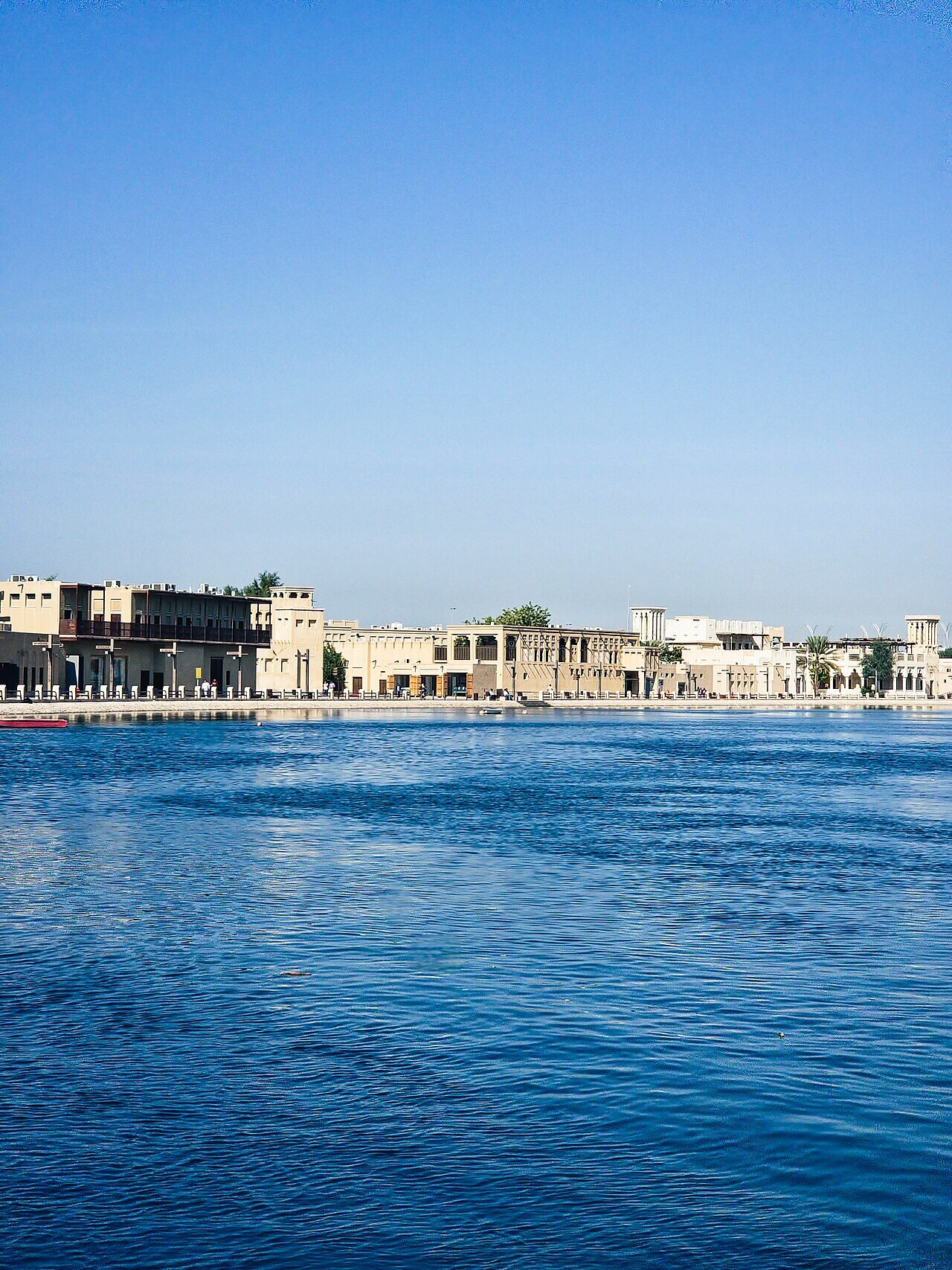
I walked off the ship into the Mina Rashid terminal, air-conditioned and efficient, then stepped outside into what felt like a blast furnace even in the mild winter season. The transformation of this place still astonishes me. In the 1960s, this was a fishing village of perhaps 59,000 souls, their livelihood drawn from the Creek's pearl-diving waters and modest trade routes. Today, over four million people call this desert metropolis home. You feel that collision of eras everywhere: in the Al Fahidi neighborhood where 18th-century classic buildings with their distinctive wind towers crouch beneath gleaming towers; in the Gold Souk across the Creek in Deira where hundreds of jewelry vendors display more gold than I had ever seen in one place, their glittering windows reflecting a trade route centuries old. My first abra ride cost one dirham – about twenty-five cents – and felt like time travel, the wooden boat's diesel engine chugging across Dubai Creek while the call to prayer echoed from minarets on both shores.
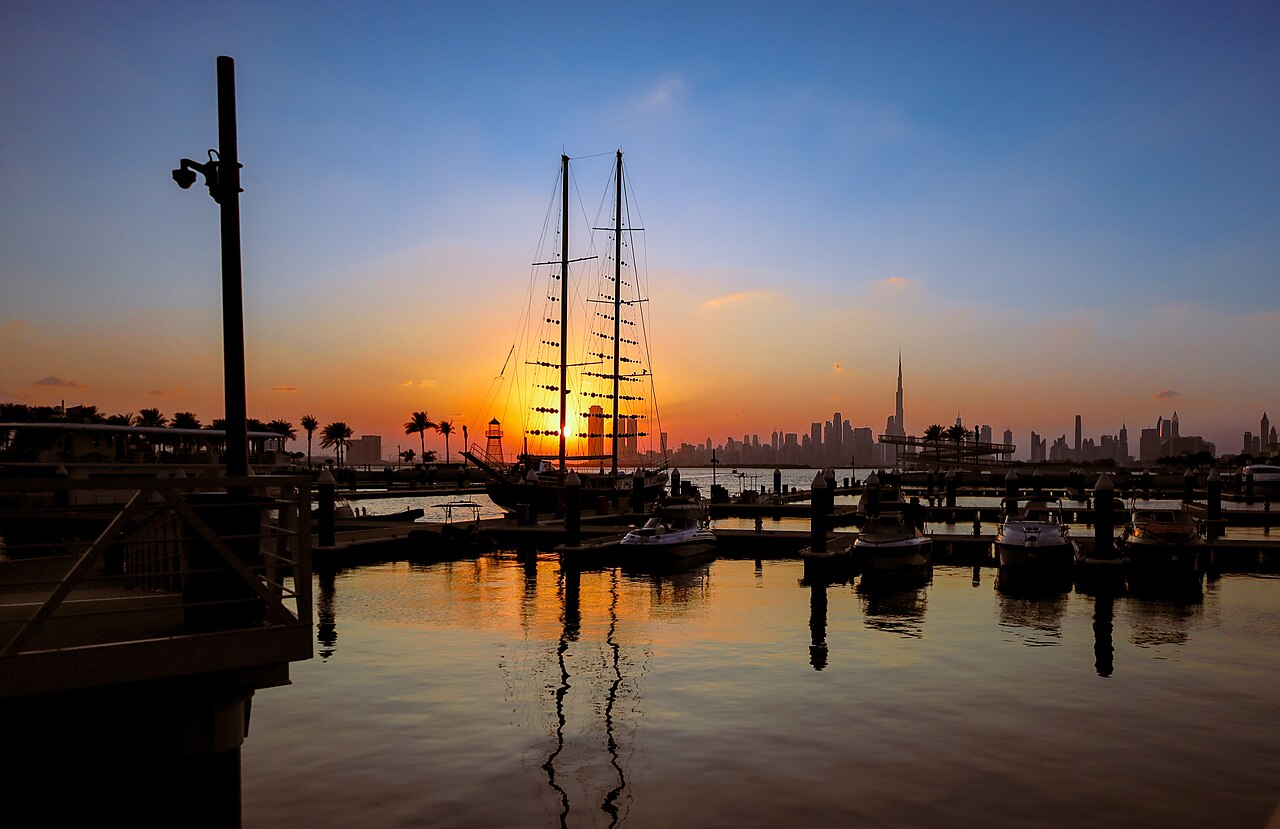
I had booked my Burj Khalifa tickets through the ship's excursion desk weeks in advance ($65 for sunset timing), and the foresight paid off handsomely. The elevator ride to the 148th-floor observation deck took less than a minute, my ears popping as we ascended faster than any building should allow. Standing on that platform at sunset, watching the city transform from gold to pink to deep purple, then seeing lights flicker on across the endless expanse below – I understood why people build impossible things. The building opened in 2010, named for UAE President Khalifa bin Zayed Al Nahyan, and from that height I could trace our ship's route into port, the Creek's meandering path through old Dubai, the Palm Jumeirah's fronds stretching into the Arabian Gulf. Some views are worth whatever they cost. Book ahead through your ship's excursion desk if this experience interests you – sunset tickets sell out weeks in advance during peak cruise season.
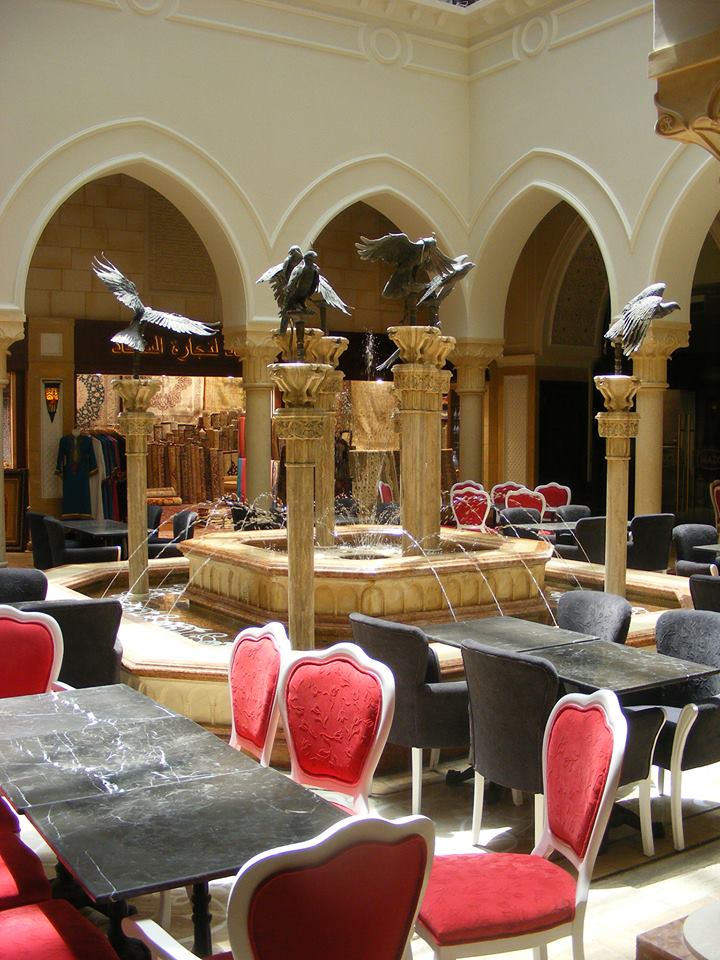
What surprised me most was discovering pockets of old Dubai still breathing between the contemporary architecture and climate-controlled environments. An elderly Emirati man outside the Spice Souk insisted on buying us coffee after we admired his falcon – the hospitality genuine and unhurried despite the gleaming towers visible above the souk's weathered walls. I spent an afternoon wandering Al Fahidi's narrow lanes, where wind towers caught the breeze as they had for two centuries, the silence broken only by distant traffic and the occasional artist emerging from a courtyard gallery. The Dubai Museum in Al Fahidi Fort offered context: photographs of the Creek before oil wealth transformed everything, dioramas of pearl divers and Bedouin traders, reminders that this city grew from sand and saltwater through sheer determination. I ate lamb machboos at a classic restaurant nearby (25 dirhams, roughly $7), the spiced rice and tender meat confirming that Dubai's soul extends beyond its architectural ambitions.
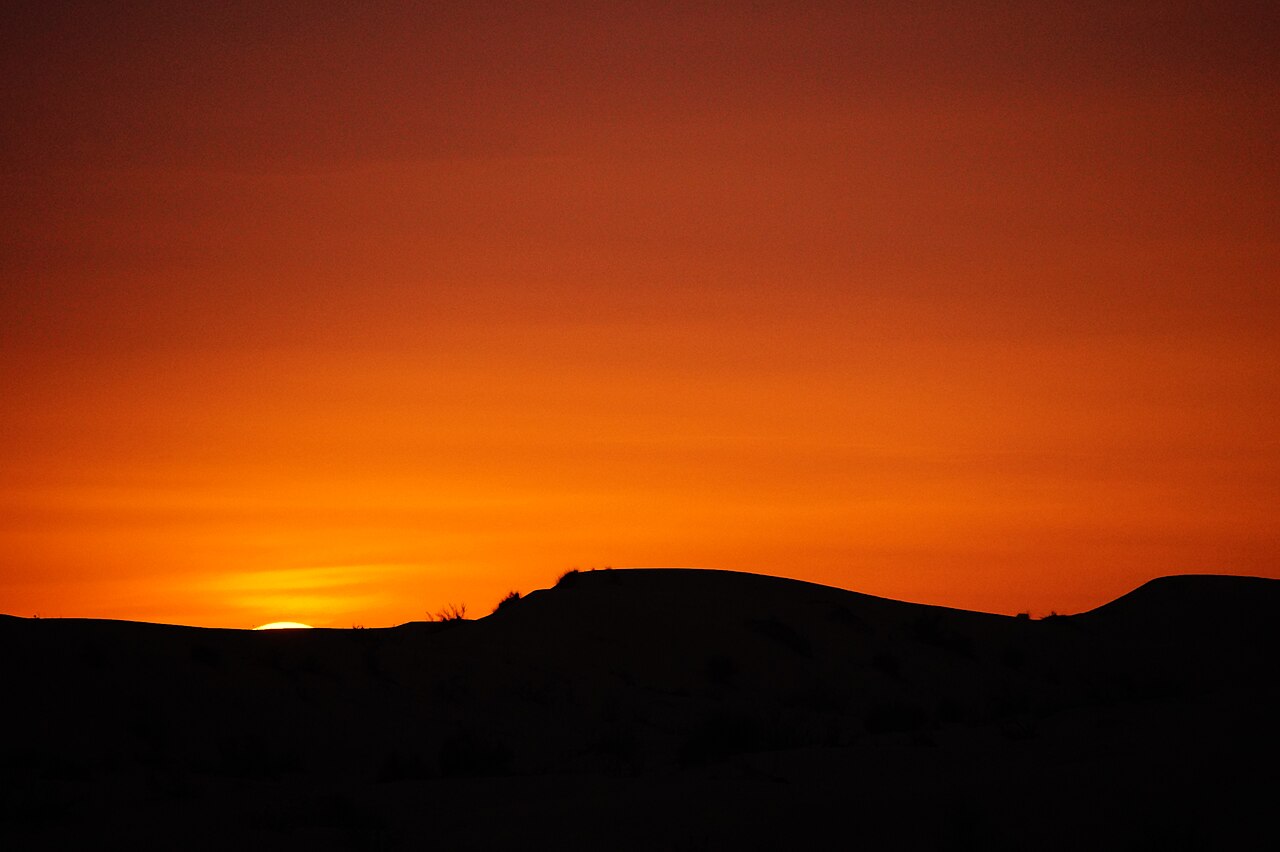
My second day brought the desert safari, booked independently through a vetted operator for $85 including hotel pickup. The dune bashing terrified and delighted me in equal measure – our Land Cruiser charging up sand mountains and sliding down their faces while passengers screamed and laughed. Sunset over the desert painted the dunes in shades of orange and rose that no photograph could capture. The Bedouin camp that followed offered camel rides, henna painting, and a barbecue dinner under stars that the city's lights usually obscure. A belly dancer performed while we sprawled on cushions, and I felt transported to an Arabia that existed before the skyscrapers, before the malls, before the impossible ambitions. By the time I returned to the ship that evening, my head was full of contradictions that somehow resolved into admiration. Dubai shouldn't work – it's too new, too ambitious, too hot – and yet it does, magnificently. The city challenged my expectations at every turn and left me genuinely eager to return with more time to explore its layers. This was not a typical port call; this was an encounter with human ambition at its most audacious and most successful.
Cruise Port
Cruise ships dock at Mina Rashid Cruise Terminal (Port Rashid), one of the world's largest cruise facilities with six modern berths. The terminal is fully air-conditioned with duty-free areas, restaurants, and tourist information. Located near Old Dubai in the historic Bur Dubai area, you walk off the ship into the city rather than facing a long transfer. Taxis queue at the terminal exit, and the Dubai Metro's Al Ghubaiba station is a short taxi ride away.
Dubai's layout is spread across several distinct areas. Downtown Dubai (Burj Khalifa, Dubai Mall) lies about fifteen minutes south by taxi. Dubai Marina is thirty minutes further. Old Dubai (Al Fahidi, souks, Dubai Creek) is closest to the port, reachable within ten minutes. Palm Jumeirah requires about twenty-five minutes by taxi or monorail from the mainland. Ships typically allow 10-14 hours in port, adequate for major attractions with careful planning. Climate is desert – mild and pleasant November through April (20-30°C), brutally hot May through September (often exceeding 45°C). Cruise lines avoid summer months for good reason.
Getting Around
Dubai is spread out but exceptionally well-connected. The city's infrastructure caters to visitors, with clear signage in English and Arabic throughout. Air conditioning is ubiquitous – malls, Metro, taxis, and attractions are all climate-controlled. This matters enormously given the heat; plan routes that minimize outdoor exposure during warmer months.
Dubai Metro: The Red Line runs from near the port (Al Ghubaiba station, ten-minute taxi) through Downtown Dubai (Burj Khalifa/Dubai Mall station) to Dubai Marina. Clean, fast, air-conditioned, and cheap – under $2 per ride. Purchase a Nol card at any station for smooth travel. Gold Class cars offer extra comfort for a small premium.
Taxis: Metered, air-conditioned, and honest. Flag fall is about $3, and a ride to Burj Khalifa runs $10-15 from the cruise terminal. The RTA taxi app works well for ordering. Women traveling alone can request pink-roofed female-driver taxis for added comfort.
Abra (Water Taxi): Classic wooden boats crossing Dubai Creek – just 1 AED (about $0.27). The most atmospheric and affordable way to travel between Bur Dubai and Deira. Boats run constantly throughout the day; no schedule needed, just show up at the dock. Essential Dubai experience.
Monorail: The Palm Jumeirah Monorail runs along the trunk of the artificial island to Atlantis resort at the crown. Connects to the Metro at Palm Gateway station. Offers stunning views of the Palm's engineering achievement.
Walking: Possible within districts (Dubai Mall area, Old Dubai souks) but not practical between major areas due to distances. Summer heat makes outdoor walking genuinely dangerous – stick to air-conditioned connections and carry water regardless of season.
Accessibility note: Dubai is generally accessible by Middle Eastern standards. The Metro has elevators at all stations and priority seating. Malls are fully accessible with wide corridors. Burj Khalifa observation decks are wheelchair accessible via high-speed elevators. Classic souks have uneven surfaces and narrow passages that present challenges for wheelchair users. Abras require stepping down into the boat. Contact your ship's excursion desk for accessible tour options – operators can arrange vehicles with wheelchair lifts for desert safaris and city tours.
Port Map
Tap markers to explore Dubai attractions and the cruise terminal
Shore Excursions
Burj Khalifa Observation Decks: The world's tallest building (828m, 164 floors) offers observation platforms on the 124th floor ("At the Top") and 148th floor ("At the Top SKY"). Sunset timing costs more but is absolutely worth it – watching Dubai transform from day to night from this height is unforgettable. Tickets $40-80 depending on timing and level. Book ahead through your ship's excursion desk or online weeks in advance; sunset times sell out quickly during cruise season. Allow 2-3 hours including transit.
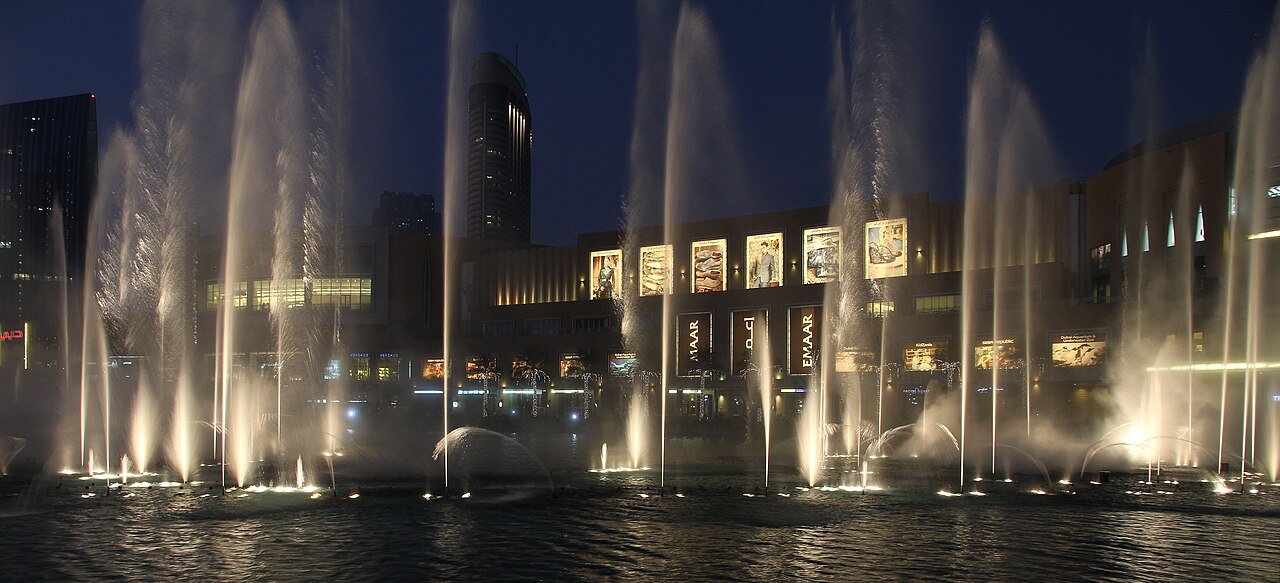
Dubai Fountain Shows: The world's largest choreographed fountain performs every 30 minutes from 6pm-11pm (plus 1pm and 1:30pm daytime shows). Completely free from the Dubai Mall waterfront terrace. For closer views, take an abra ride on the Burj Lake ($5) as the water dances to Arabic and international music beneath the tower's shadow.
Palm Jumeirah & Atlantis: This man-made archipelago is visible from space. The monorail ($5) runs along the trunk to the coral-pink Atlantis resort at the crown. Even if you're not staying there, the Lost Chambers Aquarium ($30) and Aquaventure Waterpark ($80+) welcome visitors. Allow half-day for meaningful exploration. Ship excursions $70-100 including transport and aquarium entry.
Old Dubai & Souks: Cross Dubai Creek by abra (1 AED) to explore the Gold Souk (hundreds of jewelry vendors), Spice Souk (aromatic spices, frankincense, dates), and textile vendors. Bargaining expected – start at 40% of asking price. Adjacent Al Fahidi features 18th-century wind tower architecture, Dubai Museum ($1), art galleries, and cafes. Free to wander; budget $20-50 for purchases. Half-day independently or ship excursions $40-60 with guide.
Dubai Frame: The world's largest picture frame (150m tall) literally frames views of old and new Dubai. Glass-floored sky bridge not for the faint-hearted. Tickets ~$15. Fifteen minutes from port. Allow 1-1.5 hours. Powerful symbolism of Dubai straddling past and future.
Desert Safari: Half-day excursions include dune bashing (thrilling 4x4 driving over sand dunes), camel rides, henna painting, falcon photography, and BBQ dinner with belly dancing under desert stars. Book ahead through your ship's excursion desk for guaranteed return timing – these tours run into the evening. Ship excursions $100-150; independent operators $60-90. Essential Dubai experience that reveals the desert landscape surrounding this improbable city.
Independent vs. Ship Excursions: Dubai is highly navigable independently. Metro and taxis make most attractions accessible without organized tours. Old Dubai souks, Burj Khalifa (book tickets yourself online), and Dubai Mall work perfectly on your own. For desert safaris, ship excursions guarantee return to vessel and handle complex logistics. Book ahead through your ship's excursion desk for any evening activity or distant destination to ensure timing works with your departure schedule.
Local Food
Machboos: UAE's national dish – spiced rice (baharat, turmeric, loomi) with lamb, chicken, or fish. Hearty, aromatic, distinctly Arabian. Found at classic restaurants near Al Fahidi. Budget 25-40 AED ($7-11).
Shawarma: Rotisserie meat (chicken or lamb) in flatbread with garlic sauce, pickles, and tahini. Street food perfection. Ubiquitous throughout Dubai. Budget 10-15 AED ($3-4).
Arabic Mezze: Spreads of hummus, baba ganoush, tabbouleh, falafel, fattoush, and fresh bread. Great for sharing. Restaurant mezze platters 50-100 AED ($14-27).
Dates: The UAE produces outstanding dates. Sample varieties at the Spice Souk or upscale vendors – from honey-sweet Medjool to caramel Khidri. Essential edible souvenir.
Arabic Coffee (Gahwa): Cardamom-infused, served in small cups with dates. Hospitality ritual throughout the Gulf. Often offered free at classic establishments.
Camel Milk: Available in chocolate form at many cafes. Surprisingly creamy and mild. Local specialty worth trying once.
Local Notices
Dress Code: Dubai is cosmopolitan but modest dress is appreciated. Cover shoulders and knees in malls and public areas. Swimwear only at pools and designated beaches. Mosques require conservative dress and head covering for women.
Ramadan: During the Islamic holy month, eating, drinking, and smoking in public during daylight hours is prohibited out of respect. Restaurants have screened areas for non-Muslims. Dates vary annually.
Alcohol: Available only in licensed venues (hotels, certain restaurants). Drinking in public or appearing intoxicated in public is illegal. Be discreet.
Photography: Ask before photographing people, especially Emirati women. Avoid photographing government buildings, military installations, and airports.
Currency: UAE Dirham (AED). USD widely accepted. Credit cards work everywhere. ATMs abundant.
Heat: Even in mild months, hydration is essential. Carry water constantly. Air conditioning is everywhere for good reason.
Depth Soundings Ashore
Dubai presents one of the most accessible and well-organized cruise destinations anywhere in the world. The infrastructure caters specifically to visitors, with English universally spoken, clear signage throughout, and service standards that match or exceed Western expectations. The combination of ancient Arabian character and modern ambition creates a destination unlike any other – you can haggle for spices in a centuries-old souk in the morning and ascend the world's tallest building by sunset.
Safety in Dubai is exceptional. The city maintains extremely low crime rates through strict law enforcement. Solo travelers, including women, consistently report feeling very secure. Common sense precautions apply, but Dubai is genuinely one of the safest major cities for tourists. Medical facilities are excellent; travel insurance remains recommended but the quality of care is excellent.
The heat deserves serious respect. Even in the mild winter cruise season (November-April), afternoon temperatures can exceed 30°C. Summer months are genuinely dangerous for prolonged outdoor exposure – temperatures above 45°C with high humidity. Plan routes that maximize air-conditioned environments. Carry water at all times. The covered souks provide classic shade; modern Dubai is connected by air-conditioned malls, Metro, and taxis. For wheelchair users and those with mobility limitations, Dubai's modern infrastructure is generally accessible, with Metro elevators, mall accessibility, and adapted tour vehicles available. Classic souks present challenges with uneven surfaces. Contact your ship's excursion desk to arrange accessible alternatives for desert safaris and specialized tours.
Practical Information
- Currency: UAE Dirham (AED); USD widely accepted
- Language: Arabic official; English universally spoken
- Time Zone: GST (UTC+4), no daylight saving
- Weather: Desert; Nov-Apr mild (20-30°C); summer extreme (45°C+)
- Port Type: Dock; ships berth at Mina Rashid terminal
- Tender: Not required
- Walking: Within districts only; Metro/taxi between areas
- Accessibility: Generally good; modern infrastructure accessible
Photo Gallery



Credits
- Hero image: Wikimedia Commons
- Gallery images: Wikimedia Commons contributors under CC BY-SA licenses
- Geographic data: OpenStreetMap contributors
Frequently Asked Questions
Q: Where do cruise ships dock in Dubai?
A: Mina Rashid Cruise Terminal (Port Rashid), one of the world's largest cruise facilities. Located near Old Dubai in historic Bur Dubai, about fifteen minutes from Downtown Dubai and thirty minutes from Dubai Marina. Air-conditioned terminal with taxi stands and Metro access nearby.
Q: Should I book Burj Khalifa tickets in advance?
A: Yes, especially for sunset timing. Tickets sell out weeks ahead during cruise season. Book through your ship's excursion desk or online at the official website. The experience is worth the planning required.
Q: What is an abra and how much does it cost?
A: An abra is a classic wooden water taxi crossing Dubai Creek between Bur Dubai and Deira. Cost: 1 AED (about $0.27). The cheapest and most atmospheric way to travel in Dubai. Boats run constantly throughout the day – no schedule needed.
Q: Is Dubai expensive?
A: It can be, but budget-conscious cruisers can manage. The Metro costs under $2 per ride. Food courts offer reasonable meals. Souks provide good value. Abra crossings cost pennies. Attractions like Burj Khalifa and desert safaris are splurges, but free alternatives (fountain shows, Al Fahidi, beach views) exist.
Q: Is Dubai safe?
A: Extremely safe. Dubai has very low crime rates and strict law enforcement. Solo travelers, including women, consistently report feeling very secure throughout the city.
Q: Can I drink alcohol in Dubai?
A: Yes, but only in licensed venues (hotels, certain restaurants). Drinking in public or appearing intoxicated in public is illegal. Be discreet and consume only in appropriate locations.
Q: When is the best time to visit Dubai on a cruise?
A: November through March. Daytime highs run 75-85°F (24-29°C) in those months; April rises to 90°F and July-August average 106°F. The weather record summary on this site says: "Summer heat is genuinely dangerous — outdoor activities are impossible." Cruise season follows the cooler window: peak Nov-Mar, transitional Apr and Oct, low May-Sep.
Q: Is there a hurricane or storm season that affects Dubai?
A: Dubai is not in a hurricane zone. The summer weather hazard here is heat, not storms — the on-site record notes "even the sea reaches 95°F+ in summer." Wind data lists "occasional sandstorms." Rain falls about one day per month from November through March and zero from April through October.
Q: What should I pack for Dubai weather?
A: Very light breathable clothing — yearly temperature range is 57-106°F, with cruise season (Nov-Mar) at the cooler end. SPF 50+ sunscreen, sunglasses, and a hat. A light cardigan for extreme indoor AC. Modest clothing for mosque visits.
Q: Will rain ruin my Dubai port day?
A: Almost certainly not. The on-site rainfall summary reads "Almost none — a few days per year." Monthly averages show about one rain day from November through March and zero from April through October. Occasional sandstorms are a more frequent weather event than rain.