
Dublin
Ireland's Literary Capital & Home of Guinness
Last reviewed: February 2026
Captain's Logbook
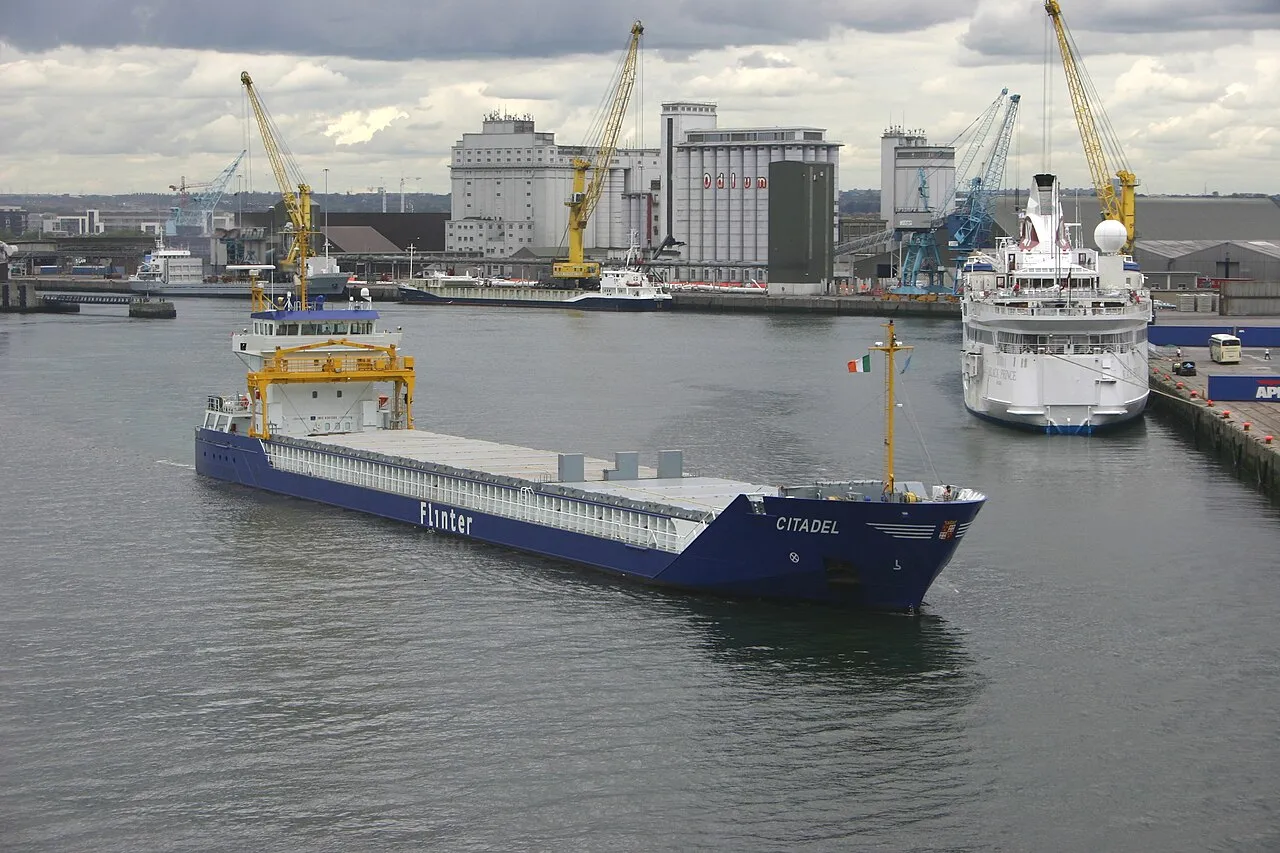
The first glimpse of Dublin from our ship's deck was a skyline of church spires and Georgian rooftops emerging through a light morning mist – that soft Irish weather the locals call "grand for the complexion." Our vessel docked at Dublin Port, and I felt my heart lift at the prospect of spending a day in a city I had romanticized through literature, music, and countless pints of Guinness consumed far from their source. The free port shuttle deposited us at the Custom House within fifteen minutes, and I stepped onto Irish soil with a list of destinations and no intention of following it too strictly. Dublin rewards wandering, and I planned to give the city every opportunity to surprise me.
Trinity College demanded my first attention, and I walked through its gates feeling like a visitor to hallowed ground. Founded in 1592 by Queen Elizabeth I, this remains Ireland's oldest university, its cobbled quadrangles echoing with eight centuries of scholarship. Oscar Wilde studied here, as did Samuel Beckett, Jonathan Swift, and Bram Stoker. The literary ghosts are thick enough to feel, but I had come for something more ancient still – the Book of Kells. This illuminated manuscript, created around 800 AD by Celtic monks, is a UNESCO Memory of the World treasure and one of humanity's most remarkable artistic achievements. I paid €18 for timed entry (book ahead through the official website or your ship's excursion desk to avoid disappointment), passed through exhibits explaining the manuscript's creation and survival, then entered the darkened chamber where the book itself lay open under protective glass.
What I saw stopped my breath, and my eyes unexpectedly filled with tears. The pages glow with colors that have no right to survive twelve hundred years – lapis lazuli blues, vermillion reds, impossible greens derived from copper. Celtic knots spiral into themselves with mathematical precision. Mythical creatures lurk in margins and letterforms. The artistry is so detailed that scholars still discover new elements using magnification. Standing before those pages, I understood why the 11th-century Annals of Ulster called it "the most precious object in the Western world." The monks who created this masterpiece worked by candlelight on a remote Scottish island before Viking raids forced them to flee to Ireland, carrying their treasure with them. That it survived at all feels miraculous; that it survived so beautifully feels like a gift across time. I could have stayed for hours but eventually climbed the stairs to the Old Library's Long Room – 65 meters of barrel-vaulted ceiling, dark oak shelving, marble busts of philosophers, and over 200,000 of Ireland's oldest books stretching toward the light. This is what civilization looks like when it decides to remember itself.
From Trinity I crossed the River Liffey – pausing on the iconic Ha'penny Bridge that has connected Dublin's north and south sides since 1816 – and wandered into the Temple Bar district. The cobbled streets date to the 1800s, though the area's reputation for music, art, and creative energy is more recent. I ducked into the Oliver St. John Gogarty pub at eleven in the morning, ordered my first proper Dublin Guinness (€6.50), and discovered three musicians already playing fiddle, tin whistle, and bodhrán in the corner. Within minutes I was nodding along with strangers, my feet tapping, the dark stout settling perfectly on my palate. The Irish call this feeling "the craic" – that ineffable combination of good company, good music, and good conversation that transforms drinking into communion. I stayed for two pints and three songs, then reluctantly pulled myself away toward my next destination.
The Guinness Storehouse looms over Dublin's Liberties district like a secular cathedral to brewing. Arthur Guinness founded his brewery here in 1759, signing a 9,000-year lease at £45 per year – a confidence in his product that the intervening centuries have vindicated spectacularly. Today, the self-guided tour occupies seven floors of a converted grain warehouse, explaining the brewing process, the iconic advertisements, and the global spread of the black stuff from a single Dublin riverside to over 150 countries. I learned that a perfect pint requires exactly 119.5 seconds to pour. I discovered that the distinctive roasted barley flavor comes from barley roasted at precisely 232 degrees Celsius. I poured my own pint under expert supervision and received a certificate confirming my accomplishment. But the genuine payoff waited at the top – the Gravity Bar, a glass-enclosed circle offering 360-degree views over Dublin while I nursed my complimentary pint and watched the city spread beneath me. Ships in the harbor, church spires punctuating the skyline, green hills beyond the suburbs – this view with this drink in hand is one of cruising's authentic great moments. Book ahead if you want the experience; tickets run €26-30 depending on timing and packages.
My afternoon took me through Georgian Dublin – Merrion Square where Oscar Wilde lounges on a rock in bronze perpetuity, St. Stephen's Green where Dubliners picnic beside formal flowerbeds, the colorful doors that distinguish otherwise identical terraced houses on Fitzwilliam Street. Dublin's Georgian architecture survived the 20th century better than most European cities, and walking these streets feels like stepping into a Jane Austen adaptation. I detoured through the grounds of Dublin Castle, once seat of British rule and now a government complex open to visitors (€8 guided tours). The Chester Beatty Library adjacent to the castle grounds holds one of Europe's finest collections of Islamic and Asian manuscripts – a hidden gem that most cruise visitors overlook entirely. I made it back to Temple Bar for an early dinner of Irish stew (€18) and brown bread at a pub where the music never stopped and strangers kept buying each other rounds. By the time I caught the shuttle back to port, my voice was hoarse from singing, my cheeks hurt from smiling, and my understanding of Irish hospitality had deepened from intellectual appreciation to lived experience. Dublin had given me exactly what I had hoped for and considerably more than I had expected – ancient treasures, perfect pints, and the kind of spontaneous human connection that makes travel genuinely meaningful rather than merely pleasant. I left Ireland genuinely eager to return with more time to explore the countryside beyond this remarkable, welcoming, irreplaceable city.
Cruise Port
Cruise ships dock at Dublin Port, located about three kilometers east of the city center. Most cruise lines provide complimentary shuttle service to the Custom House or O'Connell Street area – the journey takes ten to fifteen minutes depending on traffic. If your ship doesn't offer shuttle service, taxis queue at the terminal and cost €10-15 to the city center. The terminal building has basic facilities including restrooms and tourist information.
Dublin is Ireland's capital and largest city, home to about 1.4 million people in the greater metropolitan area. The city center is compact and walkable once you arrive. Trinity College lies about fifteen minutes walk from the Custom House drop-off point. Temple Bar is adjacent. The Guinness Storehouse requires about twenty minutes by foot from Temple Bar or a €10-12 taxi ride. Ships typically allow 8-12 hours in port, adequate for major highlights with careful planning. Climate is maritime temperate – mild year-round but famously unpredictable. Pack layers and expect rain regardless of forecast. May through September offers the longest daylight and warmest temperatures (15-20°C), while winter days are short and often grey.
Getting Around
Dublin's city center is remarkably compact and best explored on foot. From the Custom House shuttle drop-off, Trinity College is fifteen minutes walk south across the River Liffey. Temple Bar lies immediately west of Trinity. The Guinness Storehouse is about twenty-five minutes walk west through the Liberties district – or grab a taxi for €10-12 if time is short. Pavements are generally well-maintained, though Temple Bar's cobblestones can be uneven.
Taxis: Readily available throughout the city center. Metered fares start around €4 plus €1.30 per kilometer. Apps like FreeNow work well for ordering. Expect €10-15 from port to city center, €10-12 from Temple Bar to Guinness Storehouse.
Dublin Bus: Extensive network but complex for short visits. The hop-on hop-off tourist buses (€25-30) make more sense for cruise passengers, stopping at major attractions including Trinity, St. Patrick's Cathedral, Guinness Storehouse, and Kilmainham Gaol.
Luas Tram: Light rail connecting various city areas. Useful for reaching outer attractions like Kilmainham but not essential for the central highlights most cruisers prioritize.
Walking Tours: Free walking tours depart from the Spire on O'Connell Street several times daily – tips appreciated. Themed tours (literary Dublin, pub crawls, ghost walks) available through various operators for €12-20.
Accessibility note: Dublin's city center is generally flat and accessible, with dropped curbs at most crossings. Trinity College grounds are wheelchair accessible, though some older buildings have steps. The Book of Kells exhibition has elevator access. Temple Bar's cobblestones present challenges for wheelchair users – stick to main streets with paved surfaces. The Guinness Storehouse is fully accessible with elevators to all floors including the Gravity Bar. Contact your ship's excursion desk for accessible tour options if needed. Dublin does better than many European cities but historic areas present inevitable challenges.
Port Map
Tap markers to explore Dublin attractions and the cruise terminal
Shore Excursions
Trinity College & Book of Kells: Ireland's oldest university (founded 1592) houses the 800 AD Book of Kells – one of humanity's greatest artistic achievements. Illuminated manuscript with impossibly detailed Celtic artwork. Adjacent Long Room library holds 200,000+ books in 65-meter barrel-vaulted chamber. Entry €18, timed tickets essential – book ahead through official website or ship's excursion desk. Allow 2 hours minimum. Fifteen minutes walk from shuttle drop-off. Unmissable Dublin experience.
Guinness Storehouse: Seven floors tracing the story of Ireland's most famous export, from Arthur Guinness's 1759 founding through modern brewing. Learn the 119.5-second pour, try pouring your own pint, explore advertising archives and interactive exhibits. Culminates in the Gravity Bar – 360-degree city views with complimentary Guinness. Entry €26-30 depending on time and package. Book ahead through official website or your ship's excursion desk. Allow 2-3 hours. Twenty-five minutes walk from Temple Bar or €10-12 taxi. Essential Dublin.
Temple Bar District: Cobbled streets, colorful pubs, live music spilling from doorways. Not a single bar but an entire neighborhood devoted to craic. Visit The Temple Bar (the actual pub), Oliver St. John Gogarty for live sessions, or any establishment with music pouring out. Free to wander; budget €6-8 per pint, €15-25 for pub food. Best atmosphere afternoon through evening. Walking distance from Trinity College. The quintessential Dublin pub experience.
Dublin Castle & Chester Beatty Library: Medieval castle rebuilt as Georgian government complex. Guided tours €8 cover State Apartments and Viking excavations. Adjacent Chester Beatty Library (free) houses an outstanding collection of Islamic manuscripts, Asian art, and rare books. Combined visit fills 2-3 hours. Walking distance from Temple Bar. Often overlooked by cruise visitors – highly recommended for those seeking depth beyond the headline attractions.
Kilmainham Gaol: Notorious prison where leaders of the 1916 Easter Rising were executed. Powerful, sobering experience. Guided tours only, €8, must book ahead – often sold out weeks in advance. Located about 3km west of city center; Luas tram or taxi required. Allow 2 hours including transit. Book well ahead through kilmainhamgaolmuseum.ie if this interests you.
Howth Village: Fishing village on Dublin Bay, thirty minutes by DART train (€6 return). Fresh seafood, cliff walks, seal colonies at the harbor. Half-day escape from city crowds. Independent visitors can combine with morning Dublin sightseeing if timing allows. Ship excursions sometimes include Howth for €60-80.
Independent vs. Ship Excursions: Dublin is highly navigable independently. Shuttle to city center, walk to Trinity and Temple Bar, taxi to Guinness – all straightforward without organized tours. Ship excursions add value for outer attractions (Kilmainham, Howth, countryside day trips) or if you prefer guided context. Book ahead through your ship's excursion desk for guaranteed return timing on any tour that takes you outside the city center.
Local Food
Guinness: The obvious starting point. A pint in Dublin genuinely tastes different – fresher, creamier, more complex than exported versions. The perfect pour takes 119.5 seconds: fill to harp, let settle, top off. €6-8 per pint in city center pubs.
Irish Stew: Lamb or mutton slow-cooked with potatoes, carrots, onions, and herbs. Hearty, warming, perfect with brown bread. €15-20 in most pubs. Quality varies – ask locals for recommendations.
Fish and Chips: Dublin does proper fish and chips – beer-battered cod or haddock with thick-cut chips. Leo Burdock near Christ Church Cathedral is legendary. Budget €12-15.
Full Irish Breakfast: Bacon, sausages, black and white pudding, eggs, beans, tomatoes, toast. Fuel for a day of walking. Most hotels and cafes serve until 11am or later. €12-18.
Seafood: Dublin Bay prawns, oysters from Galway, smoked salmon. The harbor location means fresh catches daily. Howth village specializes in seafood if you make the trip.
Brown Bread: Dense, slightly sweet soda bread served warm with butter. Accompanies virtually every Irish meal. Simple perfection.
Local Notices
Weather: Dublin weather changes constantly. Pack layers and a waterproof jacket regardless of forecast. "Soft" rain is gentle but persistent. Sunshine can appear suddenly and depart just as fast.
Currency: Euro (€). ATMs widely available. Credit cards accepted almost everywhere. Some smaller pubs may prefer cash.
Tipping: Not obligatory but appreciated. Round up taxi fares, €1-2 per drink at bars where table service is provided, 10-15% at sit-down restaurants.
Pub Hours: Pubs typically open from 10:30am. Some Temple Bar establishments serve until 2:30am on weekends. Live music often starts mid-afternoon and continues through evening.
Timed Tickets: Book of Kells and Kilmainham Gaol require advance booking. Guinness Storehouse strongly recommended. Don't arrive expecting walk-in access to major attractions.
Depth Soundings Ashore
Dublin delivers on its reputation as one of cruising's most welcoming ports. The Irish gift for conversation is genuine – strangers in pubs become friends by the second round, bartenders share stories and recommendations freely, and the warmth extends far beyond professional hospitality into authentic human connection. English-speaking with the Euro as currency, Dublin presents no practical barriers for most cruise visitors. The only challenge is fitting everything into a single port day.
Safety in Dublin is generally excellent for tourists. Standard urban awareness applies – watch belongings in crowded areas, avoid obviously intoxicated confrontations, stay aware of surroundings after dark. Temple Bar can get rowdy late at night but remains safe during typical cruise hours. Medical facilities are modern and English-speaking; travel insurance recommended but unlikely to be needed.
The weather deserves respect even in summer. Temperatures rarely exceed 20°C, and rain can arrive without warning. Layers are essential. Comfortable walking shoes matter – you will cover considerable ground on Dublin's streets and cobblestones. For wheelchair users and those with mobility limitations, Dublin's Georgian architecture and cobblestoned areas present challenges, but main attractions like the Guinness Storehouse offer full accessibility. The Book of Kells exhibition has elevator access. Temple Bar's cobblestones require caution or alternative routes via main streets. Contact your ship's excursion desk to discuss specific accessibility needs before booking tours.
Practical Information
- Currency: Euro (€)
- Language: English (Irish Gaelic official)
- Time Zone: GMT/IST (UTC+0/+1 summer)
- Weather: Maritime; 8-18°C typical; rain likely any time
- Port Type: Dock; ships berth at Dublin Port
- Tender: Not required
- Walking: City center compact and walkable
- Accessibility: Generally good; cobblestones in older areas
Photo Gallery


Credits
- Hero image: Wikimedia Commons
- Gallery images: Wikimedia Commons contributors under CC BY-SA licenses
- Geographic data: OpenStreetMap contributors
Frequently Asked Questions
Q: Where do cruise ships dock in Dublin?
A: Dublin Port, about three kilometers east of the city center. Most cruise lines provide complimentary shuttle service to Custom House or O'Connell Street (ten to fifteen minutes). Taxis also available at the terminal for €10-15 to city center.
Q: Do I need to book Book of Kells tickets in advance?
A: Yes, strongly recommended. Timed entry tickets (€18) sell out during peak season. Book through the official Trinity College website or through your ship's excursion desk. Walk-up visitors often face disappointment or long waits.
Q: Is a day enough to see Dublin?
A: You can hit the highlights – Trinity College, Guinness Storehouse, and Temple Bar – in a single day with good planning. Start early, book timed tickets in advance, and prioritize what matters most to you. Dublin rewards return visits for deeper exploration.
Q: Does Guinness really taste better in Dublin?
A: Many visitors insist it does – fresher, creamier, more complex. Whether objective reality or romantic atmosphere, the experience of a pint in Dublin genuinely feels special. The Gravity Bar view doesn't hurt.
Q: What should I budget for Dublin?
A: Book of Kells €18. Guinness Storehouse €26-30. Pints €6-8 each. Pub lunch €15-25. Taxis €10-15 per trip. A full day with major attractions runs €80-120 depending on how much you eat and drink.
Q: Is Dublin safe?
A: Yes, Dublin is generally safe for tourists. Standard urban awareness applies. Temple Bar can get rowdy late at night but remains safe during typical cruise hours. Watch belongings in crowded areas like any major city.