


Photo: Wikimedia Commons
My Logbook: Pearl of the Adriatic
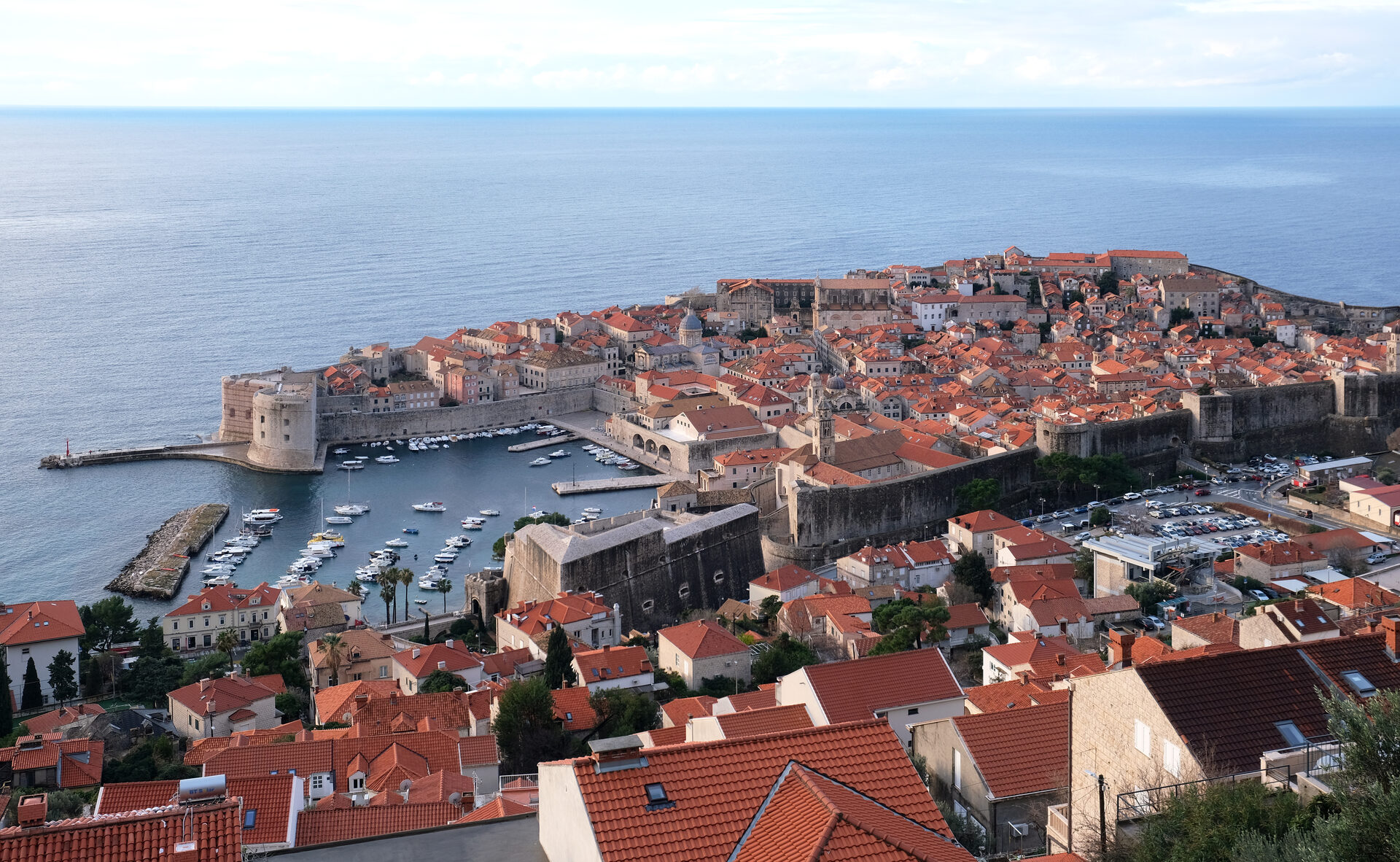
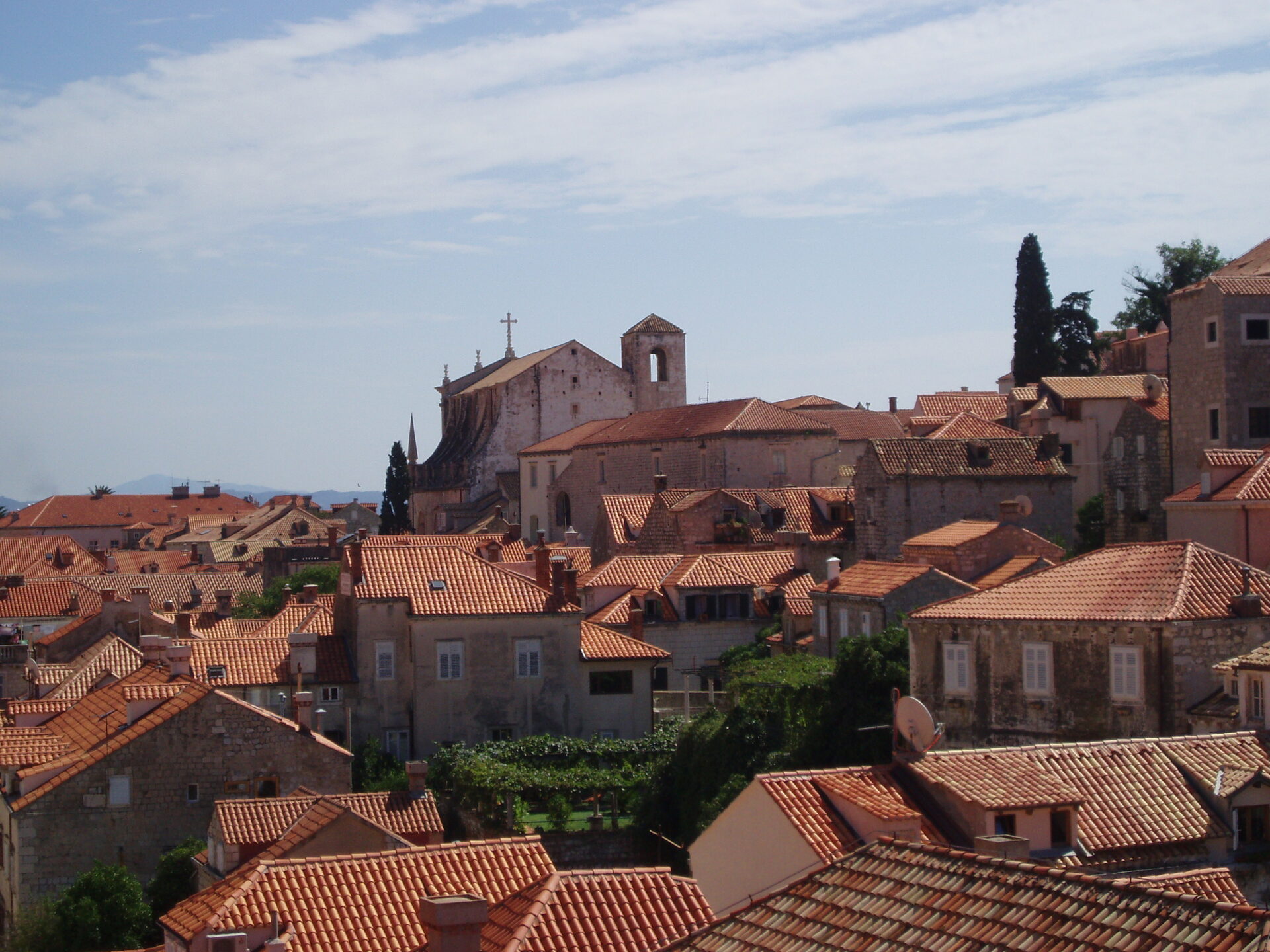
Lord Byron called Dubrovnik the "Pearl of the Adriatic," and I finally understood why when my ship rounded the headland and those honey-colored medieval walls rose from the impossibly blue sea. We walked off the gangway at the bustling Gruž harbor and took the first cable car up Mount Srđ—a four-minute climb that lifts you 778 meters above the water to Napoleon's Imperial Fort at the summit. From that height, the entire UNESCO-listed Old Town spreads below like a living illuminated manuscript: thirteen centuries of fortifications encircling a sea of terracotta roofs, with the limestone ribbon of Stradun cutting straight through the heart like a spine holding the city together. The view from up here took my breath away completely, every angle more beautiful than the last.
We descended and entered through the Pile Gate at opening hour, joining the quiet morning procession of early risers who understand the secret: these walls belong to you for exactly one hour before the day's cruise passengers come flooding in. I walked that complete two-kilometer circuit feeling like I was stepping through centuries of the past. These aren't decorative ramparts—they're the real battlements of the Republic of Ragusa, an independent maritime republic that held its own against Venice, the Ottomans, and the great powers of Europe for over four centuries. However, what struck me most was how the morning light caught the stone, turning everything golden while the Adriatic sparkled below.
In 1358, the Treaty with the Hungarian-Croatian King Louis I freed Ragusa from Venetian control, and for the next four centuries this tiny city-state thrived on diplomacy and trade. They were among the first European powers to recognize the United States in 1783—a gesture of solidarity from one small republic to another newborn nation. Yet despite all this antiquity, what surprised me was how alive it all felt. The bells still ring the same hours they've rung for four hundred years. The marble pavement of the Stradun, worn mirror-smooth by centuries of footsteps, still gleams in the afternoon sun.
Yes, this is where they filmed King's Landing for Game of Thrones—the Minceta Tower served as the House of the Undying, and HBO production has been returning since 2011—but I found myself more captivated by the reality than the fantasy. These Renaissance and baroque palaces within the walls weren't built for television; they were built by merchants and scholars who believed a small republic on a steep rocky peninsula could shape the course of empires. Although the tourist crowds can feel overwhelming by midday, there's something magical about knowing you're walking the same stones that watchmen walked when this fortress was recognizing a brand-new country called the United States.
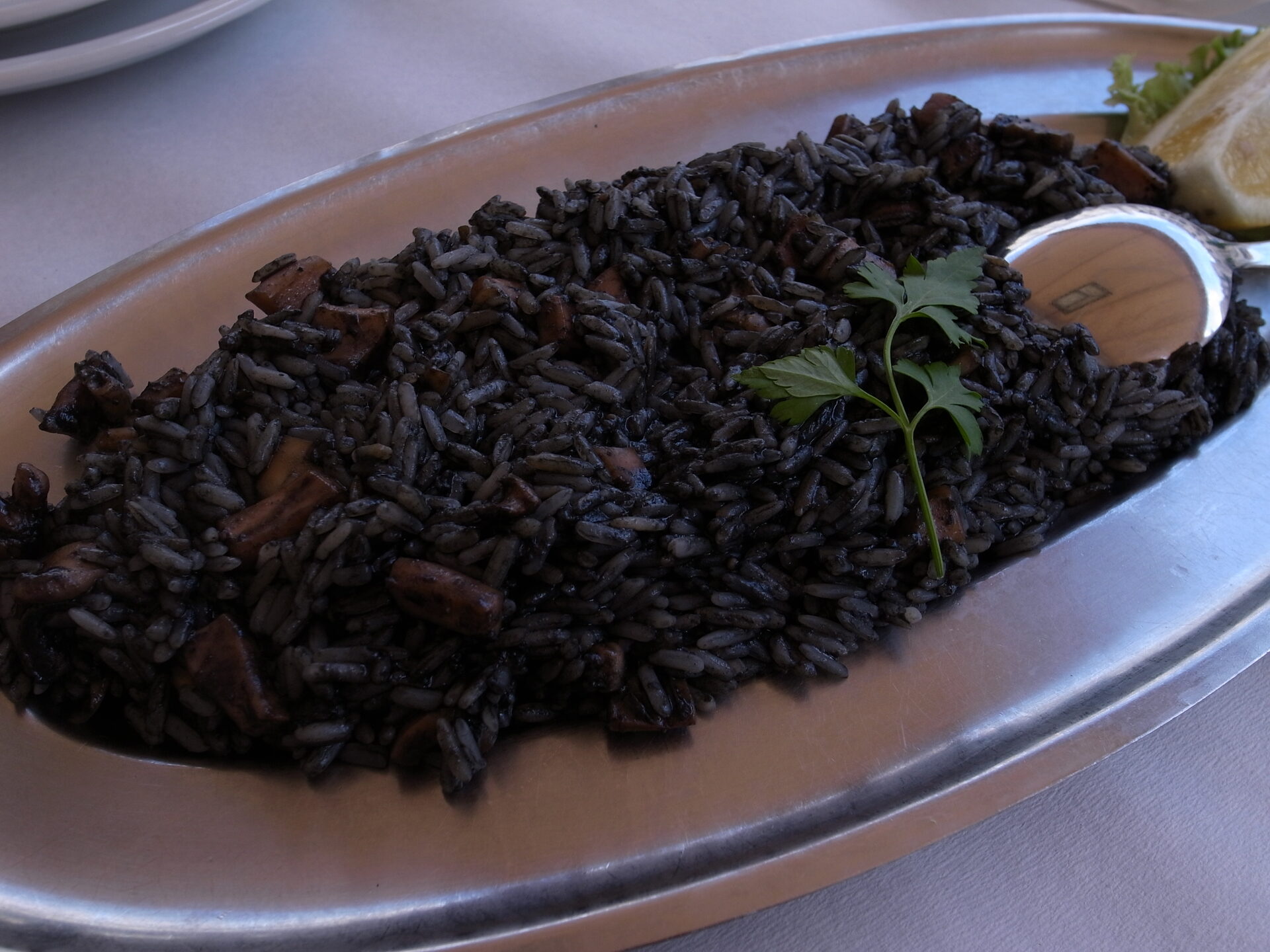
After the walls, I surrendered to wandering. We had black risotto for lunch at Panorama restaurant back at the cable car summit, where the view made the price feel irrelevant. In the afternoon, we kayaked around the base of those ancient walls and out to Lokrum Island, swimming into sea caves and jumping off cliffs with local kids who made it look far easier than it was. I watched the sunset from Buža Bar—literally a hole in the wall with plastic chairs perched on cliffs above the Adriatic—drinking Croatian wine while the sky turned orange and pink behind the silhouette of those 13th-century fortifications.
Dubrovnik welcomes over a million cruise passengers annually now, and yes, it's undeniably crowded in summer. But when I stood on those 13th-century ramparts with the whole glittering Adriatic spread at my feet, the beauty was so overwhelming it still won. Though I worried about the crowds before arriving, by evening the day-trippers had retreated to their ships and the city belonged to us again—a handful of overnight visitors wandering marble streets that have been walked for seven centuries. This is where past and fantasy merge, where real human triumph feels more magical than any television show could ever capture. I wandered into a small square where a jazz trio was playing to a crowd of maybe thirty people, found a table at a tiny family restaurant where the grandmother brought out plates of grilled calamari and fresh pasta with local peka sauce, and felt grateful for every moment in this impossible, beautiful, enduring city rising from the sea.
Looking back, Dubrovnik taught me that resilience can be beautiful. This city has been besieged, bombarded, and shattered by earthquakes — yet the walls still stand, the marble still gleams, and families still pass the Stradun each evening as their ancestors did for centuries. I learned that endurance isn't just surviving but rebuilding, not just once but every time the world tries to knock you down. The Republic of Ragusa maintained independence for seven hundred years through diplomacy, cunning, and an unwillingness to surrender. Walking those ramparts, I understood why they never gave in: some places are worth defending forever.
Weather & Best Time to Visit
Cruise Port Information
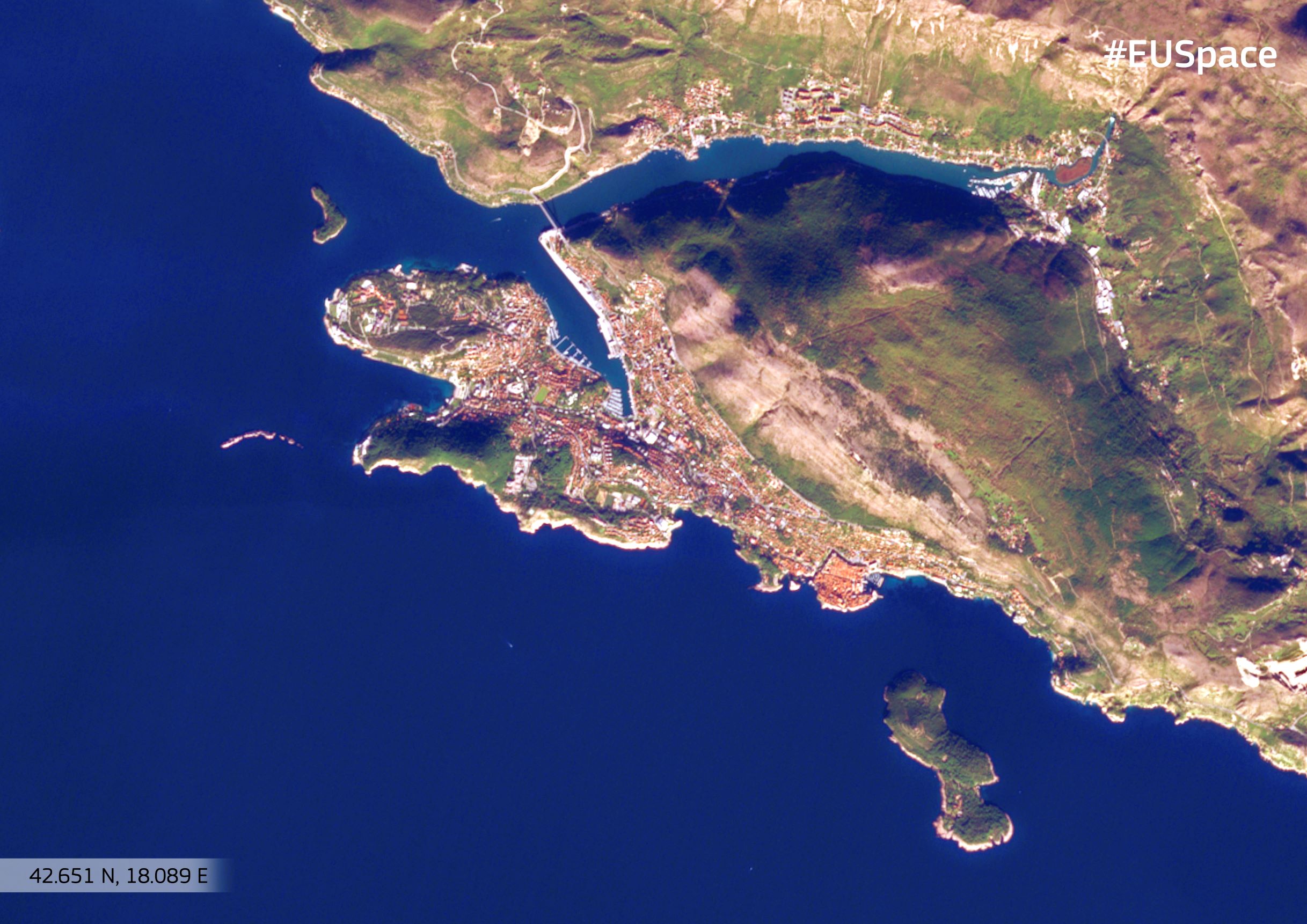
Most cruise ships dock at Gruž harbor, approximately 2.5 kilometers from the historic Old Town. This is the main cruise terminal with modern facilities, including shops, tourist information, and transportation options. Smaller vessels occasionally anchor offshore and tender passengers directly to the Old Harbor right in the heart of the city center—if you get this option, consider yourself lucky as it puts you steps from the walls.
The terminal at Gruž can handle multiple large ships simultaneously, which means crowd management becomes essential on busy days. During peak season from May through October, Dubrovnik may see four or five large ships in port at once, bringing tens of thousands of visitors into a compact medieval center. Yet despite these challenges, the infrastructure works reasonably well, and getting to the Old Town is straightforward with multiple transportation options available right at the port.
Getting Around Dubrovnik
From Port to Old Town
From Gruž terminal, approximately 2.5 kilometers from the Old Town, you have several excellent options. I recommend choosing based on your priorities—speed, cost, or experience.
- Cruise line shuttles: Most lines run frequent buses from the terminal gates straight to Pile Square, the western entrance to Old Town. Check with your cruise director for schedules and pricing—typically €8-12 roundtrip.
- Public buses: Routes 1a, 1b, and 8 depart from just outside the pier gates. Fares run about €2 one-way, and the ride takes roughly 10 minutes. Great value if you're comfortable navigating independently.
- Taxis: Fixed rate of €15 per car (not per person) to Pile Gate, which makes it reasonable for groups. The ride takes 5-10 minutes depending on traffic.
Within the Old Town
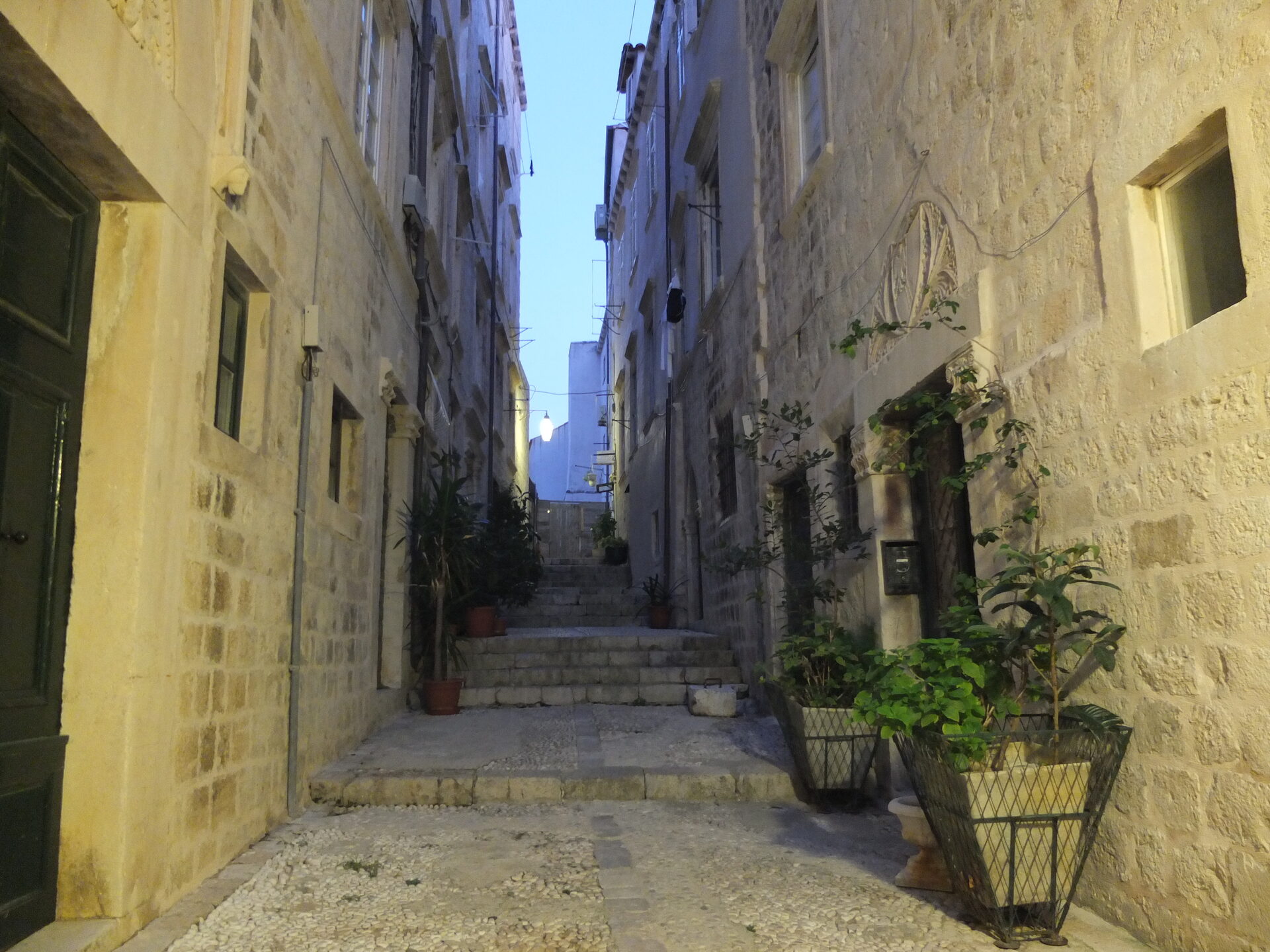
Once you're inside the walls, everything is on foot—no vehicles are allowed in the historic center, which is one of its greatest charms. The Old Town is compact enough that you can walk from one end to the other in about 15 minutes, though with photo stops and exploration, you'll spend hours happily wandering. My advice is to get intentionally lost in the side streets; the main Stradun is beautiful but the real discoveries happen in the narrow limestone alleys climbing up toward the walls.
The Cable Car to Mount Srđ
Originally built in 1969, the renovated cable car makes the four-minute journey up to the 778-meter summit where Napoleon's Imperial Fort crowns the peak. The sweeping panoramas from the top are absolutely worth the €25 roundtrip fare—you can see the entire walled city, the Elafiti Islands, and on clear days all the way to Montenegro. I found late afternoon offers the best light for photography, though early morning has smaller crowds.
Dubrovnik Port Map
Interactive map showing the cruise port at Gruž, Old Town walls, cable car station, and key attractions. Click any marker for details and directions.
Shore Excursions & What to See
Booking guidance: The city walls and cable car sell timed tickets online—book ahead during peak season to skip the lines. Ship excursions offer guided experiences with guaranteed return to port, a good fit for first-timers or those wanting guided commentary. Independent exploration works beautifully here since the Old Town is compact and walkable. For activities like kayaking, book ahead through local operators.
The City Walls
The complete two-kilometer circuit of Dubrovnik's medieval fortifications is an absolute must—I'd call it among the top walks in the Mediterranean. These aren't decorative ramparts; they're the real battlements of the Republic of Ragusa, fortified over centuries with Renaissance and baroque additions. There are three entrance points around the perimeter, and the walls are open from 8am to 7pm during cruise season. My hard-won wisdom: visit at opening or late afternoon to avoid both the midday heat and the thickest crowds. The stone gets blazing hot and there's precious little shade. Yes, these are the walls used for King's Landing in Game of Thrones, but the real story of Ragusa's independence is even more compelling than the fantasy.
Placa Stradun & Old Town Exploration
This 300-meter pedestrian boulevard cuts straight through the heart of Old Town, gleaming with polished limestone that's been worn smooth by centuries of footsteps. But don't just stay on the main drag—the real discoveries happen in the narrow side streets climbing toward the walls. I stumbled upon hidden churches, family-run restaurants, and tiny squares where locals still hang laundry from baroque balconies. The Rector's Palace and Dubrovnik Cathedral are worth visiting, as is the morning market just inside the walls.
Kayaking & Beach Activities
Paddling along the base of the walls offers a perspective you simply can't get any other way—those massive fortifications rising directly from the sea, unchanged for centuries. Several operators offer half-day tours that include Lokrum Island and swimming in sea caves. Banje Beach is the most accessible option for swimming, a pebble beach with stunning views back at the walls. Bring water shoes if you're tender-footed on stones.
Lokrum Island
A 15-minute ferry ride from the Old Harbor brings you to this forested island nature reserve with botanical gardens, a small saltwater lake called the Dead Sea, and peacocks wandering the paths. It's a wonderful escape from the crowded Old Town, though it gets busy by midday. The monastery ruins date to the 11th century, and the swimming spots around the rocky coastline are excellent.
DIY vs. Ship Excursion: City Walls Walk
DIY Walk the Walls (€35/person)
- Buy ticket at Pile Gate entrance (€35)
- Walk at your own pace — 2 km circuit, 1.5-2 hours
- Go early morning to beat the heat and crowds
- Combine with Old Town exploration on your schedule
Ship Excursion (€70-100/person)
- Guided tour with historical context at every viewpoint
- Often includes Old Town walking tour after
- Skip-the-line entry during peak season
- Fixed schedule — less time for independent wandering
Depth Soundings Ashore
Practical tips before you step off the ship.
Currency: Croatia adopted the Euro in 2023, so no currency exchange needed if you're coming from other Eurozone ports. Credit cards are widely accepted in tourist areas, but carry some cash for smaller vendors, public buses, and tips.
Language: Croatian is the native tongue, but English is extremely common in Old Town, at tourist sites, and anywhere cruise passengers frequent. I had no trouble communicating anywhere within the walls.
Footwear matters: Wear comfortable walking shoes with good grip. The marble and limestone streets throughout Old Town are gorgeous but get slick as ice when wet—even from morning dew. I've seen countless people slip on the polished Stradun. The walls involve significant stair climbing too, so sandals aren't ideal.
Water and sun protection: The walls offer almost no shade, and the stone amplifies the heat. Bring plenty of water (there are refill fountains inside the walls) and wear sun protection. I'd estimate needing at least a liter per person for the wall circuit in summer.
WiFi: Most cafes in town offer WiFi for paying customers. If you need reliable access, purchase a local SIM card at the shops near the terminal.
Timing: The city is dramatically more pleasant in early morning and late afternoon. If your ship allows, stay ashore past the last tender to experience Dubrovnik after the day-trippers have gone—the transformation is remarkable.
Photo Gallery
Frequently Asked Questions
Is Dubrovnik worth visiting despite the crowds?
Dubrovnik is absolutely worth visiting despite being one of the busiest cruise ports in the Mediterranean. The key is timing—arrive at the walls when they open at 8am and you'll have at least an hour of relative peace. The UNESCO-listed Old Town's 2km of medieval fortifications, baroque churches, and marble-paved streets are genuinely spectacular. Game of Thrones made it famous, but the real story of the Republic of Ragusa is even more compelling.
How do I get from the cruise port to Old Town?
Most ships dock at Gruž harbor, 2.5km from the walls. Options include cruise line shuttles (check with your ship), public buses 1a, 1b, or 8 for about €2 (10-minute ride), or taxis at €15 per car. The ride is straightforward and all options drop you at Pile Gate, the western entrance to the Old Town.
How long does it take to walk the city walls?
The complete 2km circuit takes 1.5-2 hours at a leisurely pace with photo stops. The walls are steep and unshaded, so go early morning when it's cooler and less crowded. Bring water—you'll definitely need it. The entrance fee is around €35 but it's worth every cent for the views and walking experience.
What are the top activities for a cruise stop?
Walk the medieval city walls, take the cable car to Mount Srđ for panoramic views, explore the marble-paved Stradun and its side streets, and if time permits, kayak along the wall base or take a ferry to Lokrum Island. Game of Thrones fans will recognize filming locations throughout, though the real seven-century story is even more fascinating than the fictional Seven Kingdoms.
When is the best time to visit Dubrovnik?
The seasonal panel above lists Peak Season as "May, Jun, Jul, Aug, Sep" and aligns Beach, Snorkeling, Hiking, and City Walking activities with those same months. Transitional Season is "Apr, Oct" and Low Season is "Nov, Dec, Jan, Feb, Mar," with Low Crowds noted for "Nov, Dec, Jan." The avoidance note flags "Jan, Feb" with reason "(cold weather, limited daylight)." Use the live weather widget in the seasonal panel for current short-term conditions.
When is Dubrovnik's storm season?
The Weather Hazards panel above labels Dubrovnik a "Winter Weather" zone with "Season: Nov – Mar" and "Peak risk: Jan, Feb." The hazard-note on that same panel reads: "Shorter days, possible storms; dress warmly in layers." The avoidance note in the Best Time block also flags "Jan, Feb" with reason "(cold weather, limited daylight)." Specific storm history is not detailed on this page; use the live weather widget in the seasonal panel above for current conditions on any sailing date.
What should I pack for Dubrovnik's weather?
The Packing Tips section in the seasonal panel above lists: "Sunscreen and sunglasses — essential year-round"; "Light layers for variable temperatures"; "Comfortable walking shoes for exploring"; and "Rain jacket or compact umbrella." The Winter Weather hazard-note adds: "dress warmly in layers" for the Nov-Mar window. Specific Dubrovnik temperature ranges are not detailed on this page — the glance Temperature entry reads "Varies by season — check forecast" — so use the live weather widget for current conditions.
Will rain ruin my Dubrovnik port day?
The seasonal panel does not give Dubrovnik-specific rainfall data — the Rain entry reads "Seasonal variation — check forecast." The Best Time block does list "May, Jun, Jul, Aug, Sep" as Peak Season and aligns the listed outdoor activities with those months, while "Jan, Feb" is the only window flagged in the avoidance note (for "(cold weather, limited daylight)"). The Winter Weather hazard-note notes "possible storms" across the Nov-Mar window. The live weather widget in the seasonal panel is the source for short-term forecasts on a specific sailing date.
Author's Note: Until I have sailed this port myself, these notes are soundings in another's wake—deep research, careful triangulation, and honest interpretation of what awaits, offered in the spirit of every good navigator who shares their charts so others might sail more wisely.
Last reviewed: February 2026
When multiple ships are in port, the Old Town becomes shoulder-to-shoulder. Start at the walls the moment they open (8 AM in summer) — by 10 AM the heat and crowds make the walk miserable. The €35 wall ticket is steep but non-negotiable, and it is the single best thing to do here. Bring water.