
Easter Island (Rapa Nui)
Where Stone Ancestors Guard the World's Most Remote Island
Last reviewed: February 2026
Captain's Logbook
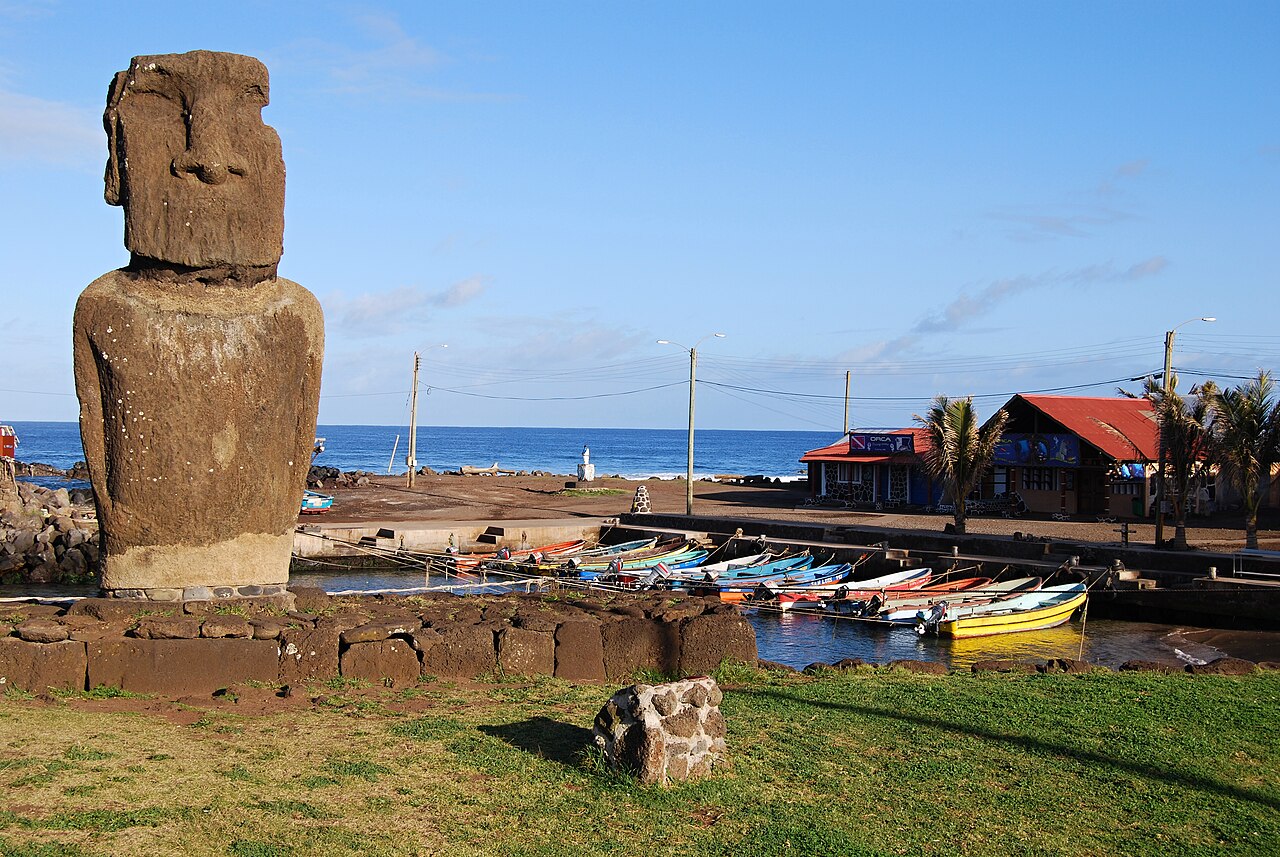
Easter Island appeared from the sea as a shadow on the horizon, growing slowly into jagged volcanic silhouettes – three extinct craters rising from endless Pacific blue. Our ship anchored offshore (there is no pier here) and I waited in the tender queue with barely contained anticipation. This was Te Pito O Te Henua, "The Navel of the World" as the Rapa Nui people named it – the most isolated inhabited place on Earth, 2,182 miles from Chile, 1,289 miles from the nearest inhabited island. I had dreamed of standing before the moai since childhood, and now, climbing into that small boat, I felt the journey's weight in my chest. The tender ride to Hanga Roa harbor took twenty minutes across moderate swells. Sea conditions matter enormously here; rough weather can delay or cancel tender operations entirely. I was fortunate – the Pacific cooperated, and soon I stepped onto volcanic rock worn smooth by countless visitors before me.
Hanga Roa, the island's only town, houses nearly all six thousand residents in a compact grid of streets lined with eucalyptus and palm. My pre-booked tour guide Jorge met me at the harbor with a weathered Toyota Land Cruiser – independent exploration is possible but challenging with limited cruise time, and I recommend booking ahead through your ship's excursion desk or a reputable local operator ($100-150 for full-day island tours). Jorge drove east toward Rano Raraku quarry, the volcanic crater where ninety-five percent of all moai were carved from compressed volcanic ash called tuff. The landscape shifted from green pastures dotted with wild horses to increasingly dramatic volcanic terrain. I glimpsed isolated moai along roadsides – single figures standing sentinel over empty land, their backs to the sea, their faces watching inland. Every moai originally faced its village, Jorge explained, because they represent ancestors (aringa ora ata tepuna) protecting the living, not sentinels watching for threats from the ocean.
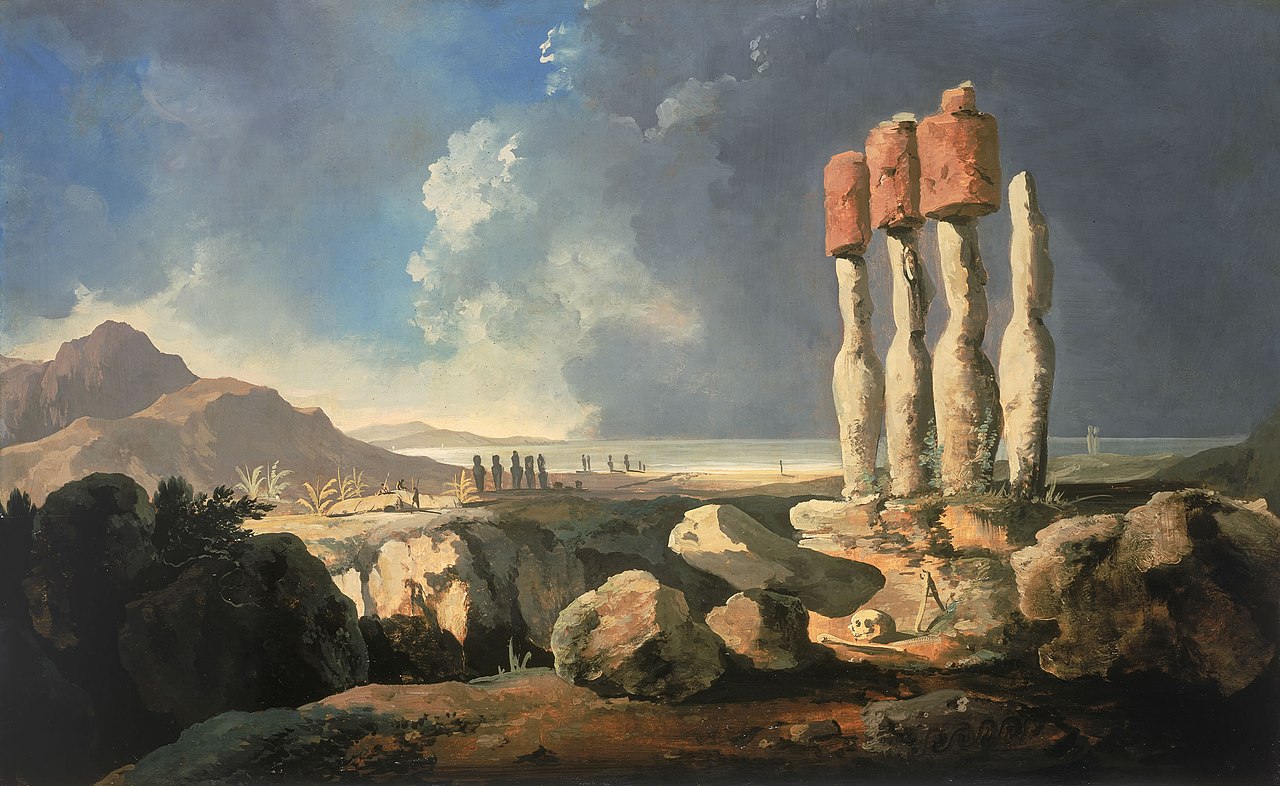
Rano Raraku stopped my breath. Nearly four hundred moai in various stages of completion scatter across the crater's outer slopes – some fully carved but still attached to bedrock, others buried to their shoulders in centuries of sediment, one enormous figure called El Gigante measuring seventy feet if it had ever been freed from the stone that birthed it. I walked among them for two hours (the minimum time required here; three is better). Each face different from its neighbors, each carved with individual features by master sculptors using only basalt hand tools between 1250 and 1500 CE. No metal. No wheels. No draft animals. Just human determination and absolute belief. The crater lake inside the volcano reflected clouds, its silence profound. I stood beside a moai lying face-down, abandoned mid-transport, and my eyes filled with unexpected tears – for the sculptor who never saw his work completed, for the civilization that vanished leaving only these silent witnesses, for the profound human need to create meaning that transcends our brief lives. I wondered who carved it, who named it, what ceremony was planned but never performed. The quarry is a time capsule of ambition interrupted – a civilization's final chapter written in stone that never walked to its destination.
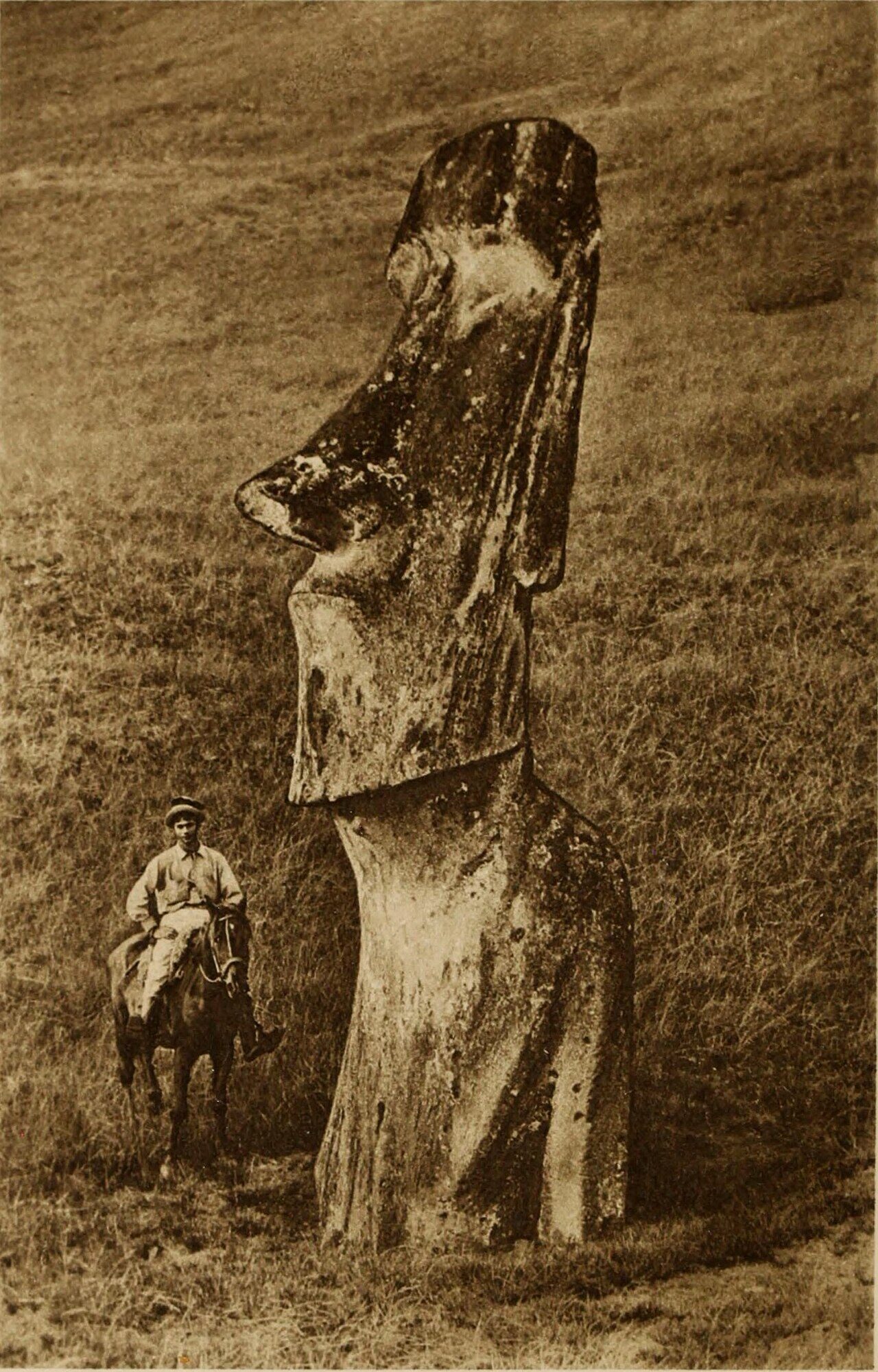
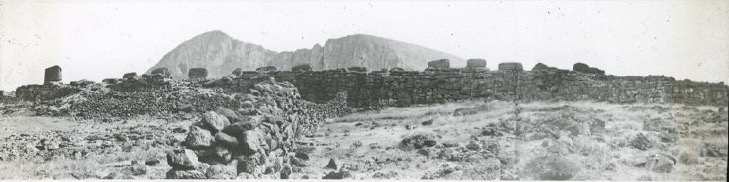
From Rano Raraku we drove one kilometer to Ahu Tongariki, the iconic image of Easter Island – fifteen restored moai standing in a row on a single ceremonial platform. The largest weighs eighty-eight tons and stands eighteen feet tall. A 1960 tsunami scattered these giants inland like bowling pins; Japanese funding restored them between 1992 and 1995. I arrived in early afternoon light (sunrise is the optimal time for photography, but tour schedules depend on tender timing), and even in midday glare the scale overwhelmed. Fifteen stone faces gazed past me toward the island's green interior while Pacific swells crashed against volcanic rocks behind. I sat on the grass for thirty minutes, simply existing in that space, watching other visitors cycle through their photographs and depart while the moai remained as they have for centuries. Time moves differently here. The modern world feels very far away.
My afternoon included Orongo ceremonial village ($100 National Park ticket required for all major sites – buy at the airport or Hanga Roa office before touring), perched on the crater rim of Rano Kau volcano. The view down into the crater lake – a sight that earns every step – justifies the steep climb alone. But Orongo tells a different story than the moai: the Birdman cult that arose after the moai era collapsed. Each spring, competitors raced down sheer cliffs and swam through shark-infested waters to offshore islet Motu Nui, waiting for the first sooty tern egg of the season. The winner's clan chief became Birdman, wielding absolute power for one year. Petroglyphs of Birdman deities cover the volcanic rocks – beaked human figures with large round eyes, haunting and strange. The competition ended only in the late 1800s under missionary pressure. We returned through Hanga Roa where I ate fresh tuna ceviche (CLP 12,000, about $13) at a waterfront restaurant while the Pacific sunset turned gold and crimson. My tender back to the ship departed at 5:30 PM, and I watched Easter Island recede into twilight with something close to grief. One day is not enough here – everyone says it, and everyone is right. But even a single day among the moai leaves marks that never quite fade. I understood what draws people across oceans to this speck of land: the humbling reminder that human creativity can outlast the civilizations that created it, and that our brief lives can still contribute to something eternal.
Cruise Port
Easter Island has no cruise pier – all ships anchor offshore in the open Pacific and tender passengers to Hanga Roa harbor. Tender operations depend entirely on sea conditions; swells, waves, and wind can delay or cancel access entirely. Rough weather is not uncommon. When tender operations proceed, the ride takes approximately twenty minutes. The harbor landing sits adjacent to Hanga Roa town center – restaurants, shops, and the National Park ticket office are within walking distance.
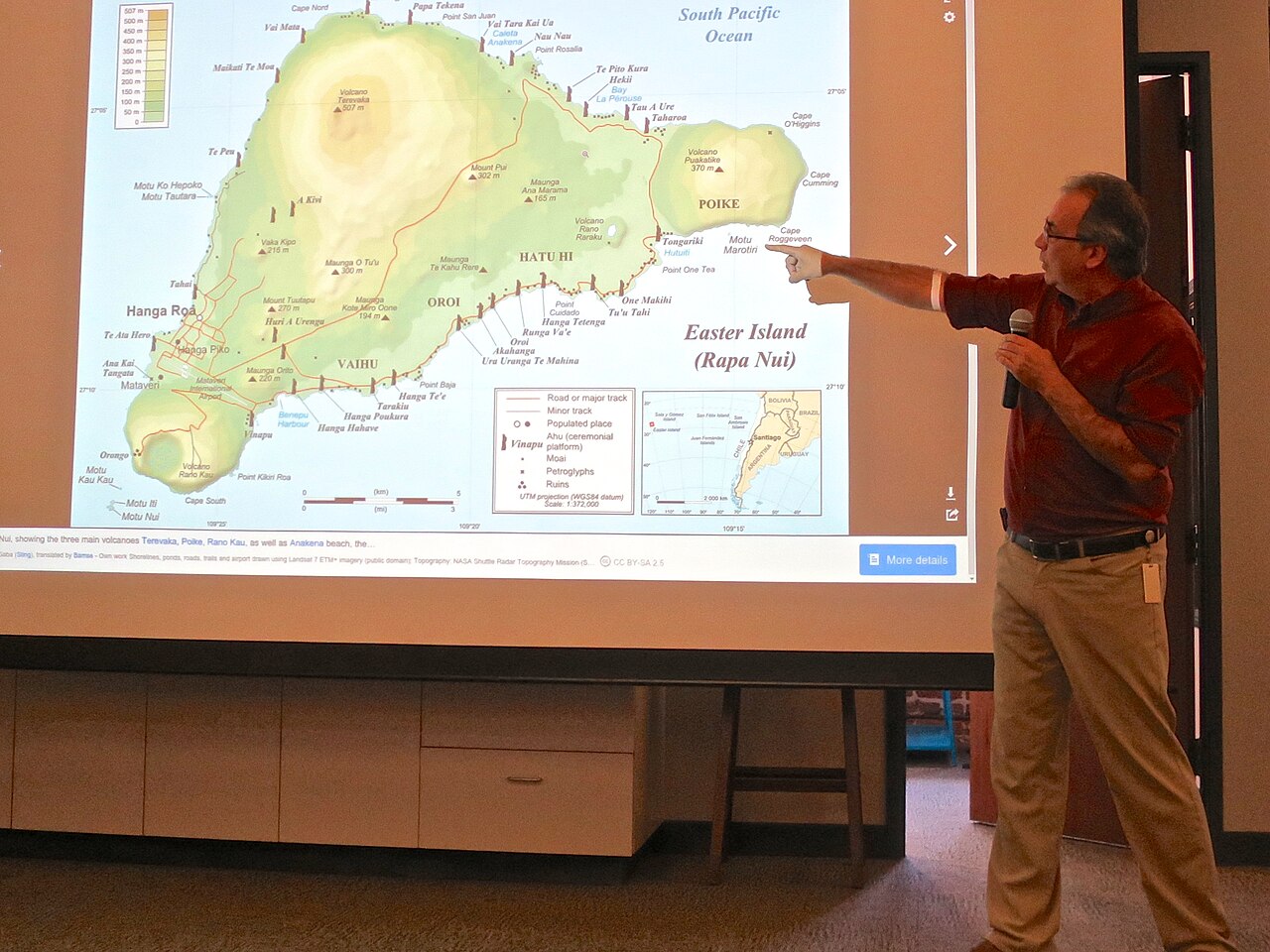
Most cruise calls allow 8-12 hours ashore. Given tender logistics and transit times to distant moai sites (Rano Raraku is 18 km east, Orongo 6 km southwest), organized tours are strongly recommended. Ship excursions guarantee tender priority and coordinated return timing – essential when your transportation home floats offshore. Independent visitors must monitor tender schedules carefully. Chilean pesos (CLP) are preferred; US dollars accepted at tourist businesses. ATMs exist in Hanga Roa but lines can be long on cruise days. Credit cards work at most restaurants and shops. The National Park entrance fee ($100 for foreigners) is required for all major archaeological sites.
Getting Around
Hanga Roa town is compact and walkable – restaurants, shops, the museum, and Ahu Tahai (moai site with restored eyes, 2 km north) are accessible on foot. Major moai sites, however, are too distant for walking and require wheels. Most cruise visitors book organized tours, which is the practical choice given limited time.
Organized Tours: Full-island tours (6-8 hours, $100-150) cover Rano Raraku, Ahu Tongariki, Orongo, and often Anakena beach. Book ahead through your ship's excursion desk for guaranteed return timing and tender coordination, or through reputable local operators. Tours include transportation in 4x4 vehicles, guide narration, and sometimes lunch.
Rental Vehicles: Cars, motorcycles, and ATVs available in Hanga Roa. Roads are narrow, unpaved in sections, and poorly marked. Fuel is expensive. Independent exploration rewards confident drivers with flexible schedules, but challenging with single-day cruise timing.
Taxis: Available in Hanga Roa for fixed-rate transfers to specific sites. Negotiate price before departure. More expensive than tours but offers flexibility for small groups.
Bicycle Rental: Available but not recommended – Easter Island is hilly, hot, and distances substantial (20+ km to major sites). Only for experienced cyclists with full-day shore leave.
Accessibility note: Easter Island presents significant challenges for wheelchair users. Archaeological sites involve uneven volcanic terrain, steep paths, and no paved access. Hanga Roa town is relatively flat. Contact your ship's excursion desk to discuss specific accessibility needs – some operators provide adapted vehicles and modified routes that allow viewing of key sites from accessible vantage points.
Port Map
Tap markers to explore Easter Island attractions and tender landing
Shore Excursions
Rano Raraku Quarry: The moai birthplace – volcanic crater where 95% of all 887 moai were carved. Nearly 400 statues in various completion stages scattered across slopes. El Gigante (70-foot unfinished moai), crater lake, profound atmosphere. 18 km east of Hanga Roa. Allow 2-3 hours minimum. Essential for understanding moai creation. National Park ticket required ($100). Book ahead through your ship's excursion desk for guaranteed return – this is the island's most important site.
Ahu Tongariki: Fifteen restored moai on single platform – the iconic Easter Island image. Largest weighs 88 tons. Spectacular at sunrise (golden light on faces) or any time. 1 km from Rano Raraku – tours combine both sites. Allow 1-2 hours. Wheelchair accessible viewing area. Absolutely unmissable – worth the entire journey to Easter Island alone.
Orongo Ceremonial Village: Stone village on Rano Kau crater rim (1,063 feet elevation). 53 restored houses, Birdman petroglyphs, stunning crater lake views. Site of annual Birdman competition (discontinued 1800s). 6 km southwest of Hanga Roa. Allow 2-3 hours. National Park ticket required. Steep climb but paved path. Essential for understanding post-moai Rapa Nui society.
Ahu Tahai: Restored moai complex within walking distance of Hanga Roa (2 km north). Five moai including only one with restored coral eyes – haunting and lifelike. Perfect sunset location. Free access (no park ticket needed). Allow 1-2 hours. Ideal if tender schedule limits distant travel or for independent exploration.
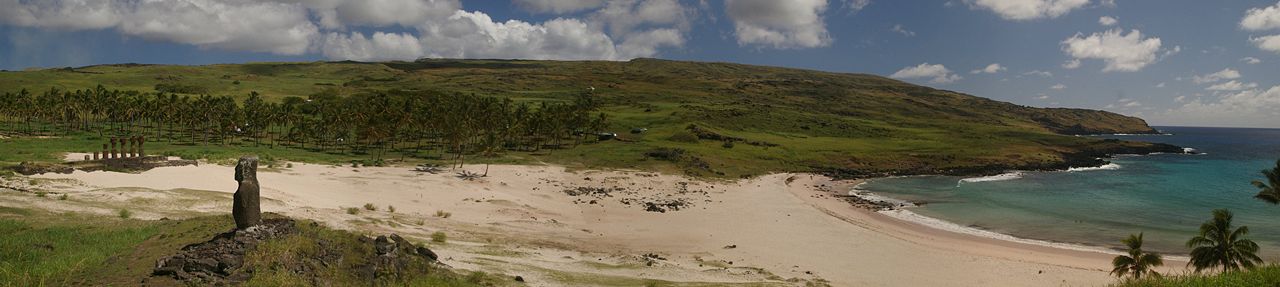
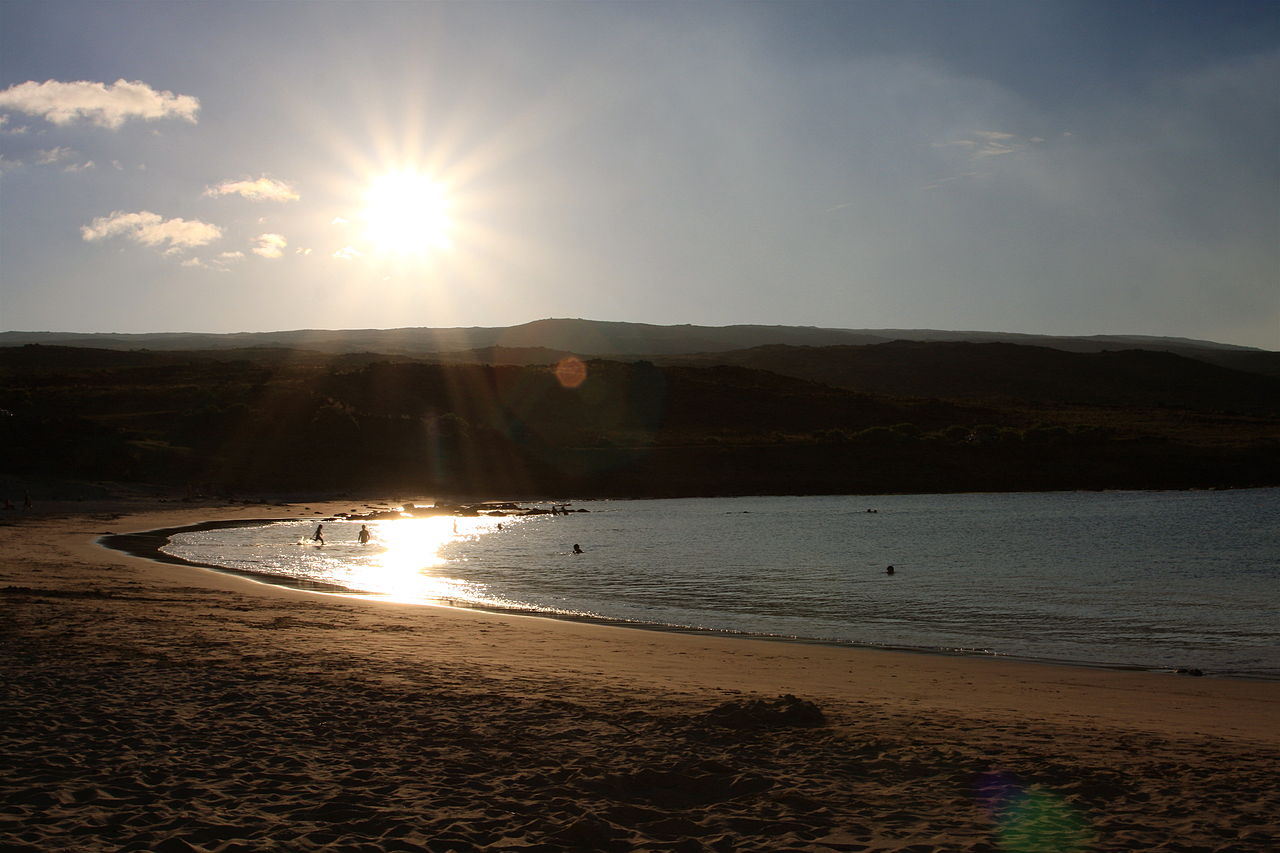
Anakena Beach: Easter Island's most beautiful beach – white coral sand, palm trees, turquoise water. Two restored ahu with seven moai. Calm swimming, food vendors. 20 km northeast of Hanga Roa. Often included as lunch stop on full-island tours. Surreal experience: swimming with moai watching over you.
Rapa Nui Museum: Island's best museum covering Polynesian settlement, moai construction, rongorongo script, European contact. Original moai eyes, artifacts. Near Ahu Tahai in Hanga Roa. Allow 1-2 hours. Admission ~CLP 3,000 ($3). Climate-controlled – good midday escape. Excellent context before or after site visits.
Independent vs. Ship Excursions: Easter Island strongly favors organized tours for cruise visitors. Distances are substantial, time is limited, and tender coordination is critical. Ship excursions guarantee tender priority and return timing – essential when your transportation home anchors offshore. Book ahead to secure spots through your ship's excursion desk for the best selection and guaranteed re-boarding. Independent exploration works best for confident travelers with full-day shore leave and rental vehicle experience, but weigh the risks carefully.
Local Food
Tuna Ceviche (Kahi): Fresh yellowfin tuna caught in surrounding Pacific, marinated in lime with onion and cilantro. Absolutely fresh and delicious. Waterfront restaurants specialize. Budget CLP 12,000-15,000 ($13-16).
Empanadas de Atun: Chilean empanadas filled with tuna, cheese, and Rapa Nui spices. Perfect quick lunch from street vendors. CLP 3,000-5,000 ($3-5).
Fresh Mahi-Mahi: Abundant in Easter Island waters. Grilled, pan-seared, or in ceviche. Mild, sweet flavor pairs with tropical salsas.
Po'e: Polynesian dessert – sweet pudding made from pumpkin, banana, or taro. Unique island flavor worth trying.
Umu Rapa Nui: Earth oven cooking – fish, chicken, sweet potato wrapped in banana leaves, steamed over hot stones. Sometimes available at restaurants or special events.
Mahina Beer: Local craft beer brewed on island. Light lager perfect after sun-drenched day among moai. Available at most restaurants.
Pisco Sour: Chilean national cocktail – grape brandy, lime, egg white. Toast to the moai at sunset.
Local Notices
Tender Operations: Sea conditions can delay or cancel tender access entirely. Have backup onboard plans. Ship excursions typically get tender priority. Monitor announcements carefully.
National Park Fee: $100 USD required for all major archaeological sites (Rano Raraku, Ahu Tongariki, Orongo). Buy at airport or Hanga Roa park office before touring. Valid 10 days. Some tours include; others require separate purchase – confirm beforehand.
Sun Protection: Virtually no shade at moai sites. High UV index year-round. Bring high-SPF sunscreen, hat, sunglasses, water. Dehydration risk serious. I applied sunscreen three times during my visit.
Respect Sites: Never touch, climb, or lean on moai. Fines are steep and damage irreversible. Stay on marked paths. These are sacred ancestors, not photo props. The Rapa Nui people are protective of their sites – respect that deeply.
Currency: Chilean Pesos (CLP) preferred. US dollars accepted at tourist businesses. ATMs in Hanga Roa but lines long on cruise days. Credit cards work at most restaurants.
Language: Spanish and Rapa Nui (Polynesian). Some English at tourist sites. "Iorana" (hello) and "Maururu" (thank you) show respect.
Depth Soundings Ashore
Easter Island represents one of humanity's most remarkable achievements – 887 moai statues averaging thirteen feet tall and fourteen tons, carved with stone tools and transported across volcanic terrain by a small Polynesian population with nothing but determination and belief. The island's isolation amplifies everything: the achievement feels impossible, the collapse feels inevitable, and the survival of both people and stones feels miraculous. Standing at Rano Raraku among unfinished moai abandoned mid-creation, I understood why people call this place sacred. It forces confrontation with questions about human ambition, ecological limits, and what we leave behind.
Safety on Easter Island is excellent. Violent crime is essentially nonexistent; petty theft rare. The greatest risks are sun exposure (severe – no shade at sites), dehydration, and twisted ankles on volcanic terrain. Wear sturdy closed-toe shoes, not sandals. Bring more water than you think you need. Medical facilities in Hanga Roa are basic; serious emergencies require evacuation to mainland Chile. Travel insurance absolutely essential.
The terrain presents significant challenges for mobility-limited visitors. Archaeological sites involve uneven volcanic rock, steep paths, and no paved access. Wheelchair users should discuss options with ship excursion staff – some sites can be viewed from accessible vantage points with adapted vehicles. Hanga Roa town is relatively flat. The island rewards physical effort, but even visitors who cannot access all sites will find the experience profound. One moai viewed in person exceeds a thousand photographs.
Practical Information
- Currency: Chilean Peso (CLP); USD accepted
- Language: Spanish, Rapa Nui; some English
- Time Zone: Chile Summer Time (UTC-5/-6)
- Weather: Subtropical; 18-28°C year-round; rain possible
- Port Type: Tender; ships anchor offshore
- Tender: Required; weather dependent
- Walking: Hanga Roa walkable; tours required for sites
- Accessibility: Challenging terrain; limited wheelchair access
Photo Gallery


Credits
- Hero image: Wikimedia Commons
- Gallery images: Wikimedia Commons contributors under CC BY-SA licenses
- Geographic data: OpenStreetMap contributors
Frequently Asked Questions
Q: How do cruise ships access Easter Island?
A: All ships anchor offshore and tender passengers to Hanga Roa harbor (about 20 minutes). There is no cruise pier. Tender operations depend on sea conditions – swells can delay or cancel access. Ship excursions typically receive tender priority.
Q: Which moai site should I prioritize?
A: Rano Raraku quarry (nearly 400 moai in various completion stages) and Ahu Tongariki (15 restored moai in a row) are essential. Most tours combine both sites. If choosing only one, Rano Raraku reveals how moai were created – an unforgettable experience.
Q: What is the National Park fee?
A: $100 USD for foreign visitors. Required for major sites including Rano Raraku, Ahu Tongariki, and Orongo. Buy at airport or Hanga Roa park office before touring. Valid 10 days. Some tours include; others require separate purchase.
Q: Is one day enough for Easter Island?
A: A comprehensive tour (Rano Raraku, Ahu Tongariki, Orongo) takes 6-8 hours. Most cruise calls allow 8-12 hours. One day provides meaningful experience but cannot cover everything. Prioritize Rano Raraku and Tongariki. Everyone wishes for more time – but one day among the moai leaves lasting impressions.
Q: Should I book ship excursions or go independent?
A: Ship excursions are strongly recommended for Easter Island. They guarantee tender priority, coordinated return timing, and experienced local guides. Independent exploration works but requires rental vehicle confidence and careful tender schedule monitoring. The stakes are high when your ship anchors offshore.
Q: What should I budget?
A: National Park $100. Full-island tour $100-150. Lunch $15-25. Souvenirs variable. Total approximately $220-295 for complete experience. ATMs exist in Hanga Roa but bring Chilean pesos or USD for efficiency.