
Edinburgh
Scotland's Ancient Capital & Gateway to the Highlands
Last reviewed: February 2026
Quick Answer: Ships dock at Leith (2 miles north of centre) or South Queensferry (10 miles west). Edinburgh Castle tops the Royal Mile at £21.50; the free National Museum and Royal Yacht Britannia at Leith (£20) round out a full day. Bus to the city centre costs £2, and a Lothian day pass runs £5. Pack layers — Scottish weather shifts fast.
Captain's Logbook
Edinburgh announced itself before I even stepped off the ship – the Castle visible on its volcanic throne from miles out in the Firth of Forth, commanding the skyline exactly as it has for nine hundred years. Our vessel docked at Leith, Edinburgh's working port about two miles north of the city center, and I felt the particular anticipation that comes with visiting a place I had imagined through literature and film for decades. The Scotland of my mind was all brooding castles, tartan, and whisky; I wondered if reality could possibly match. It exceeded everything. Within hours of leaving the ship, I had walked cobblestoned closes unchanged since medieval times, stood where Mary Queen of Scots heard mass, tasted single malt older than my parents, and watched afternoon light paint the castle gold against a sky that couldn't decide between rain and sunshine. Edinburgh is a city that rewards attention and punishes rushing, and I am grateful I gave it an entire unhurried day.
The Royal Mile demanded my first exploration – that remarkable street running precisely 1.13 miles from the Castle at its summit down to the Palace of Holyroodhouse at its foot. I started at the top after the twenty-minute bus ride from Leith (£2 single fare), joining the queue at Edinburgh Castle (£21.50, book ahead through the official website or your ship's excursion desk to skip the line). The volcanic plug of Castle Rock has been fortified since at least the 2nd century; the current fortress dates substantially to the 14th century onward. Inside, I encountered the Crown Jewels of Scotland – the Honours of Scotland, as they're properly called – the oldest royal regalia in Britain, locked away here since 1707 when Scotland and England united their parliaments. The Stone of Destiny sits beside them, returned from Westminster in 1996 after 700 years of English custody. St. Margaret's Chapel, built in the 1130s, may be the oldest surviving building in Edinburgh – a tiny Norman structure where light filters through stained glass onto stones worn smooth by nine centuries of prayers. I lingered here longer than my schedule allowed, moved by the weight of continuity in a world that often feels disposable.
Descending the Royal Mile proved equally absorbing. The street narrows in places, opens into squares, ducks into wynds and closes – those narrow alleys leading to hidden courtyards where medieval Edinburgh still breathes. I ducked into Advocate's Close to escape a rain shower and found myself in a vertical slice of the old city, tenement buildings rising five stories on either side, their windows looking down on cobblestones unchanged since the 1700s. St. Giles' Cathedral (free entry, donations welcome) rewarded a twenty-minute visit – the crown steeple visible across the city, the interior rich with carved stone and stained glass, the Thistle Chapel an exquisite small space dedicated to Scotland's highest order of chivalry. At the foot of the Mile, the Palace of Holyroodhouse (£21) served as Mary Queen of Scots' principal residence during her tumultuous reign. Her private chambers remain much as they were; in one room, her secretary David Rizzio was murdered by her jealous husband and his conspirators while Mary, six months pregnant, watched helplessly. The audio guide tells this story with appropriate gravity. The adjacent ruined abbey adds atmospheric weight to any visit.
My afternoon took an unexpected turn when I discovered that Royal Yacht Britannia was moored at Leith, walking distance from where our ship was docked. For £20, I spent ninety minutes aboard the vessel that carried Queen Elizabeth II on 968 official voyages over 44 years. The royal apartments are surprisingly modest – the Queen clearly valued comfort over ostentation – but the crew quarters and state rooms reveal the meticulous attention to detail that defined Britannia's service. Standing on the deck where world leaders had stood, gazing at the Forth of Firth just as they had, I felt connected to a particular era of British pageantry that no longer exists. If your ship docks at Leith, Britannia makes an excellent first or last stop, perfectly positioned to bookend a day in Edinburgh proper.
By evening I had found my way to a whisky bar in the Grassmarket, that old trading ground beneath the Castle where executions once drew crowds and merchants now draw tourists. The bartender guided me through a flight of single malts from different regions – smoky Islay, honeyed Speyside, maritime Highland – each dram telling a story of peat and water and barley and time. At £5-12 per measure for excellent expressions, Edinburgh offers remarkably good value for whisky exploration compared to hotel bars elsewhere. The Scotch Whisky Experience near the Castle provides a more structured introduction ($20+ for tours), but I preferred the informal education of conversation and careful tasting. As darkness settled over the city and the Castle lit up golden against the night sky, I walked back toward Leith through Georgian New Town with its elegant crescents and squares, past students spilling from pubs, past locals walking dogs in Princess Street Gardens. Edinburgh had given me exactly what I had hoped – ancient stones, living culture, natural beauty, and that indefinable Scottish character that combines fierce pride with genuine warmth. I returned to my ship genuinely moved and already planning how to return with more time for the Highlands beyond this extraordinary city. This was not merely a port call; this was an encounter with a place that has shaped world literature, philosophy, and science while remaining defiantly, beautifully itself.
Cruise Port
Most cruise ships dock at Leith, Edinburgh's deep-water port about two miles north of the city center. Leith has served as Edinburgh's gateway to the world for centuries; today the Ocean Terminal area offers shops, restaurants, and the Royal Yacht Britannia museum. Some ships dock at South Queensferry, ten miles west beneath the iconic Forth Bridge – a more dramatic arrival but requiring longer transit to Edinburgh itself. Occasionally ships use Rosyth naval base across the Firth of Forth.
From Leith, buses 11, 22, 34, 35, and 36 run to Princes Street and the Royal Mile area (£2, about 15-20 minutes). Taxis cost £10-15 to the city center. Some cruise lines provide shuttle service – check with your ship. From South Queensferry, allow 25-30 minutes by bus or taxi (£25-30) to reach Edinburgh center. Ships typically allow 8-12 hours in port, adequate for major attractions with good planning. Climate is Scottish – mild but changeable year-round. Pack layers and rain gear regardless of forecast. May through September offers the best weather and longest daylight.
Getting Around
Once you reach Edinburgh's city center, most attractions are walkable. The Royal Mile, Castle, Holyrood Palace, National Museum, and Old Town closes cluster within a compact area. Comfortable walking shoes are essential – cobblestones are everywhere, and the terrain is hilly. The Castle sits atop a volcanic plug, which means climbing to reach it from any direction.
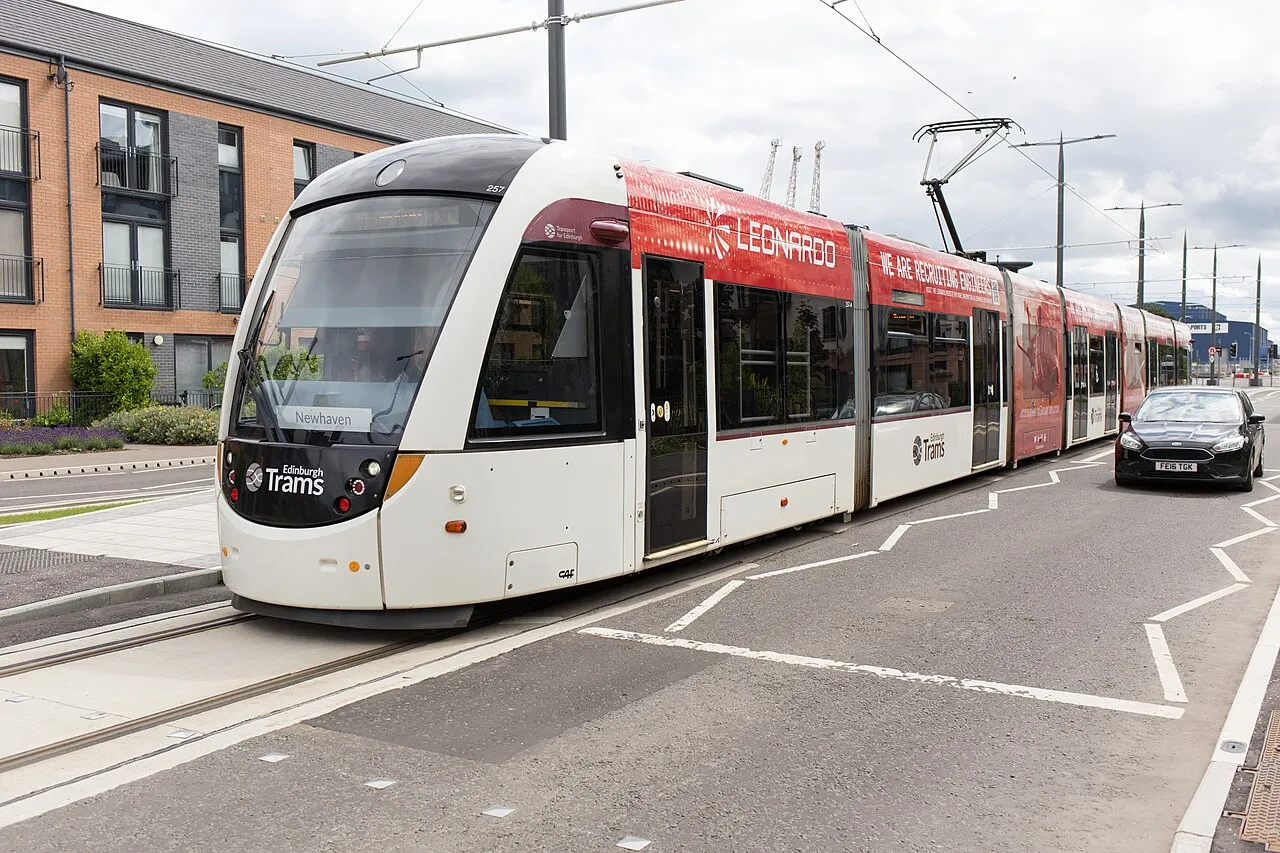
From Leith: Buses 11, 22, 34, 35, 36 to Princes Street (£2, 15-20 min). Taxis £10-15. Walking is possible (30-40 minutes) but save your legs for the Old Town.
From South Queensferry: Buses or shuttle to Edinburgh (25-30 min). Taxis £25-30. Too far to walk.
City Buses: Lothian Buses cover Edinburgh extensively. Day pass £5. Contactless payment or exact change – drivers don't give change. The hop-on hop-off tourist buses (£25-30) stop at all major attractions and provide audio commentary.
Taxis: Black cabs queue at major locations. Metered, honest, professional. Uber operates in Edinburgh. Expect £8-12 for most city center trips.
Walking: Central Edinburgh is wonderfully walkable despite the hills. Royal Mile to Princes Street to Calton Hill – all achievable on foot. Allow extra time for the terrain.
Accessibility note: Edinburgh's Old Town presents significant challenges for wheelchair users – steep hills, cobblestones, and stairs are unavoidable. The Castle has wheelchair access to most areas but involves some inclines. The National Museum is fully accessible. New Town offers flatter terrain. Holyrood Palace has wheelchair access via a separate entrance. Contact your ship's excursion desk for accessible tour options. Some operators provide vehicles with wheelchair lifts for Castle visits. Bus accessibility varies – look for low-floor vehicles.
Port Map
Tap markers to explore Edinburgh attractions and the cruise terminal
Shore Excursions
Edinburgh Castle: Scotland's most-visited attraction, perched on volcanic Castle Rock. Crown Jewels (Honours of Scotland), Stone of Destiny, St. Margaret's Chapel (oldest building in Edinburgh), National War Memorial, One O'Clock Gun fired daily. Entry £21.50 – book ahead through official website or your ship's excursion desk to skip queues. Allow 2-3 hours. Twenty minutes by bus from Leith. Essential Edinburgh. The views alone justify the climb.
Royal Mile Walking: The 1.13-mile cobblestone street from Castle to Holyrood Palace. St. Giles' Cathedral (free), closes and wynds leading to hidden courtyards, street performers, whisky vendors, and shops. Mary King's Close underground tours ($18) explore preserved 17th-century streets beneath the modern city. Free to walk; budget time for detours. Half-day easily spent here.
Palace of Holyroodhouse: Official Scottish residence of the British monarch. Mary Queen of Scots' chambers, State Apartments, ruined Holyrood Abbey. Audio guide included. Entry £21. At the foot of the Royal Mile. Allow 1.5-2 hours. Combines naturally with Castle and Royal Mile for a full day.
Royal Yacht Britannia: Queen Elizabeth II's former yacht, now museum at Leith – walking distance from most cruise berths. Intimate glimpse of royal life at sea across 968 voyages over 44 years. Entry £20. Audio tour excellent. Allow 1.5-2 hours. Perfect if docking at Leith – visit before or after Edinburgh city.
National Museum of Scotland: FREE museum covering Scottish life, natural sciences, world cultures. Dolly the sheep (the first cloned mammal), Lewis Chessmen, Pictish stones, rooftop terrace with city views. Chambers Street near Royal Mile. Allow 2+ hours. Comprehensive and completely free.
Scotch Whisky Experience: Introduction to Scotland's national spirit via tour, tasting, and world's largest Scotch collection. Near the Castle on Royal Mile. Tours from £20. Book ahead. Good for whisky beginners seeking structured education. Alternatively, explore the city's many whisky bars independently – more authentic and often better value.
Arthur's Seat: Ancient volcano rising 251 meters above Edinburgh. Stunning 360-degree views from the summit. Starts from Holyrood Park, about 45 minutes climb. Free. Wear sturdy shoes and check weather. Not for everyone – genuine hill walking required – but the panorama rewards the effort magnificently.
Independent vs. Ship Excursions: Edinburgh is highly navigable independently. Bus to city center, walk the Royal Mile, visit Castle and museum – all straightforward without organized tours. Ship excursions add value for Highland day trips (Stirling, Loch Lomond, St. Andrews) that require complex logistics beyond Edinburgh city. Book ahead through your ship's excursion desk for guaranteed return timing on any tour taking you into the countryside.
Local Food
Haggis: Scotland's national dish – sheep's offal mixed with oatmeal, onion, and spices, originally cooked in a sheep's stomach. Sounds challenging, tastes earthy and savory. Try it with neeps (turnips) and tatties (potatoes). Found in every pub and restaurant. Budget £12-18 for a proper serving.
Scotch Whisky: Single malts from across Scotland – smoky Islay, honeyed Speyside, maritime Highland, elegant Lowland. Pubs and whisky bars offer tastings from £5-12 per dram. Ask for recommendations based on your preferences. The water of life deserves attention.
Cullen Skink: Creamy smoked haddock soup – warming, rich, distinctly Scottish. Perfect on a grey Edinburgh day. £8-12 in most restaurants.
Scottish Salmon: Smoked or fresh, Scottish salmon ranks among the world's finest. Available everywhere from restaurants to takeaway shops.
Shortbread: Buttery Scottish biscuit, simple and perfect with tea. Walker's is the famous brand; local bakeries often better.
Tablet: Scottish confection like grainy fudge but sweeter. Serious sugar rush. A small piece goes a long way.
Irn-Bru: Bright orange Scottish soft drink, national obsession second only to whisky. Tastes vaguely of bubblegum. Try it once.
Local Notices
Weather: Scottish weather changes constantly – sun, rain, wind all possible in one afternoon. Pack layers and waterproof jacket regardless of forecast. Temperatures mild year-round (5-20°C typical) but wind adds chill.
Currency: British Pound Sterling (GBP). Scottish banks issue their own notes – valid throughout UK but sometimes questioned in England. ATMs everywhere. Credit cards universally accepted.
One O'Clock Gun: Fired from Edinburgh Castle daily at 1pm precisely. If you're on Castle Rock, it WILL startle you. Locals set watches by it since 1861.
August Festival: The Edinburgh Fringe is the world's largest arts festival. Amazing cultural experiences but extreme crowds, high prices, limited accommodation. Book everything well ahead if visiting August.
Midges: Tiny biting flies prevalent May-September, especially in evening and near water. More problematic in Highlands than Edinburgh city, but bring repellent if hiking Arthur's Seat.
Depth Soundings Ashore
Edinburgh presents one of the most rewarding cruise ports in Europe – a UNESCO World City with ancient architecture, living culture, natural beauty, and genuine Scottish warmth. The combination of Castle and Royal Mile delivers centuries of royal drama in walkable form. The free National Museum provides outstanding content without charge. The whisky bars offer education and pleasure in equal measure. Unlike many European capitals, Edinburgh remains compact enough to experience meaningfully in a single port day.
Safety in Edinburgh is excellent by any standard. Violent crime is rare; petty theft exists but at lower rates than most European cities. Standard urban awareness applies – watch belongings in crowded areas – but Edinburgh welcomes visitors with genuine friendliness. Medical facilities are modern and English-speaking; travel insurance recommended but unlikely to be needed.
The terrain deserves respect. Edinburgh is built on volcanic geology, which means hills are inevitable. The Castle sits atop a 130-meter plug of ancient basalt; reaching it from any direction involves climbing. The Royal Mile itself descends steeply from Castle to Holyrood. Cobblestones are everywhere. Comfortable, sturdy footwear is essential, not optional. For wheelchair users and those with mobility limitations, Edinburgh's Old Town presents significant challenges – steep gradients, uneven surfaces, and stairs. New Town is flatter. The National Museum is fully accessible. Edinburgh Castle has wheelchair access but involves inclines. Contact your ship's excursion desk to discuss specific accessibility needs before booking tours – some operators provide adapted vehicles and alternative routes.
Practical Information
- Currency: British Pound Sterling (GBP)
- Language: English (with Scottish accent)
- Time Zone: GMT/BST (UTC+0/+1 summer)
- Weather: Temperate; 5-20°C typical; rain possible any time
- Port Type: Dock; ships berth at Leith or South Queensferry
- Tender: Not required
- Walking: City center walkable; hilly terrain
- Accessibility: Challenging in Old Town; better in New Town
Photo Gallery


Credits
- Hero image: Wikimedia Commons
- Gallery images: Wikimedia Commons contributors under CC BY-SA licenses
- Geographic data: OpenStreetMap contributors
Frequently Asked Questions
Q: Where do cruise ships dock for Edinburgh?
A: Most ships dock at Leith, two miles north of the city center. Buses and taxis reach the Royal Mile in 15-20 minutes. Some ships dock at South Queensferry beneath the Forth Bridge, ten miles west, requiring 25-30 minutes transit to Edinburgh.
Q: Is Edinburgh Castle worth the entry fee?
A: Absolutely. Scotland's most important landmark contains the Crown Jewels, Stone of Destiny, and St. Margaret's Chapel (oldest building in Edinburgh). The views are spectacular. Book online to skip queues – £21.50 well spent.
Q: Can I walk from Leith to Edinburgh city center?
A: Yes – about 30-40 minutes. But save your legs for the Old Town's cobblestones and hills. The bus is £2 and takes 15-20 minutes.
Q: What's the Royal Yacht Britannia?
A: Queen Elizabeth II's former royal yacht, now permanently moored at Leith near most cruise berths. £20 entry for an intimate look at royal life at sea. Excellent audio tour. Perfect if docking at Leith.
Q: Should I visit in August during the Festival?
A: The Edinburgh Fringe is the world's largest arts festival – amazing cultural experiences but extreme crowds and high prices. Either embrace the chaos or avoid August entirely. Both are valid choices.
Q: What should I budget for Edinburgh?
A: Edinburgh Castle £21.50. Holyrood Palace £21. Royal Yacht Britannia £20. National Museum free. Bus from Leith £2. Whisky drams £5-12 each. Haggis lunch £12-18. Full day £80-120 depending on priorities.
Q: When is the best time to visit Edinburgh on a cruise?
A: May through September. Daytime highs run 57-66°F across those months. Daylight ranges 7-17.5 hours seasonally. Peak Jun-Aug, transitional May and Sep, low Oct-Apr.
Q: Is there a hurricane or storm season that affects Edinburgh?
A: Edinburgh is not in a hurricane zone. The hazards record reads "Windy and cool; four seasons possible in one day." Wind data: "Can be very windy — exposed position." Rain falls year-round.
Q: What should I pack for Edinburgh weather?
A: Waterproof jacket — essential. Layers — wind on Castle Hill is fierce. Comfortable shoes for Old Town cobblestones. (Festival tickets booked in advance for August.) Cruise-season highs run 57-66°F.
Q: Will rain ruin my Edinburgh port day?
A: Rain falls 7-8 days per month in cruise season. The rain summary is "Year-round; slightly drier May-Jun." Edinburgh expects rain and the packing essential is a waterproof jacket. Wind is the other major weather variable.