


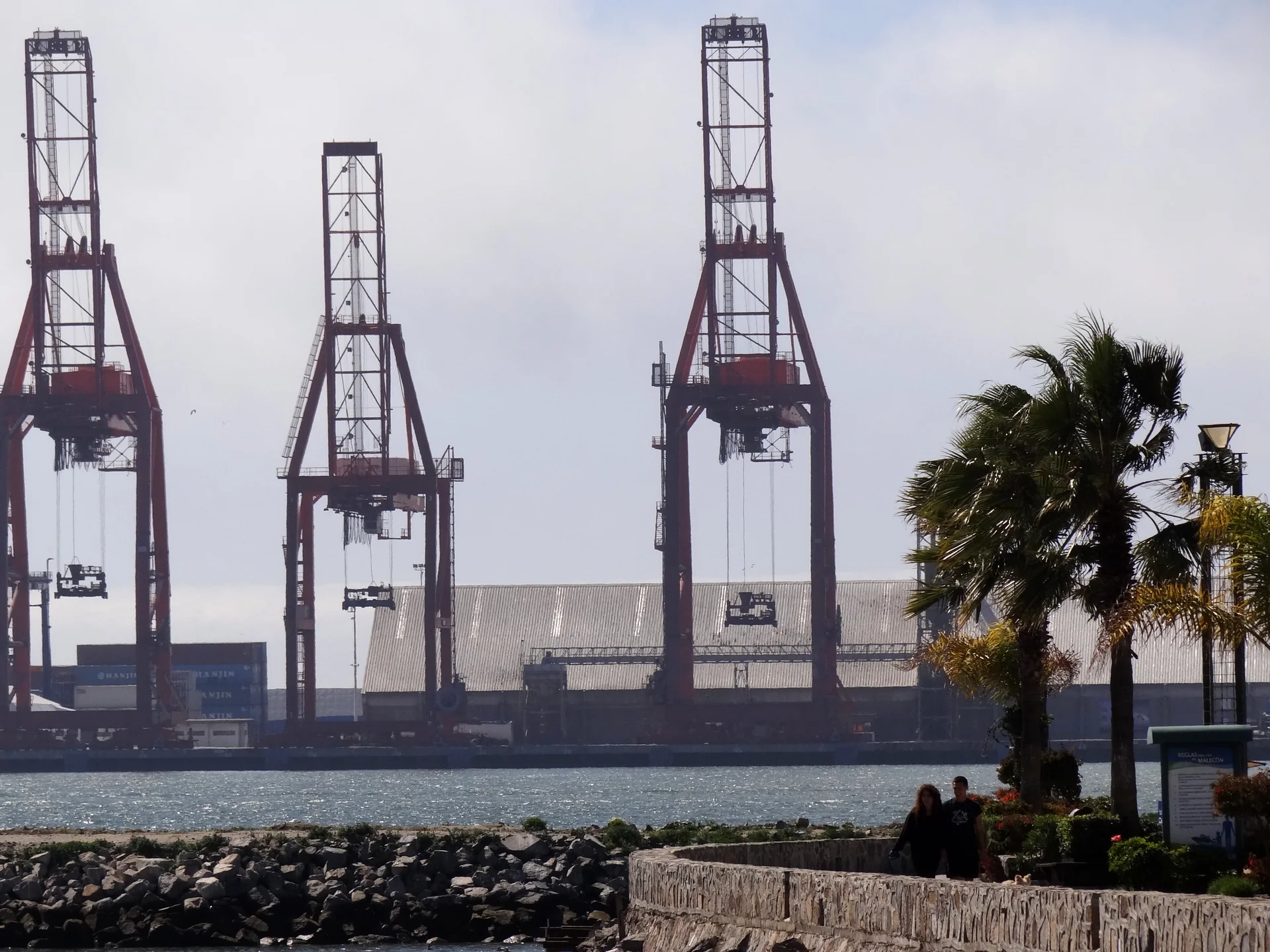
Photo: Adam Jones / Wikimedia Commons (CC BY-SA 2.0)
Captain's Logbook
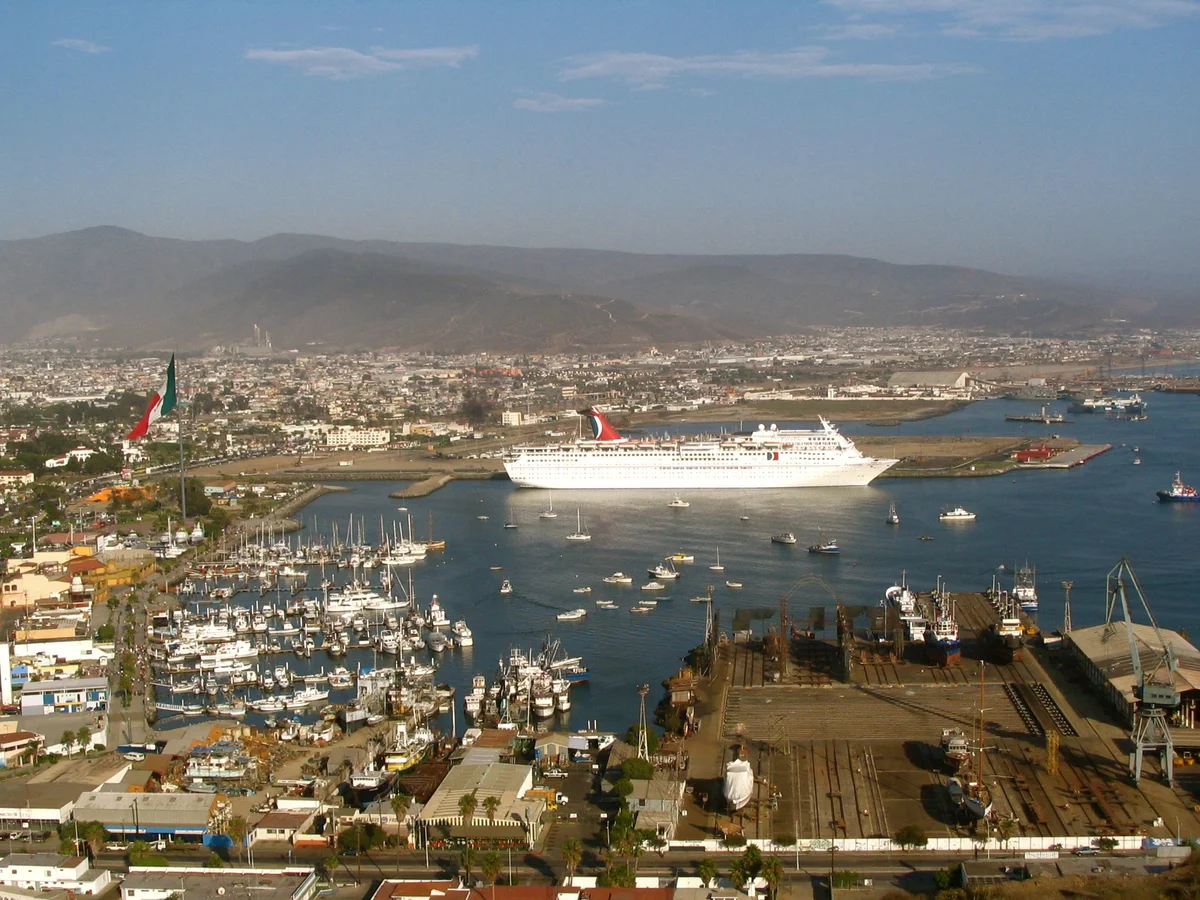
They call it the "Cinderella of the Pacific," and I confess the nickname puzzled me at first — until I understood that Ensenada keeps scrubbing away at its tourist-trap reputation, waiting for the world to see its true character. When Spanish explorer Sebastián Vizcaíno sailed into this natural harbor in 1602, he named it "Ensenada de Todos Los Santos" — the Bay of All Saints. More than four centuries later, over 300 cruise ships and a million passengers arrive annually, most experiencing Ensenada as a gauntlet of souvenir shops and tequila shots. Yet I've learned that this port has hidden depths that reward those willing to explore beyond the terminal gates.
This is Mexico's wine capital — producing over 70% of the country's wine in the valleys beyond the city. The fish tacos here are legendary, perhaps the best in all of Baja. And the locals have a saying that rings true: "Ensenada is where California was supposed to be, before it got ruined." I would walk past the tourist shops near the pier, heading inland toward the neighborhoods where families have lived for generations. The city grew as a gold rush supply port and never quite shook its rough-around-edges character. That's part of the charm.
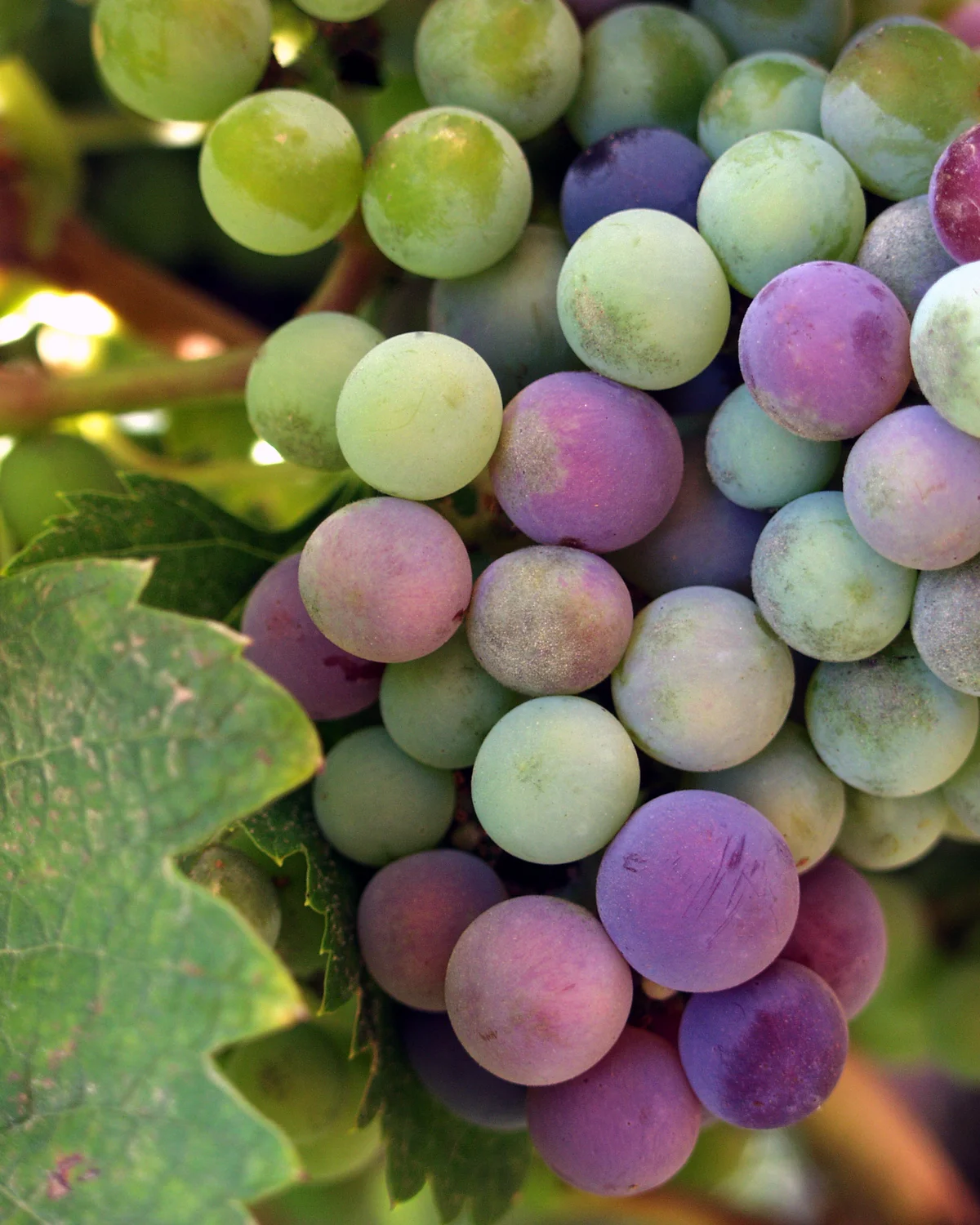
Valle de Guadalupe would astonish me when I first learned Ensenada's wine story. This is the oldest wine region in the Americas — Dominican missionaries planted the first vines at San Ignacio Mission in 1703, decades before California's wine country existed. Bodega Santo Tomás, founded by those same Dominicans in 1888, still operates today as Mexico's oldest winery. Then came the Russian immigrants in the early 1900s, fleeing revolution and bringing their own grape-growing traditions to this Mediterranean-like climate. They recognized what the Spanish friars had discovered: this high desert valley was perfectly suited for viticulture.
Today, over 150 wineries dot this landscape about 30 minutes from port, producing excellent wines that critics are finally noticing. The Nebbiolo and Tempranillo varietals thrive here, producing wines that would surprise anyone who thinks Mexican wine can't compete internationally. I would find excellent food at winery restaurants like Deckman's or Finca Altozano (reservations essential for these popular spots). Ship excursions to wine country are worthwhile — the roads can be rough, designated drivers are essential, and knowledgeable guides help navigate the options. However, the independent traveler can also arrange a taxi or private driver for about $60-80 for the half-day.
La Bufadora would draw me south to witness North America's largest marine geyser. Located 30 minutes from town at the end of the Punta Banda peninsula, this dramatic blowhole shoots seawater up to 100 feet through a rock cavity during big swells. The locals tell a more poignant story: long ago, a baby whale swam into the sea cave and became trapped. Unable to escape, it turned to stone, and now breathes eternally through the rocks — each thunderous spout the whale's sorrowful call to the ocean it can never rejoin. Legend aside, the geological reality is equally dramatic when conditions align — big swells, high tide, the right angle of waves. I would stand on the viewing platform and feel the spray drench the entire crowd.
Hussong's Cantina has poured drinks in the same sawdust-strewn location on Avenida Ruiz since 1892. The bartenders here claim — and who am I to argue with men who've been perfecting the craft for over 130 years — that they invented the margarita. The story goes that bartender Don Carlos Orozco created it in 1941 for Margarita Henkel, daughter of a German ambassador. Walking into Hussong's feels like stepping into every Western movie saloon I've ever seen, except this one's real. Dollar bills plaster the ceiling, ancient photos line the walls, and the bartenders maintain a theatrical gruffness that's part of the show. I would order the house margarita — simple, strong, and exactly what I came for at about $8. Yet beyond the cantina's famous cocktails, I find the authentic character of a bar that's served generations of locals and visitors alike.
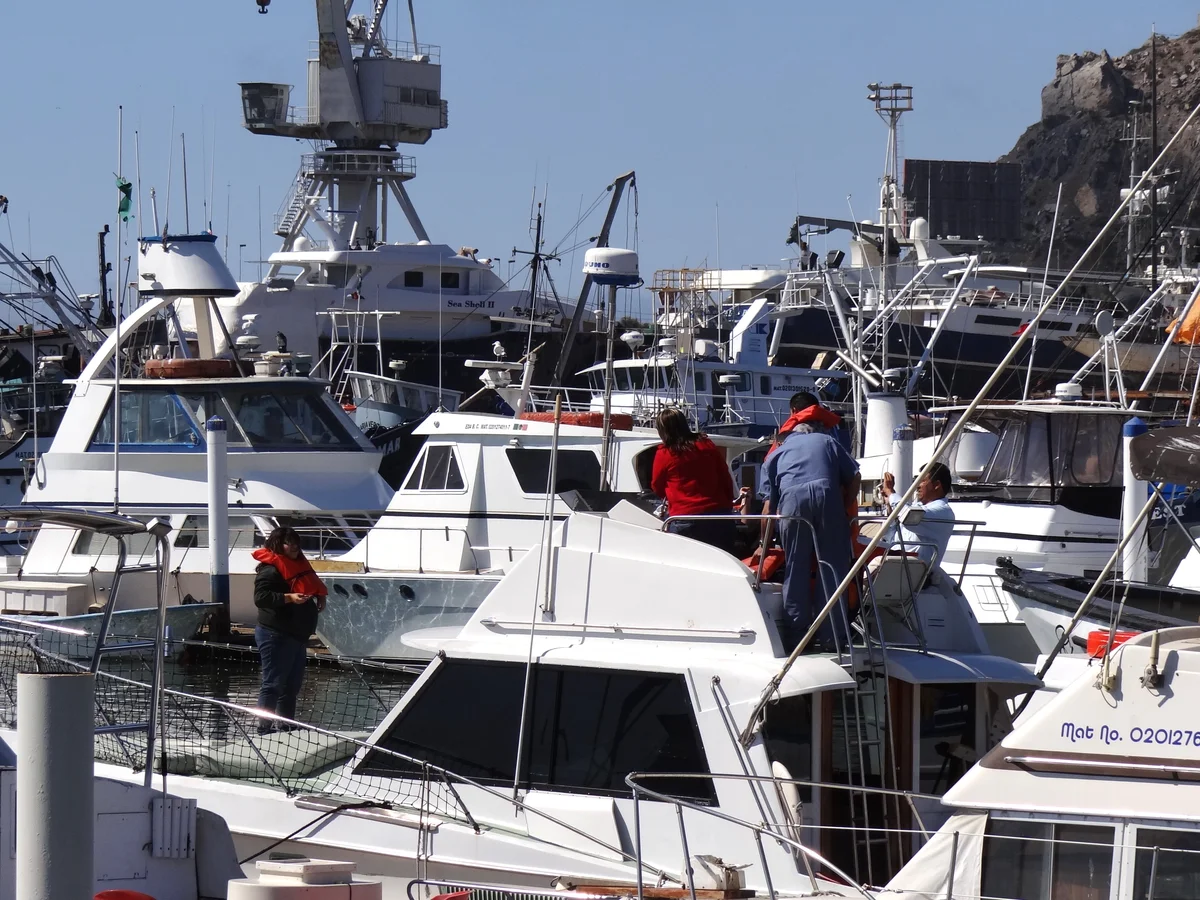
During winter months, gray whales migrate through these waters — December through March brings mothers and calves so close to shore you can sometimes spot them from the malecón. The waterfront promenade offers sunset strolls where families gather, street vendors sell churros and elote, and the Pacific stretches endlessly toward the horizon. This is authentically Mexican in ways that resort towns aren't. The fancy wine region may draw the headlines, but in town I find working fishing boats, neighborhood taquerías, and a pace of life that hasn't surrendered to tourism. Though the port area has its share of aggressive vendors, Ensenada beyond the terminal reveals a city proud of its traditions and eager to share them with visitors willing to look deeper.
Weather & Best Time to Visit
The Cruise Port
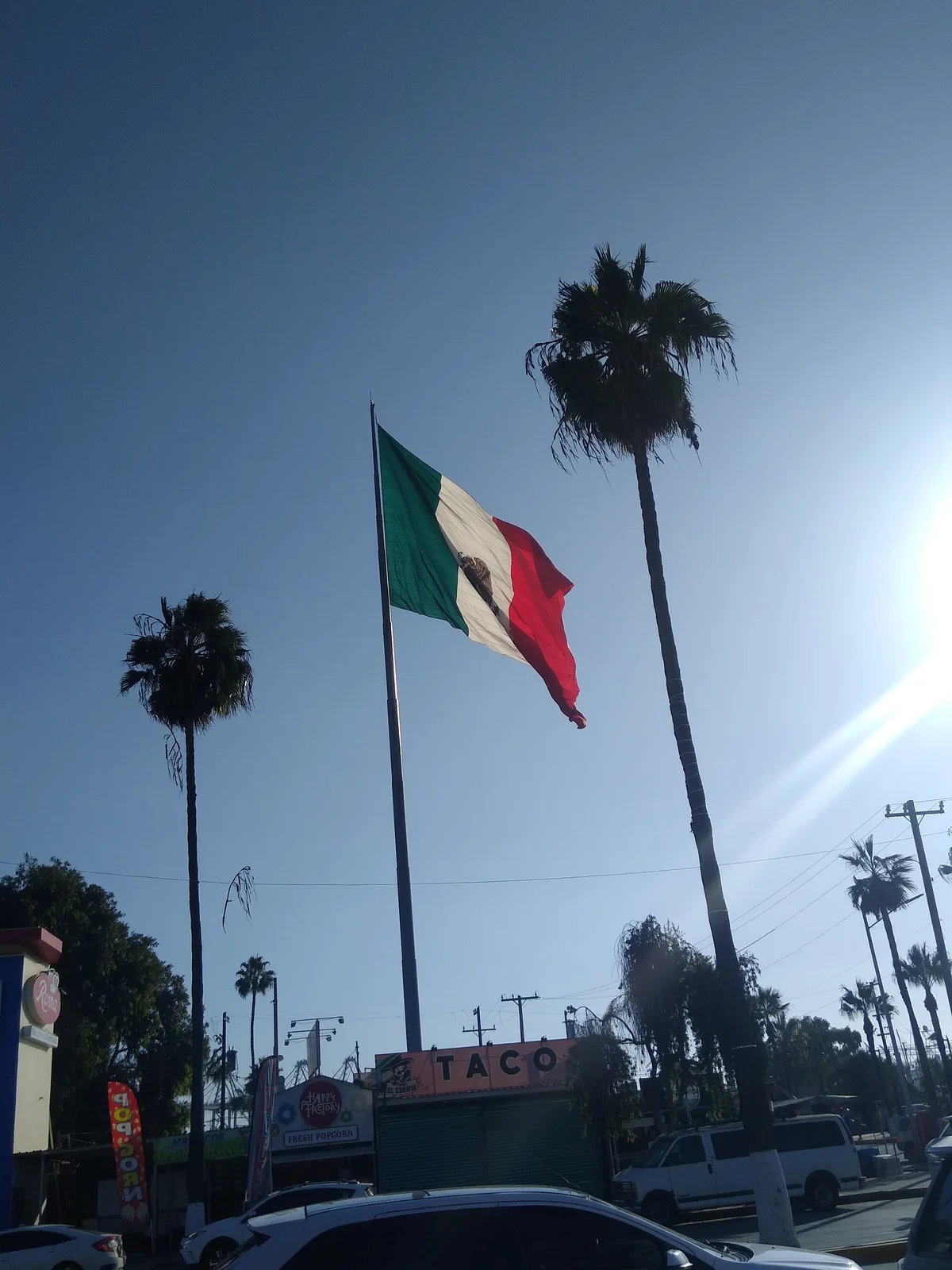
Cruise ships dock at the main terminal near downtown Ensenada, conveniently close to the malecón waterfront and walking distance to major attractions. The terminal area includes the expected tourist shops selling souvenirs, tequila, and crafts at inflated prices. Most visitors walk right through to explore the town itself. The port is flat and accessible for wheelchairs near the terminal, though cobblestone streets in older neighborhoods present challenges. A massive Mexican flag visible from the ship marks the waterfront — one of the largest flags in the country, a point of local pride.
The terminal has basic facilities including restrooms and tourist information. WiFi is limited. ATMs are available in the port area and throughout town, dispensing both pesos and dollars. Most tourist establishments accept US dollars, though pesos get better rates. The exchange rate hovers around 17 pesos per dollar. Taxis queue outside the terminal for destinations beyond walking distance — negotiate prices before departing or use the posted rates.
Getting Around
Walking handles most downtown exploration. The malecón waterfront, Hussong's Cantina, fish taco vendors, and main shopping streets all lie within a 15-20 minute walk from the cruise terminal. Comfortable shoes are essential as some streets have uneven pavement. The tourist zone is compact and generally safe during daylight hours. Stick to populated areas and watch your belongings as you would in any tourist destination.
Taxis are necessary for destinations beyond downtown. La Bufadora sits about 30 minutes south, with taxi rates around $40-60 round-trip including waiting time while you explore. Valle de Guadalupe wine country lies 30 minutes northeast, with taxi rates of $60-80 for a half-day wine tour. Negotiate prices before departing and confirm whether the quoted rate is in pesos or dollars. Some drivers speak English; many don't, so basic Spanish helps.
Uber operates in Ensenada and often provides lower rates than taxis. The app works with US accounts and charges to your credit card, eliminating cash negotiation. However, service can be spotty during cruise ship days when demand spikes. Rental cars are available but probably unnecessary for a port day — traffic can be challenging, and parking at attractions often involves unofficial "attendants" requesting tips. Wheelchair users will find the terminal and malecón accessible, but older neighborhoods and La Bufadora have limited accessibility. Ship excursions can accommodate mobility needs with advance notice.
Ensenada Port Area Map
Interactive map showing cruise terminal, downtown attractions, La Bufadora blowhole, and Valle de Guadalupe wine country. Click any marker for details and directions.
Beaches Worth Your Time
Playa Hermosa offers the closest beach experience to downtown, about 10 minutes by taxi. The long stretch of sand attracts local families on weekends with calm waters suitable for swimming. Beachfront restaurants serve fresh seafood and cold beer. Umbrella and chair rentals run about $10 for the day. The beach is accessible by wheelchair at the main entrance, though sand navigation remains challenging.
Estero Beach lies about 15 minutes south of town, featuring calmer waters and a resort complex with restaurants, water sports rentals, and a small museum of regional artifacts. Entry to the public beach is free, though parking costs about $5. The beach is popular with families and offers kayak and paddleboard rentals for $15-25 per hour.
La Bufadora Beach near the famous blowhole combines rocky coastline with small sandy coves. Swimming is dangerous due to strong currents, but the scenery rewards the visit. The approach includes a long gauntlet of vendor stalls selling churros, trinkets, and crafts. The viewing platform for the blowhole is free once you navigate the shops.
Shore Excursions
Ensenada offers diverse excursion options spanning wine country exploration, natural wonders, and culinary adventures. Ship excursions provide guaranteed return timing and organized logistics, while independent exploration offers flexibility and often lower costs. Book ahead through your cruise line for wine country tours where transportation logistics matter most.
Valle de Guadalupe Wine Country
Full-day or half-day tours to Mexico's premier wine region, visiting 2-4 wineries with tastings and often lunch at a winery restaurant. Ship excursions run $90-150 per person including transportation and tastings. Independent visitors can hire taxis or private drivers ($60-80 half-day) and pay tasting fees directly ($10-20 per winery). The region has over 150 wineries ranging from rustic family operations to architectural showpieces. Ship excursions offer guaranteed return timing and knowledgeable guides who navigate the options. The Nebbiolo, Tempranillo, and unique blends showcase what makes this region exciting.
La Bufadora Natural Geyser
Half-day excursion to North America's largest marine geyser, where Pacific swells shoot through a rock cavity creating dramatic 100-foot spouts. Ship excursions run $45-70 per person. Independent visitors can take taxis ($40-60 round-trip including wait time). Check tide charts before booking — at low tide, the blowhole barely gurgles, still scenic but not the dramatic display you see in photos. High tide with strong swells produces the best action. The vendor gauntlet leading to the viewing platform tests your haggling stamina but churros and craft purchases are optional.
Ensenada Food Walking Tour
Guided exploration of fish taco vendors, seafood stands, and local eateries that reveal Ensenada's culinary character. Ship excursions run $60-90 per person including tastings. Independent visitors can explore on foot with research or book ahead through local tour operators ($40-60). Look for the white plastic tables and long lines of locals — those mark the authentic spots. Fish tacos, aguachile (ceviche's spicier cousin), fresh oysters, and clamato (tomato juice with clam broth) showcase the regional specialties.
Whale Watching (Seasonal)
December through March, gray whales migrate past Ensenada on their journey between Alaska and Baja lagoons. Ship excursions to nearby whale-watching spots run $80-120 per person. Independent visitors can book through local operators at the malecón ($50-80). Mothers and calves often approach boats, and sightings are nearly guaranteed during peak season. Dress warmly for the boat ride and bring motion sickness medication if needed.
Hussong's Cantina and Downtown Walk
Self-guided exploration of downtown Ensenada including the famous cantina, malecón waterfront, fish taco vendors, and local neighborhoods. No excursion needed — this rewards independent exploration. Budget $30-50 for margaritas, fish tacos, and incidentals. Hussong's house margarita costs about $8. Fish tacos run $2-4 each from street vendors. The giant Mexican flag, historic buildings, and waterfront promenade fill a satisfying half-day without organized tours.
Local Food & Drink
- Fish Tacos: Ensenada claims to have invented them — beer-battered fish, corn tortillas, creamy white sauce, cabbage, lime. Street vendors often beat restaurants. $2-4 per taco
- Aguachile: Ceviche's spicier cousin — raw shrimp cured in lime and chili. Fresh, fiery, addictive. $8-15 at seafood restaurants
- Fresh Oysters: From local beds, served raw with lime and salsa. The Mercado Negro fish market offers some of the freshest. $10-15 per dozen
- Clamato: Tomato juice with clam broth, lime, and hot sauce — weirdly addictive. $3-5 at beachfront stands
- Valle de Guadalupe Wines: Nebbiolo, Tempranillo, and unique blends from Mexico's premier wine region. $15-40 per bottle at wineries
- Hussong's Margarita: Simple, strong, legendary. The house version at the cantina that claims margarita invention. About $8
- Churros: Especially along the La Bufadora vendor gauntlet — fresh, hot, covered in cinnamon sugar. $2-3
Know Before You Go
- Currency: Mexican Peso (MXN); about 17 per USD; dollars widely accepted in tourist areas but pesos get better rates
- Language: Spanish primary; English common in tourist areas; basic Spanish phrases appreciated
- Weather: Mediterranean climate with mild temperatures year-round; dry summers, occasional winter rain; cooler than you'd expect
- Safety: Tourist areas generally safe; stick to populated areas; watch belongings; use common sense
- Bargaining: Expected at vendor stalls and with taxi drivers; start at 50-60% of asking price; friendly negotiation appreciated
- Whale Season: Gray whale migration December through March; sometimes visible from malecón
Depth Soundings
My recommendation for Ensenada would depend on what calls to you. For wine enthusiasts, Valle de Guadalupe delivers an experience rivaling California wine country at a fraction of the cost — and with the added intrigue of exploring the oldest wine region in the Americas. The drive through high desert landscape, the farm-to-table restaurants, and the remarkable wines make this worth the half-day commitment. Yet the independent spirit that built these wineries resists the pretension that can plague other wine regions.
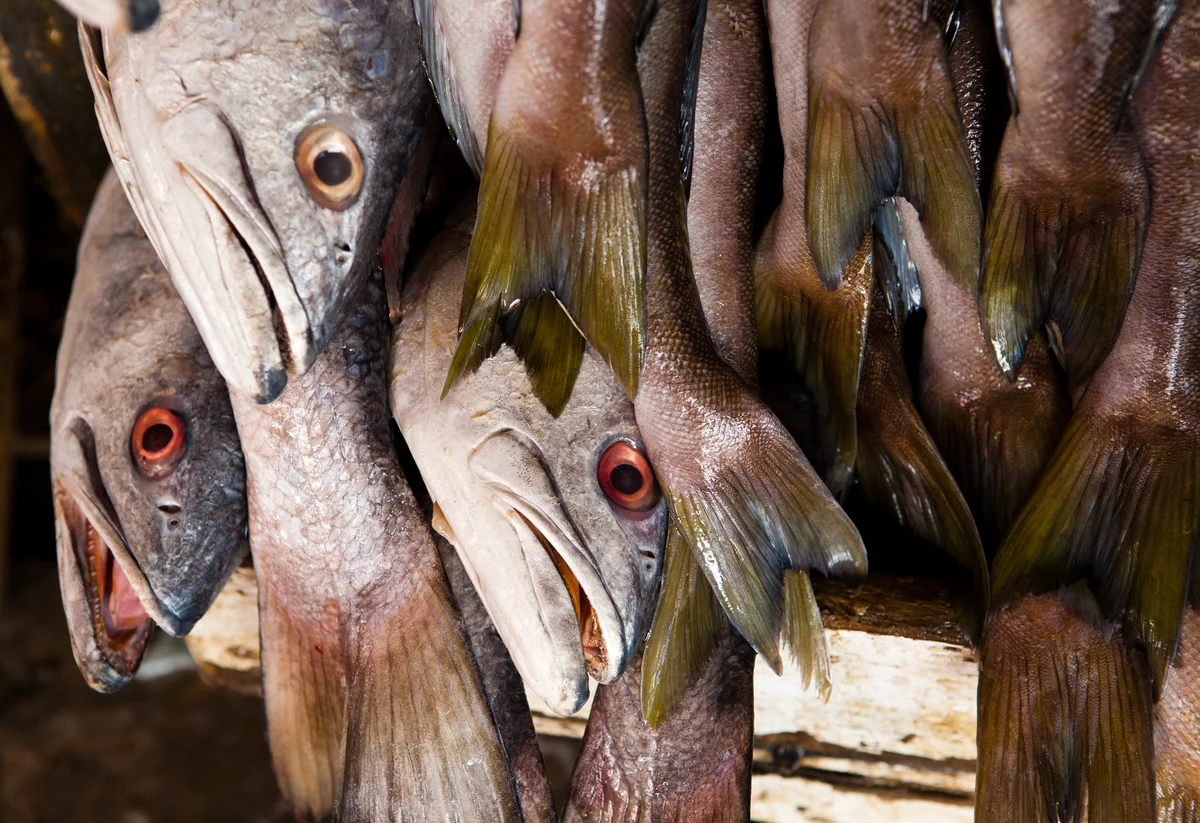
For culinary adventurers, however, the downtown fish taco trail offers more immediate gratification. Skip the tourist restaurants near the pier and walk inland to find the vendors with lines of locals — those plastic tables and buzzing flies mark the spots where magic happens. The legendary rivalry between fish taco vendors adds competitive urgency to every bite. Though prices are higher than they once were, Ensenada's seafood still represents excellent value.
La Bufadora delivers drama on nature's schedule. Time your visit for high tide with strong swells and the marine geyser performs its 100-foot spouts with thundering force. Miss the timing and you'll wonder what the fuss is about. Check tide charts, accept that the vendor gauntlet is part of the experience, and prepare to get wet. The legend of the trapped whale adds poignancy to an already impressive natural phenomenon.
Practical Information
- Terminal: Downtown Ensenada near malecón; basic facilities
- Tender Required: No — ships dock directly at pier
- Distance to Valle de Guadalupe: 30 kilometers; 30-40 minutes
- Distance to La Bufadora: 35 kilometers; 30-40 minutes south
- WiFi: Limited at terminal; available at restaurants and cafes
- ATMs: Available at terminal area and throughout town; dispense pesos and dollars
- Accessibility: Terminal and malecón accessible; older neighborhoods have uneven pavement; La Bufadora has stairs; advance planning essential for mobility needs
Last reviewed: February 2026
Photo Gallery


Frequently Asked Questions
Q: Is Ensenada suitable for passengers with mobility challenges?
A: Accessibility varies by area. The port vicinity and main commercial streets are generally manageable, but older historic districts may feature cobblestones, stairs, and uneven surfaces. Consider booking an accessible ship excursion if you have concerns. The ship's shore excursion desk can advise on specific accessibility options for this port.
Q: Do I need to exchange currency before arriving?
A: The local currency is Peso (MXN). Most tourist-facing businesses accept major credit cards. ATMs near the port offer competitive exchange rates. Carry some local cash for small purchases, markets, and tips. Avoid exchanging money on the ship — the rates are typically unfavorable compared to local bank ATMs.
Q: Can I explore independently or should I book a ship excursion?
A: Both options work well. Ship excursions guarantee return to the vessel and handle logistics, making them ideal for first-time visitors. Independent exploration costs less and allows more flexibility — just keep track of time and allow a 30-minute buffer before all-aboard. Many passengers combine approaches: an organized morning tour followed by free afternoon exploration.
Q: Did Hussong's Cantina really invent the margarita?
A: Hussong's claims credit, and the story is plausible — bartender Don Carlos Orozco supposedly created it in 1941 for Margarita Henkel, daughter of a German ambassador. Several Mexican bars claim margarita origins, but Hussong's has operated since 1892, giving their claim credibility.
Ensenada: Beyond the Tourist Trap to Baja's Real Soul
Ensenada's biggest asset is also its limitation — this is typically a short 7-8 hour port call on weekend Mexico cruises, and the 30-minute drive to Valle de Guadalupe wine country eats into that significantly. If vineyard touring is your goal, book a tour that departs immediately at port opening. For a more relaxed day, everything downtown is walkable from the terminal: fish tacos at the fish market, La Bufadora blowhole (30 min drive), and Hussong's Cantina. Street vendors accept US dollars but give change in pesos at unfavorable rates — bring small bills.