Region: Interior Alaska | Season: May – September (cruisetours) | Type: Land Extension (not a cruise port)
🚂
Land Extension: Fairbanks is not a cruise port. This guide covers Fairbanks as a pre/post cruise land extension, typically combined with Denali in cruisetour packages or reached independently via the Alaska Railroad.
Captain's Logbook
We arrived in Fairbanks at eleven o'clock at night and the sun was still blazing. Not twilight, not a glow on the horizon — actual daylight, warm and golden, pouring across the parking lot of our hotel like it was three in the afternoon. Children were playing baseball in a field across the road. A woman walked her dog. Someone was mowing their lawn. I stood in the hotel doorway with my bag in my hand and laughed out loud, because my body said it was bedtime and the sky said otherwise. This is Fairbanks in June: 22 hours of functional daylight, a giddiness that infects everyone, and a collective understanding that sleep is for the dark months.
Our room had blackout curtains, but light seeped in around the edges like water finding cracks in a dam. I pulled a sleep mask over my eyes and lay there listening to the strange, bright silence of a city that refuses to go to bed. When I finally slept, I dreamed of sunshine.
The next morning we drove to Gold Dredge 8, a preserved mining operation from the 1928 gold rush era. The guide was a retired teacher named Harold who had lived in Fairbanks for forty years and still got excited talking about placer mining. He walked us through the massive dredge — a floating factory that once chewed through riverbed gravel to extract gold — and then handed us each a pan and pointed us toward the sluice. "The claims are seeded," he admitted with a grin, "but the technique is real. Swirl gently. Let the heavy stuff settle." I stood in cold water up to my shins, swirling black sand in a metal pan, and watched the lighter material wash away. There, glinting against the dark bottom — actual gold. Tiny flakes, worth maybe two dollars, but the thrill that shot through me was electric. This is what drew dreamers north after Felix Pedro's 1902 strike. Most found hardship. A few found fortunes. All found the same cold water I was standing in.
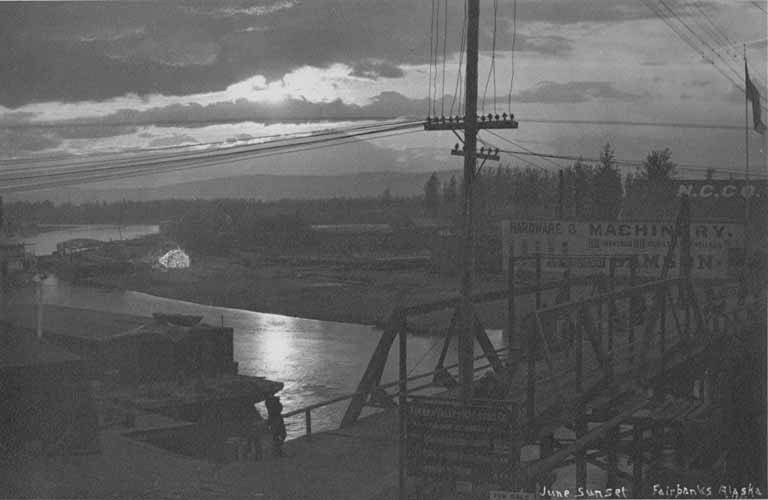
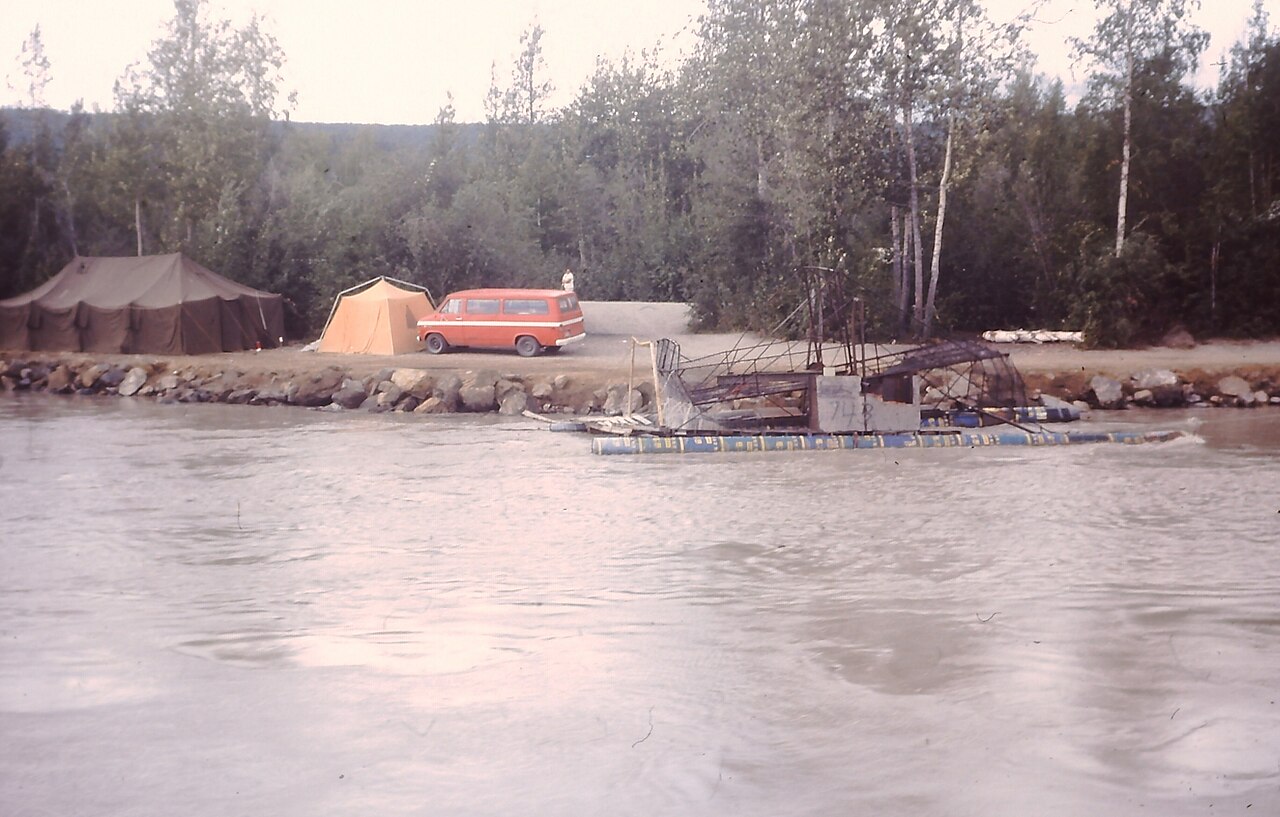
That afternoon we boarded the Chena River sternwheeler, a flat-bottomed riverboat that chugs along the Chena River through the heart of Fairbanks. The narration covered the city's Gold Rush founding, the Athabascan fish camps that lined the river for centuries before, and the 1967 flood that nearly destroyed downtown. We passed a working fish wheel — an ancient indigenous technology that uses river current to scoop salmon into a holding box — and watched a bush pilot demonstrate floatplane takeoffs and landings on a riverside strip. My wife's hand squeezed mine when the pilot lifted off, the pontoons leaving a perfect V of spray across the green water. She whispered, "That's freedom." And for a moment, it was.
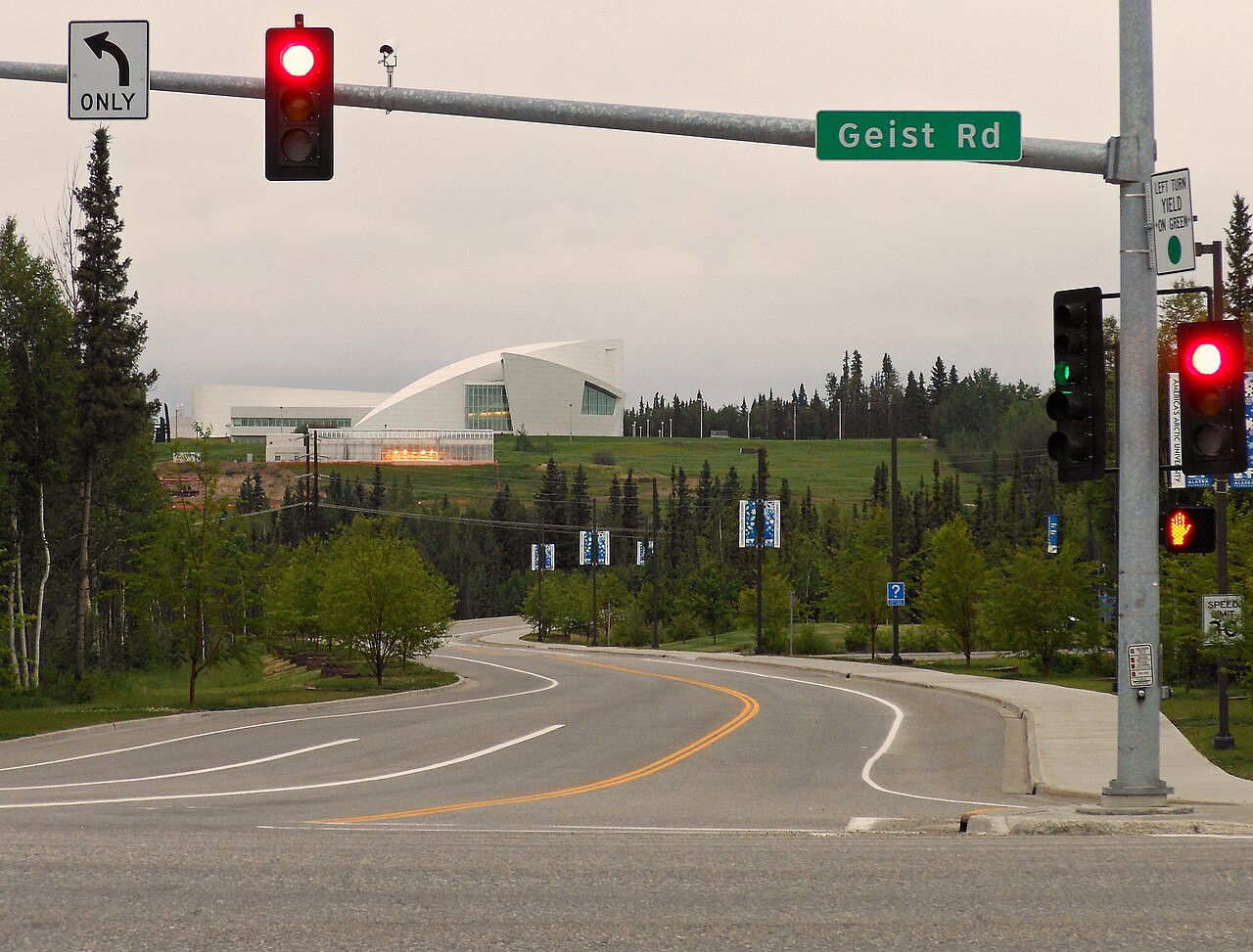
But the moment I carry from Fairbanks happened later, at the University of Alaska Museum of the North. The building itself is striking — white curves that suggest snowdrifts and Arctic ice — but inside, in a quiet corner of the natural history gallery, I found Blue Babe. He is a 36,000-year-old steppe bison, preserved in permafrost, pulled from the frozen ground near Fairbanks in 1979. His skin still has the blue mineral stain that gave him his name. I stood there looking at an animal that had walked this same ground when woolly mammoths grazed beside him, and something shifted in my understanding of time. Thirty-six thousand years. The Gold Rush was yesterday. Our cruise was this morning. Blue Babe made all of human history feel like a footnote, and I walked out of that museum humbled in a way I hadn't expected from a city I'd planned as a transit stop.
That evening we ate salmon at a restaurant along the Chena River while the sun circled the sky without setting. The cook told us the salmon was Copper River sockeye, flown in from Cordova, and it tasted of cold rivers and clean fat. A man at the next table was explaining to his wife that in December this same sky would be dark for twenty hours, and the northern lights would ripple overhead like green curtains. "You should come back," he said. She smiled and said, "Maybe we will." I understood then that Fairbanks is a city of seasons, and we had only seen one face of it. The midnight sun was glorious, but I found myself wanting the other Fairbanks — the dark one, the cold one, the one where aurora paints the sky. I realized that some places ask you to return, not because you missed something, but because there is always more to see.
The Moment That Stays With Me: Standing before Blue Babe in the Museum of the North — a 36,000-year-old bison pulled from Fairbanks permafrost, his skin still stained mineral blue. The Gold Rush felt like yesterday. Our cruise felt like this morning. Time collapsed, and I walked out humbled by a city I had planned as a transit stop.
The pros: the midnight sun is genuinely magical and creates a festival atmosphere that's infectious. Gold Dredge 8 is surprisingly fun and historically rich. The Museum of the North is excellent and uncrowded. The sternwheeler cruise gives a relaxed, narrated introduction to the city. And Fairbanks has an authentic frontier character that cruise ports lack — this is a working northern city, not a tourist stage.
The cons: Fairbanks is far from your ship, and the transit adds cost and time to your cruise vacation. Summer visitors miss the northern lights entirely — there is simply too much daylight. Mosquitoes in June and July can be fierce; bring repellent with DEET. The city itself is spread out and not especially walkable, so you'll need transportation between attractions. Lodges and restaurants near the cruisetour hotels are adequate but not memorable. Some cruise visitors feel that Fairbanks adds a day they would rather spend in Denali.
Practical tips: embrace the midnight sun rather than fighting it. Bring a good sleep mask and let your body adjust. Book Gold Dredge 8 through your cruisetour package or independently for $40-50 per person. The Museum of the North costs $18 and deserves at least two hours. If you have two nights, add a Chena Hot Springs day trip ($150-200 including transport) for geothermal pools and, in winter, prime aurora viewing. And pack layers — even in summer, Fairbanks temperatures can swing from 75°F in the afternoon to 45°F overnight.
Last reviewed: February 2026
Weather & Best Time to Visit
The Cruise Port Connection
Fairbanks is not a cruise port — your ship docks in Whittier or Seward, roughly 360 miles south on the Kenai Peninsula. Most visitors reach Fairbanks as part of a cruisetour package that includes Denali National Park along the way. Princess, Holland America, and Royal Caribbean all offer cruisetour itineraries that bookend an Alaska cruise with land extensions through Denali and Fairbanks.
A typical cruisetour routing works in either direction: fly into Fairbanks, overnight, train to Denali for 1-2 nights, then continue south by rail or motorcoach to Whittier or Seward where you board your ship. Or reverse the order after disembarking. Cruisetour packages cost $800-2,500 per person above the base cruise fare, depending on duration, lodge quality, and included excursions. The packages handle all logistics — rail tickets, lodge reservations, bus transfers, and scheduled activities.
Independent travelers can book the Alaska Railroad directly from Anchorage to Fairbanks ($150-300 each way depending on class of service). The GoldStar dome car service offers panoramic views and meal service. The Denali Star route runs daily in summer, stopping at Denali en route. Motorcoach from Anchorage to Fairbanks takes approximately 6 hours and costs $60-100 per person.
Getting Around
Fairbanks is spread across the Tanana Valley and not especially walkable between major attractions. Cruisetour groups travel by motorcoach between scheduled stops, but independent visitors need their own transportation.
Transportation Options
Cruisetour Motorcoach: Included in all cruisetour packages. Scheduled stops at major attractions with narration. No planning required but limited flexibility.
Rental Car ($60-100/day): The most flexible option. Fairbanks is easy to navigate with broad streets and ample parking. Useful for reaching Chena Hot Springs (60 miles) or exploring the surrounding area.
Taxi/Rideshare: Available in town but limited compared to larger cities. Budget $15-30 for trips between major attractions. Uber availability is inconsistent.
Hotel Shuttles: Most cruisetour-affiliated hotels offer complimentary shuttles to downtown and major attractions. Ask at the front desk for schedules.
Getting to and from Fairbanks
Alaska Railroad: Scenic train from Denali (4 hours) or Anchorage (12 hours). The Denali Star route runs daily May-September. Dome cars offer panoramic views. The journey through the Alaska Range is an experience in itself.
Fairbanks Airport (FAI): Direct flights from Anchorage, Seattle, Minneapolis, and Denver in summer. Some cruisetour packages begin or end with a flight here.
Parks Highway: Paved 360-mile highway from Anchorage through Denali to Fairbanks. Straightforward drive with services along the route.
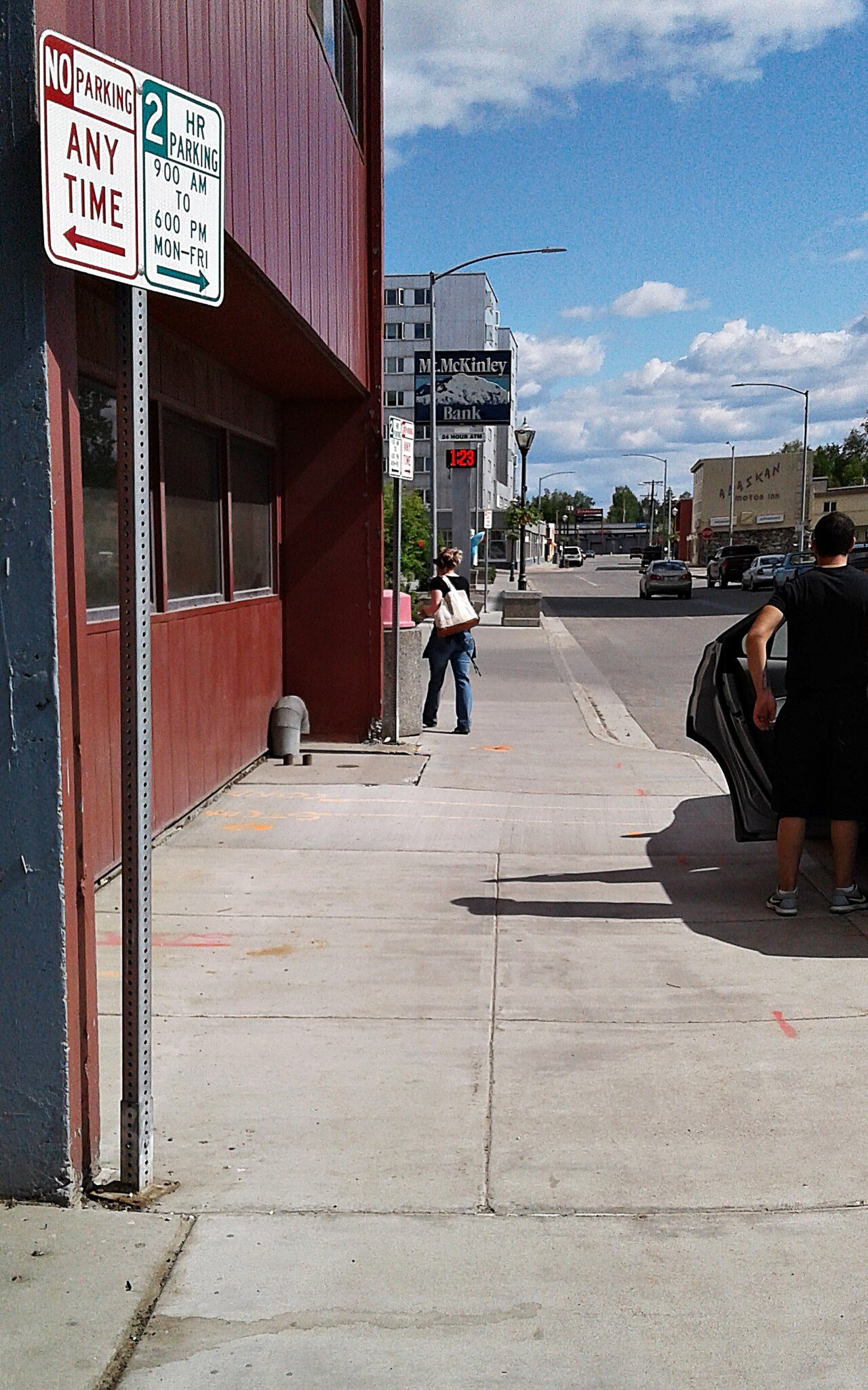
Downtown Fairbanks along the Chena River is the most walkable area, with restaurants, shops, and the Golden Heart Plaza within a compact zone. The visitor center on Cushman Street is a good starting point. Wheelchair accessible sidewalks and ramps are available throughout the downtown core and at all major attractions.
Fairbanks Area Map
Interactive map showing Fairbanks, key attractions, and connections to Denali and cruise ports. Click any marker for details.
Excursions & Activities
Fairbanks excursions center on Gold Rush history, interior Alaska culture, and natural wonders. Most cruisetour packages include one or two major activities, but independent travelers can book everything directly and often save money.
Gold Dredge 8
The signature Fairbanks excursion. A restored 1928 gold dredge with guided tour through the massive floating factory, followed by hands-on gold panning at a sluice. You keep what you find — claims are seeded with real dust. The experience runs about 2 hours and costs $40-50 per person through independent booking or is often included in cruisetour packages. Historical commentary brings the Gold Rush era alive, and the on-site gift shop lets you have your gold weighed and set into jewelry. Wheelchair accessible with paved paths throughout the site.
Chena River Sternwheeler
A flat-bottomed riverboat cruise along the Chena River through downtown Fairbanks. The narrated 3-hour tour ($70-90 per person) covers Gold Rush founding, indigenous fish camp demonstrations, a working fish wheel, and a bush pilot floatplane demonstration. Cruisetour groups often have this included. The sternwheeler can accommodate wheelchairs with advance notice.
Museum of the North
The University of Alaska Museum of the North ($18 admission) houses Alaska's premier natural history and art collection in a striking white building designed to evoke Arctic landscapes. Blue Babe, a 36,000-year-old steppe bison preserved in permafrost, is the star attraction. Excellent exhibits on aurora science, indigenous art, and Alaska's geological history. Allow at least 2 hours. Fully wheelchair accessible.
Pioneer Park
A free 44-acre park preserving historic buildings from early Fairbanks. Museums, a gold rush-era railroad, native village display, and a salmon bake restaurant ($35-45 per person). Family-friendly and walkable, with paved paths throughout. The park is best visited as a complement to other activities rather than a standalone destination.
Chena Hot Springs
Natural geothermal hot springs 60 miles east of Fairbanks. Day trips ($150-200 including transport) include outdoor rock-bottom pools, indoor pools, and a year-round ice museum built entirely from ice harvested on-site. The resort is open year-round and is prime aurora viewing territory from August through April. Summer visitors enjoy the pools and hiking trails. Book transport through the resort or rent a car. Limited wheelchair accessibility at the hot springs pools.
Independent vs. Ship Excursion
Cruisetour packages typically include Gold Dredge 8 and the sternwheeler cruise. Independent travelers can book these directly for comparable or lower prices and add their own choices. The Museum of the North and Pioneer Park are easy to visit independently. Chena Hot Springs requires its own transport arrangement but is worth the effort for a two-night stay.
DIY vs. Cruisetour Package
DIY Independent ($200-400/person)
Book railroad, lodge, and activities separately
More flexibility on timing and activity choice
Add Chena Hot Springs or Museum of the North easily
No guaranteed coordination with ship schedule
Cruisetour Package ($800-2,500/person)
All logistics handled by cruise line
Gold Dredge 8 and sternwheeler often included
Lodge, rail, and transfers bundled
Higher cost for peace of mind and convenience
Depth Soundings
Practical tips before you head into Alaska's interior.
Weather & What to Bring
Interior Alaska has extreme temperature swings. Summer days reach 70-80°F but nights can drop to 40-50°F. Pack layers: a base layer, fleece, and a waterproof shell. Rain gear is useful for afternoon showers. Mosquitoes in June-July are legendary — bring DEET-based repellent. Sunscreen is essential during the midnight sun period, as UV exposure accumulates over 22 hours of daylight. A good sleep mask is critical for rest.
Money & Costs
Currency: US dollars. ATMs available downtown, at hotels, and at major attractions.
Gold Dredge 8: $40-50 per adult
Sternwheeler Cruise: $70-90 per adult
Museum of the North: $18 per adult
Chena Hot Springs Day Trip: $150-200 per person (including transport)
Alaska Railroad (Denali to Fairbanks): $80-200 each way
Meals: $15-40 per person at local restaurants
Tipping: Standard 15-20% for restaurants, $10-20 per person for tour guides
Accessibility
Gold Dredge 8, the Museum of the North, and Pioneer Park are wheelchair accessible with paved paths and accessible facilities. The Chena River sternwheeler accommodates wheelchairs with advance notice when booking. Cruisetour motorcoaches are generally accessible. Downtown Fairbanks has accessible sidewalks and ramps. Chena Hot Springs has limited mobility access at the pool areas — call ahead. Most cruisetour hotels have accessible rooms available upon request.
Key Tips
Embrace the midnight sun — don't fight it. Bring a sleep mask and accept that your body clock will shift
Book Chena Hot Springs transport in advance if visiting independently
Summer visitors cannot see northern lights — plan a separate winter trip for aurora
Pioneer Park is free and a good way to fill an afternoon between scheduled activities
Cell service is reliable in town but spotty on the highway and at Chena Hot Springs
Images sourced from Wikimedia Commons under Creative Commons and public domain licenses.
Frequently Asked Questions
Can I see the northern lights on a summer cruisetour?
No. Summer has 22+ hours of daylight in Fairbanks, leaving no darkness for aurora viewing. Northern lights require late August through April. Most Alaska cruises run during midnight sun season, so plan a separate winter trip for aurora.
Is Fairbanks worth adding to my cruise itinerary?
Yes, if combining with Denali. Fairbanks adds Gold Rush history, midnight sun novelty, and authentic interior Alaska character. It is the natural starting or ending point for Denali cruisetour packages.
How many nights should I stay in Fairbanks?
One night is the cruisetour minimum. Two nights allows time for Gold Dredge 8, the Museum of the North, and a Chena Hot Springs day trip. Three nights lets you add the sternwheeler cruise and Pioneer Park too.
How do I get from my cruise ship to Fairbanks?
Cruisetour packages include Alaska Railroad or motorcoach from Whittier or Seward through Denali. Independent travelers can book the railroad directly ($150-300 each way) or rent a car and drive the Parks Highway.
What is there to do in Fairbanks for cruise visitors?
Gold Dredge 8 for gold panning, Chena River sternwheeler cruise, Museum of the North, Pioneer Park, and Chena Hot Springs. In summer, the midnight sun creates a festival atmosphere with late-night activities.
Is Fairbanks wheelchair accessible for cruise visitors?
Most major attractions are accessible. Gold Dredge 8, Museum of the North, and Pioneer Park have paved paths. The sternwheeler accommodates wheelchairs with advance notice. Chena Hot Springs has limited accessibility.
When is the best time to visit Fairbanks?
The glance Temperature reads "-17 to 73°F — extreme subarctic continental" and Daylight reads "3.5-22 hours (most extreme variation in Alaska cruise circuit)." The hazard-note adds: "Fairbanks has the most extreme temperature range of any US city."
When is Fairbanks's storm season?
The hazard-note on this page reads: "Fairbanks has the most extreme temperature range of any US city." The glance Rain entry reads "Light year-round; summer thunderstorms."
What should I pack for Fairbanks's weather?
The glance Temperature reads "-17 to 73°F — extreme subarctic continental" — pack for whichever end of that range matches your sailing. Daylight reads "3.5-22 hours." Pack expedition layers.
Will rain ruin my Fairbanks cruisetour?
The glance Rain entry reads "Light year-round; summer thunderstorms." For short-term forecasts on a specific sailing date, the live weather widget in the seasonal panel above is the primary source.