


My Visit to Flam
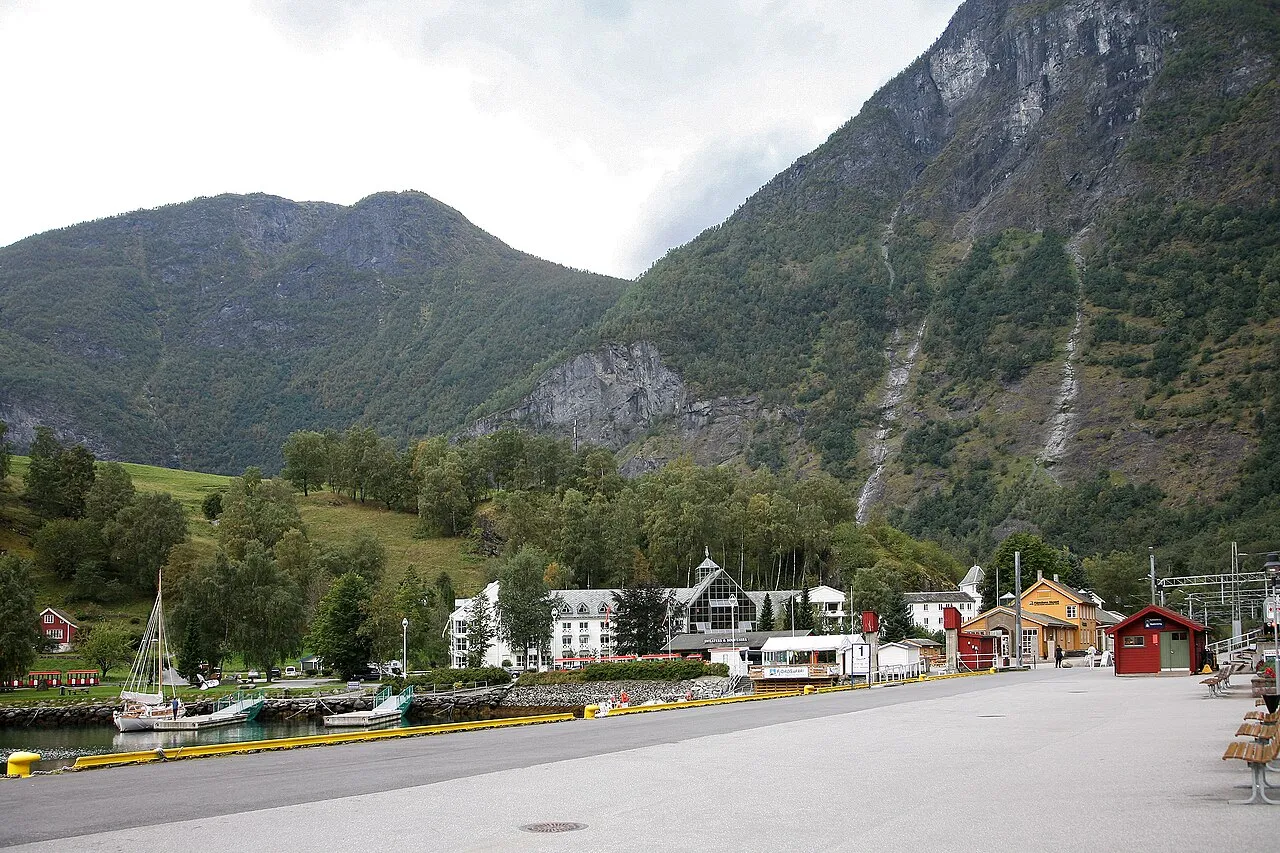
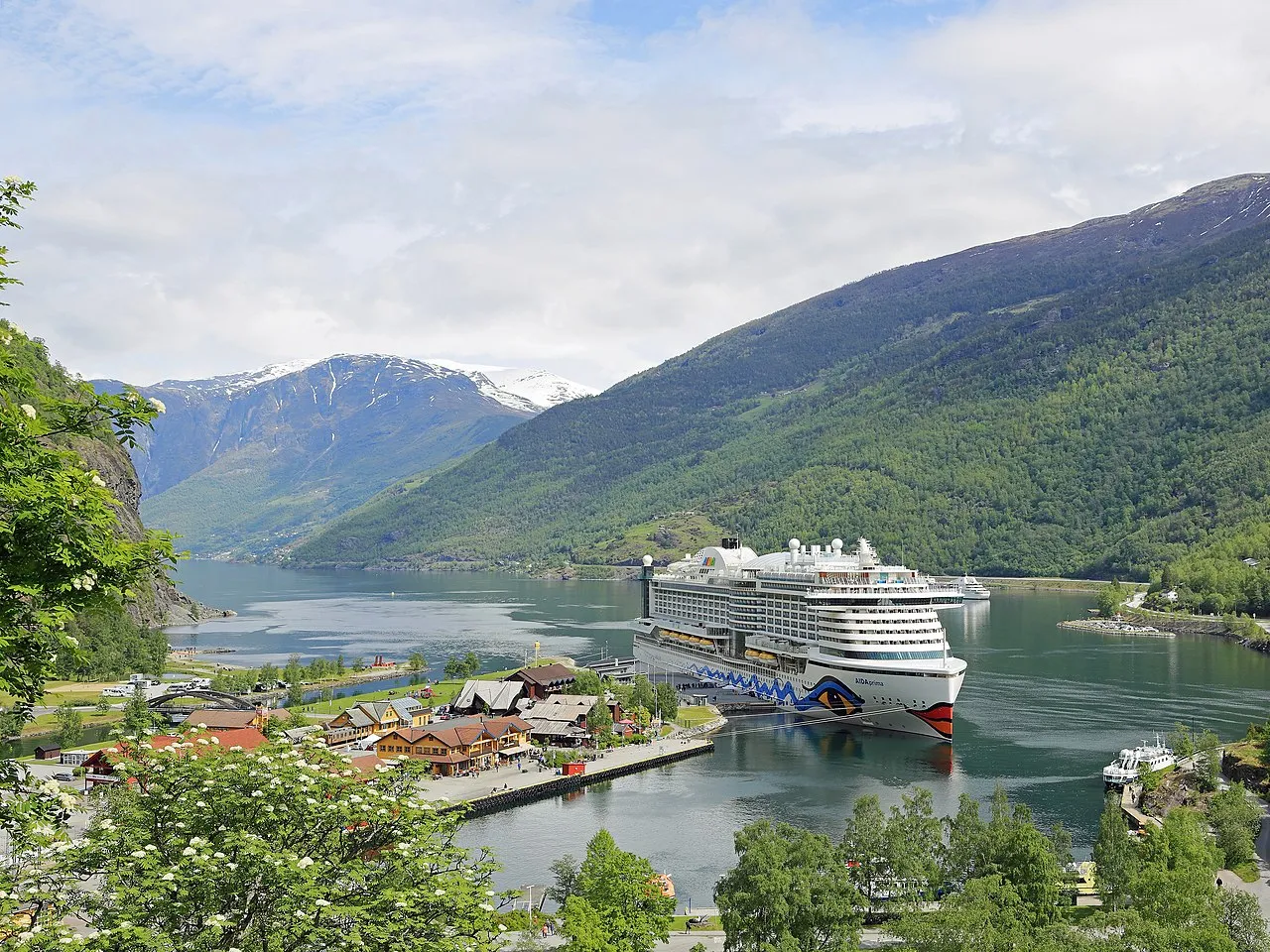
I stepped off the ship into a silence so vast it seemed to have weight. The Aurlandsfjord lay before me like a sheet of polished steel, reflecting mountains so tall and so green that the reflection and the reality blurred into one continuous world of rock and water and sky. The air was cold against my face — not the biting cold of winter but the clean, sharp cold of glacial meltwater carried on a breeze that smelled of pine needles and wet stone. My wife stood beside me on the pier, and for a long moment neither of us spoke. We had sailed through the night from Bergen, threading narrow passages between islands while we slept, and now we had arrived at the innermost reach of Norway's longest fjord, at a village so small it seemed almost imaginary.
Flam is home to four hundred people. On this July morning, two cruise ships had delivered five thousand visitors to their doorstep. The mathematics should have been crushing — yet the village absorbed us with a quiet grace that spoke of long practice and deep patience. Everyone scattered almost immediately: some toward the railway station, others toward the fjord cruise dock, a few toward the hiking trails that wound up the valley walls. Within twenty minutes the pier felt almost empty, and I could hear the sound of the Flamselvi river rushing beneath the bridge, clear and cold and ancient.
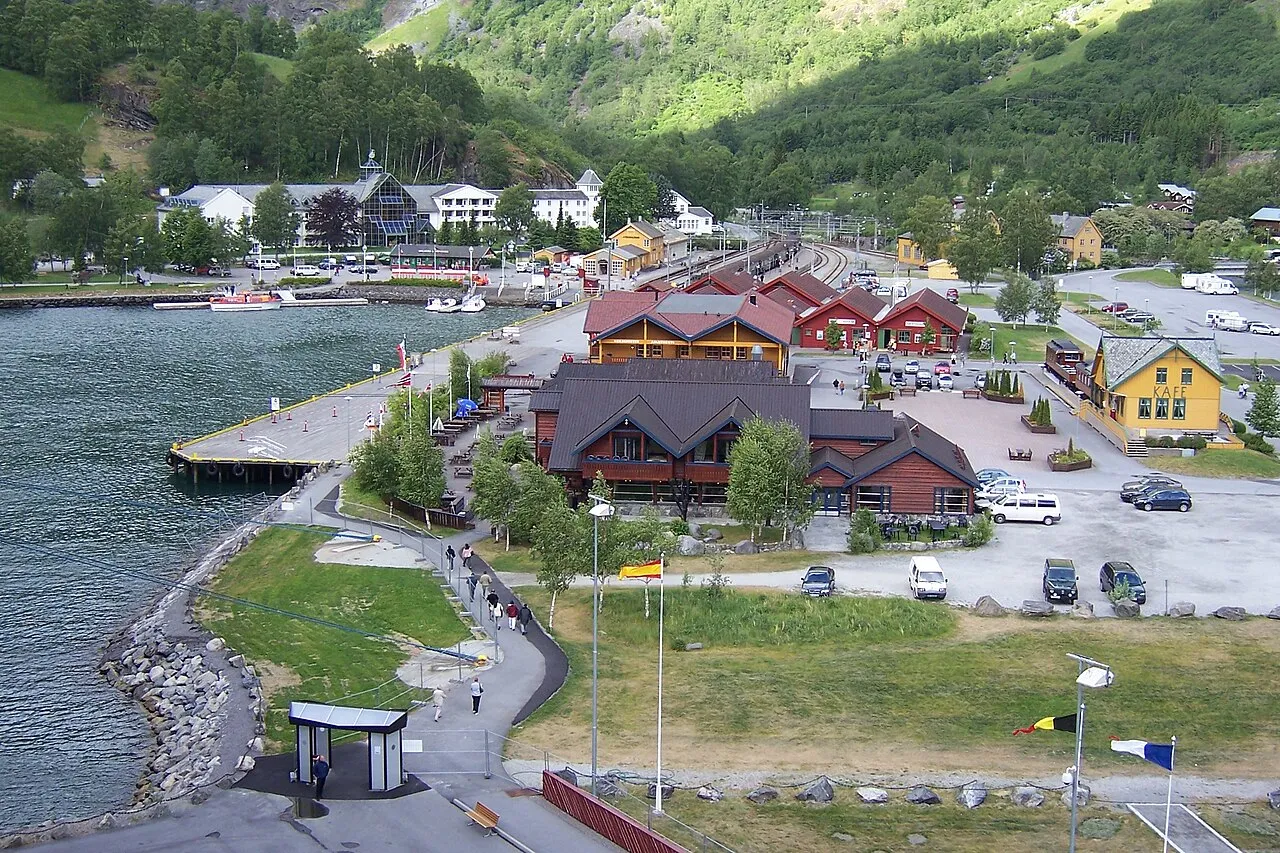
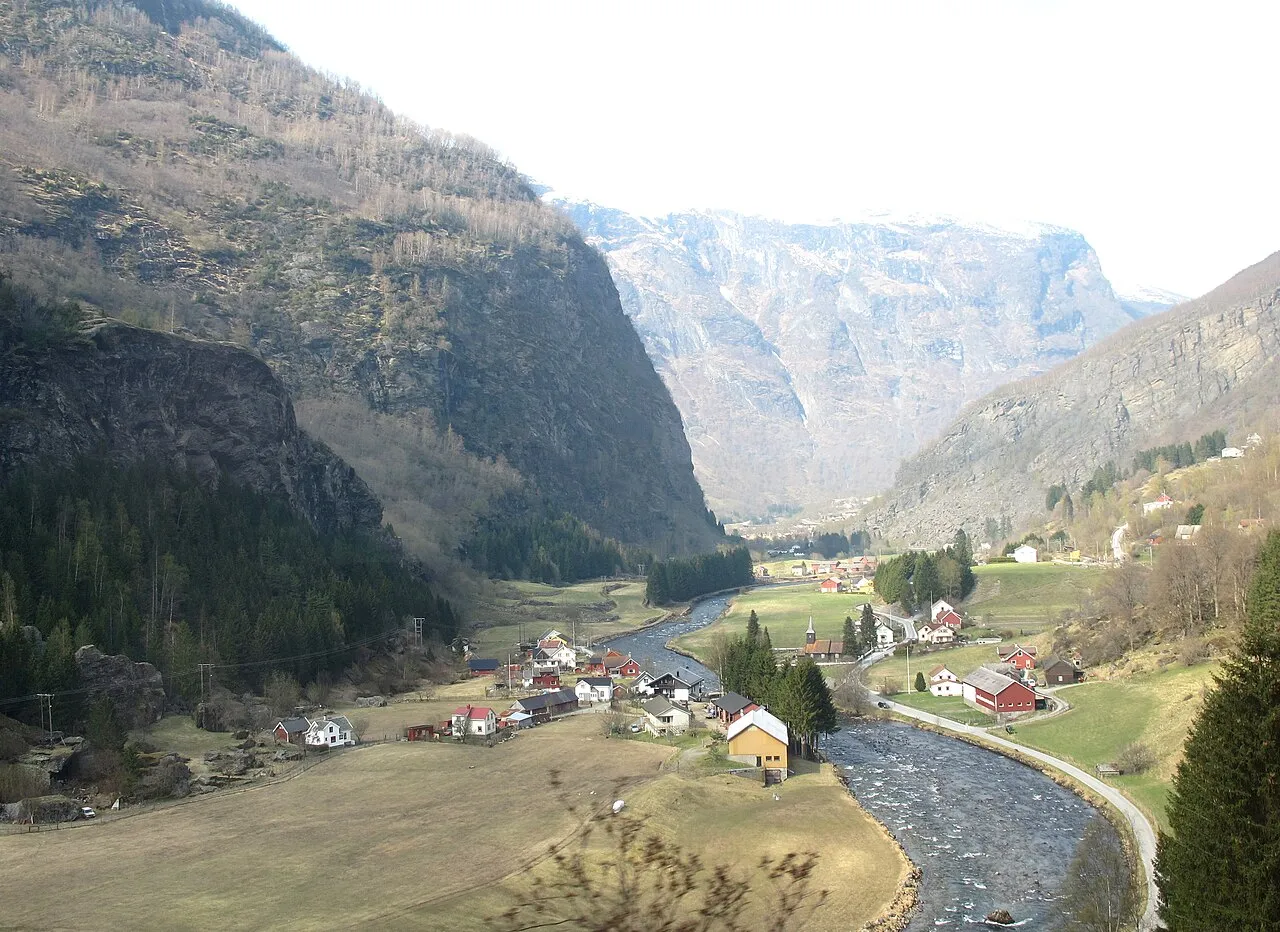
We walked to the Flam Railway station — a distance of perhaps two minutes from the pier, though I made it last longer by stopping to stare at the mountains. The Flamsbana is what brings most people here, and standing on the platform I understood why without needing explanation. One of the world's steepest standard-gauge railways, this extraordinary line covers just twenty kilometers but climbs from sea level to 867 meters at Myrdal station. The gradient reaches 5.5 percent for most of the journey, which sounds modest on paper until you are on the train watching the valley floor fall away beneath you at angles that seem to challenge the fundamental principles of railway engineering.
The train pulled out slowly, and the first thing I noticed was the sound — or rather, the careful layering of sounds. The gentle clatter of wheels on rails. The creak of the carriage as it leaned into curves. And beneath it all, growing louder as we climbed, the roar of water. Waterfalls appeared everywhere: thin silver threads dropping from ledges so high I had to press my face against the glass and crane my neck to see their origins, and then wider, more violent cascades that threw mist across the tracks and made the windows weep. My wife squeezed my hand. "I have never seen anything like this," she said quietly. I had not either.
The railway took twenty years to build — from 1924 to 1940 — and riding it, I understood why. Twenty tunnels pierce these mountains, most of them hand-carved through solid granite by workers who must have possessed both extraordinary skill and extraordinary courage. One tunnel spirals completely around inside the mountain, gaining elevation in a 180-degree turn that I barely noticed until the view from my window suddenly showed me where I had been two minutes earlier, hundreds of feet below. I thought about those workers — men whose names I would never know, who spent years chiselling through rock in darkness so that strangers nearly a century later could gasp at waterfalls from comfortable seats. Something about that generosity across time moved me in a way I had not expected.
The train stopped at Kjosfossen waterfall, and everyone piled out onto the viewing platform. The cascade was immense — a torrent of white water plunging down the mountainside with the kind of raw, indifferent power that makes you instinctively step back. The mist reached us where we stood, cool droplets settling on my skin and my camera lens. Then something unexpected happened: music began to echo off the rocks, haunting and strange, and a woman in flowing red appeared on the boulders beside the falls. She danced — fluid, otherworldly movements — before vanishing into the spray. A huldra, the other passengers whispered. The Norwegian folklore spirit of wild places. I stood there watching, my breath caught in my chest, and for a moment the boundary between myth and mountain dissolved completely. It was theatrical, yes, but it was also something more — a reminder that these landscapes carry stories older than any railway, older than any nation, stories woven into the rock itself.
At Myrdal the air was thin and cold, the plateau wrapped in alpine stillness so different from the lush valley below that it felt like stepping onto a different continent. I walked to the edge of the platform and looked out across a landscape of grey stone and low scrub and distant snow, and I felt something shift inside me — a quiet recognition of my own smallness against the vastness of geological time. The mountains around me were millions of years old. The railway was less than a century. I was forty-seven. The proportions were humbling, and yet standing there I did not feel diminished. I felt grateful. Grateful for the health to climb these heights, for my wife waiting on the platform behind me, for the simple, extraordinary gift of being alive in a world that could produce places like this.
We took the return train back to Flam and spent the afternoon wandering the village. The Flam Railway Museum sits near the station, free to enter, and I lingered there longer than I expected — studying archival photographs of workers suspended on ropes against sheer cliff faces, drilling holes for dynamite by hand, their expressions calm and focused in the way of people who understand that the work they are doing matters beyond themselves. My wife found me staring at one photograph for a long time: a young man in work clothes, standing at the mouth of a half-finished tunnel, his hands on his hips, looking at the camera with what I could only describe as quiet pride. I wondered who he was. Whether he lived to see the first train run. Whether anyone remembered his name.
Later we took the bus to Stegastein viewpoint — a platform that juts thirty meters out over the Aurlandsfjord, 650 meters above the water. Standing on the glass floor with nothing but air between my feet and the fjord far below produced a sensation I can only describe as exhilarating terror. But the view was worth every racing heartbeat: the fjord stretched away like a silver ribbon between mountains that rose without preamble from the water's edge, and in the silence up there I became aware of my own breathing, my own heartbeat, the sound of wind moving across stone. My wife stood beside me and reached for my hand. "Thank you for bringing me here," she whispered. I couldn't speak. The beauty had filled me up completely, leaving no room for words.
We returned to the village as the afternoon light began to soften, turning the mountains from green to gold. I tasted Norwegian waffles with brunost — the brown cheese that sounds dubious in description but proves extraordinary in practice, sweet and caramel-like against the crisp, heart-shaped waffle. The flavor was warm and comforting, like something from a childhood I never had but somehow remembered. We sat on a bench by the water and watched the fjord turn to amber in the evening light, and I thought about what this place had taught me.
Looking back, I realize that what moved me most about Flam was not the grand spectacle — though the waterfalls and the railway and the viewpoint were magnificent. What stayed with me was the quiet: the sound of water rushing beneath a bridge, the cold touch of mist on my face at Kjosfossen, the taste of brunost dissolving on my tongue, the sight of my wife's face lit by golden light reflected off the fjord. Flam taught me that the finest places are not those that shout for attention but those that whisper — and that the deepest beauty is often found in the smallest moments, if only we are still enough to notice. We sailed from the Aurlandsfjord that evening as the sun settled behind the peaks, and I whispered a prayer of gratitude for a day that had given us more than we had any right to expect.
Weather & Best Time to Visit
Featured Images
The Cruise Port
What you need to know before you dock.
- Terminal: Flam Cruise Port — ships dock directly at the pier in the heart of the village. The pier area is flat and wheelchair accessible with smooth surfaces suitable for guests with mobility needs. A small terminal building offers tourist information and restrooms.
- Distance to Attractions: The Flam Railway station is a 2-minute walk from the pier. The village center, shops, restaurants, and fjord cruise departure point are all within 5 minutes on foot. Everything important is within easy walking distance.
- Tender: No — most ships dock directly at the pier. On rare occasions when multiple large ships visit simultaneously, some may anchor and tender ashore.
- Currency: Norwegian Krone (NOK); credit and debit cards are accepted virtually everywhere in Norway, even for small purchases. ATMs available in the village.
- Language: Norwegian (English is spoken fluently by nearly everyone)
- Best Season: May through September for cruise calls; June and July offer the longest daylight hours and warmest temperatures
- Time Zone: Central European Time (CET/CEST)
Getting Around
Transportation tips for cruise visitors.
- Walking: Flam village is tiny and entirely walkable. The pier, railway station, marina, museum, restaurants, and shops are all within a five-minute walk of each other on flat, paved paths. The village center is accessible for wheelchair users and guests with limited mobility, with level terrain along the waterfront. The main challenge is the surrounding terrain — mountains rise steeply on all sides, so anything beyond the village floor requires transport.
- Flam Railway (Flamsbana): The primary transport and attraction combined. Trains depart from the station steps from the pier and climb to Myrdal (867m) in about one hour. Cost is approximately NOK 730 ($70) return. Book ahead during peak season as trains fill quickly. The railway is the most popular activity and your best way to experience the mountain scenery. Trains are accessible for wheelchair users with advance notice to the station.
- Local Buses: Regular bus services connect Flam to Stegastein viewpoint (about 20 minutes), Aurland village (10 minutes), and other destinations along the Aurlandsfjord. Fares are reasonable by Norwegian standards, typically NOK 60-100 per trip. Buses depart near the pier.
- Fjord Cruises: Boats depart from Flam Marina (3 minutes' walk from pier) for the UNESCO-listed Naeroyfjord. The two-hour cruise costs approximately NOK 600-800 ($55-75) per person. This is one of the finest fjord experiences in Norway and well worth the cost.
- Car Rental: Available in the village for those who want to explore independently. The scenic roads to Stegastein and through the Laerdal Tunnel offer freedom to stop at viewpoints. Drive on the right side. Norwegian mountain roads are well-maintained but narrow with sharp switchbacks.
- Cycling: Several operators offer bike rental and shuttle service to Myrdal, allowing a thrilling 20-kilometer downhill ride back to Flam. Cost is approximately NOK 500-700 ($45-65). Moderate fitness required. Helmets provided.
Flam Area Map
Interactive map showing the cruise pier, Flam Railway station, Stegastein viewpoint, Naeroyfjord cruise departure, and major attractions. Click any marker for details and directions.
Tap markers to explore Flam and surrounding attractions
Excursions & Activities
How to spend your time ashore. For the Flam Railway and Naeroyfjord cruises, book ahead during peak season (June-August) to secure your preferred departure time. Many visitors explore independent of the ship excursion options for flexibility and cost savings, though a ship excursion offers guaranteed return to the vessel before departure.
Flamsbana Railway
The Flam Railway is the headline attraction and with good reason — National Geographic named it one of the world's greatest train journeys. The round trip to Myrdal takes about two hours and climbs 867 meters through twenty tunnels, past thundering waterfalls, and across mountain plateaus. The train stops at Kjosfossen waterfall for photographs. Cost is approximately NOK 730 ($70) return per adult. Sit on the left side going up for the best waterfall views, though both sides offer spectacular scenery. Book ahead — the morning departures fill first and offer the best light for photography. The train is wheelchair accessible with advance arrangement.
Naeroyfjord Cruise (UNESCO World Heritage)
A two-hour fjord cruise from Flam Marina into the Naeroyfjord, one of the narrowest and most dramatic branches of Sognefjord. The fjord narrows to just 250 meters between sheer cliff walls rising hundreds of meters from the water. Waterfalls cascade down rock faces, and tiny farms cling to impossible green ledges. Cost is approximately NOK 600-800 ($55-75) per person. This can be combined with the railway in a full-day "Norway in a Nutshell" itinerary. Dress warmly — the fjord channels cool air even in summer.
Stegastein Viewpoint
A cantilevered viewing platform jutting thirty meters over the Aurlandsfjord, 650 meters above the water. The glass floor offers vertiginous views straight down to the fjord surface. Free entry; bus fare from Flam costs approximately NOK 80-120 ($8-11) each way. Budget two to three hours for the round trip including time at the viewpoint. The access path to the platform is paved and manageable for most visitors, though the final section involves a slight incline.
Flam Village & Railway Museum
The Flam Railway Museum near the station documents the twenty-year construction of the line with photographs, tools, and archival materials. Admission is free. The Aegir Brewpub, shaped like a Viking longhouse, serves local craft beverages and hearty Norwegian food in a warm, atmospheric setting. A simple lunch here costs $30-40. Allow one to two hours for museum and village exploration.
Cycling Myrdal to Flam
For active travelers, several companies offer a shuttle to Myrdal and bike rental for the exhilarating twenty-kilometer descent back to Flam — through tunnels, past waterfalls, with the valley opening below you. Cost is approximately NOK 500-700 ($45-65) including equipment. Moderate fitness and cycling experience required. Helmets and safety briefing provided. This is a memorable alternative to the return train journey.
Kayaking the Aurlandsfjord
Guided kayak tours depart from Flam and offer a water-level perspective on the fjord scenery. Paddle beneath towering cliffs, past waterfalls, in profound silence broken only by your paddle strokes and birdsong. Cost is approximately NOK 600-900 ($55-85) for a half-day guided tour. No prior experience necessary. Moderate walking activity level. A ship excursion version may be available; independent booking gives more flexibility with timing.
Depth Soundings Ashore
Lessons learned the hard way.
- Railway Tickets: Book the Flamsbana the moment your cruise is confirmed. Morning departures sell out first, and the early trains offer the best light on the waterfalls. The cost is approximately NOK 730 ($70) return — expensive, but worth every krone for what is genuinely one of the world's great railway journeys.
- Norwegian Prices: Norway is extraordinarily expensive. A simple lunch costs $30-40 USD. Coffee runs $6-8. Budget accordingly, or eat a substantial breakfast on the ship before heading ashore. Cards are accepted everywhere — you rarely need cash.
- Layer Up: Weather in the fjords changes rapidly. The village may be warm and sunny while Myrdal at 867 meters is cold and windswept. Bring a waterproof jacket and warm layer even on fine days. The Kjosfossen waterfall stop will spray you with mist.
- Combining Railway and Stegastein: Both are possible in one day, but it requires planning. Take the earliest train, return by mid-morning, then bus to Stegastein. Or do Stegastein first and catch an afternoon train. Trying to do both plus a fjord cruise in one port call is unrealistic.
- Brunost: Try Norwegian waffles with brunost (brown cheese). The caramel-sweet cheese against the crispy waffle sounds strange but tastes remarkable. Add cloudberry jam if available — the tart golden berries elevate the entire experience. Approximately NOK 100-150 ($10-15).
- Crowds: When multiple cruise ships are in port, the railway and village can feel busy. Walking even a short distance along the fjord path takes you away from the crowds entirely. The best views are often the quietest ones.
- Accessibility: The village center and pier are flat and accessible for wheelchair users and guests with mobility challenges. The railway accommodates wheelchair users with advance notice. Stegastein has a paved path to the platform. The fjord cruises are accessible with assistance.
Photo Collection
Frequently Asked Questions
Q: How do I book the Flam Railway?
A: Book online at visitflam.com as soon as your cruise is confirmed. Ship excursions include guaranteed tickets but cost more. Independent booking saves money if you are comfortable managing your own time. The cost is approximately NOK 730 ($70) return.
Q: Will rain ruin my Flam port day?
A: Absolutely not. Waterfalls become more dramatic in the rain, mist adds mystery to the fjord, and the railway runs regardless of weather. Pack waterproofs and layers. Some of the most atmospheric photographs come from grey, moody days. The live weather widget in the seasonal panel above is the primary source for short-term forecasts on a specific sailing date.
Q: Can I do both the railway and Stegastein in one port call?
A: Yes, but planning is essential. Take an early train, return mid-morning, then bus to Stegastein. Or visit Stegastein first thing and catch an afternoon train. Both are achievable if you start early and manage your time carefully.
Q: How expensive is Norway?
A: Very. A simple lunch costs $30-40 USD. Coffee is $6-8. The railway is approximately $70 return. Budget accordingly, or eat a substantial breakfast on the ship before going ashore. Credit cards are accepted virtually everywhere.
Q: Is Flam accessible for visitors with limited mobility?
A: The village center is flat and fully walkable. The pier and waterfront paths are smooth and wheelchair accessible. The Flam Railway can accommodate wheelchair users with advance notice to the station. Fjord cruise boats are accessible with crew assistance. Stegastein viewpoint has a paved access path.
Q: What should I pack for a day in Flam?
A: Layers are essential — the valley floor may be warm while Myrdal at 867 meters is cold. Bring a waterproof jacket, comfortable walking shoes, sunscreen, and a camera. The Kjosfossen waterfall stop will spray mist, so protect electronics.
Q: When is the best time to visit Flam?
A: The Norwegian fjord cruise season runs May-September. June-August offers the warmest weather, the longest daylight (midnight sun is far enough north to be relevant), and the most reliable Flam Railway and fjord-cruise operations. May and September are the transitional months with thinner crowds. Winter cruise calls are rare — heavy snow shuts much of the upper valley. The live weather widget in the seasonal panel above is the primary source for short-term conditions on a specific sailing date.
Q: When is Flam's storm season?
A: Flam sits at ~60°N in the Aurland fjord — outside the tropical-cyclone tracks. The relevant heavy-weather pattern is North Atlantic winter storms (Oct-Mar) which can bring snow, wind, and rough seas in the outer fjords; the cruise season largely avoids this window. Summer is dominated by fast-moving rain systems off the Atlantic, but these are typically passing showers rather than disruptive storms. Heavy snow at higher elevations (Myrdal at 867m) can affect the upper railway sections during the spring and autumn transitions. The live weather widget in the seasonal panel above is the primary source for current conditions on a specific sailing date.
Last reviewed: February 2026
Flam: Where Mountains Touch Heaven and Railways Defy Gravity
Author's Note: Until I have sailed this port myself, these notes are soundings in another's wake — helpful for planning, and marked for revision once I've logged my own steps ashore.