
Photo: Wikimedia Commons
My Logbook: Where Texas Meets Caribbean Dreams
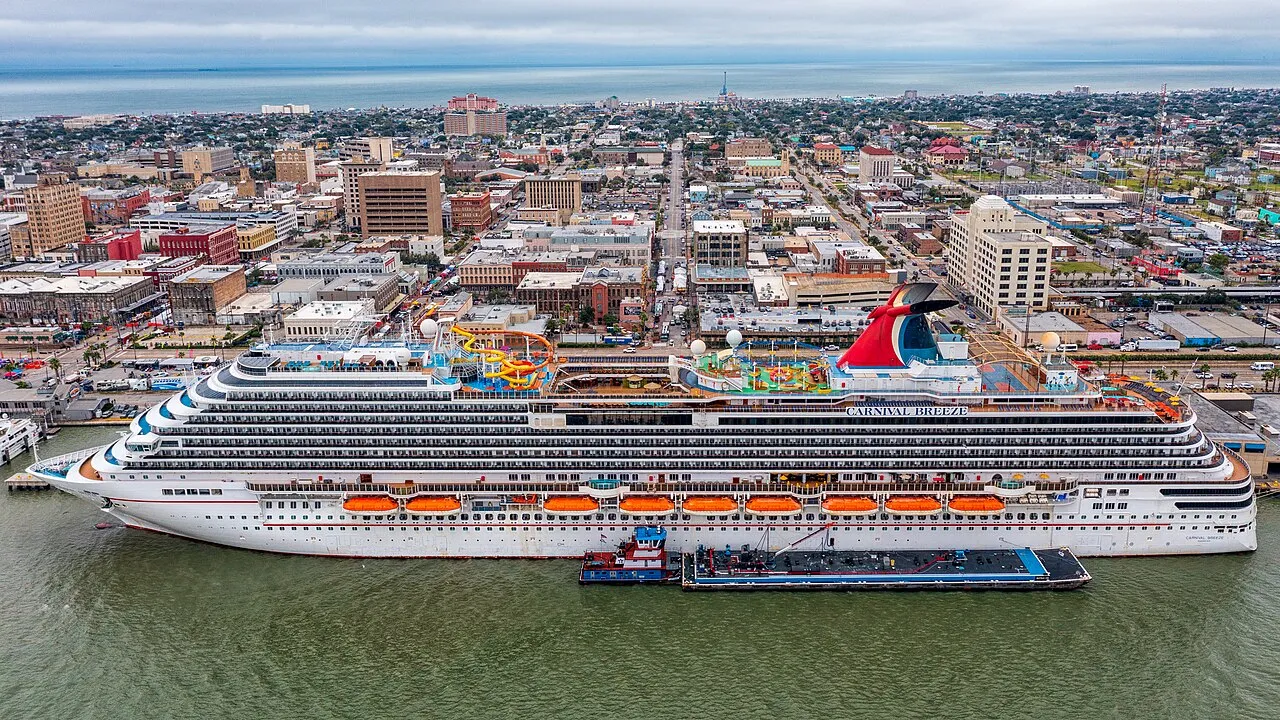
I've sailed from many ports, but Galveston holds a special place in my logbook — this is where the Gulf Coast meets Caribbean dreams without the need to fly east. The oldest cruise port on the Gulf of Mexico, established in 1825, Galveston has welcomed ships for two centuries. Today it's the fourth busiest cruise port in America, handling over a million passengers annually. For Texans and anyone in the central US, this is home waters — the obvious choice for Western Caribbean cruising.
What strikes me most is this island's resilience. I walk the Strand District — a National Historic Landmark lined with Victorian iron-front buildings — and I'm reminded that this place once rivaled New York in wealth and grandeur. Before the Great Storm of 1900, Galveston was the second richest city per capita in America, the "Wall Street of the South," where cotton kings and shipping barons built empires. Grand Victorian mansions lined Broadway Boulevard. European immigrants first stepped onto American soil here. Then came September 8, 1900 — the deadliest natural disaster in American history.
The hurricane struck without warning, killing between 6,000 and 8,000 souls when the Gulf simply rose up and swallowed the island. Entire neighborhoods vanished. Bodies were found weeks later, miles inland. The storm destroyed the wealthiest city in Texas in a single night. But here's what moves me: they rebuilt. Not just rebuilt — they engineered a miracle. Over the next decade, they constructed a massive 10-mile seawall, 17 feet high, and then raised the entire city behind it. Using hydraulic jacks and thousands of railcars filled with sand pumped from the Gulf floor, they lifted over 2,100 buildings — some while people still lived and worked inside them.
That seawall still stands today, and I walk it often, thinking about the sheer determination it represents. The engineering feat of raising an entire city seems impossible, yet they did it — and Galveston has weathered every storm since. Hurricane Ike in 2008 tested those defenses, and while damage was significant, the seawall held. Walking along its 10-mile length, watching the Gulf waves break against the granite blocks, I feel connected to generations who refused to surrender this island to the sea.
Three major cruise lines operate from Galveston's two terminals today, sailing to Cozumel, Costa Maya, Roatán, and the Western Caribbean. Royal Caribbean, Carnival, and Disney all call this port home. The $156 million Pier 16 terminal opened in 2025, designed to handle Royal Caribbean's Oasis-class ships and accommodate over 1.5 million annual passengers. Houston's airports are about an hour away, making logistics straightforward for cruisers arriving by air.
The Strand District is where I always begin my pre-cruise exploration. These 19th-century Victorian iron-front commercial buildings — once the offices of cotton brokers and shipping magnates — now house restaurants, galleries, and antique shops. It's Texas's largest collection of iron-front commercial architecture, and walking these streets is walking where fortunes were made in the 1880s. I stop at Maceo Spice & Import, where the aroma of roasting coffee and fresh-pressed Cuban sandwiches has filled the air since 1946. The taste of their hand-pressed Cuban is savory perfection — roast pork, ham, mustard, and pickles on crusty bread.
The Moody family has shaped much of what Galveston became after 1900. Their legacy lives on in Moody Gardens — those distinctive glass pyramids housing an aquarium, rainforest, and discovery center — and the Moody Foundation, which has poured resources into preserving the island's history. When I visit the gardens or walk past the restored Historic Strand, I'm walking through living history funded by those who believed this island deserved a second chapter. That belief paid off — Galveston thrives today as both a historic treasure and a modern cruise gateway.
For cruisers flying in, I always recommend arriving a day early. Houston's traffic is notoriously unpredictable, and the last thing you want is to be sitting on I-45 watching your departure time approach. Beyond logistics, Galveston rewards those who linger. The island has a rhythm — breakfast at Mosquito Cafe, midday exploring the Strand's antique shops, afternoon on the Seawall watching pelicans dive for Gulf mullet, evening at Gaido's for shrimp that was swimming that morning. There's magic in slowing down before you sail, letting the island's history and hospitality wash over you. When I finally board my ship, I carry that Texas warmth with me into the Caribbean.
What Galveston taught me is that resilience isn't about avoiding catastrophe—it's about what you do after. I learned that a city can lose everything and choose to rebuild anyway, that iron facades and family restaurants and stubborn determination can outlast any storm. Looking back, I realized that Galveston's story mirrors something essential about the human spirit: we're not defined by what knocks us down but by whether we stand back up. Every cruise that sails from this port is, in its way, a celebration of that refusal to surrender.
Weather & Best Time to Visit
The Cruise Port
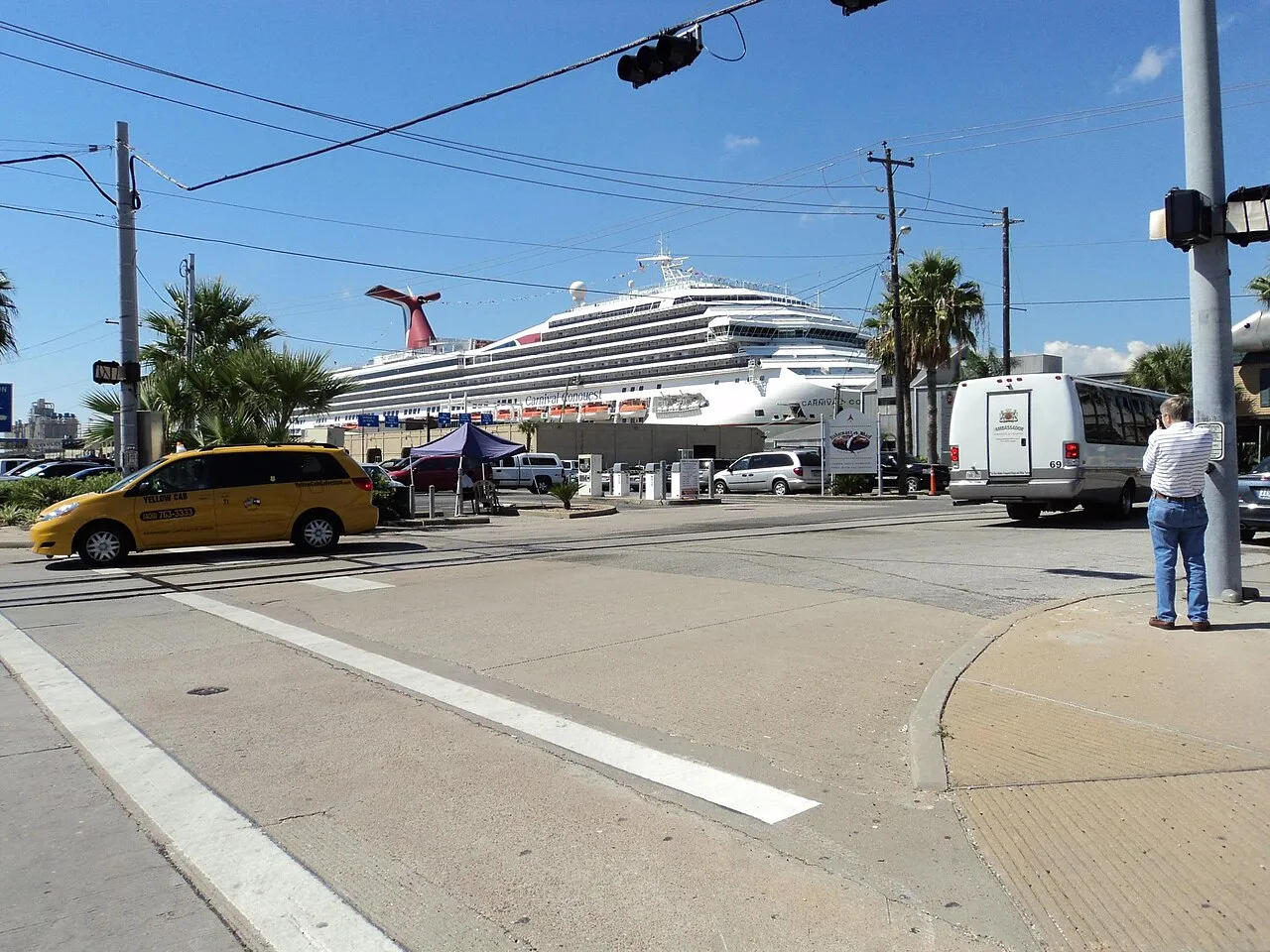
The Port of Galveston operates two cruise terminals: Pier 25 (original terminal) and the new $156 million Pier 16 facility that opened in 2025. Together they handle over one million passengers annually — the fourth busiest cruise port in America. Royal Caribbean, Carnival, and Disney all operate from Galveston, sailing primarily to Western Caribbean destinations including Cozumel, Costa Maya, Roatán, and Belize.
Both terminals are wheelchair accessible with modern facilities, air conditioning, and efficient check-in processes. Terminal address is 2502 Harborside Drive — check your cruise documents for specific terminal assignment. Embarkation typically runs 11am-3pm. Drop luggage with porters curbside before parking. Currency is US dollars throughout, and the port area offers restrooms, information desks, and basic amenities.
Getting Around
- From Houston Hobby Airport (HOU): 60 minutes via I-45 South. More convenient for cruise passengers than IAH. Uber/Lyft runs $55-70. Shuttle services available.
- From Houston Intercontinental (IAH): 75-90 minutes via I-45 South. Uber/Lyft runs $65-85. Allow extra time during Houston rush hours.
- From Downtown Houston: 50-60 minutes via I-45 South. Traffic can be unpredictable — leave early.
- Port Parking ($10-20/day): On-site covered and uncovered lots available. Reserve in advance during peak season. Covered parking worth the extra cost to protect from Texas sun — exposed car interiors can reach dangerous temperatures.
- Off-Site Parking: Several third-party lots offer shuttle service at lower rates. Verify shuttle frequency before booking.
- Galveston Island Trolley: Historic rail trolley runs along the Seawall and through the Strand District — nostalgic and practical for sightseeing.
- Walking: The Strand District is compact and walkable. Seawall stretches 10 miles for walking, biking, or rollerblading along the Gulf.
- Bike Rentals: Several shops rent beach cruisers for Seawall exploration. Great way to cover distance while enjoying Gulf breezes.
- Ride-Share: Uber and Lyft operate throughout the island. Surge pricing possible during cruise embarkation days. Most rides within Galveston run $10-20.
- Taxi Service: Traditional taxis available at terminals and major hotels. Rates are metered; expect $15-25 to most island destinations.
Galveston Area Map
Interactive map showing cruise terminals, The Strand District, Seawall beaches, and Moody Gardens. Click any marker for details.
Beaches & Beach Clubs
Galveston's beaches line the Gulf of Mexico, protected by the historic Seawall:
- Stewart Beach: Family-friendly beach with lifeguards, restrooms, concessions, and playground. $15 parking. Popular for families with children.
- East Beach: More relaxed atmosphere, allows alcohol, hosts concerts and festivals. $15 parking. Popular with younger crowds.
- Seawall Beaches: Free public access along the 10-mile Seawall. Bring your own chairs and umbrellas. Great for sunset watching.
- Galveston Island State Park: 2,000 acres of beach, bay, and wetlands. Excellent for nature lovers, birding, kayaking. $5 per person entry.
- Pleasure Pier Beach: Amusement park extends over the Gulf with rides, games, and restaurants. Beach access free; rides extra.
Note: Gulf water is warmer and calmer than Atlantic beaches but less clear. Peak beach season runs May through September.
Pre-Cruise Activities & Things to Do
Booking guidance: Most Galveston attractions don't require advance booking except during Mardi Gras season (February/March). Moody Gardens tickets available online for best prices. Walking tours of the Strand are best done independent of any ship excursion — you'll have more time to explore at your own pace.
The Strand Historic District
This National Historic Landmark is where I always begin. These 19th-century Victorian iron-front commercial buildings — once the offices of cotton brokers and shipping magnates — now house restaurants, galleries, and the best antique shopping in Texas. Walk where fortunes were made in the 1880s. Free to explore; allow 2-3 hours for a proper wander. Stop at Maceo Spice & Import for Cuban sandwiches — serving since 1946.
Moody Gardens
The Moody family's gift to Galveston — three distinctive glass pyramids housing an aquarium, rainforest, and discovery center. Also features IMAX theater, ropes course, and palm beach. A living legacy of the family that helped rebuild this island after 1900. Allow half day minimum. Book ahead for best prices through moodygardens.com.
Bishop's Palace
A stunning 1892 Victorian mansion built for lawyer Walter Gresham — one of America's most significant Victorian structures. It survived the Great Storm of 1900 when lesser buildings were swept into the Gulf. Now a museum open for tours. Allow 1-2 hours. Small admission fee.
Seawall Walk
Walk all 10 miles if you have time. This massive 17-foot barrier, built between 1902 and 1961 after the devastating 1900 hurricane, saved Galveston from future storms. Today it's beaches, restaurants, and Gulf views — but also a monument to engineering determination. Free; bike rentals available for covering more distance.
1877 Tall Ship Elissa
Iron-hulled sailing ship at the Texas Seaport Museum — one of the oldest merchant vessels still sailing. A beautiful reminder of Galveston's maritime heritage. The museum also covers the island's immigration history. Allow 1-2 hours. Small admission fee.
Pleasure Pier
Amusement park extending over the Gulf with rides, carnival games, and restaurants. Family-friendly with roller coaster, Ferris wheel, and aquarium. Good for families with children. Pay-per-ride or day passes available. No advance booking needed.
Galveston Island State Park
Over 2,000 acres of beach, bay, and coastal wetlands ideal for nature lovers. Excellent birding during migration season — over 300 species documented. Kayak and paddleboard rentals available for exploring the bay side. Entry is $5 per adult, making it one of the most affordable ways to experience the natural Texas Gulf Coast landscape. Allow half day for proper exploration.
Where to Eat & Drink
Galveston's food scene features fresh Gulf seafood and Texas hospitality:
- Maceo Spice & Import (Strand, $): Cuban sandwiches since 1946. My pre-cruise go-to in the Strand District. Cash only.
- Gaido's Seafood Restaurant (Seawall, $$): Family-owned since 1911. Famous for Gulf shrimp and pecan-crusted fish. Galveston institution.
- Sampson & Son's Seafood (Harbor, $): Fresh-off-the-boat Gulf seafood. Best during shrimp season (August-December).
- The Spot (Seawall, $): Casual beach bar with solid burgers and frozen drinks. Good sunset views.
- Mosquito Cafe (Downtown, $): Excellent breakfast and brunch. Local favorite with creative menu.
Budget tip: Gulf shrimp is freshest and cheapest during peak season (August-December). Order it any style — you won't be disappointed.
Local Notices & Current Conditions
- Hurricane Season: June through November. Most cruise disruptions are rare, but check forecasts and carry cruise insurance.
- Mardi Gras: Galveston's celebration (February/March) draws 350,000+ visitors. Plan accordingly — hotels book up months in advance.
- Texas Heat: Summer temperatures regularly exceed 95°F with high humidity. Covered parking protects your car; stay hydrated.
- Houston Traffic: I-45 can back up significantly during rush hours. Allow extra time if driving from Houston area.
Depth Soundings Ashore
Practical tips before you step off the ship.
Galveston is a barrier island on the Texas Gulf Coast, about an hour south of Houston. The atmosphere is relaxed beach town meets Victorian historic district — casual dress is appropriate everywhere. Currency is US dollars, and credit cards are accepted at all establishments. The weather is hot and humid from May through September, with afternoon storms possible. Bring sunscreen and stay hydrated.
The island is generally safe for tourists. The Strand District and Seawall area are well-patrolled and popular with families. Standard urban awareness applies in any city. The terrain is flat throughout, making it wheelchair accessible. Both cruise terminals offer full accessibility accommodations.
Cell service is excellent throughout Galveston. Free WiFi available at most hotels and restaurants. Uber and Lyft operate on the island. The historic trolley system provides nostalgic transportation along the Seawall and through the Strand District. Tipping follows standard US norms: 18-20% at restaurants, $2-3 per bag for porters.
Practical Information
- Currency: US Dollar (USD)
- Language: English, Spanish widely spoken
- Time Zone: Central Time (CST/CDT)
- Weather: Hot and humid May-September (85-100°F). Mild winter (50-70°F). Hurricane season June-November.
- Port Type: Homeport with 2 terminals
- Nearest Airports: Houston Hobby (60 min), Houston Intercontinental (75-90 min)
- Accessibility: Both terminals wheelchair accessible. Strand District and Seawall are flat and accessible.
Photo Gallery
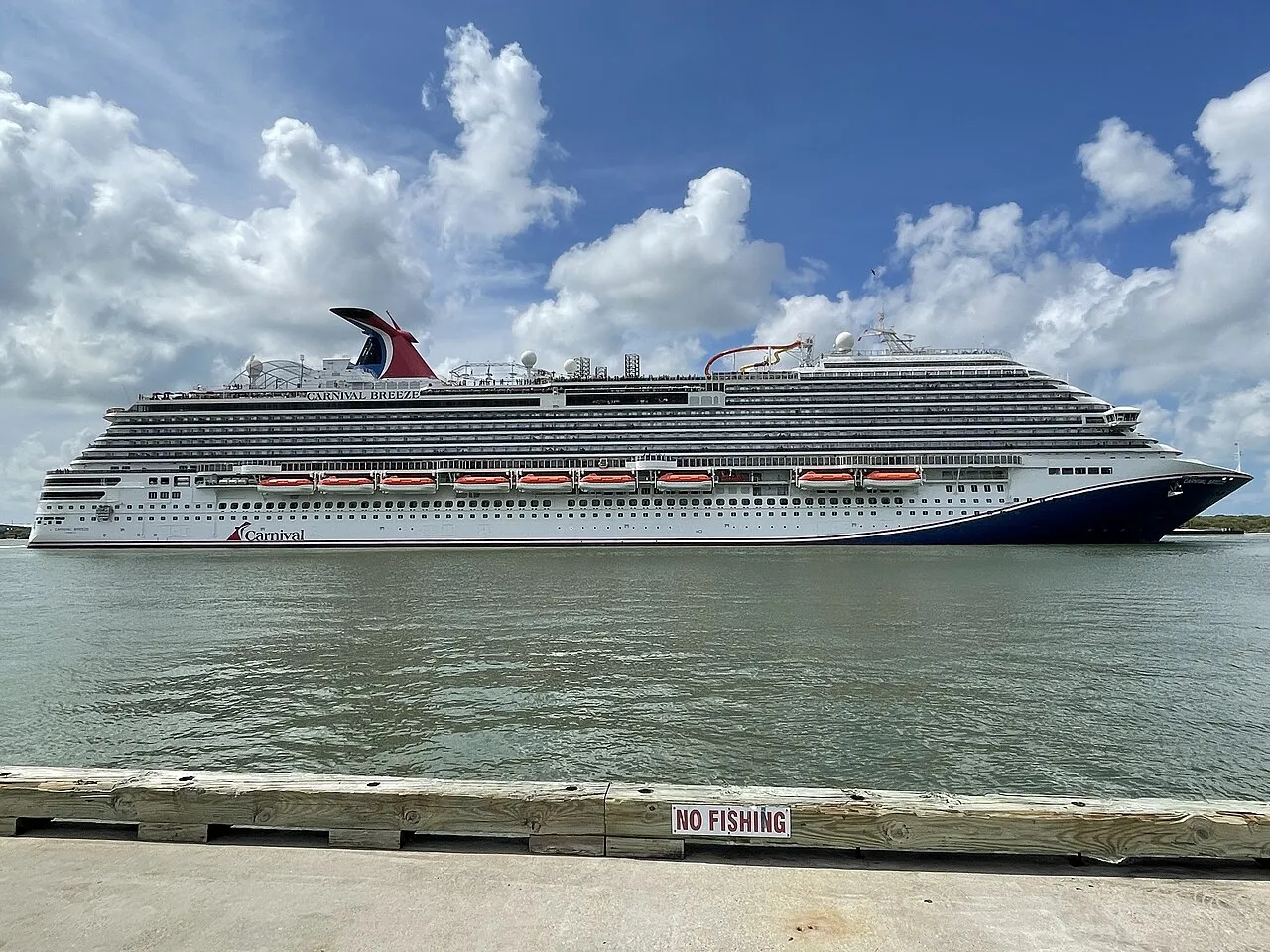
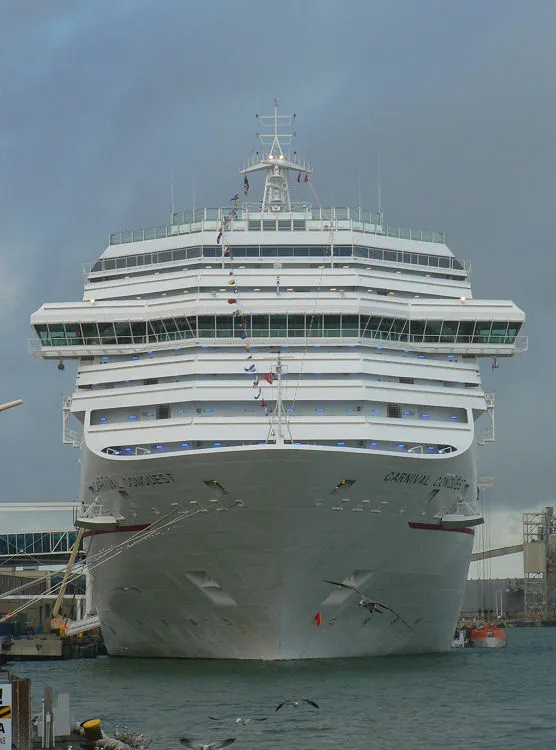
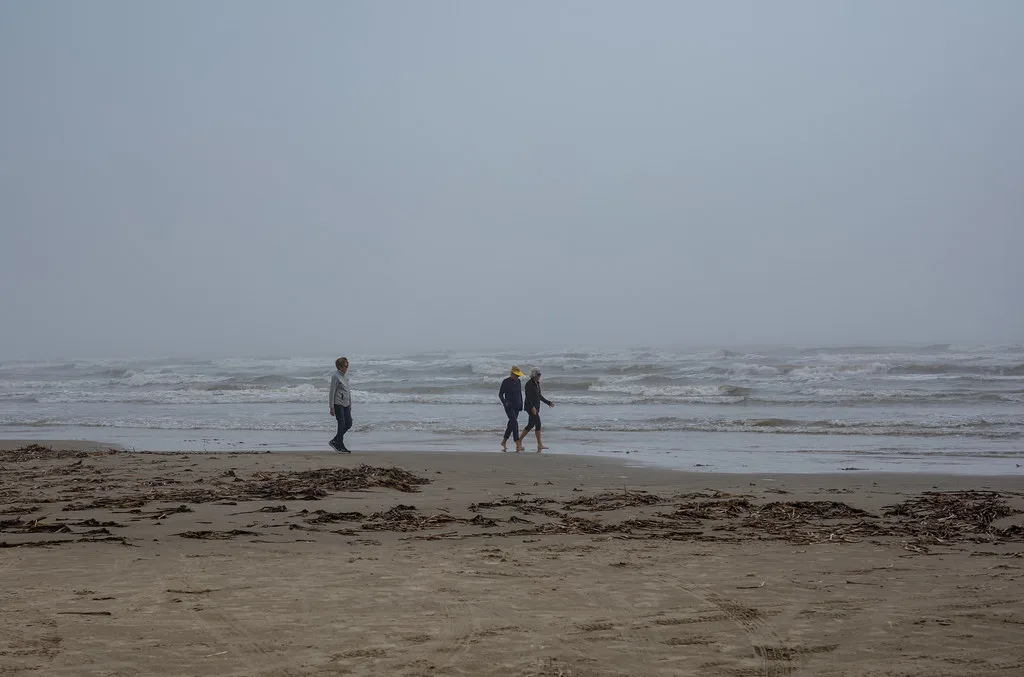
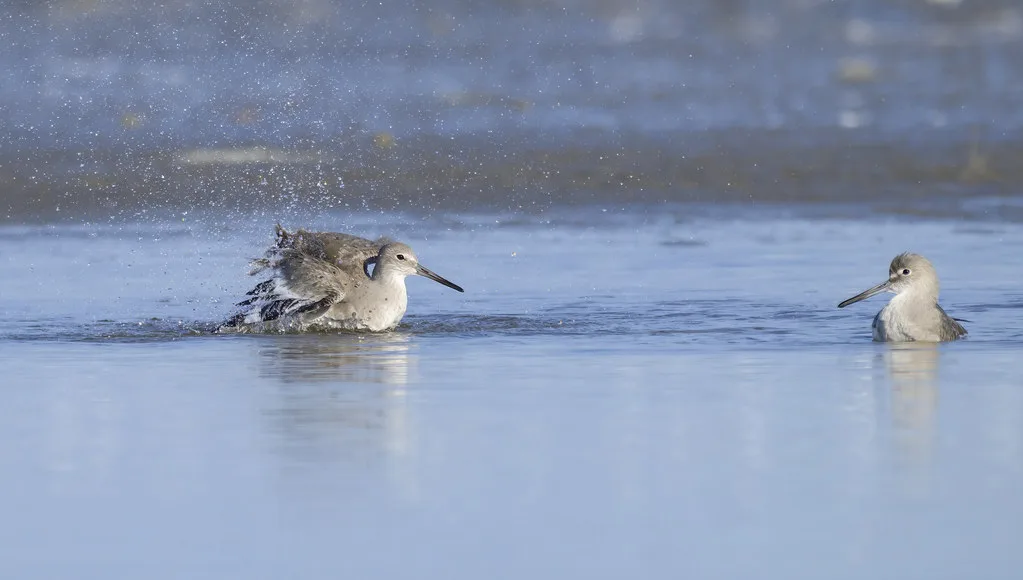
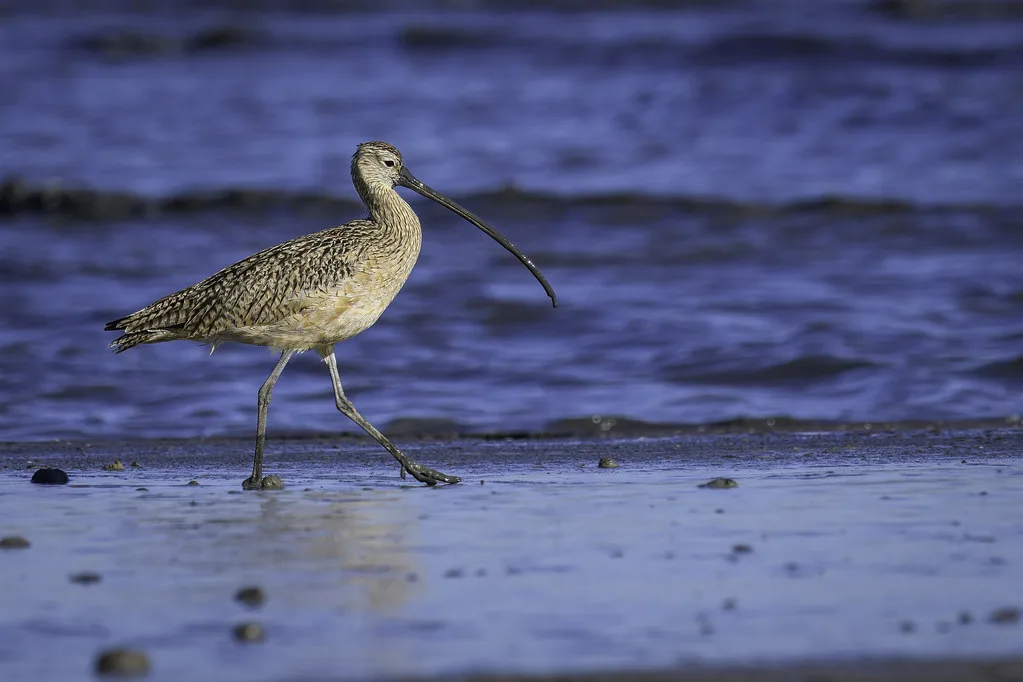
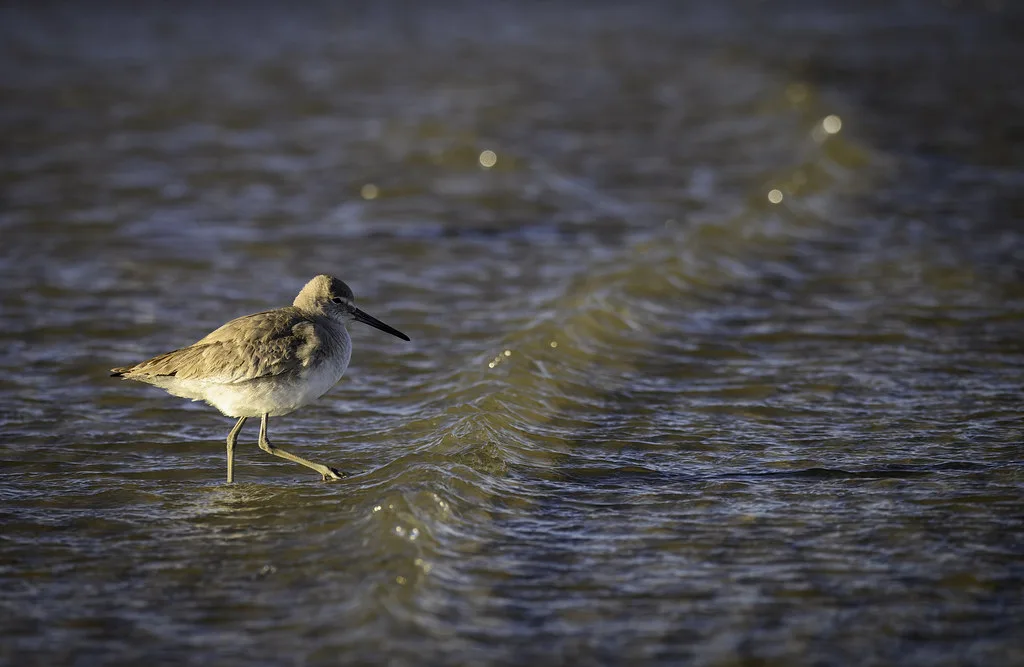
Image Credits
- strand-district.webp: Flickers of Majesty
- seawall-beach.webp: Flickers of Majesty
- moody-gardens.webp: Flickers of Majesty
- cruise-terminal.webp: Flickers of Majesty
- pleasure-pier.webp: Flickers of Majesty
All images used with permission. Photo credits link to original sources.
Frequently Asked Questions
Q: Which cruise lines sail from Galveston?
A: Royal Caribbean, Carnival, and Disney all operate from Galveston. The new $156 million Pier 16 terminal opened in 2025 to handle Royal Caribbean's largest Oasis-class ships. Ships sail primarily to Western Caribbean destinations including Cozumel, Costa Maya, Roatán, and Belize.
Q: How far is Galveston from Houston airports?
A: Houston Hobby (HOU) is about 60 minutes via I-45 South — more convenient for cruise passengers. Houston Intercontinental (IAH) is 75-90 minutes. Uber/Lyft runs $55-85 depending on which airport. Allow extra time during Houston rush hours.
Q: Should I arrive a day early in Galveston?
A: Highly recommended — the historic Strand District alone is worth a full afternoon of exploration. Houston traffic is unpredictable, and arriving early eliminates stress. Many hotels offer Park & Cruise packages that include parking for your cruise duration.
Q: Where should I park at the Galveston cruise port?
A: Port parking costs $10-20/day for covered or uncovered spots. Covered parking is worth the extra cost — Texas sun can make exposed car interiors dangerously hot. Reserve in advance during peak season through the port website. Off-site lots offer cheaper rates with shuttle service.
Q: What's the best thing to do before a cruise from Galveston?
A: Walk the Strand Historic District — those Victorian iron-front buildings survived the 1900 hurricane and house great restaurants and antique shops. Also consider Moody Gardens (half day), Bishop's Palace (1-2 hours), or a walk along the 10-mile Seawall.
Last reviewed: February 2026