


Photo: Wikimedia Commons (CC BY-SA)
Gatun Lake — The Heart of the Panama Canal
Man-Made Marvel and Wildlife Sanctuary
Last reviewed: February 2026
My Logbook: Crossing the Canal's Secret Heart
I woke before dawn on the morning of our full Panama Canal transit, pulled on shorts and a sun-faded t-shirt, and made my way to the upper deck with a paper cup of coffee that was already lukewarm. The ship had cleared the Gatun Locks an hour earlier while I slept, and now we floated on something I wasn't prepared for — an enormous freshwater lake ringed on every side by dense, dripping jungle. The air hit me like a warm wet cloth against my face. I could smell the green, that deep earthy scent of tropical forest after rain, mixed with something sweet and floral I couldn't name. My coffee went cold in my hand because I forgot it was there.
I had read about Gatun Lake before the cruise. I knew the facts: created in 1913 by damming the Chagres River, 164 square miles of flooded valley, once the largest man-made lake on Earth. However, knowing something intellectually and feeling it beneath your ship are different experiences entirely. The lake stretched in every direction, impossibly wide, and the jungle pressed right to the water's edge on both sides like green walls. Islands dotted the surface — hilltops that became islands when the valley flooded — each one its own isolated world. I leaned against the railing and just stared. I had expected an engineering marvel. I had not expected it to be beautiful.
My wife joined me a few minutes later, bleary-eyed but curious. I handed her my binoculars — the ones I almost didn't pack — and pointed toward the near shore where something was moving in the trees. She focused and gasped. A troop of howler monkeys was crashing through the canopy, their dark shapes swinging between branches maybe two hundred yards away. Then we heard them: a deep, guttural roaring that carried across the still water like distant thunder rolling through a valley. I have heard lions roar at zoos, but this was different because there were no barriers, no fences, no glass. Just open water between us and wild creatures in wild forest. The sound vibrated in my chest. My hands were shaking from the excitement, not the cold.
We spent the next hour spotting animals like children on a scavenger hunt. I counted three American crocodiles sunning on a muddy bank, their rough gray bodies blending with the earth until you noticed the teeth. A great blue heron stood motionless in the shallows, patient as a statue. Toucans — actual toucans, with those absurd candy-colored beaks — flashed between the trees. I saw my first sloth, or what I believed was a sloth: an unmoving gray lump high in a cecropia tree that the ship's naturalist confirmed through a spotting scope. My wife spotted a pair of capybaras grazing at the water's edge, enormous and unbothered, like oversized guinea pigs ignoring the cruise ship gliding past their breakfast table.
But the moment that changed this transit from interesting to unforgettable came when we passed close to Barro Colorado Island. The ship's narrator explained that this large forested island had been a Smithsonian research station since 1923 — one of the most intensively studied patches of tropical forest anywhere on Earth. Scientists had cataloged over 1,300 plant species and 380 bird species on that single island. I looked at the unbroken canopy, the research buildings barely visible through the trees, and something shifted inside me. I felt my eyes fill with tears, and I wasn't entirely sure why. Maybe it was the thought of all those scientists spending decades quietly counting species in the heat and the rain. Maybe it was knowing that this lake, born from an act of colossal engineering ambition, had accidentally created a sanctuary. Or maybe I was simply overwhelmed by the humbling scale of creation — how an artificial lake could become, in just a century, a thriving wilderness that scientists still haven't finished cataloging.
I whispered a quiet prayer of gratitude right there at the railing, my hands still gripping the binoculars. My wife squeezed my arm. Neither of us spoke for a long while after that. The ship moved on, slow and steady at eight knots, the jungle sliding past on both sides like a green curtain being drawn across a stage.
The transit through Gatun Lake took roughly two and a half hours. During that time I barely sat down. I moved from port side to starboard and back again, chasing shadows in the trees and ripples in the water. The tropical sun was brutal — I could feel it scorching through my shirt — yet I couldn't bring myself to go inside for shade. The taste of salt on my lips reminded me I was sweating through my sunscreen. Other passengers drifted in and out, snapping photos and wandering back to the buffet, but a small group of us stayed planted at the rail the entire crossing, bound together by the shared spectacle of it.
What the transit taught me is this: not every port is a place you walk. Some are places you float through, slowly, with binoculars and silence. Gatun Lake is the Panama Canal's hidden gift — the part that isn't about locks and engineering and tonnage, but about what happens when you flood a valley and then leave it alone for a hundred years. The jungle comes back. The animals multiply. The hilltops become islands and the islands become sanctuaries. I went into that canal expecting concrete and steel. I came out the other side having learned that the most impressive thing about the Panama Canal isn't what humans built. It's what nature did with it afterward.
The Cruise Port
Gatun Lake is not a traditional cruise port — your ship does not dock here, and passengers do not disembark. Instead, the lake is the central transit corridor of the Panama Canal. After ascending through the three chambers of Gatun Locks on the Atlantic side (a process that lifts your ship 85 feet above sea level), you emerge onto this vast man-made freshwater lake and sail across it for approximately two to three hours. On the far side, Pedro Miguel Lock and then Miraflores Locks lower you back to sea level for the Pacific approach. The full canal transit takes eight to ten hours, and Gatun Lake accounts for roughly a third of that journey. There is no tender, no pier, and no gangway — just open water, dense rainforest shoreline, and the steady hum of your ship's engines as you cross.
Because this is a transit experience, accessibility is straightforward: every passenger can participate from any accessible deck on the ship. Wheelchair users and those with limited mobility can view the lake and wildlife from interior observation lounges or accessible outdoor deck areas without any need to navigate ramps, cobblestones, or uneven terrain ashore. The ship's elevators connect all viewing decks. This makes the Gatun Lake crossing one of the most accessible wildlife viewing experiences available on any cruise itinerary.
Getting Around
Getting around during the Gatun Lake transit means getting around your own ship. There is no shore to visit, no taxi to hail, no bus to catch. Your cruise ship is your vehicle, your viewing platform, and your world for the duration. The key decision is where on the ship to position yourself for the best experience.
The upper open decks provide the widest panoramic views. Forward-facing areas near the bow let you see the lake stretching ahead, with islands and jungle shoreline framing the shipping channel. Midship open decks on both port and starboard sides offer views of the passing rainforest. Many passengers rotate between sides throughout the crossing. If your ship has a wraparound promenade deck, this is a low-energy option for walking the perimeter and choosing vantage points at your own pace. For those who prefer a seated experience, indoor observation lounges with large windows are comfortable and air-conditioned — a welcome retreat from the tropical heat, which is significant even at eight in the morning.
Most cruise lines provide expert narration during the canal transit, either over the ship's PA system or through a dedicated channel on cabin televisions. Holland America and Princess typically station a canal expert on the upper deck with a microphone. Norwegian and Royal Caribbean often provide commentary through the ship's broadcast system. These narrators explain the history, engineering, and wildlife of Gatun Lake as you cross. Listening to the commentary while watching the shoreline slide past gives the transit genuine educational depth. Stamina level for this experience is low — you can participate fully from a deck chair.
Excursions & Onboard Experiences
Because Gatun Lake is a transit — not a port stop — traditional shore excursions are not available during the lake crossing itself. However, most cruise lines offer a rich array of onboard programming designed specifically for the Panama Canal transit day, and some itineraries include pre- or post-transit excursion stops in Colon or Panama City where you can book independently or through the ship.
Onboard Canal Narration (included in fare): Nearly every cruise line provides live commentary during the canal transit. On Holland America, a canal historian is stationed on deck with a microphone and visual aids — included in your cruise fare, no additional booking needed. Princess Cruises offers similar narration through their "Discovery at Sea" program. The commentary covers Gatun Lake's creation, the Chagres River damming, the flooded villages beneath the water, and the wildlife on the surrounding islands. This is free and available to all passengers regardless of cabin category or mobility level.
Wildlife Spotting from Deck (free): Bring binoculars — this is the single most valuable item for the transit. From your ship's deck you can spot crocodiles ($0 cost, priceless memories), howler monkeys, sloths, toucans, herons, and capybaras along the shoreline. Some ships set up spotting scopes on the upper deck operated by naturalists. No booking required — just show up early for a good railing spot. The wildlife viewing is accessible from any deck with an exterior view, including wheelchair-accessible areas.
Ship Excursion to Gatun Locks Visitor Center ($65–$95 per person): On partial canal transit itineraries that dock in Colon, many cruise lines offer a ship excursion to the Gatun Locks observation platform. This is a popular add-on at $65–$95 per person, typically running four to five hours. Book through your ship excursion desk for guaranteed return to the vessel. The visitor center has wheelchair-accessible viewing platforms and an air-conditioned exhibition hall with a moderate stamina requirement.
Barro Colorado Island Research Tour ($80–$120 per person): On rare occasions, specialized expedition cruise lines arrange guided visits to the Smithsonian's Barro Colorado Island research station. These are limited to small groups and must be arranged months in advance through the Smithsonian Tropical Research Institute. Standard cruise lines do not offer this. If you find it available on an expedition itinerary, book ahead — spaces fill quickly and cancellations are common.
Panama City Shore Excursion ($45–$85 per person): Many canal transit itineraries include a stop at Fuerte Amador or Balboa on the Pacific side, where you can independently explore the Casco Viejo historic district, visit the Biomuseo ($22 adult admission), or take a taxi ($15–$25 one way) to the Miraflores Locks visitor center. Ship excursions to Panama City typically run $45–$85 per person and provide guaranteed return to the ship. Going independently saves money but requires careful time management — verify your all-aboard time before leaving the port area.
Photography Workshops ($25–$40 per person): Some cruise lines offer onboard photography workshops timed to the canal transit. These sessions cover wildlife photography techniques, camera settings for jungle lighting, and composition tips for shooting from a moving ship. Check your ship's daily program for scheduling and pricing, typically $25–$40 per session.
Depth Soundings: Final Thoughts
I transited Gatun Lake during a full Panama Canal crossing — these notes come from firsthand observation on deck during that passage.
Gatun Lake is the Panama Canal's quiet revelation. Everyone boards the ship expecting the locks — the dramatic rising and falling of water, the inches of clearance on either side — and they are spectacular. But the lake crossing is where the canal shows its other face: wild, green, teeming with life, and startlingly beautiful. Bring binoculars; they matter more here than anywhere else on a cruise. Wake up early. Claim a spot at the railing and stay there. The crocodiles and howler monkeys and toucans will reward your patience.
This is a low-energy, high-reward experience. You don't need to walk far, navigate a foreign city, or negotiate taxi fares. You just need to stand on your own ship's deck and look. For passengers with mobility concerns, it is among the most accessible wildlife experiences in all of cruising — every exterior deck, every observation lounge, every balcony cabin becomes a front-row seat to tropical rainforest. Pack sunscreen, pack a hat, pack water. The tropical sun at nine degrees north latitude is no joke, even on overcast days. And then just let the canal do what it does. It will show you something you didn't expect.
Photo Gallery
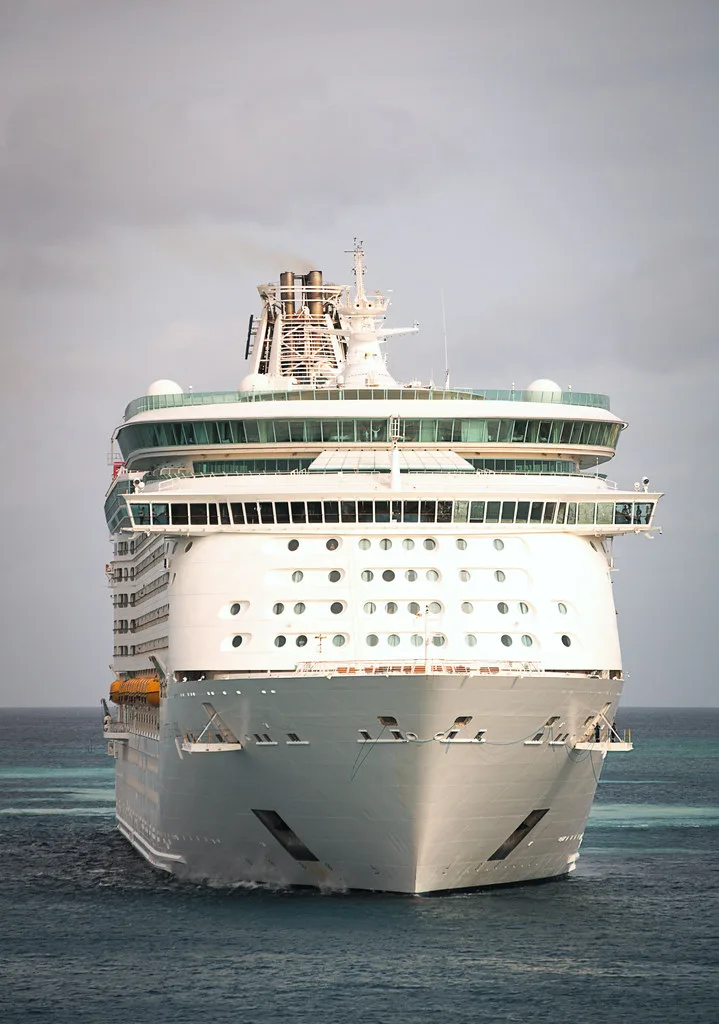


Image Credits
- Hero, dam, crocodile, and lake views: Wikimedia Commons (CC BY-SA)
- Ship transit and sunrise: Unsplash
- Jungle shoreline, monkey, and island: Pixabay
- Barro Colorado and Gatun Locks: Flickr (CC BY)
- Deck lunch and toucan: Pexels
Weather & Best Time to Visit
Frequently Asked Questions
Q: What's the best time of year to visit Gatun Lake on a cruise?
Typical range 73-90°F tropical lake; rain: Dry Jan-Apr; wet May-Dec. Peak cruise months: Jan, Feb, Mar, Apr. Avoid months: N/A.
Q: Is there a severe weather or storm season that affects Gatun Lake?
Gatun Lake is not marked as a warm-water hurricane zone in our seasonal guide. Local concern: seasonal weather swings.
Q: What should I pack for Gatun Lake's weather?
For Gatun Lake, pack for 73-90°F tropical lake. Light breathable clothing; Sunscreen and hat; Rain jacket; Insect repellent
Q: Will rain ruin my Gatun Lake port day?
Brief rain is common enough around Gatun Lake that a flexible plan beats canceling. Gatun Lake was the world's largest artificial lake when created (1913); The lake provides the water that operates the canal locks
Q: How long does the Gatun Lake transit take?
The crossing takes two to three hours as part of the full Panama Canal transit, which lasts eight to ten hours total. Ships travel at reduced speed through the lake, providing excellent time for wildlife spotting and photography from any deck.
Q: Can you see wildlife during the transit?
Yes. Crocodiles sun on the banks, howler monkeys roar from the canopy, toucans flash between trees, and capybaras graze at the shoreline. Binoculars dramatically improve the experience. Early morning transits offer the most active wildlife.
Q: Do I need to book anything for the lake crossing?
No. The transit is part of your canal passage and requires no booking. Narration is included on most ships. Just bring binoculars, sunscreen, and water, then find a spot on deck.
Q: Is the Gatun Lake transit accessible for wheelchair users?
Absolutely. Since you never leave the ship, every accessible deck and observation lounge becomes your viewing platform. Ship elevators connect all decks. This is among the most accessible wildlife experiences in cruising.
Q: Why was Gatun Lake created?
Engineers dammed the Chagres River in 1913 to create a shipping channel 85 feet above sea level, avoiding the need to excavate through miles of mountain. At 164 square miles, it was the world's largest man-made lake when completed.