
Photo: Wikimedia Commons (CC BY-SA)
My Logbook: The City That Refused to Stay Buried
I stepped off the train at Gdansk Glowny station on a grey Baltic morning, my jacket zipped against a wind that smelled of salt and rain. My ship had docked in Gdynia, fifteen miles north, and I had spent the thirty-five-minute train ride watching apartment blocks and birch trees blur past the window, wondering whether this city could possibly live up to everything I had read about it. I had been thinking about Gdansk for months — ever since a friend told me it was the most emotionally powerful port she had ever visited on a cruise. She said it changed something in her. I wanted to know what she meant.
I found my answer before I had walked two hundred metres. The Golden Gate rose above me, a Dutch Renaissance archway built in the seventeenth century, its stone weathered to the colour of old parchment. I passed beneath it and stepped onto Dluga Street — the Long Market — and my breath caught. The merchant houses lining the cobblestones glowed in shades of rose, saffron, cream, and mint, their ornate facades crowned with stepped gables and gilded details. They looked as though they had been standing since the Hanseatic League's golden age. However, I knew the truth: nearly every building I was seeing had been rubble in 1945. Ninety-five percent of the Old Town was obliterated during the Second World War. What I was walking through was one of history's most painstaking reconstructions, each facade rebuilt from old photographs and engravings, each carved doorway an act of memory and stubborn defiance against destruction.
At the heart of the Long Market stands Neptune — a bronze god rising from his fountain, trident in hand, presiding over centuries of commerce. Cast in the seventeenth century, he is Gdansk's guardian and the symbol of its maritime soul. I touched the cool iron railing around the fountain and listened to the water splashing into the basin while pigeons scattered around my feet. There is a local legend I love: Neptune once grew so angry at the revelry in the square that he struck the cobblestones with his trident, shattering gold coins and sending golden flakes swirling into the vodka. That, they say, is how Goldwasser was born — the shimmering local liqueur still sold in shops around the square, tiny flecks of real gold leaf dancing in every bottle. I bought a small bottle for about 45 PLN (roughly $11 USD) and held it up to the light, watching the gold drift like snow in a globe.
From Neptune I wandered into the amber shops, because Gdansk calls itself the "World Capital of Amber" and the claim is not idle. Baltic gold gleamed in every window along Mariacka Street: honey-coloured teardrops, deep cognac cabochons, pieces with fossilized insects suspended mid-flight for forty million years. I picked up a pendant — warm in my palm, smooth as a river stone — and the shopkeeper told me the resin had been formed when dinosaurs still walked the earth. I bought it for my mother. It cost me 120 PLN (about $30 USD), and it felt like I was carrying a piece of ancient sunlight home. The sweet, faintly piney scent of raw amber chunks in the display cases reminded me of my grandfather's workshop, and for a moment I was a child again, standing on my toes to see his workbench.
Yet the amber and the architecture, stunning as they were, turned out to be just the prologue. My real destination was the European Solidarity Centre, built beside the old Lenin Shipyard. I walked north from the Old Town, past St. Mary's Church — one of the world's largest brick churches, its tower a 408-step climb I decided to save for a future visit — and along streets that grew quieter and more industrial. The Centre's rust-coloured facade, designed to echo the hulls of ships, loomed ahead of me like a monument to stubbornness and hope.
Inside, the museum traces the arc of the Solidarity movement from its origins. In August 1980, electrician Lech Walesa climbed the shipyard fence and joined striking workers demanding rights and dignity. The Solidarity trade union they forged became the first independent union in the Soviet Bloc, and it grew into something far larger than labour — a moral force that helped topple Communist rule in Poland and sent tremors through the Iron Curtain. Within a decade, the Berlin Wall had fallen. The exhibits showed grainy photographs of men with moustaches and worn hands, homemade banners sewn by wives in kitchens, the enormous monument to fallen workers standing in the Baltic air outside. I spent two hours inside, reading every panel, listening to every audio clip. The admission was 30 PLN (about $7.50 USD) and it was the most significant money I spent on the entire cruise.
Afterward I found a milk bar near the train station for a late lunch — pierogi ruskie and zurek soup served in a hollowed rye bread bowl for just 25 PLN (about $6 USD). The soup was warm and sour and earthy, the kind of meal that tastes like a grandmother's kitchen. The waitress barely spoke English, but her smile needed no translation. I sat there thinking about the layers of history in this place: the Teutonic Knights who built the first fortress, the Hanseatic merchants who made it rich, the war that turned it to ash, and the workers who changed the world from a shipyard. Gdansk holds all of those stories at once, and it does not flinch from any of them.
Walking back to the train that evening, I passed through the Green Gate — the sixteenth-century waterfront palace that closes the Royal Route — and looked out across the Motlawa River. The old crane, a medieval harbour machine still standing after centuries, was silhouetted against a sky that had finally broken open into pale gold. I could hear gulls crying and church bells ringing and the distant hum of the train I needed to catch. But I stood there a few minutes longer, because Gdansk had taught me something I did not expect to learn: that the truest beauty is not the kind that was never damaged. It is the kind that was destroyed and rebuilt, stone by careful stone, by people who refused to let their story end in ashes. I learned that resilience is not just survival — it is the stubborn, loving act of reconstruction. That lesson followed me back to the ship and has stayed with me since.
Weather & Best Time to Visit
The Cruise Port
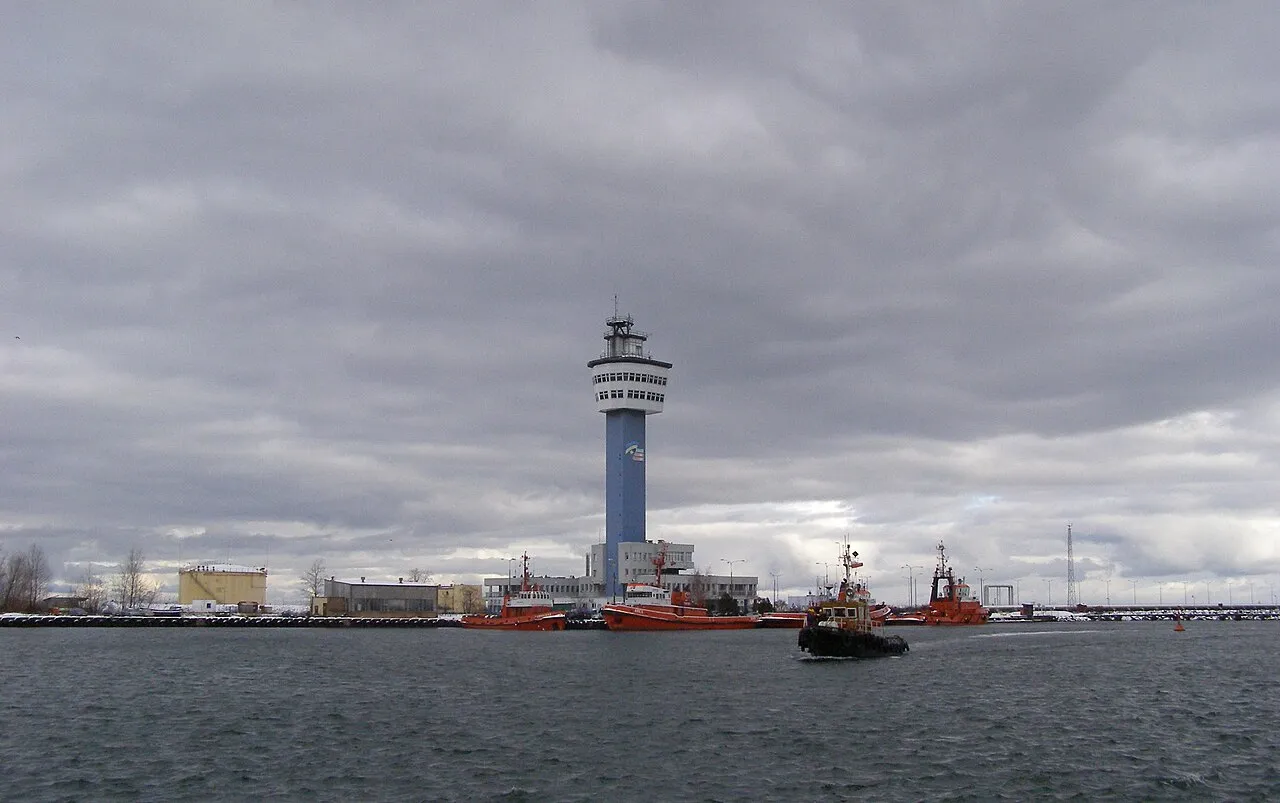
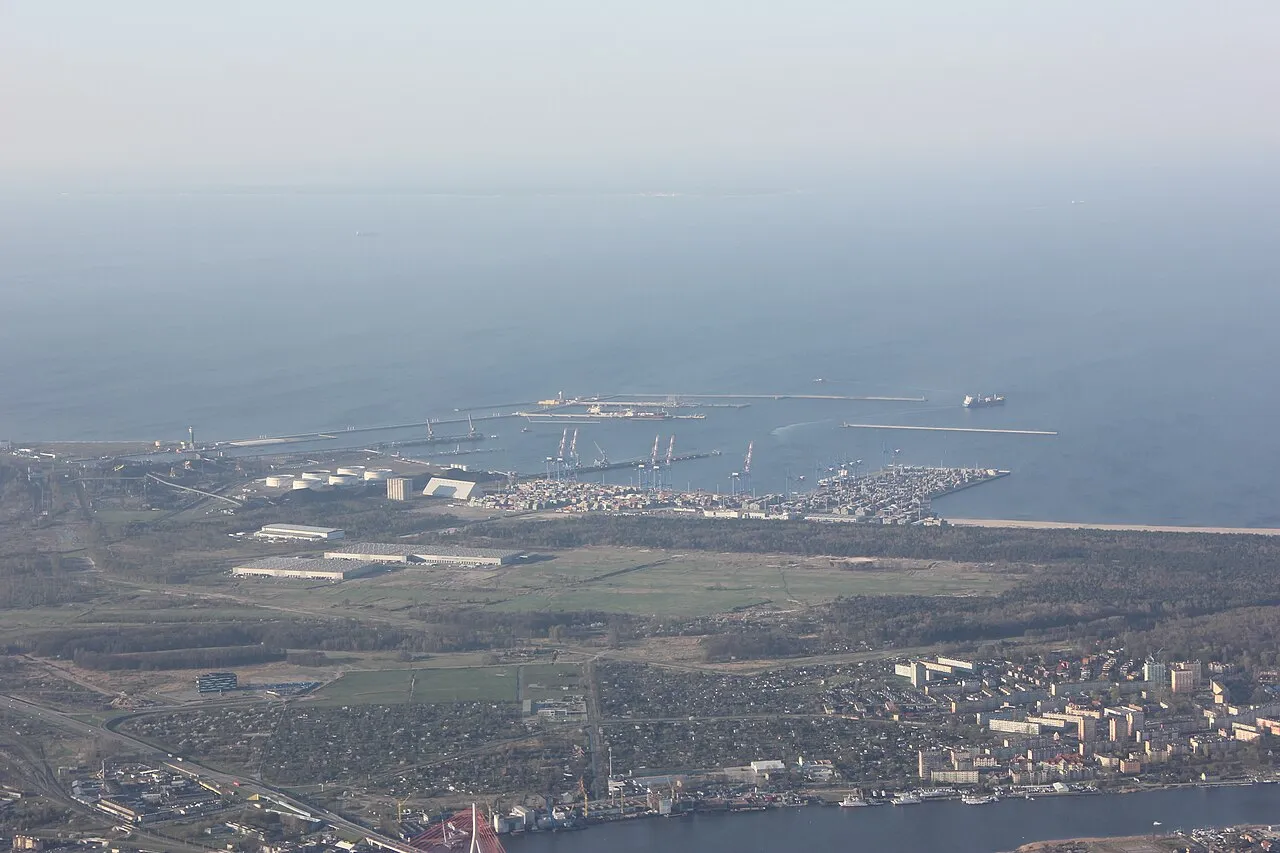
Cruise ships visiting Gdansk actually dock in Gdynia, a modern port city about 15 miles (25 km) north. Gdynia's passenger terminal handles large cruise vessels at the main quay near the city centre. The terminal area has basic facilities including a small tourist information booth, restrooms, and taxi ranks. From the terminal, Gdynia's own waterfront promenade and naval museum are within a 15-minute walk.
The real draw, though, is getting to Gdansk's historic Old Town. The SKM commuter train runs every 15 minutes from Gdynia Glowna station, and the ride to Gdansk Glowny takes about 35 minutes. Tickets cost roughly 5 PLN ($1.25 USD) and can be purchased from machines at the station with an English-language option. The terminal area is generally flat and wheelchair accessible, though some older train stations have limited step-free access — check ahead if mobility is a concern. Taxis from the port to Gdansk Old Town run approximately 100-150 PLN ($25-38 USD) depending on traffic.
Getting Around the Tri-City
Your cruise ship will dock in Gdynia, not Gdansk itself — the port is about 10-15 miles north of the historic Old Town. Gdynia is part of Trojmiasto (the Tri-City area), and getting to Gdansk is straightforward and affordable.
The Train (SKM): Commuter trains run every 15 minutes between Gdynia Glowna station and Gdansk Glowny station. The journey takes about 35 minutes and costs roughly 5 PLN ($1.25 USD). Tickets are available from machines at the station with an English-language option. This is the most convenient option — you pass through Sopot, the resort town in between, and watch the Baltic coastline roll past. A day pass costs about 18 PLN ($4.50 USD) and gives flexibility to hop between all three cities.
Taxis and Ride-Shares: Available at the port, but expect a 30-40 minute drive depending on traffic. Fares to Gdansk Old Town are approximately 100-150 PLN ($25-38 USD). Ride-share apps like Bolt and Uber operate in the Tri-City area and are often cheaper than traditional taxis.
Walking in Gdansk: Once you arrive in Gdansk, the Old Town is wonderfully compact and walkable. The Royal Route from the Golden Gate to the Green Gate is roughly one kilometre. Cobblestones are authentic and sometimes uneven, so sturdy shoes help. The route to the European Solidarity Centre from the Old Town is about a 20-minute walk along mostly flat streets. Low-energy visitors can manage the Old Town comfortably; moderate-energy walkers will enjoy adding the Solidarity Centre and waterfront.
Tip: Buy the SKM day pass if you want to explore Sopot's wooden pier and beach promenade as a mid-day break between Gdynia and Gdansk.
Gdansk Port Map
Interactive map showing cruise terminal and Gdansk attractions. Click any marker for details.
Top Excursions & Things to Do
Booking guidance: Ship excursion packages offer guaranteed return to the vessel and typically include transportation from Gdynia. If you prefer to explore independently, the train connection is reliable and frequent. For distant attractions like Malbork Castle, consider booking ahead through the ship or a reputable local operator to ensure timing works with your all-aboard schedule.
European Solidarity Centre (30 PLN / ~$7.50 USD): The defining attraction of Gdansk. This museum traces the Solidarity movement from the 1970 protests through the 1980 shipyard strikes to the fall of communism. Allow 2 hours minimum. The building is fully wheelchair accessible with lifts to all floors, and audio guides are available in multiple languages. Ship excursions typically charge $65-85 USD for a guided tour that includes transportation from Gdynia and a walking tour of the Old Town.
Gdansk Old Town Walking Route (free): Walk the Royal Route from the Golden Gate through the Long Market past Neptune Fountain to the Green Gate. Along the way you will see Artus Court, the Town Hall, and the stunning merchant houses. Allow 2-3 hours including time for amber shopping on Mariacka Street. The route is mostly flat cobblestone and manageable at a low-energy pace, though some sections are uneven. Guided walking tours from local operators run about 60-80 PLN ($15-20 USD) per person.
St. Mary's Church (10 PLN / ~$2.50 USD entry, tower climb 15 PLN / ~$3.75 USD): The largest brick church in the world, with a 408-step tower climb offering panoramic views. The church interior is free to enter during services. The tower climb is strenuous and not accessible for wheelchair users or those with mobility limitations — the staircase is narrow and steep. The main nave, however, is accessible at ground level.
WWII Museum of Gdansk (25 PLN / ~$6 USD): A modern, deeply moving museum opened in 2017 covering the war from multiple perspectives. The main exhibition space is underground and fully accessible with lifts. Allow 2 hours. High-stamina visitors can combine this with the Solidarity Centre and Old Town in a full day.
Malbork Castle Day Trip (50 PLN / ~$12.50 USD entry): The world's largest castle by area, a UNESCO World Heritage Site built by the Teutonic Knights. Located 60 km south of Gdansk, reachable by train in about one hour (tickets around 20 PLN / $5 USD each way). Ship excursions to Malbork typically cost $95-120 USD and include transport from Gdynia and a guided tour with guaranteed return. If going independently, book ahead for a morning train and confirm return times carefully. The castle grounds involve significant walking on uneven surfaces, though the main courtyards are accessible for wheelchair users.
Sopot Beach and Pier (pier entry ~8 PLN / $2 USD in summer): Europe's longest wooden pier stretches 515 metres into the Baltic. The beach resort town sits between Gdynia and Gdansk on the SKM train line, making it an easy stop. The pier is accessible for wheelchairs. Combine with a stroll along the pedestrian Monte Cassino street for ice cream and cafe culture.
Depth Soundings Ashore
Practical tips before you step off the ship.
Currency: Poland uses the Polish Zloty (PLN), not the euro. ATMs are widely available in both Gdynia and Gdansk. Most shops and restaurants accept credit cards, but smaller market stalls and milk bars may be cash-only. As of early 2026, 1 USD equals roughly 4 PLN.
Cobblestones: The Old Town streets are authentically cobbled and occasionally uneven. Comfortable, sturdy walking shoes make a significant difference. High heels and flip-flops are not practical here.
Language: Polish is the primary language. English is widely spoken in tourist areas, museums, and restaurants, but less common at train stations and milk bars. Having a translation app is helpful for menus and signage.
Amber Shopping: Mariacka Street is lined with amber shops and artisan workshops. Prices range from 30 PLN ($7.50 USD) for small pieces to several thousand PLN for large museum-quality specimens. Look for the certificate of authenticity when purchasing — genuine Baltic amber is warm to the touch and lightweight compared to imitations.
Safety: Gdansk is generally very safe for tourists. Standard precautions apply — watch for pickpockets in crowded tourist areas like the Long Market. The train between Gdynia and Gdansk is safe and well-maintained.
Timing: Plan to be on the train back to Gdynia at least 90 minutes before your ship's all-aboard time. Trains run frequently, but delays can happen, and the walk from Gdynia station to the cruise terminal takes about 15 minutes.
Photo Gallery
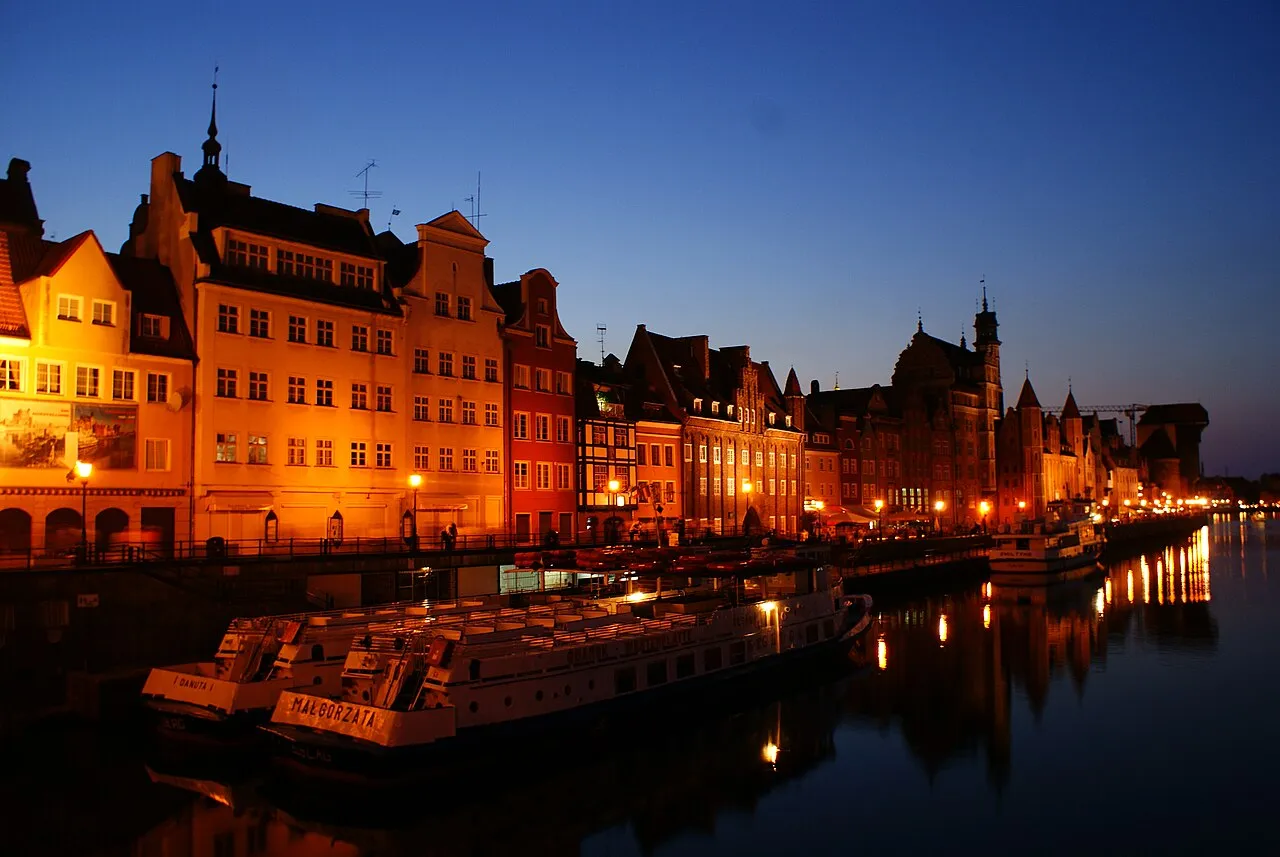
Image Credits
- gdansk-1.webp: Wikimedia Commons (CC BY-SA)
- gdansk-2.webp: Wikimedia Commons (CC BY-SA)
- gdansk-3.webp: Wikimedia Commons (CC BY-SA)
- gdansk-4.webp: Unsplash
Images sourced from Wikimedia Commons, Unsplash, Pixabay, Pexels, and Flickr under Creative Commons and free-use licenses.
Frequently Asked Questions
Q: Does the ship dock in Gdansk?
A: No. Cruise ships dock in Gdynia, about 15 miles north. The SKM commuter train runs every 15 minutes and takes 35 minutes to reach Gdansk Old Town. Tickets cost roughly 5 PLN ($1.25 USD).
Q: What currency does Gdansk use?
A: Poland uses the Polish Zloty (PLN). ATMs are easy to find in both Gdynia and Gdansk. Most tourist shops and restaurants accept credit cards, though smaller venues may require cash.
Q: How long do I need in Gdansk?
A: A full day is ideal. Plan 2 hours for the European Solidarity Centre, 3-4 hours for the Old Town walk including amber shopping and lunch, and buffer time for the train connection from Gdynia.
Q: Why is Gdansk called a phoenix city?
A: Nearly 95% of the Old Town was destroyed in WWII. After 1945, residents rebuilt it from photographs and historical engravings, reconstructing the Hanseatic facades stone by stone. The restoration is considered one of Europe's most remarkable.
Q: Is the Old Town accessible for wheelchair users?
A: The main streets are mostly flat but cobblestoned. The European Solidarity Centre and WWII Museum are fully wheelchair accessible. St. Mary's tower climb is not. Most restaurants in the Old Town have ground-floor access.
Q: What should I bring back from Gdansk?
A: Baltic amber is the signature souvenir. Mariacka Street has dozens of shops selling jewellery, sculptures, and raw pieces. Prices start around 30 PLN ($7.50 USD) for small items. Goldwasser liqueur with gold flakes is another popular gift.
Q: What's the best time of year to visit Gdansk?
A: The Baltic cruise season runs May-September. Jun-Aug offers the warmest weather (highs around 22°C) and longest daylight. May and September are the transitional months with thinner crowds at the Old Town and the European Solidarity Centre. Winter cruise calls are rare; Baltic winter is cold, dark, and the SKM commuter rail can be affected by snow. The live weather widget in the seasonal panel above is the primary source for short-term conditions on a specific sailing date.
Q: What's the storm season for Gdansk?
A: Gdansk (Gdynia cruise pier) sits at ~54°N on the Baltic Sea — outside the tropical-cyclone tracks. The relevant heavy-weather pattern is Baltic winter storms (Oct-Mar) with strong winds, snow, and occasional sea ice. Cruise season largely avoids the worst weather. Summer thunderstorms are brief and intense. The live weather widget in the seasonal panel above is the primary source for current conditions on a specific sailing date.
Q: What should I pack for Gdansk's weather?
A: Layers for Baltic variability — Gdansk summer highs typically reach 18-22°C but a front can drop the temperature quickly. A waterproof jacket regardless of season; rain falls year-round and a Baltic wind can make light rain feel cold. Comfortable walking shoes for the Royal Way cobblestones and the old town brick streets. Light layers and a sun hat for summer; heavier layers and a windproof shell for spring and autumn shoulder months. The Packing Tips section above lists more general items.
Q: Will rain ruin my Gdansk port day?
A: The Old Town has plenty of covered shelter — St. Mary's Church (the world's largest brick church), the European Solidarity Centre (fully indoor museum, world-class), the National Museum of Gdansk, the WWII Museum, and the amber shops along Mariacka Street with their distinctive overhanging façades. The SKM train from Gdynia keeps you dry getting in. Sopot Beach excursions lose appeal in heavy rain. The live weather widget in the seasonal panel above is the primary source for short-term forecasts on a specific sailing date.
Gdansk: Amber, Solidarity, and the Phoenix City
Last reviewed: February 2026
Author's Note: I've sailed this port myself. These notes reflect my firsthand experience ashore, verified against current sources and updated for accuracy. If you have visited recently and notice anything that has changed, I would welcome hearing your story.