


Genoa: My Underrated Italian Treasure
My Logbook: Where Pesto Meets the Palazzo
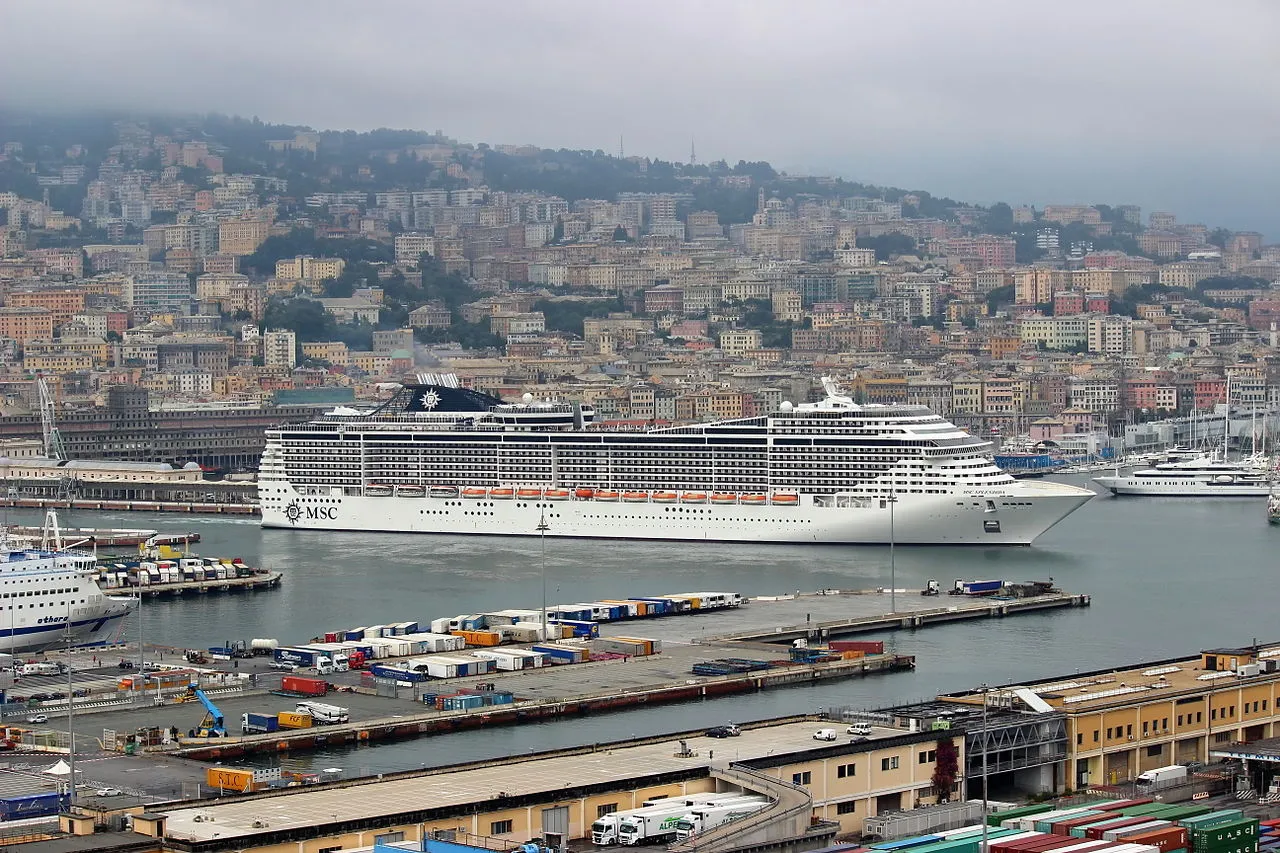
I stood at the rail as our ship glided into Genoa harbour and thought about young Cristoforo Colombo walking these same quays five centuries ago, dreaming of horizons beyond what any map could promise. The Porto Antico spread before me redesigned by Renzo Piano — the aquarium sphere and Bigo panoramic lift standing where merchant galleys once loaded spices and silk. The morning air smelled of salt and coffee, and somewhere below me a fisherman was shouting instructions to his son across the water in rapid Ligurian dialect. I gathered my bag and stepped down the gangway into a city that built its fortune on the sea and never forgot it.
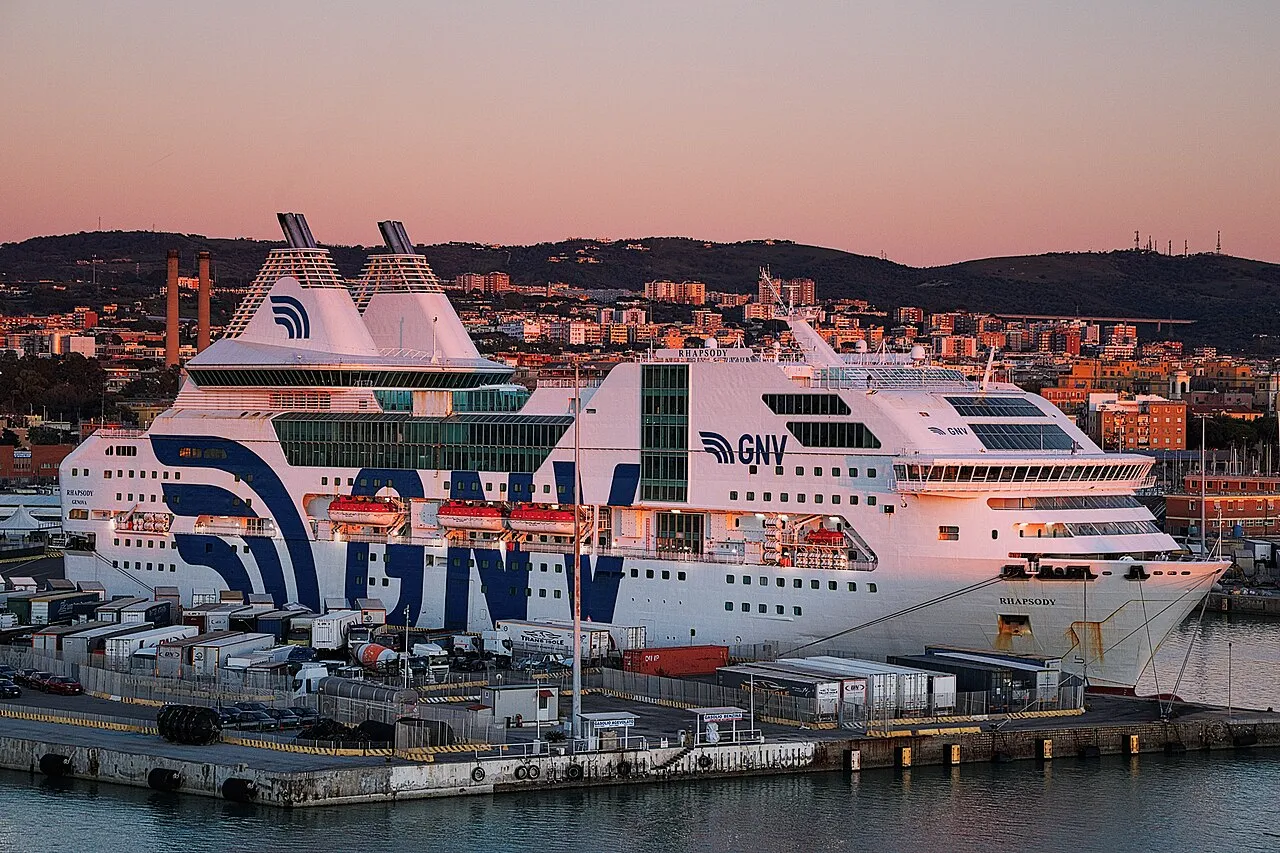
The historic centre starts literally at the dock gates and swallows you whole. I walked through narrow caruggi alleys that twisted between twelfth-century palaces and tiny shops selling sciacchetrà wine and pesto by the kilo. The light barely reached the cobblestones — the buildings leaned so close overhead that I could have touched both walls by stretching out my arms. Laundry hung on lines between upper floors, dripping onto the stone below. The smell of basil and garlic drifted from a shop where a man was grinding pesto in a marble mortar, the rhythmic scraping sound echoing off the ancient walls. I bought a small jar for four euros and carried it like treasure for the rest of the day.
I emerged at Piazza De Ferrari just as the central fountain started dancing in the late-morning light, and I stood there catching my breath because the scale of the square surprised me. But what truly stopped me were the Palazzi dei Rolli — forty-two magnificent Renaissance palaces recognised as UNESCO World Heritage in 2006. From the sixteenth through seventeenth centuries, Genoa maintained an official register called the Rolli, a list of noble palaces grand enough to host visiting dignitaries. When a cardinal or duke arrived, the Senate would select a palace from the register based on the visitor's rank, and that family had the honour and expense of hosting. I toured Palazzo Rosso on Via Garibaldi and stood in rooms painted floor-to-ceiling by Van Dyck. The chandeliers dripped crystals above me, and the parquet floors creaked under my feet in a way that said nobody had replaced them in three hundred years. I tried to imagine Spanish ambassadors and French princes being received in these same gilded halls, and I could hear their footsteps in the silence between my own.
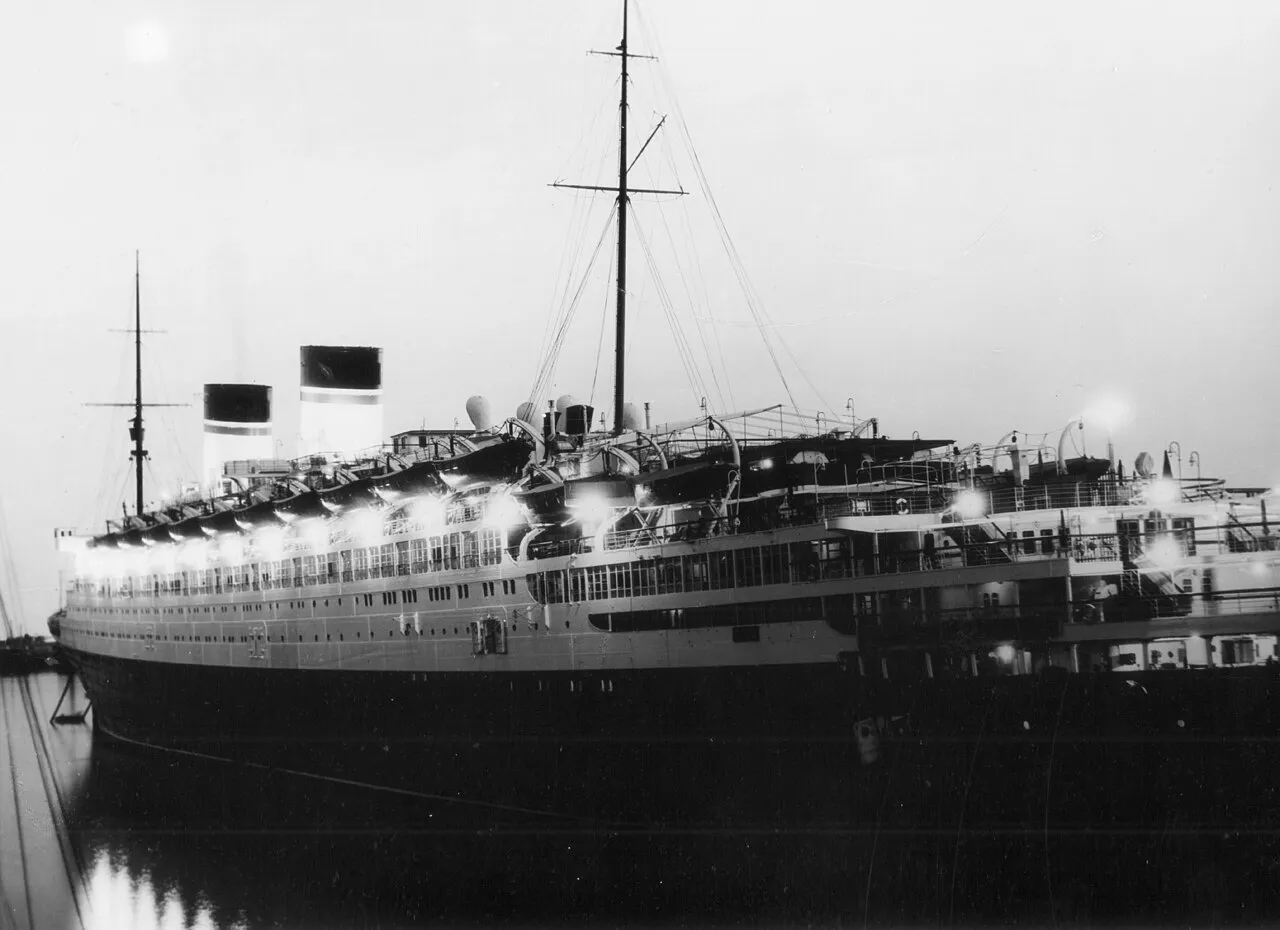
I had lunch at Antica Sciamadda — farinata and trofie al pesto — chickpea flatbread hot from the wood oven for €3 and pasta so green it glowed, served in a bowl no bigger than my cupped hands. The taste of that pesto stopped me mid-sentence. It was nothing like the bottled version I buy at home. The basil tasted of sunlight and stone, and the pine nuts gave it a sweetness that built slowly at the back of my throat. My wife watched me eat in silence and smiled. "You look like you've found religion," she said. I told her I had.
In the afternoon I took the Art Nouveau funicular up to the Spianata Castelletto, and that is where Genoa broke me open. The entire city and harbour spread below me — terracotta rooftops cascading down to the blue curve of the Ligurian Sea, the cathedral dome catching the afternoon light, the masts of sailboats rocking in the old port. Church bells began to ring from every direction, layering over one another in a cascade that seemed to roll down the hillsides like water. I stood at the iron railing and felt my eyes fill with tears. I do not know entirely why. Something about the beauty of it, the age of it, the stubborn persistence of a city that had survived wars and plagues and earthquakes and the collapse of empires and was still here, still beautiful, still making pesto in marble mortars. I whispered a quiet prayer of gratitude for the unknown hands that had built these towers and painted these walls. Something shifted inside me on that terrace, and I stood there for a long time, not wanting to move.
Before walking back to the ship, I passed the Casa di Colombo, the reconstructed house where Columbus was born, its modest stone walls a humble beginning for a man whose ambition would mirror his city's own seafaring audacity. The house is small and the city does not make a fuss about it. However, standing before it, I understood something about Genoa that I had not grasped before — this is a city that has always looked outward, over the horizon, and that restlessness lives in every narrow alley and gilded palazzo. That is the lesson Genoa taught me: that the greatest ambitions begin in the smallest rooms, that a city can be both ancient and alive in the same breath, and that a bowl of pesto eaten standing up in a caruggi can carry as much meaning as a Van Dyck hanging in a palace. I carry that lesson with me still.
Weather & Best Time to Visit
The Cruise Port
Ships dock at the Stazione Marittima in Porto Antico, Genoa's beautifully redesigned waterfront. This is one of the rare Mediterranean ports where you step off the gangway directly into the historic centre — the caruggi medieval alleys begin within a five-minute walk of the terminal. The terminal building has basic facilities including a tourist information desk, restrooms, and taxi queue. Taxis to Piazza De Ferrari cost approximately €8–10. Wheelchair users will find the terminal flat and accessible, though the caruggi alleys are cobblestoned and uneven. The port area includes the Genoa Aquarium, Galata Maritime Museum, and Bigo panoramic lift, all within walking distance of the berth.
Getting Around
Genoa is one of the few major Mediterranean ports where you truly do not need transport — everything worth seeing clusters within a compact, walkable radius from the cruise terminal. The historic centre, Palazzi dei Rolli, and the Porto Antico waterfront are all accessible on foot within fifteen to twenty minutes. The caruggi alleys are flat at their base but Genoa is built on steep hills, so reaching viewpoints like Castelletto requires climbing or using the city's excellent network of funiculars and public lifts.
The Castelletto funicular costs €1.50 per ride and takes you from Piazza Portello up to the panoramic terrace in about three minutes. Genoa also operates several historic public lifts (ascensori) that connect the lower city to the hillside neighbourhoods — all cost €1.50 and are included in standard transit tickets. For the fishing village of Boccadasse at the end of the Corso Italia promenade, take bus 31 from Piazza De Ferrari (€1.50, about twenty minutes). Taxis are metered and reasonable for short trips within the city centre. Visitors with limited mobility should note that while the waterfront and main squares are flat and wheelchair accessible, the caruggi have irregular cobblestones and occasional steps. The funiculars and lifts are accessible alternatives to climbing the steep streets.
Genoa Port Map
Interactive map showing cruise terminal and Genoa attractions. Click any marker for details.
Excursions & Activities
Caruggi & Palazzi dei Rolli Walking Tour
The best way to experience Genoa's medieval heart and Renaissance grandeur. Guided walking tours of the caruggi and UNESCO Rolli palaces run approximately two to three hours and cost €15–25 per person with a local guide. You can also explore independently — the caruggi are safe during daylight hours and the Rolli palaces on Via Garibaldi are clearly signposted. Palazzo Rosso and Palazzo Bianco charge €9 combined entry. This is a low-to-moderate-energy walk on cobblestones, with flat terrain in the city centre. A ship excursion typically combines the walking tour with a Castelletto viewpoint visit for €50–70.
Portofino Day Trip
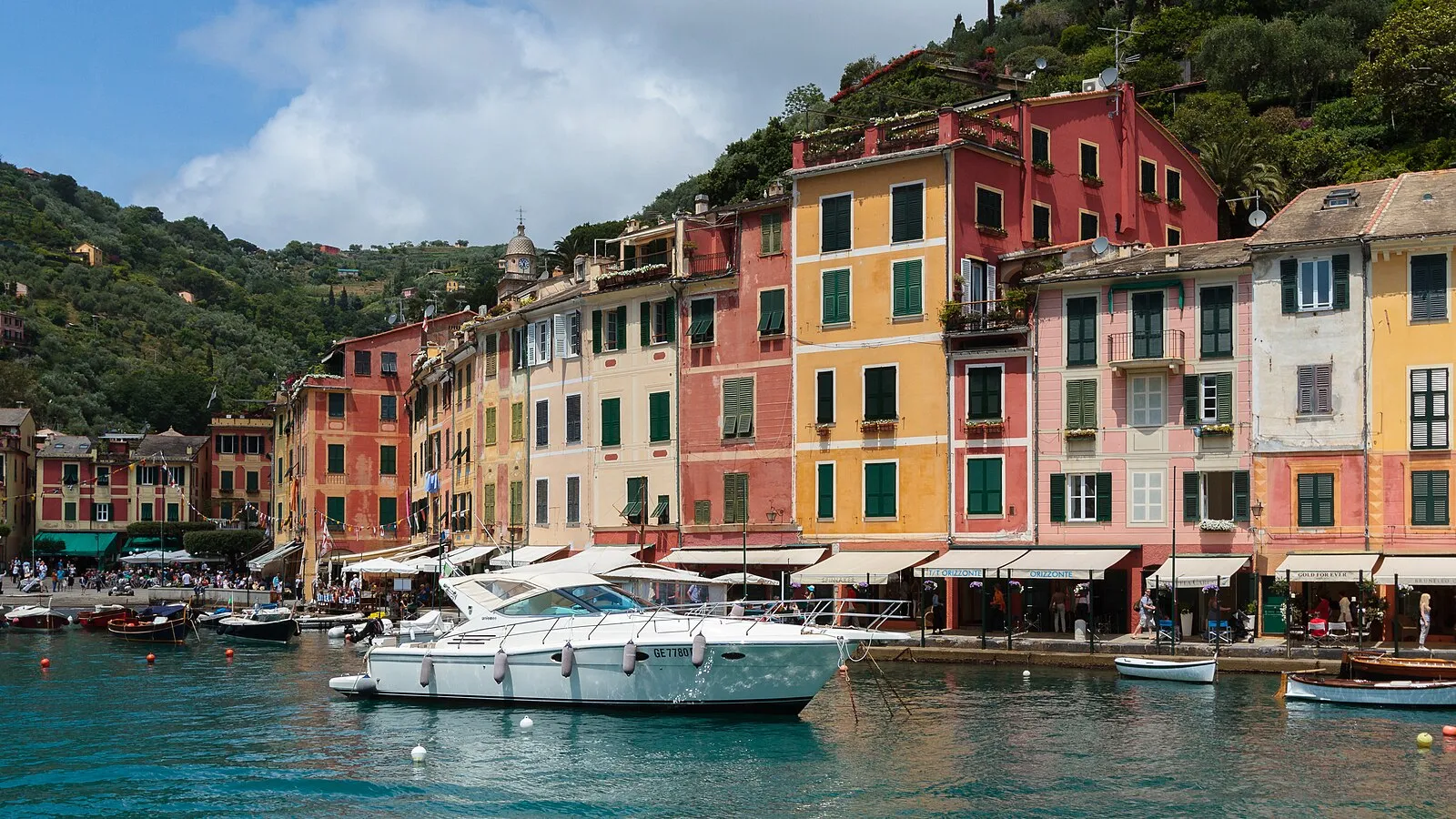
The famous village of Portofino on the Italian Riviera lies about thirty-five kilometres southeast of Genoa. Ferries depart from Porto Antico (€15–20 each way, about ninety minutes) or you can take a ship excursion for €80–120 which guarantees your return to the vessel. The drive takes about forty-five minutes by private car (€60–80 round trip). Portofino is tiny and crowded in peak season, but the harbour is genuinely stunning. Budget four to five hours for the round trip. Book ahead for the ferry in summer as it fills up quickly. Moderate energy — the village has steep paths but the harbour area is flat and accessible.
Cinque Terre Day Trip
The five colourful villages of Cinque Terre are accessible by train from Genoa Piazza Principe station (about ninety minutes to Monterosso, €10–12 each way). However, the round trip takes most of the day, so this excursion is only feasible with ten or more hours in port. Ship excursions to Cinque Terre cost €100–150 and handle all logistics. Independent visitors should depart the ship as early as possible and target Monterosso or Vernazza, which have the best beaches and walkability. High-energy if hiking between villages; moderate if staying in one village.
Genoa Aquarium & Porto Antico
Italy's largest aquarium sits right at the cruise port — a five-minute walk from the gangway. Entry costs €27 for adults, and the visit takes about two to three hours. The Galata Maritime Museum (€12) is next door and traces Genoa's seafaring history from galleys to transatlantic liners. The Bigo panoramic lift (€5) offers harbour views. This is a fully accessible, low-energy morning suitable for all mobility levels. No need to book ahead except in peak August.
Genoese Food Tour
Genoa invented pesto, focaccia di Recco, and farinata, and eating your way through the caruggi is a legitimate excursion. Self-guided, budget €15–25 for a focaccia at a panificio (€2–4), farinata at a sciamadda (€3–5), trofie al pesto at a trattoria (€8–12), and gelato (€3). Guided food tours run €40–60 per person and include multiple tastings. Visit independently — every alley has options, and part of the joy is stumbling on something unexpected.
Depth Soundings
Italy uses the Euro (EUR). ATMs are plentiful in the city centre; most accept international cards. Credit cards work at restaurants, museums, and shops, though some small caruggi food vendors prefer cash for purchases under €10. Tipping is not expected in Italy — a coperto (cover charge) of €1.50–3.00 is usually added to restaurant bills. Rounding up for good service is appreciated but not required.
The medieval alleys are narrow and atmospheric — embrace getting lost, because that is when Genoa reveals her secrets. The caruggi are safe during daylight hours and full of life, though they can feel disorienting at first. Keep your phone charged for navigation. Churches require covered shoulders and knees. Shops typically close for riposo (afternoon break) from 1:00–3:30 p.m. English is spoken at major attractions and restaurants near the port, but a few Italian phrases go a long way in the caruggi. The weather is mild Mediterranean — warm summers, cool winters, with occasional sharp rainstorms in autumn.
Photo Gallery


Frequently Asked Questions
Can you walk from the cruise port to the historic centre?
Yes — Genoa is one of the few major ports where you step off the ship directly into the old town. The caruggi medieval alleys begin within a five-minute walk. No taxi or shuttle needed.
Is Genoa safe for independent exploration?
The caruggi are safe during daylight hours and full of local life. Use normal precautions with valuables in crowded areas. The narrow alleys can feel disorienting at first but are well-populated during the day.
Can I visit Portofino or Cinque Terre from Genoa?
Portofino is feasible as a half-day trip (ferry or taxi, four to five hours round trip). Cinque Terre requires a full day and at least ten hours in port. Both are popular ship excursions.
What food should I try in Genoa?
Genoa invented pesto — try trofie al pesto at any trattoria. Also sample focaccia di Recco (cheese-filled flatbread), farinata (chickpea flatbread), and local white wines like Vermentino. Budget €8–15 for a filling lunch.
Are the Palazzi dei Rolli worth visiting?
Absolutely. These UNESCO Renaissance palaces on Via Garibaldi contain Van Dyck paintings and gilded halls. Palazzo Rosso and Palazzo Bianco cost €9 combined entry and take about ninety minutes.
How do I reach the Castelletto viewpoint?
Take the Art Nouveau funicular from Piazza Portello (€1.50, three minutes). The panoramic terrace offers sweeping views of the harbour and city. It is accessible and wheelchair-friendly.
When is the best time to visit Genoa?
The glance Temperature reads "6–28 °C (43–82 °F), warmest Jul–Aug" and Daylight reads "9 hours (Dec) to 15.5 hours (Jun)." Rain reads "Heaviest Oct–Nov; dry summers" and Wind reads "Light sea breezes; occasional autumn Tramontana."
When is Genoa's storm season?
The glance Wind entry reads "Light sea breezes; occasional autumn Tramontana," and Rain reads "Heaviest Oct–Nov; dry summers." For current conditions on a specific sailing date, use the live weather widget in the seasonal panel above.
What should I pack for Genoa's weather?
The glance Temperature reads "6–28 °C (43–82 °F), warmest Jul–Aug" — pack for the full range. Humidity reads "60–75%, highest in summer." The Wind entry adds "Light sea breezes; occasional autumn Tramontana." The Packing Tips section lists "Sunscreen and sunglasses — essential year-round"; "Light layers for variable temperatures"; "Comfortable walking shoes for exploring"; "Rain jacket or compact umbrella."
Will rain ruin my Genoa port day?
The glance Rain entry reads "Heaviest Oct–Nov; dry summers." For short-term forecasts on a specific sailing date, the live weather widget in the seasonal panel above is the primary source.
Last reviewed: February 2026
Image Credits
- genoa-1.webp: WikiMedia Commons (CC BY-SA)
- genoa-2.webp: WikiMedia Commons (CC BY-SA)
- genoa-3.webp: WikiMedia Commons (CC BY-SA)
Images sourced from WikiMedia Commons under Creative Commons licenses.
Key Facts
- Country
- Italy
- Region
- Mediterranean
- Currency
- Euro (EUR)
- Language
- Italian