


My Visit to Gijon
I stepped off the shuttle into a Spain I did not expect. The air smelled of salt and damp stone, and the sky was a moody canvas of pewter and silver that reminded me more of Ireland than anything I had imagined of Iberia. My wife squeezed my hand as we walked toward Cimadevilla, the old quarter perched on a headland above the harbor, and I felt a quiet thrill rise in my chest. We had chosen Gijon on a whim, bypassing the famous ports further south, and already I sensed we had stumbled onto something rare.
The cobblestones of Cimadevilla were slick with morning mist. I heard the cry of gulls wheeling overhead and the distant clang of a church bell marking the hour. We climbed narrow lanes past colorful houses with laundry strung between iron balconies, past doorways where elderly men sat on wooden chairs watching us with curious, friendly eyes. The stone walls felt cool and rough beneath my fingertips as I steadied myself on the steep path. My daughter ran ahead, laughing, her voice echoing off the ancient facades. I watched her disappear around a corner and felt a pang of something I could not name — the awareness, maybe, that moments like these are fleeting and precious beyond measure.
At the top of the headland we found Eduardo Chillida's Elogio del Horizonte, the massive sculpture that has become the symbol of Gijon. I stood inside its curved concrete embrace and heard the wind funnel through the opening with an eerie, organ-like resonance. The sound was haunting. The Atlantic stretched before us in every shade of grey and green, and for a long moment I simply stood there, overwhelmed. My heart swelled with a feeling I struggle to put into words — something between awe and gratitude, a recognition that the world contains far more beauty than we deserve. I whispered a quiet prayer of thanks right there on the headland, with the wind roaring through Chillida's masterwork and the sea stretching to infinity.
We descended to San Lorenzo Beach, where the golden sand curves for over a kilometer along the city center. I kicked off my shoes and felt the cold, wet sand between my toes. The water was bracing — nothing like the warm Mediterranean I had expected from Spain — but the beach was alive with surfers in wetsuits, families building sandcastles, and couples walking arm in arm along the promenade. My wife and I sat on a stone wall and watched the waves roll in, tasting salt on our lips from the sea spray. It was a simple moment, yet it felt like a gift.
However, the real revelation came when we found the cider houses. Asturian sidra is nothing like the sweet cider I knew back home. In a crowded sidreria near the harbor, I watched the server hold a bottle high overhead and pour a thin golden stream into a wide glass held at hip level — the escanciar ritual that aerates the cider and gives it a brief, magical fizz. The taste was tart and dry and utterly alive on my tongue. We ordered plate after plate of local food: creamy fabada asturiana thick with chorizo and white beans, tender grilled octopus glistening with olive oil, and a slab of pungent Cabrales blue cheese drizzled with honey that made me close my eyes and sigh. The cost was remarkably modest — our entire lunch with cider came to about thirty euros for two people.
After lunch we visited the Termas Romanas, the Roman baths dating to the first century that lie beneath the modern city. I walked through the underground chambers where hot air once flowed through the hypocaust system, and I touched stones that Roman hands had placed two thousand years ago. The cool, damp silence of the excavation felt sacred. Standing in that ancient space, I thought about all the people who had come to this coast before me — Romans, Celts, medieval pilgrims, modern travelers — each drawn by the same pull of the horizon. Yet something about Gijon felt different from other historic ports. The ruins were not roped off behind glass. They were intimate, close enough to touch, as though the city trusted you with its past.
Our final stop was the Laboral Ciudad de la Cultura, the enormous arts complex on the edge of town. Built in the 1950s as an orphanage, the building is staggering in scale — a monument repurposed for creativity. We climbed the central tower for panoramic views of the city and the coast, and I felt a sense of hope looking down at a community that had taken something built for sorrow and transformed it into a place of beauty and learning. Though rain began to fall as we descended, it only added to the atmosphere — silver droplets catching the light as they streaked past the tower windows.
But perhaps the moment that stays with me most happened on the walk back to the shuttle. We passed through a small plaza in Cimadevilla where an old man sat on a bench playing a gaita — the Asturian bagpipe — and the sound drifted through the narrow streets like a lament for something beautiful that cannot last. My daughter sat down beside him and listened. He finished his piece, smiled at her, and said something in Asturian that we could not understand. But his eyes were kind, and she smiled back, and in that wordless exchange I saw something that brought tears to my eyes: the universal language of shared humanity, spoken without translation across every border and every sea.
Looking back, I realized that Gijon taught me something I had been slow to learn. We spend so much of our travel chasing the famous places, the postcard views, the ports that everyone talks about. But sometimes the deepest experiences come from the places no one told you to visit — the quiet corners where authentic life goes on without performance. Gijon gave our family a day of genuine discovery, and I am grateful for every cold, misty, cider-soaked moment of it. What matters is not the grandeur of the destination but the openness of the heart that arrives there.
Weather & Best Time to Visit
The Cruise Port
Port Location: Ships dock at El Musel, Gijon's industrial port about 6 kilometers north of the city center. The port provides free shuttle buses to Plaza Mayor in the heart of town, a journey of approximately 15 minutes. The shuttle drop-off area is wheelchair accessible with level boarding.
Currency: Euro (EUR). ATMs are widely available throughout the city center. Credit cards are accepted at most restaurants and shops, though smaller establishments may prefer cash.
Language: Spanish (Castellano) and Asturian (Asturianu) are both spoken. English is less common than in major tourist cities. Learning a few Spanish phrases enhances your experience.
Best Time to Visit: May through September offers the warmest weather. This green coast gets its verdant landscape from frequent rain — pack a light jacket even in summer.
Mobility Note: The city center is mostly flat and accessible along the coastal promenade, though Cimadevilla's old quarter involves steep cobblestone lanes that may challenge those with mobility limitations.
Getting Around
From the Ship: Free shuttle buses run from El Musel port to Plaza Mayor in the city center. The journey takes about 15 minutes. Shuttles typically run continuously during port hours, though check with your cruise line for specific schedules. The shuttle fare is included at no additional cost to passengers.
Walking: Once in the city center, Gijon is highly walkable. San Lorenzo Beach, Cimadevilla, the Roman baths, and central areas are all within easy walking distance of each other. The city is relatively flat along the coast, though the old quarter has some hills. Allow about 20 minutes to walk from Plaza Mayor to the Elogio del Horizonte sculpture. Comfortable shoes are essential for the cobblestone streets.
Buses: Gijon's city bus system (EMTUSA) is efficient and inexpensive. Single tickets cost around €1.35, available from the driver. Buses connect the center to Laboral Ciudad de la Cultura and other outlying areas. The tourist office at Plaza Mayor provides route maps. Most city buses are wheelchair accessible with low-floor boarding.
Taxis: Taxis are affordable and readily available at taxi ranks near Plaza Mayor and along major streets. Fares are metered. Expect to pay €8-12 for most in-city journeys and around €15 to reach Laboral. Taxis accept credit cards, though having some cash is wise for smaller fares under €5.
Bike Rentals: The flat beachfront promenade is ideal for cycling. Several rental shops offer bikes by the hour (from €5) or full day (around €15). The dedicated bike path along San Lorenzo Beach provides safe, scenic riding for about 3 kilometers along the coast.
Port Map
Interactive port map loading...
Interactive map showing cruise terminal, main attractions, and transportation options in Gijon.
Excursions & Activities
Gijon is one of the best ports for independent exploration. The free shuttle from the cruise terminal drops you right in the center, and all major sights are within walking distance. If you prefer a ship excursion for guaranteed return to the vessel, most cruise lines offer a half-day Gijon highlights tour (typically €55-75 per person). However, going independent here is straightforward and saves money. We recommend you book ahead for the Laboral tower climb during peak season, as capacity is limited.
Elogio del Horizonte (In Praise of the Horizon)
Eduardo Chillida's 1990 masterpiece crowns the Cerro de Santa Catalina headland. The massive sculpture creates an acoustic chamber where ocean winds produce haunting tones. Walk inside, face the horizon, and listen. Free to visit, incredible at any time, but magical at sunset. The walk up the headland is moderate walking intensity — allow 15 minutes from the base of Cimadevilla.
Cimadevilla — The Old Quarter
This ancient neighborhood occupies the rocky peninsula where Gijon began. Narrow streets climb past colorful houses and hidden plazas. The Palacio de Revillagigedo, an 18th-century baroque palace, now houses art exhibitions (entry fee €3-5). Walk slowly, get lost deliberately, and stop at neighborhood bars where locals gather for morning coffee.
Termas Romanas del Campo Valdes (Roman Baths)
First-century Roman baths sit beneath modern Gijon. The underground museum reveals the sophisticated engineering of Roman bathing culture. Entry costs around €2.50 for adults, with free admission on Sundays. The museum is partially accessible for visitors with limited mobility on the ground level.
San Lorenzo Beach and Promenade
This urban beach defines Gijon's character. The golden sand curves for 1,500 meters along the city center, backed by a wide promenade ideal for strolling. The beach offers a Blue Flag for cleanliness. The promenade is fully accessible and flat for its entire length.
Laboral Ciudad de la Cultura
This enormous arts complex houses exhibitions, theaters, and interactive science displays. The central tower offers panoramic views for around €3. Take city bus line 1 (fare €1.35) from the center, or book ahead for a guided tour at about €8 per person. Allow 2-3 hours for a thorough visit. The grounds are impressive even from outside, with sweeping lawns and monumental architecture that rewards a slow walk around the perimeter.
Aquarium of Gijon
This excellent aquarium focuses on Cantabrian Sea marine life. Walk through underwater tunnels while sharks, rays, and schools of fish swim overhead. Touch pools allow careful interaction with sea creatures. The facility emphasizes conservation and education, making it engaging for all ages. Located on the beach promenade, it makes a perfect rainy-day option. Adult entry costs around €15, children around €10.
Local Food & Drink
Sidra (Asturian Cider): The drink of Asturias. Sidra natural is flat and tart, made from regional apples. Servers pour from height (escanciar) in a thin stream, aerating the cider. A bottle costs around €3-5 in a sidreria. Visit Casa Trabanco or Tierra Astur for the full experience.
Fabada Asturiana: The region's signature dish — a rich white bean stew with chorizo, morcilla, and pork. A hearty bowl costs €12-18 at most restaurants. Warming and deeply satisfying.
Cachopo: Two large veal escalopes stuffed with ham and cheese, breaded and fried. Often large enough to share. Expect to pay €14-20 per portion.
Seafood: Grilled pulpo (octopus), navajas (razor clams), and percebes (goose barnacles) appear on menus throughout the port area. Fresh catch of the day typically runs €10-16.
Cabrales Cheese: Asturias produces Spain's most famous blue cheese. Try it drizzled with honey as dessert. A cheese plate runs about €6-8.
Depth Soundings Ashore
Embrace the Weather: Asturias earned its green landscape through regular rain. Pack a light waterproof jacket even on sunny mornings. Locals say Asturias has four seasons in one day — and they are not exaggerating.
Skip the Mediterranean Expectations: Gijon is not Spain's sun-and-sangria south. The influences here are Celtic, the climate is Atlantic, and the vibe is more Ireland than Ibiza. Adjust your expectations and embrace what makes this coast unique.
Try the Cider Ritual: Even if you are not normally a cider drinker, experiencing escanciar in a sidreria is essential to understanding Asturian culture. The ritual, the communal atmosphere, and the local pride create an experience you will not find elsewhere.
Visit Chillida's Sculpture at Different Times: The Elogio del Horizonte changes dramatically with weather and light. Morning mist creates mystery, afternoon sun reveals texture, sunset brings drama.
Learn Basic Spanish: English is less common here than in Barcelona or Madrid. Download a translation app and learn a few phrases. Locals appreciate the effort warmly.
Budget Wisely: Gijon is excellent value compared to most cruise ports. A full day of sightseeing, lunch, and cider can cost well under €50 per person. Plan your spending and you will find this port remarkably gentle on the budget.
Practical Information
Shuttle Cost: Free from El Musel to Plaza Mayor. Taxi alternative costs around €10-15.
Wi-Fi: Free Wi-Fi is available at Plaza Mayor and along parts of the San Lorenzo promenade.
Camera Tip: Bring a camera with weather sealing or a waterproof case. The mist and rain create atmospheric conditions perfect for moody coastal shots.
Restrooms: Public facilities are available at the beach promenade and in the Roman baths museum. Most cafes allow use of restrooms with a small purchase.
Accessibility: The San Lorenzo promenade is fully wheelchair accessible and flat. City buses have low-floor accessible boarding. The Roman baths museum ground level is accessible but the underground excavation involves stairs.
Photo Gallery
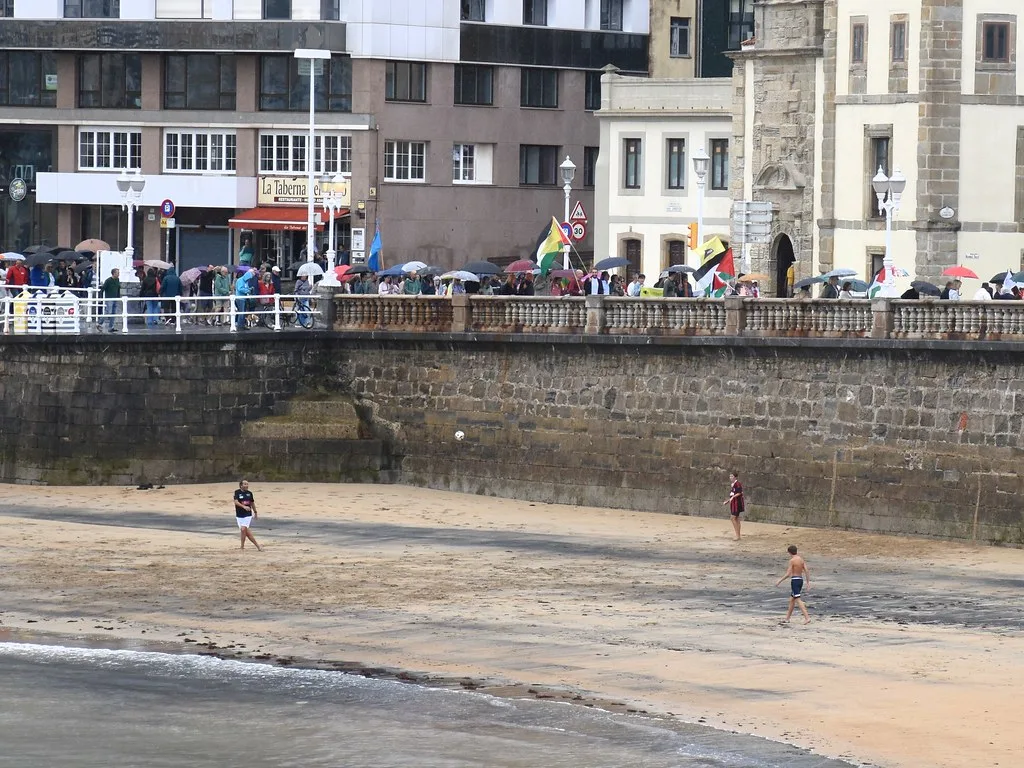
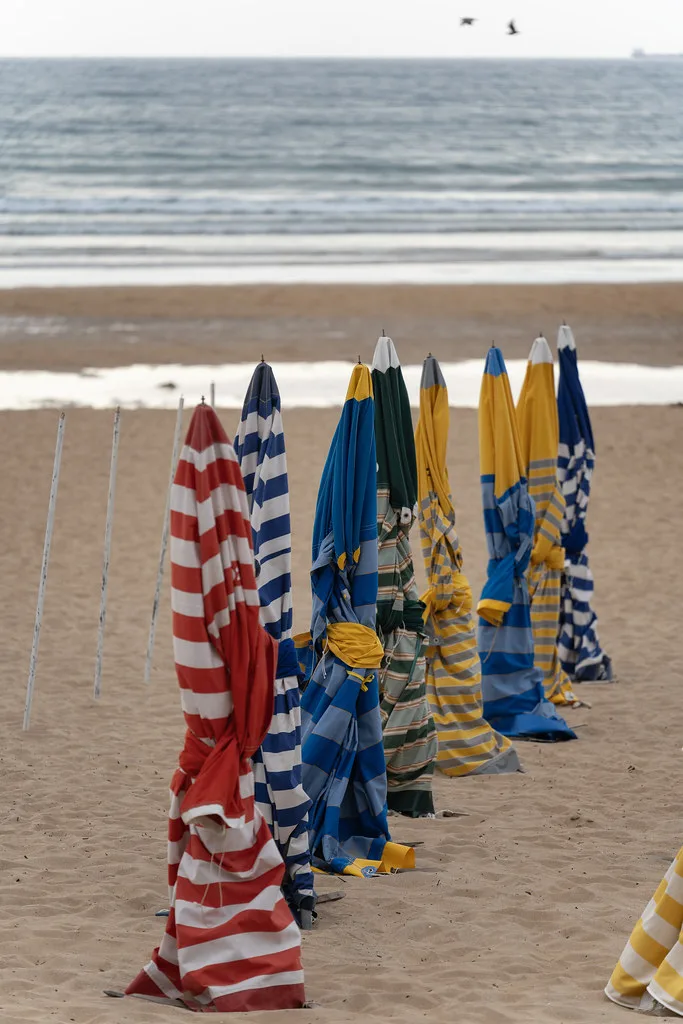
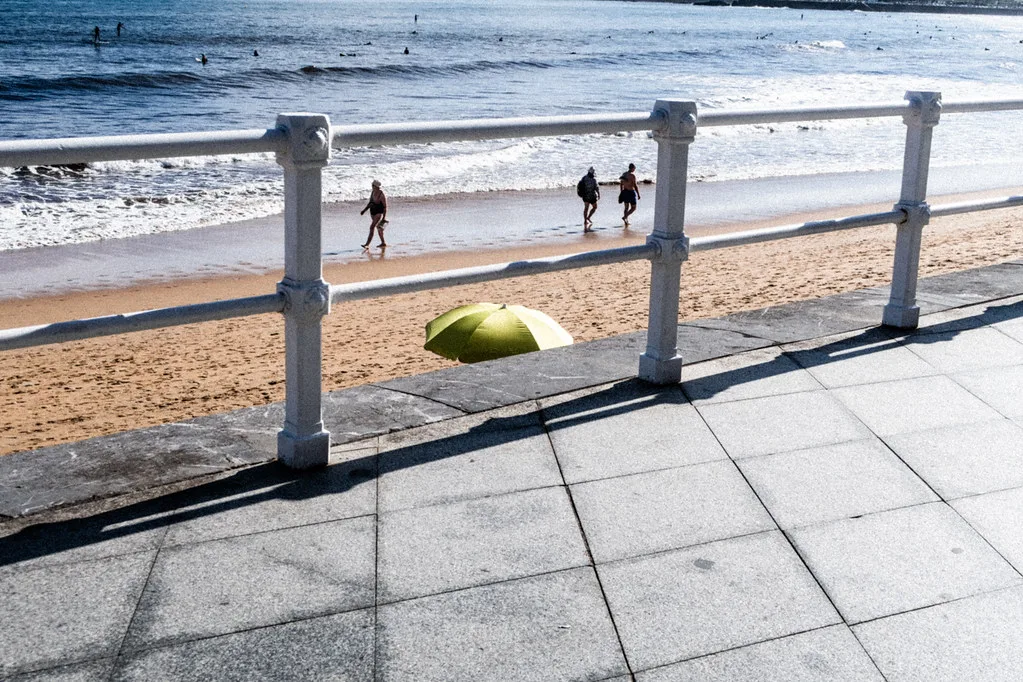
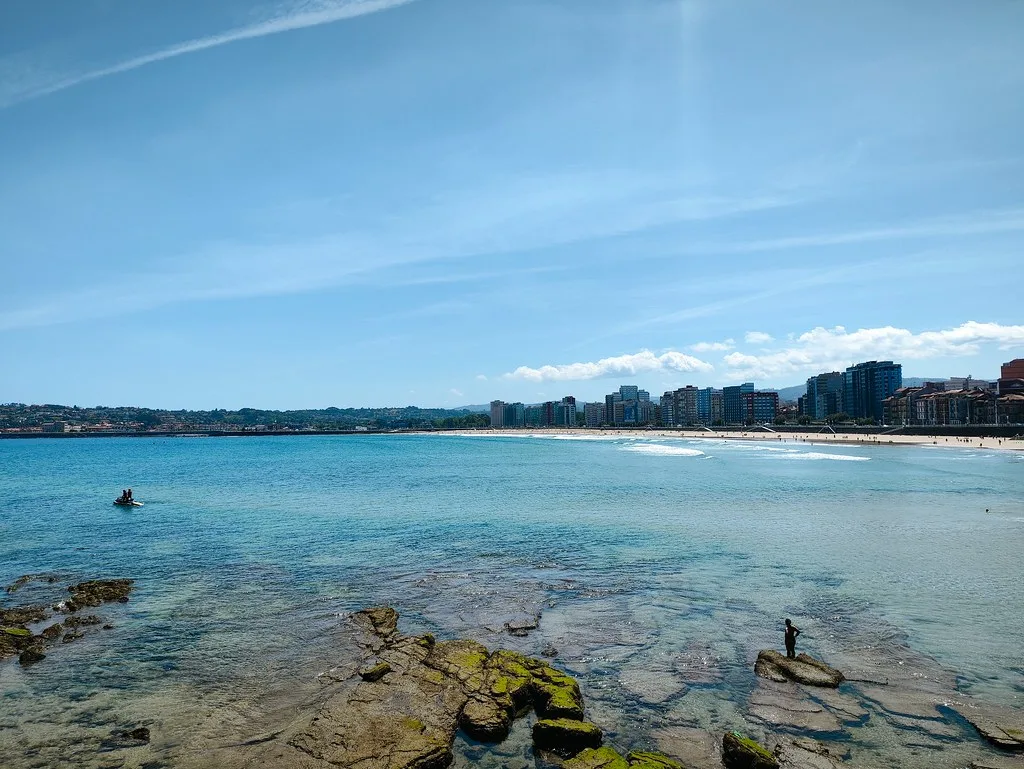
Image Credits
Images sourced from Wikimedia Commons under Creative Commons licenses.
Frequently Asked Questions
Q: Is Gijon worth visiting on a cruise?
Absolutely. Gijon offers authentic Asturian culture without overwhelming cruise crowds. The blend of Celtic heritage, Roman history, and genuine Spanish coastal life makes it one of northern Spain's most rewarding ports.
Q: What is Elogio del Horizonte?
Elogio del Horizonte (In Praise of the Horizon) is Eduardo Chillida's iconic concrete sculpture on the Cerro de Santa Catalina headland. The massive curved form frames the Atlantic horizon and creates haunting acoustic effects when wind passes through.
Q: How do you pour Asturian cider?
Asturian cider is poured from height in a technique called escanciar. The server holds the bottle overhead and pours in a thin stream into a wide glass held low, aerating the cider and creating a brief fizz. You receive a small pour which you drink quickly, then the process repeats.
Q: Can you walk from the cruise terminal?
Ships dock at El Musel port, about 6 kilometers from the city center. Walking is not practical, but free shuttle buses run to Plaza Mayor. From there, everything in central Gijon is walkable.
Q: What is the weather like?
Gijon sits on Spain's Green Coast — mild, maritime climate with regular rain. Summers are comfortable but rarely hot. Pack layers and a light rain jacket.
Q: How long do I need in Gijon?
A typical port day of 6-8 hours is enough to see the highlights: Elogio del Horizonte and Cimadevilla in the morning, lunch at a sidreria, Roman baths, and beach time in the afternoon.
Q: What's the best time of year to visit Gijon on a cruise?
Typical temperature range is 40-72°F — Bay of Biscay, cool and green; rain/humidity pattern: Wet year-round; slightly less in summer; humidity High (73-78%); wind Bay of Biscay winds. Peak cruise months: Jul, Aug Transitional: Jun, Sep Low season: Oct, Nov, Dec, Jan, Feb, Mar, Apr, May Months often better avoided if you can choose: Dec, Jan, Feb Beach-friendly months: Jul, Aug Align your itinerary with the activities you care about most.
Q: Is there a severe weather or storm season that affects Gijon?
Gijon is not marked as a warm-water hurricane zone in our seasonal guide. Local weather concern: Bay of Biscay; frequent rain and wind Cruise-day plans should still leave flexibility if weather shifts.
Q: What should I pack for Gijon's weather?
For Gijon, prioritize layers for 40-72°F — Bay of Biscay, cool and green conditions and be ready for Wet year-round; slightly less in summer. Seasonal packing nudges: Waterproof jacket — essential; Layers for changeable weather; Comfortable walking shoes; Appetite for Asturian cuisine. Waterproof outer shell, comfortable walking shoes, sun protection, and a small dry-bag for tender reboarding are usually wise.
Q: Will rain ruin my Gijon port day?
Brief rain is common enough around Gijon that a flexible port-day plan beats canceling everything. Local gotchas: Asturian cider (sidra) poured from height — technique matters; NOT Mediterranean — expect cool and rainy; San Lorenzo Beach is urban but pleasant. Have one indoor or covered option, keep electronics dry, and remember many outdoor sights stay worthwhile in a light shower.
Last reviewed: February 2026
Until I have sailed this port myself, these notes are soundings in another's wake. This guide draws from published accounts, fellow cruisers, and careful research — but it does not yet carry the weight of my own anchor. I am working my way through the world's cruise ports, one by one, to write what I see with my own eyes and feel with my own heart. This page awaits that day.