


Gothenburg: My Scandinavian Cool
From the Logbook
I stepped off the gangway into a gray morning mist that smelled of salt and diesel, the kind of damp Scandinavian air that wraps around your face like a cool cloth. My first glimpse of Gothenburg was the Älvsborgsbron bridge arching over the Göta älv river, its steel cables disappearing into low clouds. I had read about this city for months, but nothing quite prepared me for how quiet it felt — not empty, just calm, as if the entire waterfront had agreed to speak in a whisper.
We walked from the terminal toward the city center, following tram tracks down broad avenues lined with stone buildings that looked like they had been standing since before anyone alive was born. And many had. Gothenburg was founded in 1621 by King Gustav II Adolf, who invited Dutch merchants to design his new Atlantic gateway. I could see their fingerprints everywhere — the canals cutting through the old town, the pragmatic grid of streets, the warehouses built for function rather than vanity. However, the Dutch influence mingles with something distinctly Swedish: a gentleness in the architecture, a sense of space between buildings that lets the gray sky breathe.
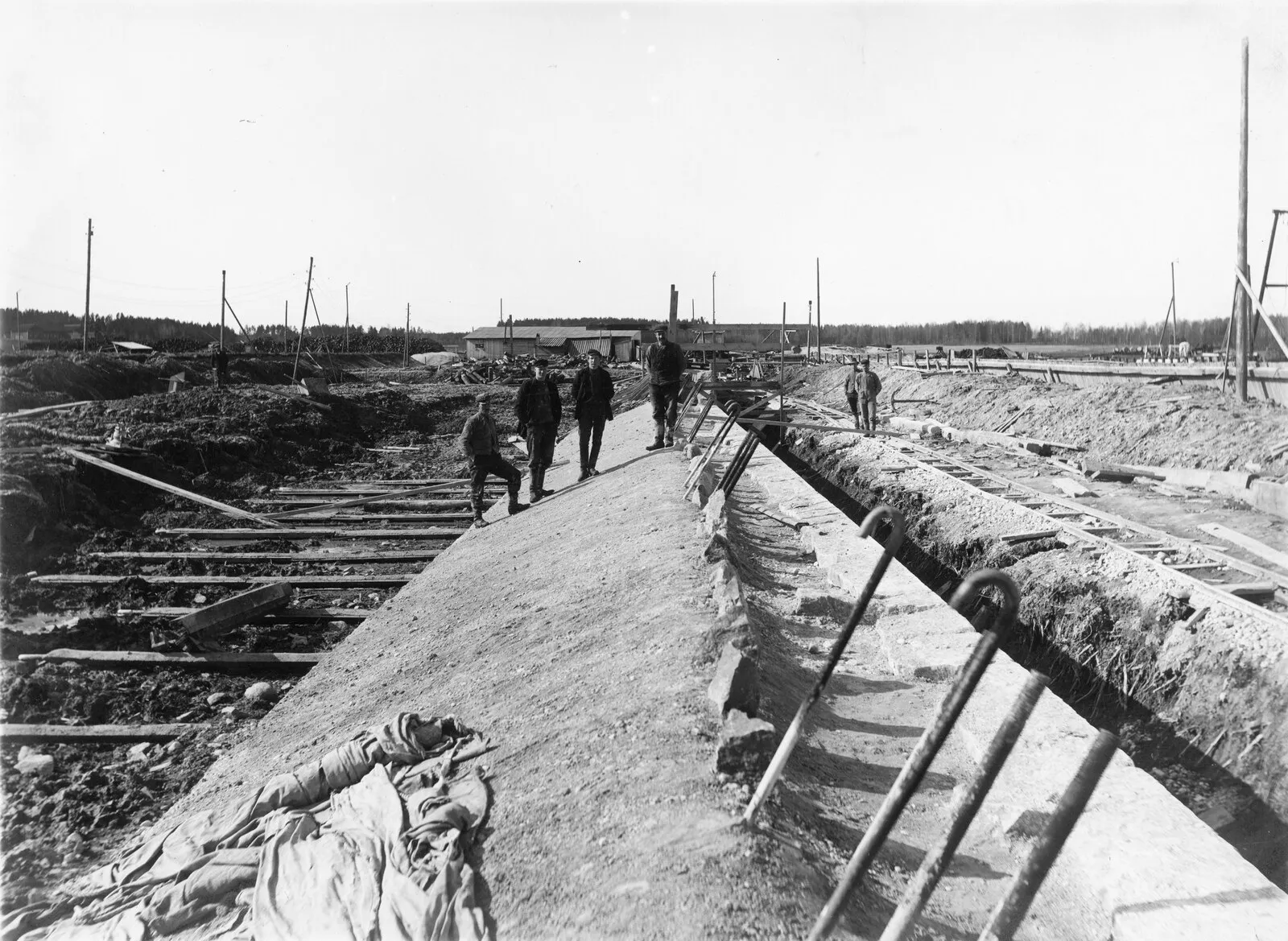
I felt my shoulders drop as we entered the Haga district, where cobblestone lanes narrowed between wooden houses painted in faded yellows and dusty reds. The scent of cinnamon hit me before I saw the bakery — warm, sweet, impossibly inviting. We ducked inside and ordered kanelbullar, those oversized Swedish cinnamon buns the size of my palm, and sat at a window table watching rain begin to fall. The bun was soft and fragrant, dusted with pearl sugar that crunched between my teeth, and I realized I was smiling without meaning to. Something about Gothenburg invites you to slow down, to notice the texture of bread and the sound of rain on old glass.
But it was Feskekôrka that stopped me cold. The Fish Church — literally a fish market built in 1874 inside a building shaped like a Gothic cathedral — rose up from the canal bank like a hymn made of brick and iron. I pushed through the heavy doors and the smell hit me: briny, fresh, sharp with dill and lemon. Fishmongers called out behind glass cases piled with North Sea shrimp, salmon, and herring so fresh they still glistened. I ordered a räkmacka — a shrimp mountain on a single slice of dark bread — and ate it standing at the counter for 95 SEK, roughly $9, while watching an old man behind me carefully selecting prawns for what I imagined was his Saturday dinner. The taste was clean and sweet, the bread earthy and sour beneath the heap of pink shrimp, and I thought: this is what four centuries of Atlantic fishing tastes like.
In the afternoon we caught the tram to Saltholmen and boarded the ferry to the southern archipelago. The boat pushed through choppy gray water past rocky islands dotted with red boathouses, and I stood on deck despite the wind because I wanted to feel the cold spray on my face and hear the engine thrum beneath my feet. When we landed on Styrsö, the silence was startling. No cars are allowed on these islands — just bicycles, walking paths, and the occasional cat stretching on warm stone. We walked a gravel path between low bushes and wildflowers until we reached a swimming dock where a group of Swedes were emerging from a sauna, red-faced and laughing, before plunging into water that could not have been warmer than 16 degrees Celsius.
I watched them and felt something shift inside me. These people — strangers to each other, strangers to us — were doing something ancient and simple and joyful. They were jumping into cold water on a gray day and laughing about it. There was no performance, no Instagram moment, no attempt to be anything other than alive in that instant. My eyes filled with tears, though I could not have explained exactly why. Perhaps it was the contrast between the rushing, planned, optimized way I usually travel and this radical simplicity. Perhaps it was exhaustion finally catching up. Perhaps it was just the beauty of watching people be happy without trying.
We took the ferry back and visited Liseberg amusement park at golden hour. The wooden roller coaster Balder gave us butterflies and views over the entire city — the port, the islands, the canal where Dutch merchants once counted their guilders. Admission was 120 SEK (about $11) and the ride passes were another 300 SEK ($28). Yet it was the Ferris wheel at dusk that I will remember longest: my wife and I rising slowly above the treeline, the city glowing amber beneath us, the harbor lights beginning to flicker on, and a silence between us that felt like prayer.
On our way back to the ship, I stopped at a bench near the Göta älv and watched the bridge lights reflect on the dark water. Gothenburg had taught me something I keep forgetting: that the richest moments in travel are not the grand sights or the famous landmarks but the spaces between them — the cinnamon bun eaten in the rain, the stranger's laugh after a cold plunge, the quiet ride above a city that knows how to be content. I learned that slowing down is not wasting time; it is finding it. Looking back, I think Gothenburg gave me permission to stop performing my vacation and simply live inside it.
Weather & Best Time to Visit
The Cruise Port
Gothenburg's cruise ships typically dock at Frihamnen terminal or near Arendal, both on the north bank of the Göta älv river. Frihamnen is closer to the city center — about 3 km — and served by tram lines that run every few minutes. The terminal building offers restrooms, basic tourist information, and a small café. From Arendal, which handles larger vessels, shuttle buses connect to the nearest tram stop in roughly 10 minutes. Neither terminal requires a tender; ships dock directly.
The walk from Frihamnen to the city center takes about 30–40 minutes along the waterfront, passing shipyards and the Gothenburg Opera House. Most visitors take the tram — a single ticket costs 35 SEK (about $3.30). The Västtrafik To Go app makes purchasing tickets straightforward, and a day pass runs 115 SEK ($11) for unlimited travel. Credit cards are accepted everywhere, and many Gothenburg businesses are cashless-only, so carrying Swedish Krona in cash is optional.
Getting Around
By tram: Gothenburg's tram network is the backbone of the city's transport. Thirteen lines crisscross the metropolitan area, running every 5–10 minutes during the day. Trams are modern, clean, and wheelchair accessible with low floors and ramp access. A single ride costs 35 SEK ($3.30); a 24-hour pass is 115 SEK ($11). Purchase via the Västtrafik To Go app or at ticket machines at major stops. The tram from Frihamnen terminal reaches the city center in about 10 minutes.
On foot: The city center is compact and walkable. From Kungsportsplatsen, the main square, you can reach Haga district in 10 minutes, Feskekôrka in 15, and Liseberg amusement park in 20. Sidewalks are wide and well maintained, and pedestrian zones cover much of the shopping district along Avenyn boulevard. The terrain is mostly flat, making moderate walking comfortable for most visitors.
By ferry: Ferries to the southern archipelago depart from Saltholmen, about 25 minutes by tram from the city center. The same Västtrafik ticket covers the ferry — no separate fare required. Ferries run hourly to islands like Styrsö, Donsö, and Brännö. The crossing takes 20–30 minutes.
Mobility considerations: Gothenburg is one of Scandinavia's most accessible cities. Trams have low-floor boarding and designated wheelchair spaces. Most attractions including Liseberg and Universeum offer full wheelchair access. The Haga district's cobblestone streets can be challenging for wheelchairs or mobility scooters, though the main pedestrian roads are smooth. Low-energy visitors can cover the highlights comfortably by tram without extensive walking.
Gothenburg Port Map
Interactive map showing cruise terminal and Gothenburg attractions. Click any marker for details.
Excursions & Things to Do
Gothenburg rewards independent exploration — the tram network and compact center make guided tours unnecessary for most visitors. Book ship excursions if you want guaranteed return-to-ship times or prefer guided commentary on the archipelago. Independent travelers can comfortably see the main highlights in a single port day.
Self-Guided City Walk
Start at the terminal and tram to Kungsportsplatsen. Walk down Avenyn boulevard to Götaplatsen, then loop through Haga district for fika (coffee and cinnamon buns, about 60–80 SEK / $6–$8 per person). Continue to Feskekôrka for a räkmacka lunch (85–110 SEK / $8–$10), then walk the canal back toward the tram. This circuit takes 3–4 hours at a relaxed pace with stops. No booking required. Total cost: free plus meals. Moderate stamina level — mostly flat terrain with rest stops available throughout.
Southern Archipelago Ferry
Take the tram to Saltholmen and catch the ferry to Styrsö or Brännö — car-free islands with red boathouses, swimming docks, and small seafood restaurants. Ship excursions run $80–$120 for a half-day guided tour. Independent visitors pay only the tram fare (included in your day pass) since the ferry is part of the public transport network. Allow 4–5 hours round trip. Book ship excursions through your cruise line's shore excursion desk if timing is important. Accessible ferries accommodate wheelchairs, though island paths can be unpaved gravel.
Liseberg Amusement Park
Scandinavia's largest amusement park sits just 15 minutes by tram from the center. General admission costs 120 SEK ($11); ride passes are 300–400 SEK ($28–$38) depending on the package. Open seasonally from late April through September, plus Halloween and Christmas markets. The wooden roller coaster Balder is consistently ranked among Europe's finest. Book tickets online in advance to skip the queue during peak summer weekends. The park is fully wheelchair accessible with paved paths throughout.
Universeum Science Centre
A rainforest, aquarium, and space exhibition under one roof — Universeum is especially rewarding for families. Adult admission is 295 SEK ($28); children 3–16 pay 195 SEK ($18). Located next to Liseberg, so both can be combined in a single afternoon. No advance booking needed on weekdays, though weekend time blocks fill during school holidays. The building is fully accessible with elevators to all floors.
Feskekôrka Fish Church
The Gothic-style fish market (free entry) is worth visiting even if you only browse the counters. A sit-down seafood lunch inside runs 150–250 SEK ($14–$24). The market opens early and closes by late afternoon, so visit before 3 p.m. No reservation required for the counter service; the upstairs restaurant accepts walk-ins but can fill at peak lunch. Low walking effort — the market is a single hall.
Depth Soundings Ashore
Practical tips before you step off the ship.
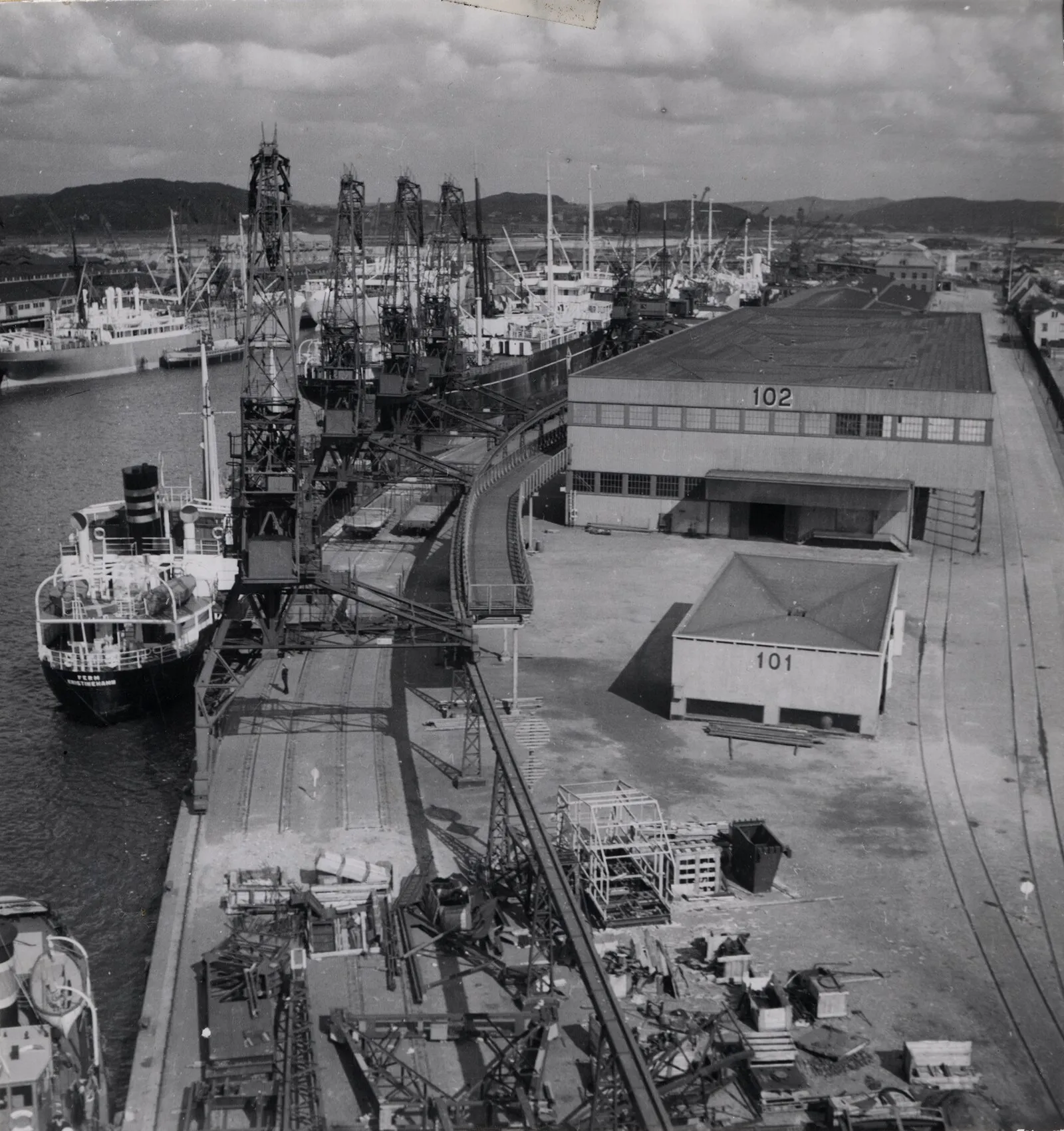
Gothenburg was Sweden's answer to a problem that nearly destroyed the nation: for centuries, Denmark controlled the only overland route between Sweden and the North Sea. When Gustav II Adolf refounded this city in 1621, he was building a lifeline. The Dutch merchants he invited brought canal engineering, trade networks, and a mercantile pragmatism that still shapes the city's character. You can feel it in the straightforward grid of streets, the functional beauty of the harbor, and the way Gothenburgers talk — direct, warm, and refreshingly free of pretense.
Volvo was born here in 1927, and both Volvo Cars and Volvo Group remain headquartered on Hisingen island, the same patch of land where Sweden's first North Sea settlement stood. The city's industrial heritage runs deep, though today it blends with a progressive food scene — Gothenburg has more Michelin-starred restaurants per capita than any Scandinavian city outside Copenhagen. The archipelago to the south served as the city's outer defense line for centuries and is now where locals go to remember what quiet sounds like.
Weather in Gothenburg is reliably unreliable. Summer days can be glorious — long hours of golden light reflecting off the canals — but rain arrives without warning and sometimes stays. Bring layers and a waterproof jacket even in July. The upside of the rain is that Gothenburg developed fika culture to an art form: the ritual of coffee and pastry in a warm café while the world drips outside your window. Embrace it. The rain is part of the charm, and the city is lovelier for never pretending otherwise.
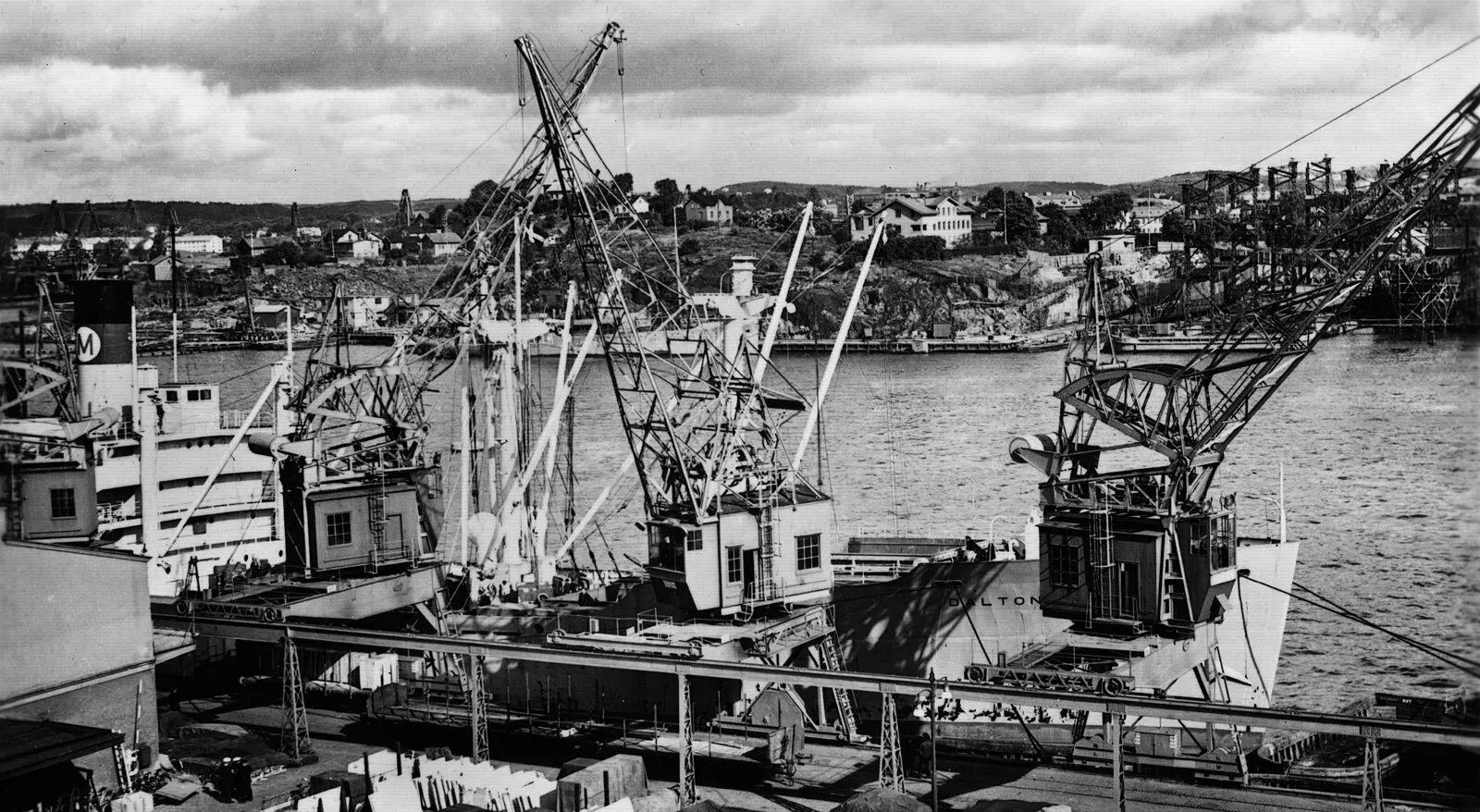
Photo Gallery
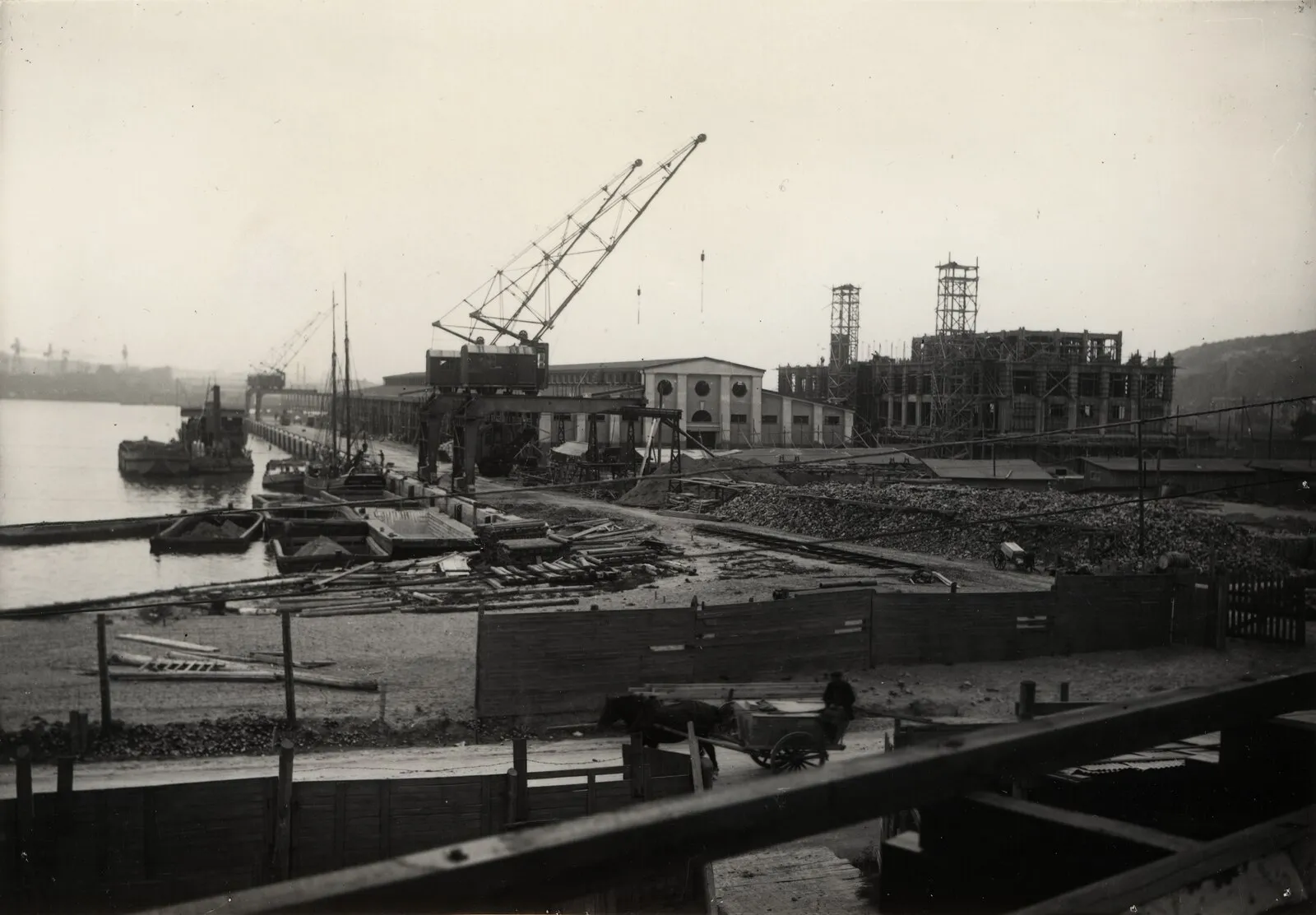
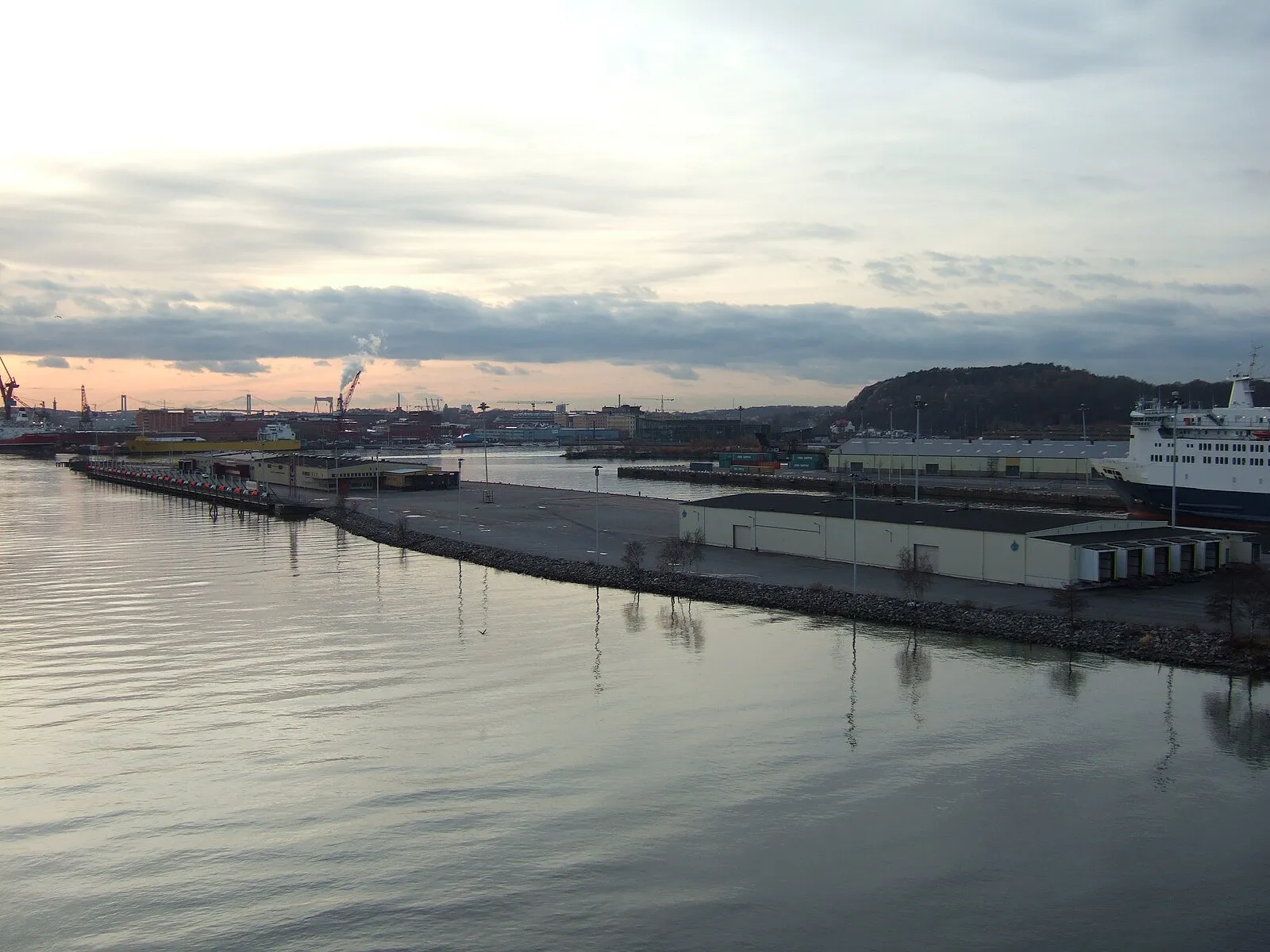
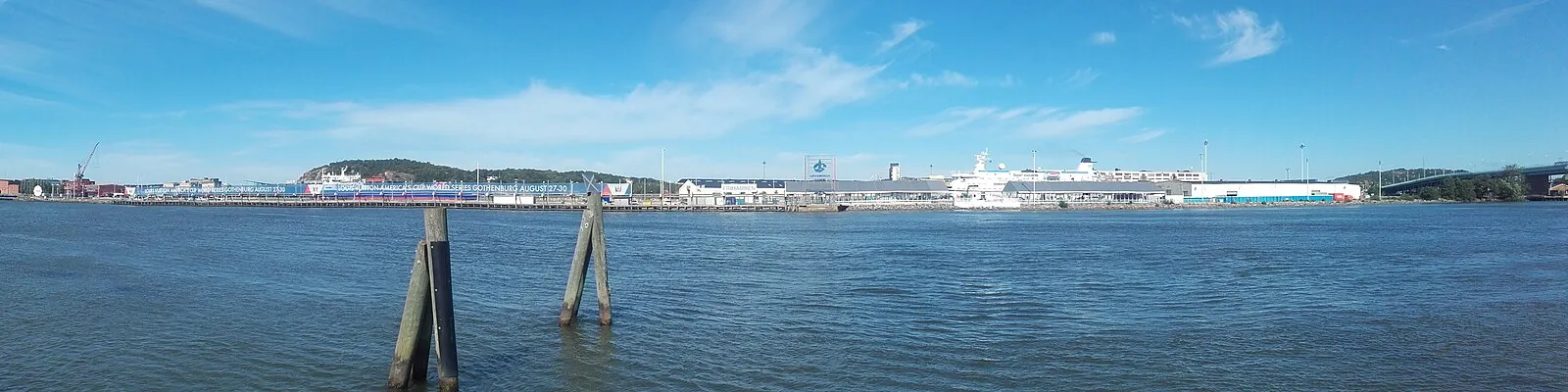
Image Credits
All photographs used on this page are sourced from free-use platforms under Creative Commons or equivalent licenses. Individual credits appear beneath each image. Sources include Wikimedia Commons, Unsplash, Pixabay, and Pexels.
Frequently Asked Questions
Is Gothenburg worth visiting on a cruise?
Gothenburg is Sweden's friendliest city with excellent tram transport, fresh seafood at Feskekôrka, and a car-free archipelago just 20 minutes away by ferry. It offers a genuine Swedish experience without Stockholm's crowds or prices.
How do I get from the cruise port to the city center?
Trams connect the port area to central Gothenburg in about 10 minutes. A single ticket costs 35 SEK ($3.30). The Västtrafik To Go app makes purchasing easy. Walking takes 30–40 minutes along the waterfront.
What should I eat in Gothenburg?
Head to Feskekôrka (the Fish Church) for räkmacka — a towering shrimp sandwich on dark bread — for about 95 SEK ($9). The seafood is caught fresh from the North Sea daily. Haga district serves enormous kanelbullar (cinnamon buns).
Can I visit the archipelago in one port day?
Yes. Ferries to the southern islands run from Saltholmen, reachable by tram in 25 minutes. The ferry ride is 20–30 minutes. Allow 4–5 hours round trip for a comfortable visit including a meal on the island.
What currency does Gothenburg use?
Swedish Krona (SEK). Credit cards are accepted nearly everywhere — many shops and restaurants are cashless-only. ATMs are available near the cruise terminal and throughout the city center.
Is Gothenburg accessible for wheelchair users?
The tram network is wheelchair accessible with low-floor boarding. Most attractions offer full accessibility. The Haga district cobblestones can be challenging, but main streets and the waterfront promenade are smooth and flat.
When is the best time to visit Gothenburg?
The Baltic/North Sea cruise season runs May-September. June-August offers the warmest weather (highs around 18-22°C) and long Scandinavian summer daylight. May and September are the transitional months — cooler and possibly wetter, but with thinner crowds at Liseberg Park and Feskekôrka. Winter cruise calls are rare; Swedish winter is cold, dark, and damp. The live weather widget in the seasonal panel above is the primary source for short-term conditions on a specific sailing date.
What's the storm season for Gothenburg?
Gothenburg sits at ~58°N on Sweden's west coast facing the Kattegat — outside the tropical-cyclone tracks. The relevant heavy-weather pattern is North Sea winter storms (Oct-Mar) with strong winds, rain, and occasional snow. Cruise season largely avoids the worst weather. Summer thunderstorms are brief. The live weather widget in the seasonal panel above is the primary source for current conditions on a specific sailing date.
What should I pack for Gothenburg's weather?
Layered clothing for the temperature swings (15-22°C summer highs with frequent showers). A waterproof jacket — Gothenburg sees rain on roughly half of all days even in midsummer. Comfortable walking shoes with grip for the Haga cobblestones and the tram-stop platforms. A swimsuit if you plan to swim in the archipelago. Sunglasses and high-SPF sunscreen — Nordic summer days are long and the sun is intense at this latitude.
Will rain ruin my Gothenburg port day?
Gothenburg is built for rain — the tram network keeps you dry between attractions, the Universeum science centre, the Gothenburg Museum of Art, the Volvo Museum, the covered Feskekôrka fish market, and the warren of Haga shops along Haga Nygata all stay accessible in any weather. The archipelago ferry runs in light rain but the islands themselves become less appealing without the famous Swedish summer sun. The live weather widget in the seasonal panel above is the primary source for short-term forecasts on a specific sailing date.
Gothenburg Port Map
See the interactive map in the sidebar for cruise terminal location and attraction markers.
I've sailed this port myself, walked these shores, and these notes come from my own wake. The details reflect what I found on the ground, though ports change — always verify current conditions for your voyage.
Last reviewed: February 2026