
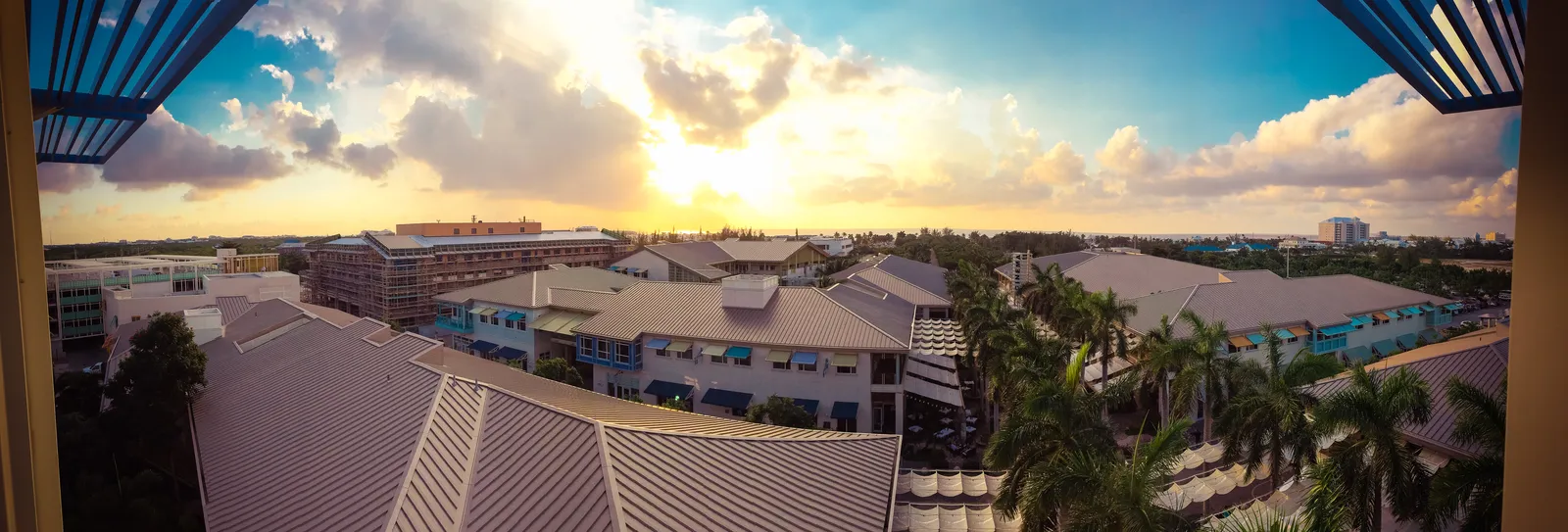
Photo: Wikimedia Commons
My Logbook: Where Stingrays Give Velvet Hugs
Sailing into George Town with that ridiculous seven-shades-of-blue water makes everyone abandon breakfast and run to the bow. Grand Cayman is a tender port — but don't groan, because the five-minute ride to the Royal Watler Cruise Terminal through water so clear you can count fish from the boat is part of the magic. This is the Caribbean as postcards promised: impossible turquoise, white sand, and that offshore finance vibe that means everything runs smoothly and looks pristine. I've visited Grand Cayman three times now, and each return confirms what I knew the first time — this port delivers on every promise.
Christopher Columbus first sighted these islands in 1503 during his fourth voyage, naming them "Las Tortugas" for the vast numbers of sea turtles in surrounding waters. The islands remained largely uninhabited until the 1730s when the first permanent settlers arrived — a mix of British deserters, shipwrecked sailors, and refugees from religious persecution. George Town maintains a population of around 45,000 residents, small enough to feel intimate, large enough to offer genuine infrastructure. The British connection explains why vehicles drive on the left, why the King's portrait appears in government buildings, and why this place operates with a level of organization that stands out in the Caribbean.
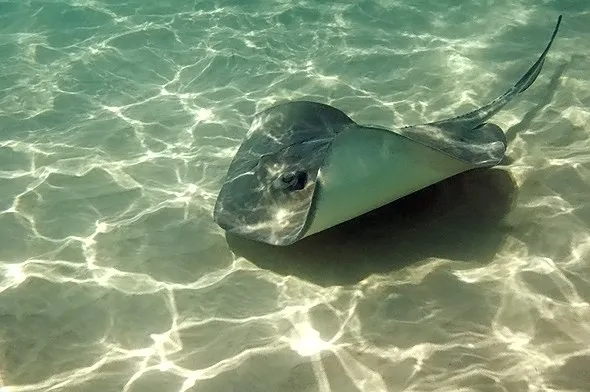
My first stop is always Stingray City, and it rewired how I think about wildlife encounters. This isn't an aquarium — it's a string of shallow sandbars in the North Sound where wild southern stingrays have congregated for generations. The origin story is beautifully simple: decades ago, local fishermen would anchor here to clean their catches, tossing scraps overboard. Stingrays learned that boats at this sandbar meant easy meals. Word spread through the ray population, and more arrived. Over years, these wild creatures grew so accustomed to humans that they became remarkably interactive — gliding up to swimmers expecting handouts.
Standing waist-deep in bathwater-warm turquoise water, dozens of southern stingrays glide around me. Their velvet-textured wings brush against my legs as guides distribute bits of squid for feeding. You can swim with them, feed them, photograph them, hold them, pet them, even press your face against theirs for the traditional good-luck kiss. Despite their fearsome reputation, these animals are gentle and curious. The barb in their tail is purely defensive — they have zero interest in harming humans who treat them respectfully. I've never felt unsafe, only amazed.
After Stingray City, I head to Seven Mile Beach, and I'll be honest — it deserves every bit of its sterling reputation. Caribbean Travel + Life magazine named it one of the "World's Ultimate Beaches," and standing on that coral sand watching water shift through impossible shades of blue makes it clear why. The name is slightly misleading these days; natural erosion has reduced it to roughly five and a half miles of uninterrupted white sand along the western coast, but that's still extraordinary. The sand is talcum-powder soft, the water glows in shades of turquoise and aquamarine, and the entire shoreline remains publicly accessible despite the luxury hotels lining the coast.
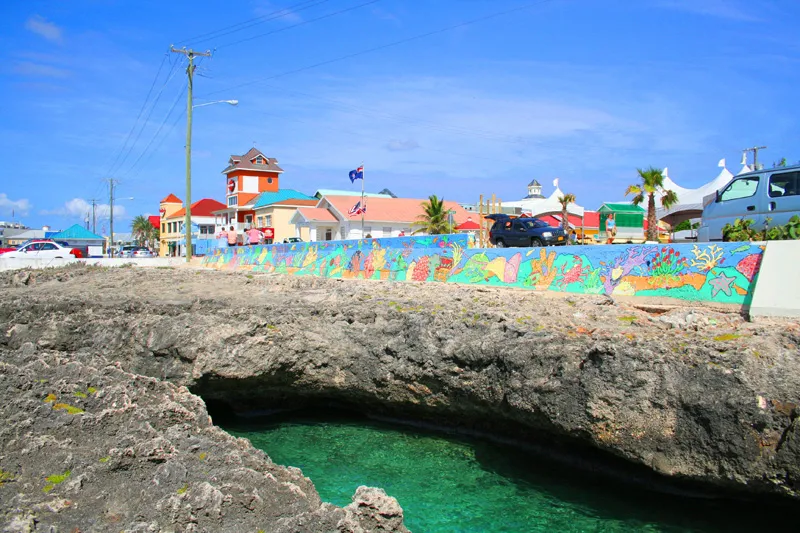
George Town itself is refreshingly manageable on foot. Step off the tender pier and you're immediately in the heart of downtown — a tidy waterfront district maybe four blocks deep and six blocks wide. The streets are immaculately maintained, buildings painted in cheerful Caribbean pastels, the scent of tropical flowers drifting from carefully tended gardens. Safety is never a concern here; the Cayman Islands have one of the lowest crime rates in the Caribbean. The terrain is completely flat, making wandering effortless. I always stop by Tortuga Rum Company for their famous rum cakes — the taste is rich with Caribbean rum and spices, and they're shelf-stable and vacuum-sealed for gifts.
For culture seekers, the Cayman Islands National Museum on Harbour Drive sits in a beautifully restored colonial building just steps from the cruise terminal. The exhibits trace the archipelago's maritime heritage, natural history, and evolution from remote fishing outpost to international financial center. Admission is modest, and the air conditioning alone makes it worthwhile on sweltering days. I spent an hour there learning about the turtle fishing industry that once defined these islands and the dramatic shift to tourism and finance that transformed them.
The expense factor is real though — Grand Cayman ranks among the priciest ports in the Caribbean. A modest lunch for two at a waterfront restaurant easily runs $100 or more including tax and tip. My strategy? Eat a substantial breakfast on the ship, carry water and snacks ashore, and plan either a late lunch or early dinner back on board. The experiences here are worth every dollar, but budget accordingly.
Looking back at my Grand Cayman visits, I realize this island taught me something about connection. In most wildlife encounters, we're observers. At Stingray City, we're participants—the animals choose to interact, to wrap their wings around us, to accept our presence. My heart swelled each time I felt that gentle pressure of wing against leg, that moment of interspecies trust. The lesson is that the most powerful moments happen when another creature decides you're worth trusting.
Weather & Best Time to Visit
The Cruise Port
Grand Cayman is a tender port — your ship anchors about a half-mile offshore in George Town's protected harbor, and passengers take the ship's tenders (essentially large lifeboats) to reach the pier. The tender ride takes five to ten minutes through incredibly clear water, and honestly, it's one of the highlights of the day. That crystalline water means you're gazing straight down at coral formations and tropical fish from your seat.
Most tenders dock at the Royal Watler Cruise Terminal, which features air-conditioned waiting areas, clean restrooms, tourist information counters, and small shops. The terminal is wheelchair accessible with ramps and paved pathways. During peak season when multiple ships anchor simultaneously, tender waits can reach 30-60 minutes during the initial morning rush. My strategy: either race off the ship first thing, or wait until mid-morning when the surge clears and you can walk right on. Currency is Cayman Islands Dollar (CI$), but US dollars are universally accepted.
Getting Around
- Walking George Town: Everything in the downtown core sits within a ten-minute walk from the tender pier — shopping, restaurants, the National Museum, and historic sites are all easily accessible on foot. The terrain is completely flat and wheelchair accessible.
- Taxis to Seven Mile Beach ($2.50-12/person): Shared vans depart continuously during cruise ship hours for $2.50-5 per person. Private taxis run $10-12 per person for the same ten-minute journey. Legitimate taxi stands operate directly at the tender pier with government-regulated fares. Negotiate before departing.
- Water Taxis ($30-40 round trip): Fast boats run scheduled service from George Town to Rum Point and Kaibo Beach Bar, offering scenic coastal views and avoiding road traffic entirely. Good option for beach day away from Seven Mile Beach crowds.
- Stingray City Tours ($39-80/person): Boat operators like Captain Marvin's, Native Way Water Sports, and Red Sail Sports all depart from docks adjacent to the tender terminals. Tours range from two hours (Stingray City only) to four hours (adding Starfish Point and coral reef snorkeling). Book ahead during peak season.
- Island Van Tours ($60-100/person): Guided tours cover the Ironshore Formation, Crystal Caves, Turtle Centre, and Rum Point in four to six hours. Most include admission fees and beach/hotel drop-offs. Good value for first-time visitors wanting to see multiple attractions.
Grand Cayman Area Map
Interactive map showing George Town, Seven Mile Beach, Stingray City, and attractions. Click any marker for details.
Beaches & Beach Clubs
Grand Cayman's beaches are among the Caribbean's finest, with the famous Seven Mile Beach earning consistent top rankings:
- Seven Mile Beach (taxi $2.50-12): World-famous white sand beach stretching 5.5 miles along the western coast. Entirely public access despite luxury hotels. Calm, protected water built for swimming. Chair and umbrella rentals around $25 for two chairs plus umbrella. Beach bars like Royal Palms and Calico Jack's offer food and drinks with complimentary beach furniture for patrons.
- Rum Point (water taxi $30-40 round trip): Quieter north shore beach with hammocks, casual dining, and excellent snorkeling. Less crowded than Seven Mile Beach. Popular for lunch escapes from the main tourist zone. Access via water taxi from George Town.
- Starfish Point (typically included in tours): Shallow natural pool where you can interact with bright red cushion starfish in knee-deep water. Often combined with Stingray City tours. Look but handle very gently — starfish are fragile creatures.
- Smith Cove (free, walking distance): Small but beautiful public beach south of George Town, accessible on foot from the cruise terminal. Excellent snorkeling, calm protected water, picnic facilities. Good option for quick beach visit without transportation.
Top Excursions & Things to Do
Booking guidance: Ship excursions offer guaranteed return to the vessel but cost more. Independent bookings with operators like Captain Marvin's or Native Way are typically 30-40% cheaper with smaller group sizes. For Stingray City, book ahead through ship or reputable independent operator during peak season — this attraction sells out weeks in advance. Beach days and downtown can be done independently without advance booking.
DIY vs. Ship Excursion: Stingray City
Independent Boat ($39-55/person)
- Book from George Town waterfront
- Smaller boats, less crowded sandbar
- Often includes a snorkel stop
- Must be back to tender on time
Ship Excursion ($60-80/person)
- Guaranteed return to ship
- Larger catamaran, more amenities
- Equipment and safety briefing included
- Premium for peace of mind
Stingray City Sandbar
The island's signature experience — standing waist-deep on a shallow sandbar while wild southern stingrays glide around you. You can hold them, feed them, even "kiss" them for good luck. Independent tours run $39-60 per person; ship excursions run $70-90. Allow 2-4 hours depending on whether you add Starfish Point or snorkeling. Book ahead during winter cruise season as this is the most popular attraction in the Cayman Islands.
Seven Mile Beach Day
This legendary beach requires no advance booking. Take a shared taxi ($2.50-5) to the beach, rent chairs and umbrella ($25), and enjoy turquoise water and powder-soft sand. Beach bars provide food and drinks. Return whenever you're ready. great for relaxation-focused visitors who don't want structured excursion schedules.
Island Van Tour
Comprehensive tours covering the Ironshore Formation (strange limestone formations), Crystal Caves (underground caverns), Cayman Turtle Centre (sea turtle conservation), and Rum Point. Four to six hours, typically $60-100 per person including admissions. Good value for first-timers wanting to see multiple attractions without arranging individual transportation. Book through ship excursion for guaranteed return, or through local operators for lower prices.
Cayman Turtle Centre
Conservation and education facility featuring green sea turtles at various life stages, from tiny hatchlings to massive adults. A fitting tribute to the vast turtle populations that prompted Columbus to name these islands "Las Tortugas." Touristy but genuinely educational, especially for families with children. Entry around $35-45 including transportation from George Town.
Snorkeling & Diving
Grand Cayman offers exceptional diving with healthy reefs and dramatic walls. Popular sites include Stingray City sandbar, Eden Rock, Devil's Grotto, and the USS Kittiwake wreck. Half-day snorkeling trips run $50-80. Serious divers should book ahead with operators like Red Sail Sports or Divetech for guaranteed spots on specialty dives. The visibility often exceeds 100 feet, making this a top-tier Caribbean diving destination.
Ironshore Formation & Crystal Caves
The Ironshore Formation is a quirky roadside attraction featuring otherworldly black limestone formations — ancient rock weathered into spiky, charred-looking peaks. The real draw is pure novelty: mailing postcards from the local post office to friends back home. Crystal Caves offers guided underground tours through million-year-old caverns with dramatic stalactites and lighting effects. Both attractions are typically included in island van tours or can be visited independently by taxi. Allow 30 minutes for the Ironshore Formation (photo stop) and 45-60 minutes for Crystal Caves. Book ahead for cave tours during peak season.
Where to Eat & Drink
Grand Cayman is expensive — expect to pay $100+ for a simple lunch for two with drinks. Here are options across price points:
- Tortuga Rum Company (downtown): Famous rum cakes, free samples. The chocolate rum cake is worth the calories. Located on Bay Street near the tender pier. Not a meal, but a must-stop for gifts and snacks.
- Royal Palms Beach Club (Seven Mile Beach, $$): Beach bar with food, drinks, and complimentary beach chairs for patrons. Good option for combining lunch with beach time. Burgers, fish tacos, frozen drinks.
- Calico Jack's (Seven Mile Beach, $): More casual beach bar with similar setup — food and drinks earn beach furniture access. Party atmosphere, good for groups.
- Heritage Kitchen (West Bay, $): Authentic Caymanian cuisine — conch fritters, conch ceviche, traditional dishes. Harder to reach but worth it for local flavor. Taxi required.
- Rum Point Restaurant (north shore, $): Fresh seafood in relaxed setting away from cruise crowds. Access via water taxi makes it a mini-adventure. Famous for their "Mudslide" cocktail.
Budget tip: Eat breakfast on the ship, carry snacks and water, and save your restaurant splurge for one memorable meal rather than grazing all day.
Local Notices & Current Conditions
- Tender Waits: During peak morning hours (8-10am), tender waits can reach 30-60 minutes when multiple ships anchor. Either race off first or wait until mid-morning surge clears.
- Left-Side Driving: This is British Overseas Territory — vehicles drive on the left. Look right first when crossing streets.
- Currency Exchange: CI$ is official currency, but USD is universally accepted. Watch your change — CI$ is worth more than USD, so getting CI$ change costs you money unless you spend it here.
- Peak Season: December through April brings heaviest cruise traffic and highest prices. Book Stingray City weeks ahead during these months.
Depth Soundings Ashore
Practical tips before you step off the ship.
Grand Cayman ranks among the most expensive Caribbean ports. Budget $100-150 per person minimum for a modest lunch with drinks. A simple beer costs $8-12. Excursions range from $60-120 per person. Beach chair rentals run $20-30. Many cruise visitors eat breakfast and dinner aboard ship while limiting onshore purchases to manage costs.
Safety is excellent — the Cayman Islands have one of the lowest crime rates in the Caribbean. George Town feels genuinely secure, and the terrain is completely flat, making it wheelchair accessible throughout the downtown area. The only adjustment needed is remembering to look right first when crossing streets, as traffic drives on the left.
What to bring: Reef-safe sunscreen (regulations prohibit harmful chemicals near coral), water shoes for the Stingray City sandbar, waterproof phone cases or underwater cameras, and a backpack with towels and dry clothes. The Royal Watler terminal has restrooms and changing facilities. Weather is consistently warm (75-90°F) with occasional afternoon showers, especially June through November.
Practical Information
- Currency: Cayman Islands Dollar (CI$). USD universally accepted but change often given in CI$ (worth more than USD).
- Language: English
- Time Zone: Eastern Standard Time (same as New York, Miami) — does not observe daylight saving.
- Weather: Year-round warm (75-90°F). Dry season December-April. Occasional afternoon showers June-November.
- Tender Port: Ships anchor offshore; tender ride 5-10 minutes to Royal Watler Cruise Terminal.
- Accessibility: Tender pier and downtown are wheelchair accessible. Seven Mile Beach has some sand wheelchair access points. Stingray City sandbar requires wading in water.
Photo Gallery
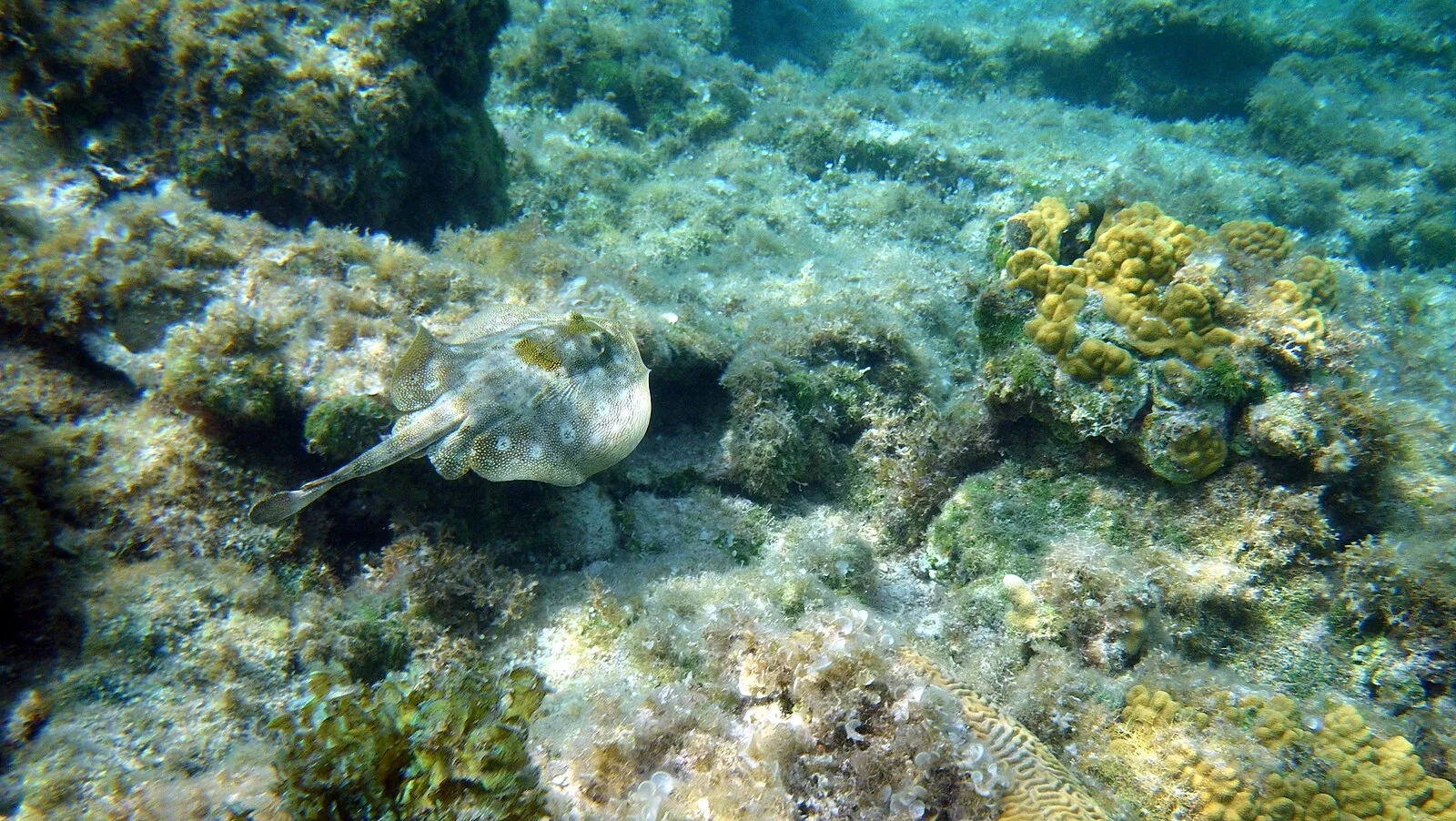
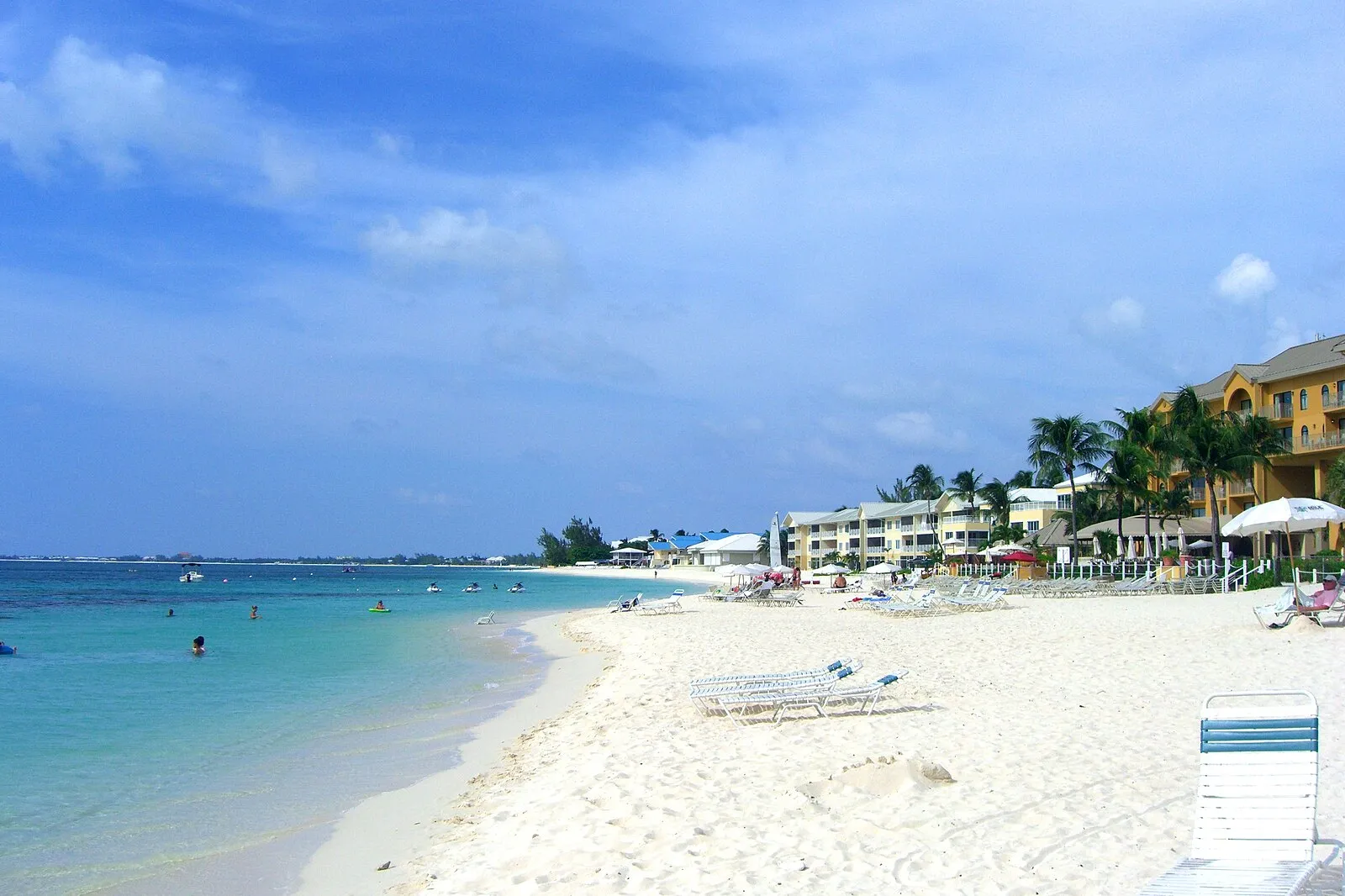
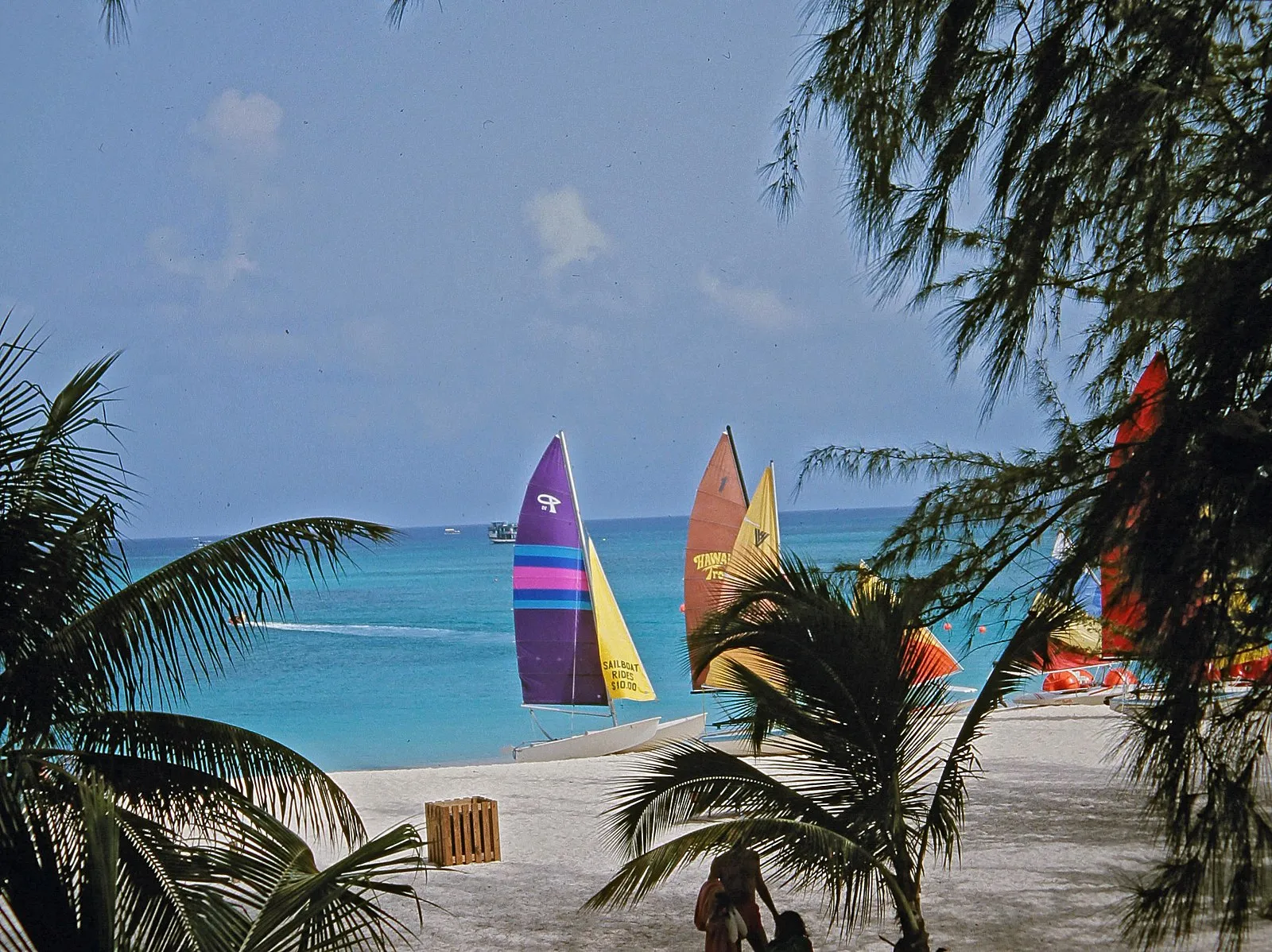
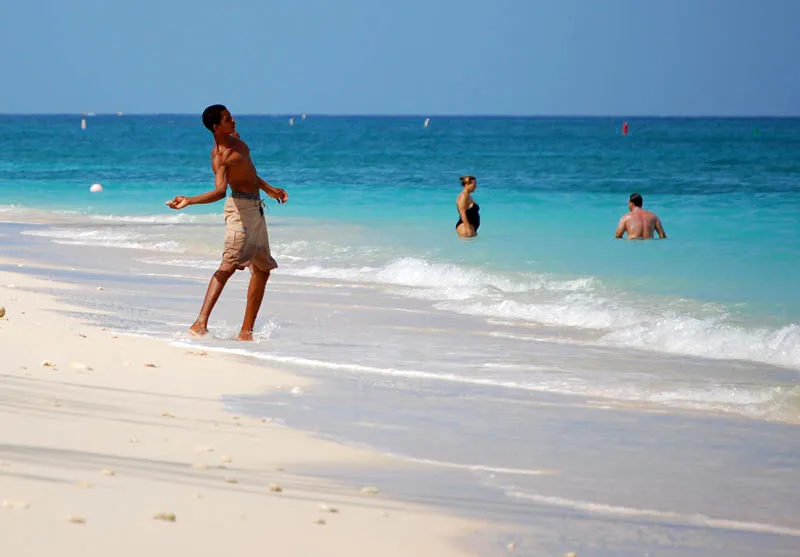
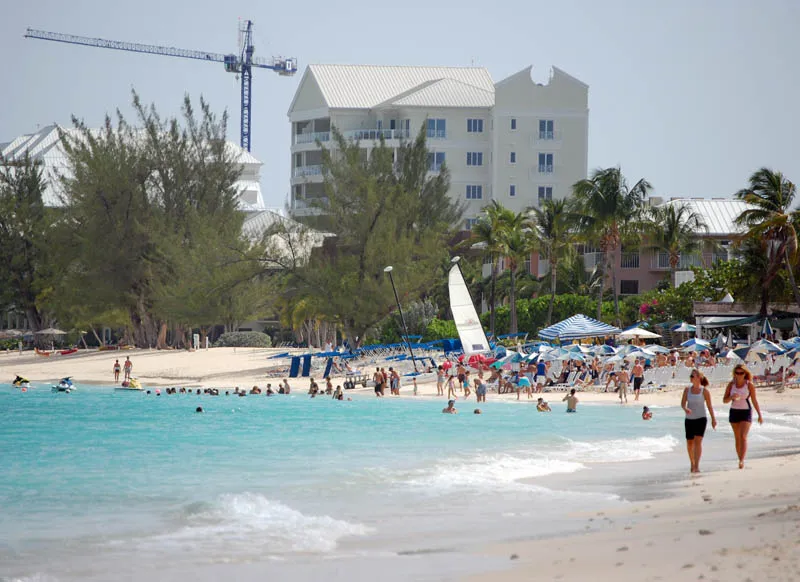
Image Credits
- seven-mile-beach-view.webp: Flickers of Majesty
- stingray-city.webp: Flickers of Majesty
- waterfront.webp: Flickers of Majesty
All images used with permission. Photo credits link to original sources.
Frequently Asked Questions
Q: Is Stingray City worth the hype?
A: Absolutely — standing waist-deep on a sandbar while wild southern stingrays wrap their velvet wings around you is genuinely one of the most unique wildlife experiences in the Caribbean. These animals choose to be here and interact with humans. Book early during peak season as it's the island's most popular attraction.
Q: How does the tender process work?
A: Your ship anchors offshore, and you take the ship's tenders (large motorized lifeboats) to the pier. The ride takes 5-10 minutes through crystal-clear water. If you have a ship excursion, you get priority tender tickets. Independent travelers should head to tender boarding early or wait until mid-morning when waits drop to 10 minutes.
Q: Should I book Stingray City through the ship or independently?
A: Independent operators like Captain Marvin's and Native Way Water Sports offer smaller group sizes (15 vs 40+ passengers), lower prices (30-40% less than ship excursions), and guarantee timely returns. However, ship excursions provide guaranteed return to the vessel if delays occur. Both are valid choices; independents offer better value for confident travelers.
Q: How expensive is Grand Cayman?
A: Very expensive — one of the priciest ports in the Caribbean. A simple lunch for two runs $100-150. Beer costs $8-12 each. Many cruisers eat breakfast and dinner on the ship to manage costs, having just a light lunch ashore or bringing snacks.
Q: Is Seven Mile Beach worth visiting?
A: Yes — it's consistently rated among the world's best beaches. The entire shoreline is publicly accessible with powder-soft sand and calm turquoise water. Chair rentals run $25. The 10-minute taxi ride from the tender pier costs $2.50-12 per person depending on whether you share.

Tender Port
Ships anchor offshore and passengers take small boats (tenders) to reach the pier.
Last reviewed: February 2026
The $2.50 shared taxi to Seven Mile Beach is a steal in the Caribbean. Don't pay $40+ for a ship beach excursion when you can get there independently for pocket change and spend the savings on a beach chair and rum punch.