


My Visit to Greenock & Glasgow
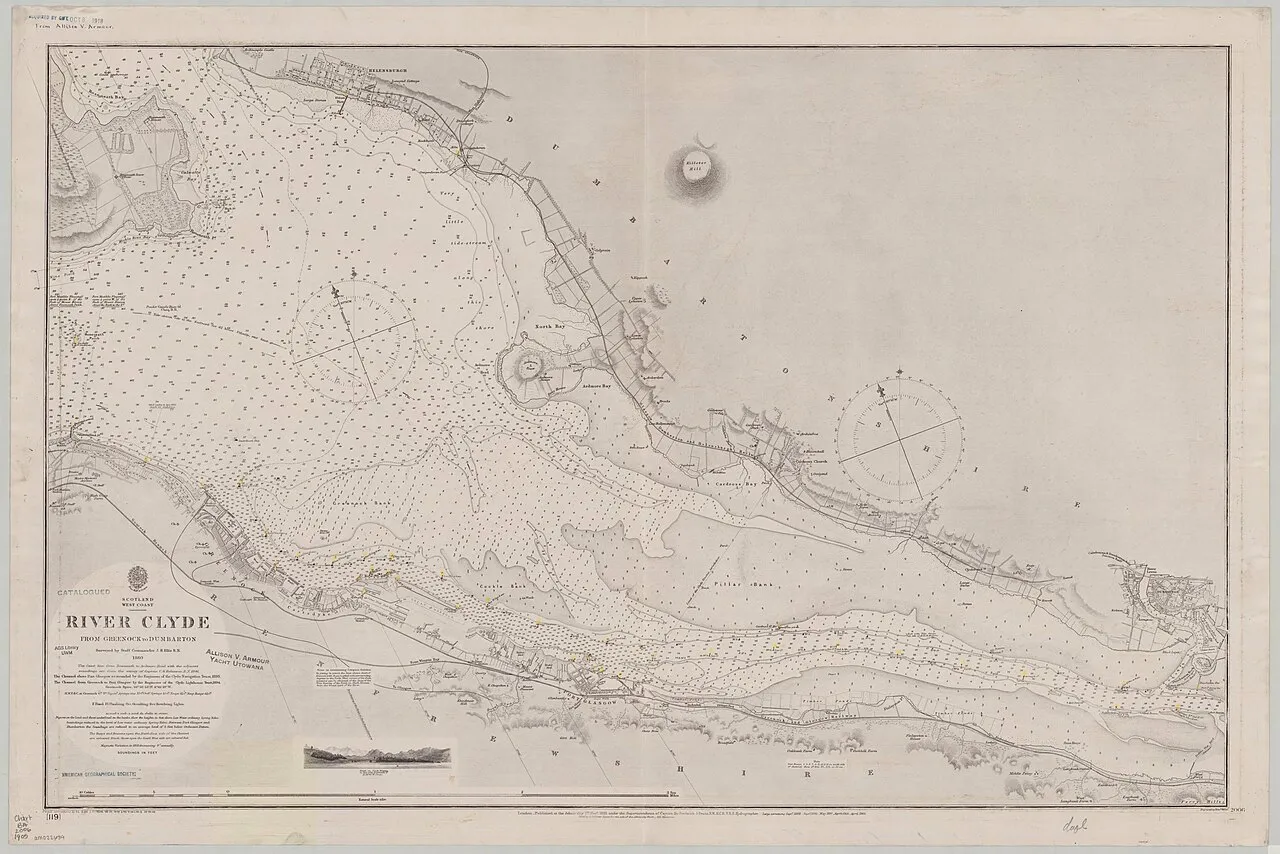
I stepped off the gangway at Greenock Ocean Terminal into a wall of cold, wet Scottish air. The morning mist hung low over the River Clyde, blurring the hills on the far shore into grey smudges. My jacket was already damp before I reached the shuttle bus. The driver, a man with a thick Glaswegian accent and a warm grin, told me the rain would pass. "Aye, give it ten minutes," he said. I wasn't sure I believed him, but I nodded and watched the waterfront slide by through streaked glass.
Our plan was simple: take the train to Glasgow, forty minutes east, and spend the day in Scotland's largest city. Greenock itself is honest and unpolished — a working port town that gave the world James Watt and the steam engine — but it was Glasgow that drew us. The fare was just $8 each way, and the train left from Greenock Central every half hour. My wife and I settled into our seats, and within minutes we were winding along the Clyde, past shipyards and cranes and small towns pressed between river and hill. I watched a heron standing motionless on a stone embankment, utterly unbothered by the rain.
Glasgow Central Station swallowed us into its grand Victorian ironwork, and we emerged onto Gordon Street blinking in sudden sunlight. The driver had been right — the rain had passed, though the pavement still gleamed. I could smell roasting coffee from a shop on the corner and hear the rumble of buses and the chatter of students heading to lectures. Glasgow felt alive in a way I hadn't expected — vibrant, young, confident. We walked to George Square, where the city chambers stood in magnificent sandstone, then down through Merchant City toward the cathedral.
Glasgow Cathedral stopped me in my tracks. I had seen cathedrals across Europe, but this one felt different — darker, more solemn, rooted in something ancient. The nave soared in grey stone, and stained glass threw colored light across worn flagstones. I descended to the lower church, a crypt-like space where St. Mungo, the city's patron saint, is buried. The air was cold and still. A volunteer organist was practicing somewhere above me, and the sound of Bach drifted down through stone that has stood since the twelfth century. I sat on a wooden bench and listened. My heart swelled with something I couldn't name — not quite sadness, not quite joy, but the deep recognition that some places carry the weight of centuries in their silence. I whispered a quiet prayer of gratitude for the moment, for the stillness, for the privilege of sitting in the hush of a place built by hands long since turned to dust.
However, we couldn't stay forever. We walked west through the city, past the University of Glasgow's Gothic towers, and arrived at Kelvingrove Art Gallery and Museum. Admission is free — I was stunned by this. A world-class collection of Impressionist paintings, Scottish arms and armor, and a full-size Spitfire hanging from the ceiling, all for the cost of nothing. Yet Kelvingrove's greatest gift is its organ recital. At one o'clock each day, a musician plays the hall's enormous pipe organ, and the sound fills every corner. We stood on the balcony as the music began, and I felt the vibrations in my chest. My wife squeezed my hand, and neither of us spoke.
After Kelvingrove, we took a bus north toward Loch Lomond. The tour cost $45 per person, and the journey took about an hour through rolling green countryside. The lochs and hills of the Trossachs opened before us like a painting. At Luss, a tiny village on the loch's western shore, I walked down to the water's edge. The surface was glass-smooth, reflecting Ben Lomond in perfect symmetry. The air smelled of wet grass and pine, and I could hear nothing but birdsong and the soft lap of water on stone. I touched the surface — cold, sharp, real. Scotland in a single sensation.
On the way back to Greenock, we stopped at a small whisky distillery near the village of Alexandria. The guide walked us through the copper stills and the barrel warehouse, where the scent of oak and peat smoke hung thick in the cool air. I tasted a twelve-year single malt — warm, smooth, with notes of honey and heather that lingered on my tongue. The cost was $12 for the tasting, and it was worth every penny. Though I am not a regular drinker, I appreciated the craft and patience that goes into each bottle — years of waiting for something to reach its fullness.
Back in Glasgow, we had just enough time for a late lunch. We found a small restaurant near Buchanan Street and ordered haggis with neeps and tatties — Scotland's most famous dish. It arrived steaming and savory, the haggis rich and peppery against the sweet turnip and buttery potato. The meal cost $15 each, and I left feeling that I had tasted something genuinely Scottish, something that belonged to the place. The Scotch pie from a nearby bakery — just $3 — was equally satisfying: a small, dense, meaty thing that warmed my hands as much as my stomach.
We caught the train back to Greenock with thirty minutes to spare before the ship sailed. The Clyde estuary was golden in the late afternoon light, and I watched the shipyards pass — once the greatest in the world, now quieter but still standing. Greenock's heritage is written in iron and rivet. My wife fell asleep against my shoulder, tired from the walking. I stayed awake, watching Scotland slide past the window, grateful for the day.
Looking back, I realized that Greenock taught me something about gateways. We so often rush through them, eyes fixed on the destination beyond, that we forget the gateway itself has a story. Greenock built the ships that carried millions to new lives. It powered the industrial revolution. It is not glamorous, but it is real — and sometimes the realest places are the ones that stay with you longest. I learned that a day in Scotland is not about checking sights off a list. It is about slowing down long enough to hear the organ in the cathedral, to feel the cold water of the loch, to taste the peat in the whisky. Sometimes you have to pass through an unassuming door to find something extraordinary on the other side. What matters is not the gateway itself, but what you carry through it.
Last reviewed: February 2026
Featured Images
The Cruise Port
What you need to know before you dock.
- Terminal: Greenock Ocean Terminal — modern facility with shuttle to Greenock town center and train station. The terminal is wheelchair accessible with ramps and level boarding.
- Distance to Glasgow: 25 miles (40 km); 25-45 min by train; 40 min by car/taxi
- Distance to Edinburgh: 75 miles (120 km); 1.5-2 hours by train or car
- Tender: No — ships dock directly at the pier
- Currency: British Pound Sterling (GBP); credit cards universally accepted
- Language: English (with Scottish accents)
- Driving: Left side; car rental available but train to Glasgow is easier and cheaper
- Best Season: May-September for weather; spring and autumn less crowded than summer
- Mobility Notes: The terminal area is flat and accessible. Glasgow trains have step-free access on most services. Kelvingrove Museum is fully wheelchair accessible. Loch Lomond tours vary — check with operators for mobility requirements.
Getting Around
Transportation tips for Greenock.
- To Glasgow by Train: Greenock Central or Greenock West stations. ScotRail trains to Glasgow Central run every 30 minutes during peak hours (25-45 min, fare $8 each way). Frequent service throughout the day. Buy tickets at station or online. This is the best and most budget-friendly option for reaching the city.
- To Glasgow by Taxi: About $55, 40-min drive. More expensive than train but convenient for groups of 3-4 who can split the cost.
- To Edinburgh: Train to Glasgow Central, then Glasgow Queen Street to Edinburgh Waverley (total 1.5-2 hours, about $25 each way). Or book an organized shore excursion that handles all transfers.
- Organized Tours: Many ship excursion options from Greenock to Glasgow, Edinburgh, Loch Lomond, and Stirling. Prices range from $60-$150 per person. Convenient but more expensive than independent travel by train.
- Walking in Greenock: Town center is walkable from Ocean Terminal, with a free shuttle often provided by the port. McLean Museum, waterfront, and James Watt sites are all within 15-20 min walk. Moderate walking on mostly flat terrain.
- Car Rental: Available but unnecessary unless you want to explore the Highlands independently. Budget $50-$80 per day.
- Accessibility: Glasgow trains have accessible carriages. Most Glasgow museums are wheelchair accessible. Contact tour operators in advance for mobility-specific accommodations on Loch Lomond and Highland tours.
Greenock Port Map
Interactive map showing cruise terminal and Greenock attractions. Click any marker for details.
Excursions & Activities
How I'd spend my time — whether you book ahead through the ship or go independent.
Glasgow by Train (40 min, independent)
Scotland's largest city is 25 miles from Greenock and easily reached by independent travel on ScotRail. The train fare is about $8 each way, departing every 30 minutes. Glasgow Cathedral is a medieval masterpiece with free admission. Kelvingrove Art Gallery and Museum is world-class and completely free — plan at least two hours. George Square, Merchant City, and Buchanan Street offer excellent shopping and dining. For those who prefer structure, many ship excursion options include guided Glasgow tours with guaranteed return to the ship, typically costing $70-$90 per person. Going independent gives you more flexibility but requires watching the clock for return trains.
Loch Lomond & Trossachs National Park
Scotland's most famous loch lies about 1 hour north of Greenock. The "bonnie banks" immortalized in song are surrounded by Highland scenery — Ben Lomond rising above glassy water, stone villages tucked into green valleys. The village of Luss offers loch-side walks, boat cruises ($15-$20), and a charming main street. I recommend booking ahead for this excursion, as it fills quickly during peak season. Ship excursion tours typically cost $100-$130 and include guaranteed return. Independent options exist via bus from Glasgow, though timing is tighter.
Stirling Castle (1.5 hours)
Dramatic hilltop fortress where William Wallace and Robert the Bruce fought for Scottish independence. The Renaissance palace, Great Hall, and spectacular views over the Highlands make this a full-day commitment. Admission is about $20. Usually combined with Loch Lomond on organized tours. The drive is scenic but long — book ahead if this interests you, as independent travel from Greenock requires multiple connections.
Edinburgh (1.5-2 hours each way)
Scotland's capital is accessible but ambitious from Greenock. The total journey requires a train to Glasgow and then onward to Edinburgh — 75 miles and 1.5-2 hours each way. If Edinburgh Castle and the Royal Mile are high on your list, a ship excursion with guaranteed return is the safest choice, typically $120-$150 per person. Independent travel is doable but eats your day in transit. Unless this is your only Scottish port, save Edinburgh for a dedicated visit.
McLean Museum & Art Collection (Greenock)
If you stay in Greenock: this free museum covers local shipbuilding history, James Watt inventions, Egyptian antiquities, and Scottish art. Small but genuinely interesting. A 10-minute walk from Ocean Terminal. Allow 1 hour. Low walking effort, fully accessible.
Whisky Distillery Tour
Several distilleries operate within day-trip range of Greenock. Tours typically cost $12-$25 and include tastings of single malt Scotch. The Glengoyne Distillery, about an hour from Glasgow, is popular with cruise visitors. Book ahead through ship excursion packages or arrange independent transport from Glasgow. These tours are moderate walking on uneven ground.
Local Food & Dining
- Full Scottish Breakfast: Like English breakfast but with square sausage, haggis, tattie scones. Massive, hearty, legendary. About $12-$15 at Glasgow cafes.
- Fish & Chips: Classic Scottish takeaway — fresh fish battered and fried, served with chips. Glasgow has excellent chippies. Cost: $8-$12.
- Scotch Pie: Small savory pie with minced mutton or beef. A Scottish snack food staple, typically $3-$4 from bakeries.
- Tablet: Scottish fudge-like candy — sweet, grainy, sugar rush. Makes a great gift.
- Haggis: Scotland's national dish — try it with neeps and tatties in Glasgow pubs. About $15 for a full plate.
- Scotch Whisky: Single malts from across Scotland. Glasgow has excellent whisky bars for tastings.
- Irn-Bru: Bright orange Scottish soft drink, a national obsession.
- Cullen Skink: Creamy smoked haddock soup — warming Scottish comfort food.
Depth Soundings Ashore
Insider advice from experience.
- Go to Glasgow: Seriously. Greenock is a gateway. The train is cheap, frequent, and easy. Glasgow has world-class museums, architecture, and culture. The value you get from a free museum like Kelvingrove is extraordinary.
- Check train schedules: ScotRail trains run frequently but not constantly. Check return times so you're not stranded. Last trains back to Greenock are usually early evening. Plan your budget around $8 each way.
- Edinburgh is ambitious: It's doable but you'll spend 3-4 hours traveling round-trip. Glasgow is closer and gives you more time. Choose wisely.
- Free museums in Glasgow: Kelvingrove Art Gallery and Museum, Riverside Museum (transport), and the Gallery of Modern Art are all free and excellent. Grateful doesn't begin to cover what Glasgow offers at no cost.
- Loch Lomond tours fill fast: Popular shore excursion. Book early if you want Highland scenery. Save by going independent from Glasgow.
- Weather is Scottish: Unpredictable, often wet. Pack rain gear and layers even in summer. Scottish saying: "If you don't like the weather, wait five minutes."
- Greenock itself is authentic Scotland: If you stay in town, you'll see real Scottish life — not touristy, not polished, genuinely local. It has its own charm if you're not in a hurry.
- James Watt is the local hero: Steam engine pioneer born here. You'll see his name everywhere. The McLean Museum covers his inventions if you're interested.
Practical Information
Photo Collection
Image Credits
All images on this page are used under Creative Commons or free-use licenses. Individual attributions appear in figcaptions. Hero image and featured images via Unsplash.
Frequently Asked Questions
Q: Is there anything to do in Greenock itself?
A: Greenock has the McLean Museum, James Watt birthplace, and waterfront walks. It's a genuine Scottish town, not touristy. But most visitors use Greenock as a gateway to Glasgow, Edinburgh, or Loch Lomond. The waterfront walk is pleasant and wheelchair accessible.
Q: How do I get to Glasgow from the cruise terminal?
A: Train from Greenock Central or West stations to Glasgow Central (25-45 min, fare about $8). Frequent service. Or taxi ($55, 40 min). Train is cheaper and easier. Most services have accessible carriages for mobility needs.
Q: Can I visit Edinburgh from Greenock?
A: Yes, but it's 1.5-2 hours each way (train to Glasgow, then Glasgow to Edinburgh). You'll spend 3-4 hours traveling. Glasgow is much closer and more practical. Consider organized tours if you want Edinburgh — cost is typically $120-$150 per person.
Q: What's the best use of a day in Greenock?
A: Train to Glasgow. Visit Kelvingrove Museum (free, world-class), Glasgow Cathedral, and walk through the city center. Or book a tour to Loch Lomond for Highland scenery. Both are better uses of time than staying in Greenock.
Q: Are there organized tours from Greenock?
A: Yes — to Glasgow, Edinburgh, Loch Lomond, Stirling Castle, and combinations. Convenient but more expensive than independent travel by train. Prices range from $60 to $150 per person depending on the destination and duration.
Q: What should I pack for a Greenock port day?
A: Rain jacket or compact umbrella, layers for variable temperatures, comfortable walking shoes, and a camera to capture the scenery. Even in summer, Scottish weather can be cool and unpredictable.
Q: When is the best time to visit Greenock?
A: The Scottish cruise season runs May-September, with June-August offering the warmest weather (highs of 15-18°C) and the longest daylight hours. May and September are the transitional months — cooler but with thinner crowds at Loch Lomond and the Glasgow museums. Winter cruise calls are infrequent. The live weather widget in the seasonal panel above is the primary source for short-term conditions on a specific sailing date.
Q: When is Greenock's storm season?
A: Greenock sits at ~55°N on the Firth of Clyde — outside the tropical-cyclone tracks. The relevant heavy-weather pattern is Atlantic winter storms (Oct-Mar) which bring strong winds, rain, and rough Firth conditions. Late-season Atlantic hurricanes occasionally recurve toward the British Isles (see the UK Met Office for named storm history). The Greenock Ocean Terminal is sheltered, but the train to Glasgow can be affected by exceptional weather events. The live weather widget in the seasonal panel above is the primary source for current conditions on a specific sailing date.
Q: Will rain ruin my Greenock port day?
A: Scottish rain is part of the experience, and the train-to-Glasgow plan most cruisers follow puts the day's substance indoors anyway. Glasgow's Kelvingrove Museum (free, world-class), Glasgow Cathedral, the Riverside Museum, and the SEC retail district all stay open in any weather. Greenock itself has the McLean Museum and James Watt birthplace as small indoor refuges. Loch Lomond tours are more weather-sensitive — heavy rain or low cloud obscures the Highland scenery. The live weather widget in the seasonal panel above is the primary source for short-term forecasts on a specific sailing date.
Until I have sailed this port myself, these notes are soundings in another's wake. This guide draws from published accounts, fellow cruisers, and careful research — but it does not yet carry the weight of my own anchor. I am working my way through the world's cruise ports, one by one, to write what I see with my own eyes and feel with my own heart. This page awaits that day.