


Last reviewed: February 2026
Captain's Logbook: The Spice Island's Fragrant Embrace
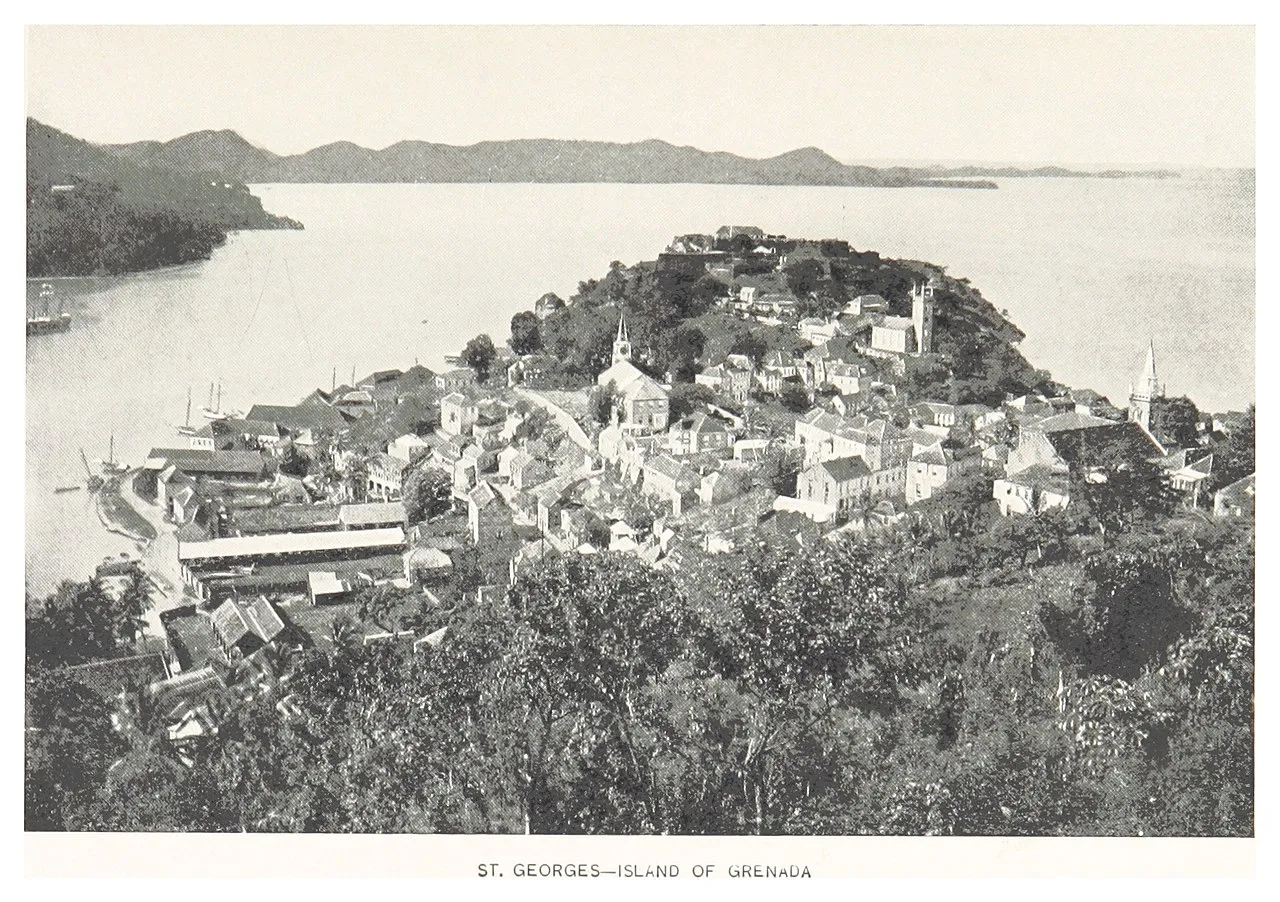
I have visited Grenada three times — in 2018, 2021, and again in 2024 — and each sail-in through the Carenage horseshoe harbor takes my breath away. The colorful houses stacked up the hills, red tile roofs catching the morning sun, the impossible turquoise of the water — St. George's has been called "the most appealing capital in the entire Caribbean," and I can't argue. Standing at the ship's rail as we glided into port, the scent of nutmeg reached me before the gangway was lowered. That fragrance — warm, earthy, faintly sweet — is Grenada's signature, carried on the trade winds like a welcome home.
This is the true Spice Island. Grenada produces a staggering one-third of the world's nutmeg supply, along with cloves, cinnamon, mace, ginger, bay leaves, and turmeric. The island wears its nickname proudly, and you'll understand why the moment you step ashore. The aroma envelops you — walking through St. George's market, the fragrance of fresh spices mingles with the salty Caribbean breeze and the sweet smell of tropical fruit. I bought a bag of nutmeg directly from a farmer who'd walked down from the hills that morning, and the scent of that bag perfumed my cabin for the rest of the voyage.
My first visit started with Grand Anse Beach — a quick fifteen-minute taxi ride from the port — and I immediately understood why it consistently ranks among the world's top ten beaches. Two miles of powder-white sand stretched before me, lapped by water so calm and clear it felt like swimming in warm glass. I spent the morning floating, watching pelicans dive, feeling the sun on my face and the gentle current tugging at my toes. There's a simplicity to Grand Anse that more developed Caribbean beaches have lost — beach chairs without the hard sell, local vendors who'll chat with you about their families, rum shops where the regulars greet you like an old friend.
Lunch at Umbrellas Beach Bar became my ritual on subsequent visits. The fish roti is the best on the island — flaky paratha wrapped around curry-stewed fish with potatoes and chickpeas. The taste is complex: the curry is fragrant with local spices (nutmeg makes its way into everything here), the fish fresh from that morning's catch, the heat building slowly until you reach for the coconut water. Their rum punch is famous among visitors for good reason, and I may have had two. The bartender, a woman named Sylvia, remembered me on my third visit. "You came back for the roti," she laughed, already reaching for the order pad.
One afternoon I hiked to Concord Falls, winding through jungle thick with mahogany and nutmeg trees. The trail climbs gently through plantations where workers still harvest spices by hand, their machetes flashing in the dappled sunlight. The first waterfall appears suddenly — forty feet of rushing water cascading into a pool so inviting I was in before my brain registered the decision. The water was cool, a shocking contrast to the tropical heat, and the mist on my face carried the musty scent of wet rock and moss.
The afternoon brought me to Belmont Estate for the chocolate tour — bean to bar, with a nutmeg ice cream chaser that made me question every ice cream I'd ever eaten before. The taste was revelatory: rich cocoa flavor with that distinctive Grenadian nutmeg warmth, sweet but not cloying, the kind of dessert that makes you close your eyes and just experience it. The estate workers explained how Hurricane Ivan had devastated the island's crops in 2004, and how they'd replanted, tree by tree, waiting the patient years for recovery. "The spice must flow," my guide said with a grin, quoting a movie I didn't expect to hear referenced on a Caribbean nutmeg plantation.
History buffs will find Grenada rich with stories. Fort George, built by the French in 1705, offers panoramic harbor views from its commanding position above St. George's. I walked the ramparts where French and British soldiers once stood guard, watching the same harbor I'd sailed into that morning. Fort Frederick, begun by the French and completed by the British in 1783, sprawls across four levels with even more spectacular vistas. The island's story is written in these stone walls: French colonization in the 1600s (tragically displacing the indigenous Caribs), British capture in 1762, and hard-won independence in 1974.
The resilience of Grenada moves me every time I visit. Hurricanes Ivan and Emily devastated the nutmeg industry in 2004-2005, destroying over 90% of the trees. But the Grenadians replanted. They waited. The trees are maturing again, production is recovering, and the world's second-largest nutmeg processing station in Gouyave continues to anchor the economy. That stubborn determination, that refusal to be defeated by circumstance, is woven into the island's character as surely as nutmeg is woven into its cuisine.
Looking back on my visits to Grenada, I realize this island has taught me something about abundance — not the excess kind, but the generous, overflowing kind that comes from soil and sun and patient cultivation. Grenada doesn't shout its beauty; it offers it quietly, in the scent of spices drifting from a hillside plantation, in the smile of a woman selling mangoes at the market, in the cool embrace of a waterfall pool after a sweaty hike. The Spice Island earns its name not just from its exports, but from the richness it adds to every moment spent within its embrace.
Weather & Best Time to Visit
The Cruise Port
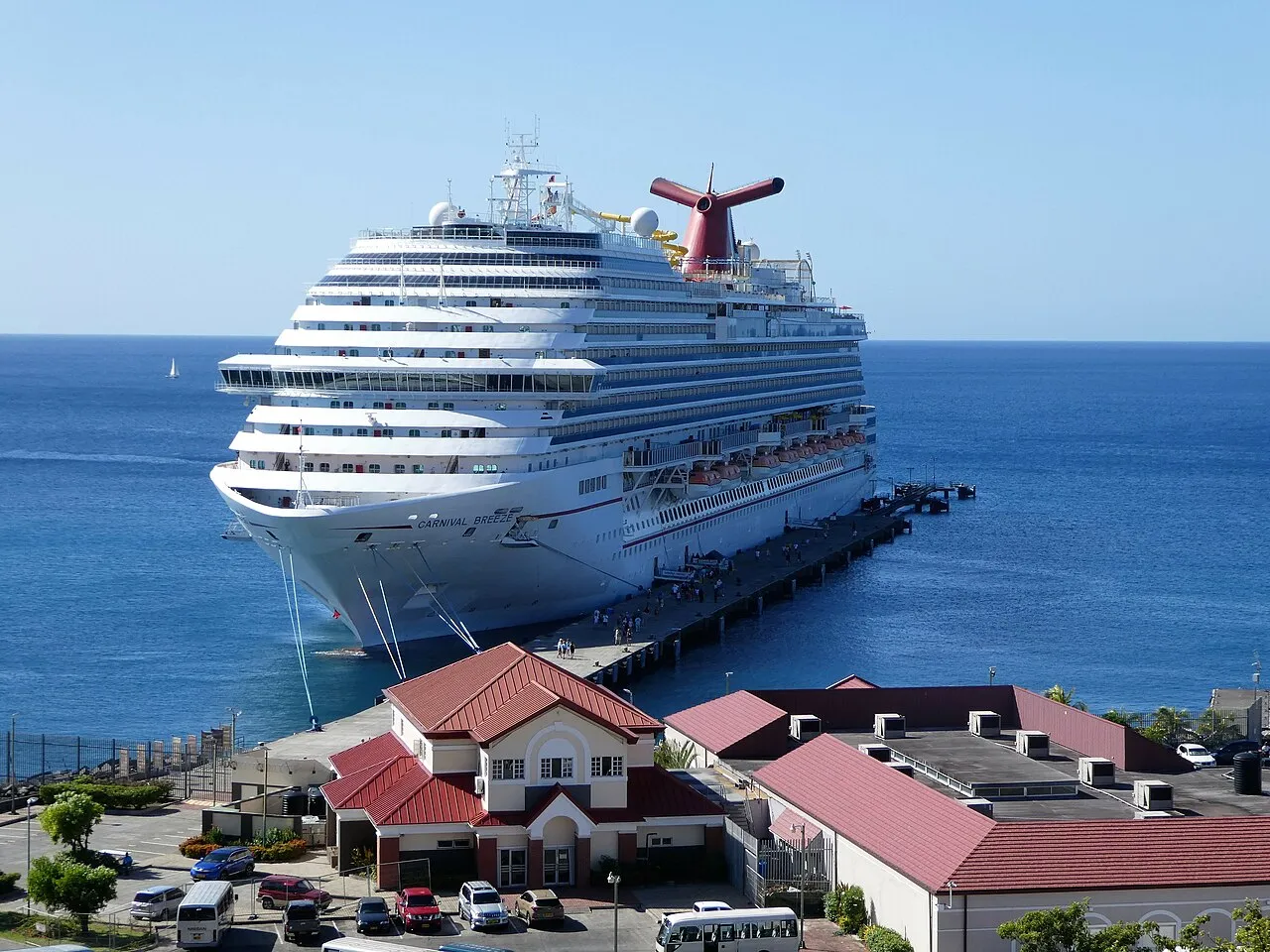
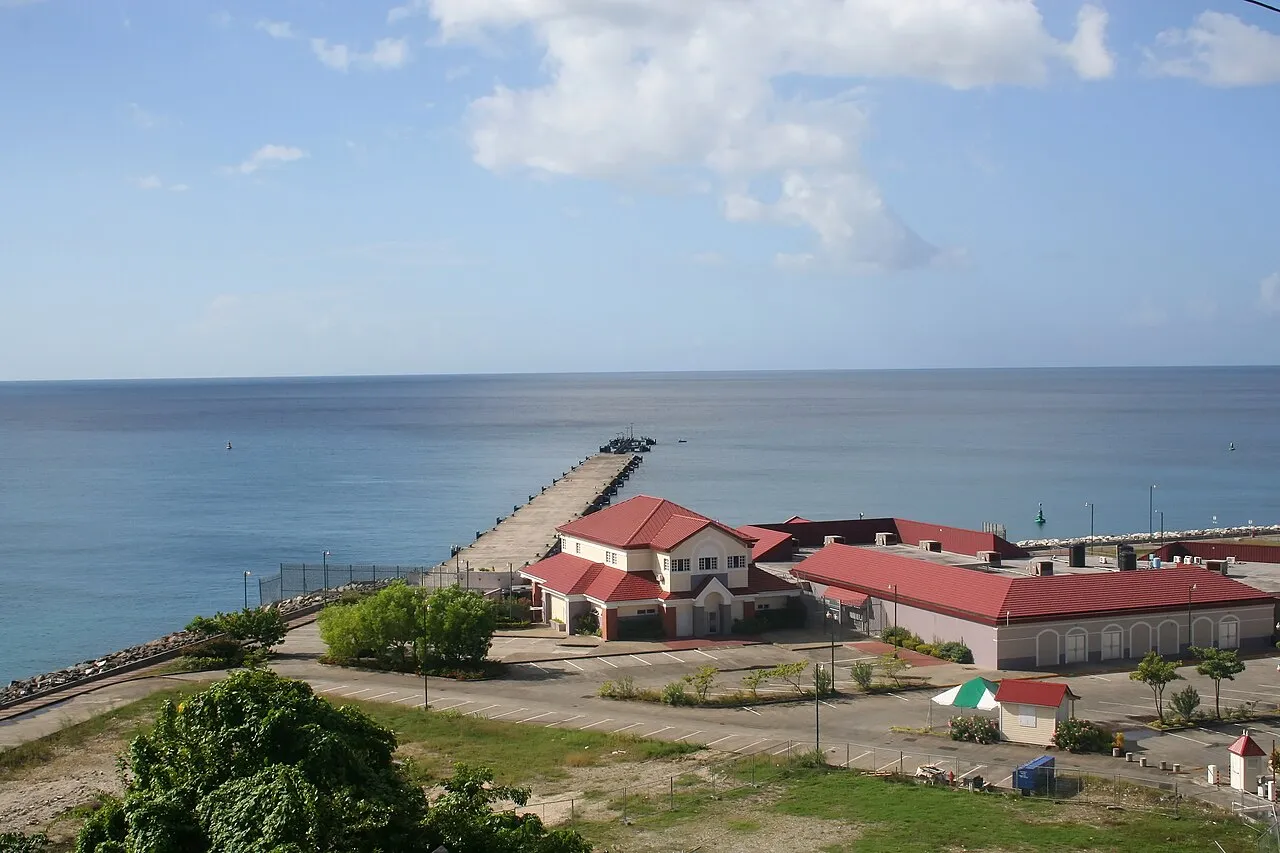
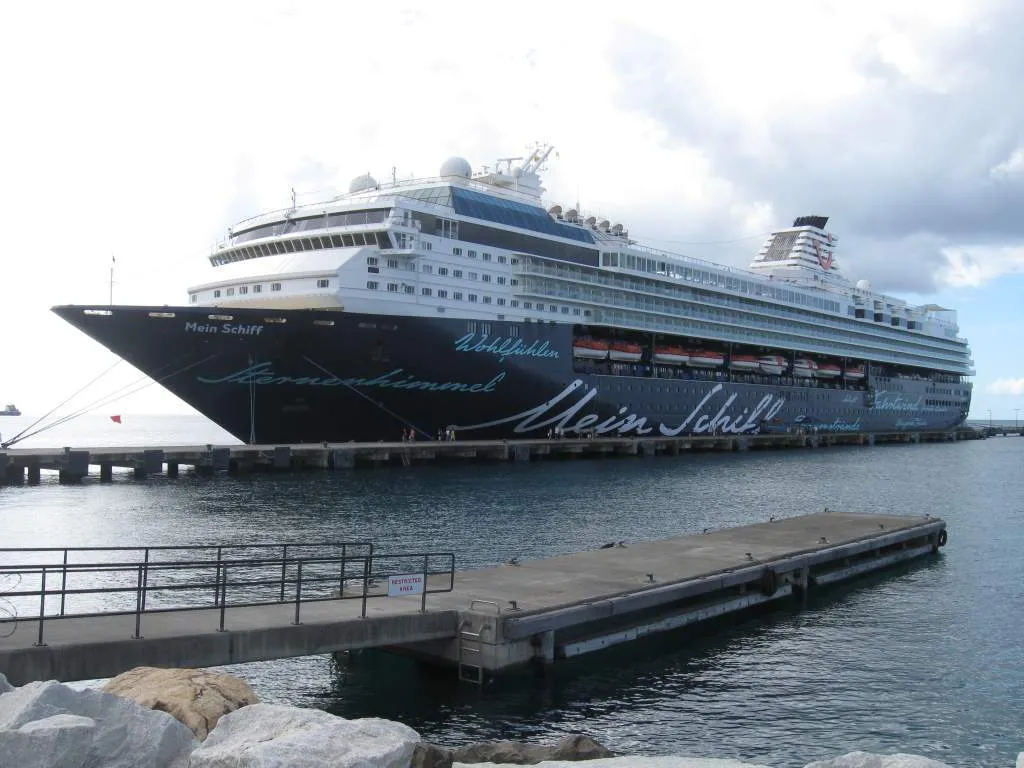
Ships dock at the Melville Street Cruise Terminal in the heart of St. George's, Grenada's picturesque capital (population approximately 33,000). The terminal sits right on the historic Carenage — the horseshoe-shaped harbor that makes Grenada's sail-in a breathtaking arrival. You're a ten-minute walk from the center of town, with colorful French colonial buildings and red tile roofs climbing the hillside right before you. The terminal area offers basic facilities including restrooms, tourist information, and a small craft market. Wheelchair users will find the immediate pier area accessible, though St. George's steep hills present challenges for extended exploration. Taxi stands are directly outside the terminal, and water taxis depart from the nearby wharf for beach destinations.
Getting Around
- Taxis: Licensed taxis wait at the cruise terminal. Fares are government-regulated but confirm price before departure. Grand Anse Beach costs approximately $15-20 USD one-way for up to 4 passengers. Full-day island tours run $50-80 USD depending on destinations. Most drivers speak excellent English and double as knowledgeable guides who know the island intimately.
- Water Taxis: A scenic alternative for beach destinations. Water taxis depart from the Carenage and offer quick, affordable transport to Grand Anse Beach ($6-8 per person one-way). A memorable way to start your beach day with views of St. George's from the water.
- Walking: St. George's is walkable from the terminal, though the hills are steep. The Carenage waterfront, Fort George, and the market are all accessible on foot. Bring water and wear comfortable shoes with good grip.
- Ship Excursions: Ship-organized tours ($60-120 per person) offer convenience and guaranteed return times. Independent operators often provide better value for similar experiences.
- Rental Cars: Available but not necessary for cruise visitors. Driving is on the left (British style). Roads are narrow and winding with occasional potholes. Local temporary permits required (~$12 USD).
For most cruise visitors, a combination of taxi and water taxi works perfectly. The taxi to Grand Anse, water taxi return is a popular and scenic option. For island exploration, a full-day taxi tour covers Concord Falls, Belmont Estate, and the nutmeg processing station comfortably.
Grenada Area Map
Interactive map showing cruise terminal and Grenada attractions. Click any marker for details.
Excursions & Things to Do
Booking tip: Independent taxi tours offer excellent value ($50-80 for full-day). Book ahead for Belmont Estate chocolate tours during peak season. Reserve beach chairs at Grand Anse through hotels if you want guaranteed seating.
Grand Anse Beach
Two miles of powder-white sand consistently ranked among the world's top ten beaches. Calm, clear water well suited for swimming. Low to moderate energy. Beach chairs available for rent ($5-10 USD). Umbrellas Beach Bar serves excellent fish roti and rum punch. 15-minute taxi or water taxi from port. Wheelchair accessible at several points with firm packed sand near the water.
Concord Falls
Stunning triple waterfall set in lush rainforest. The first fall is a 10-minute walk from the road (low energy); the upper falls require a more challenging 45-minute hike through jungle (moderate to high energy). Swimming possible at the main pool. $2 USD entry fee. 30-minute drive from port. Combine with spice plantation tour for a perfect half-day. Bring water shoes for slippery rocks.
Belmont Estate
Historic organic plantation offering bean-to-bar chocolate tours ($10 USD), spice garden walks, and the famous nutmeg ice cream. See cocoa processing and sample the finished product. The restaurant serves authentic Grenadian cuisine. Low to moderate energy. 45-minute drive from port. Half-day tour $40-60 including transportation.
Gouyave Nutmeg Processing Station
The world's second-largest nutmeg processing facility. See nutmeg sorted, dried, and prepared for export — Grenada produces one-third of global supply. Short guided tours available ($2-5 USD donation). Low energy. 30-minute drive from port. Combine with Concord Falls for full-day adventure.
Fort George
French-built fortress (1705) perched above St. George's harbor with commanding panoramic views. Walk the ramparts where soldiers once stood guard. Historical displays explain Grenada's colonial past. Low to moderate energy (steep walk from port). Free entry. 15-minute uphill walk from cruise terminal. Wheelchair access limited due to historic construction.
Fort Frederick
Four-level fortress begun by the French and completed by the British (1783). Even more spectacular views than Fort George, with less tourist traffic. The drive up provides additional island panoramas. Low energy once you arrive (transportation handles the climb). Free entry. 15-minute taxi from port.
St. George's Market
Saturday morning market (6am-noon) bursts with local produce, spices, and handcrafts. Buy nutmeg, mace, cinnamon, and cocoa directly from farmers. The weekday market is smaller but still worth visiting. Low energy. Walking distance from cruise terminal. Wheelchair accessible ground floor. Arrive early for the best selection and freshest produce from island farmers.
Depth Soundings Ashore
Practical tips before you step off the ship.
The Spice Scent: Grenada produces one-third of the world's nutmeg — you'll smell it everywhere and find it in everything from ice cream to rum punch. Buy spices directly from the market or processing stations for the freshest quality and best prices.
Steep Hills: St. George's is built on hills. The climb to Fort George rewards with views, but take it slow and bring water. Consider a taxi for the uphill journey and walk down.
Hurricane Recovery: The 2004-2005 hurricanes devastated 90% of nutmeg trees, but Grenadian resilience has rebuilt the industry. The maturing groves represent years of patient replanting — a reflection of the island's character.
Friendliest Island: Grenadians consistently earn praise as the friendliest people in the Caribbean. Don't be surprised when strangers greet you with genuine warmth and helpful directions.
Currency: EC dollars are official, but USD is widely accepted. Credit cards work at larger establishments; bring cash for markets, taxis, and smaller vendors.
Photo Gallery
Frequently Asked Questions
Q: What's the best beach in Grenada?
A: Grand Anse Beach — two miles of powder-white sand consistently ranked among the world's top ten beaches. Calm, clear water great for swimming. 15-minute taxi or water taxi from the cruise port.
Q: Why is Grenada called the "Spice Island"?
A: Grenada produces one-third of the world's nutmeg supply, along with cloves, cinnamon, mace, ginger, bay leaves, and turmeric. The entire island is fragrant with spices — you'll smell them the moment you step ashore.
Q: Where can I try nutmeg ice cream?
A: Belmont Estate makes excellent nutmeg ice cream as part of their chocolate and spice tour. House of Chocolate in St. George's is another popular option. Nutmeg also appears in rum punch throughout the island.
Q: What are the best historical sites in Grenada?
A: Fort George (French 1705) offers panoramic harbor views over St. George's. Fort Frederick (French/British 1783) spans four levels with even more spectacular vistas. Both tell the story of Grenada's colonial past.
Q: Is Grenada safe for cruise visitors?
A: Very safe — Grenadians are consistently praised as the friendliest people in the Caribbean. Standard travel precautions apply, but visitors routinely comment on the genuine warmth and helpfulness of locals.