


Guayaquil: Where the River Meets the Road to Wonder
Key Facts
- Region
- South America
- Currency
- US Dollar (USD) — Ecuador adopted the US dollar exclusively in 2000. Bring small bills ($1, $5, $10) as change can be limited at smaller vendors. Credit cards accepted at tourist-area restaurants and shops
- Language
- Spanish; very limited English outside major hotels. A few basic phrases or a translation app go a long way
Last reviewed: February 2026
My Visit to Guayaquil
I arrived in Guayaquil on a warm morning in late July, the air already thick with equatorial humidity that pressed against my skin like a damp cloth. The ship had docked at Puerto Marítimo, a working harbor south of the city center where container cranes loomed against a pale sky and the scent of diesel mingled with something sweeter — tropical blossoms, I realized, growing wild along the port road. Ecuador's largest city sprawled before me, a metropolis of concrete and color built along the banks of the Guayas River, and I felt that familiar quickening of the heart that comes whenever I step off a gangway into a place I have never been.
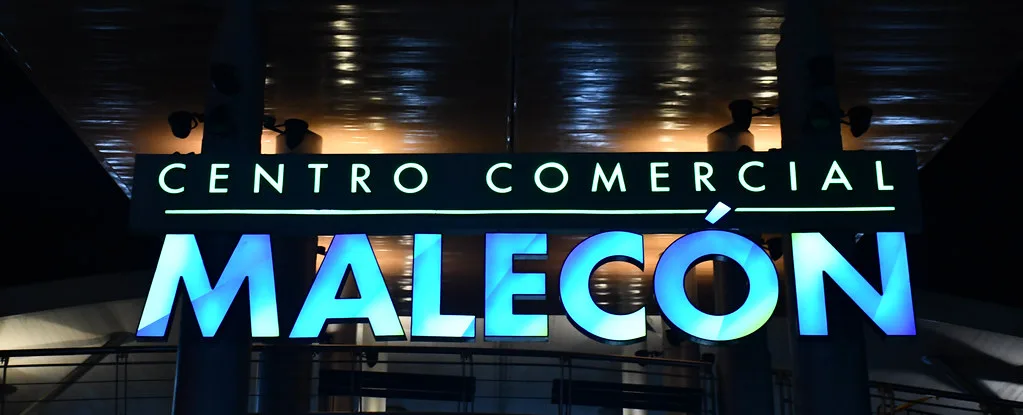
The taxi ride from the port took about twenty minutes, weaving through traffic that felt both chaotic and purposeful — motorcycle riders threading between buses, street vendors selling mangoes from carts at red lights, a city fully alive at half past eight in the morning. My driver pointed toward the river and said, "Malecón," and suddenly the waterfront opened before us: a sweeping two-and-a-half-kilometer promenade of gardens, plazas, and public art stretching along the western bank. This was Malecón 2000, the boardwalk that transformed Guayaquil from a city travelers avoided into one worth staying for, and I could see immediately why it mattered. Families walked beneath canopied trees. Children played near fountains. The Guayas River, wide and brown, moved with a slow and ancient patience toward the Pacific.
But what I noticed first — what stopped me on the walkway and made me reach for my camera — were the iguanas. Land iguanas sunbathing on the stone paths, their rough green-gray bodies perfectly still, tails draped across the warm pavement like they owned every inch of it. Locals walked around them without a second glance. A woman with a stroller nudged one gently with her shoe to clear the path, and the iguana shifted with regal indifference, as though conceding the point but not the principle. I crouched beside one and looked into its ancient yellow eye, and felt something shift inside me — a recognition that this city existed at a threshold between the ordinary and the extraordinary, between commerce and wildness, between the mainland and the volcanic islands six hundred miles offshore that draw travelers from every corner of the world.
I walked to Parque Seminario — everyone calls it Parque de las Iguanas — and sat on a bench beneath the trees. Dozens of iguanas lounged around me, basking in patches of sunlight, utterly indifferent to the tourists taking photographs and the elderly man on the next bench feeding one a piece of ripe mango from his bare hand. The neo-Gothic Metropolitan Cathedral rose behind the park, its white towers catching the morning light, and I heard the sound of church bells drifting through the warm air. I watched a young couple pose for a photograph with a particularly large iguana who seemed entirely resigned to his celebrity, and I thought about how Guayaquil exists as a kind of gateway — not quite the Galápagos, not entirely the mainland, but a place where the extraordinary has become the everyday, where prehistoric creatures share park benches with grandmothers, and where the river connects everything to everything.
From the park I walked north along the Malecón toward Cerro Santa Ana, the hill where Guayaquil began. I could see it rising in the distance, its slopes painted in blues, yellows, greens, and reds so bright they seemed to vibrate against the sky. Las Peñas, the city's oldest neighborhood, clings to this hillside like memory refusing to let go. Twenty years ago, this was the most dangerous barrio in a dangerous city — avoided even by locals, a place of poverty and crime. But the same municipal vision that created Malecón 2000 reclaimed this hill, restoring colonial houses, adding art galleries and cafés, installing numbered steps and security, and transforming a symbol of fear into a symbol of pride. I stood at the base and looked up at the 444 steps that climb to the summit lighthouse, and I felt the weight of what this place represented: a city that chose to rebuild rather than abandon, that decided beauty mattered as much as safety, that fought for itself and won.
I climbed. Each step was numbered — a small thing, but it gave the ascent a sense of pilgrimage, of deliberate progress. Halfway up, I stopped at a tiny café where a local artist displayed oil paintings of Guayaquil street scenes: the river at dusk, the iguanas in the park, a fisherman mending nets on the waterfront. We talked about the city's transformation. He told me his grandmother was born in one of these hillside houses, never left, and lived to see tourists climbing the steps she once avoided after dark. "We didn't leave," he said quietly, pouring me a cup of strong Ecuadorian coffee. "We stayed and made it beautiful again." The coffee was dark and slightly bitter, and I tasted something in it I had not expected — not just caffeine but conviction, the flavor of a place that had earned its beauty the hard way.
At the summit, standing before the small lighthouse and La Capilla de Santa Ana, I looked out over the city and felt my breath catch. The Guayas River curved westward through Guayaquil like a brown ribbon, bridges spanning its width, boats moving upstream with the slow patience of prayer. The modern skyline rose across the water — glass and steel catching the equatorial sun — and beyond it the green coastal mountains faded into haze. An older woman selling bottled water at the top smiled and said, "This is where Guayaquil began." I whispered a quiet prayer of gratitude — for the strength to climb, for the people who rebuilt this hillside, for the gift of standing at a place where I could see both where a city started and where it was going.
I descended the 444 steps — easier going down, though my knees protested — and walked along the Malecón del Salado, a quieter waterfront development along an estuary west of the main river. The pace here was gentler, more residential. Seafood restaurants lined the walkway, their kitchens sending warm clouds of garlic and cilantro into the air. I stopped at a small cevichería and ordered ceviche de camarón — shrimp marinated in lime juice with tomato, red onion, and cilantro, served with chifles (fried plantain chips) and, improbably, popcorn. Ecuadorian ceviche is different from Peruvian: the marinade is more like a chilled soup, tomato-forward and tangy, and the popcorn scattered on top seemed absurd until I tasted it — the salt and crunch balancing the acidity with startling perfection. The cost was about $5. Five dollars for a bowl of food that tasted like the ocean itself, bright and clean and alive. I sat and watched pelicans dive into the estuary, and I understood that Guayaquil feeds you in ways that go beyond the plate.
In the afternoon, I visited the Parque Histórico Guayaquil, a cultural park on the city's outskirts that recreates early twentieth-century Guayaquil in three zones: urban architecture, rural traditions, and a wildlife reserve. The architecture zone featured restored colonial buildings — a hacienda, a traditional wooden house, a display about Ecuador's cacao heritage that taught me how the country's fine-flavor cacao became the foundation of the world's best chocolate. I touched the rough bark of a cacao tree and smelled the fermenting beans, a scent that was warm and yeasty and almost intoxicating. In the wildlife zone, I saw tapirs, monkeys, macaws, and — of course — more iguanas. A guide explained that these animals are native to Ecuador's coastal lowlands, and that the park exists to preserve not just buildings but the memory of a landscape that concrete and commerce have slowly displaced. I found myself grateful for the care taken here, for the decision to save what could so easily have been lost.
As evening approached, I returned to Malecón 2000 for the sunset. The riverfront came alive — families strolling hand in hand, vendors selling raspados of shaved ice and tropical syrup, street performers entertaining small crowds near the Moorish clock tower. I watched the sun sink behind the river, turning the Guayas bronze and then copper and then dark gold, and I thought about what I had learned. Guayaquil is not a perfect city. Poverty persists. Inequality is visible in the contrast between the gleaming Malecón and the neighborhoods beyond. The tropical heat can be relentless, and the humidity never entirely lets go. But it is a city that fought for itself — that looked at its most neglected places and said, "This can be beautiful." That takes courage. That takes hope.
Looking back, I realize what Guayaquil taught me. People come to Ecuador for the Galápagos Islands — those volcanic rocks six hundred miles offshore where Darwin glimpsed the mechanism of creation — and that is a worthy pilgrimage. But most travelers fly from Guayaquil's airport without spending a single day in the city, and that is a loss. Because Guayaquil offers something the islands cannot: the story of a place that refused to be defined by its worst chapter, that chose reconstruction over resignation, that made space for both commerce and iguanas, both history and hope. I returned to my ship as the city lights flickered across the river, the Cerro Santa Ana glowing like a hillside constellation, and I finally understood that the finest gateways are not merely places you pass through — they are places that change you on the way.
Featured Images
The Cruise Port
What you need to know before you dock.
- Terminal: Puerto Marítimo de Guayaquil, a working harbor about 7 km south of city center (15-30 minutes depending on traffic). Basic cruise facilities available at the pier. The terminal area has level ground and is accessible for wheelchair users and guests with mobility needs, though the surrounding port zone is industrial.
- Distance to City Center: 15-30 minutes by taxi or Uber. Fare is typically $10-15 USD to Malecón 2000 or Las Peñas. Not walkable from the port — you will need transport.
- Tender: No — ships dock directly at the pier.
- Currency: US Dollar (USD) — Ecuador adopted the US dollar exclusively in 2000. Bring small bills ($1, $5, $10) as change can be limited at smaller vendors. Credit cards accepted at tourist-area restaurants and shops.
- Language: Spanish; very limited English outside major hotels. A few basic phrases or a translation app go a long way.
- Best Season: June to September (dry season with cooler temperatures and lower humidity); December to May is hot and humid with occasional heavy rain.
- Time Zone: Ecuador Time (ECT), UTC-5.
Getting Around
Transportation tips for cruise visitors.
- Taxi from Port: Taxis are available at the port entrance. Always negotiate the fare before getting in, or insist the driver use the meter. Expect $10-15 USD to the city center (Malecón 2000 or Las Peñas). Licensed yellow taxis are the safest option. For the return trip, have your driver's phone number or arrange a pickup time in advance, as taxis may be scarce at the port itself.
- Uber and Ride Apps: Uber operates reliably in Guayaquil and is recommended for transparent pricing and an added layer of safety. The app works well throughout the city center and to the port. Fares are typically similar to or slightly less than metered taxis. An excellent choice for independent visitors who want the comfort of tracked rides and digital receipts.
- Walking: The Malecón 2000 boardwalk and Las Peñas are safe, well-patrolled pedestrian zones during daylight hours. The Malecón itself is flat and fully accessible for wheelchair users and those with limited mobility, with smooth paving and ramps throughout. The 444 steps up Cerro Santa Ana are steep and require moderate fitness — not recommended for those with walking difficulty, though the lower portions of Las Peñas are manageable.
- Metrovía Bus System: Modern bus rapid transit serves major corridors throughout Guayaquil. The fare is about $0.30 per ride, making it extremely affordable. However, routes are not always convenient for cruise passengers with limited time, and signage is primarily in Spanish.
- Ship Excursions: Most cruise lines offer organized city tours covering Malecón 2000, Las Peñas, and Parque de las Iguanas in a half-day package. Cost typically $60-90 per person. Convenient and safe, with guaranteed return to the ship before departure.
Tip: Traffic in Guayaquil can be heavy during morning and evening rush hours. Allow 30-45 minutes for travel to and from the port, especially between 7-9 AM and 5-7 PM.
Guayaquil Area Map
Interactive map showing cruise terminal and Guayaquil attractions. Click any marker for details.
Excursions & Activities
How to spend your time ashore. Many visitors choose to explore independent of the ship excursion offerings for flexibility and cost savings, though a ship excursion offers guaranteed return to the vessel before departure. For popular destinations like Parque Histórico, book ahead during peak season to secure your spot.
Malecón 2000 Riverfront Promenade
A 2.5-kilometer waterfront boardwalk along the Guayas River featuring gardens, monuments, museums, restaurants, and river views. This landmark urban renewal project transformed Guayaquil's dangerous waterfront into a family-friendly public space that draws locals and visitors alike. Watch for marine iguanas sunbathing along the paths. The Moorish clock tower, IMAX theater, and contemporary art installations make this a full morning or afternoon. Free to explore. Flat and fully accessible for wheelchair users. Allow 2-3 hours.
Las Peñas Historic District & Cerro Santa Ana
Guayaquil's oldest neighborhood, featuring colorful colonial houses clinging to a hillside above the river. Climb the 444 numbered steps to reach the summit lighthouse and chapel with panoramic city and river views. Art galleries, cafés, and murals line the ascent. The lower sections are moderate walking; the full climb is strenuous and not recommended for those with walking difficulty. Best visited in early morning or late afternoon to avoid midday heat. Free to explore. Allow 2-3 hours including the climb and café stops.
Parque de las Iguanas (Parque Seminario)
A downtown park filled with dozens of land iguanas that roam freely among benches and walkways. These large reptiles are completely accustomed to people and create one of Guayaquil's most surreal and photogenic experiences. The neo-Gothic Metropolitan Cathedral overlooks the square. Free entry. Flat, accessible terrain. Allow 30-60 minutes. Easily combined with Malecón 2000 as they are adjacent. An independent visit here requires no advance booking.
Parque Histórico Guayaquil
A cultural park recreating early 20th-century Guayaquil with restored colonial architecture, traditional rural life displays, and a wildlife zone featuring native animals (tapirs, monkeys, macaws, caimans). Located on the city outskirts, about 30 minutes from the port by taxi ($8-12). A living museum of coastal Ecuadorian culture, cacao heritage, and biodiversity. Free entry. Allow 2-3 hours. Book ahead if arriving by ship excursion during peak season.
Malecón del Salado
A quieter waterfront promenade along an estuary west of the main river, lined with seafood restaurants and local shops. A peaceful alternative to the busier Malecón 2000, and the ideal place for lunch. Sample fresh ceviche de camarón (about $5) and Ecuadorian coastal specialties. Taxi from Malecón 2000 is about $3-4. Allow 1-2 hours.
Ecuadorian Cacao & Chocolate Heritage
Ecuador produces some of the world's finest cacao, and Guayaquil is the historic center of this trade. Visit artisan chocolate shops in the city center or learn about cacao cultivation at Parque Histórico. Ecuadorian single-origin chocolate bars make excellent souvenirs — expect to pay $3-8 per bar for premium varieties. Some ship excursions include a chocolate tasting component.
Local Food & Drink
- Ceviche de Camarón: Shrimp ceviche with tomato-based marinade, onion, and cilantro. Served with chifles (fried plantain chips) and popcorn on top — uniquely Ecuadorian. About $4-6 per bowl.
- Encebollado: Traditional fish stew with albacore tuna, yuca (cassava), and pickled red onions. Often called Ecuador's national dish. About $3-5.
- Bolón de Verde: Fried green plantain ball stuffed with cheese or chicharrón (fried pork). A breakfast staple along the coast. About $1-2 each.
- Corvina: Fresh sea bass, grilled or fried, served with rice, patacones (fried plantains), and salad. About $8-12.
- Arroz con Menestra y Carne: Rice with lentil stew and grilled meat (usually beef or chicken). A coastal comfort food classic. About $5-8.
- Ecuadorian Chocolate: Fine-flavor cacao from coastal plantations — try artisan bars as souvenirs. About $3-8 per bar.
- Jugos Naturales: Fresh tropical fruit juices made with maracuyá (passion fruit), mora (blackberry), naranjilla, or guanábana. Available everywhere for about $1-2.
Depth Soundings Ashore
Lessons learned the hard way.
- Galápagos Gateway: Guayaquil is the primary departure point for Galápagos cruises and flights. If continuing to the islands, you will need at least one overnight in the city (most flights leave early morning). This is not a day trip from a cruise ship.
- Currency Advantage: Ecuador uses US dollars exclusively since 2000. No currency exchange needed. Bring small bills ($1, $5, $10) as change can be limited at smaller vendors and taxis. Credit cards accepted in tourist areas and larger restaurants.
- Heat and Humidity: Guayaquil is hot year-round (80-95F / 27-35C) with high humidity. Dress in light, breathable clothing. Bring sunscreen and a water bottle. Stay hydrated — the equatorial sun is intense even on overcast days.
- Las Peñas Climb: The 444 steps up Cerro Santa Ana are steep and unshaded in places. Take your time, stop at cafés along the way, and climb in morning or late afternoon to avoid peak heat. Not suitable for those with mobility limitations beyond the lower terrace.
- Iguanas Everywhere: The iguanas at Parque Seminario and Malecón 2000 are harmless and accustomed to people, but avoid touching or feeding them despite what locals sometimes do.
- Safety in Tourist Areas: Malecón 2000, Las Peñas, and main plazas are safe and well-patrolled during daylight. Avoid isolated areas after dark and keep valuables secure. Use Uber or licensed taxis rather than unmarked vehicles.
- Cacao Capital: Ecuador produces some of the world's finest cacao. Look for artisan chocolate shops selling Ecuadorian origin bars — excellent, affordable souvenirs that travel well.
- Language Barrier: Very limited English outside major hotels and tourist agencies. Download a Spanish translation app before going ashore. Even a few basic phrases earn warmth and patience from locals.
Photo Collection
Photo Gallery
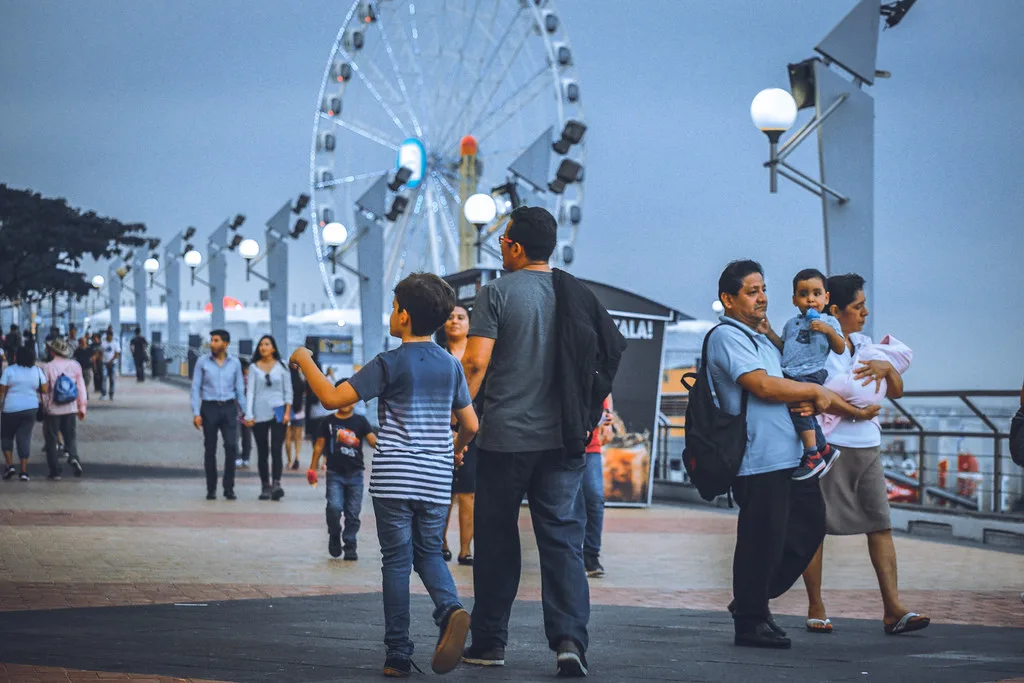
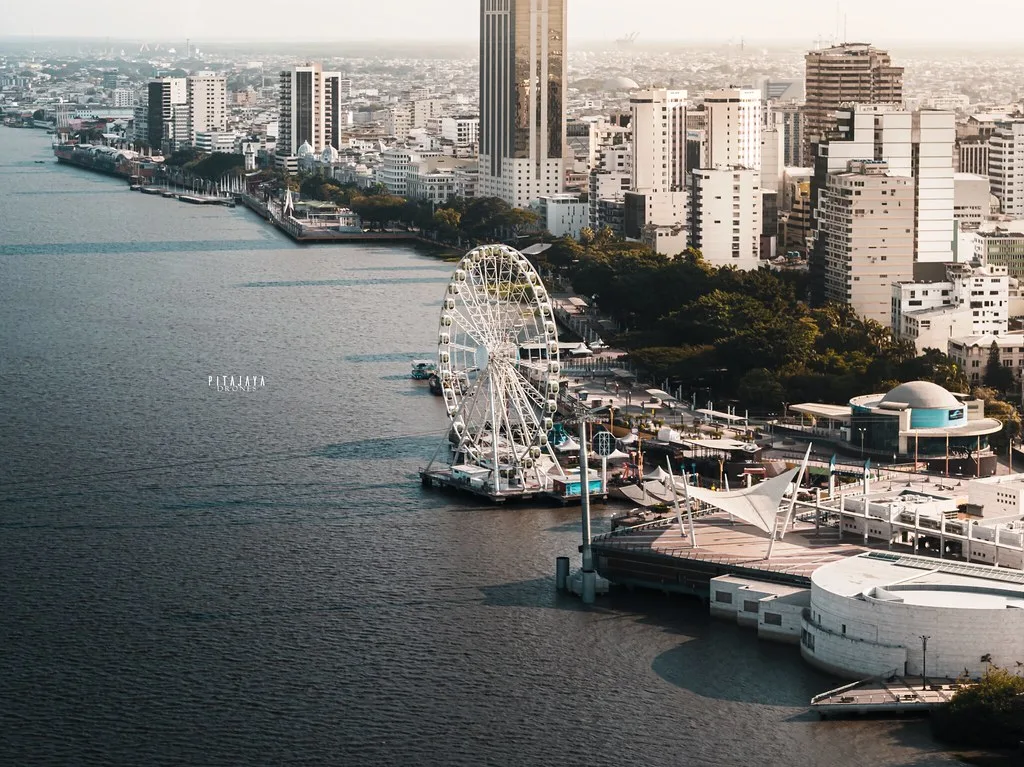
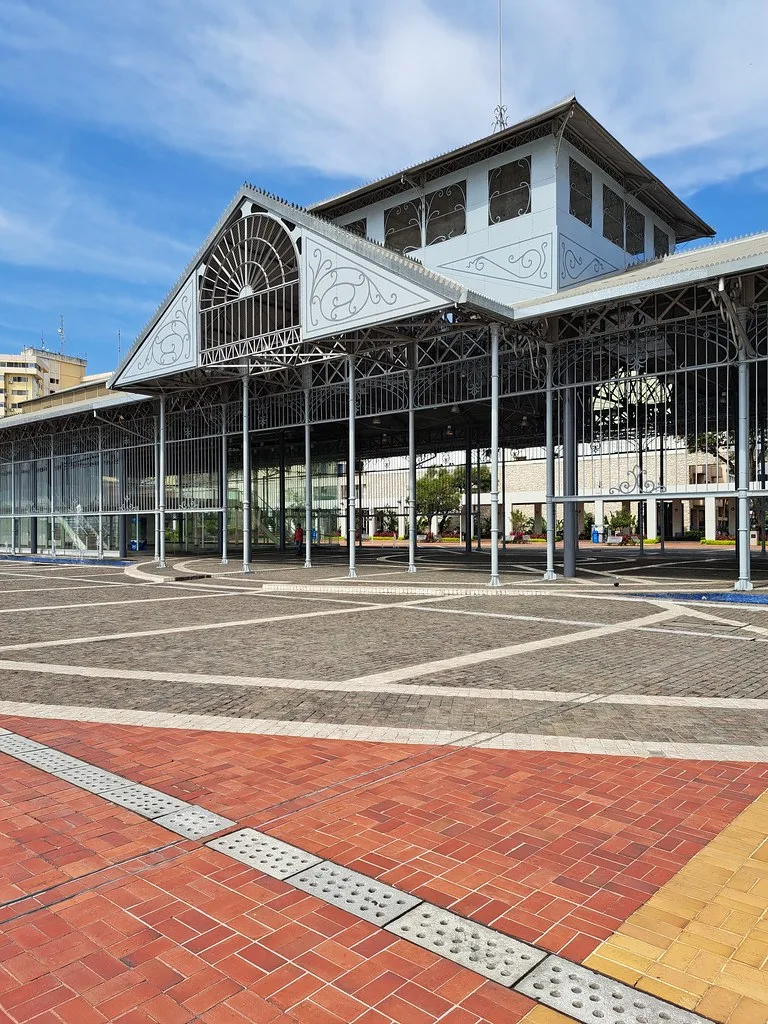
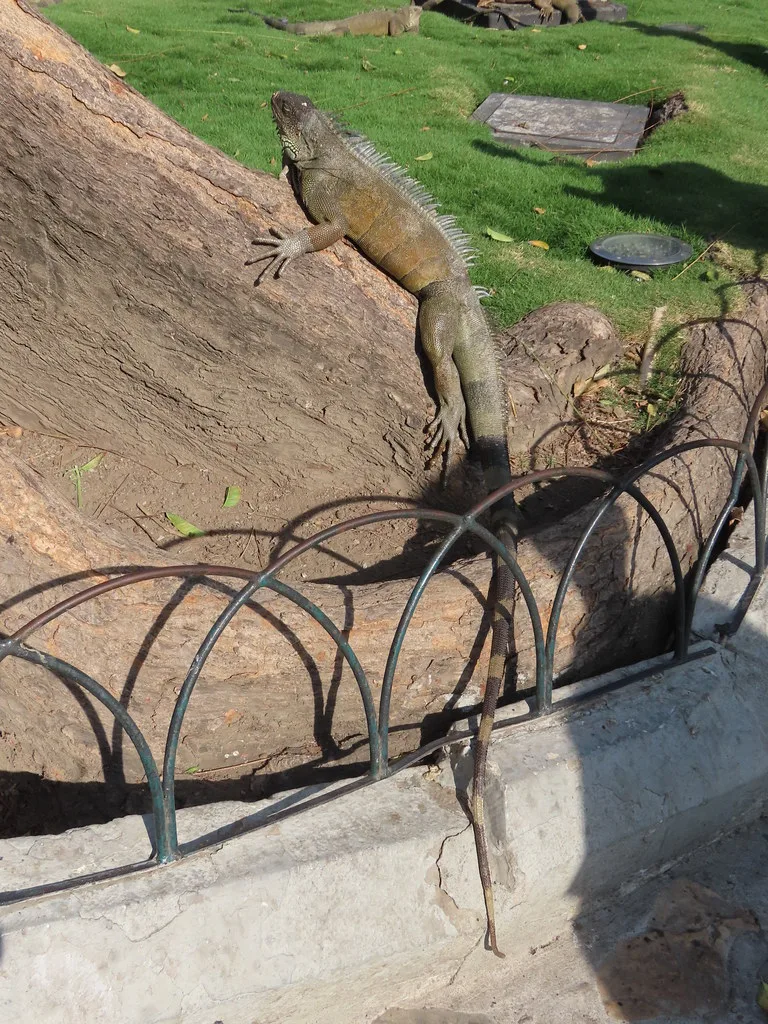
Image Credits
- Hero image: Wikimedia Commons (CC BY-SA)
- Malecón 2000, Las Peñas, Parque Seminario, Cerro Santa Ana summit: Wikimedia Commons (CC BY-SA)
Images sourced from Wikimedia Commons under Creative Commons licenses.
Frequently Asked Questions
Q: Is Guayaquil safe for cruise passengers visiting independently?
A: Yes, tourist areas like Malecón 2000, Las Peñas, and Parque Seminario are safe during daylight hours. Guayaquil underwent major urban renewal in the 2000s, improving security significantly. Stick to main tourist zones, use Uber or official taxis, and avoid isolated areas after dark. The city has worked hard to shed its former reputation.
Q: Can I visit the Galápagos Islands from Guayaquil during a cruise port call?
A: No, not during a typical port call. The Galápagos Islands are 600 miles offshore and require flights (1.5-2 hours) or multi-day cruises. Guayaquil is the main gateway for Galápagos travel, but you would need several days minimum. Focus on the city's own attractions during your port day.
Q: What currency is used in Ecuador, and can I use US dollars?
A: Ecuador officially uses the US Dollar (USD) as its currency since 2000, when it dollarized its economy. You can use US cash everywhere. Bring small bills ($1, $5, $10) as change can be limited. Credit cards are accepted in tourist areas, hotels, and larger restaurants.
Q: How many steps are there to the top of Cerro Santa Ana, and is the climb difficult?
A: There are exactly 444 numbered steps from the base to the summit. The climb is moderately strenuous, especially in the heat and humidity. Take your time, stop at cafés or viewpoints along the way, and climb in early morning or late afternoon to avoid peak sun. The panoramic view from the top is worth the effort. Not recommended for visitors with mobility limitations.
Q: Are the iguanas in Parque Seminario dangerous?
A: No, the land iguanas at Parque Seminario are harmless and completely accustomed to human presence. They are docile, sunbathe on walkways and benches, and largely ignore visitors. While locals sometimes feed them, it is best not to touch or disturb them.
Q: What is the best time of year to visit Guayaquil?
A: The dry season from June to September offers cooler temperatures and lower humidity, making it the most comfortable time for sightseeing. The wet season (December-May) brings higher temperatures and occasional heavy rain but fewer crowds. Check the weather section above for details.
Q: What should I pack for a day in Guayaquil?
A: Lightweight, breathable clothing is essential. Bring sunscreen, a hat, sunglasses, comfortable walking shoes, and a water bottle. A light rain jacket is wise during the wet season. Download a Spanish translation app before going ashore.
Author's Note: Until I have sailed this port myself, these notes are soundings in another's wake — helpful for planning, and marked for revision once I've logged my own steps ashore.