


Photo: Wikimedia Commons
My Logbook: Where the Reef Meets the Rain
I heard Harvest Caye before I saw it. Standing on the tender boat as we crossed the shallow turquoise water, the sound of steel drums drifted toward us on a warm Caribbean breeze, and I closed my eyes and let the rhythm settle into my chest. The tender bumped gently against the wooden pier, and I opened my eyes to a scene that seemed painted rather than built: white sand curving around an impossibly clear lagoon, palm trees bending in the trade wind, and beyond it all, the deep blue of the Caribbean Sea stretching toward a sky that was the same shade of blue, so that water and air merged at the horizon into a single, luminous canvas. I slung my daypack over my shoulder, stepped onto the pier, and walked into Norwegian Cruise Line's vision of paradise.
But paradise, I discovered, was more complicated than the brochure photographs suggested. The lagoon beach was beautiful — genuinely, breath-catchingly beautiful — yet it was also a carefully manufactured thing, its white sand imported, its calm water engineered by breakwaters, its palm trees planted in precise rows. I found a beach chair near the water's edge and sat for a while, watching families splash in the shallows and couples drift past on floats. The pool complex rose behind me, vast and gleaming, with a swim-up bar already busy at ten in the morning. A steel drum band played near the Landshark Bar and Grill, where complimentary burgers and seafood were being served. Everything was polished. Everything was free — or at least included in the fare. And yet something in me wanted to look past the polish, to find the real Belize beneath the resort surface.
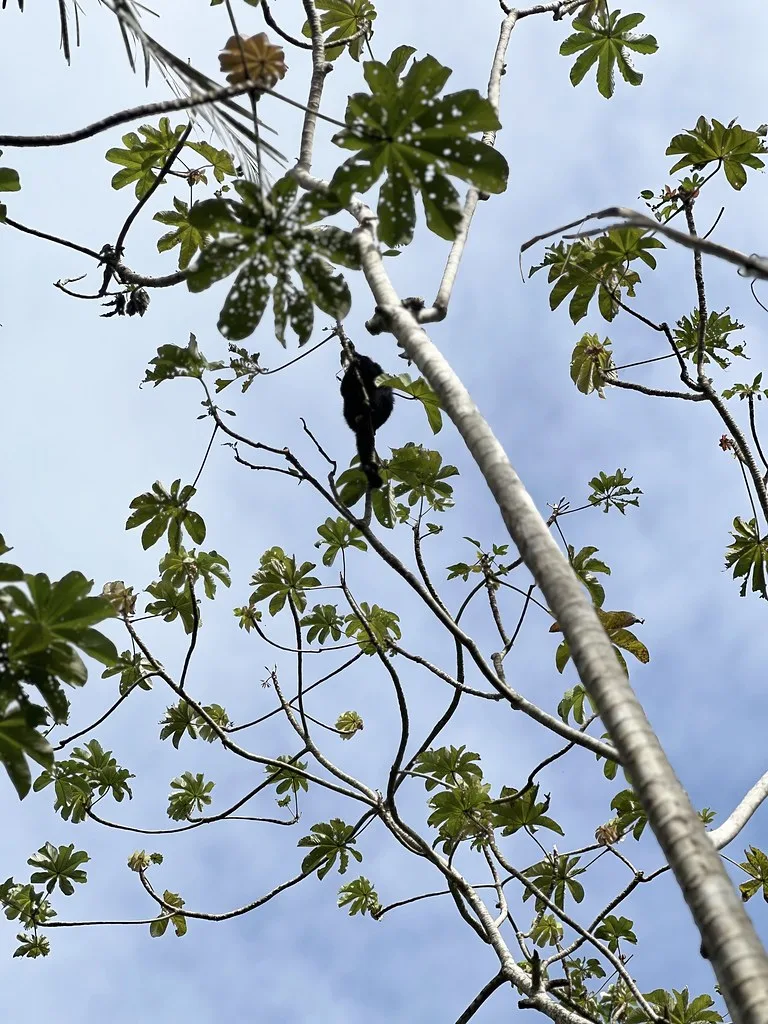
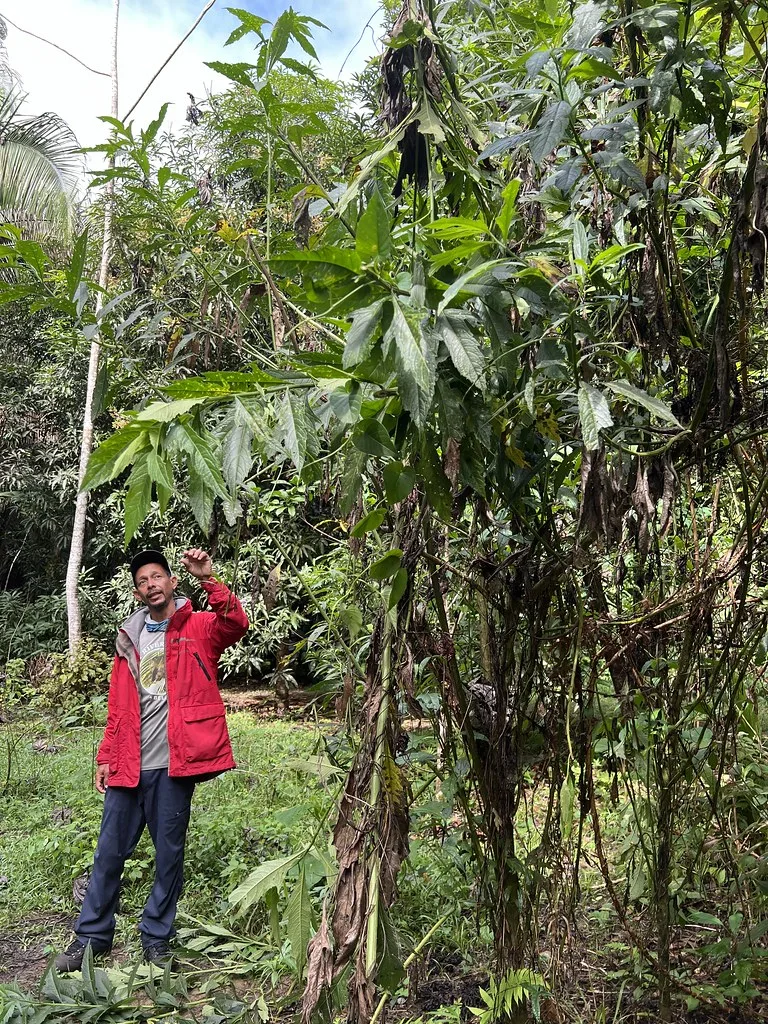
I found it at the wildlife sanctuary, a short walk along a paved path through tropical vegetation. The sanctuary was small but sincere — a genuine rescue operation that partnered with Belizean conservation groups. A scarlet macaw named Rosie perched on a branch near the entrance, tilting her head as I passed. Farther in, green iguanas sunbathed on warm rocks, and a pair of keel-billed toucans hopped between branches with their oversized orange bills. A young Belizean guide named Carlos walked me through the nature center, explaining how Belize's rainforests were being eaten away by agriculture and how the sanctuary was trying to rehabilitate animals that could no longer survive in the wild. He spoke with quiet passion, and when he pointed to a juvenile boa constrictor coiled in a terrarium and told me she had been found with a machete wound, something shifted inside me. I had come looking for a beach day. I had found something more serious, more real, and more worth my attention.
Carlos suggested I take the catamaran snorkeling excursion to the Belize Barrier Reef. "You have not seen Belize," he said, "until you have seen the reef." I had booked the ship excursion in advance — $75 per person — and I am grateful I did, because it sold out weeks before sailing. The catamaran ride was twenty minutes of salt spray and sunshine, and then the captain dropped anchor and we slipped into water so clear I could count the ripples in the sand fifteen feet below. The reef was astonishing. Brain corals the size of small cars rose from the seafloor, and schools of blue tang and parrotfish moved through the coral canyons like living ribbons. A green sea turtle glided beneath me, close enough that I could see the barnacles on its shell. I floated face-down in the warm water, breathing through my snorkel, and felt the world above dissolve. There was only the reef, the fish, the turtle, and the sound of my own slow breathing.
Back on the island, I climbed the observation tower for a view across the lagoon and out toward the mainland. The Belizean coast was a thin green line on the horizon, and somewhere beyond it lay the ancient Maya cities of Nim Li Punit and Lubaantun, places where people had built temples and calculated the movement of stars a thousand years before European ships found these waters. I thought about that, standing on a tower built for cruise passengers, looking out over an island built for pleasure, and I felt my eyes fill with tears. Not from sadness — from the weight of it, the layers of human story compressed into this small stretch of Caribbean coastline. The Maya who mapped the heavens. The British colonists who named it British Honduras. The Belizeans who won independence in 1981. And now me, a cruise passenger with a sunburn and a snorkel, standing on a tower and trying to see it all at once.
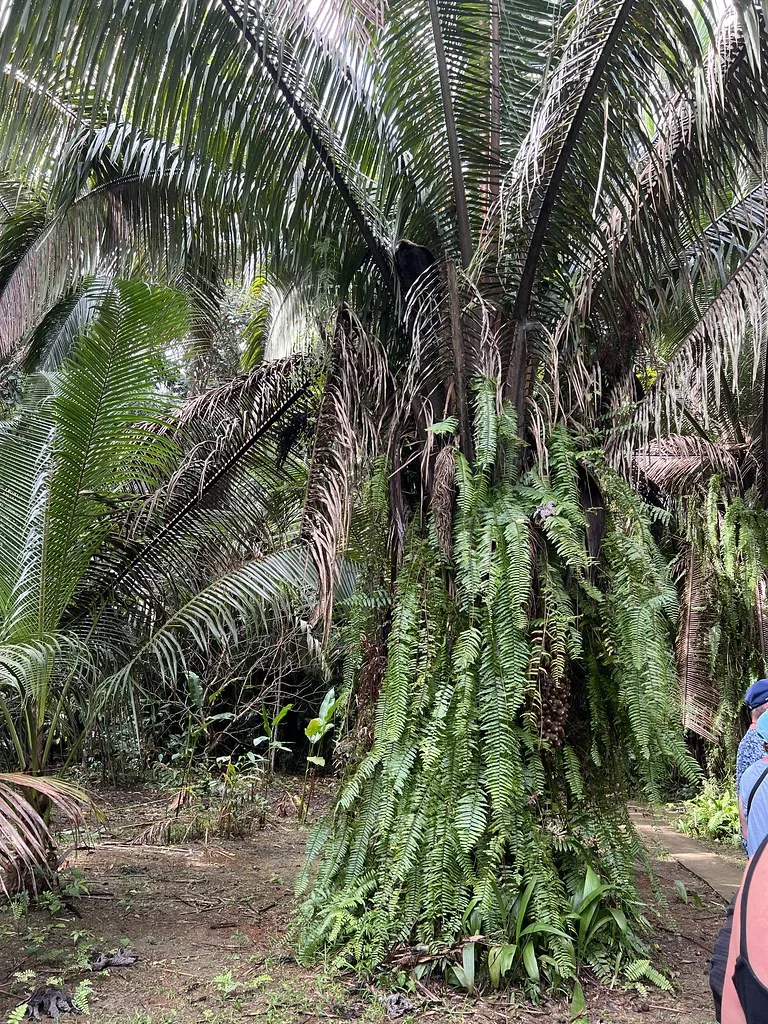
I spent the afternoon in a quieter mode. I walked the nature trails that wound through the interior of the island, past mangroves and sea grape trees and a small freshwater pond where a heron stood absolutely still, watching the water with the patience of a monk. I sat on a bench beneath a palm tree and ate a plate of rice and beans from a small stand near the pier — real Belizean food, simple and wonderful, the beans slow-cooked with coconut milk. The cost was just $5. I whispered a quiet prayer of gratitude for the meal, for the reef, for the heron, for Carlos and Rosie the macaw and the green turtle with barnacles on its shell.
The last tender left the island at four-thirty, and I was on it, sandy and salt-crusted and carrying a small bag of Belizean hot sauce I had bought from a vendor near the pier for $3. As the tender crossed back to the ship, I watched Harvest Caye shrink behind us — the palm trees, the lagoon, the observation tower becoming smaller and smaller until the island looked like what it was: a tiny green dot in an enormous blue sea. However artificial its origins, however carefully it had been engineered, the island had shown me something true. The reef was real. The birds were real. The Belizean pride in their fragile, beautiful country was real. And that, I realized, was what Harvest Caye taught me: that even a manufactured place can hold genuine wonder, if you are willing to look past the swim-up bar and into the water below. I carry that lesson with me still.
Weather & Best Time to Visit
The Cruise Port
Harvest Caye is Norwegian Cruise Line's exclusive private island, located approximately 30 miles off the southern coast of Belize. Ships do not dock directly at the island; instead, they anchor offshore and tender passengers to the island pier. The tender ride takes about five to ten minutes and runs continuously throughout the day. Norwegian manages the tender operation efficiently, with numbered tender tickets distributed onboard — arrive early if you want to be among the first ashore. The tender pier leads directly into the island's welcome area, where staff hand out maps and point guests toward the beach, pool, and wildlife sanctuary. There are no customs or immigration formalities since the island is a private facility. The island has accessible ramps from the tender pier to the main pathways, and paved walkways connect the major areas, making it manageable for wheelchair users and those with limited mobility on the hard-surface paths. Restrooms, changing areas, and complimentary dining are all within a short walk of the pier. The last tender back to the ship typically departs ninety minutes before sailing time.
Getting Around
Harvest Caye is a 75-acre island, and everything is within walking distance. From the tender pier to the farthest point on the island takes about ten minutes on foot at a leisurely pace. Paved pathways connect the tender pier, welcome plaza, pool complex, Landshark Bar and Grill, wildlife sanctuary, nature center, and zipline staging area. The main beach wraps around the lagoon with multiple entry points. Signs are posted throughout the island in English, and staff members are stationed at intersections to help with directions.
No vehicles, taxis, or shuttles operate on the island — it is entirely pedestrian. The terrain is flat, which makes walking easy for most visitors. Wheelchair users and those with mobility challenges will find the paved paths accessible and well-maintained, though the beach itself is soft sand and difficult to navigate without assistance. Norwegian offers beach wheelchairs upon request — ask at the welcome area upon arrival. For guests who prefer a low-energy day, the pool area and Landshark dining pavilion are just two to three minutes from the pier on level ground, so you can enjoy the island without walking far. Shade is available at the pool deck and at covered dining areas, but beach shade depends on claiming an umbrella early — prime spots fill by mid-morning. If you book a private cabana ($299-599), shade, seating, and dedicated service are guaranteed.
Excursions & Activities
Belize Barrier Reef Snorkeling
The signature excursion from Harvest Caye. A catamaran takes you to pristine snorkel sites along the world's second-largest barrier reef, where you will see brain corals, parrotfish, blue tangs, eagle rays, and often green sea turtles. The trip takes three to four hours including the twenty-minute boat ride each way. Cost is $60-90 per person depending on the package. Book this as a ship excursion well in advance — it sells out weeks before sailing, and a ship excursion guarantees your return to the vessel. Reef-safe sunscreen is required. Moderate energy level; you need to be comfortable swimming in open water. Snorkel equipment is provided.
Zipline Canopy Tour
Seven ziplines cross the island canopy, including one dramatic crossing over the lagoon. The tour takes 1.5-2 hours with safety briefing and equipment fitting. Cost is $79-99 per person. Book ahead through Norwegian's excursion portal — this is the most popular paid activity on the island and frequently sells out. Age restrictions apply (typically 7+ years), and there are weight limits. Not suitable for those with fear of heights or significant mobility limitations, but the views from the canopy are extraordinary. High-energy activity.
Wildlife Sanctuary & Nature Trails
The on-island wildlife sanctuary is complimentary and well worth thirty to sixty minutes. You will see rescued scarlet macaws, keel-billed toucans, green iguanas, and boa constrictors, all cared for in partnership with Belizean conservation organizations. The nature center provides educational programs about Belize's ecosystems. Nature trails wind through tropical vegetation with interpretive signs. This is a low-energy, wheelchair accessible activity on paved paths — no booking needed, simply walk over from the beach or pool.
Mayan Ruins Excursion
Visit the ancient Maya archaeological sites of Nim Li Punit or Lubaantun on the Belizean mainland. These ship excursions include a boat transfer to the coast followed by a guided tour of the ruins, with carved stelae and ceremonial plazas dating back over a thousand years. The full excursion takes five to six hours. Cost is $90-130 per person. Independently visiting the mainland is not practical since Harvest Caye has no public ferry — this is one port where booking the ship excursion is the only realistic option. Moderate energy; involves walking on uneven ground.
Catamaran Sailing & Beach Cruise
A relaxed sailing trip along the Belizean coastline with stops for swimming and snorkeling. The catamaran provides drinks and light snacks. Cost is around $70-85 per person for a half-day trip. This is a good alternative to the reef snorkeling if you want a gentler experience with less time in the water. Book ahead through the ship excursion desk. Low to moderate energy.
Kayaking & Paddleboarding
Non-motorized water sports are available on the lagoon, including kayaks and stand-up paddleboards. Basic equipment is complimentary on a first-come, first-served basis. Premium guided kayak tours to nearby mangrove channels cost $40-55 per person and can be booked independently at the water sports hut on the beach. This is a moderate-energy activity suitable for most fitness levels. The lagoon water is calm and shallow, making it forgiving for beginners.
Depth Soundings
Everything on Harvest Caye charges to your Norwegian cruise card, so you do not need cash on the island itself. However, if you take a mainland excursion, the local currency is the Belize Dollar (BZD), pegged at 2 BZD to 1 USD. US dollars are widely accepted on the mainland at a fair exchange rate. ATMs are not available on the island but can be found in Placencia and other mainland towns.
Tipping on the island follows Norwegian's onboard policies — tips are included in the cruise fare for drinks and dining staff. For mainland excursion guides, a tip of $5-10 USD per person is appreciated and standard. Belizeans are warm and friendly, and a simple "thank you" goes a long way. English is the official language of Belize, so communication is easy for English-speaking visitors. The island's Belizean staff members are proud of their country and happy to share stories about local culture, wildlife, and food if you take a moment to ask. Sunscreen, hats, and plenty of water are essential — the tropical sun near the 16th parallel is unforgiving, and shade on the open beach is limited to umbrellas and cabanas.
Photo Gallery
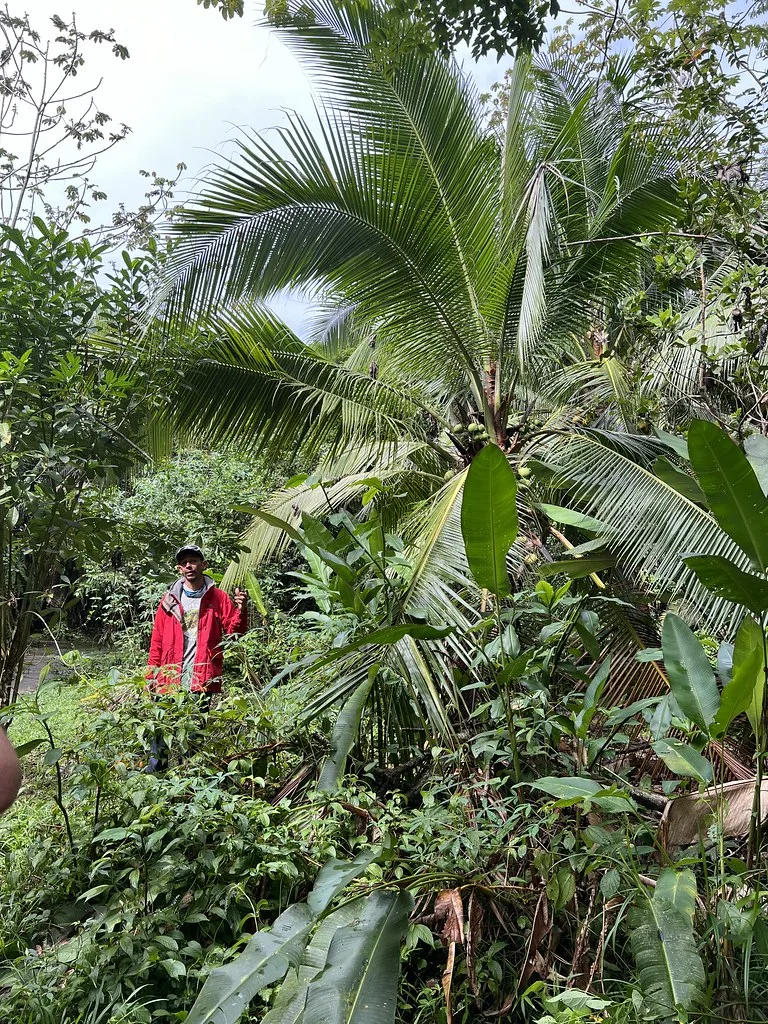
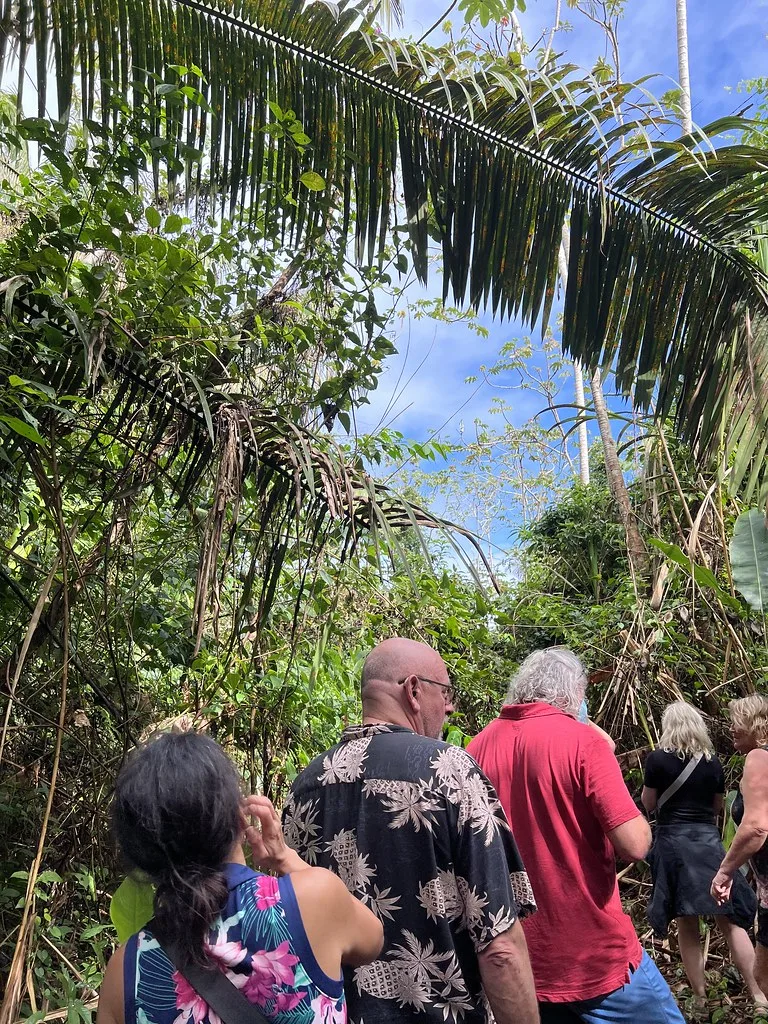
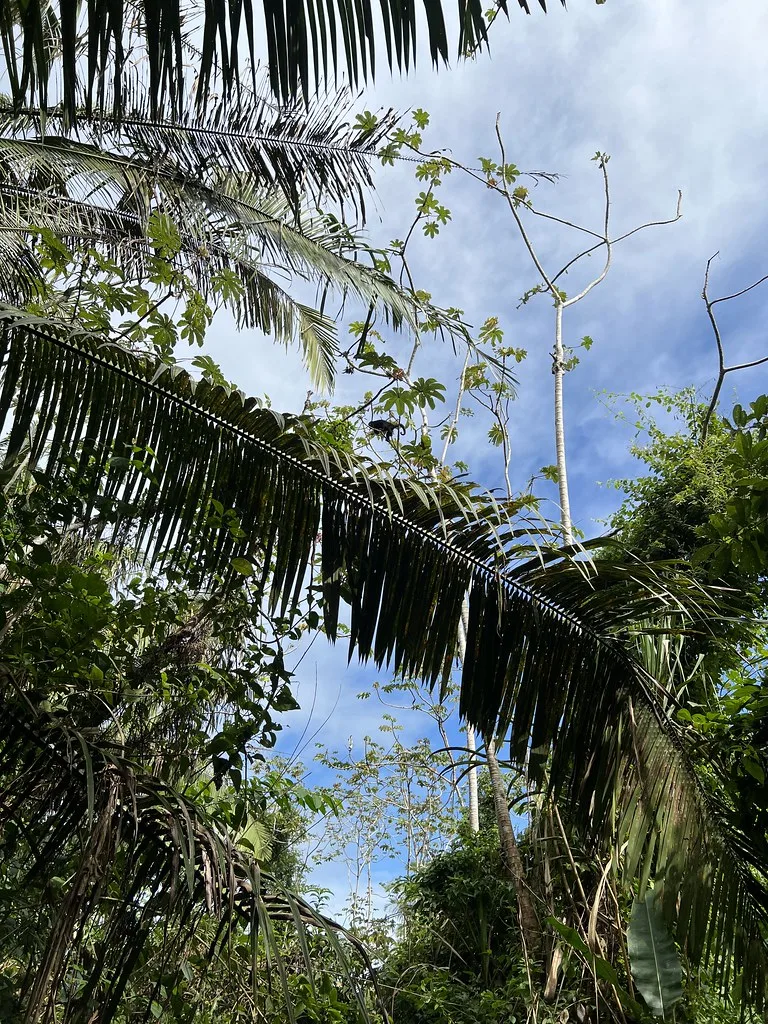
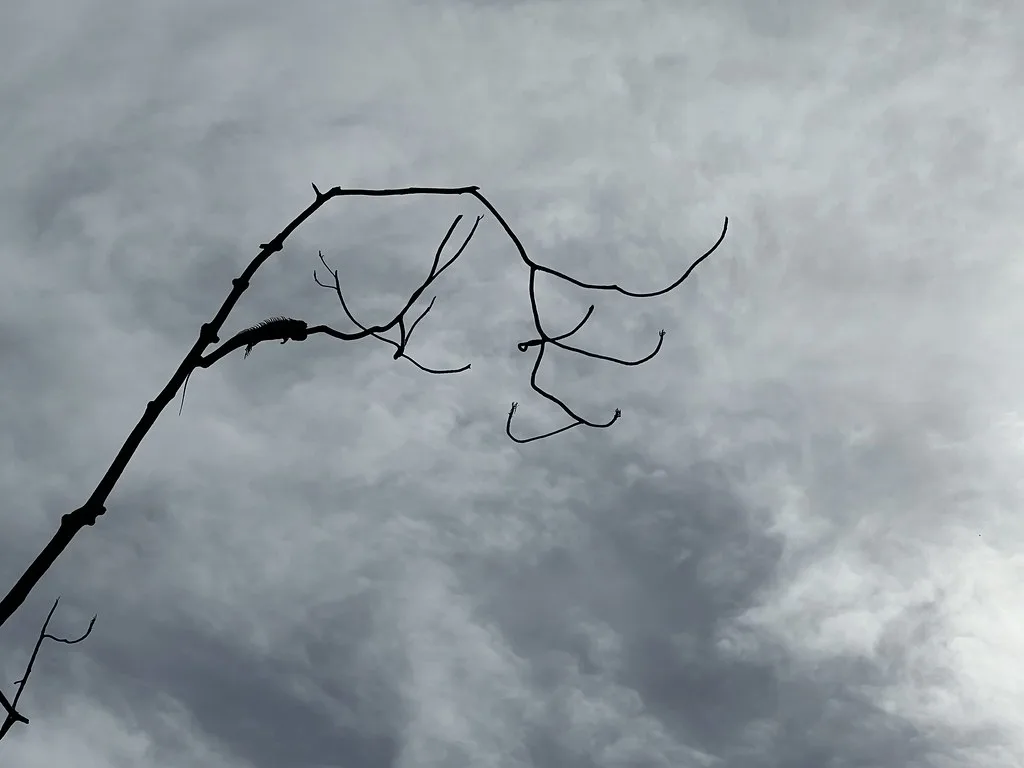


Image Credits
All photographs on this page are used under Creative Commons or free-use licenses. Images sourced from Wikimedia Commons, Unsplash, Pixabay, Pexels, and Flickr.
Frequently Asked Questions
What is included for free at Harvest Caye?
The lagoon beach, pool complex, beach chairs and umbrellas, complimentary dining at Landshark Bar and Grill, wildlife sanctuary access, nature trails, and basic water sports equipment are all free. Zipline tours ($79-99), private cabanas ($299-599), mainland excursions, and premium beverages cost extra.
Do I need to tender to Harvest Caye?
Yes. Ships anchor offshore and passengers are tendered to the island pier. The tender ride takes about five to ten minutes and runs continuously throughout the day. Numbered tender tickets are distributed onboard. The last tender typically departs ninety minutes before the ship sails.
Can I visit mainland Belize from Harvest Caye?
Yes, through Norwegian's shore excursions. Options include Mayan ruins, cave tubing, Placencia village, and Barrier Reef snorkeling. These are paid excursions requiring advance booking. There is no public ferry, so independent mainland visits are not practical.
Is Harvest Caye wheelchair accessible?
The island has paved paths from the tender pier to the beach, pool, and dining areas that are wheelchair accessible. The beach is soft sand, which is difficult for wheelchairs, but beach wheelchairs are available upon request. The pool area and dining pavilion are fully accessible on flat ground.
What currency do I need at Harvest Caye?
No cash is needed on the island — everything charges to your Norwegian cruise card. For mainland excursions, both Belize Dollars (BZD) and US Dollars are accepted. The BZD is pegged at 2:1 to USD.
Is the wildlife sanctuary worth visiting?
Yes. The sanctuary features rescued scarlet macaws, toucans, green iguanas, and boa constrictors cared for in partnership with Belizean conservation groups. It is complimentary and educational, well worth thirty to sixty minutes of your time.
Harvest Caye, Belize — Port Guide
Last reviewed: February 2026