


Photo: Wikimedia Commons
My Logbook: Sauna Steam and Cathedral Light
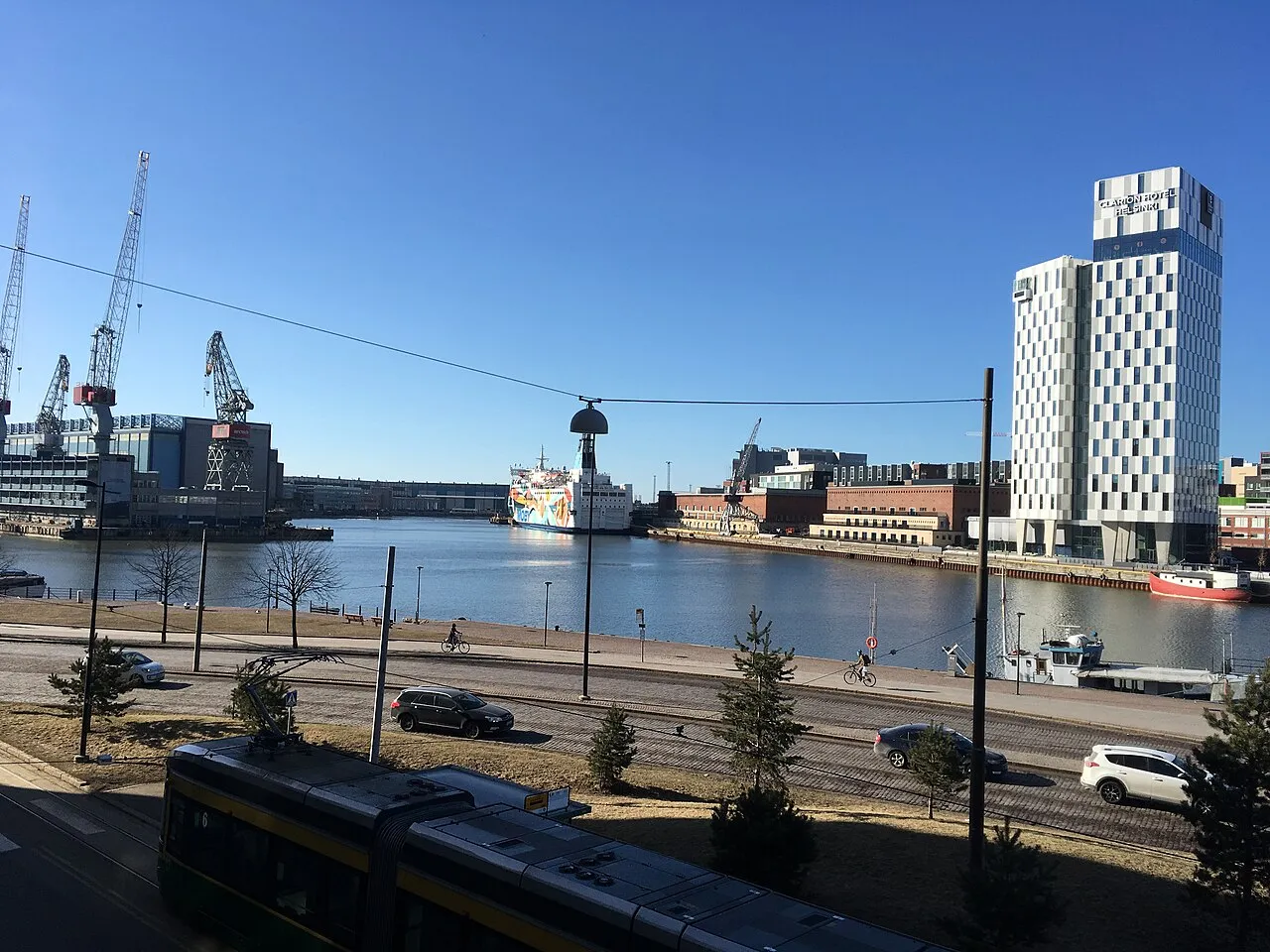
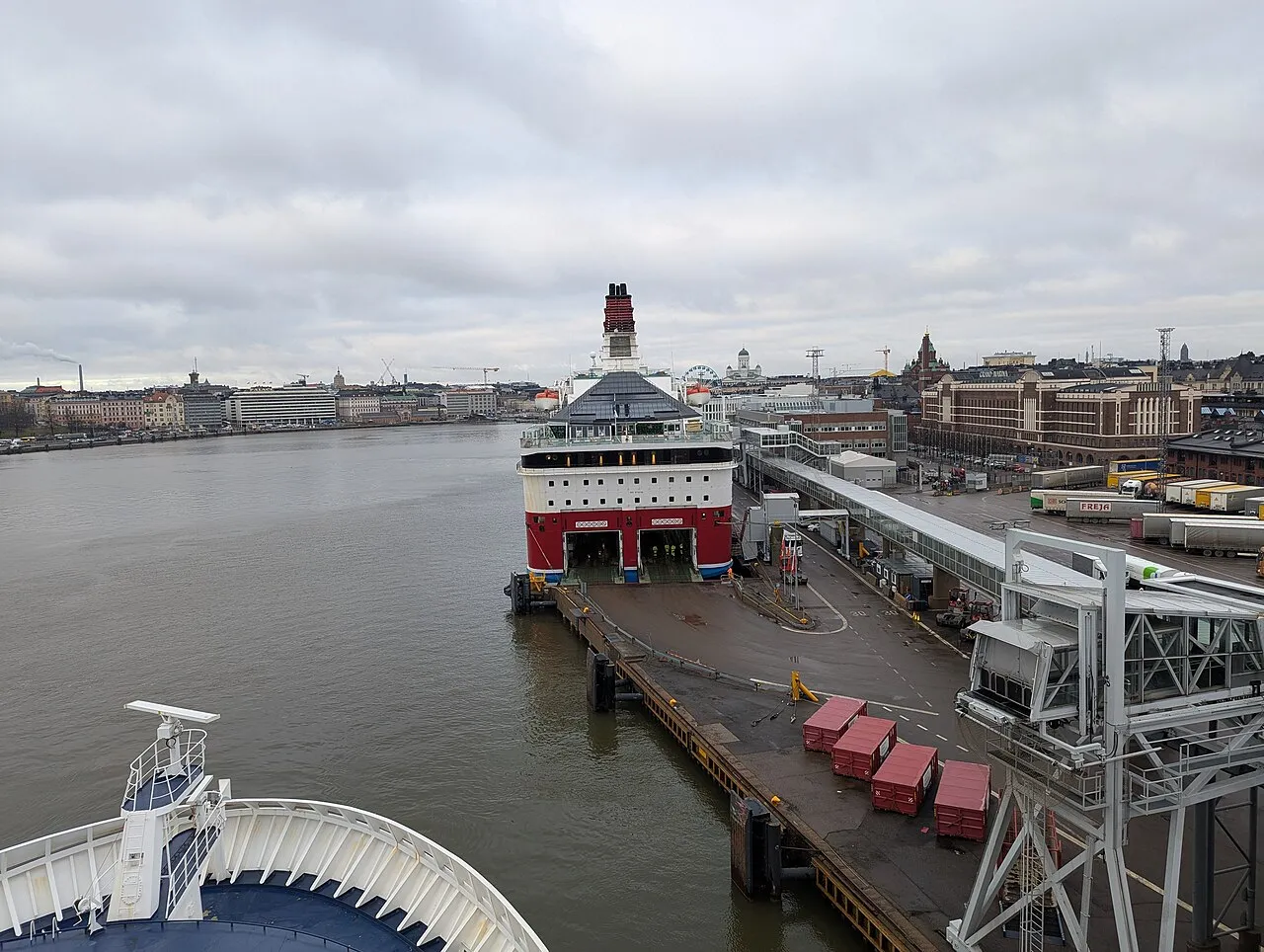
I smelled Helsinki before I saw it. Standing on the upper deck as our ship eased toward Hernesaari terminal, a cold, clean wind carried the scent of pine resin and sea salt across the water, and I felt my shoulders drop for the first time in days. The harbour cranes and ferry terminals told one story — a busy Baltic working port — but the fragrance told another, one of forests and quiet that had been drifting through this coastline for centuries. I gathered my daypack, slipped on my walking shoes, and stepped down the gangway into Finland's capital.
The tram ride from the cruise terminal to Senate Square took barely fifteen minutes, but it felt like crossing between centuries. One moment I was staring at construction cranes and modern apartment blocks; the next, I was standing before Carl Ludvig Engel's masterpiece of neoclassical architecture — a sweeping square flanked by the Government Palace, the University, and the National Library. But it was Helsinki Cathedral itself that stopped time. Built between 1830 and 1852, this blindingly white structure soars above the city, its five green cupolas gleaming in that special Nordic light that seems to come from everywhere and nowhere at once. Rows of white Corinthian columns flank the entrance, and atop the green roof stand statues of the twelve apostles, silent sentinels watching over the city below. The cathedral's domes were inspired by Russian architecture — a reminder of Finland's complex history under Swedish and Russian rule — yet the building feels entirely, unmistakably Finnish. I climbed those broad granite steps and entered the nave; it was free to visit, and the vaulted interior was as serene and bright as the exterior promised. Standing in the square looking up, I understood why this became the symbol of an entire nation.
From Market Square, the ferry to Suomenlinna departs every twenty minutes — a twenty-minute crossing that felt like a pilgrimage across time. This UNESCO World Heritage Site, designated in 1991, is an eighteenth-century sea fortress spread across six islands, its construction begun in 1748 under the Swedish Crown by Admiral Augustin Ehrensvärd. He designed it as "Sveaborg" — the Gibraltar of the North — a bulwark against Russian expansion from Kronstadt. It has been nearly three centuries, and the fortress remains remarkably intact. Today, 850 residents call these islands home year-round, and the stone bastions shelter six small museums, an open-air theatre, and handicraft shops selling woollen goods. I walked the ramparts, peered through the King's Gate, and lost myself in the thought that these stones have watched empires rise and fall while remaining exactly where they were laid. The wind off the Baltic carried salt and the sound of seabirds, and I sat on a cannon emplacement eating a cinnamon bun I had bought at the fortress bakery for €4. However quiet and still the place felt, it hummed with the weight of history.
Back on the mainland, I made time for Temppeliaukio — the Rock Church, carved directly into solid bedrock in 1969, its copper dome rising from raw granite walls. The acoustics inside turn even whispered prayers into something that fills the entire space. Entry costs €5, and I stood there for a long while, watching the light filter through the skylight ring between dome and stone. Despite Helsinki's reputation for modern minimalism, this church proved that Finnish architecture can also be dramatic and deeply spiritual.
The Design District drew me in next — twenty-five streets of independent boutiques, studios, and galleries south of the Esplanade. I browsed Marimekko fabrics, admired Iittala glassware, and stopped at a small ceramics studio where the artist herself was throwing pots. She sold me a handmade espresso cup for €18 and told me that Finnish design starts with the question: "What does this object need to be?" Not what it could be, or what would sell — what it needs to be. I carried that cup back to the ship wrapped in tissue paper and I carry that philosophy with me still.
It was at Löyly sauna, though, that Helsinki broke me open. The waterfront building — all wooden slats and glass — is a public sauna that charges about €21 for entry. I sat in the traditional 80 °C heat until my skin prickled, then walked across the wooden deck and lowered myself into the Baltic Sea. The cold hit like electricity, and then came a calm so complete I could hear my own heartbeat. I sat on the terrace afterward, wrapped in a borrowed towel, watching the sun hang low over the water in that endless Nordic twilight that paints everything gold and silver. A young Finnish couple sat nearby in comfortable silence, steam rising from their shoulders. No one spoke. No one needed to. I felt my eyes fill with tears — not from sadness but from a sudden, overwhelming recognition that this was exactly what rest was supposed to feel like. Something shifted inside me in that quiet moment, and I whispered a quiet prayer of thanks for the grace of being exactly where I was. That is what Helsinki taught me — that silence is not emptiness but a gift, and that the Finns have built an entire culture around the wisdom of knowing when to stop talking and simply be present.
I made it back to the ship as the gangway lights were blinking. As we pulled away from Hernesaari, I stood at the rail and watched Helsinki's white cathedral dome shrink into the pale summer sky. The lesson I carry with me is simple: you do not need noise or spectacle to feel alive. Sometimes a sauna, a sea, and a long silence are enough.
Weather & Best Time to Visit
The Cruise Port
Cruise ships dock at one of two terminals in Helsinki: Hernesaari (the newer facility, about 3 kilometres south of the city centre) or West Harbour (Länsiterminaali), slightly closer to downtown. Both terminals handle large vessels and offer basic passenger facilities including a covered waiting area and taxi ranks immediately outside. Hernesaari has accessible ramps at ground level, though the pavement between the terminal and the nearest tram stop can be uneven in places. Free shuttle buses run from both terminals to Market Square during the cruise season, or you can take tram line 6 or 7 from West Harbour for about €3.20 per ride. A taxi to Senate Square costs approximately €15–20 from either terminal. The port area is well-signed in Finnish, Swedish, and English. Security requires passengers to show their cruise card when returning to the ship. Helsinki handles over 500,000 cruise passengers per year, and the infrastructure is efficient and well-maintained.
Getting Around
Helsinki is compact and remarkably walkable — the city centre stretches roughly two kilometres from Market Square to the Design District, and the streets are flat and well-maintained. The tram network is the most useful transport option for cruise visitors; a single ticket costs €3.20 and a day pass €9, both purchasable from the HSL app or ticket machines at stops. Trams run every five to ten minutes on major routes, and line 2 in particular loops past most of the key attractions including Senate Square, the National Museum, and Kamppi shopping centre. The metro is less useful for typical port-day sightseeing but connects to outlying neighbourhoods.
Taxis are metered, clean, and reliable but expensive by international standards — a ride from the cruise terminal to central Helsinki costs approximately €15–20. Uber operates in Helsinki alongside local taxi companies. For visitors with limited mobility, Helsinki's trams are wheelchair accessible with low-floor entry, and most major attractions have ramps and lifts. The cobblestone streets around Senate Square and Suomenlinna fortress are uneven in places, so wheelchair users and those with mobility challenges should plan routes carefully. Cycling is popular in summer, and city bikes are available through the Helsinki City Bikes scheme at €5 per day with stations across the city centre. Walking is the best way to experience Helsinki's architecture and design — the city rewards slow, careful exploration on foot.
Excursions & Activities
Suomenlinna Sea Fortress
The UNESCO-listed fortress across the harbour is Helsinki's signature attraction. Ferries depart from Market Square every twenty minutes, and the crossing costs approximately €7 return (included in HSL day ticket at €9). Allow two to three hours to explore the ramparts, visit the submarine Vesikko, and browse the six small museums. The terrain is uneven with cobblestones and slopes, making this a moderate-energy activity. You can visit independently with ease — the ferry schedule is reliable and guaranteed return timing is straightforward. Alternatively, a ship excursion to Suomenlinna typically costs $60–80 and includes a guided tour, which provides historical context you might miss on your own.
Senate Square & Helsinki Cathedral
The neoclassical heart of Helsinki centres on Engel's grand square. The cathedral is free to enter and takes about thirty minutes to appreciate. Combine it with a walk through the nearby Old Town streets, stopping at Café Engel for coffee and a cinnamon roll (about €8). This is a low-energy visit suitable for all mobility levels, with flat paths and accessible entrances. No need to book ahead — simply walk from the tram stop.
Temppeliaukio Rock Church
This remarkable church, carved directly from bedrock in 1969, features a copper dome and natural rock walls with extraordinary acoustics. Entry costs €5. Allow thirty to forty-five minutes. The interior is wheelchair accessible. You can reach it independently by tram or a fifteen-minute walk from the Esplanade. Ship excursions often include it as part of a city highlights tour at $50–70.
Löyly Public Sauna
The quintessential Finnish experience. Löyly charges approximately €21 for entry, which includes use of the traditional sauna, a steam room, and access to the sea-swimming ladder. Towels are provided. Book ahead during summer months, as it fills quickly — walk-ins are possible but not guaranteed. The building itself is an architectural landmark of stacked wooden slats. Accessible facilities are available on the ground floor.
Design District Walking Tour
Helsinki's Design District covers twenty-five streets south of the Esplanade, packed with independent boutiques, galleries, and studios. A self-guided walk costs nothing; guided design tours cost €25–40 and last two hours. Browse Marimekko, Iittala, and small ceramics workshops. This is a low-energy stroll at your own pace. Visit independently — no booking required for self-guided exploration.
Market Square Food Tasting
Kauppatori (Market Square) is Helsinki's waterfront market where vendors sell salmon soup in bread bowls (about €12), fresh berries, smoked fish, and reindeer sausage. Allow an hour for browsing and tasting. The market is flat and accessible, located steps from the Suomenlinna ferry terminal. No need to book ahead — simply arrive and explore.
Depth Soundings
Finland uses the Euro (EUR). As of early 2026, €1 buys approximately $1.05 USD. Contactless card payment is accepted almost everywhere in Helsinki — from tram tickets to market stalls — and carrying cash is rarely necessary. ATMs are available throughout the city centre, though withdrawal fees of €2–4 may apply for international cards.
Tipping is not expected in Finland. Restaurant bills typically include service, and rounding up to the nearest euro is generous. Taxi drivers do not expect tips. Finnish culture values personal space and quiet — do not be alarmed by silence in lifts, trams, or queues, as this is a sign of respect rather than unfriendliness. English is widely spoken, especially among younger Finns, and most signage in Helsinki is trilingual (Finnish, Swedish, English). Learning "kiitos" (thank you) earns warm nods. Shops generally close by 6 p.m. on weekdays and earlier on weekends, though the market hall and supermarkets keep longer hours. Sunday hours are limited outside the summer season.
Photo Gallery
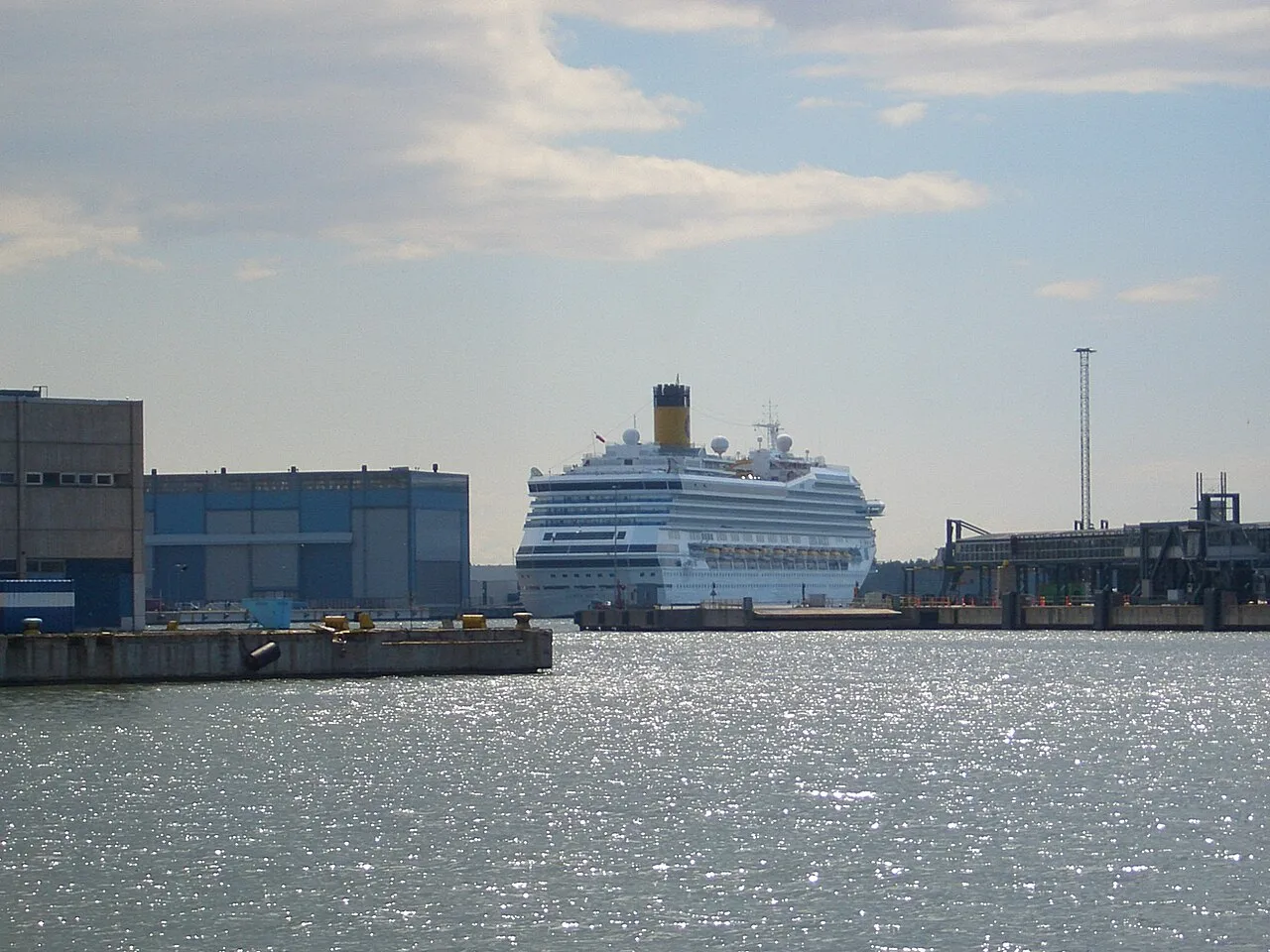
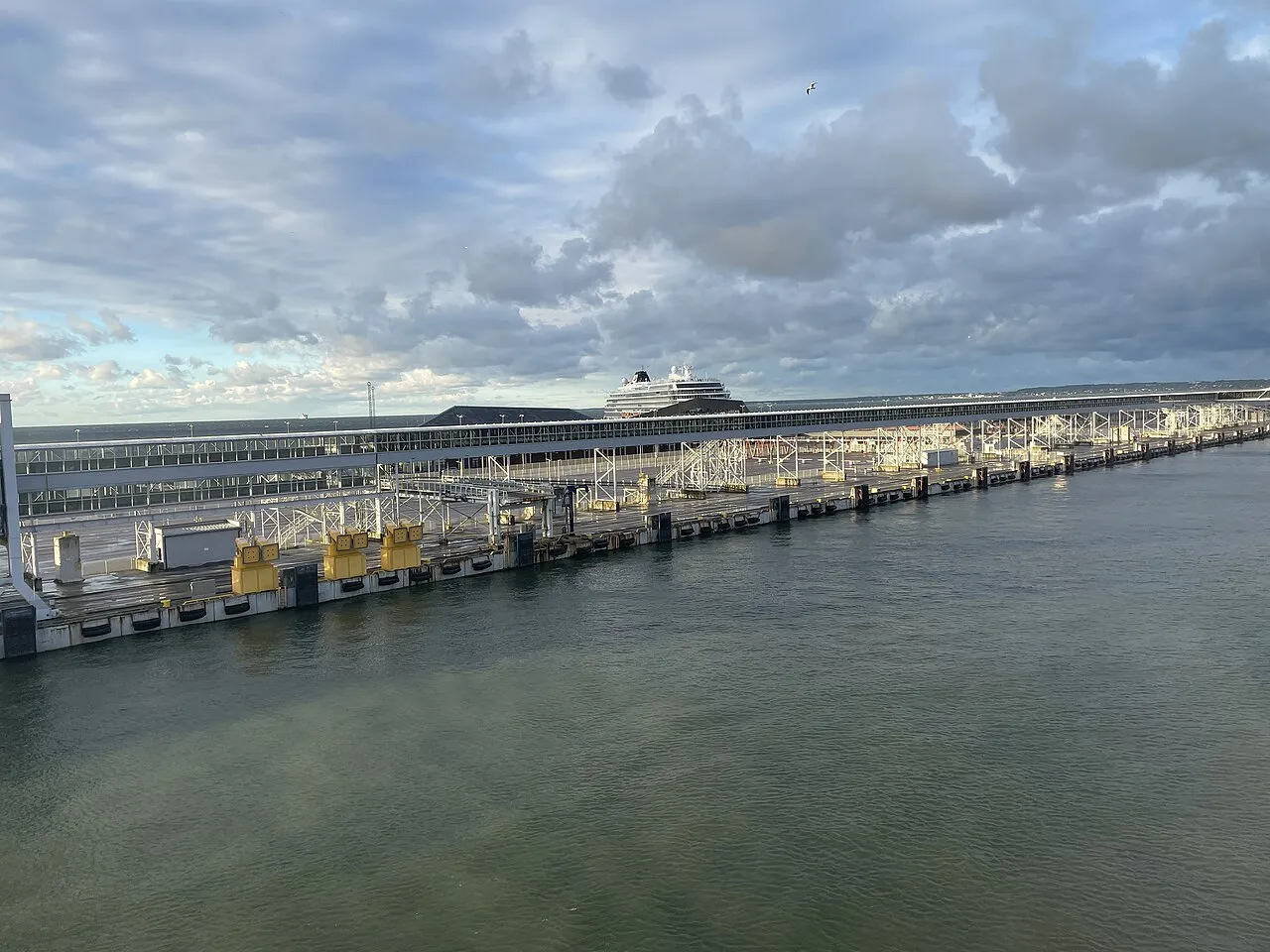
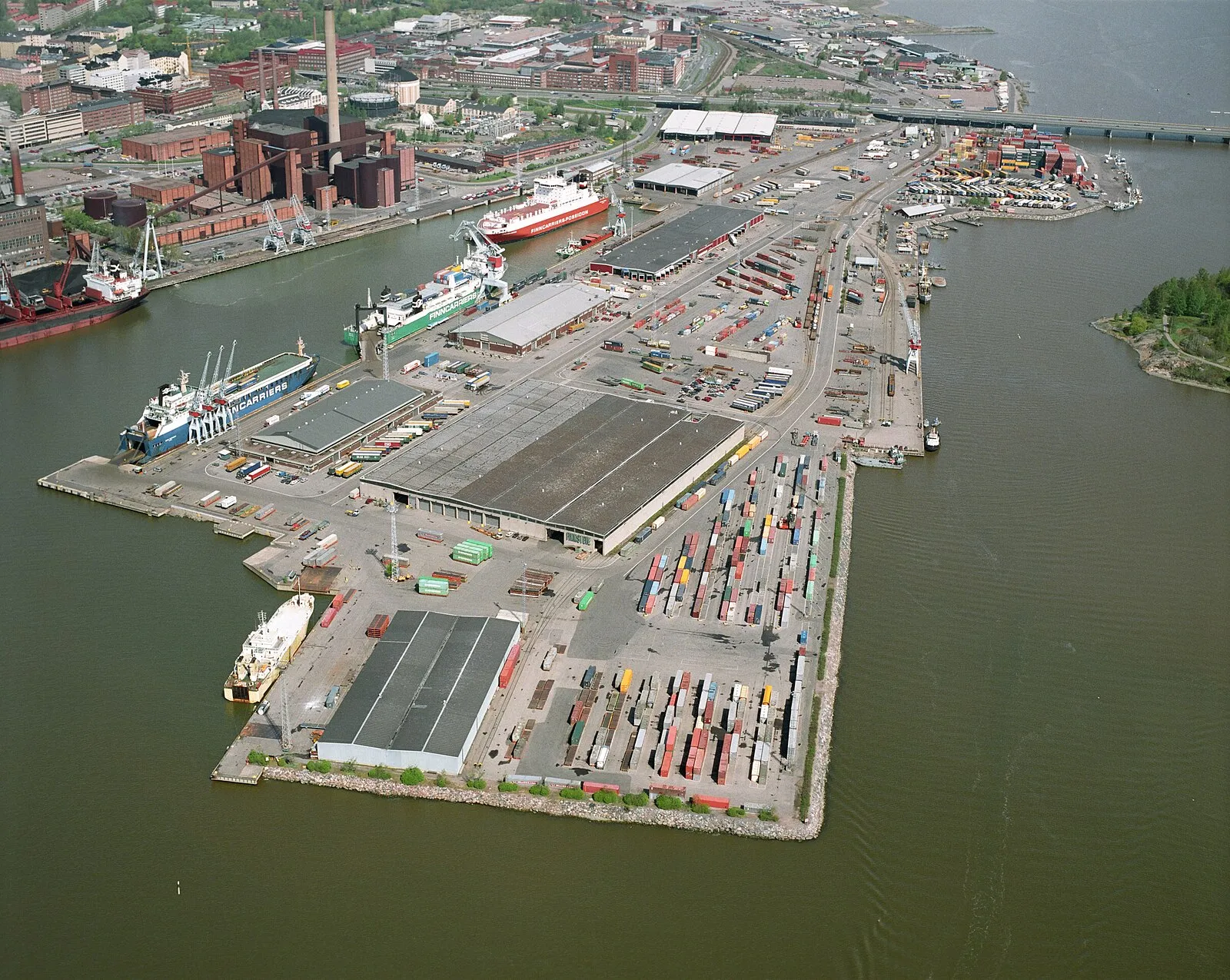
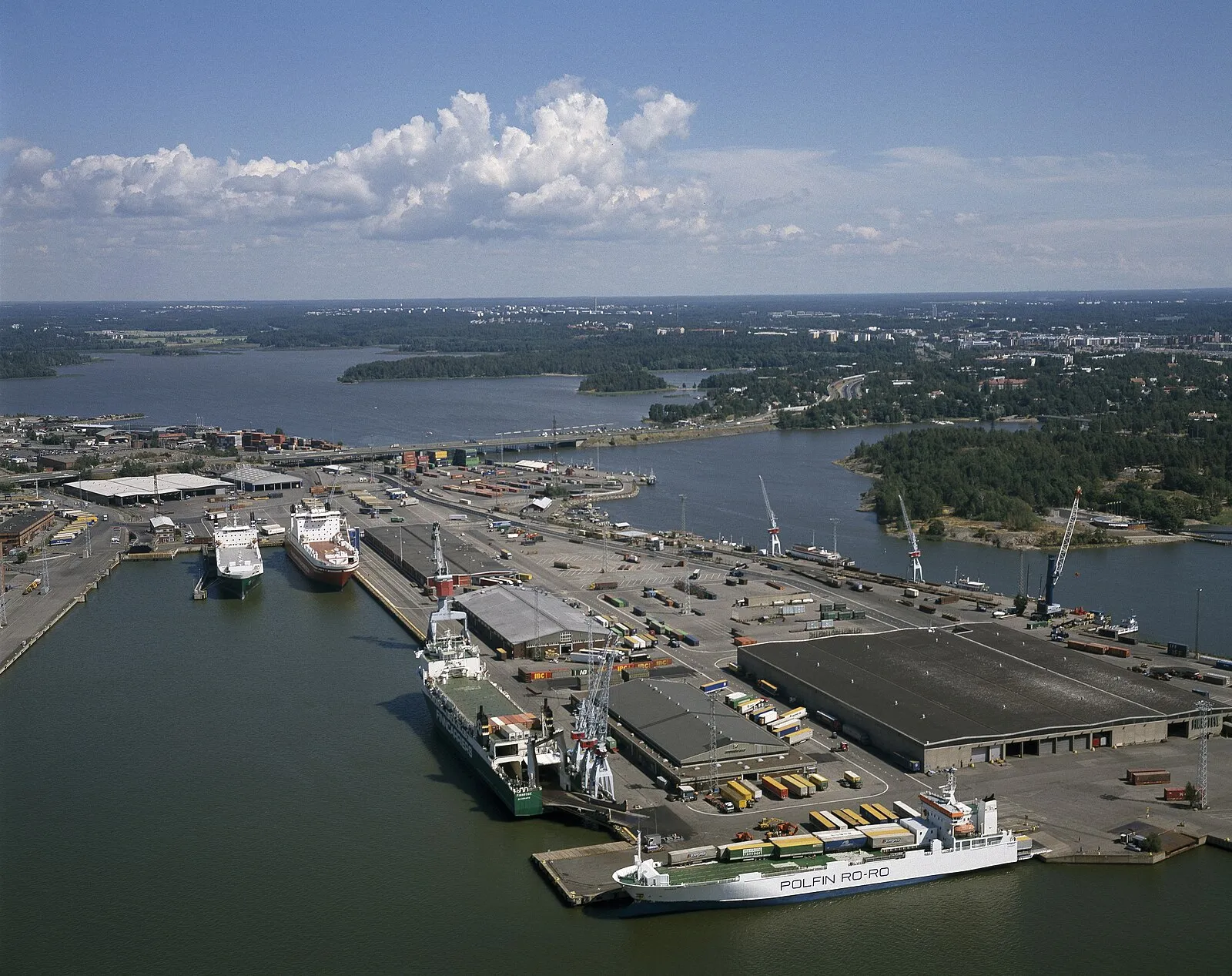
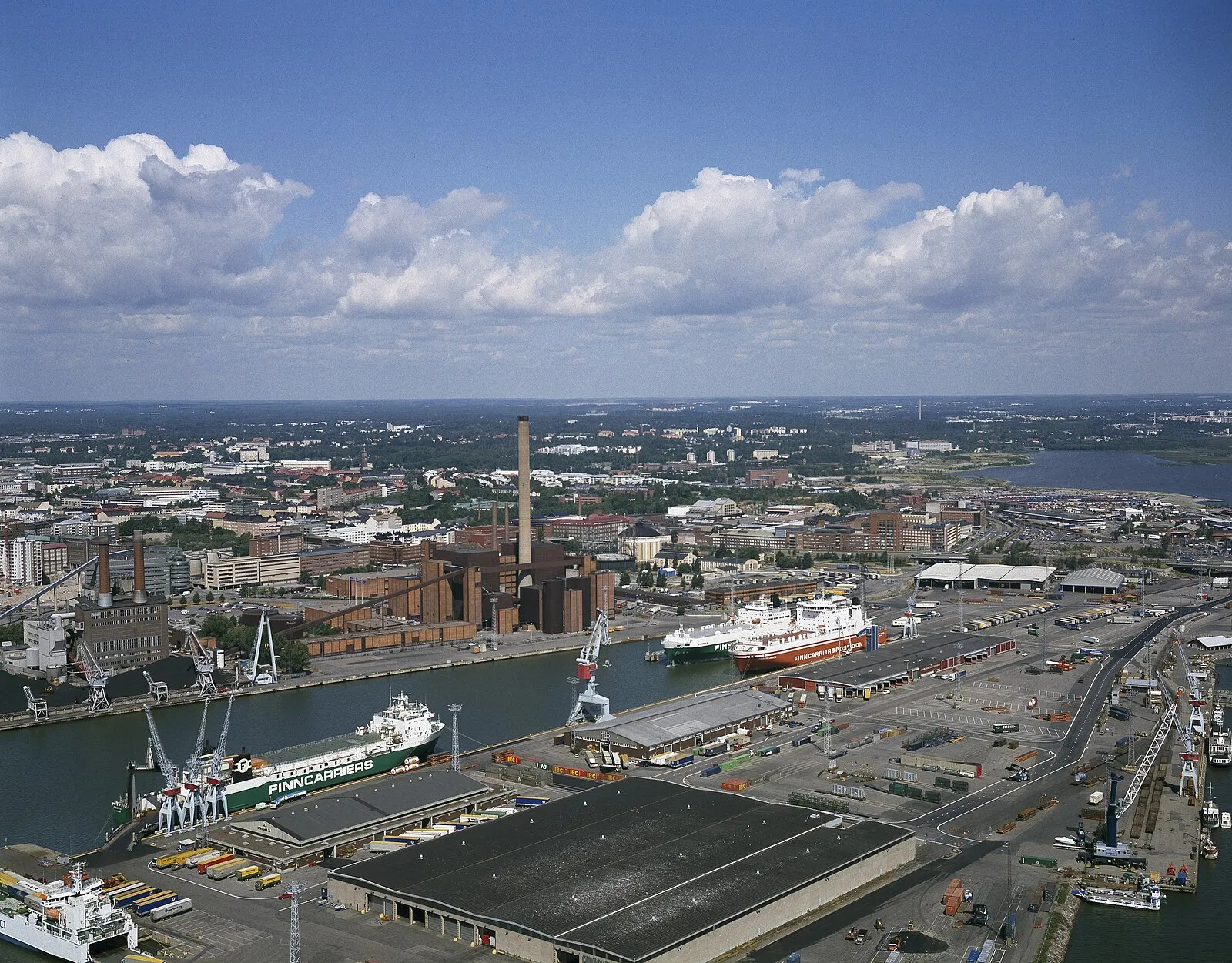
Image Credits
All photographs on this page are used under Creative Commons or free-use licenses. Images sourced from Wikimedia Commons, Unsplash, Pixabay, Pexels, and Flickr. Hero image and supplementary photographs courtesy of Flickers of Majesty.
Frequently Asked Questions
Where do cruise ships dock in Helsinki?
Ships dock at either Hernesaari or West Harbour (Länsiterminaali). Both terminals are about fifteen to twenty minutes from the city centre by free shuttle bus or tram. Taxis cost approximately €15–20.
How do I get to Suomenlinna fortress?
Ferries depart from Market Square every twenty minutes. The crossing takes twenty minutes and costs approximately €7 return, or is included in the HSL day ticket at €9. Allow two to three hours for a visit.
Is Helsinki walkable from the cruise terminal?
Yes. Helsinki is compact and flat. From Hernesaari terminal, it is a twenty-minute walk or short tram ride to Market Square. Most attractions are within walking distance of each other once you reach the centre.
What currency does Helsinki use?
Finland uses the Euro (EUR). Contactless card payment is accepted virtually everywhere, and carrying cash is rarely necessary. ATMs are widely available in the city centre.
What is the best sauna experience in Helsinki?
Löyly is Helsinki's most popular public sauna, charging approximately €21 for entry. It features traditional sauna heat, a steam room, and a ladder into the Baltic Sea. Book ahead in summer as it fills quickly.
What should I pack for Helsinki?
Even in summer, bring a windproof jacket — Baltic winds are brisk. Comfortable walking shoes with grip are important for cobblestone streets and the fortress ramparts. A swimsuit is optional for saunas. The Packing Tips section in the seasonal panel above adds umbrella, layers, and other Baltic-coast essentials. Winter visitors need serious cold-weather gear including thermal layers and waterproof boots.
When is the best time to visit Helsinki?
Cruise season runs May-Sep with long daylight hours (June nights barely darken). The seasonal panel above aligns Sauna & Sea Swimming, Fortress Walks, and City Walking with this window. Winter cruise calls are rare; Helsinki winter brings sub-freezing temperatures, ice, and limited daylight. The live weather widget in the seasonal panel above is the primary source for short-term conditions on a specific sailing date.
When is Helsinki's storm season?
Helsinki sits at ~60°N on the Gulf of Finland — far outside the tropical-cyclone tracks. The relevant heavy-weather pattern is autumn-winter Baltic storms (Oct-Mar) with strong winds, rain, and occasional sea ice. The cruise season largely avoids the worst weather, but Sep-Oct calls can encounter early autumn systems. Summer thunderstorms are brief. The live weather widget in the seasonal panel above is the primary source for current conditions on a specific sailing date.
Will rain ruin my Helsinki port day?
Helsinki's downtown is compact and indoor-friendly even in rain. The Helsinki Cathedral, Temppeliaukio (Rock Church), Ateneum Art Museum, National Museum, Design District boutiques, and the covered Old Market Hall (Vanha Kauppahalli) all stay accessible. Suomenlinna Fortress is more weather-sensitive — the ferry runs in light rain but the fortress walks become exposed and slippery in heavy weather. The live weather widget in the seasonal panel above is the primary source for short-term forecasts on a specific sailing date.
Helsinki — Port Guide
Last reviewed: February 2026