
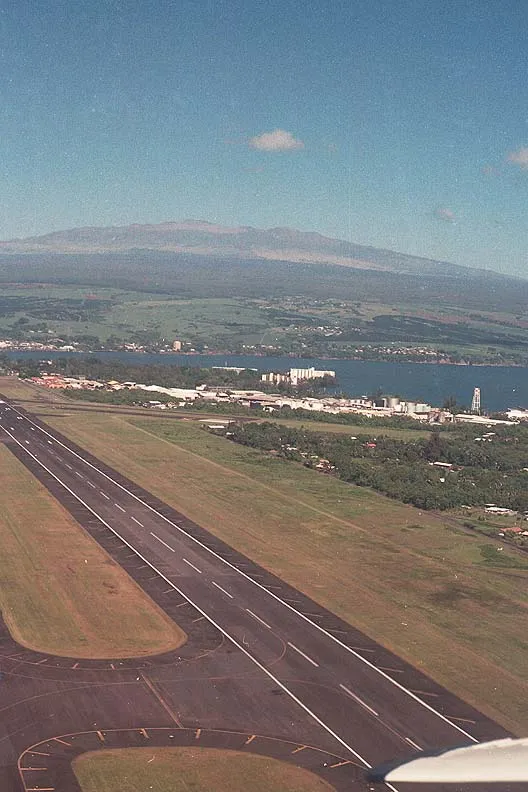
Photo: Wikimedia Commons (CC BY-SA)
My Logbook: Where the Earth Still Breathes

We docked at Hilo just after dawn, and I stood on the upper deck watching the Big Island materialize through a curtain of soft rain — green cliffs rising from a crescent bay so lush it looked painted. I had read about Hilo before we arrived: the sugar boom prosperity of the 1800s, the devastating tsunamis of 1946 and 1960 that killed dozens and nearly erased the town, the quiet, stubborn rebuilding that chose authenticity over resort gloss. But nothing I had read prepared me for the feeling of stepping onto ground that is still being made. This is the county seat of Hawaii County, gateway to Kilauea — the world's most active volcano — and forces older than any city hum beneath your feet from the moment you arrive.
We picked up our rental car at the pier — a small red sedan that cost us about $75 for the day — and drove first to Rainbow Falls, barely ten minutes from the port. The waterfall thundered over an 80-foot ledge into a pool of dark volcanic rock, and the morning mist caught the sunlight and threw a faint rainbow across the spray, which is how the falls earned their name. A family of locals stood beside us at the railing, and a grandmother in a floral muumuu pointed out a cave behind the curtain of water. "That is the home of Hina," she said, referring to the Hawaiian moon goddess. "We still bring flowers." I noticed a small lei draped on the railing, its plumeria petals wilting but fragrant, and I understood that this was not a tourist attraction to the people who live here — it was a sacred place, as real and present as any church.
From Rainbow Falls we drove south through a landscape that changed every few miles — sugarcane fields giving way to dense ohia lehua forest, then open grassland, then the stark grey expanse of old lava flows that looked like the surface of the moon. We paid the $30 entrance fee at Hawaii Volcanoes National Park and drove the Crater Rim Road to the Kilauea overlook. The caldera stretched before us, a vast bowl of black and grey rock venting white steam from dozens of fissures. I had seen photographs, but photographs cannot capture the smell — sulphur and warm minerals and something ancient and earthy that catches in the back of your throat — or the low, almost subsonic rumble that you feel more than hear. This is the earth making itself, I thought. Right here, right now, rock is being born.
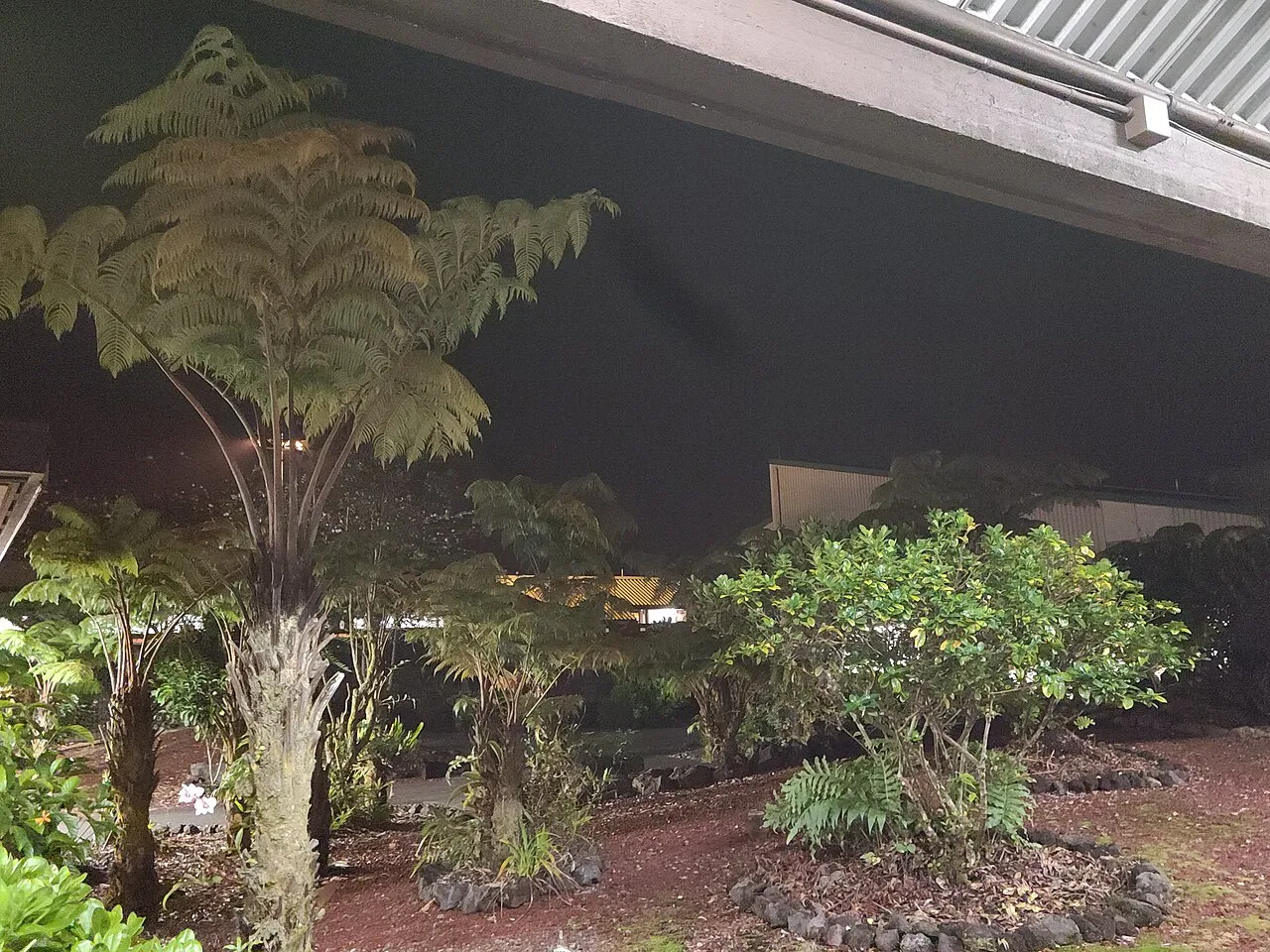
We hiked the Kilauea Iki trail, which descends through rainforest into the crater of a 1959 eruption. The lava lake floor was flat and cracked, still warm in places when I pressed my palm against it. Ferns were already pushing through cracks in the rock, tiny green flags of life planted in the devastation. Halfway across the crater floor, I stopped and looked up at the walls of hardened lava towering above us, and something shifted inside me. The scale of what had happened here — a lake of molten rock a hundred feet deep, erupting with fountains that reached 1,900 feet into the sky — was almost impossible to comprehend. And yet the ferns grew. Life does not wait for permission. I felt my eyes fill with tears, standing there on that warm grey rock with steam curling around my ankles, and I whispered a quiet prayer of gratitude for the stubbornness of green things that refuse to give up.
We ate lunch at a small plate-lunch counter in Volcano Village, just outside the park gate — kalua pork, two scoops of rice, macaroni salad, and a side of lomi-lomi salmon, all for $12. The woman behind the counter asked where we were from and whether we had felt the earthquake that morning. We had not. She smiled. "You get used to them," she said. "The island is alive. She moves when she wants to." I carried that sentence with me for the rest of the day.
On the drive back to Hilo we detoured to Akaka Falls, a 442-foot waterfall that plunges into a gorge so deep the mist never quite reaches the viewing platform. The paved loop trail wound through a bamboo grove where the stalks clattered in the breeze like wooden wind chimes, and I found myself walking slowly, not wanting the sound to stop. Back in Hilo I walked along Banyan Drive, a canopy of enormous trees planted decades ago by visiting dignitaries — each one with a small plaque bearing a name like Babe Ruth and Amelia Earhart. The trees had grown together into a single living roof, their roots tangling across the sidewalk, their branches blocking out the sky. An older couple sat on a bench beneath one of the largest trees, holding hands and watching the harbour. The ship sat white and enormous against the green hills, and for a moment I saw it through their eyes — a floating city visiting a place where the earth has been making and remaking itself for millions of years.
That is what Hilo taught me — that the newest land on earth is also among the most sacred, that creation never stopped, and that a small fern pushing through a crack in cooling lava is as mighty a thing as any mountain. I carry that lesson with me still.
Weather & Best Time to Visit
The Cruise Port
Ships dock at Pier 1 in Hilo Harbor, directly on Hilo Bay with views of Mauna Kea rising behind the town. The terminal is modest — a covered pavilion with restrooms and a small information booth staffed by local volunteers. There is no shopping or dining inside the terminal itself, but the pier area has a few vendor stalls selling leis, macadamia nuts, and Kona coffee on port days. Taxis and rental car shuttle buses queue at the pier exit. The pier is flat and wheelchair accessible at ground level, though the pavement can be uneven in places. Downtown Hilo's shops and the farmers market are about two miles north along the bayfront road — a manageable walk on flat terrain for those with moderate mobility, or a $10 taxi ride. Most visitors arrange rental cars in advance, as Hilo's attractions are spread across the island and public transit is limited.
Getting Around
A rental car is by far the most practical way to explore Hilo and the Big Island. Major agencies operate near the pier and at Hilo airport; expect to pay $60–90 per day. Book ahead when multiple ships are in port — inventory runs out fast. Driving is straightforward with well-maintained two-lane roads, though the 45-minute drive to Volcanoes National Park climbs through frequent rain showers, so keep headlights on.
Taxis are available at the pier but limited in number and expensive for longer trips — a round trip to the national park by taxi can cost $150–200. Uber and Lyft operate in Hilo but coverage is inconsistent outside the main town area. The Hele-On public bus runs routes between Hilo and Volcano Village for just $2, but schedules are infrequent and not well designed for cruise day timing. Walking is pleasant in downtown Hilo — the bayfront, Banyan Drive, and farmers market area are flat and easily accessible on foot. Wheelchair users will find downtown sidewalks mostly navigable, though some sections near the harbour have cracked pavement. For the national park and waterfalls, vehicle access is essential; park roads and major overlooks have accessible parking and paved viewing platforms.
Excursions & Activities
Hawaii Volcanoes National Park
The premier attraction from Hilo and well worth a full day. Drive 45 minutes south to explore Kilauea caldera, steam vents, the Thurston Lava Tube (a walk-through cave formed by flowing lava), and the Devastation Trail across a cinder field. The Kilauea Iki trail descends into a 1959 eruption crater — moderate energy, 4 miles round trip on uneven lava rock. Park entry costs $30 per vehicle. Ship excursions run $100–180 per person and guarantee your return to the vessel on time; independently, a rental car gives you more flexibility to linger. Book ahead if renting — cars sell out on busy port days.
Rainbow Falls & Boiling Pots
A quick, free stop just eight minutes from the pier. The 80-foot waterfall is most photogenic in morning light when rainbows form in the mist. Boiling Pots, a series of cascading pools further upstream, adds another ten minutes to the visit. Both viewpoints are paved and accessible for wheelchair users. No booking needed — simply drive or take a taxi ($10 each way).
Akaka Falls State Park
A 442-foot waterfall reached by a short paved loop trail (0.4 miles) through lush bamboo and tropical forest. Entry is $5 per car. The trail is wheelchair accessible with gentle grades. Located 25 minutes north of Hilo — easy to combine with a scenic drive along the Hamakua Coast. Visit independently by rental car.
Hilo Farmers Market
Open Wednesday and Saturday mornings, this vibrant market fills several blocks of downtown with tropical fruit, orchids, macadamia nuts, local honey, and handmade crafts. Prices are excellent — a bag of fresh lychee or rambutan costs $3–5. A low-energy, wheelchair-accessible morning activity that pairs well with browsing downtown Hilo's independent shops and galleries. No need to book ahead.
Mauna Kea Visitor Station
At 9,200 feet elevation, the visitor station offers stargazing programs and views above the cloud line. The drive takes about 55 minutes from Hilo. Access above the visitor station requires four-wheel drive. A ship excursion ($120–160) handles the logistics and provides warm jackets; independently, you need a 4WD rental. Note that the summit is at nearly 14,000 feet — those with heart or respiratory conditions should consult their doctor before ascending.
Snorkeling at Richardson Beach Park
A protected black-sand beach about ten minutes from port, with calm waters, sea turtles, and colourful reef fish. Bring your own gear or rent from shops near the pier ($15–20 for mask and snorkel). Free entry and parking. Accessible restrooms and paved paths to the beach edge, though the sand itself requires moderate mobility.
Depth Soundings
Hilo uses the US dollar, and credit cards are accepted everywhere — rental agencies, restaurants, national park entry, and most market vendors. ATMs are available at banks along Kilauea Avenue in downtown Hilo. Tipping follows standard US customs: 18–20% at sit-down restaurants, $1–2 per drink at bars, and 15–20% for taxi drivers.
Hawaii has strict environmental protection laws — reef-safe sunscreen is required by state law, and collecting lava rocks, sand, or coral is illegal and considered deeply disrespectful to Pele, the Hawaiian goddess of fire. The national park enforces these rules seriously. English is the primary language, but you will hear Hawaiian words throughout the island: "mahalo" (thank you), "aloha" (hello/goodbye/love), and "ohana" (family). Dress is casual everywhere. The one surprise for many visitors is Hilo's rain — it is the wettest city in the United States, so a rain jacket is not optional, it is essential.
Photo Gallery

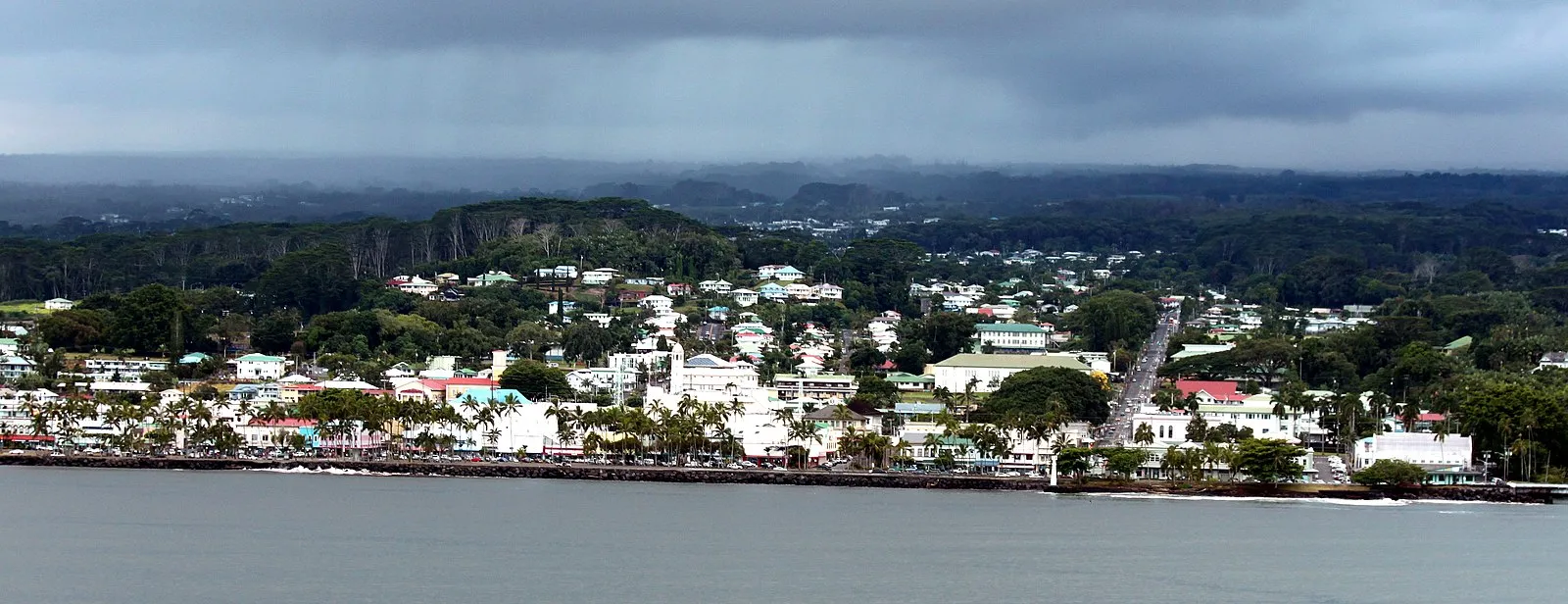


Image Credits
All photographs on this page are used under Creative Commons or free-use licenses. Images sourced from Wikimedia Commons, Unsplash, Pixabay, Pexels, and Flickr.
Frequently Asked Questions
Is Hilo worth visiting on a cruise?
Absolutely. Hilo is the gateway to Hawaii Volcanoes National Park, home to Kilauea — an active volcano where you can walk across lava fields and peer into the caldera. Combined with waterfalls, a charming downtown, and the Hilo Farmers Market, it offers experiences you cannot get anywhere else in Hawaii.
Do I need a rental car in Hilo?
A rental car is highly recommended. The national park is 45 minutes south, Akaka Falls is 25 minutes north, and public transit is very limited. Cars cost $60–90 per day. Book ahead when ships are in port — availability drops fast.
How long does it take to visit Hawaii Volcanoes National Park?
Plan 6–7 hours round trip from Hilo including driving, hiking, and sightseeing. The park entrance is 45 minutes from the port. This gives time for the Kilauea Iki trail (4 miles), steam vents, Thurston Lava Tube, and the Crater Rim overlooks.
Can I walk from the Hilo cruise port to town?
Downtown Hilo is about two miles from the pier — a flat, manageable walk of roughly 25–30 minutes along the bayfront. Everything beyond downtown, including waterfalls and the national park, requires a vehicle.
Does it always rain in Hilo?
Hilo receives about 130 inches of rain per year, making it the wettest city in the United States. Showers are frequent but often brief — mornings tend to be drier. Carry a rain jacket and embrace the weather; the rain is what makes Hilo so spectacularly green.
What should I buy in Hilo?
Kona coffee, macadamia nuts, and Hawaiian honey are popular choices. The Hilo Farmers Market (Wed and Sat mornings) offers tropical fruit, orchids, and handmade crafts at excellent prices — a bag of fresh lychee or rambutan costs $3–5.
When is the best time to visit Hilo?
The glance Temperature reads "21–28 °C (70–82 °F) year-round" and the Rain entry reads "~330 cm (130 in) annually; wettest Nov–Mar." The seasonal panel above lists Peak Season as Dec-Apr, with the avoidance note flagging "Sep, Oct" for "hurricane risk." Use the live weather widget in the seasonal panel for current short-term conditions.
When is hurricane season in Hilo?
The hazard-note on this page reads: "Direct hurricane hits on Hawaii are rare but tropical storms can cause port closures; travel insurance recommended." The avoidance note in the Best Time block flags "Sep, Oct" for "hurricane risk." For current tropical-system status on a specific sailing date, the live weather widget in the seasonal panel above is the primary source.
What should I pack for Hilo's weather?
The page describes Hilo as "the wettest city in the United States" — "a rain jacket is not optional, it is essential." The glance Rain entry reads "~330 cm (130 in) annually; wettest Nov–Mar" and Humidity "75–90%." Temperature year-round is "21–28 °C (70–82 °F)." The packing list calls for a "Lightweight rain jacket or poncho."
Will rain ruin my Hilo port day?
The glance Rain entry reads "~330 cm (130 in) annually; wettest Nov–Mar" and the page describes Hilo as "the wettest city in the United States." Rain is the default condition, not an exception. The live weather widget in the seasonal panel above is the source for short-term forecasts on a specific sailing date.
Hilo, Hawaii — Port Guide
Last reviewed: February 2026