


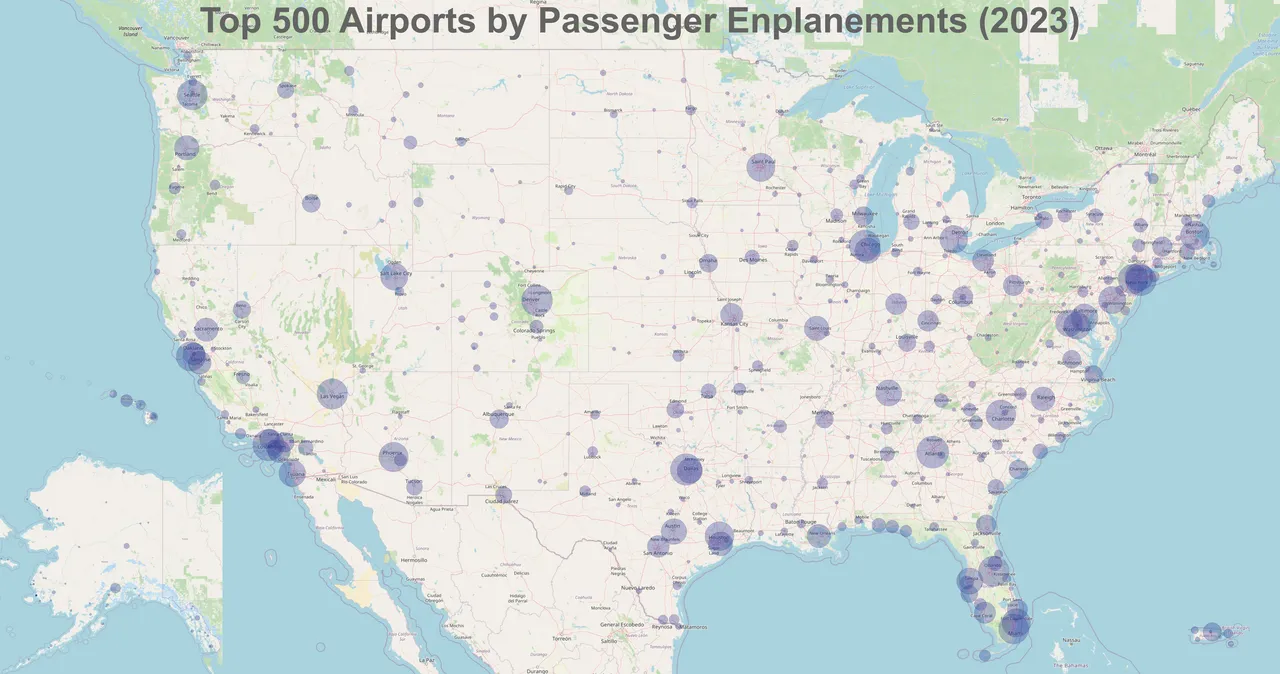
Photo: Wikimedia Commons
My Logbook: Coffee, Lava, and a Lesson in Slowness
I woke early on our Kona morning, drawn to the balcony by a light that felt different from every other port we had visited. The ship sat at anchor in Kailua Bay, and the water below was so clear I could see the dark shapes of reef fish moving over the sandy bottom thirty feet down. Behind the low-rise town, the slopes of Hualalai volcano rose green and gentle into a sky that was already turning from pink to deep, confident blue. The air tasted like plumeria and salt. I dressed quickly, grabbed my daypack, and went down to the tender queue before the coffee bar even opened.
The tender ride was short and smooth, perhaps ten minutes, and we stepped onto Kailua Pier right in the heart of the village. That is the gift of Kona as a cruise stop — there is no long taxi ride, no shuttle bus, no confusing port terminal to navigate. You step off the tender and you are there, standing on the same waterfront where Hawaiian royalty once kept their summer residence. Hulihe'e Palace sits across the road from the pier, a dignified coral-and-lava-rock building from 1838 with koa-wood furniture and portraits of King Kalakaua on the walls. I paid the $10 entry fee, removed my shoes, and walked through rooms where the floors creaked with nearly two centuries of footsteps. The docent, a Hawaiian woman with warm eyes and a quiet voice, told us that the palace had survived an earthquake, a tidal wave, and decades of neglect before the community rebuilt it piece by piece. "This house teaches patience," she said. I wrote that down.
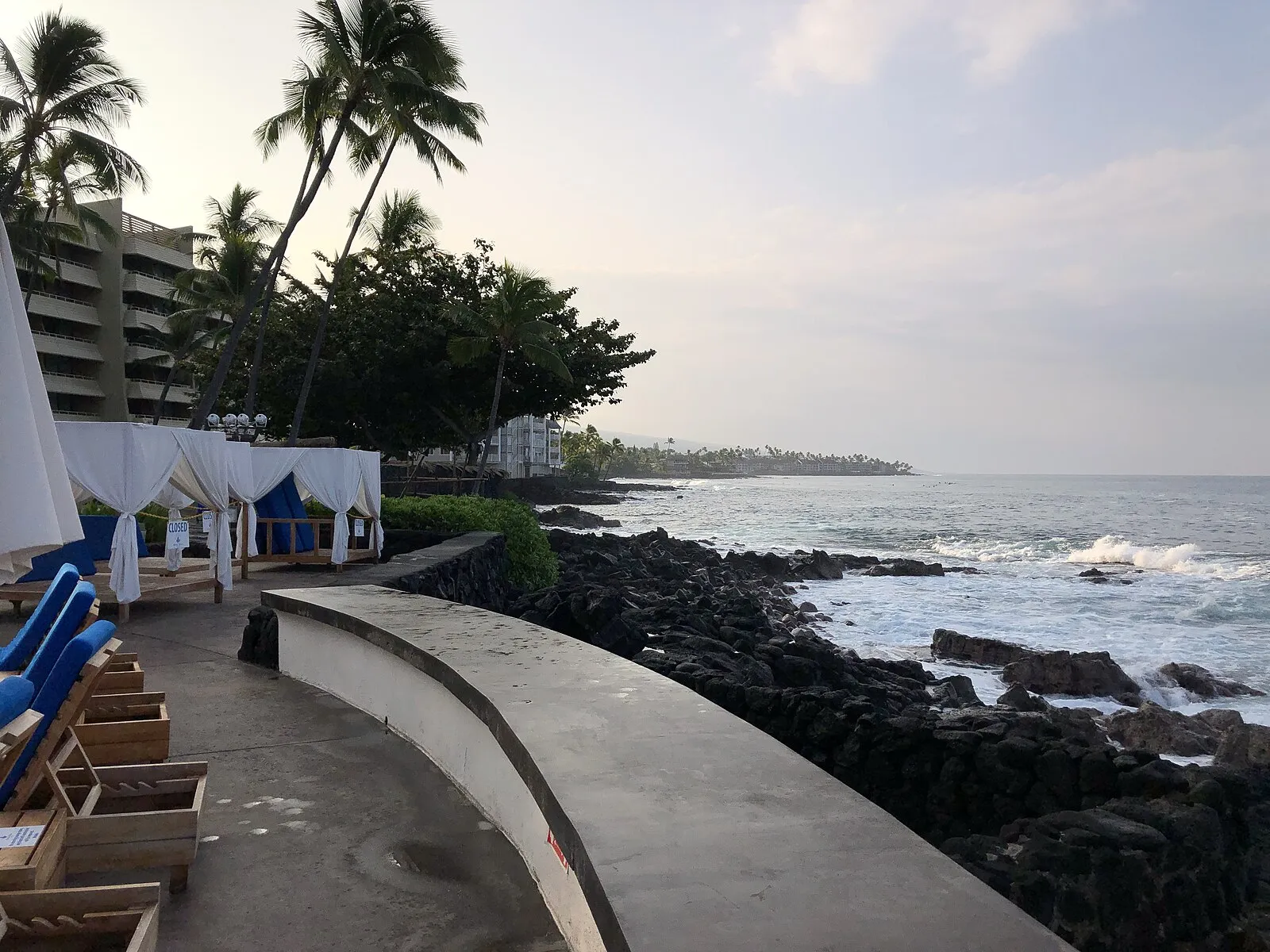
We walked south along Ali'i Drive, the historic main street that follows the coastline. The sidewalk was uneven in places — old lava rock breaking through concrete — but the walk was flat and easy, and every few minutes a free trolley rumbled past in case our legs gave out. We passed small shops selling macadamia nuts and koa-wood carvings, a shave ice stand where the line snaked around the corner by mid-morning, and a cluster of open-air restaurants with views across the bay to our anchored ship. I stopped at a roadside stand and bought two cups of fresh-brewed 100% Kona coffee for $4 each. It was rich and smooth with a chocolatey finish that made me understand, finally, why people pay $35-45 a bag for the real thing.
At ten o'clock we joined a coffee farm tour that left from a small lot near the Keauhou Shopping Center. The drive took about fifteen minutes, climbing through residential streets into the green belt where the Kona coffee grows. Our guide, a third-generation farmer named David, walked us between rows of glossy-leaved coffee trees that grew no taller than my shoulder. He explained the microclimate that makes this narrow strip of volcanic hillside so special: morning sun to ripen the cherry, afternoon clouds rolling in from the coast to cool the fruit, and soil so rich with volcanic minerals that you could smell the iron when he scooped a handful and held it under my nose. I tasted a ripe coffee cherry straight from the branch — the fruit is sweet, almost like a grape, and inside that sweetness hides the bean that becomes the coffee. David told us that Reverend Samuel Ruggles planted the first coffee here in 1828, and the same cultivar still grows on his farm. However, he admitted the economics are brutal. "Labor cost alone is ten times what they pay in Brazil," he said, shaking his head. "But the taste is worth the trouble." We bought two bags of estate peaberry, and months later the aroma still fills our kitchen when we open the cabinet.
The afternoon belonged to the water. We drove twenty-five minutes south to Kealakekua Bay, where Captain Cook met his end in 1779 and where, today, the snorkeling is among the clearest in the Hawaiian islands. The bay is a marine sanctuary, and the underwater visibility was easily sixty feet. I floated face-down above a coral garden teeming with yellow tangs, parrotfish, and humuhumunukunukuapua'a — Hawaii's state fish, whose name I still struggle to pronounce. A green sea turtle glided below me, unhurried, ancient, trailing a few remora like attendants following a queen. The water was warm enough that I stayed in for over an hour without feeling cold, though the afternoon clouds had begun to build over the summit of Mauna Loa far above.
Yet the experience that changed me came that evening. I had booked a manta ray night snorkel independently through a local operator for $95 per person, and the boat left from the harbor area around six o'clock. They gave us wetsuits, masks, and foam flotation boards with handles and built-in lights. We motored a short distance offshore, slipped into water that was already turning dark, and arranged ourselves in a circle around a cluster of underwater floodlights. The lights attracted plankton, and the plankton attracted the mantas. The first one arrived within minutes — a shadow that resolved into a creature with a twelve-foot wingspan, mouth agape, swooping and banking through the plankton cloud in slow, deliberate arcs. Then another came, and another, until five mantas were circling beneath us, their white bellies glowing in the lights, wingtips brushing past each other with the precision of ballet dancers who have rehearsed this performance for a thousand years.
We made it back to the ship with time to spare before all-aboard, still dripping, still stunned. I stood on the upper deck and watched the lights of Kailua-Kona glow against the dark mass of the mountain. That is what Kona taught me — to slow down. Not everything needs to be a race to the next attraction. Sometimes the richest port day is the one where you drink coffee on a volcanic hillside, watch a turtle, and then float in the dark while something ancient and beautiful passes beneath you. I learned that gratitude is not something you plan; it arrives when you stop rushing and pay attention to what is already there. I carry that lesson from Kona like the coffee in my bag — something I return to again and again, and it never loses its depth.
Weather & Best Time to Visit
The Cruise Port
Kailua-Kona is a tender port. Ships anchor in the bay and shuttle passengers to Kailua Pier aboard small tender boats. The ride takes roughly ten minutes depending on sea conditions, and the ship's crew manages the queue efficiently — most passengers are ashore within an hour of the first tender. The pier deposits you directly into the village, with Ali'i Drive and its shops, restaurants, and historic sites all within a two-minute walk. There is no dedicated cruise terminal building; you simply step off the tender onto the pier and walk into town. A free trolley service runs a loop from the pier along Ali'i Drive to the Keauhou area and back. Tenders typically operate from around 7:30 a.m. until the ship's scheduled departure, but swells can disrupt the service, so it is wise to return earlier than the last tender call. Keep your ship card accessible, as you will need it each time you board a tender. The pier area is mostly flat and accessible, though stepping on and off the tender boat itself requires moderate mobility and the assistance of crew members.
Getting Around
The historic Kailua village is compact and easily explored on foot. Ali'i Drive runs along the waterfront for about two miles, connecting the pier to beaches, restaurants, and shops with a mostly flat, paved sidewalk. A free trolley makes regular stops along Ali'i Drive and extends to the Keauhou Shopping Center, running roughly every twenty to thirty minutes throughout the day. The Big Island's public Hele-On bus system is also free on all routes, though schedules are infrequent and routes are designed for residents rather than tourists.
For destinations beyond walking distance — coffee farms in the hills, Kealakekua Bay to the south, or Pu'uhonua o Honaunau National Historical Park — you will need a car or organized tour. Car rentals cost approximately $60-90 per day, with agencies like Enterprise and Budget located a short taxi ride from the pier. Taxis are available near the pier and charge roughly $15-25 to reach the coffee belt. Ride-share services operate on the Big Island but response times can be slower than on Oahu. For wheelchair users and those with limited mobility, the trolley and paved sections of Ali'i Drive are accessible, but many attractions beyond town involve uneven lava rock terrain. Full-day private driver tours cost around $200-300 and offer the comfort and flexibility to visit multiple sites at your own pace.
Excursions & Activities
Kona Coffee Farm Tours
The Kona coffee belt stretches along the slopes of Hualalai and Mauna Loa at elevations between 800 and 2,500 feet. Dozens of small farms offer free or low-cost tours ($5-10 per person), including guided walks through the groves, explanations of the wet-mill and dry-mill process, and tastings of multiple roast profiles. A ship excursion combining a coffee farm with a scenic drive costs $70-100. You can also visit independently by renting a car or taking a taxi ($15-25 one way). Book ahead during peak season as popular farms fill their morning tour times quickly. A bag of 100% Kona coffee makes a valued souvenir and costs $25-45 depending on grade.
Kealakekua Bay Snorkeling
This marine sanctuary offers some of the clearest snorkeling water in Hawaii — visibility often exceeds sixty feet. The bay is home to spinner dolphins, green sea turtles, and a vivid coral reef ecosystem. Boat tours from Kailua depart in the morning and cost $25-40 per person for a half-day trip. Some operators combine the bay visit with stops at other snorkeling spots. Kayak rentals are available at around $35-50 for a half day. You can visit independently by driving to the Napoopoo area, though boat access provides the most rewarding snorkeling. Moderate energy level; suitable for confident swimmers.
Manta Ray Night Snorkel
The evening manta ray experience is Kona's signature activity. Boats depart from the harbor area between 5:30 and 6:00 p.m. and return by 8:30-9:00 p.m. — well before most ships' all-aboard time. Operators provide wetsuits, flotation boards, and guides. No diving experience is required; you float on the surface looking down into illuminated water as manta rays with wingspans of twelve to sixteen feet feed on plankton beneath you. Prices range from $80 to $130 per person. This experience is heavily regulated and has an excellent safety record. A ship excursion costs $120-160 and guarantees your return to the vessel. Booking independently is generally safe given the early return time, but book ahead as spots sell out weeks in advance.
Hulihe'e Palace & Historic Kailua
The 1838 royal vacation residence sits directly across from the pier. Entry costs $10 for adults. The palace contains original koa-wood furniture and artifacts from the Hawaiian monarchy. Combined with a stroll along Ali'i Drive and a visit to the Ahu'ena Heiau (a reconstructed Hawaiian temple near the pier), this is a low-energy, wheelchair-accessible half-day that costs under $15. No need to book ahead — simply walk there from the tender.
Pu'uhonua o Honaunau (Place of Refuge)
This National Historical Park, about thirty minutes south by car, preserves a sacred Hawaiian site where those who broke kapu (sacred laws) could find sanctuary. Entry is $20 per vehicle. The grounds include reconstructed temples, carved wooden images, and a tranquil coastline. Allow two to three hours including the drive. Moderate walking on uneven surfaces. Visit independently by rental car, or join a ship excursion that combines it with a coffee farm stop for around $90-120.
Depth Soundings
Currency: U.S. dollars — Hawaii is a U.S. state. ATMs are available throughout town. Credit cards are widely accepted at shops and restaurants. Standard American tipping applies: 15-20% at restaurants, $1-2 per drink, and 15-20% for tour guides.
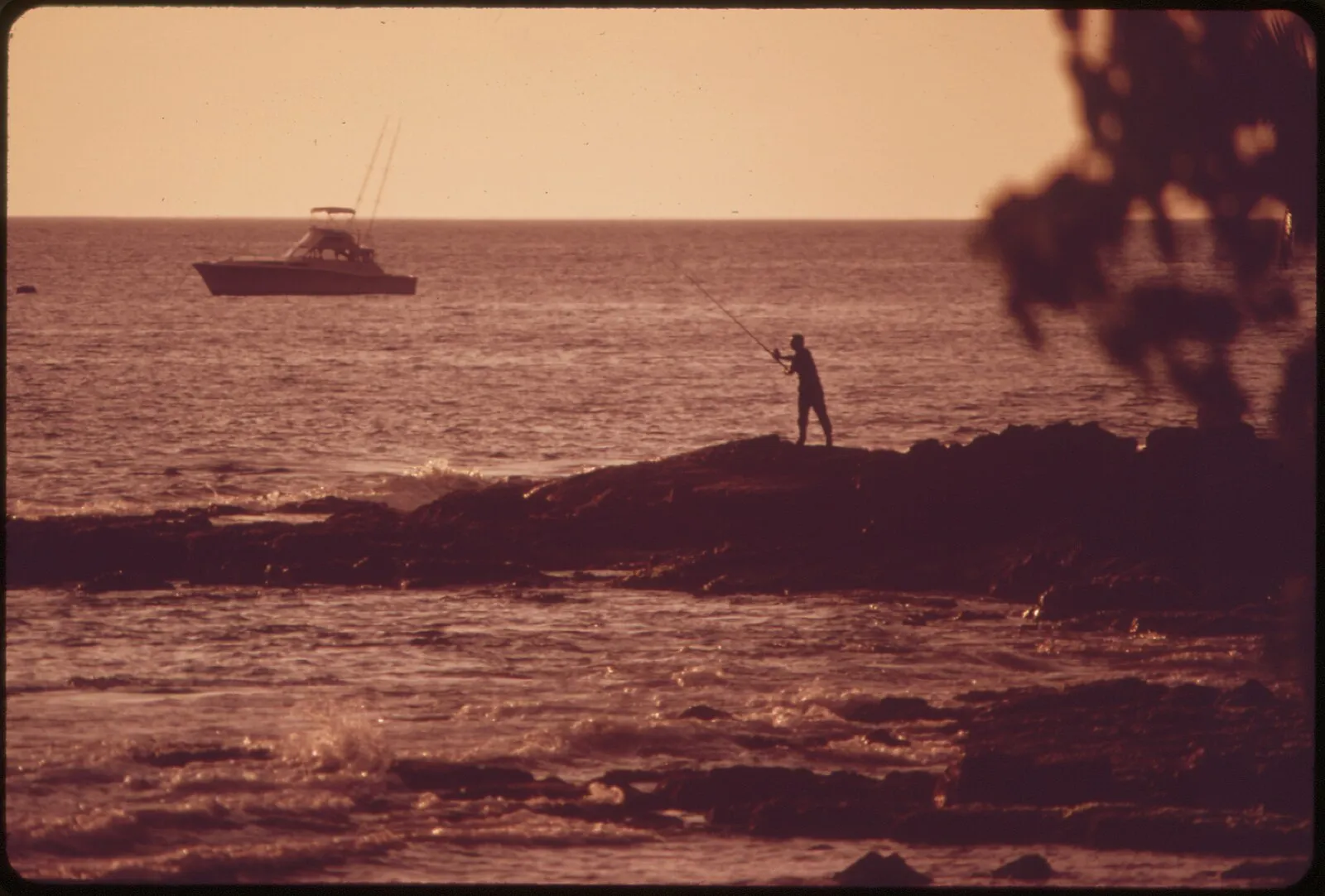
Tendering: Kona is always a tender port. Swells occasionally delay or suspend tender operations, though this is uncommon on the sheltered leeward coast. Arrive at the tender queue early in the morning for the shortest wait. The tender boats have crew who assist passengers stepping on and off, but the process requires moderate mobility.
Reef-Safe Sunscreen: Hawaii state law prohibits sunscreens containing oxybenzone and octinoxate. Bring compliant sunscreen from home, as reef-safe brands at local shops cost $12-18 per bottle.
Water Safety: Ocean conditions are generally calm on the Kona coast, but always check with lifeguards at staffed beaches. Rip currents can occur, particularly at Magic Sands Beach during high surf. The manta ray snorkel operators provide thorough safety briefings and maintain high standards.
Emergency Contact: Dial 911 for police, fire, or medical emergencies. Kona Community Hospital is located about ten minutes from the pier.
Photo Gallery
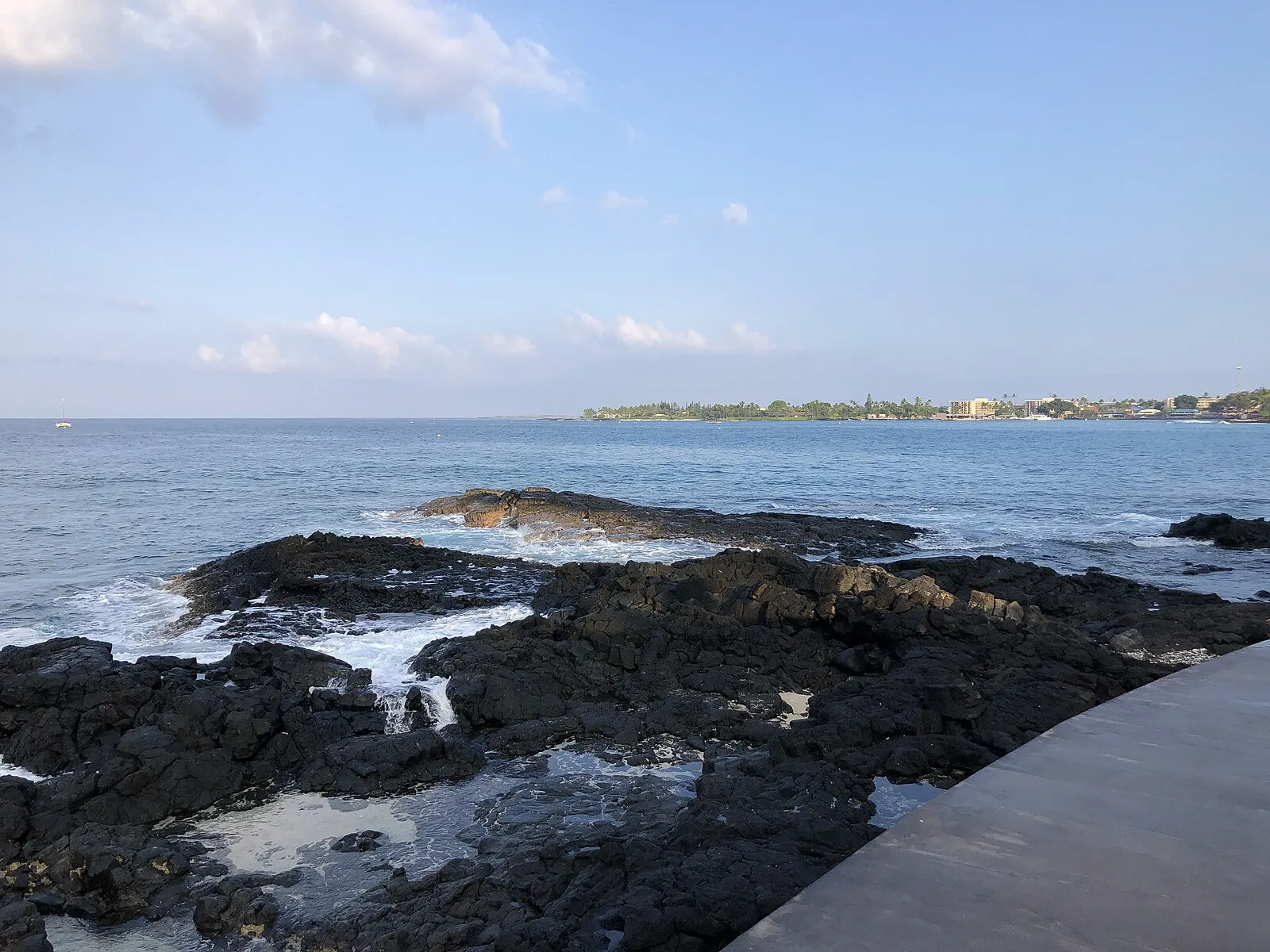
Image Credits
Photographs on this page are sourced from Wikimedia Commons, Unsplash, Pexels, Pixabay, and Flickr under Creative Commons or free-use licenses. Hero and supplementary photos courtesy of Flickers of Majesty.
Frequently Asked Questions
Where do cruise ships dock in Kailua-Kona?
Ships anchor in Kailua Bay and tender passengers to Kailua Pier in the center of the village. The tender ride takes about ten minutes. There is no dedicated cruise terminal — you step directly onto the pier and walk into town.
Can you walk from the tender to town?
Yes. The tender deposits you on Kailua Pier, and Ali'i Drive, Hulihe'e Palace, shops, restaurants, and beaches are all within a two-to-five-minute walk. A free trolley also operates along Ali'i Drive for longer distances.
How much does a Kona coffee farm tour cost?
Most farm tours are free or $5-10 per person. You will likely want to buy a bag of coffee, which costs $25-45 for 100% Kona. Ship excursions combining a farm visit with scenic driving cost $70-100.
Is the manta ray night snorkel safe?
Yes. It is heavily regulated with an excellent safety record. Operators provide wetsuits, flotation boards, and experienced guides. No diving is required — you float on the surface. Boats return well before the ship's all-aboard time.
What is the weather like in Kona?
Kona sits on the dry leeward side of the Big Island, shielded from rain by Hualalai and Mauna Kea. Expect sunshine most days with temperatures of 22-30 degrees Celsius year-round. It rarely rains on the Kona coast.
Is Kona accessible for wheelchair users?
Ali'i Drive is paved and mostly flat. However, the tender process requires stepping on and off small boats, which can be challenging for wheelchair users or those with limited mobility. Contact the ship's accessibility desk before your port day to discuss arrangements.
Kailua-Kona, Hawaii — Port Guide
Last reviewed: February 2026